[Skip to main content](https://www.nike.com#skip-to-content)[Accessibility at Nike](https://www.nike.com/accessibility#introduction)
- [](https://www.nike.com/jordan)
- [](https://www.nike.com/w/converse-akmjx)
- [Find a Store](https://www.nike.com/retail)
- [Help](https://www.nike.com/help)
[Help](https://www.nike.com/help)
- [Order Status](https://www.nike.com/orders/details/)
- [Shipping & Delivery](https://www.nike.com/help/a/shipping-delivery)
- [Returns](https://www.nike.com/help/a/returns-policy)
- [Order Cancellation](https://www.nike.com/help/a/change-cancel-order)
- [Size Charts](https://www.nike.com/help/a/size-charts)
- [Contact Us](https://www.nike.com/help/#contact)
- [Membership](https://www.nike.com/membership)
- [Promotions & Discounts](https://www.nike.com/promo-code)
- [Product Advice](https://www.nike.com/product-advice)
- [Send Us Feedback](https://www.nike.com#site-feedback)
- [Join Us](https://www.nike.com/membership)
- [Sign In](https://www.nike.com/register)
[](https://www.nike.com)
- [Men](https://www.nike.com/men)
- [New & Featured](https://www.nike.com/w/new-mens-3n82yznik1)
- [New Arrivals](https://www.nike.com/w/new-mens-3n82yznik1)
- [Best Sellers](https://www.nike.com/w/mens-best-76m50znik1)
- [Latest Drops](https://www.nike.com/w/new-upcoming-drops-k0gk)
- [Nike Sportswear](https://www.nike.com/w/mens-lifestyle-13jrmznik1)
- [SNKRS Launch Calendar](https://www.nike.com/launch)
- [Shop All Sale](https://www.nike.com/w/mens-sale-3yaepznik1)
- [Shoes](https://www.nike.com/w/mens-shoes-nik1zy7ok)
- [All Shoes](https://www.nike.com/w/mens-shoes-nik1zy7ok)
- [Basketball](https://www.nike.com/w/mens-basketball-shoes-3glsmznik1zy7ok)
- [Jordan](https://www.nike.com/w/mens-jordan-shoes-37eefznik1zy7ok)
- [Running](https://www.nike.com/w/mens-running-shoes-37v7jznik1zy7ok)
- [Sandals & Slides](https://www.nike.com/w/mens-sandals-slides-fl76znik1)
- [Sportswear](https://www.nike.com/w/mens-lifestyle-shoes-13jrmznik1zy7ok)
- [Training & Gym](https://www.nike.com/w/mens-training-gym-shoes-58jtoznik1zy7ok)
- [Custom Shoes](https://www.nike.com/w/mens-nike-by-you-shoes-6ealhznik1zy7ok)
- [Clothing](https://www.nike.com/w/mens-clothing-6ymx6znik1)
- [All Clothing](https://www.nike.com/w/mens-clothing-6ymx6znik1)
- [Jackets & Vests](https://www.nike.com/w/mens-jackets-vests-50r7yznik1)
- [Pants](https://www.nike.com/w/mens-pants-and-tights-2kq19znik1)
- [Shorts](https://www.nike.com/w/mens-shorts-38fphznik1)
- [Sweats & Sweatshirts](https://www.nike.com/w/mens-fleece-4xh6qznik1)
- [Swim](https://www.nike.com/w/mens-surf-swimming-3c2djznik1)
- [Tops & Graphic Tees](https://www.nike.com/w/mens-tops-t-shirts-9om13znik1)
- [Accessories](https://www.nike.com/w/mens-accessories-equipment-awwpwznik1)
- [All Accessories](https://www.nike.com/w/mens-accessories-equipment-awwpwznik1)
- [Bags & Backpacks](https://www.nike.com/w/mens-bags-and-backpacks-9xy71znik1)
- [Hats & Headwear](https://www.nike.com/w/mens-hats-visors-and-headbands-52r49znik1)
- [Socks](https://www.nike.com/w/mens-socks-7ny3qznik1)
- [Sunglasses](https://www.nike.com/w/sunglasses-arlyp)
- [Women](https://www.nike.com/women)
- [New & Featured](https://www.nike.com/w/new-womens-3n82yz5e1x6)
- [New Arrivals](https://www.nike.com/w/new-womens-3n82yz5e1x6)
- [Best Sellers](https://www.nike.com/w/womens-best-5e1x6z76m50)
- [Nike Sportswear](https://www.nike.com/w/womens-lifestyle-13jrmz5e1x6)
- [NikeSKIMS](https://www.nike.com/w/nikeskims-b2asd)
- [SNKRS Launch Calendar](https://www.nike.com/launch)
- [Shop All Sale](https://www.nike.com/w/womens-sale-3yaepz5e1x6)
- [Shop by Color](https://www.nike.com/w/womens-matching-sets-clothing-2lukpz5e1x6z6ymx6)
- [Dark Neutrals](https://www.nike.com/w/womens-color-shop-brown-4elb3z5e1x6)
- [Illusion Green](https://www.nike.com/w/womens-color-shop-green-5e1x6z9cm3q)
- [Midnight Blue](https://www.nike.com/w/womens-color-shop-blues-5e1x6z7wk8r)
- [Pink Rise](https://www.nike.com/w/womens-color-shop-fierce-pinks-4x3uaz5e1x6)
- [Warm Neutrals](https://www.nike.com/w/womens-color-shop-new-neutrals-5e1x6z98ed2)
- [Shoes](https://www.nike.com/w/womens-shoes-5e1x6zy7ok)
- [All Shoes](https://www.nike.com/w/womens-shoes-5e1x6zy7ok)
- [Basketball](https://www.nike.com/w/womens-basketball-shoes-3glsmz5e1x6zy7ok)
- [Jordan](https://www.nike.com/w/womens-jordan-shoes-37eefz5e1x6zy7ok)
- [Running](https://www.nike.com/w/womens-running-shoes-37v7jz5e1x6zy7ok)
- [Sandals & Slides](https://www.nike.com/w/womens-sandals-slides-5e1x6zfl76)
- [Sportswear](https://www.nike.com/w/womens-lifestyle-shoes-13jrmz5e1x6zy7ok)
- [Training & Gym](https://www.nike.com/w/womens-training-gym-shoes-58jtoz5e1x6zy7ok)
- [Custom Shoes](https://www.nike.com/w/womens-nike-by-you-shoes-5e1x6z6ealhzy7ok)
- [Clothing](https://www.nike.com/w/womens-clothing-5e1x6z6ymx6)
- [All Clothing](https://www.nike.com/w/womens-clothing-5e1x6z6ymx6)
- [Bras](https://www.nike.com/w/womens-sports-bras-40qgmz5e1x6)
- [Leggings](https://www.nike.com/w/womens-tights-leggings-29sh2z5e1x6)
- [Matching Sets](https://www.nike.com/w/womens-matching-sets-clothing-2lukpz5e1x6z6ymx6)
- [Jackets & Vests](https://www.nike.com/w/womens-jackets-vests-50r7yz5e1x6)
- [Pants](https://www.nike.com/w/womens-pants-and-tights-2kq19z5e1x6)
- [Shorts](https://www.nike.com/w/womens-shorts-38fphz5e1x6)
- [Skirts & Dresses](https://www.nike.com/w/womens-skirts-and-dresses-5e1x6z8y3qp)
- [Sweats & Sweatshirts](https://www.nike.com/w/womens-fleece-4xh6qz5e1x6)
- [Swim](https://www.nike.com/w/womens-surf-swimming-3c2djz5e1x6)
- [Tops & Graphics Tees](https://www.nike.com/w/womens-tops-t-shirts-5e1x6z9om13)
- [Accessories](https://www.nike.com/w/womens-accessories-equipment-5e1x6zawwpw)
- [All Accessories](https://www.nike.com/w/womens-accessories-equipment-5e1x6zawwpw)
- [Bags & Backpacks](https://www.nike.com/w/womens-bags-and-backpacks-5e1x6z9xy71)
- [Hats & Headwear](https://www.nike.com/w/womens-hats-visors-and-headbands-52r49z5e1x6)
- [Socks](https://www.nike.com/w/womens-socks-5e1x6z7ny3q)
- [Sunglasses](https://www.nike.com/w/sunglasses-arlyp)
- [Kids](https://www.nike.com/kids)
- [New & Featured](https://www.nike.com/w/new-kids-3n82yzv4dh)
- [New Arrivals](https://www.nike.com/w/new-kids-3n82yzv4dh)
- [Best Sellers](https://www.nike.com/w/kids-best-76m50zv4dh)
- [Nike Sportswear](https://www.nike.com/w/kids-lifestyle-13jrmzv4dh)
- [Nike x LEGO®](https://www.nike.com/w/nike-lego-collection-58jr)
- [Teens Collection](https://www.nike.com/teens)
- [Shop All Sale](https://www.nike.com/w/kids-sale-3yaepzv4dh)
- [Shoes](https://www.nike.com/w/kids-shoes-v4dhzy7ok)
- [All Shoes](https://www.nike.com/w/kids-shoes-v4dhzy7ok)
- [Teens (13-15 yrs)](https://www.nike.com/w/teen-collection-shoes-6hguezy7ok)
- [Big Kids (7-12 yrs)](https://www.nike.com/w/big-kids-shoes-agibjzv4dhzy7ok)
- [Little Kids (3-7 yrs)](https://www.nike.com/w/little-kids-shoes-6dacezv4dhzy7ok)
- [Baby & Toddler (0-3 yrs)](https://www.nike.com/w/baby-toddler-kids-shoes-2j488zv4dhzy7ok)
- [Clothing](https://www.nike.com/w/kids-clothing-6ymx6zv4dh)
- [All Clothing](https://www.nike.com/w/kids-clothing-6ymx6zv4dh)
- [Teens (13-15 yrs)](https://www.nike.com/w/teen-collection-clothing-6hguez6ymx6)
- [Big Kids (7-12 yrs)](https://www.nike.com/w/big-kids-clothing-6ymx6zagibjzv4dh)
- [Little Kids (3-7 yrs)](https://www.nike.com/w/little-kids-clothing-6dacez6ymx6zv4dh)
- [Baby & Toddler (0-3 yrs)](https://www.nike.com/w/baby-toddler-kids-clothing-2j488z6ymx6zv4dh)
- [Accessories](https://www.nike.com/w/kids-accessories-equipment-awwpwzv4dh)
- [All Accessories](https://www.nike.com/w/kids-accessories-equipment-awwpwzv4dh)
- [Bags & Backpacks](https://www.nike.com/w/kids-bags-and-backpacks-9xy71zv4dh)
- [Hats & Headwear](https://www.nike.com/w/kids-hats-visors-and-headbands-52r49zv4dh)
- [Socks](https://www.nike.com/w/kids-socks-7ny3qzv4dh)
- Shop By Sport
- [Basketball](https://www.nike.com/w/kids-basketball-3glsmzv4dh)
- [Gymnastics](https://www.nike.com/w/gymnastics-dance-inspired-2obuy)
- [Fan Gear](https://www.nike.com/w/kids-fan-gear-b170ozv4dh)
- [Football](https://www.nike.com/w/kids-football-3hj8mzv4dh)
- [Running](https://www.nike.com/w/kids-running-37v7jzv4dh)
- [Soccer](https://www.nike.com/w/kids-soccer-1gdj0zv4dh)
- [Jordan](https://www.nike.com/jordan)
- [New & Featured](https://www.nike.com/w/new-jordan-37eefz3n82y)
- [New Arrivals](https://www.nike.com/w/new-jordan-37eefz3n82y)
- [Best Sellers](https://www.nike.com/w/best-jordan-37eefz76m50)
- [Heat Check](https://www.nike.com/w/jordan-heat-check-1n7xt)
- [Shop All Sale](https://www.nike.com/w/sale-jordan-37eefz3yaep)
- [Men](https://www.nike.com/w/mens-jordan-37eefznik1)
- [Shop All](https://www.nike.com/w/mens-jordan-37eefznik1)
- [Shoes](https://www.nike.com/w/mens-jordan-shoes-37eefznik1zy7ok)
- [AJ1](https://www.nike.com/w/mens-jordan-1-shoes-4fokyznik1zy7ok)
- [Clothing](https://www.nike.com/w/mens-jordan-clothing-37eefz6ymx6znik1)
- [Accessories](https://www.nike.com/w/jordan-accessories-equipment-37eefzawwpw)
- [Women](https://www.nike.com/w/womens-jordan-37eefz5e1x6)
- [Shop All](https://www.nike.com/w/womens-jordan-37eefz5e1x6)
- [Shoes](https://www.nike.com/w/womens-jordan-shoes-37eefz5e1x6zy7ok)
- [AJ1](https://www.nike.com/w/womens-jordan-1-shoes-4fokyz5e1x6zy7ok)
- [Clothing](https://www.nike.com/w/womens-jordan-clothing-37eefz5e1x6z6ymx6)
- [Accessories](https://www.nike.com/w/jordan-accessories-equipment-37eefzawwpw)
- [Kids](https://www.nike.com/w/kids-jordan-37eefzv4dh)
- [Shop All](https://www.nike.com/w/kids-jordan-37eefzv4dh)
- [Shoes](https://www.nike.com/w/kids-jordan-shoes-37eefzv4dhzy7ok)
- [AJ1](https://www.nike.com/w/jordan-1-shoes-1onraz3aqegz4fokyzy7ok)
- [Clothing](https://www.nike.com/w/kids-jordan-clothing-37eefz6ymx6zv4dh)
- [Accessories](https://www.nike.com/w/kids-jordan-accessories-equipment-37eefzawwpwzv4dh)
- Sport
- [Basketball](https://www.nike.com/w/jordan-basketball-37eefz3glsm)
- [Golf](https://www.nike.com/w/jordan-golf-23q9wz37eef)
- [Cleats](https://www.nike.com/w/jordan-cleats-spikes-37eefz5ufbh)
- [NikeSKIMS](https://www.nike.com/nikeskims)
- [All Shoes](https://www.nike.com/w/nikeskims-shoes-b2asdzy7ok)
- [NikeSKIMS Rift](https://www.nike.com/w/nikeskims-shoes-b2asdzy7ok)
- [All Clothing](https://www.nike.com/w/nikeskims-b2asd)
- [Bras](https://www.nike.com/w/nikeskims-sports-bras-40qgmzb2asd)
- [Jackets](https://www.nike.com/w/nikeskims-jackets-vests-50r7yzb2asd)
- [Leggings](https://www.nike.com/w/nikeskims-tights-leggings-29sh2zb2asd)
- [Shorts](https://www.nike.com/w/nikeskims-shorts-38fphzb2asd)
- [Tops and Tanks](https://www.nike.com/w/nikeskims-tops-t-shirts-9om13zb2asd)
- [Accessories](https://www.nike.com/w/nikeskims-accessories-equipment-awwpwzb2asd)
- [Shop by Color](https://www.nike.com/w/nikeskims-b2asd)
- [Cobalt](https://www.nike.com/w/nikeskims-blue-8hfx3zb2asd)
- [Ivory](https://www.nike.com/w/nikeskims-white-4g797zb2asd)
- [Obsidian](https://www.nike.com/w/nikeskims-black-90poyzb2asd)
- [Phoenix](https://www.nike.com/w/nikeskims-brown-557pqzb2asd)
- [Shop by Material](https://www.nike.com/w/nikeskims-b2asd)
- [Airy](https://www.nike.com/w/nikeskims-nikeskims-airy-5c1qqzb2asd)
- [Matte](https://www.nike.com/w/nikeskims-nikeskims-matte-5s3enzb2asd)
- [Satin Shine](https://www.nike.com/w/nikeskims-nikeskims-satin-shine-97fc5zb2asd)
- [Seamless](https://www.nike.com/w/nikeskims-nikeskims-seamless-6lh4szb2asd)
- [Stretch Knit](https://www.nike.com/w/nikeskims-nikeskims-stretch-knit-21jwlzb2asd)
- [Stretch Nylon](https://www.nike.com/w/nikeskims-stretch-nylon-7sut9)
- [Studio Stretch](https://www.nike.com/w/nikeskims-studio-stretch-admbq)
- [NikeSKIMS Guides](https://www.nike.com/w/nikeskims-b2asd)
- [NikeSKIMS Lookbook](https://www.nike.com/nikeskims-lookbook)
- [NikeSKIMS Bra Guide](https://www.nike.com/nikeskims-bra-guide)
- [NikeSKIMS Fabric Guide](https://www.nike.com/nikeskims-collection-guide)
- [Sport](https://www.nike.com/gear-up)
- [Basketball](https://www.nike.com/basketball)
- [Shoes](https://www.nike.com/w/basketball-shoes-3glsmzy7ok)
- [Apparel](https://www.nike.com/w/basketball-clothing-3glsmz6ymx6)
- [Equipment](https://www.nike.com/w/basketball-accessories-equipment-3glsmzawwpw)
- [Kobe](https://www.nike.com/w/kobe-pgd6)
- [Jordan](https://www.nike.com/w/jordan-basketball-37eefz3glsm)
- [Court](https://www.nike.com/tennis)
- [Tennis](https://www.nike.com/w/tennis-ed1q)
- [Pickleball](https://www.nike.com/w/pickleball-273vc)
- [Shoes](https://www.nike.com/w/tennis-shoes-ed1qzy7ok)
- [Apparel](https://www.nike.com/w/tennis-clothing-6ymx6zed1q)
- [Equipment](https://www.nike.com/w/tennis-gear-6bvfkzed1q)
- [Soccer](https://www.nike.com/soccer)
- [Cleats](https://www.nike.com/w/soccer-shoes-1gdj0zy7ok)
- [Indoor Footwear](https://www.nike.com/w/indoor-court-soccer-shoes-1gdj0z8yh10zy7ok)
- [Apparel](https://www.nike.com/w/soccer-clothing-1gdj0z6ymx6)
- [Equipment](https://www.nike.com/w/soccer-accessories-equipment-1gdj0zawwpw)
- [Training](https://www.nike.com/training)
- [Prime](https://www.nike.com/w/prime-7frqv)
- [Train](https://www.nike.com/w/training-gym-58jto)
- [Hybrid](https://www.nike.com/w/hybrid-training-8wvhh)
- [Strength](https://www.nike.com/w/strength-training-45gbi)
- [Studio](https://www.nike.com/w/yoga-pilates-59fco)
- [Recover](https://www.nike.com/w/recover-5vfyy)
- [Running](https://www.nike.com/running)
- [Road](https://www.nike.com/w/road-running-shoes-37v7jz8kwewzy7ok)
- [Race](https://www.nike.com/w/road-racing-shoes-9gdhkzy7ok)
- [Trail](https://www.nike.com/w/acg-trail-running-75jcnz93bsd)
- [Track & Field](https://www.nike.com/w/track-field-shoes-7nem3zy7ok)
- [Apparel](https://www.nike.com/w/running-clothing-37v7jz6ymx6)
- [Equipment](https://www.nike.com/w/running-accessories-equipment-37v7jzawwpw)
- [Running Shoe Finder](https://www.nike.com/us/running-shoe-finder)
- [Golf](https://www.nike.com/golf)
- [Shoes](https://www.nike.com/w/golf-shoes-23q9wzy7ok)
- [Apparel](https://www.nike.com/w/golf-clothing-23q9wz6ymx6)
- [Equipment](https://www.nike.com/w/golf-accessories-equipment-23q9wzawwpw)
- More Sports
- [Baseball](https://www.nike.com/baseball)
- [Cheer](https://www.nike.com/w/cheerleading-1cyjk)
- [Football](https://www.nike.com/us-football)
- [Gymnastics](https://www.nike.com/w/gymnastics-dance-inspired-2obuy)
- [Lacrosse](https://www.nike.com/w/lacrosse-4nvmr)
- [Skateboarding](https://www.nike.com/w/skateboarding-8mfrf)
- [Softball](https://www.nike.com/w/softball-2dlpv)
- [Sportswear](https://www.nike.com/sportswear)
- [Swimming](https://www.nike.com/swim)
- [Volleyball](https://www.nike.com/w/volleyball-tc2u)
- [Wrestling](https://www.nike.com/w/wrestling-52dy6)
- [Locker Room](https://www.nike.com/lockerroom)
- [NBA Gear](https://www.nike.com/w/nba-1vofi)
- [NFL Gear](https://www.nike.com/w/nfl-9bklc)
- [MLB Gear](https://www.nike.com/w/mlb-b0g9x)
- [WNBA Gear](https://www.nike.com/w/wnba-6ef6n)
- [NCAA Gear](https://www.nike.com/w/college-teams-2wq2g)
- [NWSL Gear](https://www.nike.com/w/national-womens-soccer-league-5yy3b)
- [Soccer Club Gear](https://www.nike.com/w/soccer-clubs-6fu9q)
- [Federations Gear](https://www.nike.com/w/national-team-soccer-1gdj0zav9de)
- [All Conditions Gear](https://www.nike.com/acg)
- [Trail Run](https://www.nike.com/w/acg-trail-running-75jcnz93bsd)
- [Hike](https://www.nike.com/w/acg-hiking-90dwjz93bsd)
- [Explore](https://www.nike.com/w/acg-explore-1v964z93bsd)
- [Sportswear](https://www.nike.com/sportswear)
Cancel
Cancel
Ask NikeAI
Popular Search Terms
[college fan gear](https://www.nike.com/w?q=college%20fan%20gear&vst=college%20fan%20gear)[hyperice](https://www.nike.com/w?q=hyperice&vst=hyperice)[shoes](https://www.nike.com/w?q=shoes&vst=shoes)[jordan](https://www.nike.com/w?q=jordan&vst=jordan)[air max](https://www.nike.com/w?q=air%20max&vst=air%20max)[soccer cleats](https://www.nike.com/w?q=soccer%20cleats&vst=soccer%20cleats)[kids' shoes](https://www.nike.com/w?q=kids%27%20shoes&vst=kids%27%20shoes)[basketball shoes](https://www.nike.com/w?q=basketball%20shoes&vst=basketball%20shoes)
[](https://www.nike.com/favorites "Favorites")[](https://www.nike.com/cart "Bag Items: 0")
# Training Shoes vs. Running Shoes: What’s the Difference and Which Should You Wear?
##### Buying Guide
Running and training shoes support different types of movement, and knowing the distinction is essential to getting the best results from every workout.
Last updated: March 16, 2026
9 min read
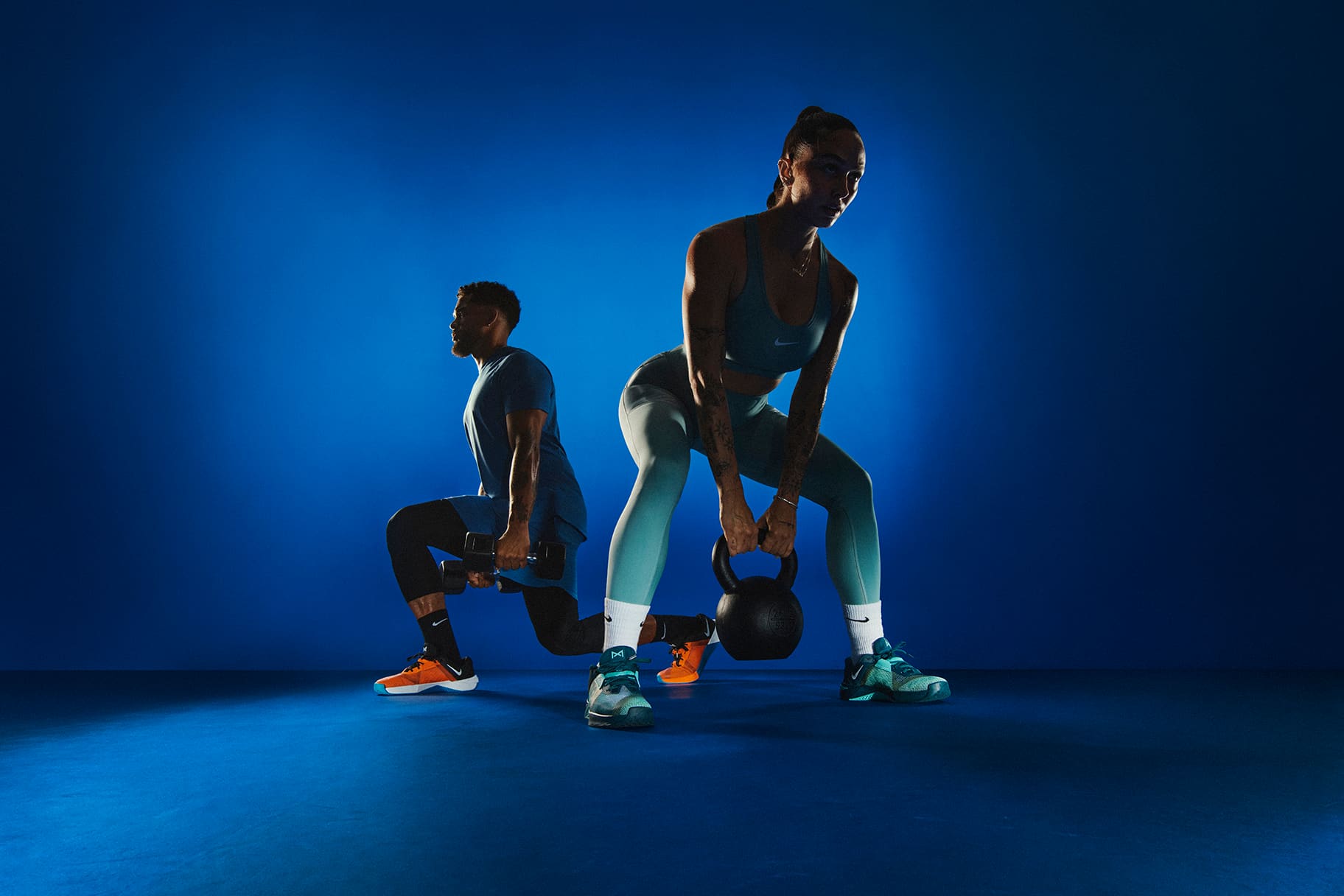
Whether you’re a runner, a gym-goer, or both, you need the right gear to support your hard work and help you feel your best. But with so many options for athletic shoes on the market, it can be difficult to determine whether training or running shoes will be better for your chosen activity.
You might be tempted to just grab your most comfortable pair of sneakers on your way out the door, but wearing the wrong shoe type for your workout can increase your risk of injury.
What’s the difference between training shoes and running shoes? While cross-training shoes and running shoes have some similarities, running shoes provide the appropriate cushioning needed for [long distances](https://www.nike.com/a/run-longer-without-getting-tired), while training shoes support a greater range of movement patterns.
When it comes to training shoes vs. running shoes, here’s how to choose the perfect option for your next workout.
## Quick Takeaways
- Running shoes are designed for forward motion and long-distance cushioning.
- Training shoes support lateral movement, lifting, and multidirectional workouts.
- Wearing the wrong shoe can increase injury risk and reduce performance.
- Choose running shoes for miles, and choose training shoes for the gym and HIIT workouts.
## Shop Nike Running Shoes
[View All](https://www.nike.com/w/running-shoes-37v7jzy7ok)
- [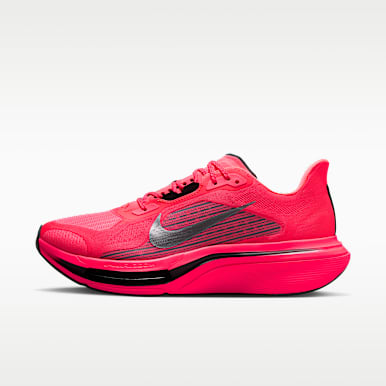
\
Nike Pegasus Plus 2
\
Men's Road Running Shoes
\
__$170__](https://www.nike.com/t/pegasus-plus-2-mens-road-running-shoes-p9ePl101/IM2541-600)
- [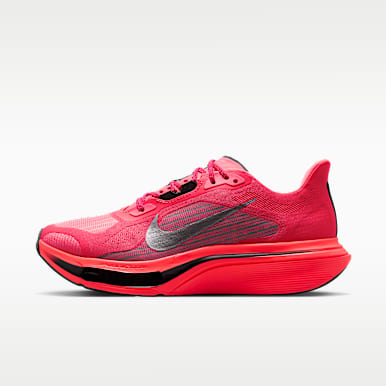
\
Nike Pegasus Plus 2
\
Women's Road Running Shoes
\
__$170__](https://www.nike.com/t/pegasus-plus-2-womens-road-running-shoes-IApQlsjO/IM2543-600)
- [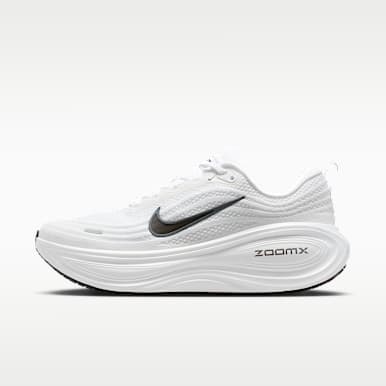
\
Nike Vomero Plus
\
Men's Road Running Shoes
\
__$180__](https://www.nike.com/t/vomero-plus-mens-road-running-shoes-5npsVBwT/HV8150-101)
- [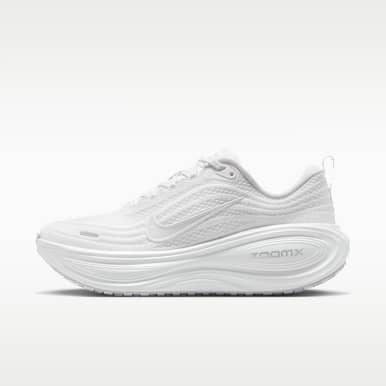
\
Nike Vomero Plus
\
Women's Road Running Shoes
\
__$180__](https://www.nike.com/t/vomero-plus-womens-road-running-shoes-8AH6updi/HV8154-102)
- [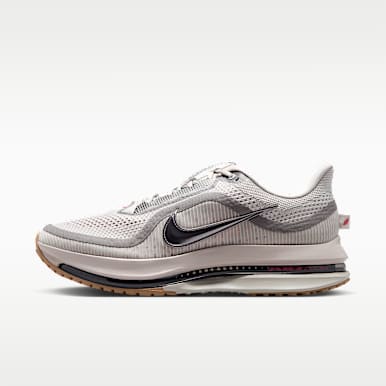
\
Nike Pegasus Premium
\
Men's Road Running Shoes
\
__$220__](https://www.nike.com/t/pegasus-premium-mens-road-running-shoes-kWXqW9yR/IV5663-012)
- [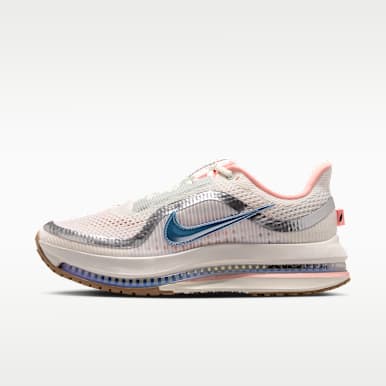
\
Nike Pegasus Premium
\
Women's Road Running Shoes
\
__$220__](https://www.nike.com/t/pegasus-premium-womens-road-running-shoes-OHKEqA2b/IV5669-121)
- [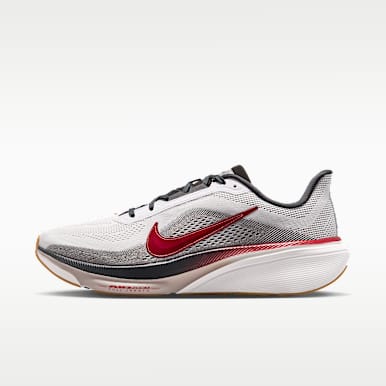
\
Nike Pegasus 42
\
Men's Road Running Shoes
\
__$155__](https://www.nike.com/t/pegasus-42-mens-road-running-shoes-S1bYkOza/IV5659-121)
- [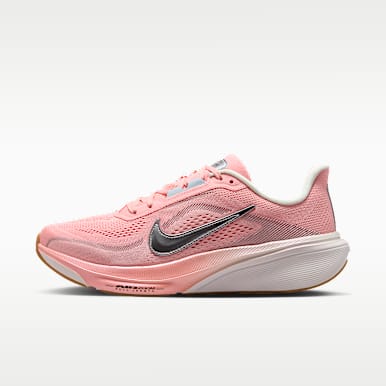
\
Nike Pegasus 42
\
Women's Road Running Shoes
\
__$150__](https://www.nike.com/t/pegasus-42-womens-road-running-shoes-VCB6baKU/IV5667-697)
- [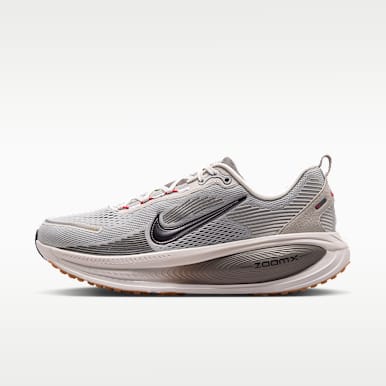
\
Nike Vomero 18
\
Men's Road Running Shoes
\
__$165__](https://www.nike.com/t/vomero-18-mens-road-running-shoes-NzWnvcC8/IV5666-097)
- [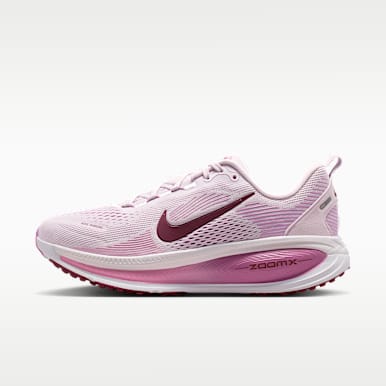
\
Nike Vomero 18
\
Women's Road Running Shoes
\
__$155__](https://www.nike.com/t/vomero-18-womens-road-running-shoes-7rbVWb/HM6804-500)
## What Are Running Shoes?
Running comes with a ton of physical and mental health benefits, from reducing anxiety to increasing lung capacity. But the repeated impact of your feet hitting the ground can put stress on your body and lead to injury if you’re not wearing the right gear.
[Running shoes](https://www.nike.com/a/buy-right-running-shoes) are designed to provide [shock absorption](https://feetfirstclinic.com/blog/importance-of-running-shoes/) and support forward movement while remaining lightweight so you can fly across the road or track. They also have more midsole cushioning and arch support than training shoes, which can help [protect against overuse injuries](https://pmc.ncbi.nlm.nih.gov/articles/PMC6610529/) like stress fractures.
## When to Wear Running Shoes
It might seem obvious, but running shoes are specifically designed for running, so you should wear them when you run. The only exception is if you’re running short distances on a treadmill to warm up before weight training; you may choose to wear your [cross-training shoes](https://www.nike.com/a/what-are-cross-training-shoes) if you’re running less than a mile. If you’re running longer distances on the road or treadmill, choose a pair of lightweight road running shoes. For speed workouts or tempo runs, many runners prefer a lighter, more responsive shoe, while more cushioned options are often favored for recovery runs and higher-mileage days. If you’re running outdoors, you should have a pair of [trail running shoes](https://www.nike.com/a/trail-running-shoes-vs-running-shoes), which provide increased protection on rough terrain.
## What to Look for in Running Shoes
- __Comfort and fit:__ Make sure to try on your running shoes toward the end of the day in your typical [moisture-wicking running socks](https://www.nike.com/a/best-athletic-socks). The toe box should be roomy enough for you to wiggle and stretch, and the heel collar shouldn’t rub or slip on your heel. They should feel just right from the get-go; don’t rely on a break-in period.
- __Cushioning and responsiveness:__ Aim for a shoe with plenty of midsole cushioning, especially if you’re running long distances. Cushioning absorbs impact and reduces stress on your body, while responsiveness refers to how quickly the shoe returns energy to help you move forward. For example, the innovative [Nike Zoom](https://www.nike.com/zoomx) cushioning system is designed to balance impact protection with energy return. A good rule of thumb is that your shoes should feel protective without feeling unstable or overly soft underfoot.
- __Lightweight feel:__ You don’t want your running shoes to slow you down, so choose a pair with a lightweight construction, without sacrificing cushioning where you need it most.
- __Traction and protection:__ If you’ll be running on a trail, look for shoes with deeper lugs (a.k.a. cleats) and more durable uppers.
- __The right heel-to-toe drop:__ Traditional running shoes have a heel-to-toe drop of 10 millimeters or more, which comes from the added cushioning in the heel. You’ll want that if you tend to strike aggressively on your heel, but if you strike more with your mid or forefoot, or if you have chronic knee problems, opt for a lower heel-to-toe drop.
## What Are Cross-Training Shoes?
Training shoes are capable of supporting a wide range of movements, from lateral plyometric moves to squats on the spot to quick direction changes. Training shoes are typically flatter, with a lower heel-to-toe drop and greater flexibility. They’re also designed to provide more stability. For example, the [Nike Metcon line](https://www.nike.com/w/metcon-training-gym-shoes-3yxqsz58jtozy7ok) helps optimize stability during heavy lifting.
## When to Wear Training Shoes
Training shoes are effective for a wide range of activities, including:
- [High-intensity interval training](https://www.nike.com/a/what-is-hiit-workout) (HIIT)
- Outdoor training bootcamps
- Weightlifting
- [Strength training](https://www.nike.com/a/smarter-strength-training-fundamentals)
- [Plyometrics](https://www.nike.com/a/what-is-plyometrics-benefits)
- Agility training
- Basketball, volleyball, and tennis
- Aerobics classes
- [CrossFit](https://www.nike.com/a/what-is-crossfit-training)
- Zumba and dance classes
- Some [yoga classes](https://www.nike.com/a/benefits-of-aerial-yoga) (optional)
## What to Look for in Training Shoes
The best cross-training shoes will depend on your activity, but in general, you’ll want to look for the following:
- __Comfort and fit:__ Make sure you can move your toes, your heel doesn’t slip, and your foot doesn’t stretch out the upper. Go for the pair with the best initial feel instead of relying on a break-in period.
- __Arch support:__ Choose shoes with enough cushioning to support your arch, reducing the chances of a sprain.
- __Stability:__ Wide, thick outsoles will keep your foot in place when you move side to side.
- __Firm heel support:__ This helps provide ankle stability during weightlifting.
- __Durable and supportive uppers:__ Look for materials that provide extra support and protection.
## Shop Nike Training & Gym Shoes
[View All](https://www.nike.com/w/training-gym-shoes-58jtozy7ok)
- [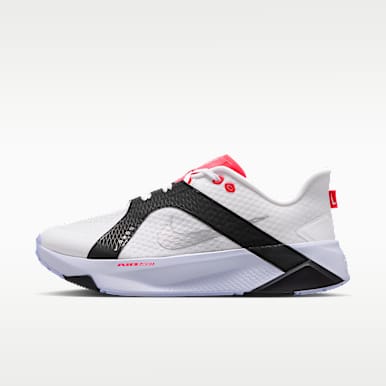
\
Nike Hybrid RN
\
Men's Training Shoes
\
__$145__](https://www.nike.com/t/hybrid-rn-mens-training-shoes-QL2955lw/IV5066-101)
- [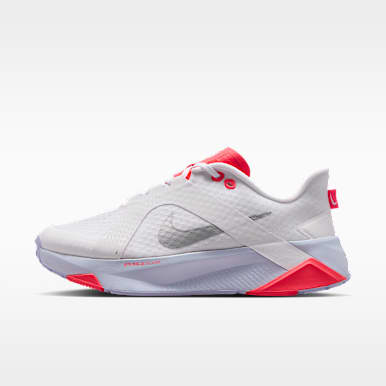
\
Nike Hybrid RN
\
Women's Training Shoes
\
__$145__](https://www.nike.com/t/hybrid-rn-womens-training-shoes-gNDq4Wkp/IO3815-102)
- [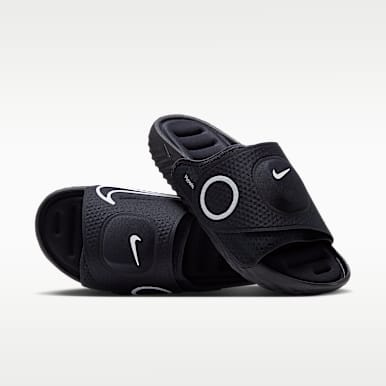
\
Nike x Hyperice
\
Nike Air Zoom Hyperslide
\
__$249__](https://www.nike.com/t/hyperice-nike-air-zoom-hyperslide-Cn5YuLqU/66000-001)
- [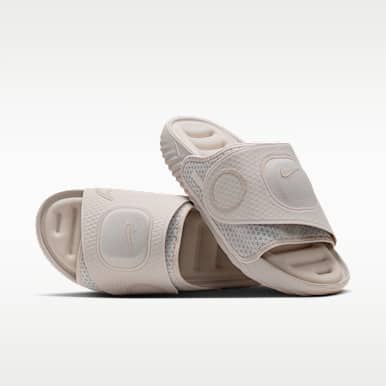
\
Nike x Hyperice
\
Nike Air Zoom Hyperslide
\
__$249__](https://www.nike.com/t/hyperice-nike-air-zoom-hyperslide-wsA6NgaD/66005-001)
- [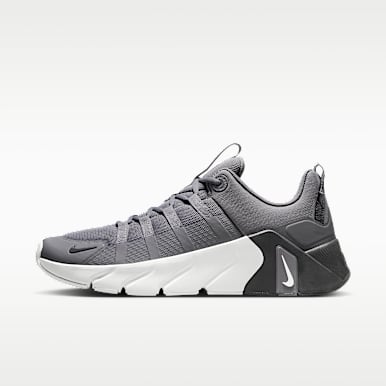
\
Nike Free Metcon 7
\
Men's Training Shoes
\
__$125__](https://www.nike.com/t/free-metcon-7-mens-training-shoes-uocNJ5bo/II7405-005)
- [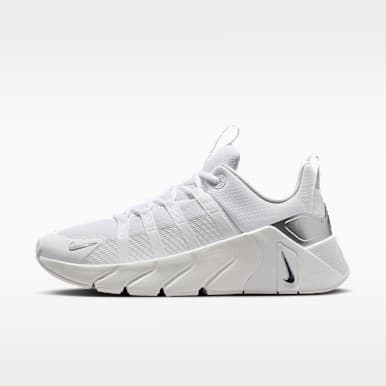
\
Nike Free Metcon 7
\
Women's Training Shoes
\
__$125__](https://www.nike.com/t/free-metcon-7-womens-training-shoes-qPXiqGVl/II7406-102)
- [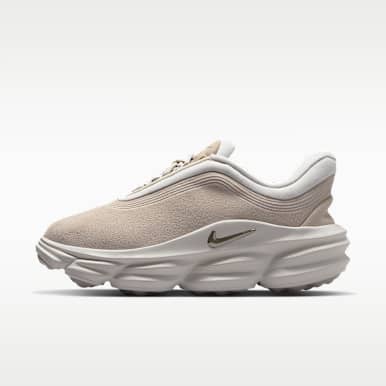
\
Nike 24.7
\
Women's Shoes
\
__$140__](https://www.nike.com/t/24-7-womens-shoes-j9v0Ciab/IR0448-200)
- [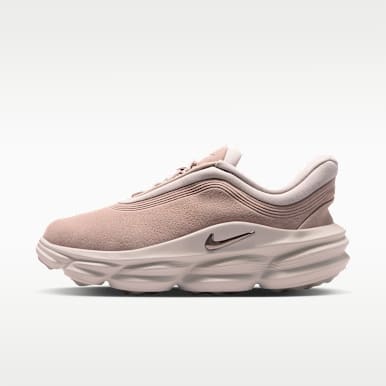
\
Nike 24.7
\
Men's Shoes
\
__$140__](https://www.nike.com/t/24-7-mens-shoes-1UaK9D44/IR0447-200)
- [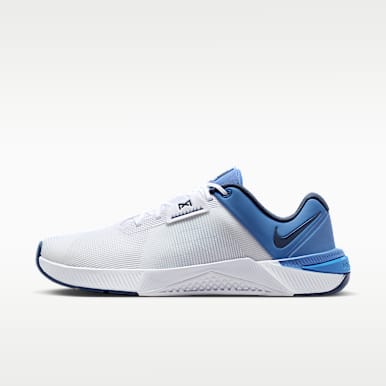
\
Nike Metcon 10
\
Men's Workout Shoes
\
__$155__](https://www.nike.com/t/metcon-10-mens-workout-shoes-WWGl2m1D/HJ1875-102)
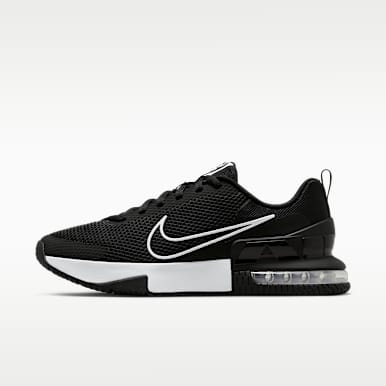
- [
\
Nike Air Max Alpha Trainer 6
\
Men's Workout Shoes
\
__$100__](https://www.nike.com/t/air-max-alpha-trainer-6-mens-workout-shoes-SnIsaSyH/FQ1833-001)
## Why One Shoe Can’t Do Everything
Shoes are designed around movement patterns. Running shoes excel at repetitive forward motion. Some are designed to be lightweight and flexible for faster efforts, while others feature thicker midsoles and maximum cushioning for long runs or recovery days, according to [Harvard Health](https://www.health.harvard.edu/staying-healthy/the-right-shoe-for-walking-and-running). On the other hand, training shoes have firmer cushioning and prioritize [stability and control for side-to-side movement](https://www.nike.com/a/what-are-cross-training-shoes).
Wearing cross-training shoes for a run, for instance, may not only be uncomfortable but may lead to injuries, as you won’t have as much cushion to absorb your steps.
## Running Shoes and Training Shoes, Compared
## Running Shoes
- Support forward movement
- More midsole cushioning
- Higher heel-to-toe drop
- More lightweight and breathable
## Training Shoes
- Support multidirectional movement
- Firm heel cushioning
- Lower heel-to-toe drop
- More durable
## Which Shoe to Wear for Your Workout
- __Long runs or treadmill miles:__ Running shoes
- __Weightlifting or HIIT:__ Training shoes
- __Mixed workouts:__ Choose based on the dominant movement
## Frequently Asked Questions
Can you wear training shoes for running?
Unless you’re running a short distance less than one mile, it’s generally not a good idea to wear training shoes for running. Not only can training shoes be heavier and more cumbersome, but they also don’t have sufficient cushioning to absorb the shock of repeatedly pounding your feet into the pavement. Running in training shoes can increase your chances of plantar fasciitis (inflammation of the band of tissue that runs along the sole of the foot).
Can you wear running shoes for training?
Running shoes don’t provide enough stability and support for lateral movements, so they’re not recommended for training at the gym. Doing plyometric moves in running shoes, particularly if they involve side-to-side movement, can increase your chance of injury.
Are running or training shoes better for walking?
A running shoe will provide you with more support and cushioning for walking long distances than a training shoe. If you’re just going for a short, casual stroll, any type of comfortable shoe is fine. But if you’re race walking, marathon walking, hiking, or walking long distances, a running shoe will be a better bet.
Should you wear training shoes or running shoes for HIIT?
High-intensity interval training sometimes involves moving in all different directions and often relies heavily on plyometrics. [Training shoes](https://www.nike.com/a/shoes-for-hiit-workouts) are designed to stabilize your feet when you move from side to side or land from a jump, so they’re much better suited for HIIT workouts than running shoes are.
Can one pair of shoes work for both running and training?
While one pair of shoes can technically be used for both, it’s generally not recommended. This is because running shoes and training shoes serve different purposes: Running shoes are heavily cushioned to support forward motion, and training shoes have less cushion and more stability to support lateral movement. Using one pair of shoes for both activities can increase your injury risk and wear out your shoes more quickly. With that being said, there are cross-training shoe options that can work for light workout sessions that involve both training and running.
[](http://nike.com/ntc)
### Explore More Workouts on Nike Training Club
Free guidance from trainers and experts to strengthen your body and mind.
[Download](http://nike.com/ntc)
Originally published: March 16, 2026
## Related Stories
- 
[](https://www.nike.com/a/most-comfortable-running-shoes)
# Buying Guide
# The Most Comfortable Running Shoes From Nike (By Cushioning Type and Use)
- 
[](https://www.nike.com/a/best-running-shoes-for-treadmill)
# Buying Guide
# Best Nike Running Shoes for the Treadmill
- 
[](https://www.nike.com/a/best-cross-country-shoes)
# Buying Guide
# The Best Nike Cross-Country Shoes and Spikes
- 
[](https://www.nike.com/a/best-running-shoes-for-walking)
# Buying Guide
# The Best Running Shoes for Walking and All-Day Comfort
- 
[](https://www.nike.com/a/find-running-shoe-weight)
# Buying Guide
# How to Select the Right Weight for Running Shoes
Resources
[Gift Cards](https://www.nike.com/gift-cards)
[Corporate Sales](https://www.nike.com/corporate-sales)
[Find a Store](https://www.nike.com/retail)
[Membership](https://www.nike.com/membership)
[Nike Journal](https://www.nike.com/stories)
[Site Feedback](https://www.nike.com#site-feedback)
Help
[Get Help](https://www.nike.com/help)
[Order Status](https://www.nike.com/orders/details/)
[Shipping and Delivery](https://www.nike.com/help/a/shipping-delivery)
[Returns](https://www.nike.com/help/a/returns-policy)
[Order Cancellation](https://www.nike.com/help/a/change-cancel-order)
[Payment Options](https://www.nike.com/help/a/payment-options)
[Gift Card Balance](https://www.nike.com/orders/gift-card-lookup)
[Contact Us](https://www.nike.com/help/#contact)
Company
[About Nike](https://about.nike.com/en)
[News](http://news.nike.com/)
[Careers](https://jobs.nike.com/)
[Investors](http://investors.nike.com/)
[Purpose](https://purpose.nike.com/)
[Sustainability](https://www.nike.com/sustainability)
[Accessibility](https://www.nike.com/us/en/accessibility/#introduction)
Promotions & Discounts
[Student](https://www.nike.com/help/a/student-discount)
[Military](https://www.nike.com/help/a/military-discount)
[Teacher](https://www.nike.com/help/a/teacher-discount)
[First Responders & Medical Professionals](https://www.nike.com/help/a/first-responder-discount)
[Birthday](https://www.nike.com/help/a/birthday-terms-promo)
[Resources](https://www.nike.com/help)
[Gift Cards](https://www.nike.com/gift-cards)
[Corporate Sales](https://www.nike.com/corporate-sales)
[Find a Store](https://www.nike.com/retail)
[Membership](https://www.nike.com/membership)
[Nike Journal](https://www.nike.com/stories)
[Site Feedback](https://www.nike.com#site-feedback)
[Help](https://www.nike.com/help)
[Get Help](https://www.nike.com/help)
[Order Status](https://www.nike.com/orders/details/)
[Shipping and Delivery](https://www.nike.com/help/a/shipping-delivery)
[Returns](https://www.nike.com/help/a/returns-policy)
[Order Cancellation](https://www.nike.com/help/a/change-cancel-order)
[Payment Options](https://www.nike.com/help/a/payment-options)
[Gift Card Balance](https://www.nike.com/orders/gift-card-lookup)
[Contact Us](https://www.nike.com/help/#contact)
[Company](https://about.nike.com/en)
[About Nike](https://about.nike.com/en)
[News](http://news.nike.com/)
[Careers](https://jobs.nike.com/)
[Investors](http://investors.nike.com/)
[Purpose](https://purpose.nike.com/)
[Sustainability](https://www.nike.com/sustainability)
[Accessibility](https://www.nike.com/us/en/accessibility/#introduction)
[Promotions & Discounts](https://www.nike.com/promo-code)
[Student](https://www.nike.com/help/a/student-discount)
[Military](https://www.nike.com/help/a/military-discount)
[Teacher](https://www.nike.com/help/a/teacher-discount)
[First Responders & Medical Professionals](https://www.nike.com/help/a/first-responder-discount)
[Birthday](https://www.nike.com/help/a/birthday-terms-promo)
United States
- © 2026 Nike, Inc. All Rights Reserved
- Guides
- [Nike Air](https://www.nike.com/air)
- [Nike Air Force 1](https://www.nike.com/air-force-1)
- [Nike Air Max](https://www.nike.com/air-max)
- [Nike FlyEase](https://www.nike.com/flyease)
- [Nike Flyknit](https://www.nike.com/flyknit)
- [Nike Free](https://www.nike.com/free)
- [Nike React](https://www.nike.com/react)
- [Nike Vaporfly](https://www.nike.com/running/vaporfly)
- [Nike ZoomX](https://www.nike.com/zoomx)
- [Space Hippie](https://www.nike.com/space-hippie)
- [Terms of Sale](https://agreementservice.svs.nike.com/us/en_us/rest/agreement?agreementType=termsOfSale&uxId=com.nike.commerce.nikedotcom.web&country=US&language=en&requestType=redirect)
- [Terms of Use](https://agreementservice.svs.nike.com/us/en_us/rest/agreement?agreementType=termsOfUse&uxId=com.nike.commerce.nikedotcom.web&country=US&language=en&requestType=redirect)
- [Nike Privacy Policy](https://agreementservice.svs.nike.com/rest/agreement?agreementType=privacyPolicy&uxId=com.nike.commerce.nikedotcom.web&requestType=redirect)
- [
\
Your Privacy Choices](https://www.nike.com/guest/settings/do-not-share-my-data)
- [CA Supply Chains Act](https://about.nike.com/en/impact-resources/statement-on-forced-labor)
## Africa
- [__Egypt__
\
English](https://www.nike.com/eg/)
- [__Morocco__
\
English](https://www.nike.com/ma/en/)
- [__Maroc__
\
Français](https://www.nike.com/ma/)
- [__South Africa__
\
English](https://www.nike.com/za/)
## Americas
- [__Argentina__
\
Español](https://www.nike.com.ar)
- [__Brasil__
\
Português](https://www.nike.com.br)
- [__Canada__
\
English](https://www.nike.com/ca/)
- [__Canada__
\
Français](https://www.nike.com/ca/fr/)
- [__Chile__
\
Español](https://www.nike.cl)
- [__Colombia__
\
Español](https://www.nike.com.co)
- [__México__
\
Español](https://www.nike.com/mx/)
- [__Peru__
\
Español](https://www.nike.com.pe)
- [__Puerto Rico__
\
Español](https://www.nike.com/pr/)
- [__United States__
\
English](https://www.nike.com)
- [__Estados Unidos__
\
Español](https://www.nike.com/us/es/)
- [__Uruguay__
\
Español](https://www.nike.com.uy)
- [__Latin America__
\
Español](https://www.nike.com/xl/)
## Asia Pacific
- [__Australia__
\
English](https://www.nike.com/au/)
- [__中国大陆__
\
简体中文](https://www.nike.com.cn/)
- [__Hong Kong__
\
English](https://www.nike.com.hk/)
- [__香港__
\
繁體中文](https://www.nike.com.hk/)
- [__India__
\
English](https://www.nike.in/)
- [__Indonesia__
\
English](https://www.nike.com/id/)
- [__Japan__
\
English](https://www.nike.com/jp/en/)
- [__日本__
\
日本語](https://www.nike.com/jp/)
- [__대한민국__
\
한국어](https://www.nike.com/kr/)
- [__Malaysia__
\
English](https://www.nike.com/my/)
- [__New Zealand__
\
English](https://www.nike.com/nz/)
- [__Philippines__
\
English](https://www.nike.com/ph/)
- [__Singapore__
\
English](https://www.nike.com/sg/)
- [__台灣__
\
繁體中文](https://www.nike.com/tw/)
- [__ไทย__
\
ภาษาไทย](https://www.nike.com/th/)
- [__Vietnam__
\
English](https://www.nike.com/vn/)
## Europe
- [__Österreich__
\
Deutsch](https://www.nike.com/at/)
- [__Austria__
\
English](https://www.nike.com/at/en/)
- [__Belgien__
\
Deutsch](https://www.nike.com/be/de/)
- [__Belgium__
\
English](https://www.nike.com/be/en/)
- [__Belgique__
\
Français](https://www.nike.com/be/fr/)
- [__België__
\
Nederlands](https://www.nike.com/be/)
- [__Bulgaria__
\
English](https://www.nike.com/bg/)
- [__Croatia__
\
English](https://www.nike.com/hr/)
- [__Česká republika__
\
Čeština](https://www.nike.com/cz/)
- [__Czech Republic__
\
English](https://www.nike.com/cz/en/)
- [__Danmark__
\
Dansk](https://www.nike.com/dk/)
- [__Denmark__
\
English](https://www.nike.com/dk/en/)
- [__Finland__
\
English](https://www.nike.com/fi/)
- [__France__
\
Français](https://www.nike.com/fr/)
- [__Deutschland__
\
Deutsch](https://www.nike.com/de/)
- [__Ελλάδα__
\
ελληνικά](https://www.nike.com/gr/)
- [__Hungary__
\
English](https://www.nike.com/hu/en/)
- [__Magyarország__
\
Magyar](https://www.nike.com/hu/)
- [__Ireland__
\
English](https://www.nike.com/ie/)
- [__Israel__
\
English](https://www.nike.com/il/)
- [__Italia__
\
Italiano](https://www.nike.com/it/)
- [__Luxemburg__
\
Deutsch](https://www.nike.com/lu/de/)
- [__Luxembourg__
\
English](https://www.nike.com/lu/en/)
- [__Luxembourg__
\
Français](https://www.nike.com/lu/)
- [__Netherlands__
\
English](https://www.nike.com/nl/en/)
- [__Nederland__
\
Nederlands](https://www.nike.com/nl/)
- [__Norway__
\
English](https://www.nike.com/no/en/)
- [__Norge__
\
Norsk](https://www.nike.com/no/)
- [__Polska__
\
Polski](https://www.nike.com/pl/)
- [__Portugal__
\
English](https://www.nike.com/pt/en/)
- [__Portugal__
\
Português](https://www.nike.com/pt/)
- [__Romania__
\
English](https://www.nike.com/ro/)
- [__Россия__
\
Русский](https://www.nike.com/ru/)
- [__Slovakia__
\
English](https://www.nike.com/sk/)
- [__Slovenia__
\
English](https://www.nike.com/si/)
- [__Espanya__
\
Català](https://www.nike.com/es/ca/)
- [__España__
\
Español](https://www.nike.com/es/)
- [__Sweden__
\
English](https://www.nike.com/se/en/)
- [__Sverige__
\
Svenska](https://www.nike.com/se/)
- [__Schweiz__
\
Deutsch](https://www.nike.com/ch/)
- [__Switzerland__
\
English](https://www.nike.com/ch/en/)
- [__Suisse__
\
Français](https://www.nike.com/ch/fr/)
- [__Svizzera__
\
Italiano](https://www.nike.com/ch/it/)
- [__Türkiye__
\
Türkçe](https://www.nike.com/tr/)
- [__United Kingdom__
\
English](https://www.nike.com/gb/)
## Middle East
- [__Saudi Arabia__
\
English](https://www.nike.sa/en/home)
- [__المملكة العربية السعودية__
\
العربية](https://www.nike.sa/ar/home)
- [__United Arab Emirates__
\
English](https://www.nike.ae/en/home)
- [__الإمارات العربية المتحدة__
\
العربية](https://www.nike.ae/ar/home)
- [__Qatar__
\
English](https://www.nike.qa/en/home)
- [__دولة قطر__
\
العربية](https://www.nike.qa/ar/home)
- [__Kuwait__
\
English](https://www.nike.com.kw/en/home)
- [__الكويت__
\
العربية](https://www.nike.com.kw/ar/home)