[Skip to main content](https://www.nike.com#skip-to-content)
- [](https://www.nike.com/jp/en/jordan)
- [Find a Store](https://www.nike.com/jp/en/retail)
- [Help](https://www.nike.com/jp/en/help)
[Help](https://www.nike.com/jp/en/help)
- [Order Status](https://www.nike.com/jp/en/orders/details)
- [Shipping & Delivery](https://www.nike.com/jp/en/help/a/shipping-delivery-jp)
- [Returns](https://www.nike.com/jp/en/help/a/returns-policy-jp)
- [Contact Us](https://www.nike.com/jp/en/help/#contact)
- [Privacy Policy](https://agreementservice.svs.nike.com/jp/ja_jp/rest/agreement?agreementType=privacyPolicy&uxId=com.nike.unite&country=JP&language=en&requestType=redirect)
- [Terms of Sale](https://agreementservice.svs.nike.com/rest/agreement?agreementType=termsOfSale&uxId=default&requestType=redirect)
- [Terms of Use](https://agreementservice.svs.nike.com/jp/ja_jp/rest/agreement?agreementType=termsOfUse&uxId=com.nike&country=JP&language=en&requestType=redirect)
- [Send Us Feedback](https://www.nike.com#site-feedback)
- [Join Us](https://www.nike.com/jp/en/membership)
- [Sign In](https://www.nike.com/jp/en/register)
[](https://www.nike.com/jp/en/)
- [Fall Sale](https://www.nike.com/jp/en/w/seasonal-sale-lt4x)
- [Featured](https://www.nike.com/jp/en/w/seasonal-sale-lt4x)
- [Shop All](https://www.nike.com/jp/en/w/seasonal-sale-lt4x)
- [New to Sale](https://www.nike.com/jp/en/w/new-to-sale-9x8hr)
- [Nike Air Max](https://www.nike.com/jp/en/w/seasonal-sale-air-max-shoes-a6d8hzlt4xzy7ok)
- [Nike Air Jordan 1](https://www.nike.com/jp/en/w/seasonal-sale-jordan-1-shoes-4fokyzlt4xzy7ok)
- [Nike Air Force 1](https://www.nike.com/jp/en/w/seasonal-sale-air-force-1-shoes-5sj3yzlt4xzy7ok)
- [Sandal](https://www.nike.com/jp/en/w/seasonal-sale-sandals-slides-fl76zlt4x)
- Discount Rate
- [40% Off](https://www.nike.com/jp/en/w/40-off-3s9u5)
- [30% Off](https://www.nike.com/jp/en/w/30-off-6ei6f)
- [20% Off](https://www.nike.com/jp/en/w/20-off-8s4p6)
- [10% Off](https://www.nike.com/jp/en/w/japan-10-discount-8k8hc)
- [Shop by Sport](https://www.nike.com/jp/en/w/seasonal-sale-performance-3k7dgzlt4x)
- [Running](https://www.nike.com/jp/en/w/seasonal-sale-running-37v7jzlt4x)
- [Basketball](https://www.nike.com/jp/en/w/seasonal-sale-basketball-3glsmzlt4x)
- [Training & Gym](https://www.nike.com/jp/en/w/seasonal-sale-training-gym-58jtozlt4x)
- [Soccer](https://www.nike.com/jp/en/w/seasonal-sale-soccer-1gdj0zlt4x)
- [Golf](https://www.nike.com/jp/en/w/seasonal-sale-golf-23q9wzlt4x)
- [Men](https://www.nike.com/jp/en/w/mens-seasonal-sale-lt4xznik1)
- [Shop All](https://www.nike.com/jp/en/w/mens-seasonal-sale-lt4xznik1)
- [Shoes](https://www.nike.com/jp/en/w/mens-seasonal-sale-shoes-lt4xznik1zy7ok)
- [Clothing](https://www.nike.com/jp/en/w/mens-seasonal-sale-clothing-6ymx6zlt4xznik1)
- [Accessories](https://www.nike.com/jp/en/w/mens-seasonal-sale-accessories-equipment-awwpwzlt4xznik1)
- [Jordan](https://www.nike.com/jp/en/w/mens-seasonal-sale-jordan-37eefzlt4xznik1)
- [Women](https://www.nike.com/jp/en/w/womens-seasonal-sale-5e1x6zlt4x)
- [Shop All](https://www.nike.com/jp/en/w/womens-seasonal-sale-5e1x6zlt4x)
- [Shoes](https://www.nike.com/jp/en/w/womens-seasonal-sale-shoes-5e1x6zlt4xzy7ok)
- [Clothing](https://www.nike.com/jp/en/w/womens-seasonal-sale-clothing-5e1x6z6ymx6zlt4x)
- [Accessories](https://www.nike.com/jp/en/w/womens-seasonal-sale-accessories-equipment-5e1x6zawwpwzlt4x)
- [Jordan](https://www.nike.com/jp/en/w/womens-seasonal-sale-jordan-37eefz5e1x6zlt4x)
- [Kids](https://www.nike.com/jp/en/w/kids-seasonal-sale-lt4xzv4dh)
- [Shop All](https://www.nike.com/jp/en/w/kids-seasonal-sale-lt4xzv4dh)
- [Shoes](https://www.nike.com/jp/en/w/kids-seasonal-sale-shoes-lt4xzv4dhzy7ok)
- [Clothing](https://www.nike.com/jp/en/w/kids-seasonal-sale-clothing-6ymx6zlt4xzv4dh)
- [Accessories](https://www.nike.com/jp/en/w/kids-seasonal-sale-accessories-equipment-awwpwzlt4xzv4dh)
- [Jordan](https://www.nike.com/jp/en/w/kids-seasonal-sale-jordan-37eefzlt4xzv4dh)
- [Men](https://www.nike.com/jp/en/men)
- [New Releases](https://www.nike.com/jp/en/w/new-mens-3n82yznik1)
- [Shop All](https://www.nike.com/jp/en/w/new-mens-3n82yznik1)
- [Shoes](https://www.nike.com/jp/en/w/new-mens-shoes-3n82yznik1zy7ok)
- [Clothing](https://www.nike.com/jp/en/w/new-mens-clothing-3n82yz6ymx6znik1)
- [Accessories & Equipment](https://www.nike.com/jp/en/w/new-mens-accessories-equipment-3n82yzawwpwznik1)
- Featured
- [Coming Soon](https://www.nike.com/jp/en/w/coming-soon-5uoo6)
- [Nike Direct Exclusives](https://www.nike.com/jp/en/w/mens-nike-direct-exclusives-6gbknznik1)
- [Best Sellers](https://www.nike.com/jp/en/w/mens-best-76m50znik1)
- [ACG](https://www.nike.com/jp/en/w/mens-acg-93bsdznik1)
- [For Rainy Weather](https://www.nike.com/jp/en/w/wet-weather-conditions-jp1r)
- [SNKRS](https://www.nike.com/jp/launch)
- [Fall Sale](https://www.nike.com/jp/en/w/mens-seasonal-sale-lt4xznik1)
- Icons
- [Nike Air Force 1](https://www.nike.com/jp/en/w/mens-air-force-1-shoes-5sj3yznik1zy7ok)
- [Nike Air Max](https://www.nike.com/jp/en/w/mens-air-max-shoes-a6d8hznik1zy7ok)
- [Nike Dunk](https://www.nike.com/jp/en/w/mens-dunk-shoes-90aohznik1zy7ok)
- [Air Jordan 1](https://www.nike.com/jp/en/w/mens-jordan-1-shoes-4fokyznik1zy7ok)
- [Cortez](https://www.nike.com/jp/en/w/mens-cortez-shoes-byfxznik1zy7ok)
- [Shox](https://www.nike.com/jp/en/w/mens-shox-shoes-7e8jqznik1zy7ok)
- [Pegasus](https://www.nike.com/jp/en/w/mens-pegasus-running-shoes-37v7jz8nexhznik1zy7ok)
- [Vomero](https://www.nike.com/jp/en/w/mens-zoom-vomero-running-shoes-37v7jz7gee1znik1zy7ok)
- [Structure](https://www.nike.com/jp/en/w/mens-zoom-structure-shoes-1sytgznik1zy7ok)
- [Autumn Essentials](https://www.nike.com/jp/en/w/mens-autumn-essentials-3cj6vznik1)
- [Shoes](https://www.nike.com/jp/en/w/mens-autumn-essentials-shoes-3cj6vznik1zy7ok)
- [Clothing](https://www.nike.com/jp/en/w/mens-autumn-essentials-clothing-3cj6vz6ymx6znik1)
- [Matching Sets](https://www.nike.com/jp/en/w/mens-matching-sets-2lukpznik1)
- [Shoes](https://www.nike.com/jp/en/w/mens-shoes-nik1zy7ok)
- [Shop All](https://www.nike.com/jp/en/w/mens-shoes-nik1zy7ok)
- [Lifestyle](https://www.nike.com/jp/en/w/mens-lifestyle-shoes-13jrmznik1zy7ok)
- [Sandals](https://www.nike.com/jp/en/w/mens-sandals-slides-fl76znik1)
- [Jordan](https://www.nike.com/jp/en/w/mens-jordan-shoes-37eefznik1zy7ok)
- [Running](https://www.nike.com/jp/en/w/mens-running-shoes-37v7jznik1zy7ok)
- [Basketball](https://www.nike.com/jp/en/w/mens-basketball-shoes-3glsmznik1zy7ok)
- [Soccer](https://www.nike.com/jp/en/w/mens-soccer-shoes-1gdj0znik1zy7ok)
- [Skateboarding](https://www.nike.com/jp/en/w/mens-skateboarding-shoes-8mfrfznik1zy7ok)
- [Training & Gym](https://www.nike.com/jp/en/w/mens-training-gym-shoes-58jtoznik1zy7ok)
- [Nike By You (Customize)](https://www.nike.com/jp/en/w/mens-nike-by-you-shoes-6ealhznik1zy7ok)
- [Clothing](https://www.nike.com/jp/en/w/mens-clothing-6ymx6znik1)
- [Shop All](https://www.nike.com/jp/en/w/mens-clothing-6ymx6znik1)
- [Tops & T-shirts](https://www.nike.com/jp/en/w/mens-tops-t-shirts-9om13znik1)
- [Sweatshirts & Fleece](https://www.nike.com/jp/en/w/mens-fleece-clothing-4xh6qz6ymx6znik1)
- [Hoodies & Pullovers](https://www.nike.com/jp/en/w/mens-hoodies-and-pullovers-6riveznik1)
- [Jackets & Vests](https://www.nike.com/jp/en/w/mens-jackets-vests-50r7yznik1)
- [Tech Fleece](https://www.nike.com/jp/en/w/mens-nike-tech-7lrxuznik1)
- [Pants & Tights](https://www.nike.com/jp/en/w/mens-pants-and-tights-2kq19znik1)
- [Shorts](https://www.nike.com/jp/en/w/mens-shorts-38fphznik1)
- [Baselayer & Underwear](https://www.nike.com/jp/en/w/mens-underwear-9plciznik1)
- [Accessories & Equipment](https://www.nike.com/jp/en/w/mens-accessories-equipment-awwpwznik1)
- [Shop All](https://www.nike.com/jp/en/w/mens-accessories-equipment-awwpwznik1)
- [Bags & Backpacks](https://www.nike.com/jp/en/w/mens-bags-and-backpacks-9xy71znik1)
- [Hats & Headwear](https://www.nike.com/jp/en/w/mens-hats-visors-and-headbands-52r49znik1)
- [Socks](https://www.nike.com/jp/en/w/mens-socks-7ny3qznik1)
- [Clearance Sale](https://www.nike.com/jp/en/w/mens-sale-3yaepznik1)
- [Shop All](https://www.nike.com/jp/en/w/mens-sale-3yaepznik1)
- [Shoes](https://www.nike.com/jp/en/w/mens-sale-shoes-3yaepznik1zy7ok)
- [Clothing](https://www.nike.com/jp/en/w/mens-sale-clothing-3yaepz6ymx6znik1)
- [Accessories & Equipment](https://www.nike.com/jp/en/w/mens-sale-accessories-equipment-3yaepzawwpwznik1)
- [Women](https://www.nike.com/jp/en/women)
- [New Releases](https://www.nike.com/jp/en/w/new-womens-3n82yz5e1x6)
- [Shop All](https://www.nike.com/jp/en/w/new-womens-3n82yz5e1x6)
- [Shoes](https://www.nike.com/jp/en/w/new-womens-shoes-3n82yz5e1x6zy7ok)
- [Clothing](https://www.nike.com/jp/en/w/new-womens-clothing-3n82yz5e1x6z6ymx6)
- [Accessories & Equipment](https://www.nike.com/jp/en/w/new-womens-accessories-equipment-3n82yz5e1x6zawwpw)
- Featured
- [Nike Direct Exclusives](https://www.nike.com/jp/en/w/womens-nike-direct-exclusives-5e1x6z6gbkn)
- [Best Sellers](https://www.nike.com/jp/en/w/womens-best-5e1x6z76m50)
- [NikeSKIMS](https://www.nike.com/jp/en/w/nikeskims-b2asd)
- [ACG](https://www.nike.com/jp/en/w/womens-acg-5e1x6z93bsd)
- [SNKRS](https://www.nike.com/jp/launch)
- [Fall Sale](https://www.nike.com/jp/en/w/womens-seasonal-sale-5e1x6zlt4x)
- Icons
- [Nike Air Force 1](https://www.nike.com/jp/en/w/womens-air-force-1-shoes-5e1x6z5sj3yzy7ok)
- [Nike Air Max](https://www.nike.com/jp/en/w/womens-air-max-shoes-5e1x6za6d8hzy7ok)
- [Nike Dunk](https://www.nike.com/jp/en/w/womens-dunk-shoes-5e1x6z90aohzy7ok)
- [Air Jordan 1](https://www.nike.com/jp/en/w/womens-jordan-1-shoes-4fokyz5e1x6zy7ok)
- [Cortez](https://www.nike.com/jp/en/w/womens-cortez-shoes-5e1x6zbyfxzy7ok)
- [Shox](https://www.nike.com/jp/en/w/womens-shox-shoes-5e1x6z7e8jqzy7ok)
- [Pegasus](https://www.nike.com/jp/en/w/womens-pegasus-running-shoes-37v7jz5e1x6z8nexhzy7ok)
- [Vomero](https://www.nike.com/jp/en/w/womens-zoom-vomero-running-shoes-37v7jz5e1x6z7gee1zy7ok)
- [Structure](https://www.nike.com/jp/en/w/womens-zoom-structure-shoes-1sytgz5e1x6zy7ok)
- [Autumn Essentials](https://www.nike.com/jp/en/w/womens-autumn-essentials-3cj6vz5e1x6)
- [Shoes](https://www.nike.com/jp/en/w/womens-autumn-essentials-shoes-3cj6vz5e1x6zy7ok)
- [Clothing](https://www.nike.com/jp/en/w/womens-autumn-essentials-clothing-3cj6vz5e1x6z6ymx6)
- [Matching Sets](https://www.nike.com/jp/en/w/womens-matching-sets-2lukpz5e1x6)
- [Shoes](https://www.nike.com/jp/en/w/womens-shoes-5e1x6zy7ok)
- [Shop All](https://www.nike.com/jp/en/w/womens-shoes-5e1x6zy7ok)
- [Lifestyle](https://www.nike.com/jp/en/w/womens-lifestyle-shoes-13jrmz5e1x6zy7ok)
- [Sandals](https://www.nike.com/jp/en/w/womens-sandals-slides-5e1x6zfl76)
- [Platform Shoes](https://www.nike.com/jp/en/w/womens-platform-shoes-5e1x6z7uq76)
- [Boots](https://www.nike.com/jp/en/w/boots-9uqux)
- [Jordan](https://www.nike.com/jp/en/w/womens-jordan-shoes-37eefz5e1x6zy7ok)
- [Running](https://www.nike.com/jp/en/w/womens-running-shoes-37v7jz5e1x6zy7ok)
- [Basketball](https://www.nike.com/jp/en/w/womens-basketball-shoes-3glsmz5e1x6zy7ok)
- [Training & Gym](https://www.nike.com/jp/en/w/womens-training-gym-shoes-58jtoz5e1x6zy7ok)
- [Under ¥10,000](https://www.nike.com/jp/en/w/womens-under-10000-shoes-1spp7z5e1x6zy7ok)
- [Nike By You (Customize)](https://www.nike.com/jp/en/w/womens-nike-by-you-shoes-5e1x6z6ealhzy7ok)
- [Clothing](https://www.nike.com/jp/en/w/womens-clothing-5e1x6z6ymx6)
- [Shop All](https://www.nike.com/jp/en/w/womens-clothing-5e1x6z6ymx6)
- [Tops & T-shirts](https://www.nike.com/jp/en/w/womens-tops-t-shirts-5e1x6z9om13)
- [Sweatshirts & Fleece](https://www.nike.com/jp/en/w/womens-fleece-clothing-4xh6qz5e1x6z6ymx6)
- [Hoodies & Pullovers](https://www.nike.com/jp/en/w/womens-hoodies-and-pullovers-5e1x6z6rive)
- [Jackets & Vests](https://www.nike.com/jp/en/w/womens-jackets-vests-50r7yz5e1x6)
- [Tech Fleece](https://www.nike.com/jp/en/w/womens-nike-tech-5e1x6z7lrxu)
- [Pants & Tights & Leggings](https://www.nike.com/jp/en/w/womens-pants-and-tights-2kq19z5e1x6)
- [Shorts](https://www.nike.com/jp/en/w/womens-shorts-38fphz5e1x6)
- [Sports Bras](https://www.nike.com/jp/en/w/womens-sports-bras-40qgmz5e1x6)
- [Skirts & Dresses](https://www.nike.com/jp/en/w/womens-skirts-and-dresses-5e1x6z8y3qp)
- [Accessories & Equipment](https://www.nike.com/jp/en/w/womens-accessories-equipment-5e1x6zawwpw)
- [Shop All](https://www.nike.com/jp/en/w/womens-accessories-equipment-5e1x6zawwpw)
- [Bags & Backpacks](https://www.nike.com/jp/en/w/womens-bags-and-backpacks-5e1x6z9xy71)
- [Hats & Headwear](https://www.nike.com/jp/en/w/womens-hats-visors-and-headbands-52r49z5e1x6)
- [Socks](https://www.nike.com/jp/en/w/womens-socks-5e1x6z7ny3q)
- [Clearance Sale](https://www.nike.com/jp/en/w/womens-sale-3yaepz5e1x6)
- [Shop All](https://www.nike.com/jp/en/w/womens-sale-3yaepz5e1x6)
- [Shoes](https://www.nike.com/jp/en/w/womens-sale-shoes-3yaepz5e1x6zy7ok)
- [Clothing](https://www.nike.com/jp/en/w/womens-sale-clothing-3yaepz5e1x6z6ymx6)
- [Accessories & Equipment](https://www.nike.com/jp/en/w/womens-sale-accessories-equipment-3yaepz5e1x6zawwpw)
- [Kids](https://www.nike.com/jp/en/kids)
- [New Releases](https://www.nike.com/jp/en/w/new-kids-3n82yzv4dh)
- [Shop All](https://www.nike.com/jp/en/w/new-kids-3n82yzv4dh)
- [Shoes](https://www.nike.com/jp/en/w/new-kids-shoes-3n82yzv4dhzy7ok)
- [Clothing](https://www.nike.com/jp/en/w/new-kids-clothing-3n82yz6ymx6zv4dh)
- [Accessories & Equipment](https://www.nike.com/jp/en/w/new-kids-accessories-equipment-3n82yzawwpwzv4dh)
- Featured
- [Nike Direct Exclusives](https://www.nike.com/jp/en/w/kids-nike-direct-exclusives-6gbknzv4dh)
- [Best Sellers](https://www.nike.com/jp/en/w/kids-best-76m50zv4dh)
- [Teens](https://www.nike.com/jp/en/teens)
- [Nike x LEGO® Collection](https://www.nike.com/jp/en/w/nike-lego-collection-58jr)
- [Fall Sale](https://www.nike.com/jp/en/w/kids-seasonal-sale-lt4xzv4dh)
- Icons
- [Kids Air Force 1](https://www.nike.com/jp/en/w/kids-air-force-1-shoes-5sj3yzv4dhzy7ok)
- [Kids Air Max](https://www.nike.com/jp/en/w/kids-air-max-shoes-a6d8hzv4dhzy7ok)
- [Kids Dunk](https://www.nike.com/jp/en/w/kids-dunk-shoes-90aohzv4dhzy7ok)
- [Kids Air Jordan 1](https://www.nike.com/jp/en/w/kids-jordan-1-shoes-4fokyzv4dhzy7ok)
- [Cortez](https://www.nike.com/jp/en/w/kids-cortez-shoes-byfxzv4dhzy7ok)
- [Court Borough](https://www.nike.com/jp/en/w/kids-nike-court-borough-shoes-1g2nazv4dhzy7ok)
- [Flex Runner](https://www.nike.com/jp/en/w/kids-nike-flex-runner-shoes-2f4v2zv4dhzy7ok)
- [Autumn Essentials](https://www.nike.com/jp/en/w/kids-autumn-essentials-3cj6vzv4dh)
- [Shoes](https://www.nike.com/jp/en/w/kids-autumn-essentials-shoes-3cj6vzv4dhzy7ok)
- [Clothing](https://www.nike.com/jp/en/w/kids-autumn-essentials-clothing-3cj6vz6ymx6zv4dh)
- [Shoes by Size](https://www.nike.com/jp/en/w/kids-shoes-v4dhzy7ok)
- [Baby & Toddler (7–16cm)](https://www.nike.com/jp/en/w/baby-toddler-shoes-2j488zy7ok)
- [Little Kids (14–22cm)](https://www.nike.com/jp/en/w/little-shoes-6dacezy7ok)
- [Big Kids (20–25cm)](https://www.nike.com/jp/en/w/big-shoes-agibjzy7ok)
- [Shoes](https://www.nike.com/jp/en/w/kids-shoes-v4dhzy7ok)
- [Shop All](https://www.nike.com/jp/en/w/kids-shoes-v4dhzy7ok)
- [Lifestyle](https://www.nike.com/jp/en/w/kids-lifestyle-shoes-13jrmzv4dhzy7ok)
- [Sandals](https://www.nike.com/jp/en/w/kids-sandals-slides-fl76zv4dh)
- [White Sneakers](https://www.nike.com/jp/en/w/kids-triple-white-shoes-2kfmuzv4dhzy7ok)
- [Basketball](https://www.nike.com/jp/en/w/kids-basketball-shoes-3glsmzv4dhzy7ok)
- [Soccer](https://www.nike.com/jp/en/w/kids-soccer-shoes-1gdj0zv4dhzy7ok)
- [Running](https://www.nike.com/jp/en/w/kids-running-shoes-37v7jzv4dhzy7ok)
- [Jordan](https://www.nike.com/jp/en/w/kids-jordan-shoes-37eefzv4dhzy7ok)
- [Easy On & Off](https://www.nike.com/jp/en/w/kids-easy-on-off-shoes-qh2hzv4dhzy7ok)
- [Mini Me](https://www.nike.com/jp/en/w/mini-me-shoes-1qcqhzy7ok)
- [Clothing by Size](https://www.nike.com/jp/en/w/kids-clothing-6ymx6zv4dh)
- [Baby & Toddler (50–104cm)](https://www.nike.com/jp/en/w/baby-toddler-kids-clothing-2j488z6ymx6zv4dh)
- [Little Kids (98–122cm)](https://www.nike.com/jp/en/w/little-kids-clothing-6dacez6ymx6zv4dh)
- [Big Kids (130–170cm)](https://www.nike.com/jp/en/w/big-kids-clothing-6ymx6zagibjzv4dh)
- [Clothing](https://www.nike.com/jp/en/w/kids-clothing-6ymx6zv4dh)
- [Shop All](https://www.nike.com/jp/en/w/kids-clothing-6ymx6zv4dh)
- [Tops & T-shirts](https://www.nike.com/jp/en/w/kids-tops-t-shirts-9om13zv4dh)
- [Shorts](https://www.nike.com/jp/en/w/kids-shorts-38fphzv4dh)
- [Pants & Tights & Leggings](https://www.nike.com/jp/en/w/kids-pants-and-tights-2kq19zv4dh)
- [Hoodies & Pullovers](https://www.nike.com/jp/en/w/kids-hoodies-and-pullovers-6rivezv4dh)
- [Jackets & Vests](https://www.nike.com/jp/en/w/kids-jackets-vests-50r7yzv4dh)
- [Tech Fleece](https://www.nike.com/jp/en/w/kids-nike-tech-7lrxuzv4dh)
- [Sports Bras](https://www.nike.com/jp/en/w/kids-sports-bras-40qgmzv4dh)
- [Matching Sets](https://www.nike.com/jp/en/w/kids-sets-adhmezv4dh)
- [Accessories & Equipment](https://www.nike.com/jp/en/w/kids-accessories-equipment-awwpwzv4dh)
- [Shop All](https://www.nike.com/jp/en/w/kids-accessories-equipment-awwpwzv4dh)
- [Bags & Backpacks](https://www.nike.com/jp/en/w/kids-bags-and-backpacks-9xy71zv4dh)
- [Hats & Headwear](https://www.nike.com/jp/en/w/kids-hats-visors-and-headbands-52r49zv4dh)
- [Socks](https://www.nike.com/jp/en/w/kids-socks-7ny3qzv4dh)
- [Clearance Sale](https://www.nike.com/jp/en/w/kids-sale-3yaepzv4dh)
- [Shop All](https://www.nike.com/jp/en/w/kids-sale-3yaepzv4dh)
- [Shoes](https://www.nike.com/jp/en/w/kids-sale-shoes-3yaepzv4dhzy7ok)
- [Clothing](https://www.nike.com/jp/en/w/kids-sale-clothing-3yaepz6ymx6zv4dh)
- [Accessories & Equipment](https://www.nike.com/jp/en/w/kids-sale-accessories-equipment-3yaepzawwpwzv4dh)
- [NikeSKIMS](https://www.nike.com/jp/en/nikeskims)
- [NikeSKIMS](https://www.nike.com/jp/en/nikeskims)
- [Nike SKIMS](https://www.nike.com/jp/en/w/nikeskims-b2asd)
- [NikeSKIMS Shoes](https://www.nike.com/jp/en/w/nikeskims-shoes-b2asdzy7ok)
- [All Clothing](https://www.nike.com/jp/en/w/nikeskims-clothing-6ymx6zb2asd)
- [Bras](https://www.nike.com/jp/en/w/nikeskims-sports-bras-40qgmzb2asd)
- [Jacekts](https://www.nike.com/jp/en/w/nikeskims-jackets-5sac5zb2asd)
- [Leggings](https://www.nike.com/jp/en/w/nikeskims-tights-leggings-29sh2zb2asd)
- [Shorts](https://www.nike.com/jp/en/w/nikeskims-shorts-38fphzb2asd)
- [Tops and Tanks](https://www.nike.com/jp/en/w/nikeskims-tops-t-shirts-9om13zb2asd)
- [Accessories](https://www.nike.com/jp/en/w/nikeskims-accessories-equipment-awwpwzb2asd)
- [Shop by Materials](https://www.nike.com/jp/en/w/nikeskims-b2asd)
- [Satin Shine](https://www.nike.com/jp/en/w/nikeskims-satin-shine-97fc5)
- [Stretch Knit 2.0](https://www.nike.com/jp/en/w/nikeskims-stretch-knit-21jwl)
- [Ribbed Seamless](https://www.nike.com/jp/en/w/nikeskims-seamless-6lh4s)
- [Stretch Nylon](https://www.nike.com/jp/en/w/nikeskims-stretch-nylon-7sut9)
- [Matte](https://www.nike.com/jp/en/w/nikeskims-matte-5s3en)
- [Studio Stretch](https://www.nike.com/jp/en/w/nikeskims-studio-stretch-admbq)
- [Performance Cotton Blend](https://www.nike.com/jp/en/w/nikeskims-performance-cotton-blend-93ehs)
- [Weightless Layers](https://www.nike.com/jp/en/w/nikeskims-weightless-4csx8)
- [Shop by Color](https://www.nike.com/jp/en/w/nikeskims-b2asd)
- [Yellow](https://www.nike.com/jp/en/w/nikeskims-yellow-ayp69zb2asd)
- [Grey](https://www.nike.com/jp/en/w/nikeskims-grey-6s5r5zb2asd)
- [Blue](https://www.nike.com/jp/en/w/nikeskims-blue-8hfx3zb2asd)
- [Brown](https://www.nike.com/jp/en/w/nikeskims-brown-557pqzb2asd)
- [Black](https://www.nike.com/jp/en/w/nikeskims-black-90poyzb2asd)
- [White](https://www.nike.com/jp/en/w/nikeskims-white-4g797zb2asd)
- [NikeSKIMS Guides](https://www.nike.com/jp/en/nikeskims)
- [NikeSKIMS Collection Guide](https://www.nike.com/jp/en/nikeskims-collection-guide)
- [NikeSKIMS Bra Guide](https://www.nike.com/jp/en/nikeskims-bra-guide)
- [NikeSKIMS Lookbook](https://www.nike.com/jp/en/nikeskims-lookbook)
- [Sport](https://www.nike.com/jp/en/w/performance-3k7dg)
- [Running](https://www.nike.com/jp/en/running)
- [Shop All](https://www.nike.com/jp/en/w/running-37v7j)
- [Shoes](https://www.nike.com/jp/en/w/running-shoes-37v7jzy7ok)
- [Road Running Shoes](https://www.nike.com/jp/en/w/road-running-shoes-3qxw3zy7ok)
- [Road Racing Shoes](https://www.nike.com/jp/en/w/road-racing-shoes-9gdhkzy7ok)
- [Trail Running](https://www.nike.com/jp/en/w/trail-running-75jcn)
- [Track & Field Shoes](https://www.nike.com/jp/en/w/track-field-shoes-7nem3zy7ok)
- [Clothing](https://www.nike.com/jp/en/w/running-clothing-37v7jz6ymx6)
- [Accessories & Equipment](https://www.nike.com/jp/en/w/running-accessories-equipment-37v7jzawwpw)
- [Nike By You (Customize)](https://www.nike.com/jp/en/w/nike-by-you-running-shoes-37v7jz6ealhzy7ok)
- [Running Shoe Finder](https://www.nike.com/jp/en/running-shoe-finder)
- [Clearance Sale](https://www.nike.com/jp/en/w/sale-running-37v7jz3yaep)
- [Basketball](https://www.nike.com/jp/en/basketball)
- [Shop All](https://www.nike.com/jp/en/w/basketball-3glsm)
- [Shoes](https://www.nike.com/jp/en/w/basketball-shoes-3glsmzy7ok)
- [Clothing](https://www.nike.com/jp/en/w/basketball-clothing-3glsmz6ymx6)
- [Accessories & Equipment](https://www.nike.com/jp/en/w/basketball-accessories-equipment-3glsmzawwpw)
- [Kobe Bryant](https://www.nike.com/jp/en/w/kobe-basketball-3glsmzpgd6)
- [Sabrina Ionescu](https://www.nike.com/jp/en/w/sabrina-ionescu-basketball-2h3kpz3glsm)
- [Ja Morant](https://www.nike.com/jp/en/w/ja-morant-basketball-3glsmz4m5h1)
- [LeBron James](https://www.nike.com/jp/en/w/lebron-basketball-3glsmz7y57x)
- [Caitlin Clark](https://www.nike.com/jp/en/w/caitlin-clark-basketball-3glsmzb0s81)
- [Nike By You (Customize)](https://www.nike.com/jp/en/w/nike-by-you-basketball-3glsmz6ealh)
- [Clearance Sale](https://www.nike.com/jp/en/w/sale-basketball-3glsmz3yaep)
- [Soccer](https://www.nike.com/jp/en/soccer)
- [Shop All](https://www.nike.com/jp/en/w/soccer-1gdj0)
- [Spikes & Shoes](https://www.nike.com/jp/en/w/soccer-shoes-1gdj0zy7ok)
- [Clothing](https://www.nike.com/jp/en/w/soccer-clothing-1gdj0z6ymx6)
- [Accessories & Equipment](https://www.nike.com/jp/en/w/soccer-accessories-equipment-1gdj0zawwpw)
- [Club Teams](https://www.nike.com/jp/en/w/soccer-clubs-6fu9q)
- [National Teams](https://www.nike.com/jp/en/w/national-team-soccer-1gdj0zav9de)
- [Clearance Sale](https://www.nike.com/jp/en/w/sale-soccer-1gdj0z3yaep)
- [Tennis](https://www.nike.com/jp/en/w/tennis-ed1q)
- [Shop All](https://www.nike.com/jp/en/w/tennis-ed1q)
- [Shoes](https://www.nike.com/jp/en/w/tennis-shoes-ed1qzy7ok)
- [Clothing](https://www.nike.com/jp/en/w/tennis-clothing-6ymx6zed1q)
- [Accessories & Equipment](https://www.nike.com/jp/en/w/tennis-accessories-equipment-awwpwzed1q)
- [Training & Gym](https://www.nike.com/jp/en/w/training-gym-58jto)
- [Shop All](https://www.nike.com/jp/en/w/training-gym-58jto)
- [Shoes](https://www.nike.com/jp/en/w/training-gym-shoes-58jtozy7ok)
- [Clothing](https://www.nike.com/jp/en/w/training-gym-clothing-58jtoz6ymx6)
- [Socks](https://www.nike.com/jp/en/w/training-gym-socks-58jtoz7ny3q)
- [Accessories & Equipment](https://www.nike.com/jp/en/w/training-gym-accessories-equipment-58jtozawwpw)
- [Clearance Sale](https://www.nike.com/jp/en/w/sale-training-gym-3yaepz58jto)
- [Golf](https://www.nike.com/jp/en/w/golf-23q9w)
- [Shop All](https://www.nike.com/jp/en/w/golf-23q9w)
- [Shoes](https://www.nike.com/jp/en/w/golf-shoes-23q9wzy7ok)
- [Clothing](https://www.nike.com/jp/en/w/golf-clothing-23q9wz6ymx6)
- [Accessories & Equipment](https://www.nike.com/jp/en/w/golf-accessories-equipment-23q9wzawwpw)
- [Jordan](https://www.nike.com/jp/en/w/jordan-golf-23q9wz37eef)
- [More Sports](https://www.nike.com/jp/en/w/performance-3k7dg)
- [Jerseys](https://www.nike.com/jp/en/w/jerseys-3a41e)
- [Yoga](https://www.nike.com/jp/en/w/yoga-anrlj)
- [ACG](https://www.nike.com/jp/en/acg)
- [Outdoor](https://www.nike.com/jp/en/w/outdoor-xw4h)
- [Trekking & Hiking](https://www.nike.com/jp/en/w/hiking-90dwj)
- [Baseball](https://www.nike.com/jp/en/w/baseball-99fch)
- [Skateboarding](https://www.nike.com/jp/en/skateboarding)
- [Breaking & Dance](https://www.nike.com/jp/en/w/dance-3cii8)
- [Bukatsu (Student Club Activities)](https://www.nike.com/jp/en/w/bukatsu-collection-9h07w)
Cancel
Cancel
Popular Search Terms
[autumn essentials](https://www.nike.com/jp/en/w?q=autumn%20essentials&vst=autumn%20essentials)[pegasus plus 2](https://www.nike.com/jp/en/w?q=pegasus%20plus%202&vst=pegasus%20plus%202)[nike mind](https://www.nike.com/jp/en/w?q=nike%20mind&vst=nike%20mind)[air rift](https://www.nike.com/jp/en/w?q=air%20rift&vst=air%20rift)[jordan](https://www.nike.com/jp/en/w?q=jordan&vst=jordan)[air force 1](https://www.nike.com/jp/en/w?q=air%20force%201&vst=air%20force%201)[acg](https://www.nike.com/jp/en/w?q=acg&vst=acg)[tennis](https://www.nike.com/jp/en/w?q=tennis&vst=tennis)
[](https://www.nike.com/jp/en/favorites "Favorites")[](https://www.nike.com/jp/en/cart "Bag Items: 0")
# How Many Days a Week Should You Work Out? A Trainer-Backed Guide
##### Activity
Learn how many days a week you should work out for health, strength, and weight loss goals, plus get evidence-based tips on rest days and workout splits from industry experts.
Last updated: December 24, 2025
8 min read
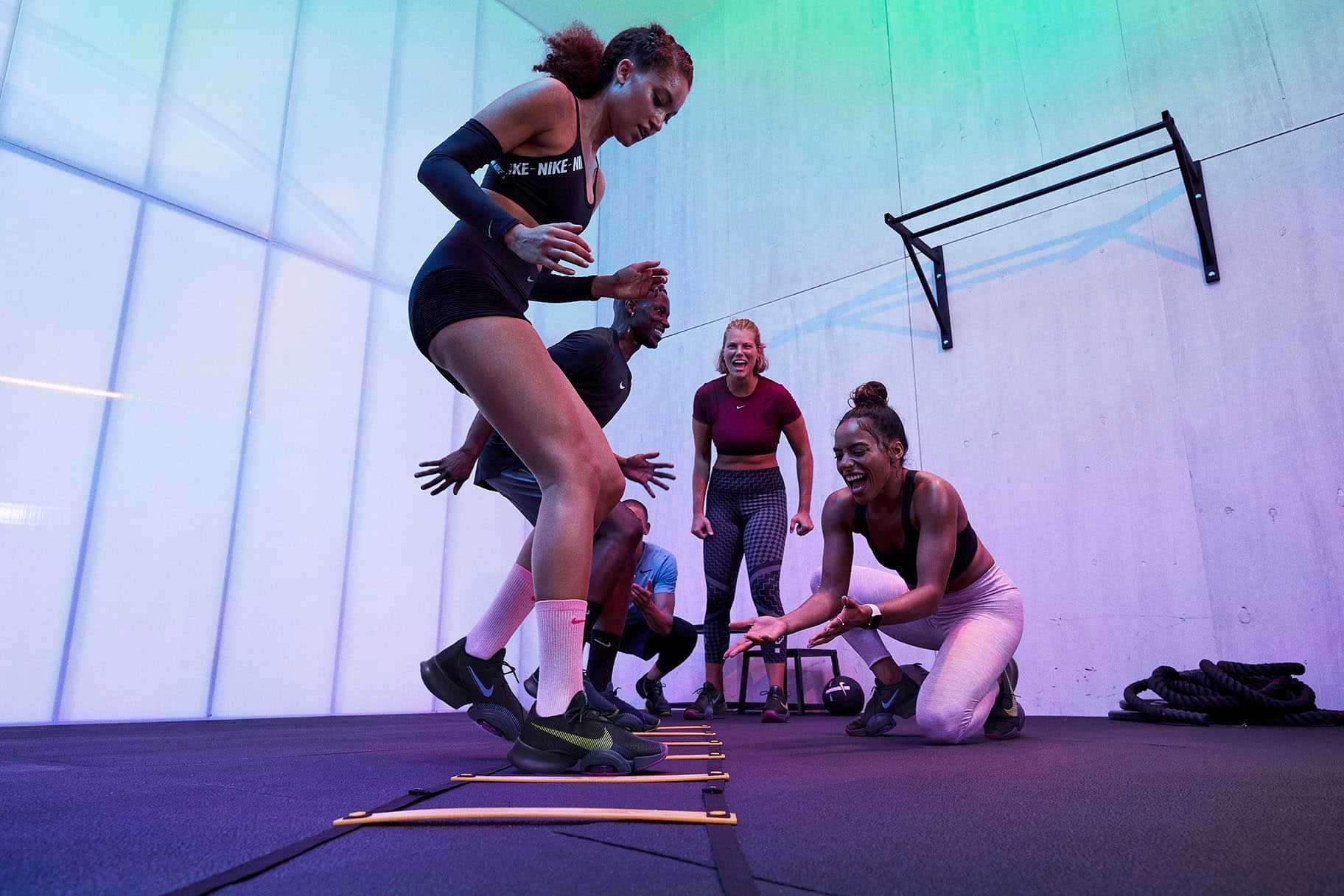
There’s no denying that regular exercise is beneficial to your health, but just how often should you work out? Determining your optimal workout frequency depends on a variety of factors such as your health and fitness level, the type of exercise, and your goals. You also want to factor in rest days to help your body rebuild and recover.
The U.S. Department of Human Services outlines minimum activity requirements for adults. According to its [2018 Physical Activity Guidelines for Americans](https://pubmed.ncbi.nlm.nih.gov/30418471/), adults should strength train at least two times per week and, depending on intensity, get at least 75 to 150 minutes of aerobic activity. Along with these recommendations, the [American College of Sports Medicine](https://pubmed.ncbi.nlm.nih.gov/21694556/) says to incorporate flexibility exercises at least twice per week for joint mobility.
Here's how to break this framework down into your week based on your lifestyle and goals.
## At a Glance: Workout Frequency
- Workout type and length
- Workout frequency for goals
- Rest and recovery days
## How Many Days a Week Should You Work Out for Overall Health?
There are a variety of ways to incorporate the guidelines above into a weekly workout schedule that fits your goals. Here, we break down how to implement aerobic and strength workouts based on your fitness level.
## How Many Days Should You Do Cardio?
Walking, cycling, playing tennis, or swimming — all these aerobic activities get your heart beating faster, benefiting your [cardiovascular](https://www.nike.com/jp/en/a/cardiovascular-endurance-exercises) system. The minimum weekly recommendations are at least 150 minutes of moderate-intensity aerobic activity, at least 75 minutes of vigorous-intensity aerobic activity, or a combination of both.
You can break down this weekly goal into 30 minutes of moderate exercise, like brisk walking or jogging five times per week, or 25 minutes of vigorous activity three times per week.
Two ways to monitor the intensity of your workout are to look at your [heart rate](https://www.nike.com/jp/en/a/normal-heart-rate-during-after-exercise). According to the [American Heart Association](https://www.heart.org/en/healthy-living/fitness/fitness-basics/target-heart-rates), your target heart rate for moderate-intensity activities should be 50 to 70 percent of your maximum heart rate. It should increase to 70 to 85 percent of your maximum heart rate for vigorous activity. If you’re not tracking your heart rate, you can also do the talk test. At a moderate intensity, you should be able to talk with occasional pauses, but at a vigorous intensity, you likely will only be able to say a few words.
## If You’re New to Working Out
If you’re new to working out, you can work up to the minimum guidelines. [Dennis Colón](https://www.denniscolon.com/), PT, DPT, and director of player health at Alliance Regen & Rehab, cites the [American Heart Association](https://www.ahajournals.org/doi/10.1161/cir.0b013e31829b5b44#sec-3), which says that even small bursts of activity, like 10 minutes of walking, can be valuable physiologically and improve exercise tolerance.
## If You Work Out Regularly or Are Training for Performance
If you exercise regularly or are training for performance, you can increase weekly cardio beyond the minimums. “I believe that aerobic stuff can be done every day, but you have to be able to moderate your exercises, and you have to be able to do multiple different types of things,” says John Gallucci Jr., MS, ATC, PT, DPT and CEO of [JAG Physical Therapy](https://www.jagpt.com/). For example, if you’re a runner, you want to cross- train with other forms of cardio like swimming and biking.
## How Many Days Should You Strength Train?
Strength training involves working against resistance. This includes body weight exercises or those that use weight machines, free weights, or resistance bands. Per the Physical Guidelines for Americans, at least two strength training sessions per week is the goal, with more sessions providing additional benefits.
But how often you strength train comes down to your current fitness and goals. Colón references the [American College of Sports Medicine’s](https://pubmed.ncbi.nlm.nih.gov/19204579/) recommendations for resistance training based on fitness level:
## If You’re New to Working Out
Those new to [lifting weights](https://www.nike.com/jp/en/a/how-to-start-lifting-weights) should aim to train two to three times per week. Colón stresses the importance of heading to the gym with a friend or seeking out a personal trainer to learn the basic movement patterns. He recommends waiting 48 to 72 hours between sessions for recovery and potential [delayed onset muscle soreness](https://www.nike.com/jp/en/a/delayed-onset-muscle-soreness), or DOMS.
“A good thing about novice lifters is that you see the most benefit,” he says. “You see big gains in strength right away as your nervous system is getting used to lifting heavy weight and your muscles are getting stronger.”
## If You Work Out Regularly or Are Training for Performance
Adults who regularly work out should train three to four times per week, and advanced athletes can train four to five days per week. Competitive athletes, Colón says, are safe to exercise more regularly if they have good programming and schedule de-load periods every four to six weeks to prevent overtraining and overexertion.
If you’re exercising at a higher frequency and still incorporating 48 hours of recovery, you might want to consider utilizing workout splits.
Workout splits involve dividing the muscle groups you train across different days, such as upper body and lower body. This workout system allows you to work out four to five days per week, on consecutive days, while still giving adequate recovery to your muscles.
## Minimum vs. Optimal Frequency
Minimal and optimal workout frequency depends on your current fitness and your goals. The weekly minimum you want to work up to is two strength- training sessions and 150 minutes of moderate or 75 minutes of vigorous aerobic activity.
“If you have multiple goals in mind that you want to bring into your workout, then it makes sense to add more training days,” says ACE certified personal trainer Noelle McKenzie, co-founder of [Leading Edge Personal Trainers](https://leadingedgeny.com/).
## Shop Nike Training & Gym Shoes
[View All](https://www.nike.com/jp/en/w/training-gym-shoes-58jtozy7ok)
- [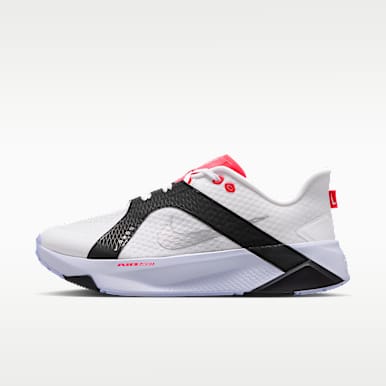
\
Nike Hybrid RN
\
Men's Training Shoes
\
__¥17,600__](https://www.nike.com/jp/en/t/hybrid-rn-mens-training-shoes-plaWXFYu/IV5066-101)
- [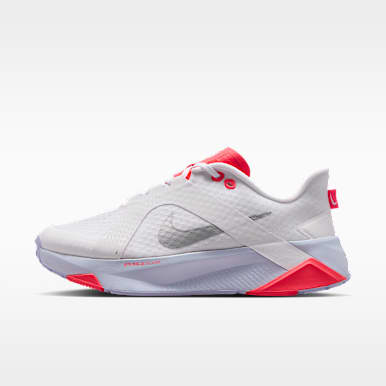
\
Nike Hybrid RN
\
Women's Training Shoes
\
__¥17,600__](https://www.nike.com/jp/en/t/hybrid-rn-womens-training-shoes-n70egcXq/IO3815-102)
- [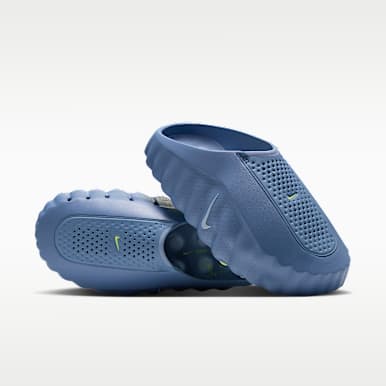
\
Nike Mind 001
\
Men's Pregame Mules
\
__¥13,200__](https://www.nike.com/jp/en/t/mind-001-mens-pregame-mules-UGqOCYGt/HQ4307-401)
- [
\
Nike Mind 001
\
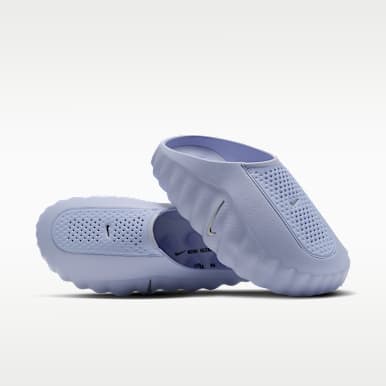
Women's Pregame Mules
\
__¥13,200__](https://www.nike.com/jp/en/t/mind-001-womens-pregame-mules-Z6Ec8rYA/HQ4309-500)
- [
\
Nike Mind 002
\
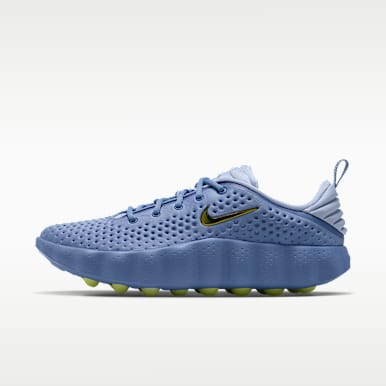
Men's Pregame Shoes
\
__¥20,900__](https://www.nike.com/jp/en/t/mind-002-mens-pregame-shoes-P2K3Xj0r/HQ4308-401)
- [
\
Nike Mind 002
\
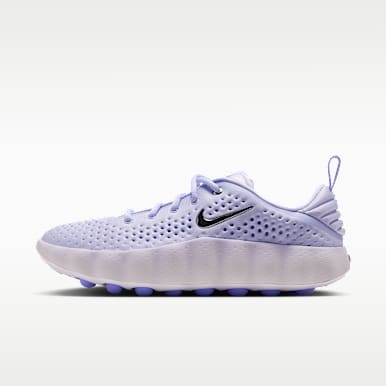
Women's Pregame Shoes
\
__¥20,900__](https://www.nike.com/jp/en/t/mind-002-womens-pregame-shoes-J80ELPAr/HQ4310-500)
- [
\
Nike Metcon 10
\
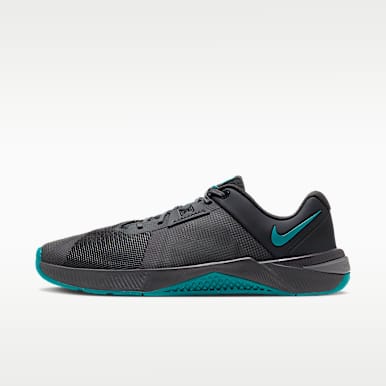
Men's Workout Shoes
\
__¥19,030__](https://www.nike.com/jp/en/t/metcon-10-mens-workout-shoes-Rbpw6AfT/HJ1875-011)
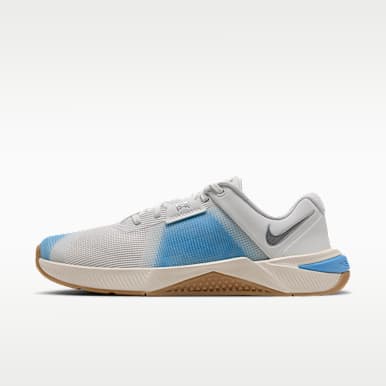
- [
\
Nike Metcon 10
\
Women's Training Shoes
\
__¥19,030__](https://www.nike.com/jp/en/t/metcon-10-womens-training-shoes-0DvKKGWn/HQ2620-104)
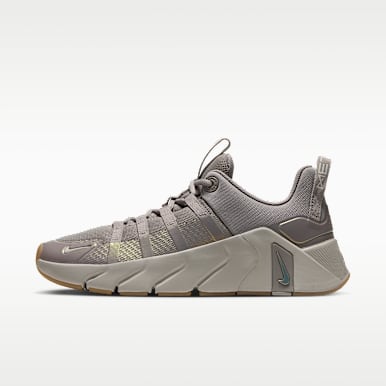
- [
\
Nike Free Metcon 7 SE
\
Women's Training Shoes
\
__¥15,950__](https://www.nike.com/jp/en/t/free-metcon-7-se-womens-training-shoes-RU1YC3Mh/IO8036-001)
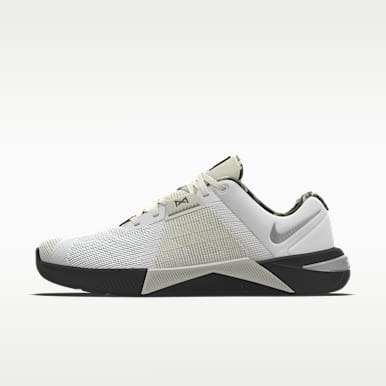
- [
\
Nike Metcon 10 By You
\
Custom Men's Workout Shoes
\
__¥20,350__](https://www.nike.com/jp/en/u/custom-nike-metcon-10-by-you-10002209/7019483993)
## The Importance of Rest and Recovery Days
When it comes to working out, more isn’t always better. In fact, exercising too much can be counterproductive and even lead to overreaching or [overtraining syndrome](https://www.nike.com/jp/en/a/what-is-overtraining-syndrome). All our experts stress the importance of rest and recovery days to help the body rebuild and prevent overuse injuries.
“The workout is only part of the muscle-building process,” says NASM-certified personal trainer Rick Richey, DHSc, MS, LMT. “The benefit from working out comes from the recovery.”
When you work out, your body goes into a catabolic phase, breaking down muscle tissue, he says. Then it switches to an anabolic phase, where muscles start to rebuild through protein synthesis, putting you into a state of hypertrophy.
“It’s that repairing phase that you actually start to build strength,” he says, adding that protein consumption is important.
## Signs You Might Be Working Out Too Much
If you’re working out too much, without adequate rest and recovery, your body doesn’t have enough time to repair and become stronger. Both inside and outside of the gym, there are several signs you might be doing too much.
For strength training, Colón says to pay attention to your output and how much weight you’re lifting. If you’re not able to lift as heavy a weight as you did before, your body could need more time to recover.
Other signs of overtraining, according to certified strength and conditioning specialist Clif Marshall, are overuse injuries, decreased motivation, poor sleep and irritability. He uses a series of questions to gauge whether your workout schedule is balanced. You should be able to answer “yes” to at least four.
- Am I getting stronger every month?
- Do I feel recovered between sessions?
- Is my performance improving?
- Am I sleeping well?
- Am I excited to train?
## FAQs
Is working out 7 days a week OK?
In general, it’s not advised to work out seven days per week, but this depends on your level of fitness and exercise intensity. Colón says you don’t want to do high-intensity training every day because you need time for your heart, lungs, muscles and nervous system to recover.
But this doesn’t mean you can’t be physically active seven days a week. You can incorporate other forms of movement, such as walking, yoga or mobility exercises on your [rest days](https://www.nike.com/a/rest-day-workout).
“You have to manipulate your high-intensity days with your low-intensity days,” Marshall says. This could look like high-intensity training on Monday, Wednesday and Friday, interspersed with cardio days of walking, biking or swimming.
How many rest days do you need per week?
How many rest days you have will depend on your fitness level, goals and workout intensity. In general, experts recommend one to two [rest days](https://www.nike.com/jp/en/a/how-many-rest-days-a-week) per week.
You can still be active on your rest days but should give your body a break from high-intensity training.
Can you work the same muscle group every day?
Our experts agree that you shouldn’t work the same muscle group every day. “You never want to do the same exercise back-to-back, because you're not giving the tissue an opportunity to heal,” Gallucci says.
According to Colón, the general recommendation is to wait 48 hours in between intense activity for a muscle group or similar movement pattern. He recommends using the rate of perceived exertion (RPE) scale. “It does help gauge the intensity of training for that day and helps you map out your training for the remainder of the week for that specific muscle group.” It’s a 0 to 10 scale, with 0 being no exertion and 10 being maximum effort.
How long should each workout be?
The ideal workout time depends on intensity and the time you have. Marshall stresses quality over quantity. “Forty-five minutes gives you enough time to train hard, but not enough time to waste.”
A general routine Colón recommends is a 10- to 15-minute warm-up, 20 to 30 minutes of strength training, and ending with a 10- to 15-minute cool-down with mobility work.

[](https://niketrainingclub.sng.link/Ara19/3ocq/gnbq?pcn=OGC%20Articles%20HO21&_dl=niketrainingclub%3A%2F%2Fx-callback-url%2Fworkout%2Ffeatured)
### Tips to Maximize Your Training
Get free guidance from trainers and experts to strengthen your body and mind.
[Explore NTC](https://niketrainingclub.sng.link/Ara19/3ocq/gnbq?pcn=OGC%20Articles%20HO21&_dl=niketrainingclub%3A%2F%2Fx-callback-url%2Fworkout%2Ffeatured)
Originally published: December 24, 2025
## Related Stories
- 
[](https://www.nike.com/jp/en/a/best-outdoor-workout)
# Sports & Activity
# 7 Expert-Approved Outdoor Workout Ideas, Backed by Science
- 
[](https://www.nike.com/jp/en/a/exercise-health-benefits)
# Health & Wellness
# 5 Benefits of Regular Exercise for Your Body and Mind
- 
[](https://www.nike.com/jp/en/a/hip-mobility-exercises-stretches)
# Sports & Activity
# The Top Exercises and Stretches for Hip Mobility, According to Physical Therapists
- 
[](https://www.nike.com/jp/en/a/air-zoom-hyperslide-recovery-slide)
# Product News
# Nike Air Zoom Hyperslide: The Nike x Hyperice Recovery Slide, Explained
- 
[](https://www.nike.com/jp/en/a/how-to-pick-the-right-nike-fleece)
# Buying Guide
# How to Pick the Right Nike Fleece: Your Studio Fleece Guide
Resources
[Membership](https://www.nike.com/jp/en/membership)
[Store Locator](https://www.nike.com/jp/en/retail)
[Order Status](https://www.nike.com/jp/en/orders/details)
[Shoe Finder](https://www.nike.com/jp/en/running/shoe-finder)
[Product Advice](https://www.nike.com/jp/en/product-advice)
Discounts
[Birthday Discount](https://www.nike.com/jp/en/help/a/birthday-promo-terms-jp)
[Student/Teacher Discount](https://www.nike.com/jp/student-discount)
[Disability Discount](https://www.nike.com/jp/help/a/disability-discount)
Help
[Help](https://www.nike.com/jp/en/help)
[Shipping](https://www.nike.com/jp/en/help/a/shipping-delivery-jp)
[Returns](https://www.nike.com/jp/en/help/a/returns-policy-jp)
[Payment Options](https://www.nike.com/jp/en/help/a/payment-options-jp)
[Convenience Store Pickup](https://www.nike.com/jp/en/help/a/convenience-store-pickup)
[Contact](https://www.nike.com/jp/en/help#contact)
Company
[Nike](http://nike.jp/nikebiz/about)
[News (Japanese)](https://nike.jp/nikebiz/)
[Careers](https://careers.nike.com)
[Investors](http://investors.nike.com/)
[Sustainability](https://www.nike.com/jp/en/sustainability)
[Feedback](https://secure.ethicspoint.com/domain/media/ja/gui/56821/index.html)
[Report a Concern](https://secure.ethicspoint.com/domain/media/en/gui/56821/index.html)
## Resources
[Membership](https://www.nike.com/jp/en/membership)
[Store Locator](https://www.nike.com/jp/en/retail)
[Order Status](https://www.nike.com/jp/en/orders/details)
[Shoe Finder](https://www.nike.com/jp/en/running/shoe-finder)
[Product Advice](https://www.nike.com/jp/en/product-advice)
## Discounts
[Birthday Discount](https://www.nike.com/jp/en/help/a/birthday-promo-terms-jp)
[Student/Teacher Discount](https://www.nike.com/jp/student-discount)
[Disability Discount](https://www.nike.com/jp/help/a/disability-discount)
## Help
[Help](https://www.nike.com/jp/en/help)
[Shipping](https://www.nike.com/jp/en/help/a/shipping-delivery-jp)
[Returns](https://www.nike.com/jp/en/help/a/returns-policy-jp)
[Payment Options](https://www.nike.com/jp/en/help/a/payment-options-jp)
[Convenience Store Pickup](https://www.nike.com/jp/en/help/a/convenience-store-pickup)
[Contact](https://www.nike.com/jp/en/help#contact)
## Company
[Nike](http://nike.jp/nikebiz/about)
[News (Japanese)](https://nike.jp/nikebiz/)
[Careers](https://careers.nike.com)
[Investors](http://investors.nike.com/)
[Sustainability](https://www.nike.com/jp/en/sustainability)
[Feedback](https://secure.ethicspoint.com/domain/media/ja/gui/56821/index.html)
[Report a Concern](https://secure.ethicspoint.com/domain/media/en/gui/56821/index.html)
Japan
- © 2026 Nike, Inc. All Rights Reserved.
- Guides
- [Kids](https://www.nike.com/jp/en/kids)
- [Nike Air Max](https://www.nike.com/jp/en/air-max)
- [Nike Air Force 1](https://www.nike.com/jp/en/air-force-1)
- [Nike React](https://www.nike.com/jp/en/react)
- [Nike ZoomX](https://www.nike.com/jp/en/zoomx)
- [Nike FlyEase](https://www.nike.com/jp/en/flyease)
- [NBA Shop](https://www.nike.com/jp/en/nba)
- [Notation Based on the Act on Specified Commercial Transactions / Terms of Sale](https://agreementservice.svs.nike.com/rest/agreement?agreementType=termsOfSale&uxId=default&requestType=redirect)
- [Terms of Use](https://agreementservice.svs.nike.com/jp/ja_jp/rest/agreement?agreementType=termsOfUse&uxId=com.nike&country=JP&language=en&requestType=redirect)
- [Nike Privacy Policy](https://agreementservice.svs.nike.com/jp/ja_jp/rest/agreement?agreementType=privacyPolicy&uxId=com.nike.unite&country=JP&language=en&requestType=redirect)
- [Privacy Settings](https://www.nike.com/jp/en/guest/settings/privacy)
## Africa
- [__Egypt__
\
English](https://www.nike.com/eg/)
- [__Morocco__
\
English](https://www.nike.com/ma/en/)
- [__Maroc__
\
Français](https://www.nike.com/ma/)
- [__South Africa__
\
English](https://www.nike.com/za/)
## Americas
- [__Argentina__
\
Español](https://www.nike.com.ar)
- [__Brasil__
\
Português](https://www.nike.com.br)
- [__Canada__
\
English](https://www.nike.com/ca/)
- [__Canada__
\
Français](https://www.nike.com/ca/fr/)
- [__Chile__
\
Español](https://www.nike.cl)
- [__Colombia__
\
Español](https://www.nike.com.co)
- [__México__
\
Español](https://www.nike.com/mx/)
- [__Peru__
\
Español](https://www.nike.com.pe)
- [__Puerto Rico__
\
Español](https://www.nike.com/pr/)
- [__United States__
\
English](https://www.nike.com)
- [__Estados Unidos__
\
Español](https://www.nike.com/us/es/)
- [__Uruguay__
\
Español](https://www.nike.com.uy)
- [__Latin America__
\
Español](https://www.nike.com/xl/)
## Asia Pacific
- [__Australia__
\
English](https://www.nike.com/au/)
- [__中国大陆__
\
简体中文](https://www.nike.com.cn/)
- [__Hong Kong__
\
English](https://www.nike.com.hk/)
- [__香港__
\
繁體中文](https://www.nike.com.hk/)
- [__India__
\
English](https://www.nike.in/)
- [__Indonesia__
\
English](https://www.nike.com/id/)
- [__Japan__
\
English](https://www.nike.com/jp/en/)
- [__日本__
\
日本語](https://www.nike.com/jp/)
- [__대한민국__
\
한국어](https://www.nike.com/kr/)
- [__Malaysia__
\
English](https://www.nike.com/my/)
- [__New Zealand__
\
English](https://www.nike.com/nz/)
- [__Philippines__
\
English](https://www.nike.com/ph/)
- [__Singapore__
\
English](https://www.nike.com/sg/)
- [__台灣__
\
繁體中文](https://www.nike.com/tw/)
- [__ไทย__
\
ภาษาไทย](https://www.nike.com/th/)
- [__Vietnam__
\
English](https://www.nike.com/vn/)
## Europe
- [__Österreich__
\
Deutsch](https://www.nike.com/at/)
- [__Austria__
\
English](https://www.nike.com/at/en/)
- [__Belgien__
\
Deutsch](https://www.nike.com/be/de/)
- [__Belgium__
\
English](https://www.nike.com/be/en/)
- [__Belgique__
\
Français](https://www.nike.com/be/fr/)
- [__België__
\
Nederlands](https://www.nike.com/be/)
- [__Bulgaria__
\
English](https://www.nike.com/bg/)
- [__Croatia__
\
English](https://www.nike.com/hr/)
- [__Česká republika__
\
Čeština](https://www.nike.com/cz/)
- [__Czech Republic__
\
English](https://www.nike.com/cz/en/)
- [__Danmark__
\
Dansk](https://www.nike.com/dk/)
- [__Denmark__
\
English](https://www.nike.com/dk/en/)
- [__Finland__
\
English](https://www.nike.com/fi/)
- [__France__
\
Français](https://www.nike.com/fr/)
- [__Deutschland__
\
Deutsch](https://www.nike.com/de/)
- [__Ελλάδα__
\
ελληνικά](https://www.nike.com/gr/)
- [__Hungary__
\
English](https://www.nike.com/hu/en/)
- [__Magyarország__
\
Magyar](https://www.nike.com/hu/)
- [__Ireland__
\
English](https://www.nike.com/ie/)
- [__Israel__
\
English](https://www.nike.com/il/)
- [__Italia__
\
Italiano](https://www.nike.com/it/)
- [__Luxemburg__
\
Deutsch](https://www.nike.com/lu/de/)
- [__Luxembourg__
\
English](https://www.nike.com/lu/en/)
- [__Luxembourg__
\
Français](https://www.nike.com/lu/)
- [__Netherlands__
\
English](https://www.nike.com/nl/en/)
- [__Nederland__
\
Nederlands](https://www.nike.com/nl/)
- [__Norway__
\
English](https://www.nike.com/no/en/)
- [__Norge__
\
Norsk](https://www.nike.com/no/)
- [__Polska__
\
Polski](https://www.nike.com/pl/)
- [__Portugal__
\
English](https://www.nike.com/pt/en/)
- [__Portugal__
\
Português](https://www.nike.com/pt/)
- [__Romania__
\
English](https://www.nike.com/ro/)
- [__Россия__
\
Русский](https://www.nike.com/ru/)
- [__Slovakia__
\
English](https://www.nike.com/sk/)
- [__Slovenia__
\
English](https://www.nike.com/si/)
- [__Espanya__
\
Català](https://www.nike.com/es/ca/)
- [__España__
\
Español](https://www.nike.com/es/)
- [__Sweden__
\
English](https://www.nike.com/se/en/)
- [__Sverige__
\
Svenska](https://www.nike.com/se/)
- [__Schweiz__
\
Deutsch](https://www.nike.com/ch/)
- [__Switzerland__
\
English](https://www.nike.com/ch/en/)
- [__Suisse__
\
Français](https://www.nike.com/ch/fr/)
- [__Svizzera__
\
Italiano](https://www.nike.com/ch/it/)
- [__Türkiye__
\
Türkçe](https://www.nike.com/tr/)
- [__United Kingdom__
\
English](https://www.nike.com/gb/)
## Middle East
- [__Saudi Arabia__
\
English](https://www.nike.sa/en/home)
- [__المملكة العربية السعودية__
\
العربية](https://www.nike.sa/ar/home)
- [__United Arab Emirates__
\
English](https://www.nike.ae/en/home)
- [__الإمارات العربية المتحدة__
\
العربية](https://www.nike.ae/ar/home)
- [__Qatar__
\
English](https://www.nike.qa/en/home)
- [__دولة قطر__
\
العربية](https://www.nike.qa/ar/home)
- [__Kuwait__
\
English](https://www.nike.com.kw/en/home)
- [__الكويت__
\
العربية](https://www.nike.com.kw/ar/home)