[Skip to main content](https://www.nike.com#skip-to-content)
- [](https://www.nike.com/jp/en/jordan)
- [Find a Store](https://www.nike.com/jp/en/retail)
- [Help](https://www.nike.com/jp/en/help)
[Help](https://www.nike.com/jp/en/help)
- [Order Status](https://www.nike.com/jp/en/orders/details)
- [Shipping & Delivery](https://www.nike.com/jp/en/help/a/shipping-delivery-jp)
- [Returns](https://www.nike.com/jp/en/help/a/returns-policy-jp)
- [Contact Us](https://www.nike.com/jp/en/help/#contact)
- [Privacy Policy](https://agreementservice.svs.nike.com/jp/ja_jp/rest/agreement?agreementType=privacyPolicy&uxId=com.nike.unite&country=JP&language=en&requestType=redirect)
- [Terms of Sale](https://agreementservice.svs.nike.com/rest/agreement?agreementType=termsOfSale&uxId=default&requestType=redirect)
- [Terms of Use](https://agreementservice.svs.nike.com/jp/ja_jp/rest/agreement?agreementType=termsOfUse&uxId=com.nike&country=JP&language=en&requestType=redirect)
- [Send Us Feedback](https://www.nike.com#site-feedback)
- [Join Us](https://www.nike.com/jp/en/membership)
- [Sign In](https://www.nike.com/jp/en/register)
[](https://www.nike.com/jp/en/)
- [Men](https://www.nike.com/jp/en/men)
- [New Releases](https://www.nike.com/jp/en/w/new-mens-3n82yznik1)
- [Shop All](https://www.nike.com/jp/en/w/new-mens-3n82yznik1)
- [Shoes](https://www.nike.com/jp/en/w/new-mens-shoes-3n82yznik1zy7ok)
- [Clothing](https://www.nike.com/jp/en/w/new-mens-clothing-3n82yz6ymx6znik1)
- [Accessories & Equipment](https://www.nike.com/jp/en/w/new-mens-accessories-equipment-3n82yzawwpwznik1)
- Featured
- [Coming Soon](https://www.nike.com/jp/en/w/coming-soon-5uoo6)
- [Nike Direct Exclusives](https://www.nike.com/jp/en/w/mens-nike-direct-exclusives-6gbknznik1)
- [Best Sellers](https://www.nike.com/jp/en/w/mens-best-76m50znik1)
- [ACG](https://www.nike.com/jp/en/w/mens-acg-93bsdznik1)
- [For Rainy Weather](https://www.nike.com/jp/en/w/wet-weather-conditions-jp1r)
- [SNKRS](https://www.nike.com/jp/launch)
- Icons
- [Nike Air Force 1](https://www.nike.com/jp/en/w/mens-air-force-1-shoes-5sj3yznik1zy7ok)
- [Nike Air Max](https://www.nike.com/jp/en/w/mens-air-max-shoes-a6d8hznik1zy7ok)
- [Nike Dunk](https://www.nike.com/jp/en/w/mens-dunk-shoes-90aohznik1zy7ok)
- [Air Jordan 1](https://www.nike.com/jp/en/w/mens-jordan-1-shoes-4fokyznik1zy7ok)
- [Cortez](https://www.nike.com/jp/en/w/mens-cortez-shoes-byfxznik1zy7ok)
- [Shox](https://www.nike.com/jp/en/w/mens-shox-shoes-7e8jqznik1zy7ok)
- [Pegasus](https://www.nike.com/jp/en/w/mens-pegasus-running-shoes-37v7jz8nexhznik1zy7ok)
- [Vomero](https://www.nike.com/jp/en/w/mens-zoom-vomero-running-shoes-37v7jz7gee1znik1zy7ok)
- [Structure](https://www.nike.com/jp/en/w/mens-zoom-structure-shoes-1sytgznik1zy7ok)
- [Autumn Essentials](https://www.nike.com/jp/en/w/mens-autumn-essentials-3cj6vznik1)
- [Shoes](https://www.nike.com/jp/en/w/mens-autumn-essentials-shoes-3cj6vznik1zy7ok)
- [Clothing](https://www.nike.com/jp/en/w/mens-autumn-essentials-clothing-3cj6vz6ymx6znik1)
- [Matching Sets](https://www.nike.com/jp/en/w/mens-matching-sets-2lukpznik1)
- [Shoes](https://www.nike.com/jp/en/w/mens-shoes-nik1zy7ok)
- [Shop All](https://www.nike.com/jp/en/w/mens-shoes-nik1zy7ok)
- [Lifestyle](https://www.nike.com/jp/en/w/mens-lifestyle-shoes-13jrmznik1zy7ok)
- [Sandals](https://www.nike.com/jp/en/w/mens-sandals-slides-fl76znik1)
- [Jordan](https://www.nike.com/jp/en/w/mens-jordan-shoes-37eefznik1zy7ok)
- [Running](https://www.nike.com/jp/en/w/mens-running-shoes-37v7jznik1zy7ok)
- [Basketball](https://www.nike.com/jp/en/w/mens-basketball-shoes-3glsmznik1zy7ok)
- [Soccer](https://www.nike.com/jp/en/w/mens-soccer-shoes-1gdj0znik1zy7ok)
- [Skateboarding](https://www.nike.com/jp/en/w/mens-skateboarding-shoes-8mfrfznik1zy7ok)
- [Training & Gym](https://www.nike.com/jp/en/w/mens-training-gym-shoes-58jtoznik1zy7ok)
- [Nike By You (Customize)](https://www.nike.com/jp/en/w/mens-nike-by-you-shoes-6ealhznik1zy7ok)
- [Clothing](https://www.nike.com/jp/en/w/mens-clothing-6ymx6znik1)
- [Shop All](https://www.nike.com/jp/en/w/mens-clothing-6ymx6znik1)
- [Tops & T-shirts](https://www.nike.com/jp/en/w/mens-tops-t-shirts-9om13znik1)
- [Sweatshirts & Fleece](https://www.nike.com/jp/en/w/mens-fleece-clothing-4xh6qz6ymx6znik1)
- [Hoodies & Pullovers](https://www.nike.com/jp/en/w/mens-hoodies-and-pullovers-6riveznik1)
- [Jackets & Vests](https://www.nike.com/jp/en/w/mens-jackets-vests-50r7yznik1)
- [Tech Fleece](https://www.nike.com/jp/en/w/mens-nike-tech-7lrxuznik1)
- [Pants & Tights](https://www.nike.com/jp/en/w/mens-pants-and-tights-2kq19znik1)
- [Shorts](https://www.nike.com/jp/en/w/mens-shorts-38fphznik1)
- [Baselayer & Underwear](https://www.nike.com/jp/en/w/mens-underwear-9plciznik1)
- [Accessories & Equipment](https://www.nike.com/jp/en/w/mens-accessories-equipment-awwpwznik1)
- [Shop All](https://www.nike.com/jp/en/w/mens-accessories-equipment-awwpwznik1)
- [Bags & Backpacks](https://www.nike.com/jp/en/w/mens-bags-and-backpacks-9xy71znik1)
- [Hats & Headwear](https://www.nike.com/jp/en/w/mens-hats-visors-and-headbands-52r49znik1)
- [Socks](https://www.nike.com/jp/en/w/mens-socks-7ny3qznik1)
- [Clearance Sale](https://www.nike.com/jp/en/w/mens-sale-3yaepznik1)
- [Shop All](https://www.nike.com/jp/en/w/mens-sale-3yaepznik1)
- [Shoes](https://www.nike.com/jp/en/w/mens-sale-shoes-3yaepznik1zy7ok)
- [Clothing](https://www.nike.com/jp/en/w/mens-sale-clothing-3yaepz6ymx6znik1)
- [Accessories & Equipment](https://www.nike.com/jp/en/w/mens-sale-accessories-equipment-3yaepzawwpwznik1)
- [Women](https://www.nike.com/jp/en/women)
- [New Releases](https://www.nike.com/jp/en/w/new-womens-3n82yz5e1x6)
- [Shop All](https://www.nike.com/jp/en/w/new-womens-3n82yz5e1x6)
- [Shoes](https://www.nike.com/jp/en/w/new-womens-shoes-3n82yz5e1x6zy7ok)
- [Clothing](https://www.nike.com/jp/en/w/new-womens-clothing-3n82yz5e1x6z6ymx6)
- [Accessories & Equipment](https://www.nike.com/jp/en/w/new-womens-accessories-equipment-3n82yz5e1x6zawwpw)
- Featured
- [Nike Direct Exclusives](https://www.nike.com/jp/en/w/womens-nike-direct-exclusives-5e1x6z6gbkn)
- [Best Sellers](https://www.nike.com/jp/en/w/womens-best-5e1x6z76m50)
- [NikeSKIMS](https://www.nike.com/jp/en/w/nikeskims-b2asd)
- [ACG](https://www.nike.com/jp/en/w/womens-acg-5e1x6z93bsd)
- [SNKRS](https://www.nike.com/jp/launch)
- Icons
- [Nike Air Force 1](https://www.nike.com/jp/en/w/womens-air-force-1-shoes-5e1x6z5sj3yzy7ok)
- [Nike Air Max](https://www.nike.com/jp/en/w/womens-air-max-shoes-5e1x6za6d8hzy7ok)
- [Nike Dunk](https://www.nike.com/jp/en/w/womens-dunk-shoes-5e1x6z90aohzy7ok)
- [Air Jordan 1](https://www.nike.com/jp/en/w/womens-jordan-1-shoes-4fokyz5e1x6zy7ok)
- [Cortez](https://www.nike.com/jp/en/w/womens-cortez-shoes-5e1x6zbyfxzy7ok)
- [Shox](https://www.nike.com/jp/en/w/womens-shox-shoes-5e1x6z7e8jqzy7ok)
- [Pegasus](https://www.nike.com/jp/en/w/womens-pegasus-running-shoes-37v7jz5e1x6z8nexhzy7ok)
- [Vomero](https://www.nike.com/jp/en/w/womens-zoom-vomero-running-shoes-37v7jz5e1x6z7gee1zy7ok)
- [Structure](https://www.nike.com/jp/en/w/womens-zoom-structure-shoes-1sytgz5e1x6zy7ok)
- [Autumn Essentials](https://www.nike.com/jp/en/w/womens-autumn-essentials-3cj6vz5e1x6)
- [Shoes](https://www.nike.com/jp/en/w/womens-autumn-essentials-shoes-3cj6vz5e1x6zy7ok)
- [Clothing](https://www.nike.com/jp/en/w/womens-autumn-essentials-clothing-3cj6vz5e1x6z6ymx6)
- [Matching Sets](https://www.nike.com/jp/en/w/womens-matching-sets-2lukpz5e1x6)
- [Shoes](https://www.nike.com/jp/en/w/womens-shoes-5e1x6zy7ok)
- [Shop All](https://www.nike.com/jp/en/w/womens-shoes-5e1x6zy7ok)
- [Lifestyle](https://www.nike.com/jp/en/w/womens-lifestyle-shoes-13jrmz5e1x6zy7ok)
- [Sandals](https://www.nike.com/jp/en/w/womens-sandals-slides-5e1x6zfl76)
- [Platform Shoes](https://www.nike.com/jp/en/w/womens-platform-shoes-5e1x6z7uq76)
- [Boots](https://www.nike.com/jp/en/w/boots-9uqux)
- [Jordan](https://www.nike.com/jp/en/w/womens-jordan-shoes-37eefz5e1x6zy7ok)
- [Running](https://www.nike.com/jp/en/w/womens-running-shoes-37v7jz5e1x6zy7ok)
- [Basketball](https://www.nike.com/jp/en/w/womens-basketball-shoes-3glsmz5e1x6zy7ok)
- [Training & Gym](https://www.nike.com/jp/en/w/womens-training-gym-shoes-58jtoz5e1x6zy7ok)
- [Under ¥10,000](https://www.nike.com/jp/en/w/womens-under-10000-shoes-1spp7z5e1x6zy7ok)
- [Nike By You (Customize)](https://www.nike.com/jp/en/w/womens-nike-by-you-shoes-5e1x6z6ealhzy7ok)
- [Clothing](https://www.nike.com/jp/en/w/womens-clothing-5e1x6z6ymx6)
- [Shop All](https://www.nike.com/jp/en/w/womens-clothing-5e1x6z6ymx6)
- [Tops & T-shirts](https://www.nike.com/jp/en/w/womens-tops-t-shirts-5e1x6z9om13)
- [Sweatshirts & Fleece](https://www.nike.com/jp/en/w/womens-fleece-clothing-4xh6qz5e1x6z6ymx6)
- [Hoodies & Pullovers](https://www.nike.com/jp/en/w/womens-hoodies-and-pullovers-5e1x6z6rive)
- [Jackets & Vests](https://www.nike.com/jp/en/w/womens-jackets-vests-50r7yz5e1x6)
- [Tech Fleece](https://www.nike.com/jp/en/w/womens-nike-tech-5e1x6z7lrxu)
- [Pants & Tights & Leggings](https://www.nike.com/jp/en/w/womens-pants-and-tights-2kq19z5e1x6)
- [Shorts](https://www.nike.com/jp/en/w/womens-shorts-38fphz5e1x6)
- [Sports Bras](https://www.nike.com/jp/en/w/womens-sports-bras-40qgmz5e1x6)
- [Skirts & Dresses](https://www.nike.com/jp/en/w/womens-skirts-and-dresses-5e1x6z8y3qp)
- [Accessories & Equipment](https://www.nike.com/jp/en/w/womens-accessories-equipment-5e1x6zawwpw)
- [Shop All](https://www.nike.com/jp/en/w/womens-accessories-equipment-5e1x6zawwpw)
- [Bags & Backpacks](https://www.nike.com/jp/en/w/womens-bags-and-backpacks-5e1x6z9xy71)
- [Hats & Headwear](https://www.nike.com/jp/en/w/womens-hats-visors-and-headbands-52r49z5e1x6)
- [Socks](https://www.nike.com/jp/en/w/womens-socks-5e1x6z7ny3q)
- [Clearance Sale](https://www.nike.com/jp/en/w/womens-sale-3yaepz5e1x6)
- [Shop All](https://www.nike.com/jp/en/w/womens-sale-3yaepz5e1x6)
- [Shoes](https://www.nike.com/jp/en/w/womens-sale-shoes-3yaepz5e1x6zy7ok)
- [Clothing](https://www.nike.com/jp/en/w/womens-sale-clothing-3yaepz5e1x6z6ymx6)
- [Accessories & Equipment](https://www.nike.com/jp/en/w/womens-sale-accessories-equipment-3yaepz5e1x6zawwpw)
- [Kids](https://www.nike.com/jp/en/kids)
- [New Releases](https://www.nike.com/jp/en/w/new-kids-3n82yzv4dh)
- [Shop All](https://www.nike.com/jp/en/w/new-kids-3n82yzv4dh)
- [Shoes](https://www.nike.com/jp/en/w/new-kids-shoes-3n82yzv4dhzy7ok)
- [Clothing](https://www.nike.com/jp/en/w/new-kids-clothing-3n82yz6ymx6zv4dh)
- [Accessories & Equipment](https://www.nike.com/jp/en/w/new-kids-accessories-equipment-3n82yzawwpwzv4dh)
- Featured
- [Nike Direct Exclusives](https://www.nike.com/jp/en/w/kids-nike-direct-exclusives-6gbknzv4dh)
- [Best Sellers](https://www.nike.com/jp/en/w/kids-best-76m50zv4dh)
- [Teens](https://www.nike.com/jp/en/teens)
- [Nike x LEGO® Collection](https://www.nike.com/jp/en/w/nike-lego-collection-58jr)
- Icons
- [Kids Air Force 1](https://www.nike.com/jp/en/w/kids-air-force-1-shoes-5sj3yzv4dhzy7ok)
- [Kids Air Max](https://www.nike.com/jp/en/w/kids-air-max-shoes-a6d8hzv4dhzy7ok)
- [Kids Dunk](https://www.nike.com/jp/en/w/kids-dunk-shoes-90aohzv4dhzy7ok)
- [Kids Air Jordan 1](https://www.nike.com/jp/en/w/kids-jordan-1-shoes-4fokyzv4dhzy7ok)
- [Cortez](https://www.nike.com/jp/en/w/kids-cortez-shoes-byfxzv4dhzy7ok)
- [Court Borough](https://www.nike.com/jp/en/w/kids-nike-court-borough-shoes-1g2nazv4dhzy7ok)
- [Flex Runner](https://www.nike.com/jp/en/w/kids-nike-flex-runner-shoes-2f4v2zv4dhzy7ok)
- [Autumn Essentials](https://www.nike.com/jp/en/w/kids-autumn-essentials-3cj6vzv4dh)
- [Shoes](https://www.nike.com/jp/en/w/kids-autumn-essentials-shoes-3cj6vzv4dhzy7ok)
- [Clothing](https://www.nike.com/jp/en/w/kids-autumn-essentials-clothing-3cj6vz6ymx6zv4dh)
- [Shoes by Size](https://www.nike.com/jp/en/w/kids-shoes-v4dhzy7ok)
- [Baby & Toddler (7–16cm)](https://www.nike.com/jp/en/w/baby-toddler-shoes-2j488zy7ok)
- [Little Kids (14–22cm)](https://www.nike.com/jp/en/w/little-shoes-6dacezy7ok)
- [Big Kids (20–25cm)](https://www.nike.com/jp/en/w/big-shoes-agibjzy7ok)
- [Shoes](https://www.nike.com/jp/en/w/kids-shoes-v4dhzy7ok)
- [Shop All](https://www.nike.com/jp/en/w/kids-shoes-v4dhzy7ok)
- [Lifestyle](https://www.nike.com/jp/en/w/kids-lifestyle-shoes-13jrmzv4dhzy7ok)
- [Sandals](https://www.nike.com/jp/en/w/kids-sandals-slides-fl76zv4dh)
- [White Sneakers](https://www.nike.com/jp/en/w/kids-triple-white-shoes-2kfmuzv4dhzy7ok)
- [Basketball](https://www.nike.com/jp/en/w/kids-basketball-shoes-3glsmzv4dhzy7ok)
- [Soccer](https://www.nike.com/jp/en/w/kids-soccer-shoes-1gdj0zv4dhzy7ok)
- [Running](https://www.nike.com/jp/en/w/kids-running-shoes-37v7jzv4dhzy7ok)
- [Jordan](https://www.nike.com/jp/en/w/kids-jordan-shoes-37eefzv4dhzy7ok)
- [Easy On & Off](https://www.nike.com/jp/en/w/kids-easy-on-off-shoes-qh2hzv4dhzy7ok)
- [Mini Me](https://www.nike.com/jp/en/w/mini-me-shoes-1qcqhzy7ok)
- [Clothing by Size](https://www.nike.com/jp/en/w/kids-clothing-6ymx6zv4dh)
- [Baby & Toddler (50–104cm)](https://www.nike.com/jp/en/w/baby-toddler-kids-clothing-2j488z6ymx6zv4dh)
- [Little Kids (98–122cm)](https://www.nike.com/jp/en/w/little-kids-clothing-6dacez6ymx6zv4dh)
- [Big Kids (130–170cm)](https://www.nike.com/jp/en/w/big-kids-clothing-6ymx6zagibjzv4dh)
- [Clothing](https://www.nike.com/jp/en/w/kids-clothing-6ymx6zv4dh)
- [Shop All](https://www.nike.com/jp/en/w/kids-clothing-6ymx6zv4dh)
- [Tops & T-shirts](https://www.nike.com/jp/en/w/kids-tops-t-shirts-9om13zv4dh)
- [Shorts](https://www.nike.com/jp/en/w/kids-shorts-38fphzv4dh)
- [Pants & Tights & Leggings](https://www.nike.com/jp/en/w/kids-pants-and-tights-2kq19zv4dh)
- [Hoodies & Pullovers](https://www.nike.com/jp/en/w/kids-hoodies-and-pullovers-6rivezv4dh)
- [Jackets & Vests](https://www.nike.com/jp/en/w/kids-jackets-vests-50r7yzv4dh)
- [Tech Fleece](https://www.nike.com/jp/en/w/kids-nike-tech-7lrxuzv4dh)
- [Sports Bras](https://www.nike.com/jp/en/w/kids-sports-bras-40qgmzv4dh)
- [Matching Sets](https://www.nike.com/jp/en/w/kids-sets-adhmezv4dh)
- [Accessories & Equipment](https://www.nike.com/jp/en/w/kids-accessories-equipment-awwpwzv4dh)
- [Shop All](https://www.nike.com/jp/en/w/kids-accessories-equipment-awwpwzv4dh)
- [Bags & Backpacks](https://www.nike.com/jp/en/w/kids-bags-and-backpacks-9xy71zv4dh)
- [Hats & Headwear](https://www.nike.com/jp/en/w/kids-hats-visors-and-headbands-52r49zv4dh)
- [Socks](https://www.nike.com/jp/en/w/kids-socks-7ny3qzv4dh)
- [Clearance Sale](https://www.nike.com/jp/en/w/kids-sale-3yaepzv4dh)
- [Shop All](https://www.nike.com/jp/en/w/kids-sale-3yaepzv4dh)
- [Shoes](https://www.nike.com/jp/en/w/kids-sale-shoes-3yaepzv4dhzy7ok)
- [Clothing](https://www.nike.com/jp/en/w/kids-sale-clothing-3yaepz6ymx6zv4dh)
- [Accessories & Equipment](https://www.nike.com/jp/en/w/kids-sale-accessories-equipment-3yaepzawwpwzv4dh)
- [Jordan](https://www.nike.com/jp/en/jordan)
- [New Releases](https://www.nike.com/jp/en/w/new-jordan-37eefz3n82y)
- [Shop All](https://www.nike.com/jp/en/w/new-jordan-37eefz3n82y)
- [Shoes](https://www.nike.com/jp/en/w/new-jordan-shoes-37eefz3n82yzy7ok)
- [Clothing](https://www.nike.com/jp/en/w/new-jordan-clothing-37eefz3n82yz6ymx6)
- [Accessories & Equipment](https://www.nike.com/jp/en/w/new-jordan-accessories-equipment-37eefz3n82yzawwpw)
- Featured
- [Nike Direct Exclusives](https://www.nike.com/jp/en/w/nike-direct-exclusives-jordan-37eefz6gbkn)
- [Best Sellers](https://www.nike.com/jp/en/w/best-jordan-37eefz76m50)
- [Love of the Game Collection](https://www.nike.com/jp/en/w/jordan-essentials-41taw)
- [Jordan Streetwear](https://www.nike.com/jp/en/w/jordan-lifestyle-13jrmz37eef)
- [Jordan Basketball](https://www.nike.com/jp/en/w/jordan-basketball-37eefz3glsm)
- [Jordan Golf](https://www.nike.com/jp/en/w/jordan-golf-23q9wz37eef)
- [SNKRS](https://www.nike.com/jp/launch)
- Icons
- [Air Jordan 1](https://www.nike.com/jp/en/w/jordan-1-shoes-4fokyzy7ok)
- [Air Jordan 3](https://www.nike.com/jp/en/w/jordan-3-shoes-86mntzy7ok)
- [Air Jordan 4](https://www.nike.com/jp/en/w/jordan-4-shoes-csxjzy7ok)
- [Air Jordan 1 Brooklyn](https://www.nike.com/jp/en/w/air-jordan-1-brooklyn-shoes-mxtkzy7ok)
- [Air Jordan Mule](https://www.nike.com/jp/en/w/jordan-mules-37eefz5knlp)
- [Sandals](https://www.nike.com/jp/en/w/jordan-sandals-slides-37eefzfl76)
- [Men](https://www.nike.com/jp/en/w/mens-jordan-37eefznik1)
- [Shop All](https://www.nike.com/jp/en/w/mens-jordan-37eefznik1)
- [Shoes](https://www.nike.com/jp/en/w/mens-jordan-shoes-37eefznik1zy7ok)
- [Clothing](https://www.nike.com/jp/en/w/mens-jordan-clothing-37eefz6ymx6znik1)
- [Accessories & Equipment](https://www.nike.com/jp/en/w/mens-jordan-accessories-equipment-37eefzawwpwznik1)
- [Women](https://www.nike.com/jp/en/w/womens-jordan-37eefz5e1x6)
- [Shop All](https://www.nike.com/jp/en/w/womens-jordan-37eefz5e1x6)
- [Shoes](https://www.nike.com/jp/en/w/womens-jordan-shoes-37eefz5e1x6zy7ok)
- [Clothing](https://www.nike.com/jp/en/w/womens-jordan-clothing-37eefz5e1x6z6ymx6)
- [Accessories & Equipment](https://www.nike.com/jp/en/w/womens-jordan-accessories-equipment-37eefz5e1x6zawwpw)
- [Kids](https://www.nike.com/jp/en/w/kids-jordan-37eefzv4dh)
- [Shop All](https://www.nike.com/jp/en/w/kids-jordan-37eefzv4dh)
- [Shoes](https://www.nike.com/jp/en/w/kids-jordan-shoes-37eefzv4dhzy7ok)
- [Clothing](https://www.nike.com/jp/en/w/kids-jordan-clothing-37eefz6ymx6zv4dh)
- [Accessories & Equipment](https://www.nike.com/jp/en/w/kids-jordan-accessories-equipment-37eefzawwpwzv4dh)
- [Baby & Toddler (0–3 yrs)](https://www.nike.com/jp/en/w/baby-toddler-kids-jordan-2j488z37eefzv4dh)
- [Little Kids (3–7 yrs)](https://www.nike.com/jp/en/w/little-kids-jordan-37eefz6dacezv4dh)
- [Big Kids (7–15 yrs)](https://www.nike.com/jp/en/w/big-kids-jordan-37eefzagibjzv4dh)
- Shop by Athlete
- [Rui Hachimura](https://www.nike.com/jp/en/w/rui-hachimura-6u5hr)
- [Luka Doncic](https://www.nike.com/jp/en/w/luka-doncic-6oklb)
- [Jayson Tatum](https://www.nike.com/jp/en/w/jayson-tatum-4t66i)
- [Zion Williamson](https://www.nike.com/jp/en/w/zion-williamson-xqqm)
- [Clearance Sale](https://www.nike.com/jp/en/w/sale-jordan-37eefz3yaep)
- [Shop All](https://www.nike.com/jp/en/w/sale-jordan-37eefz3yaep)
- [Shoes](https://www.nike.com/jp/en/w/sale-jordan-shoes-37eefz3yaepzy7ok)
- [Clothing](https://www.nike.com/jp/en/w/sale-jordan-clothing-37eefz3yaepz6ymx6)
- [Accessories & Equipment](https://www.nike.com/jp/en/w/sale-jordan-accessories-equipment-37eefz3yaepzawwpw)
- [NikeSKIMS](https://www.nike.com/jp/en/nikeskims)
- [NikeSKIMS](https://www.nike.com/jp/en/nikeskims)
- [Nike SKIMS](https://www.nike.com/jp/en/w/nikeskims-b2asd)
- [NikeSKIMS Shoes](https://www.nike.com/jp/en/w/nikeskims-shoes-b2asdzy7ok)
- [All Clothing](https://www.nike.com/jp/en/w/nikeskims-clothing-6ymx6zb2asd)
- [Bras](https://www.nike.com/jp/en/w/nikeskims-sports-bras-40qgmzb2asd)
- [Jacekts](https://www.nike.com/jp/en/w/nikeskims-jackets-5sac5zb2asd)
- [Leggings](https://www.nike.com/jp/en/w/nikeskims-tights-leggings-29sh2zb2asd)
- [Shorts](https://www.nike.com/jp/en/w/nikeskims-shorts-38fphzb2asd)
- [Tops and Tanks](https://www.nike.com/jp/en/w/nikeskims-tops-t-shirts-9om13zb2asd)
- [Accessories](https://www.nike.com/jp/en/w/nikeskims-accessories-equipment-awwpwzb2asd)
- [Shop by Materials](https://www.nike.com/jp/en/w/nikeskims-b2asd)
- [Satin Shine](https://www.nike.com/jp/en/w/nikeskims-satin-shine-97fc5)
- [Stretch Knit 2.0](https://www.nike.com/jp/en/w/nikeskims-stretch-knit-21jwl)
- [Ribbed Seamless](https://www.nike.com/jp/en/w/nikeskims-seamless-6lh4s)
- [Stretch Nylon](https://www.nike.com/jp/en/w/nikeskims-stretch-nylon-7sut9)
- [Matte](https://www.nike.com/jp/en/w/nikeskims-matte-5s3en)
- [Studio Stretch](https://www.nike.com/jp/en/w/nikeskims-studio-stretch-admbq)
- [Performance Cotton Blend](https://www.nike.com/jp/en/w/nikeskims-performance-cotton-blend-93ehs)
- [Weightless Layers](https://www.nike.com/jp/en/w/nikeskims-weightless-4csx8)
- [Shop by Color](https://www.nike.com/jp/en/w/nikeskims-b2asd)
- [Yellow](https://www.nike.com/jp/en/w/nikeskims-yellow-ayp69zb2asd)
- [Grey](https://www.nike.com/jp/en/w/nikeskims-grey-6s5r5zb2asd)
- [Blue](https://www.nike.com/jp/en/w/nikeskims-blue-8hfx3zb2asd)
- [Brown](https://www.nike.com/jp/en/w/nikeskims-brown-557pqzb2asd)
- [Black](https://www.nike.com/jp/en/w/nikeskims-black-90poyzb2asd)
- [White](https://www.nike.com/jp/en/w/nikeskims-white-4g797zb2asd)
- [NikeSKIMS Guides](https://www.nike.com/jp/en/nikeskims)
- [NikeSKIMS Collection Guide](https://www.nike.com/jp/en/nikeskims-collection-guide)
- [NikeSKIMS Bra Guide](https://www.nike.com/jp/en/nikeskims-bra-guide)
- [NikeSKIMS Lookbook](https://www.nike.com/jp/en/nikeskims-lookbook)
- [Sport](https://www.nike.com/jp/en/w/performance-3k7dg)
- [Running](https://www.nike.com/jp/en/running)
- [Shop All](https://www.nike.com/jp/en/w/running-37v7j)
- [Shoes](https://www.nike.com/jp/en/w/running-shoes-37v7jzy7ok)
- [Road Running Shoes](https://www.nike.com/jp/en/w/road-running-shoes-3qxw3zy7ok)
- [Road Racing Shoes](https://www.nike.com/jp/en/w/road-racing-shoes-9gdhkzy7ok)
- [Trail Running](https://www.nike.com/jp/en/w/trail-running-75jcn)
- [Track & Field Shoes](https://www.nike.com/jp/en/w/track-field-shoes-7nem3zy7ok)
- [Clothing](https://www.nike.com/jp/en/w/running-clothing-37v7jz6ymx6)
- [Accessories & Equipment](https://www.nike.com/jp/en/w/running-accessories-equipment-37v7jzawwpw)
- [Nike By You (Customize)](https://www.nike.com/jp/en/w/nike-by-you-running-shoes-37v7jz6ealhzy7ok)
- [Running Shoe Finder](https://www.nike.com/jp/en/running-shoe-finder)
- [Clearance Sale](https://www.nike.com/jp/en/w/sale-running-37v7jz3yaep)
- [Basketball](https://www.nike.com/jp/en/basketball)
- [Shop All](https://www.nike.com/jp/en/w/basketball-3glsm)
- [Shoes](https://www.nike.com/jp/en/w/basketball-shoes-3glsmzy7ok)
- [Clothing](https://www.nike.com/jp/en/w/basketball-clothing-3glsmz6ymx6)
- [Accessories & Equipment](https://www.nike.com/jp/en/w/basketball-accessories-equipment-3glsmzawwpw)
- [Kobe Bryant](https://www.nike.com/jp/en/w/kobe-basketball-3glsmzpgd6)
- [Sabrina Ionescu](https://www.nike.com/jp/en/w/sabrina-ionescu-basketball-2h3kpz3glsm)
- [Ja Morant](https://www.nike.com/jp/en/w/ja-morant-basketball-3glsmz4m5h1)
- [LeBron James](https://www.nike.com/jp/en/w/lebron-basketball-3glsmz7y57x)
- [Caitlin Clark](https://www.nike.com/jp/en/w/caitlin-clark-basketball-3glsmzb0s81)
- [Nike By You (Customize)](https://www.nike.com/jp/en/w/nike-by-you-basketball-3glsmz6ealh)
- [Clearance Sale](https://www.nike.com/jp/en/w/sale-basketball-3glsmz3yaep)
- [Soccer](https://www.nike.com/jp/en/soccer)
- [Shop All](https://www.nike.com/jp/en/w/soccer-1gdj0)
- [Spikes & Shoes](https://www.nike.com/jp/en/w/soccer-shoes-1gdj0zy7ok)
- [Clothing](https://www.nike.com/jp/en/w/soccer-clothing-1gdj0z6ymx6)
- [Accessories & Equipment](https://www.nike.com/jp/en/w/soccer-accessories-equipment-1gdj0zawwpw)
- [Club Teams](https://www.nike.com/jp/en/w/soccer-clubs-6fu9q)
- [National Teams](https://www.nike.com/jp/en/w/national-team-soccer-1gdj0zav9de)
- [Clearance Sale](https://www.nike.com/jp/en/w/sale-soccer-1gdj0z3yaep)
- [Tennis](https://www.nike.com/jp/en/w/tennis-ed1q)
- [Shop All](https://www.nike.com/jp/en/w/tennis-ed1q)
- [Shoes](https://www.nike.com/jp/en/w/tennis-shoes-ed1qzy7ok)
- [Clothing](https://www.nike.com/jp/en/w/tennis-clothing-6ymx6zed1q)
- [Accessories & Equipment](https://www.nike.com/jp/en/w/tennis-accessories-equipment-awwpwzed1q)
- [Training & Gym](https://www.nike.com/jp/en/w/training-gym-58jto)
- [Shop All](https://www.nike.com/jp/en/w/training-gym-58jto)
- [Shoes](https://www.nike.com/jp/en/w/training-gym-shoes-58jtozy7ok)
- [Clothing](https://www.nike.com/jp/en/w/training-gym-clothing-58jtoz6ymx6)
- [Socks](https://www.nike.com/jp/en/w/training-gym-socks-58jtoz7ny3q)
- [Accessories & Equipment](https://www.nike.com/jp/en/w/training-gym-accessories-equipment-58jtozawwpw)
- [Clearance Sale](https://www.nike.com/jp/en/w/sale-training-gym-3yaepz58jto)
- [Golf](https://www.nike.com/jp/en/w/golf-23q9w)
- [Shop All](https://www.nike.com/jp/en/w/golf-23q9w)
- [Shoes](https://www.nike.com/jp/en/w/golf-shoes-23q9wzy7ok)
- [Clothing](https://www.nike.com/jp/en/w/golf-clothing-23q9wz6ymx6)
- [Accessories & Equipment](https://www.nike.com/jp/en/w/golf-accessories-equipment-23q9wzawwpw)
- [Jordan](https://www.nike.com/jp/en/w/jordan-golf-23q9wz37eef)
- [More Sports](https://www.nike.com/jp/en/w/performance-3k7dg)
- [Jerseys](https://www.nike.com/jp/en/w/jerseys-3a41e)
- [Yoga](https://www.nike.com/jp/en/w/yoga-anrlj)
- [ACG](https://www.nike.com/jp/en/acg)
- [Outdoor](https://www.nike.com/jp/en/w/outdoor-xw4h)
- [Trekking & Hiking](https://www.nike.com/jp/en/w/hiking-90dwj)
- [Baseball](https://www.nike.com/jp/en/w/baseball-99fch)
- [Skateboarding](https://www.nike.com/jp/en/skateboarding)
- [Breaking & Dance](https://www.nike.com/jp/en/w/dance-3cii8)
- [Bukatsu (Student Club Activities)](https://www.nike.com/jp/en/w/bukatsu-collection-9h07w)
Cancel
Cancel
Popular Search Terms
[autumn essentials](https://www.nike.com/jp/en/w?q=autumn%20essentials&vst=autumn%20essentials)[pegasus plus 2](https://www.nike.com/jp/en/w?q=pegasus%20plus%202&vst=pegasus%20plus%202)[nike mind](https://www.nike.com/jp/en/w?q=nike%20mind&vst=nike%20mind)[air rift](https://www.nike.com/jp/en/w?q=air%20rift&vst=air%20rift)[tennis](https://www.nike.com/jp/en/w?q=tennis&vst=tennis)[jordan](https://www.nike.com/jp/en/w?q=jordan&vst=jordan)[air force 1](https://www.nike.com/jp/en/w?q=air%20force%201&vst=air%20force%201)[acg](https://www.nike.com/jp/en/w?q=acg&vst=acg)
[](https://www.nike.com/jp/en/favorites "Favorites")[](https://www.nike.com/jp/en/cart "Bag Items: 0")
# The Best Shoes for Running a Marathon, by Nike
##### Buying Guide
Check out these winning options for speed and support.
Last updated: March 16, 2026
8 min read

No matter how far you’re planning on running, the right shoes can help you go the distance. However, finding the right pair (or pairs) is especially important if you’re training for a long-distance race like a marathon.
The best running shoes for a marathon depend on several factors, including your experience level and goals. However, many athletes can benefit from having two types in their closet: [racing shoes](https://www.nike.com/w/road-racing-shoes-9gdhkzy7ok) (also known as “super shoes”) for speed on marathon day and road running shoes (sometimes called “running trainers”) that provide training support.
Here are some tips and suggestions for finding the right Nike marathon shoes to give you a leg up on the competition.
## Quick Takeaways: The Best Running Shoes for a Marathon
- The best running shoes for a marathon depend on your skill level, goals, and personal preference.
- Some people gravitate toward road running shoes, while others prefer race shoes; each offers a unique fit and ride.
- Racing shoes prioritize speed and efficiency, while road running shoes emphasize higher-volume cushioning, durability, and joint protection for endurance distances.
- If you have a lofty race goal, consider competing in race shoes and wearing road running shoes during longer training sessions to balance performance and recovery.
- Beginners may be better off sticking to road running shoes, even on race day.
## Shop Nike Road Racing Shoes
[View All](https://www.nike.com/jp/en/w/nike-vaporfly-road-racing-shoes-5mvs0z9gdhkzy7ok)
- [Nike Vaporfly 4
\
Men's Road Racing Shoes
\
__¥29,700__](https://www.nike.com/jp/en/t/vaporfly-4-mens-road-racing-shoes-EFXaMpfP/IM8203-001)
- [Nike Vaporfly 4
\
Women's Road Racing Shoes
\
__¥29,700__](https://www.nike.com/jp/en/t/vaporfly-4-womens-road-racing-shoes-cgrZx3/HF6412-300)
- [Nike Vaporfly 4
\
Men's Road Racing Shoes
\
__¥29,700__](https://www.nike.com/jp/en/t/vaporfly-4-mens-road-racing-shoes-EFXaMpfP/IM8203-400)
- [Nike Vaporfly 4
\
Women's Road Racing Shoes
\
__¥29,700__](https://www.nike.com/jp/en/t/vaporfly-4-womens-road-racing-shoes-cgrZx3/HF6412-114)
- [Nike Vaporfly 4
\
Men's Road Racing Shoes
\
__¥30,800__](https://www.nike.com/jp/en/t/vaporfly-4-mens-road-racing-shoes-oyRha6ED/II7203-100)
- [Nike Vaporfly 4
\
Men's Road Racing Shoes
\
__¥29,700__](https://www.nike.com/jp/en/t/vaporfly-4-mens-road-racing-shoes-EFXaMpfP/HF6414-300)
- [Nike Vaporfly 4
\
Men's Road Racing Shoes
\
__¥29,700__](https://www.nike.com/jp/en/t/vaporfly-4-mens-road-racing-shoes-EFXaMpfP/HF6414-112)
- [Nike Vaporfly 4
\
Men's Road Racing Shoes
\
__¥29,700__](https://www.nike.com/jp/en/t/vaporfly-4-mens-road-racing-shoes-EFXaMpfP/HF6414-800)
- [Nike Vaporfly 4
\
Women's Road Racing Shoes
\
__¥29,700__](https://www.nike.com/jp/en/t/vaporfly-4-womens-road-racing-shoes-cgrZx3/HF6412-800)
- [Nike Vaporfly 4
\
Women's Road Racing Shoes
\
__¥29,700__](https://www.nike.com/jp/en/t/vaporfly-4-womens-road-racing-shoes-cgrZx3/HF6412-503)
## Racing Shoes vs. Road Running Shoes for Marathon Training
You can run a successful race in either type of shoe — it all comes down to personal preference. In short, marathon racing shoes aim to improve running economy (the amount of energy your body uses to maintain a specific pace), while road running shoes emphasize durability, cushioning, and joint protection. Here’s what to know about each.
## Racing Shoes
- Built for performance and speed
- Exceptionally lightweight
- Made with a rigid carbon plate and a high stack of midsole foam
- Helps propel you forward, improving running economy
- Best worn during shorter [tempo sessions](https://www.nike.com/a/tempo-running-workout-benefits), race-pace training, and race day
- Tend to be more expensive
## Road Running Shoes
- Slightly heavier than a race shoe but still lightweight
- Offer greater midsole volume and sustained cushioning for long distances
- Provide more midsole cushioning and arch support Can be worn for training and on race day
- Generally more affordable than super shoes
Super shoes have a carbon plate in the sole, which gives them a stiffer feel that can take some time to get used to. However, they still provide some cushioning to help “make the miles feel easier,” says Elliott Heath, Expert Product Line Manager, Global Footwear, Nike. “Although many pros rely on them, you don’t need race shoes to run a marathon, nor are they the best option for every runner,” Heath explains.
While racing shoes can put more force on the feet and lower limbs during running, road running shoes tend to offer more cushioning and stability. This makes them a good option for new long-distance runners and athletes who need an easier ride for their joints.
Another option? Have both in your rotation. Save your racing shoes for marathon day, short tempo runs, and race-pace training, and use your running trainers for slower, longer workouts. Your feet — and your shoes — will appreciate it. Rotating pairs not only helps your muscles and tendons gradually adapt to the unique feel of race shoes (which may help [lower injury risk](https://pubmed.ncbi.nlm.nih.gov/24286345/)), but it can also help each pair of shoes last longer.
__Related:__ [9 Important Marathon Training Tips for New Runners](https://www.nike.com/a/marathon-training-tips)
## What Qualities Should I Look for in Marathon Running Shoes?
In general, the best shoe for endurance training runs should provide ample cushioning and protection and help propel you forward, Heath explains.
Reactive cushioning and carbon fiber flyplates can promote faster and easier running, while ample foam softens impact and enhances comfort. Whether you’re a novice or veteran runner, the bottom line is to choose shoes that are most ergonomic and comfortable for you.
## Best Maximal Cushioning Running Shoes for Half-Marathons and Full Marathons
For runners prioritizing comfort over long distances, maximal cushioning can help reduce repetitive impact forces and delay fatigue during half-marathons and full marathons. Look for high-stack midsoles with resilient foam that maintain softness over 13.1 to 26.2 miles.
## Which Nike Shoes Are Best for Marathons?
Consider these racing and road running shoes, suggests Heath. If you’re concerned about injuries or unsure which features to prioritize, think about consulting a sports podiatrist.
## Racing Shoes
- __Nike Alphafly:__ Rigorously tested in the Nike Sport Research Lab, the Alphafly is Nike’s most cushioned racing shoe for half-marathon and marathon distances. Two Air Zoom units in the forefront contain spring-like threads that contract and pop up, enhancing bounce and speed. Together with a heel-to-toe ZoomX foam midsole, these features provide cushioning and store and return energy to runners. Meanwhile, a full-length carbon fiber plate enhances stability and helps propel you to the finish line.
- __Nike Vaporfly:__ Similarly high in cushioning and responsiveness, Vaporflys also feature a full-length carbon fiber flyplate plus heel-to-toe ZoomX foam, while remaining lightweight. “The Vaporfly is a great racing shoe that can go the distance of a marathon and has the versatility to run shorter distances as well,” Heath says.
## Road Running Shoes
- __Nike Zoom Flys:__ “The Zoom Fly is a great marathon shoe for a runner looking for a little more durability and a more accessible entry into the experience of marathon race shoes,” Heath says. It lets those curious about super shoes dip their toes into the experience. It features a ZoomX foam midsole, a carbon fiber plate, and a roomy forefoot and heel for added stability.
- __Nike Pegasus:__ This versatile shoe is both comfortable and responsive, thanks to its two Zoom Air units and Nike React technology, which uses a lightweight, durable foam. The outsole bears a waffle-inspired pattern to help with traction.
- __Nike Structure:__ To help runners’ feet roll smoothly through the midsole, high stacks of supportive foam curve upward at the toe, Heath explains. Along with this rocker-shaped foam, a Zoom Air unit in the forefoot assists with energy return.
## Best Marathon Shoes for First-Time vs. Experienced Runners
If you have a couple of marathons under your belt and [have a lofty race goal](https://www.nike.com/a/how-to-run-a-better-marathon), consider competing in race shoes. Just be sure to rotate in road running shoes during longer training sessions to balance performance and recovery.
Beginners may be better off sticking to running trainers during training runs and on race day. That’s because race shoes can put more force on the feet and lower limbs during running compared to running trainers, which tend to offer more cushioning and stability. The cushier ride makes them great for beginners who are still getting used to the stress running can put on the joints, as well as for experienced runners who prioritize comfort over performance. Many first-time marathoners prefer maximal or high-cushion road running shoes to feel more protected during long-distance buildup and race day.
__Related:__ [11 Tips to Help You Run Faster](https://www.nike.com/a/11-tips-to-help-you-run-faster)
## FAQs
Do I need racing shoes to run a marathon?
In a word, no. But they can be useful if you want to shave time off your marathon.
What can I do to get used to the feel of a racing shoe?
Super shoes have a distinct, stiffer feel compared to running trainers, which can affect your running mechanics. That said, they can take some getting used to if you’ve never worn them before.
Which Nike shoes have the most cushioning for endurance runs?
Nike’s most cushioned marathon racing shoe is the Alphafly, featuring a high-stack ZoomX midsole and dual Air Zoom units. For high-mileage training, models like the Zoom Fly and Pegasus offer durable cushioning.
To adjust to their fit and feel, wear them a few times during everyday activities before lacing them up for a run. Outside of race day, limit their use to shorter [tempo sessions](https://www.nike.com/jp/en/a/tempo-running-workout-benefits) and race-pace training, and avoid using them for long, slow training runs.
How can I ensure a good fit with my Nike marathon shoes?
Fit is mostly about personal preference. That said, there are a few general rules of thumb to keep in mind to ensure a good fit.
1. If you aren’t exactly sure what size you are, get fitted at a Nike store or a specialty store that carries Nike.
2. After you know your size, you can try various styles and sizes to ensure a comfortable fit. You may prefer the feel of a shoe that’s a half or whole size up, for example.
3. When you’re running, your feet flatten, and your toes splay, so it can help to give yourself room in the toe box. As a general rule, you’ll want a thumb’s width of wiggle room between the end of your longest toe and the front of the shoe.
4. Running shoes should feel comfortable right out of the box. If your heel shifts or your toes feel squeezed when you first try them on, try a different style or size.
## Shop Nike Running Shoes
[View All](https://www.nike.com/jp/en/w/nike-vaporfly-running-shoes-37v7jz5mvs0zy7ok)
- [Nike Vaporfly 4
\
Men's Road Racing Shoes
\
__¥29,700__](https://www.nike.com/jp/en/t/vaporfly-4-mens-road-racing-shoes-EFXaMpfP/HF6414-112)
- [Nike Vaporfly 4 "Keely Hodgkinson"
\
Women's Road Racing Shoes
\
__¥30,800__](https://www.nike.com/jp/en/t/vaporfly-4-keely-hodgkinson-womens-road-racing-shoes-HfPrZq3N/IR7194-001)
- [Nike Vaporfly 4
\
Women's Road Racing Shoes
\
__¥29,700__](https://www.nike.com/jp/en/t/vaporfly-4-womens-road-racing-shoes-cgrZx3/HF6412-800)
- [Nike Vaporfly 4 Glam
\
Men's Road Racing Shoes
\
__¥30,800__](https://www.nike.com/jp/en/t/vaporfly-4-glam-mens-road-racing-shoes-uQyZ4eTH/IO9571-400)
- [Nike Vaporfly 4 SE
\
Women's Road Racing Shoes
\
__¥29,700__](https://www.nike.com/jp/en/t/vaporfly-4-se-womens-road-racing-shoes-pXBbZbIB/IR2311-600)
- [Nike Vaporfly 4
\
Men's Road Racing Shoes
\
__¥30,800__](https://www.nike.com/jp/en/t/vaporfly-4-mens-road-racing-shoes-oyRha6ED/II7203-100)
- [Nike Vaporfly 4
\
Men's Road Racing Shoe
\
__¥26,199__](https://www.nike.com/jp/en/t/vaporfly-4-mens-road-racing-shoe-ewV92oc1/IQ3418-399)
- [Nike Vaporfly 4 Glam
\
Women's Road Racing Shoes
\
__¥30,800__](https://www.nike.com/jp/en/t/vaporfly-4-glam-womens-road-racing-shoes-fYhwZmP0/IO9560-400)
Originally published: March 16, 2026
## Related Stories
- 
[](https://www.nike.com/jp/en/a/increase-stamina-endurance-for-running)
# Activity
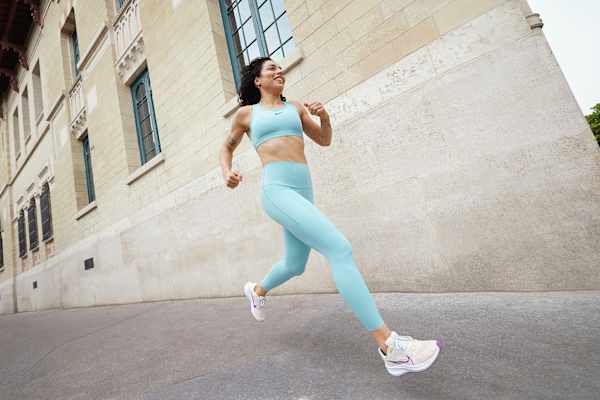
# How to Increase Running Stamina and Endurance
- 
[](https://www.nike.com/ca969eb2-299c-46bd-baa0-72c43d0df7aa)
# Product News
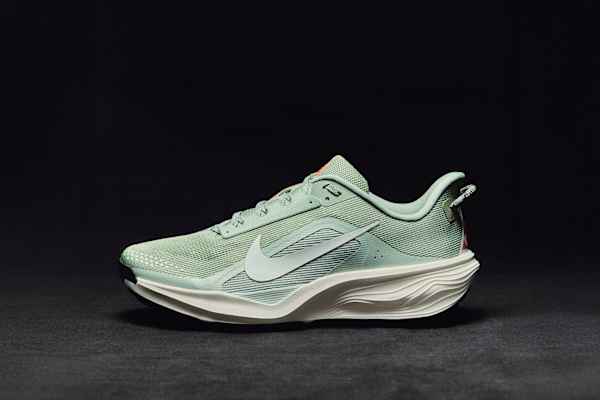
# Take the World by Storm in the Nike ACG Pegasus Trail
- 
[](https://www.nike.com/jp/en/a/nike-acg-zegama-release-info)
# Product News
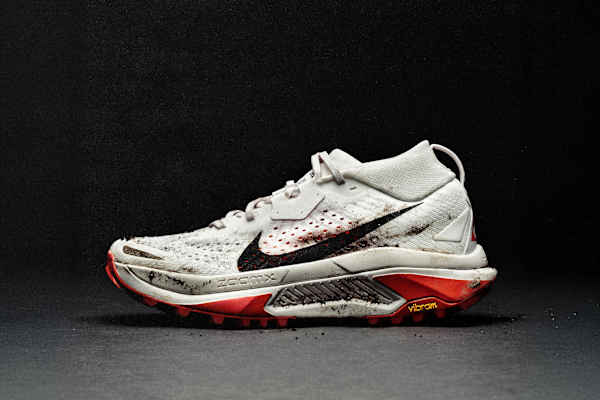
# The All-New Nike ACG Zegama: The Ultimate Trail Running Shoe for Tackling Tough Terrain
- 
[](https://www.nike.com/jp/en/a/nike-acg-ultrafly-trail-running-release)
# Product News
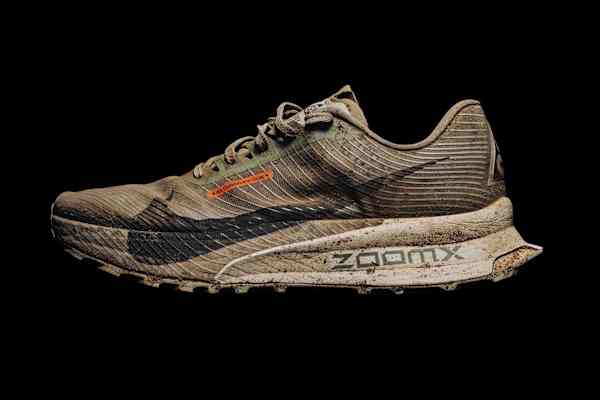
# Born for the Wild, Built for Speed: The Nike ACG Ultrafly
- 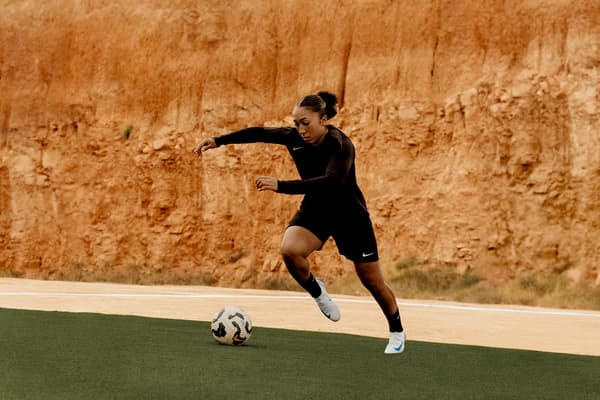
[](https://www.nike.com/jp/en/a/gifts-for-soccer-players)
# Kickstart your search with these soccer player gift ideas.
# The Best Nike Gifts for Soccer Players: Jerseys, Training Gear, Cleats, and More
Resources
[Membership](https://www.nike.com/jp/en/membership)
[Store Locator](https://www.nike.com/jp/en/retail)
[Order Status](https://www.nike.com/jp/en/orders/details)
[Shoe Finder](https://www.nike.com/jp/en/running/shoe-finder)
[Product Advice](https://www.nike.com/jp/en/product-advice)
Discounts
[Birthday Discount](https://www.nike.com/jp/en/help/a/birthday-promo-terms-jp)
[Student/Teacher Discount](https://www.nike.com/jp/student-discount)
[Disability Discount](https://www.nike.com/jp/help/a/disability-discount)
Help
[Help](https://www.nike.com/jp/en/help)
[Shipping](https://www.nike.com/jp/en/help/a/shipping-delivery-jp)
[Returns](https://www.nike.com/jp/en/help/a/returns-policy-jp)
[Payment Options](https://www.nike.com/jp/en/help/a/payment-options-jp)
[Convenience Store Pickup](https://www.nike.com/jp/en/help/a/convenience-store-pickup)
[Contact](https://www.nike.com/jp/en/help#contact)
Company
[Nike](http://nike.jp/nikebiz/about)
[News (Japanese)](https://nike.jp/nikebiz/)
[Careers](https://careers.nike.com)
[Investors](http://investors.nike.com/)
[Sustainability](https://www.nike.com/jp/en/sustainability)
[Feedback](https://secure.ethicspoint.com/domain/media/ja/gui/56821/index.html)
[Report a Concern](https://secure.ethicspoint.com/domain/media/en/gui/56821/index.html)
## Resources
[Membership](https://www.nike.com/jp/en/membership)
[Store Locator](https://www.nike.com/jp/en/retail)
[Order Status](https://www.nike.com/jp/en/orders/details)
[Shoe Finder](https://www.nike.com/jp/en/running/shoe-finder)
[Product Advice](https://www.nike.com/jp/en/product-advice)
## Discounts
[Birthday Discount](https://www.nike.com/jp/en/help/a/birthday-promo-terms-jp)
[Student/Teacher Discount](https://www.nike.com/jp/student-discount)
[Disability Discount](https://www.nike.com/jp/help/a/disability-discount)
## Help
[Help](https://www.nike.com/jp/en/help)
[Shipping](https://www.nike.com/jp/en/help/a/shipping-delivery-jp)
[Returns](https://www.nike.com/jp/en/help/a/returns-policy-jp)
[Payment Options](https://www.nike.com/jp/en/help/a/payment-options-jp)
[Convenience Store Pickup](https://www.nike.com/jp/en/help/a/convenience-store-pickup)
[Contact](https://www.nike.com/jp/en/help#contact)
## Company
[Nike](http://nike.jp/nikebiz/about)
[News (Japanese)](https://nike.jp/nikebiz/)
[Careers](https://careers.nike.com)
[Investors](http://investors.nike.com/)
[Sustainability](https://www.nike.com/jp/en/sustainability)
[Feedback](https://secure.ethicspoint.com/domain/media/ja/gui/56821/index.html)
[Report a Concern](https://secure.ethicspoint.com/domain/media/en/gui/56821/index.html)
Japan
- © 2026 Nike, Inc. All Rights Reserved
- Guides
- [Kids](https://www.nike.com/jp/en/kids)
- [Nike Air Max](https://www.nike.com/jp/en/air-max)
- [Nike Air Force 1](https://www.nike.com/jp/en/air-force-1)
- [Nike React](https://www.nike.com/jp/en/react)
- [Nike ZoomX](https://www.nike.com/jp/en/zoomx)
- [Nike FlyEase](https://www.nike.com/jp/en/flyease)
- [NBA Shop](https://www.nike.com/jp/en/nba)
- [Notation Based on the Act on Specified Commercial Transactions / Terms of Sale](https://agreementservice.svs.nike.com/rest/agreement?agreementType=termsOfSale&uxId=default&requestType=redirect)
- [Terms of Use](https://agreementservice.svs.nike.com/jp/ja_jp/rest/agreement?agreementType=termsOfUse&uxId=com.nike&country=JP&language=en&requestType=redirect)
- [Nike Privacy Policy](https://agreementservice.svs.nike.com/jp/ja_jp/rest/agreement?agreementType=privacyPolicy&uxId=com.nike.unite&country=JP&language=en&requestType=redirect)
- [Privacy Settings](https://www.nike.com/jp/en/guest/settings/privacy)
## Africa
- [__Egypt__
\
English](https://www.nike.com/eg/)
- [__Morocco__
\
English](https://www.nike.com/ma/en/)
- [__Maroc__
\
Français](https://www.nike.com/ma/)
- [__South Africa__
\
English](https://www.nike.com/za/)
## Americas
- [__Argentina__
\
Español](https://www.nike.com.ar)
- [__Brasil__
\
Português](https://www.nike.com.br)
- [__Canada__
\
English](https://www.nike.com/ca/)
- [__Canada__
\
Français](https://www.nike.com/ca/fr/)
- [__Chile__
\
Español](https://www.nike.cl)
- [__Colombia__
\
Español](https://www.nike.com.co)
- [__México__
\
Español](https://www.nike.com/mx/)
- [__Peru__
\
Español](https://www.nike.com.pe)
- [__Puerto Rico__
\
Español](https://www.nike.com/pr/)
- [__United States__
\
English](https://www.nike.com)
- [__Estados Unidos__
\
Español](https://www.nike.com/us/es/)
- [__Uruguay__
\
Español](https://www.nike.com.uy)
- [__Latin America__
\
Español](https://www.nike.com/xl/)
## Asia Pacific
- [__Australia__
\
English](https://www.nike.com/au/)
- [__中国大陆__
\
简体中文](https://www.nike.com.cn/)
- [__Hong Kong__
\
English](https://www.nike.com.hk/)
- [__香港__
\
繁體中文](https://www.nike.com.hk/)
- [__India__
\
English](https://www.nike.in/)
- [__Indonesia__
\
English](https://www.nike.com/id/)
- [__Japan__
\
English](https://www.nike.com/jp/en/)
- [__日本__
\
日本語](https://www.nike.com/jp/)
- [__대한민국__
\
한국어](https://www.nike.com/kr/)
- [__Malaysia__
\
English](https://www.nike.com/my/)
- [__New Zealand__
\
English](https://www.nike.com/nz/)
- [__Philippines__
\
English](https://www.nike.com/ph/)
- [__Singapore__
\
English](https://www.nike.com/sg/)
- [__台灣__
\
繁體中文](https://www.nike.com/tw/)
- [__ไทย__
\
ภาษาไทย](https://www.nike.com/th/)
- [__Vietnam__
\
English](https://www.nike.com/vn/)
## Europe
- [__Österreich__
\
Deutsch](https://www.nike.com/at/)
- [__Austria__
\
English](https://www.nike.com/at/en/)
- [__Belgien__
\
Deutsch](https://www.nike.com/be/de/)
- [__Belgium__
\
English](https://www.nike.com/be/en/)
- [__Belgique__
\
Français](https://www.nike.com/be/fr/)
- [__België__
\
Nederlands](https://www.nike.com/be/)
- [__Bulgaria__
\
English](https://www.nike.com/bg/)
- [__Croatia__
\
English](https://www.nike.com/hr/)
- [__Česká republika__
\
Čeština](https://www.nike.com/cz/)
- [__Czech Republic__
\
English](https://www.nike.com/cz/en/)
- [__Danmark__
\
Dansk](https://www.nike.com/dk/)
- [__Denmark__
\
English](https://www.nike.com/dk/en/)
- [__Finland__
\
English](https://www.nike.com/fi/)
- [__France__
\
Français](https://www.nike.com/fr/)
- [__Deutschland__
\
Deutsch](https://www.nike.com/de/)
- [__Ελλάδα__
\
ελληνικά](https://www.nike.com/gr/)
- [__Hungary__
\
English](https://www.nike.com/hu/en/)
- [__Magyarország__
\
Magyar](https://www.nike.com/hu/)
- [__Ireland__
\
English](https://www.nike.com/ie/)
- [__Israel__
\
English](https://www.nike.com/il/)
- [__Italia__
\
Italiano](https://www.nike.com/it/)
- [__Luxemburg__
\
Deutsch](https://www.nike.com/lu/de/)
- [__Luxembourg__
\
English](https://www.nike.com/lu/en/)
- [__Luxembourg__
\
Français](https://www.nike.com/lu/)
- [__Netherlands__
\
English](https://www.nike.com/nl/en/)
- [__Nederland__
\
Nederlands](https://www.nike.com/nl/)
- [__Norway__
\
English](https://www.nike.com/no/en/)
- [__Norge__
\
Norsk](https://www.nike.com/no/)
- [__Polska__
\
Polski](https://www.nike.com/pl/)
- [__Portugal__
\
English](https://www.nike.com/pt/en/)
- [__Portugal__
\
Português](https://www.nike.com/pt/)
- [__Romania__
\
English](https://www.nike.com/ro/)
- [__Россия__
\
Русский](https://www.nike.com/ru/)
- [__Slovakia__
\
English](https://www.nike.com/sk/)
- [__Slovenia__
\
English](https://www.nike.com/si/)
- [__Espanya__
\
Català](https://www.nike.com/es/ca/)
- [__España__
\
Español](https://www.nike.com/es/)
- [__Sweden__
\
English](https://www.nike.com/se/en/)
- [__Sverige__
\
Svenska](https://www.nike.com/se/)
- [__Schweiz__
\
Deutsch](https://www.nike.com/ch/)
- [__Switzerland__
\
English](https://www.nike.com/ch/en/)
- [__Suisse__
\
Français](https://www.nike.com/ch/fr/)
- [__Svizzera__
\
Italiano](https://www.nike.com/ch/it/)
- [__Türkiye__
\
Türkçe](https://www.nike.com/tr/)
- [__United Kingdom__
\
English](https://www.nike.com/gb/)
## Middle East
- [__Saudi Arabia__
\
English](https://www.nike.sa/en/home)
- [__المملكة العربية السعودية__
\
العربية](https://www.nike.sa/ar/home)
- [__United Arab Emirates__
\
English](https://www.nike.ae/en/home)
- [__الإمارات العربية المتحدة__
\
العربية](https://www.nike.ae/ar/home)
- [__Qatar__
\
English](https://www.nike.qa/en/home)
- [__دولة قطر__
\
العربية](https://www.nike.qa/ar/home)
- [__Kuwait__
\
English](https://www.nike.com.kw/en/home)
- [__الكويت__
\
العربية](https://www.nike.com.kw/ar/home)