What is a Callisthenics Workout? Benefits, Basics and How to Start
Activity
Build strength, improve movement and train anywhere using just your body weight.

Callisthenics is one of the simplest ways to build strength, improve movement quality and train anywhere – no equipment required. From push-ups and squats to planks and lunges, these bodyweight exercises build functional strength that carries over to everyday movements as you age, like pushing a lawn mower, lifting a laundry basket or climbing stairs.
Whether you're new to working out or looking to challenge your strength from the comforts of home, callisthenics offers a flexible, scalable approach. Below, fitness professionals break down exactly what callisthenics is, how it works, its benefits and limitations and provide tips on how to get started.
Shop Nike Training & Gym Clothing
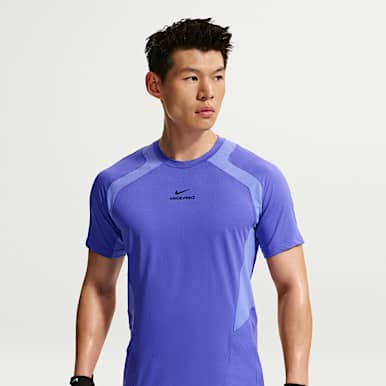

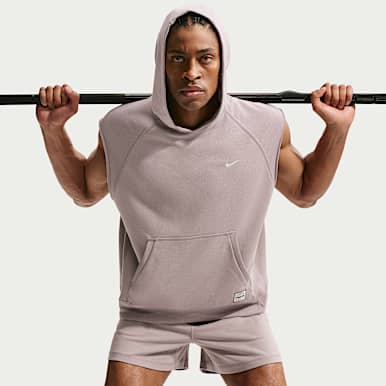

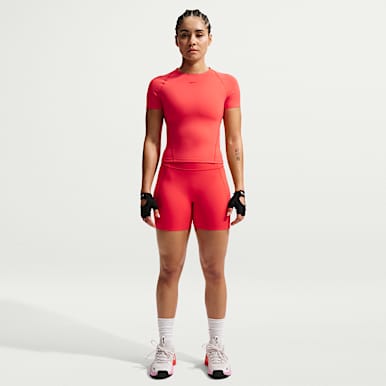


What are callisthenics?
"Callisthenics are exercises that use your own body weight as resistance", says Micah Sales, PT, DPT, SCS, Dip. MDT, CSCS. "It can be a great way to build strength and endurance without equipment".
Instead of lifting external weights like a barbell or dumbbell, you move your body against gravity – pushing, pulling, squatting, lunging and stabilising various muscle groups – to build strength and muscular endurance.
Common Callisthenics Exercises
There's no shortage of callisthenic movements, but these are some of the most common:
What Are the Benefits of Callisthenics?
Callisthenics aren't just convenient – they help you perform daily activities.
"You're training movements, not just muscles", explains Tyler McDonald, NASM-CPT, CNC. "This translates directly to real-life activities – like getting off the floor or lifting groceries overhead".
Because you're not supported by machines, stabilising muscles must work harder. "Your smaller stabilisers have to work overtime to keep your joints aligned", McDonald adds, which can support joint health and coordination.
Key benefits
- Convenience: "Callisthenics can be performed anywhere and anytime – from your living room to a hotel room or park", says Sales. Workouts can be adapted to fit a quick 10-minute session or a longer one.
- Cost savings: No equipment or gym membership required.
- Modifiable intensity: "Beginners might need more rest between sets, whereas someone with more experience might incorporate plyometric training into their workout", Sales says. Listen to your body – what you can comfortably do one day may not be achievable the next, and that's okay.
- Functional fitness benefits: "Consistent exercising can improve quality of life, allowing you to stay active well into your later years", Sales says.
- Improved mobility and flexibility. "Many bodyweight moves, like a full-depth squat, require you to use your full range of motion, which can help keep your joints agile and mobile", McDonald says.
Can Callisthenics Build Muscle?
Yes – with the right progression.
"By performing resistance exercises, your body adapts to the stresses applied, thus building muscle", Sales explains, referencing the Specific Adaptation to Imposed Demands principle.
McDonald adds that progression can occur from slowing down the tempo, doing more reps, reducing rest between reps or performing more challenging callisthenics. "Your muscles don't know if the resistance comes from a metal plate or your own body", McDonald says. "If you challenge the muscle close to fatigue, it will grow."
Callisthenics vs. Weight Training
The main difference? The type of resistance.
"Callisthenics uses body weight as resistance, whereas weight training uses external loading", Sales says. Weight training can make it easier to increase load for maximum strength, while callisthenics demands greater coordination and relative strength, or how strong you are for your size.
Neither is inherently better than the other. In fact, research suggests that both provide similar benefits regarding building muscle, supporting cardiovascular healthand maintaining bone density.
How To Add Callisthenics to Your Routine
As with any new exercise, you'll get the most out of callisthenics – and reduce injury risk – by starting small and progressing intentionally.
Beginner Step-by-Step Guide
- Identify your starting point: "See what you can do pain-free", says McDonald. Remember, there's a difference between some normal discomfort that comes with challenging muscles in new ways and pain. If you feel uncomfortable, don't force it. "Don't go from 0–100", Sales says. Focus on gradually building the intensity and duration of your workouts.
- Master the basics: Spend time learning proper squat and push-up form before advancing. A certified personal trainer or licensed physical therapist can offer feedback to help you move efficiently and avoid unnecessary strain.
- Train consistently: Aim for two full-body sessions per week to start. "Allow 48–72 hours before performing another total body workout", Sales recommends. "Delayed onset muscle soreness (DOMS) is expected after a workout".
- Prioritise recovery: Get enough quality sleep each night, hydrate before and after your workouts and choose nutrient-dense foods to support muscle recovery. Some muscle soreness early on is normal. Stay lightly active on rest days to promote blood flow and recovery with low-intensity movement like walking, yoga or cycling.
Beginner Callisthenics Routine (10 Minutes)
This quick circuit targets every major muscle group while keeping the intensity manageable.
Warm-up:
Begin with a light warm-up routine. You may consider doing:
- March or walk in place
- A few of the World's Greatest Stretches
- Squat-to-stand movements
Total time: 2 to 3 minutes
Callisthenics Circuit 1 (courtesy of Sales):
Perform each movement for 30 seconds with no rest in between.
- Bodyweight squats (chair or air squats)
- Incline or wall push-ups
- Forward or side lunges
- Plank
- Star Jumps
- Rest for at least 30 seconds between rounds
Repeat for 2 to 3 rounds, depending on your comfort level.
"These are closed-chain movements that activate multiple muscle groups while challenging your cardiovascular system", Sales says. "They maximise efficiency in a short workout".
Callisthenics Circuit 2 (courtesy of McDonald):
Perform each exercise for 45 seconds, rest for 15 seconds after each movement.
- Bodyweight squats
- Incline push-ups
- Glute bridges
- Plank
- Bird dog
Repeat for 2 to 3 full rounds in total.
Limitations of Callisthenics
"The main limitation is that you're capped at a maximum amount of resistance", Sales explains. Building maximal strength often requires external loads.
McDonald adds that pulling movements can be harder without equipment, and lower-body strength may plateau once bodyweight squats become easy. For many people, a fitness plan with a mix of callisthenics and weight training is best.
Common Mistakes To Avoid
Callisthenics rewards patience and control – rushing progress or cutting corners can stall results or increase injury risk. Avoiding these common mistakes can help you build strength safely and stay consistent over time.
- Setting unrealistic goals, like training every day
- Starting at an intensity that's too high
- Sacrificing form for reps
- Skipping pulling movements
- Rushing advanced skills before mastering basics
"Early on, consistency is more important than intensity", Sales says. McDonald agrees: "Quality over quantity always wins".
Bottom line: You don't need a perfect setup to start training. "The best programme is the one you actually do", McDonald says. Start where you are, move with intent and build from there.
Shop Nike Training & Gym Shoes









Frequently Asked Questions
Are callisthenics good for beginners?
Yes. "It’s actually the best place to start because it teaches you how to control your own body before adding external loads, reducing the risk of injury", McDonald says.
Are callisthenics enough for full-body strength?
"For the right individual, yes", Sales explains. Most people can build significant strength using bodyweight alone.
"Unless you are a competitive powerlifter, you can build an incredibly strong, athletic and muscular physique using just your body weight", McDonald adds.
Are callisthenics better than weight training?
"It's not better – it's different", McDonald clarifies. Callisthenics offer convenience and control, while weights are better for maximising strength.
Words by Cheyenne Buckingham

Related Stories

Activity
How to Treat Sore Muscles After a Tough Workout: Expert-Approved Recovery Tips
Activity
This Is Exactly How Yoga Can Enhance Sports Performance

Sports & Activity
Is Running Good for You? Benefits, Risks and How Often to Run

Activity
Should You Run in a Weighted Vest? Experts Explain the Benefits—And Drawbacks

Activity
How To Start Running: A Beginner's Guide