[Skip to main content](https://www.nike.com#skip-to-content)
- [](https://www.nike.com/at/en/jordan)
- [Find a Store](https://www.nike.com/at/en/retail)
- [Help](https://www.nike.com/at/en/help)
[Help](https://www.nike.com/at/en/help)
- [Order Status](https://www.nike.com/at/en/orders/details)
- [Dispatch and Delivery](https://www.nike.com/at/en/help/a/shipping-delivery-eu)
- [Returns](https://www.nike.com/at/en/help/a/returns-policy-eu)
- [Size Charts](https://www.nike.com/at/en/help/a/size-charts-eu)
- [Contact Us](https://www.nike.com/at/en/help/#contact)
- [Privacy Policy](https://agreementservice.svs.nike.com/at/en_gb/rest/agreement?agreementType=privacyPolicy&uxId=com.nike.unite&country=AT&language=en&requestType=redirect)
- [Terms of Sale](https://agreementservice.svs.nike.com/at/en_gb/rest/agreement?agreementType=termsOfSale&uxId=com.nike.tos&country=AT&language=en&requestType=redirect)
- [Terms of Use](https://agreementservice.svs.nike.com/at/en_gb/rest/agreement?agreementType=termsOfUse&uxId=com.nike&country=AT&language=en&requestType=redirect)
- [Send Us Feedback](https://www.nike.com#site-feedback)
- [Join Us](https://www.nike.com/at/en/membership)
- [Sign In](https://www.nike.com/at/en/register)
[](https://www.nike.com/at/en/)
- [New](https://www.nike.com/at/en/w/new-3n82y)
- [New](https://www.nike.com/at/en/w/new-3n82y)
- [New Arrivals](https://www.nike.com/at/en/w/new-3n82y)
- [Best Sellers](https://www.nike.com/at/en/w/best-76m50)
- [SNKRS Launch Calendar](https://www.nike.com/gb/launch/upcoming)
- [Tennis Slam](https://www.nike.com/at/en/w/tennis-slam-7vd60)
- [Highlights](https://www.nike.com/at/en/w/new-just-in-3apgqz3n82y)
- [Jordan: Love Letter Collection](https://www.nike.com/at/en/w/love-letter-7xkbw)
- [Best of Jordan](https://www.nike.com/at/en/w/best-of-jordan-brand-j0oa)
- [Running: Discover Aerofit](https://www.nike.com/at/en/w/running-clothing-37v7jz6ymx6)
- [Style By Moon Shoe](https://www.nike.com/at/en/nike-style-by)
- [Trending](https://www.nike.com/at/en/w/best-76m50)
- [Hybrid Training](https://www.nike.com/at/en/w/hybrid-training-7fx1n)
- [Marathon Shoes](https://www.nike.com/at/en/w/marathon-distance-shoes-6vbyfzy7ok)
- [Elite Football Boots](https://www.nike.com/at/en/w/elite-football-shoes-1gdj0z9vmnhzy7ok)
- [Sportswear Clothing](https://www.nike.com/at/en/w/sportswear-clothing-43h4uz6ymx6)
- [Pro Football Boots](https://www.nike.com/at/en/w/pro-football-shoes-1gdj0z2a2jzy7ok)
- [Brands](https://www.nike.com/at/en/w/37eefz43h4uz93bsdzpgd6)
- [Nike Sportswear](https://www.nike.com/at/en/w/lifestyle-13jrm)
- [ACG: All Conditions Gear](https://www.nike.com/at/en/acg)
- [Jordan](https://www.nike.com/at/en/w/jordan-37eef)
- [Kobe](https://www.nike.com/at/en/w/kobe-pgd6)
- [NOCTA](https://www.nike.com/at/en/w/nocta-25nhb)
- [Men](https://www.nike.com/at/en/men)
- [Highlights](https://www.nike.com/at/en/w/new-mens-3n82yznik1)
- [New Arrivals](https://www.nike.com/at/en/w/new-mens-3n82yznik1)
- [Best Sellers](https://www.nike.com/at/en/w/mens-best-76m50znik1)
- [Streetwear Clothing](https://www.nike.com/at/en/w/streetwear-clothing-97qn8)
- [Tennis Slam](https://www.nike.com/at/en/w/mens-tennis-slam-7vd60znik1)
- [Shoes](https://www.nike.com/at/en/w/mens-shoes-nik1zy7ok)
- [All Shoes](https://www.nike.com/at/en/w/mens-shoes-nik1zy7ok)
- [Lifestyle](https://www.nike.com/at/en/w/mens-lifestyle-shoes-13jrmznik1zy7ok)
- [Jordan](https://www.nike.com/at/en/w/mens-jordan-shoes-37eefznik1zy7ok)
- [Running](https://www.nike.com/at/en/w/mens-running-shoes-37v7jznik1zy7ok)
- [Football](https://www.nike.com/at/en/w/mens-football-shoes-1gdj0znik1zy7ok)
- [Basketball](https://www.nike.com/at/en/w/mens-basketball-shoes-3glsmznik1zy7ok)
- [Training and Gym](https://www.nike.com/at/en/w/mens-training-gym-shoes-58jtoznik1zy7ok)
- [Skateboarding](https://www.nike.com/at/en/w/mens-skateboarding-shoes-8mfrfznik1zy7ok)
- [Custom Shoes](https://www.nike.com/at/en/w/mens-nike-by-you-shoes-6ealhznik1zy7ok)
- [Shoes under 100 (EU)](https://www.nike.com/at/en/w/mens-under-100-shoes-49o1mznik1zy7ok)
- [Clothing](https://www.nike.com/at/en/w/mens-clothing-6ymx6znik1)
- [All Clothing](https://www.nike.com/at/en/w/mens-clothing-6ymx6znik1)
- [Hoodies and Sweatshirts](https://www.nike.com/at/en/w/mens-hoodies-sweatshirts-6riveznik1)
- [Tops and T-Shirts](https://www.nike.com/at/en/w/mens-tops-t-shirts-9om13znik1)
- [Kits and Jerseys](https://www.nike.com/at/en/w/mens-football-kits-jerseys-1gdj0z3a41eznik1)
- [Shorts](https://www.nike.com/at/en/w/mens-shorts-38fphznik1)
- [Trousers and Tights](https://www.nike.com/at/en/w/mens-trousers-tights-2kq19znik1)
- [Tracksuits](https://www.nike.com/at/en/w/mens-tracksuits-1ll2wznik1)
- [Jackets](https://www.nike.com/at/en/w/mens-jackets-gilets-50r7yznik1)
- [Accessories](https://www.nike.com/at/en/w/mens-accessories-equipment-awwpwznik1)
- [Sport](https://www.nike.com/at/en/w/mens-performance-3k7dgznik1)
- [Running](https://www.nike.com/at/en/running)
- [Football](https://www.nike.com/at/en/football)
- [Basketball](https://www.nike.com/at/en/basketball)
- [Training and Gym](https://www.nike.com/at/en/training)
- [Tennis](https://www.nike.com/at/en/tennis)
- [Skateboarding](https://www.nike.com/at/en/w/mens-skateboarding-8mfrfznik1)
- [Golf](https://www.nike.com/at/en/golf)
- Brands
- [Nike Sportswear](https://www.nike.com/at/en/w/mens-lifestyle-13jrmznik1)
- [ACG: All Conditions Gear](https://www.nike.com/at/en/acg)
- [Jordan](https://www.nike.com/at/en/w/mens-jordan-37eefznik1)
- [Kobe](https://www.nike.com/at/en/w/mens-kobe-nik1zpgd6)
- [NOCTA](https://www.nike.com/at/en/w/mens-nocta-25nhbznik1)
- [Women](https://www.nike.com/at/en/women)
- [Highlights](https://www.nike.com/at/en/w/new-womens-3n82yz5e1x6)
- [New Arrivals](https://www.nike.com/at/en/w/new-womens-3n82yz5e1x6)
- [Best Sellers](https://www.nike.com/at/en/w/womens-best-5e1x6z76m50)
- [Nike Fleece Essentials](https://www.nike.com/at/en/w/womens-nike-studio-fleece-clothing-5e1x6z6ymx6zs531)
- [Seasonal Clothing Packs](https://www.nike.com/at/en/w/seasonal-clothing-packs-9yawh)
- [Style By Moon Shoe](https://www.nike.com/at/en/nike-style-by)
- [Tennis Slam](https://www.nike.com/at/en/w/womens-tennis-slam-5e1x6z7vd60)
- [Shoes](https://www.nike.com/at/en/w/womens-shoes-5e1x6zy7ok)
- [All Shoes](https://www.nike.com/at/en/w/womens-shoes-5e1x6zy7ok)
- [Lifestyle](https://www.nike.com/at/en/w/womens-lifestyle-shoes-13jrmz5e1x6zy7ok)
- [Jordan](https://www.nike.com/at/en/w/womens-jordan-shoes-37eefz5e1x6zy7ok)
- [Running](https://www.nike.com/at/en/w/womens-running-shoes-37v7jz5e1x6zy7ok)
- [Training and Gym](https://www.nike.com/at/en/w/womens-training-gym-shoes-58jtoz5e1x6zy7ok)
- [Football](https://www.nike.com/at/en/w/womens-football-shoes-1gdj0z5e1x6zy7ok)
- [Custom Shoes](https://www.nike.com/at/en/w/womens-nike-by-you-shoes-5e1x6z6ealhzy7ok)
- [Shoes under 100 (EU)](https://www.nike.com/at/en/w/womens-under-100-shoes-49o1mz5e1x6zy7ok)
- [Clothing](https://www.nike.com/at/en/w/womens-clothing-5e1x6z6ymx6)
- [All Clothing](https://www.nike.com/at/en/w/womens-clothing-5e1x6z6ymx6)
- [Hoodies and Sweatshirts](https://www.nike.com/at/en/w/womens-hoodies-sweatshirts-5e1x6z6rive)
- [Tops and T-Shirts](https://www.nike.com/at/en/w/womens-tops-t-shirts-5e1x6z9om13)
- [Shorts](https://www.nike.com/at/en/w/womens-shorts-38fphz5e1x6)
- [Leggings](https://www.nike.com/at/en/w/womens-tights-leggings-29sh2z5e1x6)
- [Trousers](https://www.nike.com/at/en/w/womens-trousers-tights-2kq19z5e1x6)
- [Matching Sets](https://www.nike.com/at/en/w/womens-matching-sets-2lukpz5e1x6)
- [Jackets](https://www.nike.com/at/en/w/womens-jackets-gilets-50r7yz5e1x6)
- [Sports Bras](https://www.nike.com/at/en/w/womens-sports-bras-40qgmz5e1x6)
- [Accessories](https://www.nike.com/at/en/w/womens-accessories-equipment-5e1x6zawwpw)
- [Sport](https://www.nike.com/at/en/w/womens-performance-3k7dgz5e1x6)
- [Training and Gym](https://www.nike.com/at/en/training)
- [Running](https://www.nike.com/at/en/running)
- [Football](https://www.nike.com/at/en/football)
- [Basketball](https://www.nike.com/at/en/basketball)
- [Tennis](https://www.nike.com/at/en/tennis)
- [Skateboarding](https://www.nike.com/at/en/w/womens-skateboarding-5e1x6z8mfrf)
- [Golf](https://www.nike.com/at/en/golf)
- Brands
- [NikeSKIMS](https://www.nike.com/at/en/nikeskims)
- [Nike Sportswear](https://www.nike.com/at/en/w/womens-lifestyle-13jrmz5e1x6)
- [ACG: All Conditions Gear](https://www.nike.com/at/en/acg)
- [Jordan](https://www.nike.com/at/en/w/womens-jordan-37eefz5e1x6)
- [Kobe](https://www.nike.com/at/en/w/womens-kobe-5e1x6zpgd6)
- [Kids](https://www.nike.com/at/en/kids)
- [Highlights](https://www.nike.com/at/en/w/new-kids-3n82yzv4dh)
- [New Arrivals](https://www.nike.com/at/en/w/new-kids-3n82yzv4dh)
- [Best Sellers](https://www.nike.com/at/en/w/kids-best-76m50zv4dh)
- [Teen Destination](https://www.nike.com/at/en/teens)
- [Nike x LEGO® Collection](https://www.nike.com/at/en/lego)
- [Shoes](https://www.nike.com/at/en/w/kids-shoes-v4dhzy7ok)
- [All Shoes](https://www.nike.com/at/en/w/kids-shoes-v4dhzy7ok)
- [Lifestyle](https://www.nike.com/at/en/w/kids-lifestyle-shoes-13jrmzv4dhzy7ok)
- [Jordan](https://www.nike.com/at/en/w/kids-jordan-shoes-37eefzv4dhzy7ok)
- [Football](https://www.nike.com/at/en/w/kids-football-shoes-1gdj0zv4dhzy7ok)
- [Running](https://www.nike.com/at/en/w/kids-running-shoes-37v7jzv4dhzy7ok)
- [Basketball](https://www.nike.com/at/en/w/kids-basketball-shoes-3glsmzv4dhzy7ok)
- [Physical Education](https://www.nike.com/at/en/w/kids-performance-shoes-3k7dgzv4dhzy7ok)
- [Shoes under 100 (EU)](https://www.nike.com/at/en/w/kids-under-100-shoes-49o1mzv4dhzy7ok)
- [Clothing](https://www.nike.com/at/en/w/kids-clothing-6ymx6zv4dh)
- [All Clothing](https://www.nike.com/at/en/w/kids-clothing-6ymx6zv4dh)
- [Hoodies and Sweatshirts](https://www.nike.com/at/en/w/kids-hoodies-sweatshirts-6rivezv4dh)
- [Tops and T-Shirts](https://www.nike.com/at/en/w/kids-tops-t-shirts-9om13zv4dh)
- [Kits & Jerseys](https://www.nike.com/at/en/w/kids-football-kits-jerseys-1gdj0z3a41ezv4dh)
- [Tracksuits](https://www.nike.com/at/en/w/kids-tracksuits-1ll2wzv4dh)
- [Shorts](https://www.nike.com/at/en/w/kids-shorts-38fphzv4dh)
- [Trousers and Leggings](https://www.nike.com/at/en/w/kids-trousers-tights-2kq19zv4dh)
- [Matching Sets](https://www.nike.com/at/en/w/kids-matching-sets-2lukpzv4dh)
- [Jackets](https://www.nike.com/at/en/w/kids-jackets-gilets-50r7yzv4dh)
- [Accessories](https://www.nike.com/at/en/w/kids-accessories-equipment-awwpwzv4dh)
- [Kids by age](https://www.nike.com/at/en/w/kids-v4dh)
- [Teens (13–17 years)](https://www.nike.com/at/en/w/teen-collection-6hgue)
- [Older Kids (7–12 years)](https://www.nike.com/at/en/w/older-kids-agibjzv4dh)
- [Younger Kids (3–7 years)](https://www.nike.com/at/en/w/little-kids-6dacezv4dh)
- [Baby & Toddler (0–3 years)](https://www.nike.com/at/en/w/baby-toddlers-kids-2j488zv4dh)
- [Sport](https://www.nike.com/at/en/w/kids-performance-3k7dgzv4dh)
- [Running](https://www.nike.com/at/en/w/kids-running-37v7jzv4dh)
- [Football](https://www.nike.com/at/en/w/kids-football-1gdj0zv4dh)
- [Basketball](https://www.nike.com/at/en/w/kids-basketball-3glsmzv4dh)
- [Physical Education](https://www.nike.com/at/en/w/kids-training-gym-58jtozv4dh)
- [Skateboarding](https://www.nike.com/at/en/w/skateboarding-8mfrf)
- [Sport](https://www.nike.com/at/en/lockerroom)
- [Highlights](https://www.nike.com/at/en/w/new-performance-3k7dgz3n82y)
- [New Arrivals](https://www.nike.com/at/en/w/new-performance-3k7dgz3n82y)
- [Best Sellers](https://www.nike.com/at/en/w/best-performance-3k7dgz76m50)
- [Jordan Basketball](https://www.nike.com/at/en/w/jordan-basketball-37eefz3glsm)
- [Running: Discover Aerofit](https://www.nike.com/at/en/w/running-clothing-37v7jz6ymx6)
- [Football: New Club Kits 26/27](https://www.nike.com/at/en/w/club-football-teams-6fu9q)
- [Running](https://www.nike.com/at/en/running)
- [All Running](https://www.nike.com/at/en/w/running-37v7j)
- [Shoes](https://www.nike.com/at/en/w/running-shoes-37v7jzy7ok)
- [Clothing](https://www.nike.com/at/en/w/running-clothing-37v7jz6ymx6)
- [Accessories](https://www.nike.com/at/en/w/running-accessories-equipment-37v7jzawwpw)
- [Football](https://www.nike.com/at/en/football)
- [All Football](https://www.nike.com/at/en/w/football-1gdj0)
- [Shoes](https://www.nike.com/at/en/w/football-shoes-1gdj0zy7ok)
- [Clothing](https://www.nike.com/at/en/w/football-clothing-1gdj0z6ymx6)
- [Accessories](https://www.nike.com/at/en/w/football-accessories-equipment-1gdj0zawwpw)
- [Training and Gym](https://www.nike.com/at/en/training)
- [All Training and Gym](https://www.nike.com/at/en/w/training-gym-58jto)
- [Shoes](https://www.nike.com/at/en/w/training-gym-shoes-58jtozy7ok)
- [Clothing](https://www.nike.com/at/en/w/training-gym-clothing-58jtoz6ymx6)
- [Accessories](https://www.nike.com/at/en/w/training-gym-accessories-equipment-58jtozawwpw)
- [More Sports](https://www.nike.com/at/en/w/performance-3k7dg)
- [All Sport](https://www.nike.com/at/en/w/performance-3k7dg)
- [Basketball](https://www.nike.com/at/en/basketball)
- [Outdoor](https://www.nike.com/at/en/w/acg-93bsd)
- [Tennis](https://www.nike.com/at/en/tennis)
- [Nike SB](https://www.nike.com/at/en/w/skateboarding-8mfrf)
- [Golf](https://www.nike.com/at/en/golf)
- [NikeSKIMS](https://www.nike.com/at/en/nikeskims)
- [NikeSKIMS Guides](https://www.nike.com/at/en/nikeskims-lookbook)
- [NikeSKIMS Lookbook](https://www.nike.com/at/en/nikeskims-lookbook)
- [NikeSKIMS Bra Guide](https://www.nike.com/at/en/nikeskims-bra-guide)
- [NikeSKIMS Collection Guide](https://www.nike.com/at/en/nikeskims-collection-guide)
- [Clothing](https://www.nike.com/at/en/w/nikeskims-b2asd)
- [All Clothing](https://www.nike.com/at/en/w/nikeskims-clothing-6ymx6zb2asd)
- [Bras](https://www.nike.com/at/en/w/nikeskims-sports-bras-40qgmzb2asd)
- [Tops and Tanks](https://www.nike.com/at/en/w/nikeskims-tops-t-shirts-9om13zb2asd)
- [Leggings](https://www.nike.com/at/en/w/nikeskims-tights-leggings-29sh2zb2asd)
- [Shorts](https://www.nike.com/at/en/w/nikeskims-shorts-38fphzb2asd)
- [Shoes](https://www.nike.com/at/en/w/nikeskims-shoes-b2asdzy7ok)
- [Accessories](https://www.nike.com/at/en/w/nikeskims-accessories-equipment-awwpwzb2asd)
- [Collections](https://www.nike.com/at/en/nikeskims-collection-guide)
- [All Collections](https://www.nike.com/at/en/w/nikeskims-b2asd)
- [Shine](https://www.nike.com/at/en/w/nikeskims-nikeskims-shine-aq8qbzb2asd)
- [Matte](https://www.nike.com/at/en/w/nikeskims-nikeskims-matte-5s3enzb2asd)
- [Airy](https://www.nike.com/at/en/w/nikeskims-nikeskims-airy-5c1qqzb2asd)
- [Ribbed Seamless](https://www.nike.com/at/en/w/nikeskims-nikeskims-seamless-6lh4szb2asd)
- [Stretch Knit](https://www.nike.com/at/en/w/nikeskims-nikeskims-stretch-knit-21jwlzb2asd)
- [Studio Stretch](https://www.nike.com/at/en/w/nikeskims-studio-stretch-admbq)
- [Stretch Nylon](https://www.nike.com/at/en/w/nikeskims-stretch-nylon-7sut9)
- [Weightless](https://www.nike.com/at/en/w/nikeskims-nikeskims-weightless-4csx8zb2asd)
- [Shop By Color](https://www.nike.com/at/en/w/nikeskims-b2asd)
- [Obsidian](https://www.nike.com/at/en/w/nikeskims-black-90poyzb2asd)
- [Dark Sepia](https://www.nike.com/at/en/w/nikeskims-dark-sepia-81pvm)
- [Phoenix](https://www.nike.com/at/en/w/nikeskims-phoenix-1jhtj)
- [Cobalt](https://www.nike.com/at/en/w/nikeskims-blue-8hfx3zb2asd)
- [Ivory](https://www.nike.com/at/en/w/nikeskims-white-4g797zb2asd)
Cancel
Cancel
Popular Search Terms
[studio fleece](https://www.nike.com/at/en/w?q=studio%20fleece&vst=studio%20fleece)[shoes](https://www.nike.com/at/en/w?q=shoes&vst=shoes)[football boots](https://www.nike.com/at/en/w?q=football%20boots&vst=football%20boots)[air force 1](https://www.nike.com/at/en/w?q=air%20force%201&vst=air%20force%201)[jordan](https://www.nike.com/at/en/w?q=jordan&vst=jordan)[air max](https://www.nike.com/at/en/w?q=air%20max&vst=air%20max)[basketball shoes](https://www.nike.com/at/en/w?q=basketball%20shoes&vst=basketball%20shoes)[tech fleece](https://www.nike.com/at/en/w?q=tech%20fleece&vst=tech%20fleece)
[](https://www.nike.com/at/en/favorites "Favourites")[](https://www.nike.com/at/en/cart "Bag Items: 0")
# What Is Cadence Running? How To Find Your Optimal Step Rate and Improve Performance
##### Sports & Activity
Learn about running cadence, how to measure your steps per minute and how a small cadence change can improve running form and reduce injury risk.
Last updated: 22 April 2026
9 min read
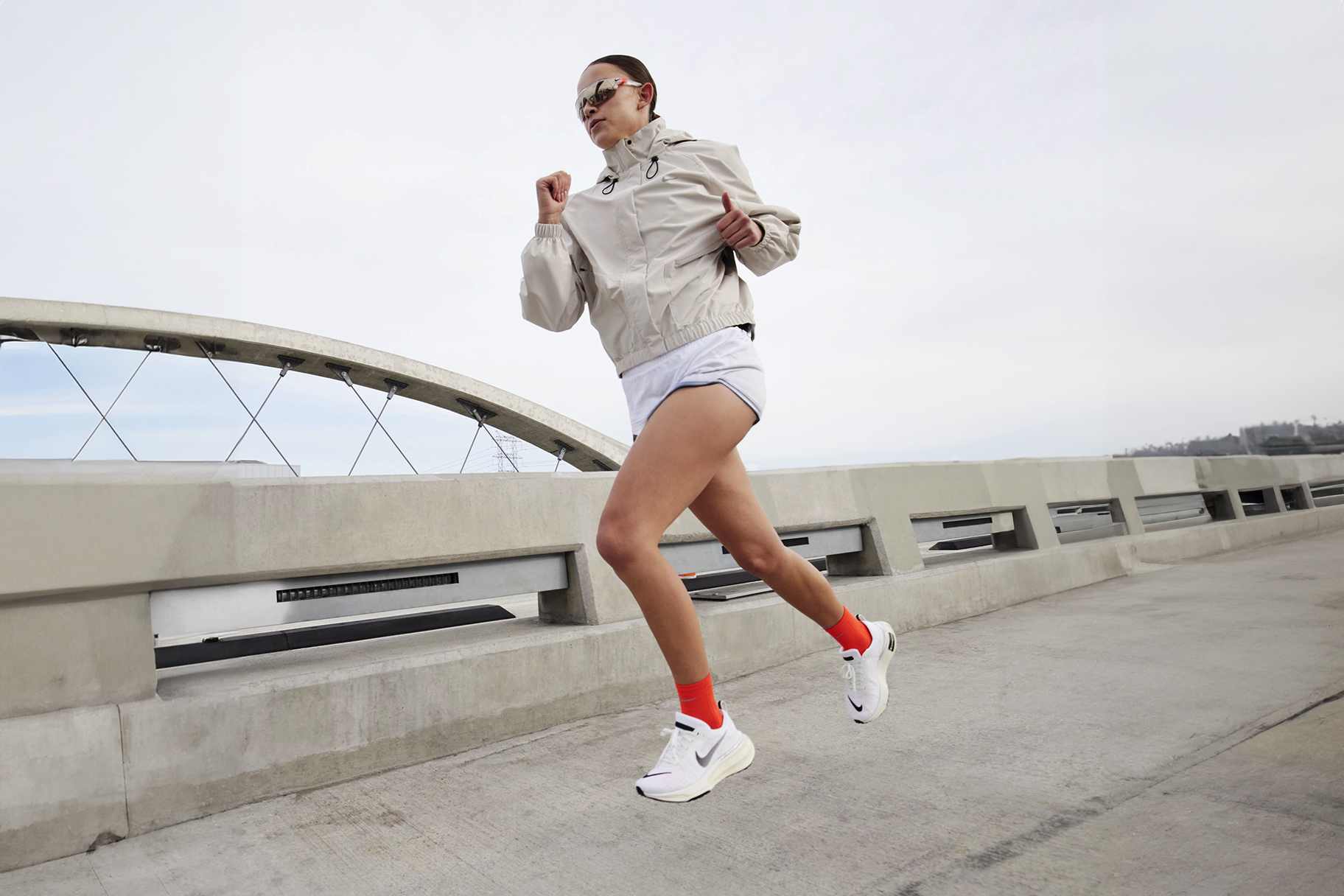
Running cadence refers to your step rate, or how many steps per minute (SPM) you take while running. Cadence plays a direct role in running form, ground contact time, impact forces and overall running economy, all of which influence performance and injury risk for both beginner s and experienced distance runners.
In simple terms, cadence helps determine *how* you move, not just *how fast* you go.
## Key Takeaways: Running Cadence
- Running cadence is your step rate measured in steps per minute (SPM).
- Most runners fall between 150 and 190 SPM, depending on pace and body mechanics.
- Cadence and stride length work together. Increasing one often shortens the other.
- Small cadence adjustments may reduce overstriding and lower impact stress.
## What Is Cadence in Running?
If you've ever overheard runners talking about cadence and wondered what they meant, you're not alone. "Cadence is just the number of steps a runner takes per minute," says Anthony Luke, M.D., M.P.H., founder of RunSafe and director of the University of San Francisco Human Performance Center.
But cadence is more than a number. It influences how long your foot stays on the ground, how much force travels up your [legs](https://www.nike.com/at/en/a/does-running-build-leg-muscle) and how efficiently you move forward.
David Jou, P.T., D.P.T., co-founder of Motivny, explains it this way: higher cadence generally means less time on the ground per step, which may reduce excessive loading on joints and soft tissue.
## Why Running Cadence Matters
Cadence affects several key performance and health variables at once:
- __Ground contact time:__ lower cadence often means longer contact with the ground.
- __Impact forces:__ longer strides typically increase braking and impact stress.
- __Overstriding:__ low cadence can push your foot too far ahead of your body.
- __Running economy:__ efficient cadence can reduce wasted energy.
Newer runners often struggle here. According to Jou, [beginner runners](https://www.nike.com/at/en/a/how-to-start-running-again) are more likely to run with a low cadence and long stride, which may increase stress on the knees, hips and lower legs.
## Expert Coaching With Guided Runs
Get inspired and run further with a Nike Run Club Guided Run—a private, coach-led run wherever you choose to get your miles in.
[Make Every Run a Guided Run](https://www.nike.com/nrc-app)
## The "Ideal Cadence" Myth
You've probably heard that 180 steps per minute is the "perfect" running cadence. That number came from observations of elite runners racing at fast paces, not a universal rule for all runners.
Luke explains that cadence is highly individual and depends on factors such as:
- height and limb length
- running speed
- experience level
- terrain and workout type
Rather than chasing a specific number, the goal is to find a cadence that supports [efficient mechanics](https://www.nike.com/at/en/a/forefoot-running-benefits) and comfort, especially at your usual training pace.
## What's a good running cadence?
In the world of fitness, most things are not one-size-fits-all. Although there is no single "perfect" cadence, most recreational runners naturally fall between 160 and 180 SPM at moderate speeds. Slower paces often land around 150 to 165 SPM, while faster efforts trend higher.
According to Luke, the optimal running cadence averages between 170 and 180 steps per minute for people of average height, which in the United States is 162.6 centimetres for women and about 175 centimetres for men. Running within this range may [reduce injury risk](https://www.nike.com/at/en/a/common-running-injuries) by shortening ground contact time.
For distance runners, cadence often increases slightly as fatigue sets in or pace rises. The key is consistency and control, not forcing an artificial rhythm.
## Typical Cadence Range for Different Running Paces
Easy jogging: 150–165 SPM
Moderate running: 160–180 SPM
Fast running/racing: 170–190 SPM
## Is 180 Cadence Still Recommended?
A running cadence of 180 SPM being the "best" running cadence comes from when Jack Daniels, Olympic medalist, exercise physiologist and running coach, [observed elite runners in the 1984 Olympics](https://news.vdoto2.com/2018/01/180-steps-stride-rate-a-step-in-the-right-direction/).
And if a cadence of 180 SPM feels natural to you, then yes, it's recommended, as using the right cadence for your body will make your running feel more effortless. Not to mention, [research shows](https://ijspt.scholasticahq.com/article/140544-the-effect-of-running-speed-on-cadence-and-running-kinetics) that a running cadence of less than 170 SPM can increase injury risk. But for many people, depending on their body type and fitness level, running at 180 SPM isn't realistic—and that's okay.
## Does Cadence Make You Faster?
"The speed you run is a mathematical product of stride length multiplied by stride frequency," says Janet Hamilton, C.S.C.S., exercise physiologist, RRCA- and USATF-certified running coach and owner of Running Strong. "If you are able to take more strides per minute at the same stride length because you increased your power at push off, you'll be faster."
## Does Stride Length or Cadence Matter More?
According to Hamilton, stride length and cadence both matter when it comes to running speed. "If you can increase the distance you fly from push off to landing (your stride length), you'll be faster. If you can increase your cadence and not sacrifice stride length, you'll be faster. Both are important," she says.
## How Beginners Can Think About Cadence
Hamilton likes to tell the beginner runners she coaches to find their natural running rhythm. "I've found most runners tend to settle into their natural rhythm in running," she says.
"Often when doing gait assessment on a treadmill, I'll ask the runner to select their normal 'easy effort' speed. I count cadence (number of steps per minute) and record that. Then I'll speed the treadmill up to a given race pace (perhaps 5K or 10K pace) and assess cadence again. It's not all that unusual to find that their cadence doesn't shift as much as you'd think. It might vary from 170 at easy effort to 172 to 174 at race effort. That's not always the case, but I find it often enough," she says.
However, if the cadence needs adjustments, Hamilton may give beginner runners an audible cue, like a beeping metronome or tunes of a faster beat frequency, and she'll tell the runner to try to match that beat with their footfalls.
## Why Runners Often Get Cadence Wrong
Some runners tend to overstride, which can result in increased loading to some areas and a subsequent increase in injury risk, according to Hamilton. "Sometimes 'collecting your stride' will help alleviate that overstriding tendency," she says.
However, runners have a tendency to overthink cadence, according to Hamilton. "Cadence can change with speed (usually, the faster you run, the cadence will get faster, but it's a small change), and it can also change with the terrain you're on (often, running on trails will result in a slightly faster cadence with a shorter stride length due to the unpredictable terrain). But I prefer to have runners focus on good, tall posture, relaxed shoulders and hands, and I cue them with the idea of 'light/quick feet'," she says. This naturally helps with cadence without overanalysing it.
## How To Measure Running Cadence
__Step-by-step:__
- Run at your normal, comfortable pace.
- Count how many times one foot hits the ground in 30 seconds.
- Multiply that number by 4 to estimate total steps per minute.
- Repeat a few times to find your average.
## Are There Tools or Apps to Help Track Running Cadence?
You can also track cadence using a smartwatch, [Nike Run Club](https://www.nike.com/nrc-app) or a metronome app like Metronome Beats. (Metronomes come in handy, as provide an audible, consistent rhythm to which you can match your steps.)
## Benefits of Adjusting Running Cadence
A small cadence increase of just 5% to 10% may:
- reduce overstriding
- decrease impact forces on joints
- improve running economy
- help maintain better form as fatigue builds
Importantly, you do not need to run faster to adjust cadence. The goal is often more steps at the same pace, not increased speed.
How long does it take to adapt to a new running cadence? While Hamilton says it differs for everyone, a new cadence can start to feel "normal" within as little as two to four weeks.
"It also depends on how big of a change you're trying to make. If you change cadence by more than 10% at a time, it will often be met with an increase in perceived exertion and a reduction in running economy, so I like to make small, gentle tweaks of cadence, then settle in to that new rhythm for a bit before making the next adjustment," Hamilton says.
So, for instance, if you have a running cadence of 150 and want to get it faster, the first tweak would often be about 5%, bringing the cadence up from 150 to 156 or 158, Hamilton explains. Then, once that feels natural, you can tweak it again by another 5% if needed.
## How to Safely Increase Running Cadence
Improving cadence works best when you make small, controlled changes that allow your body time to adapt.
- Increase cadence gradually (no more than 5% at a time).
- Maintain your usual pace while taking slightly shorter steps.
- Practise during short intervals before applying it to long runs.
- Expect an adjustment period of four to six weeks.
Luke suggests using short treadmill or outdoor [intervals](https://www.nike.com/at/en/a/interval-training-running-benefits) to feel the difference without overwhelming your system.
Cadence often increases naturally as runners improve fitness or speed, according to Hamilton. "As you gain strength, you're able to push off with a little greater force and fly a little further with each step before contacting the ground again," she says. "As you get fitter and faster, your race pace gets faster as a result of both changes in power output as well as cadence."
## Common Mistakes When Working on Cadence
Most cadence problems come from doing too much, too fast, or confusing quicker steps with running harder.
- Trying to jump straight to 180 SPM
- Forcing speed instead of shortening stride
- Making large changes too quickly
- Ignoring discomfort or fatigue signals
Cadence work should feel subtle, not forced.
## FAQs on Running Cadence
What Is a Good Running Cadence for Beginners?
Most beginners fall between 150 and 170 SPM. Runners should focus on comfort and consistency before making changes.
Is 180 Steps per Minute Really the Best Cadence?
No. That number is more of a guideline that reflects elite racing speeds, not a universal target.
Can Changing Cadence Help Prevent Running Injuries?
It may help reduce stress related to overstriding and high-impact forces, but it is not a guarantee against injury.
Should I Change My Cadence on Hills or During Speed Work?
Cadence naturally increases on uphills and during faster efforts. Let it adjust organically rather than forcing it.
## The bottom line
While cadence running may not have been on your radar before, it's something to consider mastering as you run more. It takes at least six weeks to get comfortable with a new cadence, Luke said, so be patient and keep at it.
"If you run efficiently, you're not going to be injured as much", Jou said. "If you're running inefficiently, you're using a lot of energy, then you lose your form, then that can translate into injury".
Running cadence isn't about chasing a magic number. It's about finding a rhythm that supports efficient movement, sustainable training and long-term durability.
For more expert-backed guidance, explore training tools in the [Nike Run Club App](https://www.nike.com/nrc-app).
Words by Joey Campbell
Originally published: 22 April 2026
## Related Stories
- 
[](https://www.nike.com/at/en/a/running-in-a-weighted-vest)
# Activity
# Should You Run in a Weighted Vest? Experts Explain the Benefits—And Drawbacks
- 
[](https://www.nike.com/at/en/a/how-to-get-better-at-running)
# Sports & Activity
# How to Get Better at Running: 6 Coach-Approved Tips
- 
[](https://www.nike.com/at/en/a/tempo-running-workout-benefits)
# Sports & Activity
# Tempo Runs: What They Are, How to Do Them and Key Benefits for Runners
- 
[](https://www.nike.com/at/en/a/cardio-hiit-difference)
# Sports & Activity
# Cardio vs. HIIT: train smarter for fat loss and fitness
- 
[](https://www.nike.com/at/en/a/how-to-prevent-blisters-running)
# Activity
# How to prevent blisters while running
Resources
[Gift Cards](https://www.nike.com/at/en/gift-cards)
[Corporate Gift Cards](https://nikegiftcardsforbusiness.com/)
[Find a Store](https://www.nike.com/at/en/retail/)
[Nike Journal](https://www.nike.com/at/en/stories)
[Become a Member](https://www.nike.com/at/en/membership)
[Feedback](https://www.nike.com#site-feedback)
[Promo Codes](https://www.nike.com/at/en/promo-code)
[Product Advice](https://www.nike.com/at/en/product-advice)
[Running Shoe Finder](https://www.nike.com/at/en/running/shoe-finder)
Help
[Get Help](https://www.nike.com/at/en/help)
[Order Status](https://www.nike.com/at/en/orders/details)
[Shipping and Delivery](https://www.nike.com/at/en/help/a/shipping-delivery-eu)
[Returns](https://www.nike.com/at/en/help/a/returns-policy-eu)
[Payment Options](https://www.nike.com/at/en/help/a/payment-options-eu)
[Contact Us](https://www.nike.com/au/en/help/#contact)
[Reviews](https://www.nike.com/at/en/help/a/reviews)
Company
[About Nike](https://about.nike.com/)
[News](https://news.nike.com/)
[Careers](https://jobs.nike.com/)
[Investors](https://investors.nike.com/)
[Sustainability](https://www.nike.com/at/en/sustainability)
[Accessibility](https://www.nike.com/accessibility)
[Accessibility Statement](https://www.nike.com/at/en/accessibility/statement)
[Purpose](https://www.nike.com/at/en/purpose)
[Nike Coaching](https://www.nike.com/at/en/coaching)
Community Discounts
[Student](https://services.sheerid.com/verify/68d15e386bcf0b059b3b1708/?locale=en-GB)
[Teacher](https://urldefense.com/v3/__https://services.sheerid.com/verify/68dcfa47c3f2fd1cd3069a9c/?locale=en-GB__%3B%21%21KLCbKzk%21nTvDkRbY-BbSpoWsFhAQdmMrehEzU3loDux4_exRVjO9--Ik_EbQNJ3bX2gkEwR7F9cVVROFKqLxE4B8uW6bnx4Mc-D7Vg%24)
[First Responders](https://urldefense.com/v3/__https://services.sheerid.com/verify/68d55da9273c5b3a03a5aa8e/?locale=en-GB__%3B%21%21KLCbKzk%21nTvDkRbY-BbSpoWsFhAQdmMrehEzU3loDux4_exRVjO9--Ik_EbQNJ3bX2gkEwR7F9cVVROFKqLxE4B8uW6bnx5my0S4tQ%24)
[Medical Professionals](https://urldefense.com/v3/__https://services.sheerid.com/verify/68d55e0d273c5b3a03a5b0ac/?locale=en-GB__%3B%21%21KLCbKzk%21nTvDkRbY-BbSpoWsFhAQdmMrehEzU3loDux4_exRVjO9--Ik_EbQNJ3bX2gkEwR7F9cVVROFKqLxE4B8uW6bnx715S7Egg%24)
[Resources](https://www.nike.com/at/en/help)
[Gift Cards](https://www.nike.com/at/en/gift-cards)
[Corporate Gift Cards](https://nikegiftcardsforbusiness.com/)
[Find a Store](https://www.nike.com/at/en/retail/)
[Nike Journal](https://www.nike.com/at/en/stories)
[Become a Member](https://www.nike.com/at/en/membership)
[Feedback](https://www.nike.com#site-feedback)
[Promo Codes](https://www.nike.com/at/en/promo-code)
[Product Advice](https://www.nike.com/at/en/product-advice)
[Running Shoe Finder](https://www.nike.com/at/en/running/shoe-finder)
[Help](https://www.nike.com/at/en/help)
[Get Help](https://www.nike.com/at/en/help)
[Order Status](https://www.nike.com/at/en/orders/details)
[Shipping and Delivery](https://www.nike.com/at/en/help/a/shipping-delivery-eu)
[Returns](https://www.nike.com/at/en/help/a/returns-policy-eu)
[Payment Options](https://www.nike.com/at/en/help/a/payment-options-eu)
[Contact Us](https://www.nike.com/au/en/help/#contact)
[Reviews](https://www.nike.com/at/en/help/a/reviews)
[Company](https://about.nike.com/en)
[About Nike](https://about.nike.com/)
[News](https://news.nike.com/)
[Careers](https://jobs.nike.com/)
[Investors](https://investors.nike.com/)
[Sustainability](https://www.nike.com/at/en/sustainability)
[Accessibility](https://www.nike.com/accessibility)
[Accessibility Statement](https://www.nike.com/at/en/accessibility/statement)
[Purpose](https://www.nike.com/at/en/purpose)
[Nike Coaching](https://www.nike.com/at/en/coaching)
## Community Discounts
[Student](https://services.sheerid.com/verify/68d15e386bcf0b059b3b1708/?locale=en-GB)
[Teacher](https://urldefense.com/v3/__https://services.sheerid.com/verify/68dcfa47c3f2fd1cd3069a9c/?locale=en-GB__%3B%21%21KLCbKzk%21nTvDkRbY-BbSpoWsFhAQdmMrehEzU3loDux4_exRVjO9--Ik_EbQNJ3bX2gkEwR7F9cVVROFKqLxE4B8uW6bnx4Mc-D7Vg%24)
[First Responders](https://urldefense.com/v3/__https://services.sheerid.com/verify/68d55da9273c5b3a03a5aa8e/?locale=en-GB__%3B%21%21KLCbKzk%21nTvDkRbY-BbSpoWsFhAQdmMrehEzU3loDux4_exRVjO9--Ik_EbQNJ3bX2gkEwR7F9cVVROFKqLxE4B8uW6bnx5my0S4tQ%24)
[Medical Professionals](https://urldefense.com/v3/__https://services.sheerid.com/verify/68d55e0d273c5b3a03a5b0ac/?locale=en-GB__%3B%21%21KLCbKzk%21nTvDkRbY-BbSpoWsFhAQdmMrehEzU3loDux4_exRVjO9--Ik_EbQNJ3bX2gkEwR7F9cVVROFKqLxE4B8uW6bnx715S7Egg%24)
Austria
- © 2026 Nike, Inc. All rights reserved
- Guides
- [Nike Air](https://www.nike.com/at/en/air)
- [Nike Air Max](https://www.nike.com/at/en/air-max)
- [Nike FlyEase](https://www.nike.com/at/en/flyease)
- [Nike Pegasus](https://www.nike.com/at/en/running/runningzoom-pegasus-37)
- [Nike React](https://www.nike.com/at/en/react)
- [Nike Vaporfly](https://www.nike.com/at/en/running/vaporfly)
- [Terms of Use](https://agreementservice.svs.nike.com/at/en_gb/rest/agreement?agreementType=termsOfUse&uxId=com.nike&country=AT&language=en&requestType=redirect)
- [Terms of Sale](https://agreementservice.svs.nike.com/rest/agreement?agreementType=termsOfSale&uxId=com.nike.tos&requestType=redirect)
- [Company Details](https://www.nike.com/at/en/help/a/company-details)
- [Privacy & Cookie Policy](https://agreementservice.svs.nike.com/at/en_gb/rest/agreement?agreementType=privacyPolicy&uxId=com.nike.unite&country=AT&language=en&requestType=redirect)
- [Privacy & Cookie Settings](https://www.nike.com/at/en/guest/settings/privacy)
## Africa
- [__Egypt__
\
English](https://www.nike.com/eg/)
- [__Morocco__
\
English](https://www.nike.com/ma/en/)
- [__Maroc__
\
Français](https://www.nike.com/ma/)
- [__South Africa__
\
English](https://www.nike.com/za/)
## Americas
- [__Argentina__
\
Español](https://www.nike.com.ar)
- [__Brasil__
\
Português](https://www.nike.com.br)
- [__Canada__
\
English](https://www.nike.com/ca/)
- [__Canada__
\
Français](https://www.nike.com/ca/fr/)
- [__Chile__
\
Español](https://www.nike.cl)
- [__Colombia__
\
Español](https://www.nike.com.co)
- [__México__
\
Español](https://www.nike.com/mx/)
- [__Peru__
\
Español](https://www.nike.com.pe)
- [__Puerto Rico__
\
Español](https://www.nike.com/pr/)
- [__United States__
\
English](https://www.nike.com)
- [__Estados Unidos__
\
Español](https://www.nike.com/us/es/)
- [__Uruguay__
\
Español](https://www.nike.com.uy)
- [__Latin America__
\
Español](https://www.nike.com/xl/)
## Asia Pacific
- [__Australia__
\
English](https://www.nike.com/au/)
- [__中国大陆__
\
简体中文](https://www.nike.com.cn/)
- [__Hong Kong__
\
English](https://www.nike.com.hk/)
- [__香港__
\
繁體中文](https://www.nike.com.hk/)
- [__India__
\
English](https://www.nike.in/)
- [__Indonesia__
\
English](https://www.nike.com/id/)
- [__Japan__
\
English](https://www.nike.com/jp/en/)
- [__日本__
\
日本語](https://www.nike.com/jp/)
- [__대한민국__
\
한국어](https://www.nike.com/kr/)
- [__Malaysia__
\
English](https://www.nike.com/my/)
- [__New Zealand__
\
English](https://www.nike.com/nz/)
- [__Philippines__
\
English](https://www.nike.com/ph/)
- [__Singapore__
\
English](https://www.nike.com/sg/)
- [__台灣__
\
繁體中文](https://www.nike.com/tw/)
- [__ไทย__
\
ภาษาไทย](https://www.nike.com/th/)
- [__Vietnam__
\
English](https://www.nike.com/vn/)
## Europe
- [__Österreich__
\
Deutsch](https://www.nike.com/at/)
- [__Austria__
\
English](https://www.nike.com/at/en/)
- [__Belgien__
\
Deutsch](https://www.nike.com/be/de/)
- [__Belgium__
\
English](https://www.nike.com/be/en/)
- [__Belgique__
\
Français](https://www.nike.com/be/fr/)
- [__België__
\
Nederlands](https://www.nike.com/be/)
- [__Bulgaria__
\
English](https://www.nike.com/bg/)
- [__Croatia__
\
English](https://www.nike.com/hr/)
- [__Česká republika__
\
Čeština](https://www.nike.com/cz/)
- [__Czech Republic__
\
English](https://www.nike.com/cz/en/)
- [__Danmark__
\
Dansk](https://www.nike.com/dk/)
- [__Denmark__
\
English](https://www.nike.com/dk/en/)
- [__Finland__
\
English](https://www.nike.com/fi/)
- [__France__
\
Français](https://www.nike.com/fr/)
- [__Deutschland__
\
Deutsch](https://www.nike.com/de/)
- [__Ελλάδα__
\
ελληνικά](https://www.nike.com/gr/)
- [__Hungary__
\
English](https://www.nike.com/hu/en/)
- [__Magyarország__
\
Magyar](https://www.nike.com/hu/)
- [__Ireland__
\
English](https://www.nike.com/ie/)
- [__Israel__
\
English](https://www.nike.com/il/)
- [__Italia__
\
Italiano](https://www.nike.com/it/)
- [__Luxemburg__
\
Deutsch](https://www.nike.com/lu/de/)
- [__Luxembourg__
\
English](https://www.nike.com/lu/en/)
- [__Luxembourg__
\
Français](https://www.nike.com/lu/)
- [__Netherlands__
\
English](https://www.nike.com/nl/en/)
- [__Nederland__
\
Nederlands](https://www.nike.com/nl/)
- [__Norway__
\
English](https://www.nike.com/no/en/)
- [__Norge__
\
Norsk](https://www.nike.com/no/)
- [__Polska__
\
Polski](https://www.nike.com/pl/)
- [__Portugal__
\
English](https://www.nike.com/pt/en/)
- [__Portugal__
\
Português](https://www.nike.com/pt/)
- [__Romania__
\
English](https://www.nike.com/ro/)
- [__Россия__
\
Русский](https://www.nike.com/ru/)
- [__Slovakia__
\
English](https://www.nike.com/sk/)
- [__Slovenia__
\
English](https://www.nike.com/si/)
- [__Espanya__
\
Català](https://www.nike.com/es/ca/)
- [__España__
\
Español](https://www.nike.com/es/)
- [__Sweden__
\
English](https://www.nike.com/se/en/)
- [__Sverige__
\
Svenska](https://www.nike.com/se/)
- [__Schweiz__
\
Deutsch](https://www.nike.com/ch/)
- [__Switzerland__
\
English](https://www.nike.com/ch/en/)
- [__Suisse__
\
Français](https://www.nike.com/ch/fr/)
- [__Svizzera__
\
Italiano](https://www.nike.com/ch/it/)
- [__Türkiye__
\
Türkçe](https://www.nike.com/tr/)
- [__United Kingdom__
\
English](https://www.nike.com/gb/)
## Middle East
- [__Saudi Arabia__
\
English](https://www.nike.sa/en/home)
- [__المملكة العربية السعودية__
\
العربية](https://www.nike.sa/ar/home)
- [__United Arab Emirates__
\
English](https://www.nike.ae/en/home)
- [__الإمارات العربية المتحدة__
\
العربية](https://www.nike.ae/ar/home)
- [__Qatar__
\
English](https://www.nike.qa/en/home)
- [__دولة قطر__
\
العربية](https://www.nike.qa/ar/home)
- [__Kuwait__
\
English](https://www.nike.com.kw/en/home)
- [__الكويت__
\
العربية](https://www.nike.com.kw/ar/home)