[Skip to main content](https://www.nike.com#skip-to-content)
- [](https://www.nike.com/at/en/jordan)
- [Find a Store](https://www.nike.com/at/en/retail)
- [Help](https://www.nike.com/at/en/help)
[Help](https://www.nike.com/at/en/help)
- [Order Status](https://www.nike.com/at/en/orders/details)
- [Dispatch and Delivery](https://www.nike.com/at/en/help/a/shipping-delivery-eu)
- [Returns](https://www.nike.com/at/en/help/a/returns-policy-eu)
- [Size Charts](https://www.nike.com/at/en/help/a/size-charts-eu)
- [Contact Us](https://www.nike.com/at/en/help/#contact)
- [Privacy Policy](https://agreementservice.svs.nike.com/at/en_gb/rest/agreement?agreementType=privacyPolicy&uxId=com.nike.unite&country=AT&language=en&requestType=redirect)
- [Terms of Sale](https://agreementservice.svs.nike.com/at/en_gb/rest/agreement?agreementType=termsOfSale&uxId=com.nike.tos&country=AT&language=en&requestType=redirect)
- [Terms of Use](https://agreementservice.svs.nike.com/at/en_gb/rest/agreement?agreementType=termsOfUse&uxId=com.nike&country=AT&language=en&requestType=redirect)
- [Send Us Feedback](https://www.nike.com#site-feedback)
- [Join Us](https://www.nike.com/at/en/membership)
- [Sign In](https://www.nike.com/at/en/register)
[](https://www.nike.com/at/en/)
- [New](https://www.nike.com/at/en/w/new-3n82y)
- [New](https://www.nike.com/at/en/w/new-3n82y)
- [New Arrivals](https://www.nike.com/at/en/w/new-3n82y)
- [Best Sellers](https://www.nike.com/at/en/w/best-76m50)
- [SNKRS Launch Calendar](https://www.nike.com/gb/launch/upcoming)
- [Tennis Slam](https://www.nike.com/at/en/w/tennis-slam-7vd60)
- [Highlights](https://www.nike.com/at/en/w/new-just-in-3apgqz3n82y)
- [Jordan: Love Letter Collection](https://www.nike.com/at/en/w/love-letter-7xkbw)
- [Best of Jordan](https://www.nike.com/at/en/w/best-of-jordan-brand-j0oa)
- [Running: Discover Aerofit](https://www.nike.com/at/en/w/running-clothing-37v7jz6ymx6)
- [Style By Moon Shoe](https://www.nike.com/at/en/nike-style-by)
- [Trending](https://www.nike.com/at/en/w/best-76m50)
- [Hybrid Training](https://www.nike.com/at/en/w/hybrid-training-7fx1n)
- [Marathon Shoes](https://www.nike.com/at/en/w/marathon-distance-shoes-6vbyfzy7ok)
- [Elite Football Boots](https://www.nike.com/at/en/w/elite-football-shoes-1gdj0z9vmnhzy7ok)
- [Sportswear Clothing](https://www.nike.com/at/en/w/sportswear-clothing-43h4uz6ymx6)
- [Pro Football Boots](https://www.nike.com/at/en/w/pro-football-shoes-1gdj0z2a2jzy7ok)
- [Brands](https://www.nike.com/at/en/w/37eefz43h4uz93bsdzpgd6)
- [Nike Sportswear](https://www.nike.com/at/en/w/lifestyle-13jrm)
- [ACG: All Conditions Gear](https://www.nike.com/at/en/acg)
- [Jordan](https://www.nike.com/at/en/w/jordan-37eef)
- [Kobe](https://www.nike.com/at/en/w/kobe-pgd6)
- [NOCTA](https://www.nike.com/at/en/w/nocta-25nhb)
- [Men](https://www.nike.com/at/en/men)
- [Highlights](https://www.nike.com/at/en/w/new-mens-3n82yznik1)
- [New Arrivals](https://www.nike.com/at/en/w/new-mens-3n82yznik1)
- [Best Sellers](https://www.nike.com/at/en/w/mens-best-76m50znik1)
- [Streetwear Clothing](https://www.nike.com/at/en/w/streetwear-clothing-97qn8)
- [Tennis Slam](https://www.nike.com/at/en/w/mens-tennis-slam-7vd60znik1)
- [Shoes](https://www.nike.com/at/en/w/mens-shoes-nik1zy7ok)
- [All Shoes](https://www.nike.com/at/en/w/mens-shoes-nik1zy7ok)
- [Lifestyle](https://www.nike.com/at/en/w/mens-lifestyle-shoes-13jrmznik1zy7ok)
- [Jordan](https://www.nike.com/at/en/w/mens-jordan-shoes-37eefznik1zy7ok)
- [Running](https://www.nike.com/at/en/w/mens-running-shoes-37v7jznik1zy7ok)
- [Football](https://www.nike.com/at/en/w/mens-football-shoes-1gdj0znik1zy7ok)
- [Basketball](https://www.nike.com/at/en/w/mens-basketball-shoes-3glsmznik1zy7ok)
- [Training and Gym](https://www.nike.com/at/en/w/mens-training-gym-shoes-58jtoznik1zy7ok)
- [Skateboarding](https://www.nike.com/at/en/w/mens-skateboarding-shoes-8mfrfznik1zy7ok)
- [Custom Shoes](https://www.nike.com/at/en/w/mens-nike-by-you-shoes-6ealhznik1zy7ok)
- [Shoes under 100 (EU)](https://www.nike.com/at/en/w/mens-under-100-shoes-49o1mznik1zy7ok)
- [Clothing](https://www.nike.com/at/en/w/mens-clothing-6ymx6znik1)
- [All Clothing](https://www.nike.com/at/en/w/mens-clothing-6ymx6znik1)
- [Hoodies and Sweatshirts](https://www.nike.com/at/en/w/mens-hoodies-sweatshirts-6riveznik1)
- [Tops and T-Shirts](https://www.nike.com/at/en/w/mens-tops-t-shirts-9om13znik1)
- [Kits and Jerseys](https://www.nike.com/at/en/w/mens-football-kits-jerseys-1gdj0z3a41eznik1)
- [Shorts](https://www.nike.com/at/en/w/mens-shorts-38fphznik1)
- [Trousers and Tights](https://www.nike.com/at/en/w/mens-trousers-tights-2kq19znik1)
- [Tracksuits](https://www.nike.com/at/en/w/mens-tracksuits-1ll2wznik1)
- [Jackets](https://www.nike.com/at/en/w/mens-jackets-gilets-50r7yznik1)
- [Accessories](https://www.nike.com/at/en/w/mens-accessories-equipment-awwpwznik1)
- [Sport](https://www.nike.com/at/en/w/mens-performance-3k7dgznik1)
- [Running](https://www.nike.com/at/en/running)
- [Football](https://www.nike.com/at/en/football)
- [Basketball](https://www.nike.com/at/en/basketball)
- [Training and Gym](https://www.nike.com/at/en/training)
- [Tennis](https://www.nike.com/at/en/tennis)
- [Skateboarding](https://www.nike.com/at/en/w/mens-skateboarding-8mfrfznik1)
- [Golf](https://www.nike.com/at/en/golf)
- Brands
- [Nike Sportswear](https://www.nike.com/at/en/w/mens-lifestyle-13jrmznik1)
- [ACG: All Conditions Gear](https://www.nike.com/at/en/acg)
- [Jordan](https://www.nike.com/at/en/w/mens-jordan-37eefznik1)
- [Kobe](https://www.nike.com/at/en/w/mens-kobe-nik1zpgd6)
- [NOCTA](https://www.nike.com/at/en/w/mens-nocta-25nhbznik1)
- [Women](https://www.nike.com/at/en/women)
- [Highlights](https://www.nike.com/at/en/w/new-womens-3n82yz5e1x6)
- [New Arrivals](https://www.nike.com/at/en/w/new-womens-3n82yz5e1x6)
- [Best Sellers](https://www.nike.com/at/en/w/womens-best-5e1x6z76m50)
- [Nike Fleece Essentials](https://www.nike.com/at/en/w/womens-nike-studio-fleece-clothing-5e1x6z6ymx6zs531)
- [Seasonal Clothing Packs](https://www.nike.com/at/en/w/seasonal-clothing-packs-9yawh)
- [Style By Moon Shoe](https://www.nike.com/at/en/nike-style-by)
- [Tennis Slam](https://www.nike.com/at/en/w/womens-tennis-slam-5e1x6z7vd60)
- [Shoes](https://www.nike.com/at/en/w/womens-shoes-5e1x6zy7ok)
- [All Shoes](https://www.nike.com/at/en/w/womens-shoes-5e1x6zy7ok)
- [Lifestyle](https://www.nike.com/at/en/w/womens-lifestyle-shoes-13jrmz5e1x6zy7ok)
- [Jordan](https://www.nike.com/at/en/w/womens-jordan-shoes-37eefz5e1x6zy7ok)
- [Running](https://www.nike.com/at/en/w/womens-running-shoes-37v7jz5e1x6zy7ok)
- [Training and Gym](https://www.nike.com/at/en/w/womens-training-gym-shoes-58jtoz5e1x6zy7ok)
- [Football](https://www.nike.com/at/en/w/womens-football-shoes-1gdj0z5e1x6zy7ok)
- [Custom Shoes](https://www.nike.com/at/en/w/womens-nike-by-you-shoes-5e1x6z6ealhzy7ok)
- [Shoes under 100 (EU)](https://www.nike.com/at/en/w/womens-under-100-shoes-49o1mz5e1x6zy7ok)
- [Clothing](https://www.nike.com/at/en/w/womens-clothing-5e1x6z6ymx6)
- [All Clothing](https://www.nike.com/at/en/w/womens-clothing-5e1x6z6ymx6)
- [Hoodies and Sweatshirts](https://www.nike.com/at/en/w/womens-hoodies-sweatshirts-5e1x6z6rive)
- [Tops and T-Shirts](https://www.nike.com/at/en/w/womens-tops-t-shirts-5e1x6z9om13)
- [Shorts](https://www.nike.com/at/en/w/womens-shorts-38fphz5e1x6)
- [Leggings](https://www.nike.com/at/en/w/womens-tights-leggings-29sh2z5e1x6)
- [Trousers](https://www.nike.com/at/en/w/womens-trousers-tights-2kq19z5e1x6)
- [Matching Sets](https://www.nike.com/at/en/w/womens-matching-sets-2lukpz5e1x6)
- [Jackets](https://www.nike.com/at/en/w/womens-jackets-gilets-50r7yz5e1x6)
- [Sports Bras](https://www.nike.com/at/en/w/womens-sports-bras-40qgmz5e1x6)
- [Accessories](https://www.nike.com/at/en/w/womens-accessories-equipment-5e1x6zawwpw)
- [Sport](https://www.nike.com/at/en/w/womens-performance-3k7dgz5e1x6)
- [Training and Gym](https://www.nike.com/at/en/training)
- [Running](https://www.nike.com/at/en/running)
- [Football](https://www.nike.com/at/en/football)
- [Basketball](https://www.nike.com/at/en/basketball)
- [Tennis](https://www.nike.com/at/en/tennis)
- [Skateboarding](https://www.nike.com/at/en/w/womens-skateboarding-5e1x6z8mfrf)
- [Golf](https://www.nike.com/at/en/golf)
- Brands
- [NikeSKIMS](https://www.nike.com/at/en/nikeskims)
- [Nike Sportswear](https://www.nike.com/at/en/w/womens-lifestyle-13jrmz5e1x6)
- [ACG: All Conditions Gear](https://www.nike.com/at/en/acg)
- [Jordan](https://www.nike.com/at/en/w/womens-jordan-37eefz5e1x6)
- [Kobe](https://www.nike.com/at/en/w/womens-kobe-5e1x6zpgd6)
- [Kids](https://www.nike.com/at/en/kids)
- [Highlights](https://www.nike.com/at/en/w/new-kids-3n82yzv4dh)
- [New Arrivals](https://www.nike.com/at/en/w/new-kids-3n82yzv4dh)
- [Best Sellers](https://www.nike.com/at/en/w/kids-best-76m50zv4dh)
- [Teen Destination](https://www.nike.com/at/en/teens)
- [Nike x LEGO® Collection](https://www.nike.com/at/en/lego)
- [Shoes](https://www.nike.com/at/en/w/kids-shoes-v4dhzy7ok)
- [All Shoes](https://www.nike.com/at/en/w/kids-shoes-v4dhzy7ok)
- [Lifestyle](https://www.nike.com/at/en/w/kids-lifestyle-shoes-13jrmzv4dhzy7ok)
- [Jordan](https://www.nike.com/at/en/w/kids-jordan-shoes-37eefzv4dhzy7ok)
- [Football](https://www.nike.com/at/en/w/kids-football-shoes-1gdj0zv4dhzy7ok)
- [Running](https://www.nike.com/at/en/w/kids-running-shoes-37v7jzv4dhzy7ok)
- [Basketball](https://www.nike.com/at/en/w/kids-basketball-shoes-3glsmzv4dhzy7ok)
- [Physical Education](https://www.nike.com/at/en/w/kids-performance-shoes-3k7dgzv4dhzy7ok)
- [Shoes under 100 (EU)](https://www.nike.com/at/en/w/kids-under-100-shoes-49o1mzv4dhzy7ok)
- [Clothing](https://www.nike.com/at/en/w/kids-clothing-6ymx6zv4dh)
- [All Clothing](https://www.nike.com/at/en/w/kids-clothing-6ymx6zv4dh)
- [Hoodies and Sweatshirts](https://www.nike.com/at/en/w/kids-hoodies-sweatshirts-6rivezv4dh)
- [Tops and T-Shirts](https://www.nike.com/at/en/w/kids-tops-t-shirts-9om13zv4dh)
- [Kits & Jerseys](https://www.nike.com/at/en/w/kids-football-kits-jerseys-1gdj0z3a41ezv4dh)
- [Tracksuits](https://www.nike.com/at/en/w/kids-tracksuits-1ll2wzv4dh)
- [Shorts](https://www.nike.com/at/en/w/kids-shorts-38fphzv4dh)
- [Trousers and Leggings](https://www.nike.com/at/en/w/kids-trousers-tights-2kq19zv4dh)
- [Matching Sets](https://www.nike.com/at/en/w/kids-matching-sets-2lukpzv4dh)
- [Jackets](https://www.nike.com/at/en/w/kids-jackets-gilets-50r7yzv4dh)
- [Accessories](https://www.nike.com/at/en/w/kids-accessories-equipment-awwpwzv4dh)
- [Kids by age](https://www.nike.com/at/en/w/kids-v4dh)
- [Teens (13–17 years)](https://www.nike.com/at/en/w/teen-collection-6hgue)
- [Older Kids (7–12 years)](https://www.nike.com/at/en/w/older-kids-agibjzv4dh)
- [Younger Kids (3–7 years)](https://www.nike.com/at/en/w/little-kids-6dacezv4dh)
- [Baby & Toddler (0–3 years)](https://www.nike.com/at/en/w/baby-toddlers-kids-2j488zv4dh)
- [Sport](https://www.nike.com/at/en/w/kids-performance-3k7dgzv4dh)
- [Running](https://www.nike.com/at/en/w/kids-running-37v7jzv4dh)
- [Football](https://www.nike.com/at/en/w/kids-football-1gdj0zv4dh)
- [Basketball](https://www.nike.com/at/en/w/kids-basketball-3glsmzv4dh)
- [Physical Education](https://www.nike.com/at/en/w/kids-training-gym-58jtozv4dh)
- [Skateboarding](https://www.nike.com/at/en/w/skateboarding-8mfrf)
- [Sport](https://www.nike.com/at/en/lockerroom)
- [Highlights](https://www.nike.com/at/en/w/new-performance-3k7dgz3n82y)
- [New Arrivals](https://www.nike.com/at/en/w/new-performance-3k7dgz3n82y)
- [Best Sellers](https://www.nike.com/at/en/w/best-performance-3k7dgz76m50)
- [Jordan Basketball](https://www.nike.com/at/en/w/jordan-basketball-37eefz3glsm)
- [Running: Discover Aerofit](https://www.nike.com/at/en/w/running-clothing-37v7jz6ymx6)
- [Football: New Club Kits 26/27](https://www.nike.com/at/en/w/club-football-teams-6fu9q)
- [Running](https://www.nike.com/at/en/running)
- [All Running](https://www.nike.com/at/en/w/running-37v7j)
- [Shoes](https://www.nike.com/at/en/w/running-shoes-37v7jzy7ok)
- [Clothing](https://www.nike.com/at/en/w/running-clothing-37v7jz6ymx6)
- [Accessories](https://www.nike.com/at/en/w/running-accessories-equipment-37v7jzawwpw)
- [Football](https://www.nike.com/at/en/football)
- [All Football](https://www.nike.com/at/en/w/football-1gdj0)
- [Shoes](https://www.nike.com/at/en/w/football-shoes-1gdj0zy7ok)
- [Clothing](https://www.nike.com/at/en/w/football-clothing-1gdj0z6ymx6)
- [Accessories](https://www.nike.com/at/en/w/football-accessories-equipment-1gdj0zawwpw)
- [Training and Gym](https://www.nike.com/at/en/training)
- [All Training and Gym](https://www.nike.com/at/en/w/training-gym-58jto)
- [Shoes](https://www.nike.com/at/en/w/training-gym-shoes-58jtozy7ok)
- [Clothing](https://www.nike.com/at/en/w/training-gym-clothing-58jtoz6ymx6)
- [Accessories](https://www.nike.com/at/en/w/training-gym-accessories-equipment-58jtozawwpw)
- [More Sports](https://www.nike.com/at/en/w/performance-3k7dg)
- [All Sport](https://www.nike.com/at/en/w/performance-3k7dg)
- [Basketball](https://www.nike.com/at/en/basketball)
- [Outdoor](https://www.nike.com/at/en/w/acg-93bsd)
- [Tennis](https://www.nike.com/at/en/tennis)
- [Nike SB](https://www.nike.com/at/en/w/skateboarding-8mfrf)
- [Golf](https://www.nike.com/at/en/golf)
- [NikeSKIMS](https://www.nike.com/at/en/nikeskims)
- [NikeSKIMS Guides](https://www.nike.com/at/en/nikeskims-lookbook)
- [NikeSKIMS Lookbook](https://www.nike.com/at/en/nikeskims-lookbook)
- [NikeSKIMS Bra Guide](https://www.nike.com/at/en/nikeskims-bra-guide)
- [NikeSKIMS Collection Guide](https://www.nike.com/at/en/nikeskims-collection-guide)
- [Clothing](https://www.nike.com/at/en/w/nikeskims-b2asd)
- [All Clothing](https://www.nike.com/at/en/w/nikeskims-clothing-6ymx6zb2asd)
- [Bras](https://www.nike.com/at/en/w/nikeskims-sports-bras-40qgmzb2asd)
- [Tops and Tanks](https://www.nike.com/at/en/w/nikeskims-tops-t-shirts-9om13zb2asd)
- [Leggings](https://www.nike.com/at/en/w/nikeskims-tights-leggings-29sh2zb2asd)
- [Shorts](https://www.nike.com/at/en/w/nikeskims-shorts-38fphzb2asd)
- [Shoes](https://www.nike.com/at/en/w/nikeskims-shoes-b2asdzy7ok)
- [Accessories](https://www.nike.com/at/en/w/nikeskims-accessories-equipment-awwpwzb2asd)
- [Collections](https://www.nike.com/at/en/nikeskims-collection-guide)
- [All Collections](https://www.nike.com/at/en/w/nikeskims-b2asd)
- [Shine](https://www.nike.com/at/en/w/nikeskims-nikeskims-shine-aq8qbzb2asd)
- [Matte](https://www.nike.com/at/en/w/nikeskims-nikeskims-matte-5s3enzb2asd)
- [Airy](https://www.nike.com/at/en/w/nikeskims-nikeskims-airy-5c1qqzb2asd)
- [Ribbed Seamless](https://www.nike.com/at/en/w/nikeskims-nikeskims-seamless-6lh4szb2asd)
- [Stretch Knit](https://www.nike.com/at/en/w/nikeskims-nikeskims-stretch-knit-21jwlzb2asd)
- [Studio Stretch](https://www.nike.com/at/en/w/nikeskims-studio-stretch-admbq)
- [Stretch Nylon](https://www.nike.com/at/en/w/nikeskims-stretch-nylon-7sut9)
- [Weightless](https://www.nike.com/at/en/w/nikeskims-nikeskims-weightless-4csx8zb2asd)
- [Shop By Color](https://www.nike.com/at/en/w/nikeskims-b2asd)
- [Obsidian](https://www.nike.com/at/en/w/nikeskims-black-90poyzb2asd)
- [Dark Sepia](https://www.nike.com/at/en/w/nikeskims-dark-sepia-81pvm)
- [Phoenix](https://www.nike.com/at/en/w/nikeskims-phoenix-1jhtj)
- [Cobalt](https://www.nike.com/at/en/w/nikeskims-blue-8hfx3zb2asd)
- [Ivory](https://www.nike.com/at/en/w/nikeskims-white-4g797zb2asd)
Cancel
Cancel
Popular Search Terms
[](https://www.nike.com/at/en/favorites "Favourites")[](https://www.nike.com/at/en/cart "Bag Items: 0")
# How to Start Running Again After a Break
##### Sports & Activity
A guide on how to start running again safely, rebuild endurance and avoid common mistakes.
Last updated: 26 March 2026
12 min read
## Quick Takeaways:
- Start with short run/walk intervals.
- Run three days per week with rest days in between
- Keep effort easy, not fast.
- Add two strength sessions per week.
- Expect four to six weeks to rebuild base fitness.
- Proper shoes and recovery help reduce injury risk.
## How to Get Back Into Running
Whether it's been months or even years since you were in a regular running routine, getting back to running isn't easy. Lacing up for that first run can feel overwhelming, but it doesn't need to be that way, says Nike Running Global Head Coach Chris Bennett. "The hardest part is not finishing the first run, it's starting the first run. Once you accept that, everything gets easier".
Coach Bennett is all about dropping the running wisdom, and we're here for it. Here's a list of things—practical and mental—to help you prep for your first run.
## Going on your first run: 3 steps
- 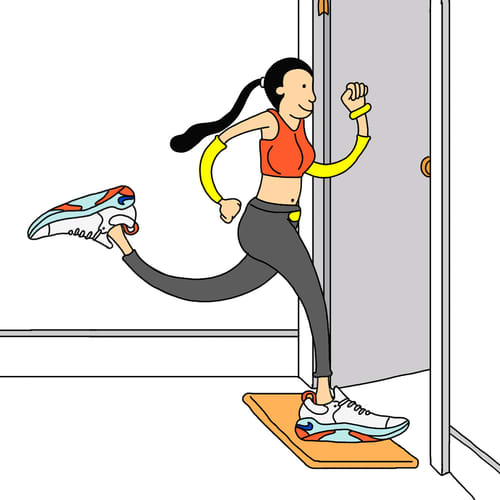
1\. Don't overthink it. Just go.
What's that saying we use at Nike? Just do it. Put your shoes on and go. It's as simple as that.
- 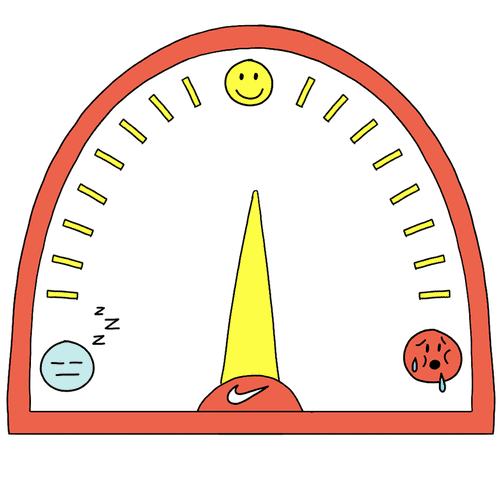
2\. Don't stress about your pace
"Your effort should feel easy", says Coach. "Not fast or slow—easy". That means: start slow, pick up the pace when it feels good and back off if it starts to feel hard.
- 
3\. Stop before you need to
The point of this run is to finish it. "Your goal isn't to run a certain distance", says Coach. "You want to feel strong, not depleted, when you're ready to stop".
## "The first run has nothing to do with pace, nothing to do with distance, nothing to do with duration. It's about starting it and ending it and wanting to do a next run".
__Chris Bennett__
Nike Running Global Head Coach
## Get Inspired With a Guided Run
Nike Run Club's Guided Runs are in-ear guidance from Nike Run Coaches and athletes who encourage and motivate you every step of the way.
[Make Every Run a Guided Run](https://www.nike.com/nrc-app)
## What's the Safest Way to Get Back Into Running After Years Off?
Here's a cheat sheet for getting started when you're prepping yourself to begin running again:
- Avoid doing back-to-back runs; you'll need extra recovery as you ease back into a routine.
- Progress gradually, usually slower than your enthusiasm might like. The standard recommendation is to follow the 10% rule: Increase your weekly running mileage or intensity by no more than 10% to minimise injury risk.
- Implement a strength training practice to build more support around joints.
- Stop if there's pain, even if that means skipping planned runs for a few days.
## Prevent injury with stretching
__Stretch while moving before your run …__
Aim to do a few minutes of stretching with movement (aka dynamic stretching) before your run. Why this kind specifically? It mimics the full range of motion of a run, which helps you get looser more quickly. If you're still feeling tight during your run, it's OK to stop and stretch some more. No guilt! That helps you to finish feeling great.
__…and__ __finish__ __with still stretches.__
Fact: doing dynamic and static stretches (ones you hold) post-run helps prevent injury and improve flexibility. "Those few minutes are so important," Bennett says. "They'll make your next run better, I promise".
## Set Goals and Stay Motivated With a Nike Training Plan
The easiest way to get moving on a consistent basis is to work toward a goal. And we have one for whatever feels right for you. Whether you're new or returning to running, we've created a plan for you: Getting Started, 5K, 10K, Half Marathon and Marathon.
[Find Your Next Training Plan](https://www.nike.com/nrc-app)
## How to return to running after a long break
Runners are known to go the extra mile. But even the most disciplined runner needs a break every now and then. Whether it's to heal an injury, recover from an illness or rediscover the motivation for running, taking a long break from running can be a healthy thing. Still, it's not always clear how you start running again once you're ready. Read on to find out.
## What exactly is a long break?
The definition of a "long break" can vary from one runner to the next. But in general, any break that spans more than six weeks is considered long. Six weeks is how long it takes to see a significant drop in fitness, strength and running technique, according to Pete Colagiuri, a sports physiotherapist in Sydney, Australia.
The good news is you can regain fitness fairly quickly once you start running again. However, it may take a bit longer if you were a beginner when you took a break. Experienced runners tend to bounce back
more quickly.
## 3 Expert Tips for Returning to Running After a Long Break
## 1. Start With Strength Training
"It's worth starting a running-focused strength programme at least two weeks before returning to running whenever possible," Colagiuri says. Strength training can help build up the muscles you need to run efficiently and injury-free. This can help both beginners and more experienced runners.
## 2. Rebuild Slowly
You won't be able to hit your pre-break pace and mileage straight away—and that's fine. Just because you're motivated for a triumphant return to the race schedule doesn't mean your muscles, tendons and ligaments are. "The key is not to get discouraged with the process, because if you try to build back too quickly, an injury could occur," says exercise physiologist Todd Buckingham, Ph.D. So, instead of jumping into a half-marathon or marathon training plan, you may want to start with a sofa-to-5K.
Get back to running with a 5K through Nike Run Club (NRC). Our Nike Run Coaches will be by your side, helping you reach your next finish line—one step at a time.
[Download the 5K Training Plan](https://www.nike.com/nrc-app)
## 3. Refresh Your Shoes
Kick off your return with a new pair of running shoes. "Often, people use their old pair, and they don't realise how worn down and little cushioning they offer, which increases the impact forces on your muscles, tendons and joints," says Karena Wu, D.P.T., owner of ActiveCare Physical Therapy. That added impact can increase your risk of injury or re-injury. Plus, there's nothing like a fresh pair of kicks to motivate you to run.
## How to Start Running Again: A Beginner's Guide
If you were a beginner runner before taking time off, getting started again may feel both familiar and surprisingly challenging. Your body often remembers the rhythm of running, but your fitness, endurance and tolerance for impact need time to rebuild. The key is to approach your return the way you did when you first started. Focus on supportive shoes, manageable training days and gradual progress so you can rebuild your running base safely.
## Do Beginners Need Special Running Shoes?
Yes, running-specific shoes are very helpful for beginners because they're designed for handling the type of impact you'll encounter. Choose those shoes instead of racing shoes, which are made to be lightweight and worn less frequently. Also, make sure you replace worn-out pairs, especially if you're just getting started again with running after a long break, so you can get the right support.
Here are some recommendations for Nike sneakers when you're getting back in the game:
Pegasus running shoes are recognised for their breathability and lighter-weight energy return.
Vomero running shoes are a top pick for impact protection and maximum cushioning.
Structure running shoes offer cushioned stability with arch support and a stable, wide base.
[Shop Nike Running Shoes](https://www.nike.com/at/en/w/running-shoes-37v7jzy7ok)
## How Many Days a Week Should Beginners Run?
Three days per week is considered the maximum that beginners should run, with rest or cross-training days between sessions. Be sure you don't stack runs on back-to-back days, which can increase your risk for injury.
## How Long Does It Take to Get Back Into Running Shape?
This answer depends on several factors, such as how long it's been since you were running regularly and your general level of fitness. But overall, it takes about four to six weeks to develop a base of running capacity, and about eight to 12 weeks for a fuller return.
## Common Mistakes Beginners Make When Starting Running
Keep these in mind when you're getting back into your running routine:
- Running too many days per week
- Adding too much mileage instead of progressing gradually
- Skipping strength training
- Wearing worn-out shoes
- Ignoring pain and lingering soreness
- Comparing current fitness level to past fitness
## Starting for the First Time vs Returning After a Break
There's a difference between starting to run for the first time ever compared to restarting if you've been on a break. When you're new to running, you'll usually need much more recovery time and a more gradual progression because your body needs to adapt to running as a new activity. If you're restarting, you'll have some of that adaptation already in place, so you may be able to progress a bit faster.
## What If I'm Out of Shape?
Even if it's been years since your last run, you can get started again as long as you follow best practices like gradual progress, more recovery time and listening to your body to dial back your effort when there's pain. The key is to see this effort as a long-term activity, not a short-term fix for being out of shape.
## The 4-Week Get Started Training Plan
- Week 1: Walk 4 minutes, jog 2 minutes; 5 cycles
- Week 2: Walk 3 minutes, jog 3 minutes; 5 cycles
- Week 3: Walk 2 minutes, jog 4 minutes; 5 cycles
- Week 4: Walk 1 minute, jog 5 minutes; 5 cycles
If you're itching to start running, it's essential that you start running the right way. You'll need guidance, motivation and inspiration when you get to the starting line. Rebuild your fitness gradually with this four-week programme from Nike Running Global Head Coach, Coach Bennett.
Coach Bennett is an NRC pioneer that helped build the Nike Run Club from the ground up.
This plan is geared to help you to start running or start to run again. It's not about minutes or meters. The goal is to enjoy running and celebrate the gains you make along the way. That way, you keep coming back to the starting line. Coach Bennett will coach, guide, motivate and inspire you the whole time.
– 4 weeks
– 3 runs a week (with an optional fourth run)
\- Duration-based runs
\- Best for: Beginners or anyone starting their running journey again
[Your get started training plan](https://www.nike.com/nrc-app)
Pay attention to how you feel during these few weeks. Back off or pause running altogether if a prior injury crops up or you experience new pains. You may be tempted to speed things up if you're running for weight loss. However, jumping ahead in the programme won't do your waistline any favours. In fact, it may do the opposite by increasing your risk of getting sidelined by injury.
While running can be a great weight-loss tool, your time is likely better spent nailing your nutrition, sleep and recovery. All the running in the world won't help you lose weight if these big rocks are out of place.
## Frequently asked questions about returning to running after a long break
How do you start running after a long break?
When returning to running after a long break, it's vital to take things slowly. A run-walk programme that gradually increases the time spent running can help you rebuild fitness and strength without placing too much stress on muscles, joints, tendons and ligaments. Pair your run-walk sessions with a strength training programme to support key running muscles.
How do you get back to running after an illness or injury?
Whether you were sidelined by COVID-19, an ankle sprain or a knee injury, it's important to get cleared by your doctor or physical therapist before trying to run again. Then, take a few weeks to focus on strengthening your muscles. Finally, return with a run-walk programme. Consider working one-on-one with a running coach or personal trainer. An expert can help you avoid injury or re-injury from running.
How do you get back to running after pregnancy?
First, get cleared by your doctor. Once you get the go-ahead, begin a programme that focuses on rebuilding core strength. When you're ready, ease back into running with a run-walk programme.
Your best bet is to work with a physical therapist who specialises in postpartum fitness, especially if you have any pelvic discomfort or pain, urinary incontinence or abdominal separation (diastasis recti).
How many days a week should beginners run?
The standard recommendation is to run three days a week at the most and to make sure those days aren't back-to-back to help reduce injury risk.
Should beginners run every day?
No, that's not recommended, because your body will need more time to recover than someone who runs regularly.
How long should my first run be?
Rather than focusing on distance, it's better to run based on time. For the first week, the recommendation is to walk for four minutes and jog for two minutes, and do five cycles of that.
What are signs I'm progressing too quickly?
The most notable sign is pain, either dull or acute, which is your body's way of telling you to dial back your distance, speed or both. Other signs can include getting sick more easily, mood changes like irritability and difficulty sleeping.
Do beginners need special running shoes?
Yes, running shoes (not racing shoes) are designed to handle the kind of impact that comes with running, which is crucial for any runner, but especially beginners.
Originally published: 26 March 2026
## Related Stories
- 
[](https://www.nike.com/at/en/a/how-to-pick-the-right-running-shoes)
# Buying Guide
# How to Choose the Right Running Shoes: Fit, Cushioning and Support Explained
- 
[](https://www.nike.com/at/en/a/running-vs-cycling-benefits)
# Activity
# Running vs cycling—benefits of each
- 
[](https://www.nike.com/at/en/a/nike-melitta-baumeister-special-edition-release-info)
# Product News
# Melitta Baumeister's Special Edition Nike Vomero and Pegasus Premium: For Those Who Embrace...
- 
[](https://www.nike.com/at/en/a/most-comfortable-running-shoes)
# Buying Guide
# The Most Comfortable Running Shoes From Nike (By Cushioning Type and Use)
Resources
[Gift Cards](https://www.nike.com/at/en/gift-cards)
[Corporate Gift Cards](https://nikegiftcardsforbusiness.com/)
[Find a Store](https://www.nike.com/at/en/retail/)
[Nike Journal](https://www.nike.com/at/en/stories)
[Become a Member](https://www.nike.com/at/en/membership)
[Feedback](https://www.nike.com#site-feedback)
[Promo Codes](https://www.nike.com/at/en/promo-code)
[Product Advice](https://www.nike.com/at/en/product-advice)
[Running Shoe Finder](https://www.nike.com/at/en/running/shoe-finder)
Help
[Get Help](https://www.nike.com/at/en/help)
[Order Status](https://www.nike.com/at/en/orders/details)
[Shipping and Delivery](https://www.nike.com/at/en/help/a/shipping-delivery-eu)
[Returns](https://www.nike.com/at/en/help/a/returns-policy-eu)
[Payment Options](https://www.nike.com/at/en/help/a/payment-options-eu)
[Contact Us](https://www.nike.com/au/en/help/#contact)
[Reviews](https://www.nike.com/at/en/help/a/reviews)
Company
[About Nike](https://about.nike.com/)
[News](https://news.nike.com/)
[Careers](https://jobs.nike.com/)
[Investors](https://investors.nike.com/)
[Sustainability](https://www.nike.com/at/en/sustainability)
[Accessibility](https://www.nike.com/accessibility)
[Accessibility Statement](https://www.nike.com/at/en/accessibility/statement)
[Purpose](https://www.nike.com/at/en/purpose)
[Nike Coaching](https://www.nike.com/at/en/coaching)
Community Discounts
[Student](https://services.sheerid.com/verify/68d15e386bcf0b059b3b1708/?locale=en-GB)
[Teacher](https://urldefense.com/v3/__https://services.sheerid.com/verify/68dcfa47c3f2fd1cd3069a9c/?locale=en-GB__%3B%21%21KLCbKzk%21nTvDkRbY-BbSpoWsFhAQdmMrehEzU3loDux4_exRVjO9--Ik_EbQNJ3bX2gkEwR7F9cVVROFKqLxE4B8uW6bnx4Mc-D7Vg%24)
[First Responders](https://urldefense.com/v3/__https://services.sheerid.com/verify/68d55da9273c5b3a03a5aa8e/?locale=en-GB__%3B%21%21KLCbKzk%21nTvDkRbY-BbSpoWsFhAQdmMrehEzU3loDux4_exRVjO9--Ik_EbQNJ3bX2gkEwR7F9cVVROFKqLxE4B8uW6bnx5my0S4tQ%24)
[Medical Professionals](https://urldefense.com/v3/__https://services.sheerid.com/verify/68d55e0d273c5b3a03a5b0ac/?locale=en-GB__%3B%21%21KLCbKzk%21nTvDkRbY-BbSpoWsFhAQdmMrehEzU3loDux4_exRVjO9--Ik_EbQNJ3bX2gkEwR7F9cVVROFKqLxE4B8uW6bnx715S7Egg%24)
[Resources](https://www.nike.com/at/en/help)
[Gift Cards](https://www.nike.com/at/en/gift-cards)
[Corporate Gift Cards](https://nikegiftcardsforbusiness.com/)
[Find a Store](https://www.nike.com/at/en/retail/)
[Nike Journal](https://www.nike.com/at/en/stories)
[Become a Member](https://www.nike.com/at/en/membership)
[Feedback](https://www.nike.com#site-feedback)
[Promo Codes](https://www.nike.com/at/en/promo-code)
[Product Advice](https://www.nike.com/at/en/product-advice)
[Running Shoe Finder](https://www.nike.com/at/en/running/shoe-finder)
[Help](https://www.nike.com/at/en/help)
[Get Help](https://www.nike.com/at/en/help)
[Order Status](https://www.nike.com/at/en/orders/details)
[Shipping and Delivery](https://www.nike.com/at/en/help/a/shipping-delivery-eu)
[Returns](https://www.nike.com/at/en/help/a/returns-policy-eu)
[Payment Options](https://www.nike.com/at/en/help/a/payment-options-eu)
[Contact Us](https://www.nike.com/au/en/help/#contact)
[Reviews](https://www.nike.com/at/en/help/a/reviews)
[Company](https://about.nike.com/en)
[About Nike](https://about.nike.com/)
[News](https://news.nike.com/)
[Careers](https://jobs.nike.com/)
[Investors](https://investors.nike.com/)
[Sustainability](https://www.nike.com/at/en/sustainability)
[Accessibility](https://www.nike.com/accessibility)
[Accessibility Statement](https://www.nike.com/at/en/accessibility/statement)
[Purpose](https://www.nike.com/at/en/purpose)
[Nike Coaching](https://www.nike.com/at/en/coaching)
## Community Discounts
[Student](https://services.sheerid.com/verify/68d15e386bcf0b059b3b1708/?locale=en-GB)
[Teacher](https://urldefense.com/v3/__https://services.sheerid.com/verify/68dcfa47c3f2fd1cd3069a9c/?locale=en-GB__%3B%21%21KLCbKzk%21nTvDkRbY-BbSpoWsFhAQdmMrehEzU3loDux4_exRVjO9--Ik_EbQNJ3bX2gkEwR7F9cVVROFKqLxE4B8uW6bnx4Mc-D7Vg%24)
[First Responders](https://urldefense.com/v3/__https://services.sheerid.com/verify/68d55da9273c5b3a03a5aa8e/?locale=en-GB__%3B%21%21KLCbKzk%21nTvDkRbY-BbSpoWsFhAQdmMrehEzU3loDux4_exRVjO9--Ik_EbQNJ3bX2gkEwR7F9cVVROFKqLxE4B8uW6bnx5my0S4tQ%24)
[Medical Professionals](https://urldefense.com/v3/__https://services.sheerid.com/verify/68d55e0d273c5b3a03a5b0ac/?locale=en-GB__%3B%21%21KLCbKzk%21nTvDkRbY-BbSpoWsFhAQdmMrehEzU3loDux4_exRVjO9--Ik_EbQNJ3bX2gkEwR7F9cVVROFKqLxE4B8uW6bnx715S7Egg%24)
Austria
- © 2026 Nike, Inc. All rights reserved
- Guides
- [Nike Air](https://www.nike.com/at/en/air)
- [Nike Air Max](https://www.nike.com/at/en/air-max)
- [Nike FlyEase](https://www.nike.com/at/en/flyease)
- [Nike Pegasus](https://www.nike.com/at/en/running/runningzoom-pegasus-37)
- [Nike React](https://www.nike.com/at/en/react)
- [Nike Vaporfly](https://www.nike.com/at/en/running/vaporfly)
- [Terms of Use](https://agreementservice.svs.nike.com/at/en_gb/rest/agreement?agreementType=termsOfUse&uxId=com.nike&country=AT&language=en&requestType=redirect)
- [Terms of Sale](https://agreementservice.svs.nike.com/rest/agreement?agreementType=termsOfSale&uxId=com.nike.tos&requestType=redirect)
- [Company Details](https://www.nike.com/at/en/help/a/company-details)
- [Privacy & Cookie Policy](https://agreementservice.svs.nike.com/at/en_gb/rest/agreement?agreementType=privacyPolicy&uxId=com.nike.unite&country=AT&language=en&requestType=redirect)
- [Privacy & Cookie Settings](https://www.nike.com/at/en/guest/settings/privacy)
## Africa
- [__Egypt__
\
English](https://www.nike.com/eg/)
- [__Morocco__
\
English](https://www.nike.com/ma/en/)
- [__Maroc__
\
Français](https://www.nike.com/ma/)
- [__South Africa__
\
English](https://www.nike.com/za/)
## Americas
- [__Argentina__
\
Español](https://www.nike.com.ar)
- [__Brasil__
\
Português](https://www.nike.com.br)
- [__Canada__
\
English](https://www.nike.com/ca/)
- [__Canada__
\
Français](https://www.nike.com/ca/fr/)
- [__Chile__
\
Español](https://www.nike.cl)
- [__Colombia__
\
Español](https://www.nike.com.co)
- [__México__
\
Español](https://www.nike.com/mx/)
- [__Peru__
\
Español](https://www.nike.com.pe)
- [__Puerto Rico__
\
Español](https://www.nike.com/pr/)
- [__United States__
\
English](https://www.nike.com)
- [__Estados Unidos__
\
Español](https://www.nike.com/us/es/)
- [__Uruguay__
\
Español](https://www.nike.com.uy)
- [__Latin America__
\
Español](https://www.nike.com/xl/)
## Asia Pacific
- [__Australia__
\
English](https://www.nike.com/au/)
- [__中国大陆__
\
简体中文](https://www.nike.com.cn/)
- [__Hong Kong__
\
English](https://www.nike.com.hk/)
- [__香港__
\
繁體中文](https://www.nike.com.hk/)
- [__India__
\
English](https://www.nike.in/)
- [__Indonesia__
\
English](https://www.nike.com/id/)
- [__Japan__
\
English](https://www.nike.com/jp/en/)
- [__日本__
\
日本語](https://www.nike.com/jp/)
- [__대한민국__
\
한국어](https://www.nike.com/kr/)
- [__Malaysia__
\
English](https://www.nike.com/my/)
- [__New Zealand__
\
English](https://www.nike.com/nz/)
- [__Philippines__
\
English](https://www.nike.com/ph/)
- [__Singapore__
\
English](https://www.nike.com/sg/)
- [__台灣__
\
繁體中文](https://www.nike.com/tw/)
- [__ไทย__
\
ภาษาไทย](https://www.nike.com/th/)
- [__Vietnam__
\
English](https://www.nike.com/vn/)
## Europe
- [__Österreich__
\
Deutsch](https://www.nike.com/at/)
- [__Austria__
\
English](https://www.nike.com/at/en/)
- [__Belgien__
\
Deutsch](https://www.nike.com/be/de/)
- [__Belgium__
\
English](https://www.nike.com/be/en/)
- [__Belgique__
\
Français](https://www.nike.com/be/fr/)
- [__België__
\
Nederlands](https://www.nike.com/be/)
- [__Bulgaria__
\
English](https://www.nike.com/bg/)
- [__Croatia__
\
English](https://www.nike.com/hr/)
- [__Česká republika__
\
Čeština](https://www.nike.com/cz/)
- [__Czech Republic__
\
English](https://www.nike.com/cz/en/)
- [__Danmark__
\
Dansk](https://www.nike.com/dk/)
- [__Denmark__
\
English](https://www.nike.com/dk/en/)
- [__Finland__
\
English](https://www.nike.com/fi/)
- [__France__
\
Français](https://www.nike.com/fr/)
- [__Deutschland__
\
Deutsch](https://www.nike.com/de/)
- [__Ελλάδα__
\
ελληνικά](https://www.nike.com/gr/)
- [__Hungary__
\
English](https://www.nike.com/hu/en/)
- [__Magyarország__
\
Magyar](https://www.nike.com/hu/)
- [__Ireland__
\
English](https://www.nike.com/ie/)
- [__Israel__
\
English](https://www.nike.com/il/)
- [__Italia__
\
Italiano](https://www.nike.com/it/)
- [__Luxemburg__
\
Deutsch](https://www.nike.com/lu/de/)
- [__Luxembourg__
\
English](https://www.nike.com/lu/en/)
- [__Luxembourg__
\
Français](https://www.nike.com/lu/)
- [__Netherlands__
\
English](https://www.nike.com/nl/en/)
- [__Nederland__
\
Nederlands](https://www.nike.com/nl/)
- [__Norway__
\
English](https://www.nike.com/no/en/)
- [__Norge__
\
Norsk](https://www.nike.com/no/)
- [__Polska__
\
Polski](https://www.nike.com/pl/)
- [__Portugal__
\
English](https://www.nike.com/pt/en/)
- [__Portugal__
\
Português](https://www.nike.com/pt/)
- [__Romania__
\
English](https://www.nike.com/ro/)
- [__Россия__
\
Русский](https://www.nike.com/ru/)
- [__Slovakia__
\
English](https://www.nike.com/sk/)
- [__Slovenia__
\
English](https://www.nike.com/si/)
- [__Espanya__
\
Català](https://www.nike.com/es/ca/)
- [__España__
\
Español](https://www.nike.com/es/)
- [__Sweden__
\
English](https://www.nike.com/se/en/)
- [__Sverige__
\
Svenska](https://www.nike.com/se/)
- [__Schweiz__
\
Deutsch](https://www.nike.com/ch/)
- [__Switzerland__
\
English](https://www.nike.com/ch/en/)
- [__Suisse__
\
Français](https://www.nike.com/ch/fr/)
- [__Svizzera__
\
Italiano](https://www.nike.com/ch/it/)
- [__Türkiye__
\
Türkçe](https://www.nike.com/tr/)
- [__United Kingdom__
\
English](https://www.nike.com/gb/)
## Middle East
- [__Saudi Arabia__
\
English](https://www.nike.sa/en/home)
- [__المملكة العربية السعودية__
\
العربية](https://www.nike.sa/ar/home)
- [__United Arab Emirates__
\
English](https://www.nike.ae/en/home)
- [__الإمارات العربية المتحدة__
\
العربية](https://www.nike.ae/ar/home)
- [__Qatar__
\
English](https://www.nike.qa/en/home)
- [__دولة قطر__
\
العربية](https://www.nike.qa/ar/home)
- [__Kuwait__
\
English](https://www.nike.com.kw/en/home)
- [__الكويت__
\
العربية](https://www.nike.com.kw/ar/home)