How to Tell if You Pronate or Supinate—and Why It Matters
Activity
Learn the difference between pronation and supination, how each affects running mechanics and how to choose the right shoes for your gait cycle.
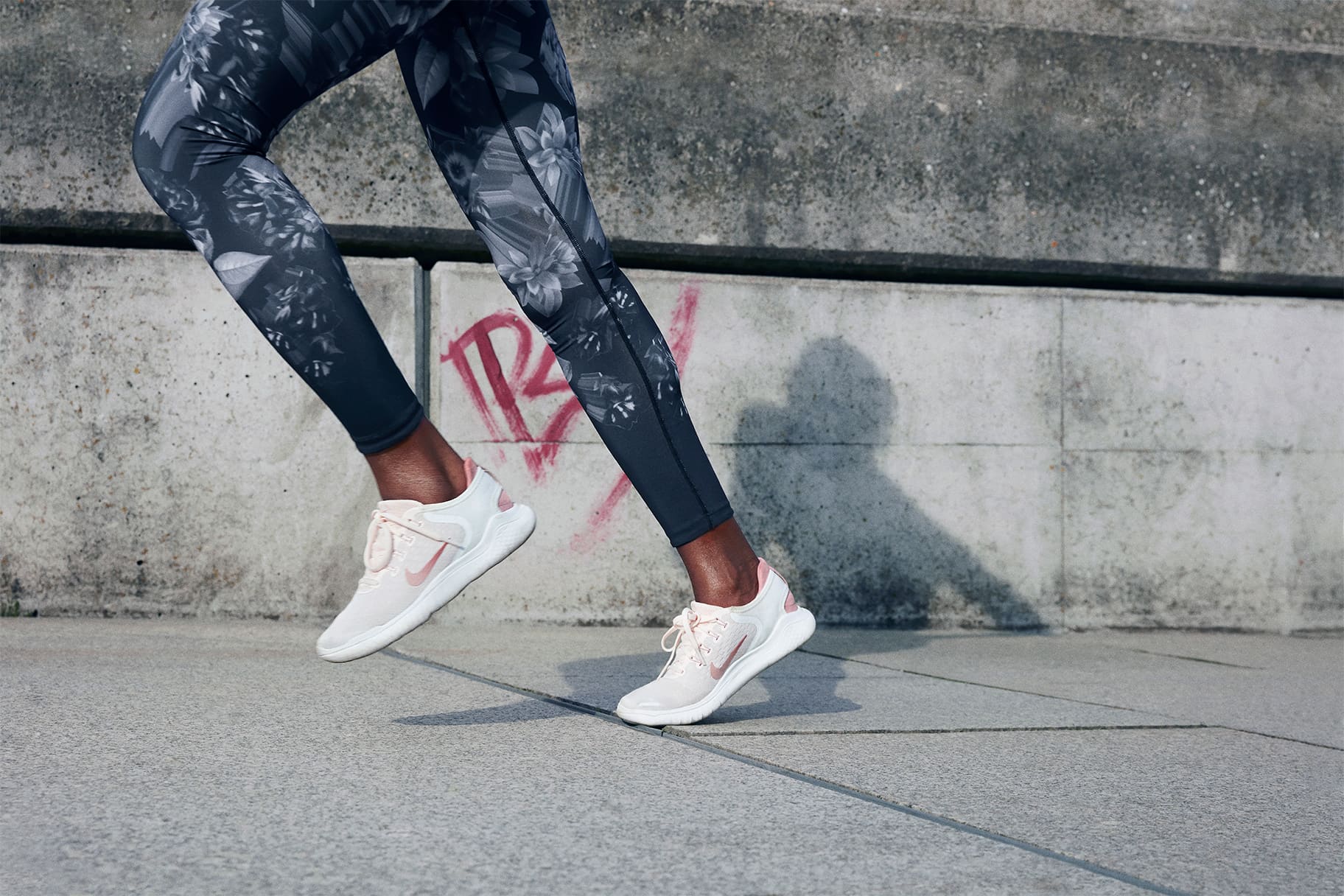
When you walk or run, your feet subtly shift how weight is distributed, and this is called pronation and supination, depending on which direction your feet tend to "roll" with every step.
"Pronation occurs when the foot rolls inward, placing more of a person's body weight on the inner border of the foot, and supination is the opposite: When the foot rolls outward, placing most of a person's body weight on the outer border of the foot," says Carol Mack, D.P.T., C.S.C.S., a physical therapist and trainer in Cleveland, OH. "These motions are normal and occur with every step that we take. Some people may pronate or supinate more than the typical amount, however."
When that happens, it's called overpronation or oversupination (underpronation), and that may have an impact on your gait and athletic performance.
Quick Definitions
- Pronation: inward foot roll
- Supination: outward foot roll
- Both are normal, but problems occur when either becomes excessive.
Shop Nike Running
What Is Pronation?
Pronation is what happens when your foot rolls inwards towards your arch and big toe. This creates a natural unlocking of the foot that allows for shock absorption when you're walking or running, according to Larisa Durrenberger, P.T., a physical therapist specialising in orthopaedics and sports medicine at WAVE Physical Therapy and Pilates in Cincinnati, OH.
This is normal pronation and involves the foot rolling inward by 15 percent or less, so that the whole foot touches the ground briefly before you push off.
What Is Overpronation?
Overpronation of the foot occurs when the foot rolls in too much, placing excess pressure on the arches and not just in the feet and ankles.
"When you have overpronation, it can lead to other joints rotating excessively inward, such as the knee and hip," says Mack.
In general, normal pronation helps distribute shock and stabilise the ankle, while excessive pronation overstresses soft tissues.
"Overpronation can be caused by a flat foot, weakness of the medial calf and the muscles in the foot itself, shoes with inadequate arch support or increased body weight," adds Durrenberger.
Best Shoes for Overpronation
If you're an overpronator, you may want to consider getting a stability or motion-control shoe. These shoes control the motion in your foot to varying degrees
- Stability running shoes are recommended for overpronators. They're designed to support the arch of the foot through the midsole that may also extend into the heel. This helps guide the heel-to-toe transition that's particularly important for runners.
- Motion-control shoes are recommended for those with severe overpronation. They provide arch support in the midsole but also offer additional heel cup support.
"Choosing the right shoes is important to support the joints and ligaments of the foot," says Mack. "This goes along with exercising the lower body to build strength in the feet, ankles and hips."
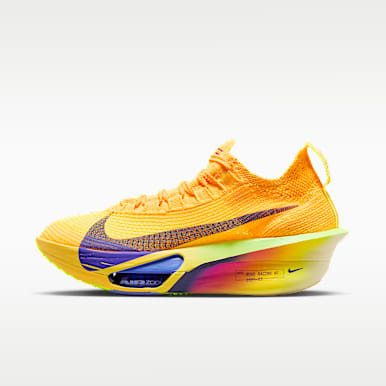
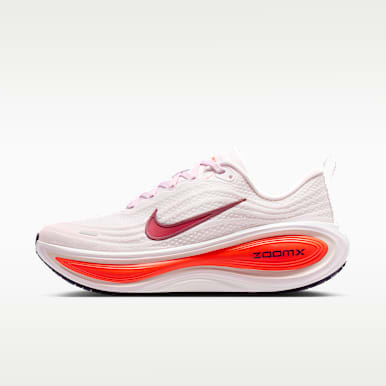
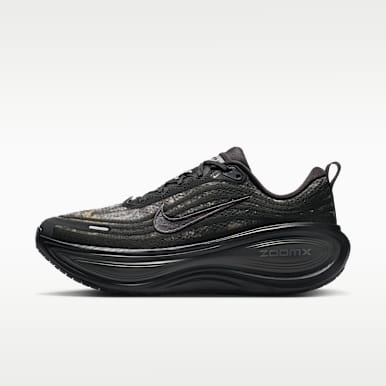
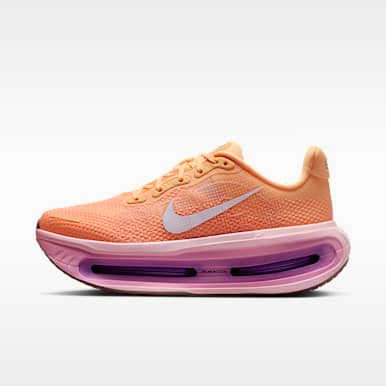
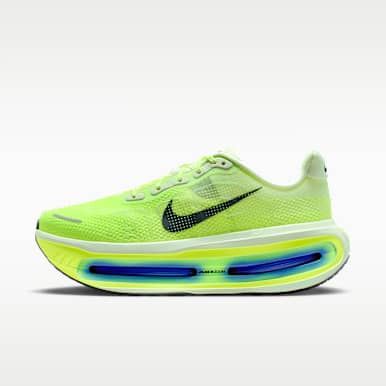
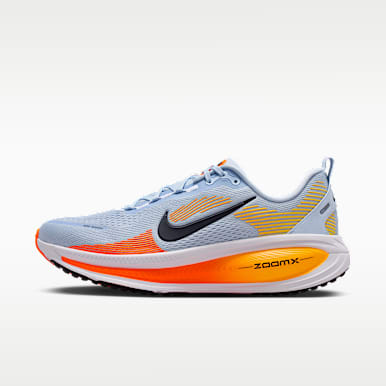
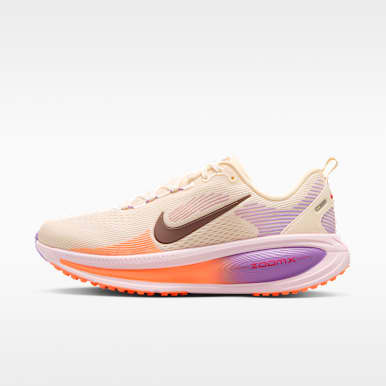
NIKE Shoes for Pronators
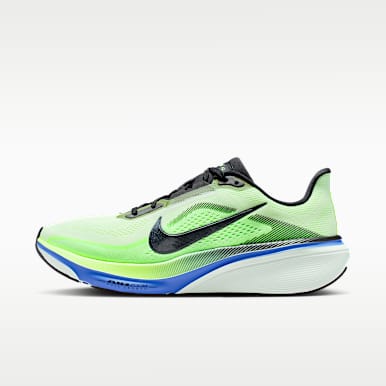
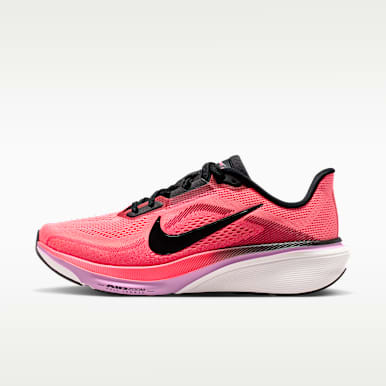
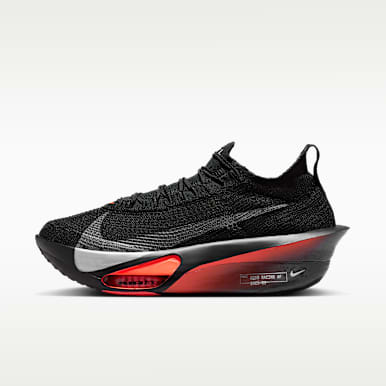
Consider these choices if you're overpronating, for stability and comfort:
What Is Supination?
During walking or running, supination occurs when the heel lifts off the ground and your body weight moves to the lateral (outside) edge of your foot.
"Supination is when your weight shifts to the outside edge of your foot, causing the foot to become more rigid to assist with the push-off phase of running and walking," says Durrenberger. "When in balance, both pronation and supination are normal and necessary motions for the foot to move through during the gait cycle."
What Is Oversupination (Underpronation)?
Oversupination, sometimes called underpronation, happens with a greater-than-average outward roll of the foot. People with high arches are at a higher risk for oversupination.
Oversupination can be caused by a rigid high-arched foot, tight calf muscles, poor-fitting footwear or a prior injury that has caused compensations to develop, she explains.
Best Shoes for Supination
When shopping for shoes for supination (or underpronation), many people look for shoes that accommodate high arches. Generally, you'll want a shoe that offers plenty of cushioning, especially through the midsole. A wide toe box can also be helpful, as it can help support the foot, absorb impact and promote more pronation.
Check out neutral shoes like the Nike Pegasus or Nike Vomero to take advantage of their shock absorption, cushioning and arch and ankle support. Or, try Nike React Infinity Run, which provides a wider toe box for optimum stability.
How to Tell Your Gait Type
There are a few ways to get an idea about whether you're dealing with overpronation or oversupination.
- Wet footprint test. (see FAQs below) Wet your foot and step onto an absorbent surface like a piece of paper or concrete. The shape of your footprint can indicate your level of pronation or supination.
- Wear pattern test. The easiest way to self-check if you overpronate or oversupinate is to look at the wear patterns on the bottom of your shoes. If the outer edge of your shoe shows significant wear and tear, you're likely oversupinating. If you see more wear on the inside of the shoe, you may be overpronating, according to Durrenberger.
- Film your treadmill run from behind. You can learn a great deal about your gait when viewing it on video because you can slow down the speed and zoom in on your feet.
"Understanding your gait and whether you overpronate or underpronate is very helpful, because both might have an impact on running mechanics that contribute to performance", says Mack.
When to See a Professional
In many cases, wearing the right shoes can make a significant difference when it comes to adjusting your gait, Mack suggests. However, if you're experiencing pain—either sharp and acute or dull and chronic—or you're dealing with nagging issues in your back, hips and knees, it can be helpful to talk with your health team to evaluate what may be going on.
Shop Nike Running Shoes
Frequently Asked Questions
Can overpronation or supination be fixed?
Shoes that are geared toward reducing pronation or supination can help, along with exercises that assist with strengthening the arch of the foot, calves and hips, suggests Durrenberger. That might include:
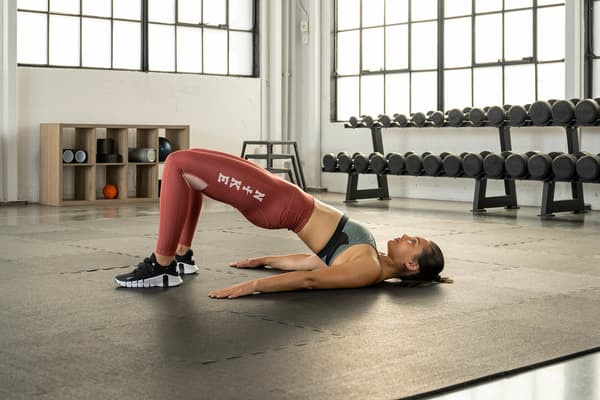
- Pronation: Calf raises stretch and strengthen the calves, and ankle circles and glute bridges build stability and single-leg balancing.
- Supination: Heel raises with a ball squeezed between the ankles help you stay in a neutral ankle position, lateral band walks strengthen the hips, and single-leg reverse deadlifts for balance help improve single-leg strength.
"If it's comfortable, weightlifting without shoes makes the foot muscles work harder," Durrenberger says. "But even if you must keep shoes on, either for comfort or gym requirements, trying to maintain a 'tripod foot' position—where you have equal pressure through your big toe, little toe, and heel—will help create stability around the foot and ankle."
Is there an at-home test that indicates if I excessively pronate or supinate?
The wet foot test can help you determine if you overpronate or underpronate. Wet your foot and step onto a surface where your footprint will leave a mark, like concrete, a piece of paper or cardboard. Then evaluate the mark that your foot leaves:
- If you can see an outline of the entire foot and it looks thick through the arch, you're an overpronator.
- If the arch area is very thin or even detached from the mark left by the ball of your foot, you're an underpronator.
- If the area through the arch is slightly narrow, you probably have normal pronation.
Can overpronation or underpronation be a problem in the forearm?
When pronation or supination is a problem in the forearm, it's usually due to a limitation of rotation, rather than an excess. Normal forearm rotation is about 75-degrees pronation and 85-degrees supination.
Many daily activities are performed in an arc of 50 degrees of pronation and 50 degrees of supination. If rotation is limited by more than 30 degrees of pronation or supination, more shoulder rotation is required, which can be problematic if the condition is chronic.

Related Stories

Sport & Activity
How to Warm Up Before Running, According to Experts

Activity
How to Treat Sore Muscles After a Tough Workout: Expert-Approved Recovery Tips

Sports & Activity
Is Running Good for You? Benefits, Risks and How Often to Run
Sports & Activity
10 Trainer-approved warm-up exercises for a stronger leg day
Sport & activity
Everything You Need to Know About Barbell Bench Presses, According to Trainers