[Skip to main content](https://www.nike.com#skip-to-content)
- [](https://www.nike.com/gb/jordan)
- [](https://www.converse.com/gb)
- [Find a Store](https://www.nike.com/gb/retail)
- [Help](https://www.nike.com/gb/help)
[Help](https://www.nike.com/gb/help)
- [Order Status](https://www.nike.com/gb/orders/details)
- [Dispatch and Delivery](https://www.nike.com/gb/help/a/shipping-delivery-eu)
- [Returns](https://www.nike.com/gb/help/a/returns-policy-eu)
- [Size Charts](https://www.nike.com/gb/help/a/size-charts-eu)
- [Contact Us](https://www.nike.com/gb/help/#contact)
- [Privacy Policy](https://agreementservice.svs.nike.com/gb/en_gb/rest/agreement?agreementType=privacyPolicy&uxId=com.nike.unite&country=GB&language=en&requestType=redirect)
- [Terms of Sale](https://agreementservice.svs.nike.com/rest/agreement?agreementType=termsOfSale&uxId=com.nike.tos&requestType=redirect)
- [Terms of Use](https://agreementservice.svs.nike.com/gb/en_gb/rest/agreement?agreementType=termsOfUse&uxId=com.nike&country=GB&language=en&requestType=redirect)
- [Send Us Feedback](https://www.nike.com#site-feedback)
- [Join Us](https://www.nike.com/gb/membership)
- [Sign In](https://www.nike.com/gb/register)
[](https://www.nike.com/gb/)
- [New](https://www.nike.com/gb/w/new-3n82y)
- [New](https://www.nike.com/gb/w/new-3n82y)
- [New Arrivals](https://www.nike.com/gb/w/new-3n82y)
- [Bestseller](https://www.nike.com/gb/w/best-76m50)
- [SNKRS Launch Calendar](https://www.nike.com/gb/launch/upcoming)
- [Highlights](https://www.nike.com/gb/w/new-just-in-3apgqz3n82y)
- [Jordan: Love Letter Collection](https://www.nike.com/gb/w/love-letter-7xkbw)
- [Best of Jordan](https://www.nike.com/gb/w/best-of-jordan-brand-j0oa)
- [Style By Moon Shoe](https://www.nike.com/gb/nike-style-by)
- [Jordan Fleece](https://www.nike.com/gb/w/jordan-fleece-37eefz4xh6q)
- [Football: New Club Kits 26/27](https://www.nike.com/gb/w/club-football-teams-6fu9q)
- [Run in Berlin](https://www.nike.com/gb/w/marathon-distance-6vbyf)
- [Trending](https://www.nike.com/gb/w/best-76m50)
- [Hybrid Training](https://www.nike.com/gb/w/hybrid-training-7fx1n)
- [Marathon Shoes](https://www.nike.com/gb/w/marathon-distance-shoes-6vbyfzy7ok)
- [Elite Football Boots](https://www.nike.com/gb/w/elite-football-shoes-1gdj0z9vmnhzy7ok)
- [Sportswear Clothing](https://www.nike.com/gb/w/sportswear-clothing-43h4uz6ymx6)
- [Running Shorts](https://www.nike.com/gb/w/running-shorts-37v7jz38fph)
- [Brands](https://www.nike.com/gb/w/37eefz43h4uz93bsdzpgd6)
- [Nike Sportswear](https://www.nike.com/gb/w/lifestyle-13jrm)
- [ACG: All Conditions Gear](https://www.nike.com/gb/acg)
- [Jordan](https://www.nike.com/gb/w/jordan-37eef)
- [Kobe](https://www.nike.com/gb/w/kobe-pgd6)
- [NOCTA](https://www.nike.com/gb/w/nocta-25nhb)
- [Men](https://www.nike.com/gb/men)
- [Highlights](https://www.nike.com/gb/w/new-mens-3n82yznik1)
- [New Arrivals](https://www.nike.com/gb/w/new-mens-3n82yznik1)
- [Bestseller](https://www.nike.com/gb/w/mens-best-76m50znik1)
- [Streetwear Clothing](https://www.nike.com/gb/w/streetwear-clothing-97qn8)
- [Football: New Club Kits 26/27](https://www.nike.com/gb/w/club-football-teams-6fu9q)
- [Clothing Essentials](https://www.nike.com/gb/w/mens-essentials-4jjpuznik1)
- [Shoes](https://www.nike.com/gb/w/mens-shoes-nik1zy7ok)
- [All Shoes](https://www.nike.com/gb/w/mens-shoes-nik1zy7ok)
- [Lifestyle](https://www.nike.com/gb/w/mens-lifestyle-shoes-13jrmznik1zy7ok)
- [Jordan](https://www.nike.com/gb/w/mens-jordan-shoes-37eefznik1zy7ok)
- [Running](https://www.nike.com/gb/w/mens-running-shoes-37v7jznik1zy7ok)
- [Football](https://www.nike.com/gb/w/mens-football-shoes-1gdj0znik1zy7ok)
- [Basketball](https://www.nike.com/gb/w/mens-basketball-shoes-3glsmznik1zy7ok)
- [Training and Gym](https://www.nike.com/gb/w/mens-training-gym-shoes-58jtoznik1zy7ok)
- [Skateboarding](https://www.nike.com/gb/w/mens-skateboarding-shoes-8mfrfznik1zy7ok)
- [Custom Shoes](https://www.nike.com/gb/w/mens-nike-by-you-shoes-6ealhznik1zy7ok)
- [Clothing](https://www.nike.com/gb/w/mens-clothing-6ymx6znik1)
- [All Clothing](https://www.nike.com/gb/w/mens-clothing-6ymx6znik1)
- [Hoodies and Sweatshirts](https://www.nike.com/gb/w/mens-hoodies-sweatshirts-6riveznik1)
- [Tops and T-Shirts](https://www.nike.com/gb/w/mens-tops-t-shirts-9om13znik1)
- [Kits and Jerseys](https://www.nike.com/gb/w/mens-football-kits-jerseys-1gdj0z3a41eznik1)
- [Shorts](https://www.nike.com/gb/w/mens-shorts-38fphznik1)
- [Trousers and Tights](https://www.nike.com/gb/w/mens-trousers-tights-2kq19znik1)
- [Tracksuits](https://www.nike.com/gb/w/mens-tracksuits-1ll2wznik1)
- [Jackets](https://www.nike.com/gb/w/mens-jackets-gilets-50r7yznik1)
- [Accessories](https://www.nike.com/gb/w/mens-accessories-equipment-awwpwznik1)
- [Sport](https://www.nike.com/gb/w/mens-performance-3k7dgznik1)
- [Running](https://www.nike.com/gb/running)
- [Football](https://www.nike.com/gb/football)
- [Basketball](https://www.nike.com/gb/basketball)
- [Training and Gym](https://www.nike.com/gb/training)
- [Tennis](https://www.nike.com/gb/tennis)
- [Skateboarding](https://www.nike.com/gb/w/mens-skateboarding-8mfrfznik1)
- [Golf](https://www.nike.com/gb/golf)
- Brands
- [Nike Sportswear](https://www.nike.com/gb/w/mens-lifestyle-13jrmznik1)
- [ACG: All Conditions Gear](https://www.nike.com/gb/acg)
- [Jordan](https://www.nike.com/gb/w/mens-jordan-37eefznik1)
- [Kobe](https://www.nike.com/gb/w/mens-kobe-nik1zpgd6)
- [NOCTA](https://www.nike.com/gb/w/mens-nocta-25nhbznik1)
- [Women](https://www.nike.com/gb/women)
- [Highlights](https://www.nike.com/gb/w/new-womens-3n82yz5e1x6)
- [New Arrivals](https://www.nike.com/gb/w/new-womens-3n82yz5e1x6)
- [Bestseller](https://www.nike.com/gb/w/womens-best-5e1x6z76m50)
- [Nike Fleece Essentials](https://www.nike.com/gb/w/womens-nike-studio-fleece-clothing-5e1x6z6ymx6zs531)
- [Seasonal Clothing Packs](https://www.nike.com/gb/w/seasonal-clothing-packs-9yawh)
- [Style By Moon Shoe](https://www.nike.com/gb/nike-style-by)
- [Football Player Edition: Sam Kerr](https://www.nike.com/gb/w/sam-kerr-4mbmv)
- [Clothing Essentials](https://www.nike.com/gb/w/womens-essentials-4jjpuz5e1x6)
- [Shoes](https://www.nike.com/gb/w/womens-shoes-5e1x6zy7ok)
- [All Shoes](https://www.nike.com/gb/w/womens-shoes-5e1x6zy7ok)
- [Lifestyle](https://www.nike.com/gb/w/womens-lifestyle-shoes-13jrmz5e1x6zy7ok)
- [Jordan](https://www.nike.com/gb/w/womens-jordan-shoes-37eefz5e1x6zy7ok)
- [Running](https://www.nike.com/gb/w/womens-running-shoes-37v7jz5e1x6zy7ok)
- [Training and Gym](https://www.nike.com/gb/w/womens-training-gym-shoes-58jtoz5e1x6zy7ok)
- [Football](https://www.nike.com/gb/w/womens-football-shoes-1gdj0z5e1x6zy7ok)
- [Custom Shoes](https://www.nike.com/gb/w/womens-nike-by-you-shoes-5e1x6z6ealhzy7ok)
- [Clothing](https://www.nike.com/gb/w/womens-clothing-5e1x6z6ymx6)
- [All Clothing](https://www.nike.com/gb/w/womens-clothing-5e1x6z6ymx6)
- [Hoodies and Sweatshirts](https://www.nike.com/gb/w/womens-hoodies-sweatshirts-5e1x6z6rive)
- [Tops and T-Shirts](https://www.nike.com/gb/w/womens-tops-t-shirts-5e1x6z9om13)
- [Shorts](https://www.nike.com/gb/w/womens-shorts-38fphz5e1x6)
- [Leggings](https://www.nike.com/gb/w/womens-tights-leggings-29sh2z5e1x6)
- [Trousers](https://www.nike.com/gb/w/womens-trousers-tights-2kq19z5e1x6)
- [Matching Sets](https://www.nike.com/gb/w/womens-matching-sets-2lukpz5e1x6)
- [Jackets](https://www.nike.com/gb/w/womens-jackets-gilets-50r7yz5e1x6)
- [Sports Bras](https://www.nike.com/gb/w/womens-sports-bras-40qgmz5e1x6)
- [Accessories](https://www.nike.com/gb/w/womens-accessories-equipment-5e1x6zawwpw)
- [Sport](https://www.nike.com/gb/w/womens-performance-3k7dgz5e1x6)
- [Training and Gym](https://www.nike.com/gb/training)
- [Running](https://www.nike.com/gb/running)
- [Football](https://www.nike.com/gb/football)
- [Basketball](https://www.nike.com/gb/basketball)
- [Tennis](https://www.nike.com/gb/tennis)
- [Skateboarding](https://www.nike.com/gb/w/womens-skateboarding-5e1x6z8mfrf)
- [Golf](https://www.nike.com/gb/golf)
- Brands
- [NikeSKIMS](https://www.nike.com/gb/nikeskims)
- [Nike Sportswear](https://www.nike.com/gb/w/womens-lifestyle-13jrmz5e1x6)
- [ACG: All Conditions Gear](https://www.nike.com/gb/acg)
- [Jordan](https://www.nike.com/gb/w/womens-jordan-37eefz5e1x6)
- [Kobe](https://www.nike.com/gb/w/womens-kobe-5e1x6zpgd6)
- [Kids](https://www.nike.com/gb/kids)
- [Highlights](https://www.nike.com/gb/w/new-kids-3n82yzv4dh)
- [New Arrivals](https://www.nike.com/gb/w/new-kids-3n82yzv4dh)
- [Bestseller](https://www.nike.com/gb/w/kids-best-76m50zv4dh)
- [Teen Destination](https://www.nike.com/gb/teens)
- [Nike x LEGO® Collection](https://www.nike.com/gb/lego)
- [Clothing Essentials](https://www.nike.com/gb/w/kids-essentials-4jjpuzv4dh)
- [Shoes](https://www.nike.com/gb/w/kids-shoes-v4dhzy7ok)
- [All Shoes](https://www.nike.com/gb/w/kids-shoes-v4dhzy7ok)
- [Lifestyle](https://www.nike.com/gb/w/kids-lifestyle-shoes-13jrmzv4dhzy7ok)
- [Jordan](https://www.nike.com/gb/w/kids-jordan-shoes-37eefzv4dhzy7ok)
- [Football](https://www.nike.com/gb/w/kids-football-shoes-1gdj0zv4dhzy7ok)
- [Running](https://www.nike.com/gb/w/kids-running-shoes-37v7jzv4dhzy7ok)
- [Basketball](https://www.nike.com/gb/w/kids-basketball-shoes-3glsmzv4dhzy7ok)
- [Physical Education](https://www.nike.com/gb/w/kids-performance-shoes-3k7dgzv4dhzy7ok)
- [Clothing](https://www.nike.com/gb/w/kids-clothing-6ymx6zv4dh)
- [All Clothing](https://www.nike.com/gb/w/kids-clothing-6ymx6zv4dh)
- [Hoodies and Sweatshirts](https://www.nike.com/gb/w/kids-hoodies-sweatshirts-6rivezv4dh)
- [Tops and T-Shirts](https://www.nike.com/gb/w/kids-tops-t-shirts-9om13zv4dh)
- [Kits & Jerseys](https://www.nike.com/gb/w/kids-football-kits-jerseys-1gdj0z3a41ezv4dh)
- [Tracksuits](https://www.nike.com/gb/w/kids-tracksuits-1ll2wzv4dh)
- [Shorts](https://www.nike.com/gb/w/kids-shorts-38fphzv4dh)
- [Trousers and Leggings](https://www.nike.com/gb/w/kids-trousers-tights-2kq19zv4dh)
- [Matching Sets](https://www.nike.com/gb/w/kids-matching-sets-2lukpzv4dh)
- [Jackets](https://www.nike.com/gb/w/kids-jackets-gilets-50r7yzv4dh)
- [Accessories](https://www.nike.com/gb/w/kids-accessories-equipment-awwpwzv4dh)
- [Kids by age](https://www.nike.com/gb/w/kids-v4dh)
- [Teens (13–17 years)](https://www.nike.com/gb/w/teen-collection-6hgue)
- [Older Kids (7–12 years)](https://www.nike.com/gb/w/older-kids-agibjzv4dh)
- [Younger Kids (3–7 years)](https://www.nike.com/gb/w/little-kids-6dacezv4dh)
- [Baby & Toddler (0–3 years)](https://www.nike.com/gb/w/baby-toddlers-kids-2j488zv4dh)
- [Sport](https://www.nike.com/gb/w/kids-performance-3k7dgzv4dh)
- [Running](https://www.nike.com/gb/w/kids-running-37v7jzv4dh)
- [Football](https://www.nike.com/gb/w/kids-football-1gdj0zv4dh)
- [Basketball](https://www.nike.com/gb/w/kids-basketball-3glsmzv4dh)
- [Physical Education](https://www.nike.com/gb/w/kids-training-gym-58jtozv4dh)
- [Skateboarding](https://www.nike.com/gb/w/skateboarding-8mfrf)
- [Sport](https://www.nike.com/gb/lockerroom)
- [Highlights](https://www.nike.com/gb/w/new-performance-3k7dgz3n82y)
- [New Arrivals](https://www.nike.com/gb/w/new-performance-3k7dgz3n82y)
- [Bestseller](https://www.nike.com/gb/w/best-performance-3k7dgz76m50)
- [Jordan Basketball](https://www.nike.com/gb/w/jordan-basketball-37eefz3glsm)
- [Football: New Club Kits 26/27](https://www.nike.com/gb/w/club-football-teams-6fu9q)
- [Run in Berlin](https://www.nike.com/gb/w/marathon-distance-6vbyf)
- [Running](https://www.nike.com/gb/running)
- [All Running](https://www.nike.com/gb/w/running-37v7j)
- [Shoes](https://www.nike.com/gb/w/running-shoes-37v7jzy7ok)
- [Clothing](https://www.nike.com/gb/w/running-clothing-37v7jz6ymx6)
- [Accessories](https://www.nike.com/gb/w/running-accessories-equipment-37v7jzawwpw)
- [Football](https://www.nike.com/gb/football)
- [All Football](https://www.nike.com/gb/w/football-1gdj0)
- [Shoes](https://www.nike.com/gb/w/football-shoes-1gdj0zy7ok)
- [Clothing](https://www.nike.com/gb/w/football-clothing-1gdj0z6ymx6)
- [Accessories](https://www.nike.com/gb/w/football-accessories-equipment-1gdj0zawwpw)
- [Training and Gym](https://www.nike.com/gb/training)
- [All Training and Gym](https://www.nike.com/gb/w/training-gym-58jto)
- [Shoes](https://www.nike.com/gb/w/training-gym-shoes-58jtozy7ok)
- [Clothing](https://www.nike.com/gb/w/training-gym-clothing-58jtoz6ymx6)
- [Accessories](https://www.nike.com/gb/w/training-gym-accessories-equipment-58jtozawwpw)
- [More Sports](https://www.nike.com/gb/w/performance-3k7dg)
- [All Sport](https://www.nike.com/gb/w/performance-3k7dg)
- [Basketball](https://www.nike.com/gb/basketball)
- [Outdoor](https://www.nike.com/gb/w/acg-93bsd)
- [Tennis](https://www.nike.com/gb/tennis)
- [Nike SB](https://www.nike.com/gb/w/skateboarding-8mfrf)
- [Golf](https://www.nike.com/gb/golf)
- [NikeSKIMS](https://www.nike.com/gb/nikeskims)
- [NikeSKIMS Guides](https://www.nike.com/gb/nikeskims-lookbook)
- [NikeSKIMS Lookbook](https://www.nike.com/gb/nikeskims-lookbook)
- [NikeSKIMS Bra Guide](https://www.nike.com/gb/nikeskims-bra-guide)
- [NikeSKIMS Collection Guide](https://www.nike.com/gb/nikeskims-collection-guide)
- [Clothing](https://www.nike.com/gb/w/nikeskims-b2asd)
- [All Clothing](https://www.nike.com/gb/w/nikeskims-clothing-6ymx6zb2asd)
- [Bras](https://www.nike.com/gb/w/nikeskims-sports-bras-40qgmzb2asd)
- [Tops and Tanks](https://www.nike.com/gb/w/nikeskims-tops-t-shirts-9om13zb2asd)
- [Leggings](https://www.nike.com/gb/w/nikeskims-tights-leggings-29sh2zb2asd)
- [Shorts](https://www.nike.com/gb/w/nikeskims-shorts-38fphzb2asd)
- [Shoes](https://www.nike.com/gb/w/nikeskims-shoes-b2asdzy7ok)
- [Accessories](https://www.nike.com/gb/w/nikeskims-accessories-equipment-awwpwzb2asd)
- [Collections](https://www.nike.com/gb/nikeskims-collection-guide)
- [All Collections](https://www.nike.com/gb/w/nikeskims-b2asd)
- [Shine](https://www.nike.com/gb/w/nikeskims-nikeskims-shine-aq8qbzb2asd)
- [Matte](https://www.nike.com/gb/w/nikeskims-nikeskims-matte-5s3enzb2asd)
- [Airy](https://www.nike.com/gb/w/nikeskims-nikeskims-airy-5c1qqzb2asd)
- [Ribbed Seamless](https://www.nike.com/gb/w/nikeskims-nikeskims-seamless-6lh4szb2asd)
- [Studio Stretch](https://www.nike.com/gb/w/nikeskims-studio-stretch-admbq)
- [Stretch Nylon](https://www.nike.com/gb/w/nikeskims-stretch-nylon-7sut9)
- [Weightless](https://www.nike.com/gb/w/nikeskims-nikeskims-weightless-4csx8zb2asd)
- [Shop By Color](https://www.nike.com/gb/w/nikeskims-b2asd)
- [Obsidian](https://www.nike.com/gb/w/nikeskims-black-90poyzb2asd)
- [Dark Sepia](https://www.nike.com/gb/w/nikeskims-dark-sepia-81pvm)
- [Phoenix](https://www.nike.com/gb/w/nikeskims-phoenix-1jhtj)
- [Ivory](https://www.nike.com/gb/w/nikeskims-white-4g797zb2asd)
- [Citrine](https://www.nike.com/gb/w/nikeskims-yellow-ayp69zb2asd)
- [Carob](https://www.nike.com/gb/w/nikeskims-brown-557pqzb2asd)
- [Sale](https://www.nike.com/gb/w/sale-3yaep)
- [Sale & Offers](https://www.nike.com/gb/w/sale-3yaep)
- [Shop All Sale](https://www.nike.com/gb/w/sale-3yaep)
- [Best Sellers](https://www.nike.com/gb/w/sale-best-3yaepz76m50)
- [Sale for Men](https://www.nike.com/gb/w/mens-sale-3yaepznik1)
- [Shop All Sale](https://www.nike.com/gb/w/mens-sale-3yaepznik1)
- [Shoes](https://www.nike.com/gb/w/mens-sale-shoes-3yaepznik1zy7ok)
- [Clothing](https://www.nike.com/gb/w/mens-sale-clothing-3yaepz6ymx6znik1)
- [Accessories](https://www.nike.com/gb/w/mens-sale-accessories-equipment-3yaepzawwpwznik1)
- [Sale for Women](https://www.nike.com/gb/w/womens-sale-3yaepz5e1x6)
- [Shop All Sale](https://www.nike.com/gb/w/womens-sale-3yaepz5e1x6)
- [Shoes](https://www.nike.com/gb/w/womens-sale-shoes-3yaepz5e1x6zy7ok)
- [Clothing](https://www.nike.com/gb/w/womens-sale-clothing-3yaepz5e1x6z6ymx6)
- [Accessories](https://www.nike.com/gb/w/womens-sale-accessories-equipment-3yaepz5e1x6zawwpw)
- [Sale for Kids](https://www.nike.com/gb/w/kids-sale-3yaepzv4dh)
- [Shop All Sale](https://www.nike.com/gb/w/kids-sale-3yaepzv4dh)
- [Shoes](https://www.nike.com/gb/w/kids-sale-shoes-3yaepzv4dhzy7ok)
- [Clothing](https://www.nike.com/gb/w/kids-sale-clothing-3yaepz6ymx6zv4dh)
- [Accessories](https://www.nike.com/gb/w/kids-sale-accessories-equipment-3yaepzawwpwzv4dh)
- [Sale by Sport](https://www.nike.com/gb/w/sale-performance-3k7dgz3yaep)
- [Football](https://www.nike.com/gb/w/sale-football-1gdj0z3yaep)
- [Running](https://www.nike.com/gb/w/sale-running-37v7jz3yaep)
- [Training and Gym](https://www.nike.com/gb/w/sale-training-gym-3yaepz58jto)
- [Basketball](https://www.nike.com/gb/w/sale-basketball-3glsmz3yaep)
Cancel
Cancel
Popular Search Terms
[studio fleece](https://www.nike.com/gb/w?q=studio%20fleece&vst=studio%20fleece)[football boots](https://www.nike.com/gb/w?q=football%20boots&vst=football%20boots)[p6000](https://www.nike.com/gb/w?q=p6000&vst=p6000)[moon shoe](https://www.nike.com/gb/w?q=moon%20shoe&vst=moon%20shoe)[air force 1](https://www.nike.com/gb/w?q=air%20force%201&vst=air%20force%201)[air max 95](https://www.nike.com/gb/w?q=air%20max%2095&vst=air%20max%2095)[jordan](https://www.nike.com/gb/w?q=jordan&vst=jordan)[air max](https://www.nike.com/gb/w?q=air%20max&vst=air%20max)
[](https://www.nike.com/gb/favorites "Favourites")[](https://www.nike.com/gb/cart "Bag Items: 0")
# Should You Do Cardio Before or After Weights? What Science Says About Fat Loss and Muscle Gain
##### Sports & Activity
There are a few factors to consider.
Last updated: 30 March 2026
13 min read
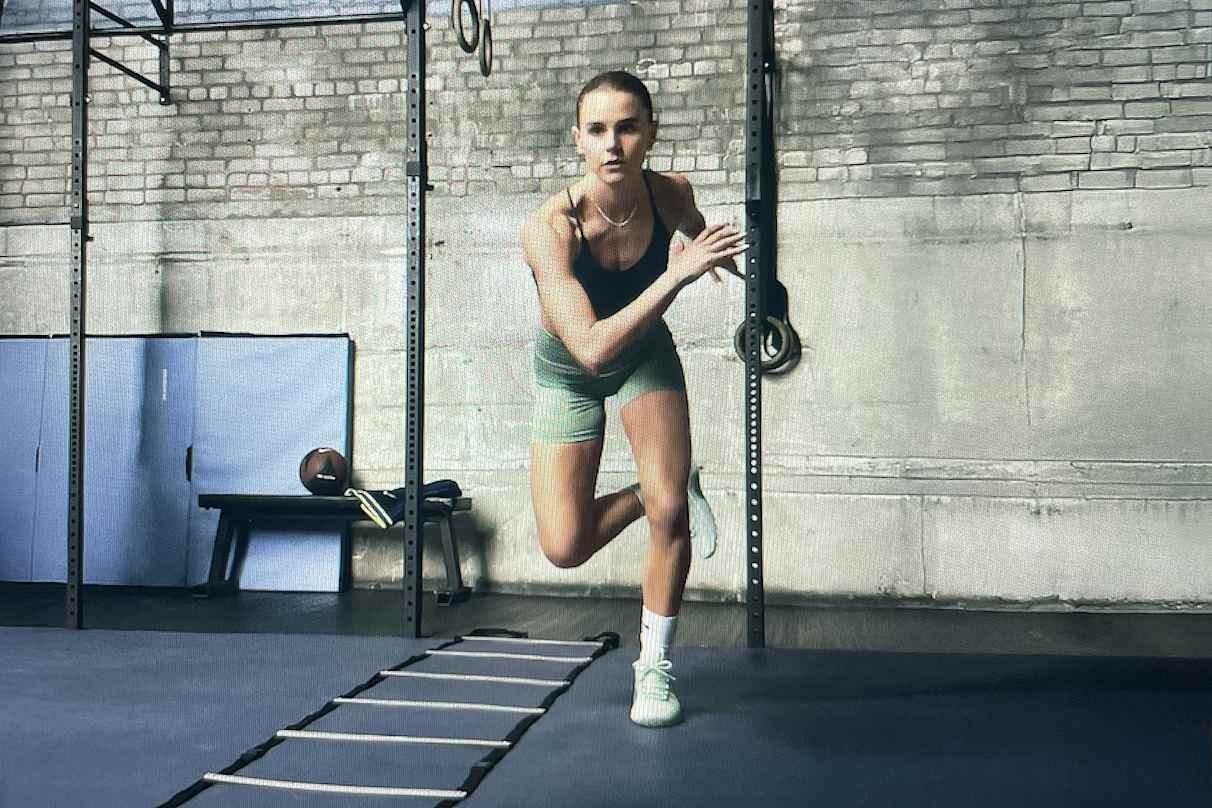
Workouts that feature both [aerobic exercise](https://www.nike.com/gb/a/cardio-workout-at-home) and [resistance training](https://www.nike.com/gb/a/how-to-start-lifting-weights) can be effective at targeting multiple muscle groups in one sweat session, making you a more well-rounded athlete. But a big question with hybrid training is, should you do cardio before or after lifting weights?
A lot depends on your goals, like whether you’re focused on fat loss, muscle gain or performance. You may even want to consider a two-a-day workout, where you do a full workout in the morning and then another full workout later in the day. Whether or not this is doable for you would largely depend on other factors, such as your schedule, fitness level and exercise preferences.
Perhaps the most suitable option may be to do [strength training](https://www.nike.com/gb/a/workout-for-beginner) and cardio workouts on alternate days. However you fit these workouts into your schedule, it's important that you engage in both on a regular basis.
## Quick Takeaways:
- Lift weights before cardio for strength or muscle gain.
- Do cardio first if endurance is your priority.
- For fat loss, total weekly volume and consistency matter more than order.
- Doing cardio and lifting on the same day is effective if you manage intensity and recovery.
- Splitting cardio and lifting into separate days may improve explosive strength and recovery.
[](https://www.nike.com/gb/w/training-gym-shoes-3rauvz58jtoz5e1x6znik1zy7ok)
## Why You Need Both Cardio and Resistance Training
Aerobic exercise [improves cardiorespiratory fitness](https://www.ahajournals.org/doi/10.1161/JAHA.115.002014), which is the ability of your heart and lungs to send oxygen to your muscles for energy. Resistance training, on the other hand, helps to [build muscle mass and improve strength](https://newsinhealth.nih.gov/2020/03/maintain-your-muscle). This type of exercise also puts good stress on bones, helping to prevent bone loss by building [stronger and denser](https://orthoinfo.aaos.org/en/staying-healthy/exercise-and-bone-health/) bones.
When both aerobic exercise and resistance training are part of a regular exercise regimen, the benefits add up. Research published in a 2022 issue of the [*British Journal of Sports Medicine*](https://bjsm.bmj.com/content/56/22/1277) found that meeting the physical activity recommendations for both aerobic exercise and resistance exercise is associated with up to a 41% lower risk of dying early, compared to sedentary adults.
For context, [the recommendation for aerobic exercise](https://www.cdc.gov/physical-activity-basics/guidelines/adults.html) is at least 150 minutes per week of moderate-intensity physical activity or at least 75 minutes per week of moderate to vigorous physical activity. For resistance exercise, it's two days per week, targeting all major muscle groups.
__Examples of__ [__aerobic training__](https://www.cdc.gov/physical-activity-basics/adding-adults/what-counts.html) __include:__
- [Power walking](https://www.nike.com/gb/a/what-is-power-walking)
- [Cycling](https://www.nike.com/gb/a/benefits-of-cycling)
- [Jogging and running](https://www.nike.com/gb/a/running-vs-jogging-benefits)
- Rowing
- [HIIT](https://www.nike.com/gb/a/what-is-hiit-workout)
__Examples of strength workouts include:__
- [Bodyweight exercises](https://www.nike.com/gb/a/hotel-room-workout)
- Lifting weights
- Using [resistance bands](https://www.nike.com/gb/a/resistance-band-chest-exercises)
- Using weight machines
## Should You Do Cardio on the Same Day as Weights?
Depending on your goals, you might want to space out your cardio and weight training. Doing strength and cardio together can undermine your gains, because [cardio is a catabolic process and strength training is an anabolic process](https://pmc.ncbi.nlm.nih.gov/articles/PMC10487730/). This means that cardio breaks down molecules like proteins and lipids for energy, while strength training builds larger, more complex molecules from smaller molecules. Essentially, you can’t burn molecules and build them up at the same time.
One meta-analysis, published in a 2022 issue of [*Sports Medicine*](https://link.springer.com/article/10.1007/s40279-021-01587-7), discovered that while doing both cardio and strength training in a single session did not interfere with muscle growth or improvements in strength, it did reduce measures of explosive strength. This refers to a person’s ability to exert maximum force in the shortest amount of time. By comparison, general strength is your overall muscular strength. Not everyone needs to maximise explosive strength, though. This is mainly a concern for people in sports that require fast acceleration or quick changes of direction, like in sprinting, football, basketball and American football.
But there are plenty of reasons to combine these two forms of exercise, including becoming a more well-rounded athlete.
## Cardio Before or After Weights for Fat Loss?

[](https://www.nike.com/gb/w/training-gym-shoes-3rauvz58jtoz5e1x6znik1zy7ok)
For fat loss, total calorie burn and workout adherence matter more than the order of your exercise routine. However, lifting first may help preserve muscle mass while you drop fat. Research shows that the [more muscle mass](https://pmc.ncbi.nlm.nih.gov/articles/PMC7751004/) you have, the higher your resting metabolic rate, or the number of calories your body burns at rest.
"Most of the time, doing cardio after weights will be more beneficial than an approach where you do cardio first", said Chris Travis, N.A.S.M. CPT. That’s because cardio – a run, an indoor cycling class, [HIIT](https://www.nike.com/gb/a/what-is-hiit-workout), [circuit work](https://www.nike.com/gb/a/what-is-circuit-training-benefits) – increases your heart and respiratory rate and, simply put, can be quite tiring. You don’t want to be wiped out heading into weight training, Travis said. In other words, you don’t want to lose the impact that weight training can have.
## Cardio Before or After Weights for Muscle Gain?

[](https://www.nike.com/gb/w/training-gym-shoes-3rauvz58jtoz5e1x6znik1zy7ok)
"If you're combining the two into one session, generally speaking, lift first and do cardio second", said Enja Schenck, MS, CSCS. In fact, research has shown that [doing strength work prior to endurance training](https://www.tandfonline.com/doi/abs/10.1080/02640414.2017.1364405?needAccess=true&journalCode=rjsp20) allows you to lift heavier weights (thus improving strength over time), compared to doing cardio before strength work. That same research also concluded that when strength work was done before cardio, it did not impair potential gains from the cardio work.
One more thing to consider: Lifting while feeling fatigued may negatively affect form and increase the risk of injury.
## Does Doing Cardio Before Weights Harm Strength Gains?
It depends. Prolonged or high-intensity cardio before lifting weights may limit your strength output. However, a short cardio warm-up before strength training can be beneficial, Travis said.
Consider spending five to seven minutes doing one of the following movements before starting cardio.
- Rowing
- Riding a bike
- Jogging on the treadmill
- Walking
Warming up with gentle cardio raises your body temperature and fires up the muscles you're about to use without causing fatigue, Travis explained. Simply put, a short cardio session prepares the body for the hard work ahead.
## Cardio Before or After Weights for Aerobic Endurance?
If cardio endurance is your goal, cardio training should come first. This allows you to focus your energy on pushing your aerobic capacity through exercises focused on running, cycling and swimming, while still leaving room for strength training.
__Summary:__
- __Build muscle or get stronger__: Lift first
- __Train for an__ [__endurance race__](https://www.nike.com/running/marathon-training-plan): Cardio first
- __General fitness__: Whichever you'll stick with
- __Limited time__: Combine cardio and lifting in one session, prioritising your main goal first
## What Shoes Should You Wear for Hybrid Cardio and Strength Workouts?
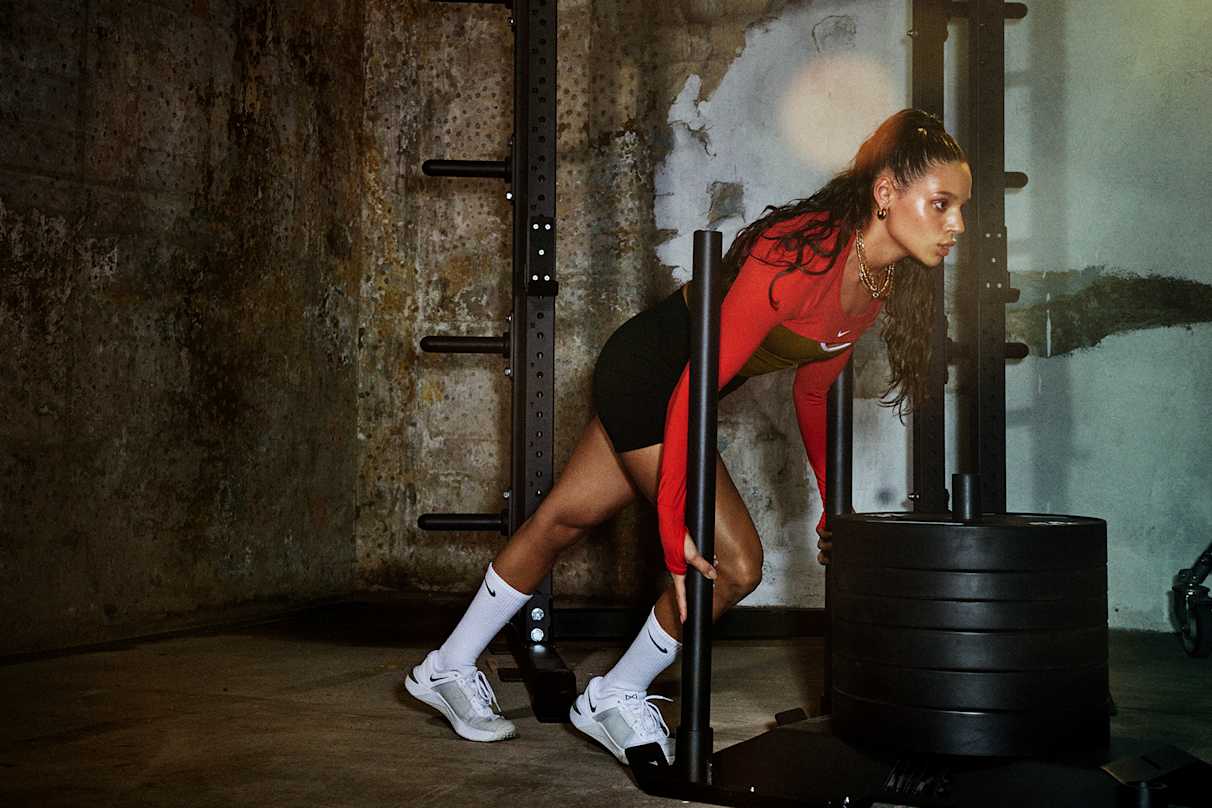
The [right shoe for workouts](https://www.nike.com/gb/a/best-gym-training-shoes) that combine cardio and strength training is different from the ideal footwear for cardio-only and heavy lifting sessions. If running is your cardio of choice, you need a shoe that provides cushioning. For strength training, you want stability. If you're doing both in one hybrid session, you need the best of both worlds – something that is stable enough for lifting but has enough cushion and flexibility for fast-paced movements or short sprints.
The Nike Free Metcon 7 is a versatile shoe that balances stability and flexibility to support your workout needs across HIIT, light lifting sessions and sprints.
## FAQs
Should you do cardio before or after weights for fat loss?
Overall calorie burn will matter more than order here. Doing weight training before cardio increases the likelihood that you'll have enough energy to make your desired strength gains before switching to cardio. Plus, the more muscle mass you have, the greater the number of calories your body burns at rest.
Is it better to lift before cardio for muscle gain?
Yes, it is generally better to lift before cardio for muscle gain to allow you to focus your energy on strength training. However, a short cardio warm-up can be helpful to prepare your body for the work ahead.
Can you do cardio and strength training on the same day?
While [data](https://journals.lww.com/nsca-jscr/Fulltext/2016/03000/Specific_Training_Effects_of_Concurrent_Aerobic.10.aspx) suggest that it's best to space out cardio and strength training by at least six hours, having a full day of recovery in between is better for maximising your progress in each category, respectively.
How long should you wait between cardio and weights?
If your goal is to maximise your progress in both strength and cardio, research suggests giving yourself 24 hours to recover between sessions.
Originally published: 2 April 2026
## Related Stories
- 
[](https://www.nike.com/gb/a/cardio-before-after-weight-training)
# Sport & activity
# Should you do cardio before or after weight training?
- 
[](https://www.nike.com/gb/a/how-to-choose-sports-bra)
# Buying Guide
# How to choose the right sports bra
- 
[](https://www.nike.com/gb/a/what-is-overtraining-syndrome)
# Sport & activity
# What is overtraining syndrome—and how can you avoid it?
- 
[](https://www.nike.com/gb/a/workout-for-beginner)
# Sport & Activity
# Starting to Build a Fitness Routine? Try This Trainer-Approved Workout for Beginners
- 
[](https://www.nike.com/gb/a/deadlift-benefits-and-tips)
# Sport & Activity
# The Benefits of Deadlifts, According to Experts
Resources
[Gift Cards](https://www.nike.com/gb/gift-cards)
[Corporate Gift Cards](https://nikegiftcardsforbusiness.com/)
[Find a Store](https://www.nike.com/gb/retail/)
[Nike Journal](https://www.nike.com/gb/stories)
[Become a Member](https://www.nike.com/gb/membership)
[Feedback](https://www.nike.com#site-feedback)
[Promo Codes](https://www.nike.com/gb/promo-code)
[Product Advice](https://www.nike.com/gb/product-advice)
[Running Shoe Finder](https://www.nike.com/gb/running-shoe-finder)
Help
[Get Help](https://www.nike.com/gb/help)
[Order Status](https://www.nike.com/gb/orders/details)
[Delivery](https://www.nike.com/gb/help/a/shipping-delivery-eu)
[Returns](https://www.nike.com/gb/help/a/returns-policy-eu)
[Payment Options](https://www.nike.com/gb/help/a/payment-options-eu)
[Contact Us](https://www.nike.com/gb/help/#contact)
[Reviews](https://www.nike.com/gb/help/a/reviews)
[Nike Promo Codes Help](https://www.nike.com/gb/help/a/promo-apply-eu)
Company
[About Nike](https://about.nike.com/)
[News](https://news.nike.com/)
[Careers](https://jobs.nike.com/)
[Investors](https://investors.nike.com/)
[Sustainability](https://www.nike.com/gb/sustainability)
[Purpose](https://www.nike.com/gb/purpose)
[UK Tax](https://www.nike.com/gb/help/a/uk-tax-strategy)
[UK Pension Statement](https://assets.commerce.nikecloud.com/gethelp/nike+%28uk%29+benefits/nike+%28uk%29+limited+retirement+benefits+scheme.pdf)
[UK Pension SIP](https://www.nike.com/pdf/limited-retirement-benefits-scheme-statement-investment-principles-sip-en-gb.pdf)
[Report a concern](https://secure.ethicspoint.com/domain/media/en/gui/56821/index.html)
[Nike Coaching](https://www.nike.com/gb/coaching)
Community Discounts
[Military](https://services.sheerid.com/verify/68d55c18273c5b3a03a5883e/)
[Student](https://services.sheerid.com/verify/68d15e386bcf0b059b3b1708/?locale=en-GB)
[Teacher](https://urldefense.com/v3/__https://services.sheerid.com/verify/68dcfa47c3f2fd1cd3069a9c/?locale=en-GB__%3B%21%21KLCbKzk%21nTvDkRbY-BbSpoWsFhAQdmMrehEzU3loDux4_exRVjO9--Ik_EbQNJ3bX2gkEwR7F9cVVROFKqLxE4B8uW6bnx4Mc-D7Vg%24)
[First Responders](https://urldefense.com/v3/__https://services.sheerid.com/verify/68d55da9273c5b3a03a5aa8e/?locale=en-GB__%3B%21%21KLCbKzk%21nTvDkRbY-BbSpoWsFhAQdmMrehEzU3loDux4_exRVjO9--Ik_EbQNJ3bX2gkEwR7F9cVVROFKqLxE4B8uW6bnx5my0S4tQ%24)
[Medical Professionals](https://urldefense.com/v3/__https://services.sheerid.com/verify/68d55e0d273c5b3a03a5b0ac/?locale=en-GB__%3B%21%21KLCbKzk%21nTvDkRbY-BbSpoWsFhAQdmMrehEzU3loDux4_exRVjO9--Ik_EbQNJ3bX2gkEwR7F9cVVROFKqLxE4B8uW6bnx715S7Egg%24)
[Resources](https://www.nike.com/gb/help)
[Gift Cards](https://www.nike.com/gb/gift-cards)
[Corporate Gift Cards](https://nikegiftcardsforbusiness.com/)
[Find a Store](https://www.nike.com/gb/retail/)
[Nike Journal](https://www.nike.com/gb/stories)
[Become a Member](https://www.nike.com/gb/membership)
[Feedback](https://www.nike.com#site-feedback)
[Promo Codes](https://www.nike.com/gb/promo-code)
[Product Advice](https://www.nike.com/gb/product-advice)
[Running Shoe Finder](https://www.nike.com/gb/running-shoe-finder)
[Help](https://www.nike.com/gb/help)
[Get Help](https://www.nike.com/gb/help)
[Order Status](https://www.nike.com/gb/orders/details)
[Delivery](https://www.nike.com/gb/help/a/shipping-delivery-eu)
[Returns](https://www.nike.com/gb/help/a/returns-policy-eu)
[Payment Options](https://www.nike.com/gb/help/a/payment-options-eu)
[Contact Us](https://www.nike.com/gb/help/#contact)
[Reviews](https://www.nike.com/gb/help/a/reviews)
[Nike Promo Codes Help](https://www.nike.com/gb/help/a/promo-apply-eu)
[Company](https://about.nike.com/en)
[About Nike](https://about.nike.com/)
[News](https://news.nike.com/)
[Careers](https://jobs.nike.com/)
[Investors](https://investors.nike.com/)
[Sustainability](https://www.nike.com/gb/sustainability)
[Purpose](https://www.nike.com/gb/purpose)
[UK Tax](https://www.nike.com/gb/help/a/uk-tax-strategy)
[UK Pension Statement](https://assets.commerce.nikecloud.com/gethelp/nike+%28uk%29+benefits/nike+%28uk%29+limited+retirement+benefits+scheme.pdf)
[UK Pension SIP](https://www.nike.com/pdf/limited-retirement-benefits-scheme-statement-investment-principles-sip-en-gb.pdf)
[Report a concern](https://secure.ethicspoint.com/domain/media/en/gui/56821/index.html)
[Nike Coaching](https://www.nike.com/gb/coaching)
## Community Discounts
[Military](https://services.sheerid.com/verify/68d55c18273c5b3a03a5883e/)
[Student](https://services.sheerid.com/verify/68d15e386bcf0b059b3b1708/?locale=en-GB)
[Teacher](https://urldefense.com/v3/__https://services.sheerid.com/verify/68dcfa47c3f2fd1cd3069a9c/?locale=en-GB__%3B%21%21KLCbKzk%21nTvDkRbY-BbSpoWsFhAQdmMrehEzU3loDux4_exRVjO9--Ik_EbQNJ3bX2gkEwR7F9cVVROFKqLxE4B8uW6bnx4Mc-D7Vg%24)
[First Responders](https://urldefense.com/v3/__https://services.sheerid.com/verify/68d55da9273c5b3a03a5aa8e/?locale=en-GB__%3B%21%21KLCbKzk%21nTvDkRbY-BbSpoWsFhAQdmMrehEzU3loDux4_exRVjO9--Ik_EbQNJ3bX2gkEwR7F9cVVROFKqLxE4B8uW6bnx5my0S4tQ%24)
[Medical Professionals](https://urldefense.com/v3/__https://services.sheerid.com/verify/68d55e0d273c5b3a03a5b0ac/?locale=en-GB__%3B%21%21KLCbKzk%21nTvDkRbY-BbSpoWsFhAQdmMrehEzU3loDux4_exRVjO9--Ik_EbQNJ3bX2gkEwR7F9cVVROFKqLxE4B8uW6bnx715S7Egg%24)
United Kingdom
- © 2026 Nike, Inc. All rights reserved.
- Guides
- [Nike Air](https://www.nike.com/gb/air)
- [Nike Air Max](https://www.nike.com/gb/air-max)
- [Nike FlyEase](https://www.nike.com/gb/flyease)
- [Nike Pegasus](https://www.nike.com/gb/running/runningzoom-pegasus-37)
- [Nike React](https://www.nike.com/gb/react)
- [Nike Vaporfly](https://www.nike.com/gb/running/vaporfly)
- [Terms of Use](https://agreementservice.svs.nike.com/gb/en_gb/rest/agreement?agreementType=termsOfUse&uxId=com.nike&country=GB&language=en&requestType=redirect&_gl=1%2A134e41c%2A_gcl_au%2AMjc5MDg4MTc3LjE3NDIyNDIyNTU.%2AFPAU%2AMTk3ODQyOTU3NC4xNzQyMjQyMjMz)
- [Terms of Sale](https://agreementservice.svs.nike.com/rest/agreement?agreementType=termsOfSale&uxId=com.nike.tos&requestType=redirect)
- [Company Details](https://www.nike.com/gb/help/a/company-details)
- [UK Modern Slavery Act Disclosure](https://purpose.nike.com/nike-statement-on-forced-labor)
- [Privacy & Cookie Policy](https://agreementservice.svs.nike.com/rest/agreement?agreementType=privacyPolicy&uxId=com.nike.commerce.nikedotcom.web&requestType=redirect)
- [Privacy & Cookie Settings](https://www.nike.com/gb/guest/settings/privacy)
## Africa
- [__Egypt__
\
English](https://www.nike.com/eg/)
- [__Morocco__
\
English](https://www.nike.com/ma/en/)
- [__Maroc__
\
Français](https://www.nike.com/ma/)
- [__South Africa__
\
English](https://www.nike.com/za/)
## Americas
- [__Argentina__
\
Español](https://www.nike.com.ar)
- [__Brasil__
\
Português](https://www.nike.com.br)
- [__Canada__
\
English](https://www.nike.com/ca/)
- [__Canada__
\
Français](https://www.nike.com/ca/fr/)
- [__Chile__
\
Español](https://www.nike.cl)
- [__Colombia__
\
Español](https://www.nike.com.co)
- [__México__
\
Español](https://www.nike.com/mx/)
- [__Peru__
\
Español](https://www.nike.com.pe)
- [__Puerto Rico__
\
Español](https://www.nike.com/pr/)
- [__United States__
\
English](https://www.nike.com)
- [__Estados Unidos__
\
Español](https://www.nike.com/us/es/)
- [__Uruguay__
\
Español](https://www.nike.com.uy)
- [__Latin America__
\
Español](https://www.nike.com/xl/)
## Asia Pacific
- [__Australia__
\
English](https://www.nike.com/au/)
- [__中国大陆__
\
简体中文](https://www.nike.com.cn/)
- [__Hong Kong__
\
English](https://www.nike.com.hk/)
- [__香港__
\
繁體中文](https://www.nike.com.hk/)
- [__India__
\
English](https://www.nike.in/)
- [__Indonesia__
\
English](https://www.nike.com/id/)
- [__Japan__
\
English](https://www.nike.com/jp/en/)
- [__日本__
\
日本語](https://www.nike.com/jp/)
- [__대한민국__
\
한국어](https://www.nike.com/kr/)
- [__Malaysia__
\
English](https://www.nike.com/my/)
- [__New Zealand__
\
English](https://www.nike.com/nz/)
- [__Philippines__
\
English](https://www.nike.com/ph/)
- [__Singapore__
\
English](https://www.nike.com/sg/)
- [__台灣__
\
繁體中文](https://www.nike.com/tw/)
- [__ไทย__
\
ภาษาไทย](https://www.nike.com/th/)
- [__Vietnam__
\
English](https://www.nike.com/vn/)
## Europe
- [__Österreich__
\
Deutsch](https://www.nike.com/at/)
- [__Austria__
\
English](https://www.nike.com/at/en/)
- [__Belgien__
\
Deutsch](https://www.nike.com/be/de/)
- [__Belgium__
\
English](https://www.nike.com/be/en/)
- [__Belgique__
\
Français](https://www.nike.com/be/fr/)
- [__België__
\
Nederlands](https://www.nike.com/be/)
- [__Bulgaria__
\
English](https://www.nike.com/bg/)
- [__Croatia__
\
English](https://www.nike.com/hr/)
- [__Česká republika__
\
Čeština](https://www.nike.com/cz/)
- [__Czech Republic__
\
English](https://www.nike.com/cz/en/)
- [__Danmark__
\
Dansk](https://www.nike.com/dk/)
- [__Denmark__
\
English](https://www.nike.com/dk/en/)
- [__Finland__
\
English](https://www.nike.com/fi/)
- [__France__
\
Français](https://www.nike.com/fr/)
- [__Deutschland__
\
Deutsch](https://www.nike.com/de/)
- [__Ελλάδα__
\
ελληνικά](https://www.nike.com/gr/)
- [__Hungary__
\
English](https://www.nike.com/hu/en/)
- [__Magyarország__
\
Magyar](https://www.nike.com/hu/)
- [__Ireland__
\
English](https://www.nike.com/ie/)
- [__Israel__
\
English](https://www.nike.com/il/)
- [__Italia__
\
Italiano](https://www.nike.com/it/)
- [__Luxemburg__
\
Deutsch](https://www.nike.com/lu/de/)
- [__Luxembourg__
\
English](https://www.nike.com/lu/en/)
- [__Luxembourg__
\
Français](https://www.nike.com/lu/)
- [__Netherlands__
\
English](https://www.nike.com/nl/en/)
- [__Nederland__
\
Nederlands](https://www.nike.com/nl/)
- [__Norway__
\
English](https://www.nike.com/no/en/)
- [__Norge__
\
Norsk](https://www.nike.com/no/)
- [__Polska__
\
Polski](https://www.nike.com/pl/)
- [__Portugal__
\
English](https://www.nike.com/pt/en/)
- [__Portugal__
\
Português](https://www.nike.com/pt/)
- [__Romania__
\
English](https://www.nike.com/ro/)
- [__Россия__
\
Русский](https://www.nike.com/ru/)
- [__Slovakia__
\
English](https://www.nike.com/sk/)
- [__Slovenia__
\
English](https://www.nike.com/si/)
- [__Espanya__
\
Català](https://www.nike.com/es/ca/)
- [__España__
\
Español](https://www.nike.com/es/)
- [__Sweden__
\
English](https://www.nike.com/se/en/)
- [__Sverige__
\
Svenska](https://www.nike.com/se/)
- [__Schweiz__
\
Deutsch](https://www.nike.com/ch/)
- [__Switzerland__
\
English](https://www.nike.com/ch/en/)
- [__Suisse__
\
Français](https://www.nike.com/ch/fr/)
- [__Svizzera__
\
Italiano](https://www.nike.com/ch/it/)
- [__Türkiye__
\
Türkçe](https://www.nike.com/tr/)
- [__United Kingdom__
\
English](https://www.nike.com/gb/)
## Middle East
- [__Saudi Arabia__
\
English](https://www.nike.sa/en/home)
- [__المملكة العربية السعودية__
\
العربية](https://www.nike.sa/ar/home)
- [__United Arab Emirates__
\
English](https://www.nike.ae/en/home)
- [__الإمارات العربية المتحدة__
\
العربية](https://www.nike.ae/ar/home)
- [__Qatar__
\
English](https://www.nike.qa/en/home)
- [__دولة قطر__
\
العربية](https://www.nike.qa/ar/home)
- [__Kuwait__
\
English](https://www.nike.com.kw/en/home)
- [__الكويت__
\
العربية](https://www.nike.com.kw/ar/home)