[Skip to main content](https://www.nike.com#skip-to-content)
- [](https://www.nike.com/il/jordan)
- [Find a Store](https://www.nike.com/il/retail)
- [Help](https://www.nike.com/il/help)
[Help](https://www.nike.com/il/help)
- [Order Status](https://www.nike.com/il/orders)
- [Dispatch and Delivery](https://www.nike.com/il/help/a/shipping-delivery-gs)
- [Returns](https://www.nike.com/il/help/a/returns-policy-gs)
- [Contact Us](https://www.nike.com/il/help/#contact)
- [Privacy Policy](https://agreementservice.svs.nike.com/il/en_gb/rest/agreement?agreementType=privacyPolicy&uxId=com.nike.unite&country=IL&language=en&requestType=redirect)
- [Terms of Sale](https://www.eshopworld.com/shoppers/help/retailer/nike/terms-and-conditions-of-sale-en/)
- [Terms of Use](https://agreementservice.svs.nike.com/il/en_gb/rest/agreement?agreementType=termsOfUse&uxId=com.nike.unite&country=IL&language=en&requestType=redirect)
- [Send Us Feedback](https://www.nike.com#site-feedback)
- [Join Us](https://www.nike.com/il/membership)
- [Sign In](https://www.nike.com/il/register)
[](https://www.nike.com/il/)
- [New](https://www.nike.com/il/w/new-3n82y)
- [New](https://www.nike.com/il/w/new-3n82y)
- [New Arrivals](https://www.nike.com/il/w/new-3n82y)
- [Best Sellers](https://www.nike.com/il/w/best-76m50)
- [SNKRS Launch Calendar](https://www.nike.com/gb/launch/upcoming)
- [Tennis Slam](https://www.nike.com/il/w/tennis-slam-7vd60)
- [Highlights](https://www.nike.com/il/w/new-just-in-3apgqz3n82y)
- [Jordan: Love Letter Collection](https://www.nike.com/il/w/love-letter-7xkbw)
- [Best of Jordan](https://www.nike.com/il/w/best-of-jordan-brand-j0oa)
- [Running: Discover Aerofit](https://www.nike.com/il/w/running-clothing-37v7jz6ymx6)
- [Style By Moon Shoe](https://www.nike.com/il/nike-style-by)
- [Trending](https://www.nike.com/il/w/best-76m50)
- [Hybrid Training](https://www.nike.com/il/w/hybrid-training-7fx1n)
- [Marathon Shoes](https://www.nike.com/il/w/marathon-distance-shoes-6vbyfzy7ok)
- [Elite Football Boots](https://www.nike.com/il/w/elite-football-shoes-1gdj0z9vmnhzy7ok)
- [Sportswear Clothing](https://www.nike.com/il/w/sportswear-clothing-43h4uz6ymx6)
- [Pro Football Boots](https://www.nike.com/il/w/pro-football-shoes-1gdj0z2a2jzy7ok)
- [Brands](https://www.nike.com/il/w/37eefz43h4uz93bsdzpgd6)
- [Nike Sportswear](https://www.nike.com/il/w/lifestyle-13jrm)
- [ACG: All Conditions Gear](https://www.nike.com/il/acg)
- [Jordan](https://www.nike.com/il/w/jordan-37eef)
- [Kobe](https://www.nike.com/il/w/kobe-pgd6)
- [NOCTA](https://www.nike.com/il/w/nocta-25nhb)
- [Men](https://www.nike.com/il/men)
- [Highlights](https://www.nike.com/il/w/new-mens-3n82yznik1)
- [New Arrivals](https://www.nike.com/il/w/new-mens-3n82yznik1)
- [Best Sellers](https://www.nike.com/il/w/mens-best-76m50znik1)
- [Streetwear Clothing](https://www.nike.com/il/w/streetwear-clothing-97qn8)
- [Tennis Slam](https://www.nike.com/il/w/mens-tennis-slam-7vd60znik1)
- [Shoes](https://www.nike.com/il/w/mens-shoes-nik1zy7ok)
- [All Shoes](https://www.nike.com/il/w/mens-shoes-nik1zy7ok)
- [Lifestyle](https://www.nike.com/il/w/mens-lifestyle-shoes-13jrmznik1zy7ok)
- [Jordan](https://www.nike.com/il/w/mens-jordan-shoes-37eefznik1zy7ok)
- [Running](https://www.nike.com/il/w/mens-running-shoes-37v7jznik1zy7ok)
- [Football](https://www.nike.com/il/w/mens-football-shoes-1gdj0znik1zy7ok)
- [Basketball](https://www.nike.com/il/w/mens-basketball-shoes-3glsmznik1zy7ok)
- [Training and Gym](https://www.nike.com/il/w/mens-training-gym-shoes-58jtoznik1zy7ok)
- [Skateboarding](https://www.nike.com/il/w/mens-skateboarding-shoes-8mfrfznik1zy7ok)
- [Custom Shoes](https://www.nike.com/il/w/mens-nike-by-you-shoes-6ealhznik1zy7ok)
- [Clothing](https://www.nike.com/il/w/mens-clothing-6ymx6znik1)
- [All Clothing](https://www.nike.com/il/w/mens-clothing-6ymx6znik1)
- [Hoodies and Sweatshirts](https://www.nike.com/il/w/mens-hoodies-sweatshirts-6riveznik1)
- [Tops and T-Shirts](https://www.nike.com/il/w/mens-tops-t-shirts-9om13znik1)
- [Kits and Jerseys](https://www.nike.com/il/w/mens-football-kits-jerseys-1gdj0z3a41eznik1)
- [Shorts](https://www.nike.com/il/w/mens-shorts-38fphznik1)
- [Trousers and Tights](https://www.nike.com/il/w/mens-trousers-tights-2kq19znik1)
- [Tracksuits](https://www.nike.com/il/w/mens-tracksuits-1ll2wznik1)
- [Jackets](https://www.nike.com/il/w/mens-jackets-gilets-50r7yznik1)
- [Accessories](https://www.nike.com/il/w/mens-accessories-equipment-awwpwznik1)
- [Sport](https://www.nike.com/il/w/mens-performance-3k7dgznik1)
- [Running](https://www.nike.com/il/running)
- [Football](https://www.nike.com/il/football)
- [Basketball](https://www.nike.com/il/basketball)
- [Training and Gym](https://www.nike.com/il/training)
- [Tennis](https://www.nike.com/il/tennis)
- [Skateboarding](https://www.nike.com/il/w/mens-skateboarding-8mfrfznik1)
- [Golf](https://www.nike.com/il/golf)
- Brands
- [Nike Sportswear](https://www.nike.com/il/w/mens-lifestyle-13jrmznik1)
- [ACG: All Conditions Gear](https://www.nike.com/il/acg)
- [Jordan](https://www.nike.com/il/w/mens-jordan-37eefznik1)
- [Kobe](https://www.nike.com/il/w/mens-kobe-nik1zpgd6)
- [NOCTA](https://www.nike.com/il/w/mens-nocta-25nhbznik1)
- [Women](https://www.nike.com/il/women)
- [Highlights](https://www.nike.com/il/w/new-womens-3n82yz5e1x6)
- [New Arrivals](https://www.nike.com/il/w/new-womens-3n82yz5e1x6)
- [Best Sellers](https://www.nike.com/il/w/womens-best-5e1x6z76m50)
- [Nike Fleece Essentials](https://www.nike.com/il/w/womens-nike-studio-fleece-clothing-5e1x6z6ymx6zs531)
- [Seasonal Clothing Packs](https://www.nike.com/il/w/seasonal-clothing-packs-9yawh)
- [Style By Moon Shoe](https://www.nike.com/il/nike-style-by)
- [Tennis Slam](https://www.nike.com/il/w/womens-tennis-slam-5e1x6z7vd60)
- [Shoes](https://www.nike.com/il/w/womens-shoes-5e1x6zy7ok)
- [All Shoes](https://www.nike.com/il/w/womens-shoes-5e1x6zy7ok)
- [Lifestyle](https://www.nike.com/il/w/womens-lifestyle-shoes-13jrmz5e1x6zy7ok)
- [Jordan](https://www.nike.com/il/w/womens-jordan-shoes-37eefz5e1x6zy7ok)
- [Running](https://www.nike.com/il/w/womens-running-shoes-37v7jz5e1x6zy7ok)
- [Training and Gym](https://www.nike.com/il/w/womens-training-gym-shoes-58jtoz5e1x6zy7ok)
- [Football](https://www.nike.com/il/w/womens-football-shoes-1gdj0z5e1x6zy7ok)
- [Custom Shoes](https://www.nike.com/il/w/womens-nike-by-you-shoes-5e1x6z6ealhzy7ok)
- [Clothing](https://www.nike.com/il/w/womens-clothing-5e1x6z6ymx6)
- [All Clothing](https://www.nike.com/il/w/womens-clothing-5e1x6z6ymx6)
- [Hoodies and Sweatshirts](https://www.nike.com/il/w/womens-hoodies-sweatshirts-5e1x6z6rive)
- [Tops and T-Shirts](https://www.nike.com/il/w/womens-tops-t-shirts-5e1x6z9om13)
- [Shorts](https://www.nike.com/il/w/womens-shorts-38fphz5e1x6)
- [Leggings](https://www.nike.com/il/w/womens-tights-leggings-29sh2z5e1x6)
- [Trousers](https://www.nike.com/il/w/womens-trousers-tights-2kq19z5e1x6)
- [Matching Sets](https://www.nike.com/il/w/womens-matching-sets-2lukpz5e1x6)
- [Jackets](https://www.nike.com/il/w/womens-jackets-gilets-50r7yz5e1x6)
- [Sports Bras](https://www.nike.com/il/w/womens-sports-bras-40qgmz5e1x6)
- [Accessories](https://www.nike.com/il/w/womens-accessories-equipment-5e1x6zawwpw)
- [Sport](https://www.nike.com/il/w/womens-performance-3k7dgz5e1x6)
- [Training and Gym](https://www.nike.com/il/training)
- [Running](https://www.nike.com/il/running)
- [Football](https://www.nike.com/il/football)
- [Basketball](https://www.nike.com/il/basketball)
- [Tennis](https://www.nike.com/il/tennis)
- [Skateboarding](https://www.nike.com/il/w/womens-skateboarding-5e1x6z8mfrf)
- [Golf](https://www.nike.com/il/golf)
- Brands
- [NikeSKIMS](https://www.nike.com/il/nikeskims)
- [Nike Sportswear](https://www.nike.com/il/w/womens-lifestyle-13jrmz5e1x6)
- [ACG: All Conditions Gear](https://www.nike.com/il/acg)
- [Jordan](https://www.nike.com/il/w/womens-jordan-37eefz5e1x6)
- [Kobe](https://www.nike.com/il/w/womens-kobe-5e1x6zpgd6)
- [Kids](https://www.nike.com/il/kids)
- [Highlights](https://www.nike.com/il/w/new-kids-3n82yzv4dh)
- [New Arrivals](https://www.nike.com/il/w/new-kids-3n82yzv4dh)
- [Best Sellers](https://www.nike.com/il/w/kids-best-76m50zv4dh)
- [Teen Destination](https://www.nike.com/il/teens)
- [Nike x LEGO® Collection](https://www.nike.com/il/lego)
- [Shoes](https://www.nike.com/il/w/kids-shoes-v4dhzy7ok)
- [All Shoes](https://www.nike.com/il/w/kids-shoes-v4dhzy7ok)
- [Lifestyle](https://www.nike.com/il/w/kids-lifestyle-shoes-13jrmzv4dhzy7ok)
- [Jordan](https://www.nike.com/il/w/kids-jordan-shoes-37eefzv4dhzy7ok)
- [Football](https://www.nike.com/il/w/kids-football-shoes-1gdj0zv4dhzy7ok)
- [Running](https://www.nike.com/il/w/kids-running-shoes-37v7jzv4dhzy7ok)
- [Basketball](https://www.nike.com/il/w/kids-basketball-shoes-3glsmzv4dhzy7ok)
- [Physical Education](https://www.nike.com/il/w/kids-performance-shoes-3k7dgzv4dhzy7ok)
- [Clothing](https://www.nike.com/il/w/kids-clothing-6ymx6zv4dh)
- [All Clothing](https://www.nike.com/il/w/kids-clothing-6ymx6zv4dh)
- [Hoodies and Sweatshirts](https://www.nike.com/il/w/kids-hoodies-sweatshirts-6rivezv4dh)
- [Tops and T-Shirts](https://www.nike.com/il/w/kids-tops-t-shirts-9om13zv4dh)
- [Kits & Jerseys](https://www.nike.com/il/w/kids-football-kits-jerseys-1gdj0z3a41ezv4dh)
- [Tracksuits](https://www.nike.com/il/w/kids-tracksuits-1ll2wzv4dh)
- [Shorts](https://www.nike.com/il/w/kids-shorts-38fphzv4dh)
- [Trousers and Leggings](https://www.nike.com/il/w/kids-trousers-tights-2kq19zv4dh)
- [Matching Sets](https://www.nike.com/il/w/kids-matching-sets-2lukpzv4dh)
- [Jackets](https://www.nike.com/il/w/kids-jackets-gilets-50r7yzv4dh)
- [Accessories](https://www.nike.com/il/w/kids-accessories-equipment-awwpwzv4dh)
- [Kids by age](https://www.nike.com/il/w/kids-v4dh)
- [Teens (13–17 years)](https://www.nike.com/il/w/teen-collection-6hgue)
- [Older Kids (7–12 years)](https://www.nike.com/il/w/older-kids-agibjzv4dh)
- [Younger Kids (3–7 years)](https://www.nike.com/il/w/little-kids-6dacezv4dh)
- [Baby & Toddler (0–3 years)](https://www.nike.com/il/w/baby-toddlers-kids-2j488zv4dh)
- [Sport](https://www.nike.com/il/w/kids-performance-3k7dgzv4dh)
- [Running](https://www.nike.com/il/w/kids-running-37v7jzv4dh)
- [Football](https://www.nike.com/il/w/kids-football-1gdj0zv4dh)
- [Basketball](https://www.nike.com/il/w/kids-basketball-3glsmzv4dh)
- [Physical Education](https://www.nike.com/il/w/kids-training-gym-58jtozv4dh)
- [Skateboarding](https://www.nike.com/il/w/skateboarding-8mfrf)
- [Sport](https://www.nike.com/il/lockerroom)
- [Highlights](https://www.nike.com/il/w/new-performance-3k7dgz3n82y)
- [New Arrivals](https://www.nike.com/il/w/new-performance-3k7dgz3n82y)
- [Best Sellers](https://www.nike.com/il/w/best-performance-3k7dgz76m50)
- [Jordan Basketball](https://www.nike.com/il/w/jordan-basketball-37eefz3glsm)
- [Running: Discover Aerofit](https://www.nike.com/il/w/running-clothing-37v7jz6ymx6)
- [Football: New Club Kits 26/27](https://www.nike.com/il/w/club-football-teams-6fu9q)
- [Running](https://www.nike.com/il/running)
- [All Running](https://www.nike.com/il/w/running-37v7j)
- [Shoes](https://www.nike.com/il/w/running-shoes-37v7jzy7ok)
- [Clothing](https://www.nike.com/il/w/running-clothing-37v7jz6ymx6)
- [Accessories](https://www.nike.com/il/w/running-accessories-equipment-37v7jzawwpw)
- [Football](https://www.nike.com/il/football)
- [All Football](https://www.nike.com/il/w/football-1gdj0)
- [Shoes](https://www.nike.com/il/w/football-shoes-1gdj0zy7ok)
- [Clothing](https://www.nike.com/il/w/football-clothing-1gdj0z6ymx6)
- [Accessories](https://www.nike.com/il/w/football-accessories-equipment-1gdj0zawwpw)
- [Training and Gym](https://www.nike.com/il/training)
- [All Training and Gym](https://www.nike.com/il/w/training-gym-58jto)
- [Shoes](https://www.nike.com/il/w/training-gym-shoes-58jtozy7ok)
- [Clothing](https://www.nike.com/il/w/training-gym-clothing-58jtoz6ymx6)
- [Accessories](https://www.nike.com/il/w/training-gym-accessories-equipment-58jtozawwpw)
- [More Sports](https://www.nike.com/il/w/performance-3k7dg)
- [All Sport](https://www.nike.com/il/w/performance-3k7dg)
- [Basketball](https://www.nike.com/il/basketball)
- [Outdoor](https://www.nike.com/il/w/acg-93bsd)
- [Tennis](https://www.nike.com/il/tennis)
- [Nike SB](https://www.nike.com/il/w/skateboarding-8mfrf)
- [Golf](https://www.nike.com/il/golf)
- [NikeSKIMS](https://www.nike.com/il/nikeskims)
- [NikeSKIMS Guides](https://www.nike.com/il/nikeskims-lookbook)
- [NikeSKIMS Lookbook](https://www.nike.com/il/nikeskims-lookbook)
- [NikeSKIMS Bra Guide](https://www.nike.com/il/nikeskims-bra-guide)
- [NikeSKIMS Collection Guide](https://www.nike.com/il/nikeskims-collection-guide)
- [Clothing](https://www.nike.com/il/w/nikeskims-b2asd)
- [All Clothing](https://www.nike.com/il/w/nikeskims-clothing-6ymx6zb2asd)
- [Bras](https://www.nike.com/il/w/nikeskims-sports-bras-40qgmzb2asd)
- [Tops and Tanks](https://www.nike.com/il/w/nikeskims-tops-t-shirts-9om13zb2asd)
- [Leggings](https://www.nike.com/il/w/nikeskims-tights-leggings-29sh2zb2asd)
- [Shorts](https://www.nike.com/il/w/nikeskims-shorts-38fphzb2asd)
- [Shoes](https://www.nike.com/il/w/nikeskims-shoes-b2asdzy7ok)
- [Accessories](https://www.nike.com/il/w/nikeskims-accessories-equipment-awwpwzb2asd)
- [Collections](https://www.nike.com/il/nikeskims-collection-guide)
- [All Collections](https://www.nike.com/il/w/nikeskims-b2asd)
- [Shine](https://www.nike.com/il/w/nikeskims-nikeskims-shine-aq8qbzb2asd)
- [Matte](https://www.nike.com/il/w/nikeskims-nikeskims-matte-5s3enzb2asd)
- [Airy](https://www.nike.com/il/w/nikeskims-nikeskims-airy-5c1qqzb2asd)
- [Ribbed Seamless](https://www.nike.com/il/w/nikeskims-nikeskims-seamless-6lh4szb2asd)
- [Stretch Knit](https://www.nike.com/il/w/nikeskims-nikeskims-stretch-knit-21jwlzb2asd)
- [Studio Stretch](https://www.nike.com/il/w/nikeskims-studio-stretch-admbq)
- [Stretch Nylon](https://www.nike.com/il/w/nikeskims-stretch-nylon-7sut9)
- [Weightless](https://www.nike.com/il/w/nikeskims-nikeskims-weightless-4csx8zb2asd)
- [Shop By Color](https://www.nike.com/il/w/nikeskims-b2asd)
- [Obsidian](https://www.nike.com/il/w/nikeskims-black-90poyzb2asd)
- [Dark Sepia](https://www.nike.com/il/w/nikeskims-dark-sepia-81pvm)
- [Phoenix](https://www.nike.com/il/w/nikeskims-phoenix-1jhtj)
- [Cobalt](https://www.nike.com/il/w/nikeskims-blue-8hfx3zb2asd)
- [Ivory](https://www.nike.com/il/w/nikeskims-white-4g797zb2asd)
Cancel
Cancel
Popular Search Terms
[basketball shoes](https://www.nike.com/il/w?q=basketball%20shoes&vst=basketball%20shoes)[shoes](https://www.nike.com/il/w?q=shoes&vst=shoes)[ja 3](https://www.nike.com/il/w?q=ja%203&vst=ja%203)[air force 1](https://www.nike.com/il/w?q=air%20force%201&vst=air%20force%201)[football shoes](https://www.nike.com/il/w?q=football%20shoes&vst=football%20shoes)[jordan](https://www.nike.com/il/w?q=jordan&vst=jordan)[mind](https://www.nike.com/il/w?q=mind&vst=mind)[nike mind shoes](https://www.nike.com/il/w?q=nike%20mind%20shoes&vst=nike%20mind%20shoes)
[](https://www.nike.com/il/favorites "Favourites")[](https://www.nike.com/il/cart "Bag Items: 0")
# How to Choose the Best Trail-Running Shoes: Stability, Cushioning and Comfort
##### Buying Guide
Learn how to choose trail-running shoes with the right stability, traction and fit. This guide explains what makes stable trail-running shoes safer and more comfortable on uneven terrain.
Last updated: 26 March 2026
8 min read
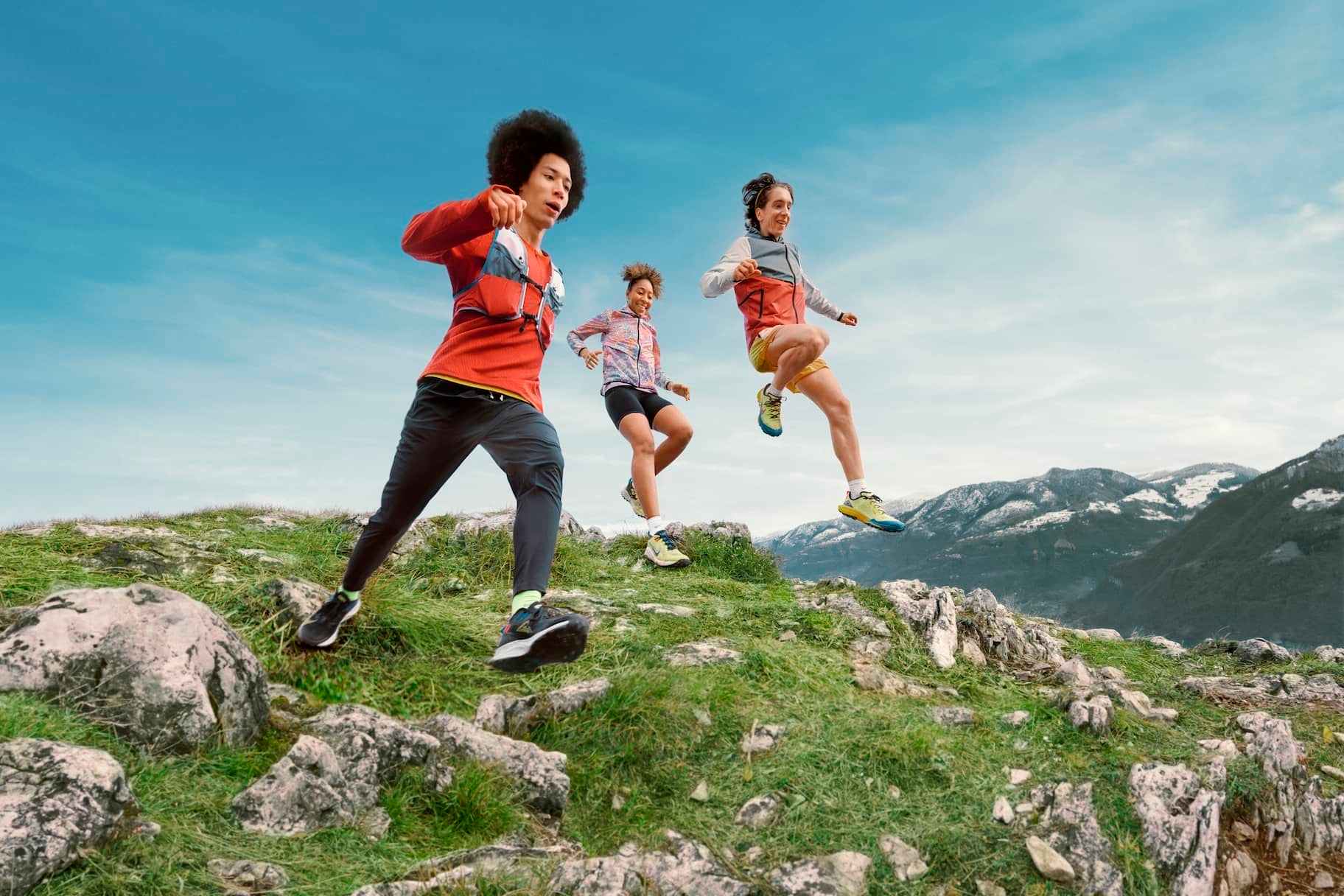
There's not much that beats the exhilaration and freedom you experience when you hit the trails for a run. [Trail running](https://www.nike.com/il/a/tackle-your-first-trail-run) challenges you physically and mentally, but it also offers a unique sensory experience that forces you to take your running game to the next level. You look for, listen to and feel changes in your surroundings that require you to respond quickly and adapt.
But these challenges also increase your risk of injury. So, it's important to train wisely and equip yourself with [essential trail-running gear](https://www.nike.com/il/a/trail-running-essential-gear) and footwear for your off-road adventures. Get a head start by choosing a pair of stable trail-running shoes.
## Shop Nike Trail-Running Shoes
[View All](https://www.nike.com/il/w/acg-trail-running-75jcnz93bsd)
- [
\
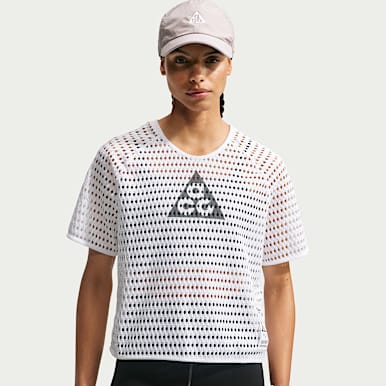
ACG Radical AirFlow
\
Women's Dri-FIT Short-Sleeve Trail Running Top
\
__₪529.9__](https://www.nike.com/il/t/acg-radical-airflow-womens-dri-fit-short-sleeve-trail-running-top-GKNdFc8a/IV5368-100)
- [
\
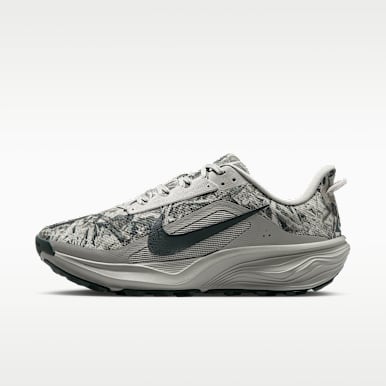
Nike ACG Pegasus Trail
\
Men's Trail-Running Shoes
\
__₪629.9__](https://www.nike.com/il/t/acg-pegasus-trail-mens-trail-running-shoes-aSvTDKgn/HV8116-301)
- [
\
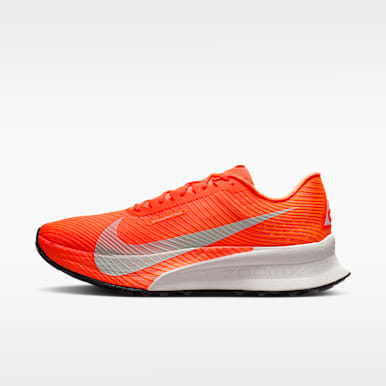
Nike ACG Ultrafly Trail
\
Trail-Racing Shoes
\
__₪739.9__
__₪1,049.9__](https://www.nike.com/il/t/acg-ultrafly-trail-racing-shoes-fFJRMV/HF5668-801)
- [
\
ACG Radical AirFlow Apex
\
Dri-FIT Bucket Hat
\
__₪279.9__](https://www.nike.com/il/t/acg-radical-airflow-apex-dri-fit-bucket-hat-TDV1aDpU/IX1855-100)
- [
\
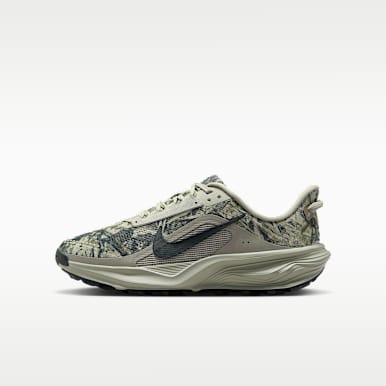
Nike ACG Pegasus Trail
\
Older Kids' Running Shoes
\
__₪449.9__](https://www.nike.com/il/t/acg-pegasus-trail-older-kids-running-shoes-YpDbQmIN/IH2305-302)
- [
\
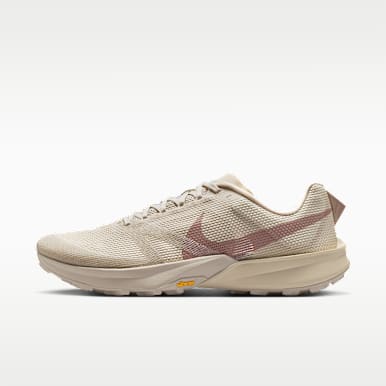
Nike Kiger 10
\
Trail-Running Shoes
\
__₪479.9__
__₪679.9__](https://www.nike.com/il/t/kiger-10-trail-running-shoes-strNHm/FV3929-105)
- [
\
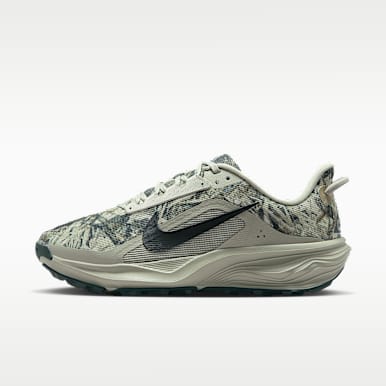
Nike ACG Pegasus Trail
\
Women's Trail-Running Shoes
\
__₪629.9__](https://www.nike.com/il/t/acg-pegasus-trail-womens-trail-running-shoes-M4no41Q2/HV8121-301)
- [
\
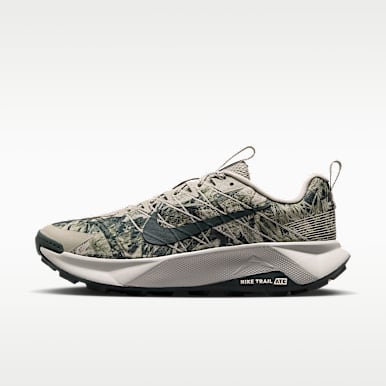
Nike Wildhorse 10
\
Men's Trail-Running Shoes
\
__₪629.9__](https://www.nike.com/il/t/wildhorse-10-mens-trail-running-shoes-2T16XN/FV2338-302)
- [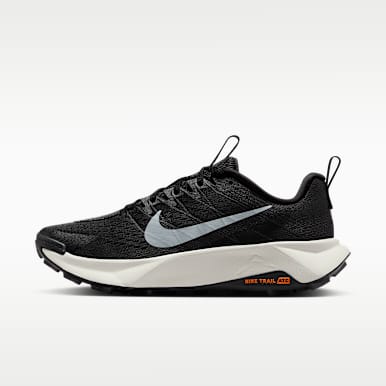
\
Nike Wildhorse 10
\
Women's Trail-Running Shoes
\
__₪629.9__](https://www.nike.com/il/t/wildhorse-10-womens-trail-running-shoes-1FLkmr/FV2337-003)
- [
\
Nike ACG Fly
\
Unstructured Cap
\
__₪114.9__
__₪159.9__](https://www.nike.com/il/t/acg-fly-unstructured-cap-bbOsKOZk/IH8673-025)
## Quick Takeaways:
- Trail-running shoes differ from road-running shoes.
- Trail-running shoes should prioritise stability, traction and fit to provide support on uneven terrain.
- Stable trail-running shoes help reduce ankle roll and lower-limb injury risk.
- Traction lugs, rock plates and supportive cushioning improve control on trails.
## The Benefits of Trail Running
Trail running can help improve your overall running performance. In fact, running in a [constantly changing and unfamiliar environment](https://www.nike.com/il/a/the-training-tip-every-runner-needs) can force you to adapt your posture, gait and leg stiffness. These biomechanical adaptations help you become a more responsive and efficient runner on the road and on the trails.
But the benefits don't end there. When you run off-road, your maximal speed generally decreases while your effort increases. Research published in the [*Journal of Experimental Biology*](https://journals.biologists.com/jeb/article/218/5/711/14624/Biomechanics-and-energetics-of-running-on-uneven)[](https://journals.biologists.com/jeb/article/218/5/711/14624/Biomechanics-and-energetics-of-running-on-uneven) found that running on rough trails requires 5% greater metabolic energy expenditure than running on smooth, hard surfaces. Researchers theorise that at least half of the increased workload is due to the mechanical work required to go up and over challenging surfaces.
Aside from physical benefits, there are also mental benefits. Study after study has linked running on trails with improved mental well-being. In fact, a [2019 research review](https://journals.sagepub.com/doi/10.1177/1363459318785675) suggested off-road running as an effective strategy for managing the pressures of urban life. And a review published in [*Extreme Physiology and Medicine*](https://extremephysiolmed.biomedcentral.com/articles/10.1186/2046-7648-2-3) suggests that exercising outdoors may reduce stress and mental fatigue and improve mood and self-esteem.
## Risks and Dangers of Running on Trails
Trail running does pose safety risks. Unstable surfaces that provide a challenge also increase your chance of injury. [One 2021 study](https://www.sciencedirect.com/science/article/abs/pii/S1466853X20305897?via%3Dihub) found that a quarter of all trail runners reported at least one running-related injury in the 12 months leading up to a popular trail-running race. The injuries primarily affected the lower limbs, specifically the knee, ankle and foot. Joint sprains, tendinopathy and muscle injuries were some of the most common amongst trail runners in the study.
So how do you reap the benefits of trail running without falling victim to the additional safety risks? [Researchers](https://journals.lww.com/acsm-msse/Fulltext/2016/10000/Effects_of_Footwear_and_Fatigue_on_Running_Economy.15.aspx) have observed that running shoe choice can play a role in running economy and biomechanical stability. One of the smartest investments may be a trail-running shoe with some stability features.
## Trail Shoe Stability vs Road Shoe Stability
Stability trail-running shoes are different from stability road-running shoes. Stability in trail-running shoes focuses on controlling foot and ankle movement on uneven ground, not correcting [overpronation](https://www.nike.com/il/a/shoes-for-overpronation) like many road stability shoes.
Stability road shoes help those who overpronate by supporting the foot's arch and providing greater support through the midsole that may also extend into the heel. If you run in a stability shoe on the road, you'll still look for stability features in a trail shoe.
Even those who run in [neutral shoes](https://www.nike.com/il/w/running-shoes-37v7jzy7ok) on the road will want to consider stability when selecting trail shoes. Stability trail-running shoes may not only help prevent you from rolling your ankle on uneven terrain, but they also provide other safety and technical features to help you tackle the trails.
## How to Choose Trail-Running Shoes
Stability is a must for trail-running shoes, but what else should you look for in a pair? There are several features that a well-designed trail-running shoe can provide to promote safety and better lower-body mechanics:
- __Rugged traction__ will help you master rocky surfaces, slick mud or any terrain that you encounter.
- __Durable protection__ from unexpected changes in weather, rough landscapes and debris.
- __Stiff and cushioned__ shoes will keep your foot secure and your ankle in alignment.
Here's a closer look at some of the features to consider when shopping for trail-running shoes.
## Traction Control
When shopping for a good trail-running shoe, you'll want to flip the shoe over and inspect the outsole. The tread patterns on the bottom of the shoe, also called traction lugs, are designed to keep you stable on any terrain you may encounter on the trails.
Multidirectional lugs improve braking on descents, while wider lug spacing helps shed mud on soft trails.
The soles should also be tough enough to protect your feet from jagged rocks or tree stumps. However, you don't want a shoe with a sole that is too heavy to be versatile.
Instead, try to find a shoe that will provide a lightweight grip for a smooth ride between trails and the road.
## Breathable Protection
You want your shoe to protect your feet from low-lying branches, rocks and other debris. Look for features like an ankle gaiter or ankle collar to hug your foot and keep dirt and debris out. Extra skin around the toe can also deliver foot protection by preventing stubbing or injury. And a segmented rock plate, which sits between the midsole and outsole, provides protection from rugged terrain while maintaining flexibility.
While good trail-running shoes provide protection, you don't want them to feel like a hiking boot. For breathability and ventilation, look for mesh on the upper.
## Secure Fit
A trail shoe often has more of a snug fit than a road shoe. You don't want the shoe so tight that the foot feels compressed, but with the extra multidirectional movement during a trail run, you want to minimise rubbing in the shoe to prevent slippage and blisters. There are a few technical features that can help.
- __A heel cup or heel cushioning__ can keep the foot secure.
- __A secure midfoot band system__, like in the [Nike Juniper Trail](https://www.nike.com/il/w/nike-juniper-trail-trail-running-shoes-75jcnz8hi7rzy7ok), can provide stability as you tackle uneven paths. The sock-like band wraps around your foot to help keep it stable.
- __Foam from heel to toe__ can provide responsive and stable cushioning for comfort and smooth transitions on rocky terrain.
## Consider the Socks
The [socks](https://www.nike.com/il/w/running-socks-37v7jz7ny3q) you wear also make a difference in how the shoes fit. Many trail runners wear thicker socks than they would wear for a run on the road, so you'll want to try shoes on with the socks you're planning on using.
Now, what makes a good [trail-running sock](https://www.nike.com/il/w/acg-socks-7ny3qz93bsd)? Often made from wool-blend fabric, the socks should be woven to provide grip within the shoe to keep your foot in place, but they should also be breathable and moisture-wicking. To avoid scrapes and abrasions, the sock should cover your ankles and at least part of your calf.
It's also a good idea to choose socks with compression for long-lasting comfort during endurance runs.
## Comparable Offset
Your shoe's offset is the difference between the base height at the heel and the base height at the toe or forefoot. It is often related to the amount of cushioning in the shoe. Shoes with more cushioning usually have a greater offset, or heel-to-toe drop.
The offset of your trail-running shoe should be similar to the offset of your road-running shoe. Why does this matter? Some trail running enthusiasts prefer a low or very low drop to feel closer to the earth. These minimalist shoes usually have an offset of less than 4 millimetres, and they encourage you to strike the ground at the midfoot or forefoot.
On the other hand, many road shoes have a moderate or maximal drop and encourage you to strike the pavement at the heel. One type of shoe is not necessarily better than the other, but quickly switching from one to the other can cause abrupt biomechanical changes that can lead to pain or injury.
## Shop Nike Running Shoes
[View All](https://www.nike.com/il/w/running-shoes-37v7jzy7ok)
- [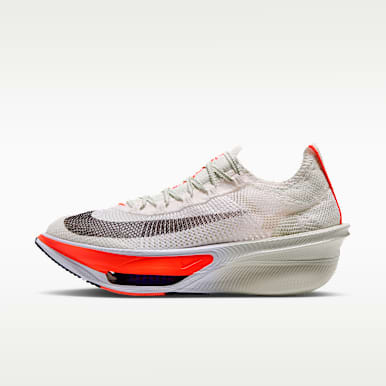
\
Nike Alphafly 4
\
Men's Road-Racing Shoes
\
__₪1,179.9__](https://www.nike.com/il/t/alphafly-4-mens-road-racing-shoes-PjKrTzaJ/IU4686-002)
- [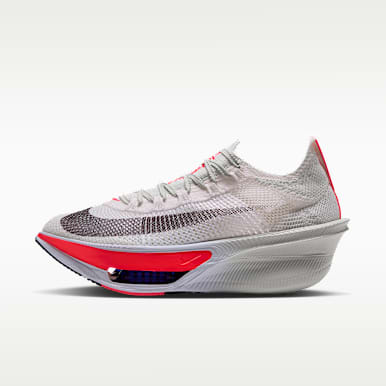
\
Nike Alphafly 4
\
Women's Road Racing Shoes
\
__₪1,179.9__](https://www.nike.com/il/t/alphafly-4-womens-road-racing-shoes-FZNvkhHk/IZ9609-002)
- [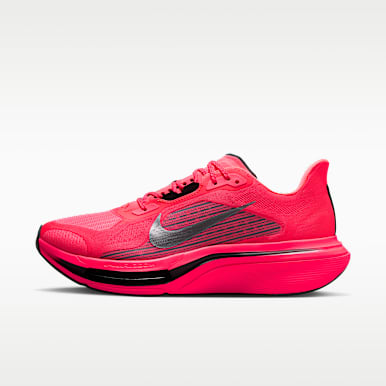
\
Nike Pegasus Plus 2
\
Men's Road Running Shoes
\
__₪729.9__](https://www.nike.com/il/t/pegasus-plus-2-mens-road-running-shoes-gYkPBFSX/IM2541-600)
- [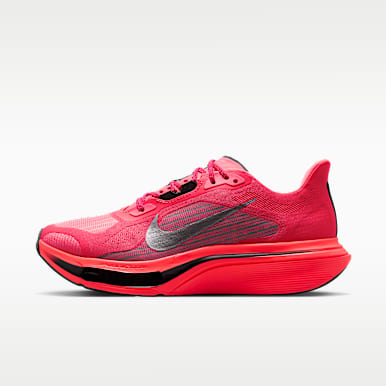
\
Nike Pegasus Plus 2
\
Women's Road Running Shoes
\
__₪729.9__](https://www.nike.com/il/t/pegasus-plus-2-womens-road-running-shoes-l2dKqRnR/IM2543-600)
- [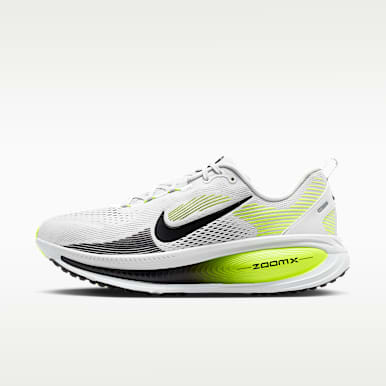
\
Nike Vomero 18
\
Men's Road Running Shoes
\
__₪679.9__](https://www.nike.com/il/t/vomero-18-mens-road-running-shoes-xK6kNz/HM6803-021)
- [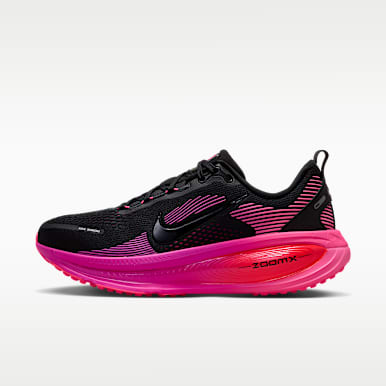
\
Nike Vomero 18
\
Women's Road Running Shoes
\
__₪679.9__](https://www.nike.com/il/t/vomero-18-womens-road-running-shoes-23S85s/HM6804-013)
- [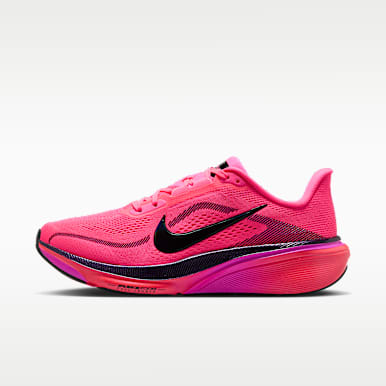
\
Nike Pegasus 42
\
Women's Road Running Shoes
\
__₪599.9__](https://www.nike.com/il/t/pegasus-42-womens-road-running-shoes-wpVbizWJ/IB1881-601)
- [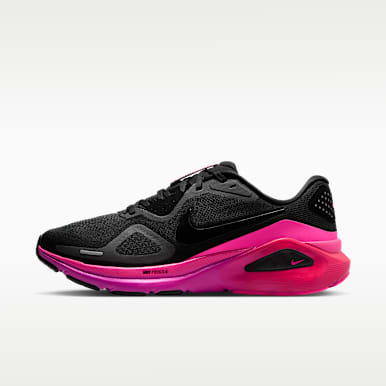
\
Nike Structure 26
\
Women's Road Running Shoes
\
__₪629.9__](https://www.nike.com/il/t/structure-26-womens-road-running-shoes-TDHq84/HJ1101-005)
- [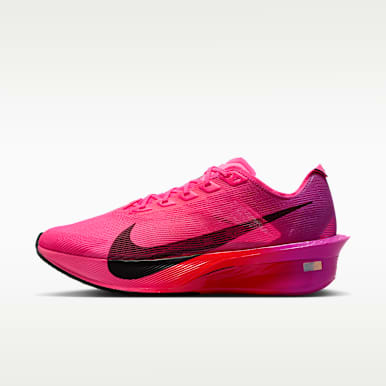
\
Nike Vaporfly 4
\
Women's Road Racing Shoes
\
__₪1,079.9__](https://www.nike.com/il/t/vaporfly-4-womens-road-racing-shoes-HL90jq/HF6412-602)
- [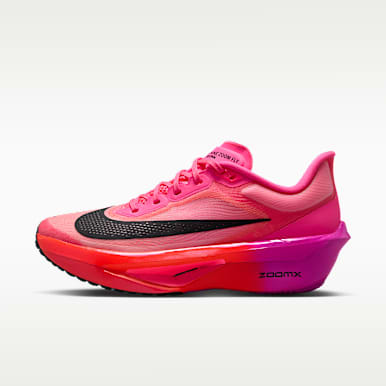
\
Nike Zoom Fly 6
\
Women's Road Racing Shoes
\
__₪729.9__](https://www.nike.com/il/t/zoom-fly-6-womens-road-racing-shoes-cv1bGl/FN8455-603)
## How Terrain Type Affects Trail Shoe Stability
Muddy trails, rocky paths and steep descents each require different stability features, from aggressive lugs to stiffer midsoles.
Outsoles with deep lugs are beneficial for muddy or wet terrain, while shorter lugs can suffice for dry, packed surfaces. If you're tackling hills, multidimensional lugs will help on descents.
For rocky terrain, you might want a shoe with a stiffer midsole to help protect your foot. The Nike Kiger 10 has a rock shield in the forefoot which provides additional protection between your foot and debris.
## Choosing the Right Trail-Running Shoes for Your Runs
While trail running can be unpredictable, the right trail-running shoe balances stability, traction and comfort for the terrain you run on most often.
For mild terrain, from road to trail, the [Nike Pegasus Trail-Running Shoes](https://www.nike.com/il/w/pegasus-trail-running-shoes-75jcnz8nexhzy7ok) should suffice. But for more technical trails that involve steep hills, mud or rocks, you'll want to consider a shoe with more traction like the [Nike Zegama 2](https://www.nike.com/il/w/nike-zegama-running-shoes-37v7jzmr31zy7ok), which has an ankle gaiter. This shoe offers maximum cushioning along with a diverse, rugged lug pattern for increased grip.
## FAQs
Do all trail runners need stability shoes?
To help protect the foot, trail runners should consider investing in trail-running shoes, which are designed for maintaining stability on rugged terrain. Stability trail-running shoes, however, are different from stability road-running shoes, which are designed to correct overpronation.
What makes trail-running shoes more stable than road shoes?
Trail-running shoes offer increased protection to keep your feet stable on uneven terrain. This includes features like traction lugs on the outsole, rock plates and supportive cushioning throughout the midsole. Road-running shoes, even those designed for stability, aren't built to stabilise you on uneven trails but to help those who overpronate when they run.
[](http://nike.com/ntc)
### Explore More Workouts on Nike Training Club
Free guidance from trainers and experts to strengthen your body and mind.
[Download](http://nike.com/ntc)
Originally published: 26 March 2026
## Related Stories
- 
[](https://www.nike.com/il/a/nike-melitta-baumeister-special-edition-release-info)
# Product News
# Melitta Baumeister's Special Edition Nike Vomero and Pegasus Premium: For Those Who Embrace...
- 
[](https://www.nike.com/il/a/most-comfortable-running-shoes)
# Buying Guide
# The Most Comfortable Running Shoes From Nike (By Cushioning Type and Use)
- 
[](https://www.nike.com/il/a/running-in-cold-weather)
# Activity
# Running in Cold Weather: Here's How To Dress, Do a Warm-up Routine and Stay Comfortable
- 
[](https://www.nike.com/il/a/what-is-cadence-running)
# Sports & Activity
# What Is a Good Running Cadence? How to Find Your Optimal Step Rate
Resources
[Find a Store](https://www.nike.com/il/retail/)
[Nike Journal](https://www.nike.com/il/stories)
[Become a Member](https://www.nike.com/il/membership)
[Feedback](https://www.nike.com#site-feedback)
[Promo Codes](https://www.nike.com/il/promo-code)
[Product Advice](https://www.nike.com/il/product-advice)
[Running Shoe Finder](https://www.nike.com/il/running/shoe-finder)
Help
[Get Help](https://www.nike.com/il/help)
[Order Status](https://www.nike.com/il/orders/details)
[Shipping and Delivery](https://www.nike.com/il/help/a/shipping-delivery-gs)
[Returns](https://www.nike.com/il/help/a/returns-policy-gs)
[Payment Options](https://www.nike.com/il/help/a/payment-options-gs)
[Contact Us](https://www.nike.com/il/help/#contact)
[Reviews](https://www.nike.com/il/help/a/reviews)
Company
[About Nike](https://about.nike.com/)
[News](https://news.nike.com/)
[Careers](https://jobs.nike.com/)
[Investors](https://investors.nike.com/)
[Sustainability](https://www.nike.com/il/sustainability)
[Accessibility](https://www.nike.com/accessibility)
[Accessibility Statement](https://www.nike.com/il/accessibility/statement)
[Purpose](https://www.nike.com/il/purpose)
[Nike Coaching](https://www.nike.com/il/coaching)
[Report a concern](https://secure.ethicspoint.com/domain/media/en/gui/56821/index.html)
Community Discounts
[Student](https://urldefense.com/v3/__https://services.sheerid.com/verify/68d55e7b273c5b3a03a5b76d/?locale=en-GB__%3B%21%21KLCbKzk%21nTvDkRbY-BbSpoWsFhAQdmMrehEzU3loDux4_exRVjO9--Ik_EbQNJ3bX2gkEwR7F9cVVROFKqLxE4B8uW6bnx4IPOiRLg%24)
[Teacher](https://urldefense.com/v3/__https://services.sheerid.com/verify/68dcfa39c3f2fd1cd3069932/?locale=en-GB__%3B%21%21KLCbKzk%21nTvDkRbY-BbSpoWsFhAQdmMrehEzU3loDux4_exRVjO9--Ik_EbQNJ3bX2gkEwR7F9cVVROFKqLxE4B8uW6bnx5n4vwR-Q%24)
[Resources](https://www.nike.com/il/help)
[Find a Store](https://www.nike.com/il/retail/)
[Nike Journal](https://www.nike.com/il/stories)
[Become a Member](https://www.nike.com/il/membership)
[Feedback](https://www.nike.com#site-feedback)
[Promo Codes](https://www.nike.com/il/promo-code)
[Product Advice](https://www.nike.com/il/product-advice)
[Running Shoe Finder](https://www.nike.com/il/running/shoe-finder)
[Help](https://www.nike.com/il/help)
[Get Help](https://www.nike.com/il/help)
[Order Status](https://www.nike.com/il/orders/details)
[Shipping and Delivery](https://www.nike.com/il/help/a/shipping-delivery-gs)
[Returns](https://www.nike.com/il/help/a/returns-policy-gs)
[Payment Options](https://www.nike.com/il/help/a/payment-options-gs)
[Contact Us](https://www.nike.com/il/help/#contact)
[Reviews](https://www.nike.com/il/help/a/reviews)
[Company](https://about.nike.com/en)
[About Nike](https://about.nike.com/)
[News](https://news.nike.com/)
[Careers](https://jobs.nike.com/)
[Investors](https://investors.nike.com/)
[Sustainability](https://www.nike.com/il/sustainability)
[Accessibility](https://www.nike.com/accessibility)
[Accessibility Statement](https://www.nike.com/il/accessibility/statement)
[Purpose](https://www.nike.com/il/purpose)
[Nike Coaching](https://www.nike.com/il/coaching)
[Report a concern](https://secure.ethicspoint.com/domain/media/en/gui/56821/index.html)
## Community Discounts
[Student](https://urldefense.com/v3/__https://services.sheerid.com/verify/68d55e7b273c5b3a03a5b76d/?locale=en-GB__%3B%21%21KLCbKzk%21nTvDkRbY-BbSpoWsFhAQdmMrehEzU3loDux4_exRVjO9--Ik_EbQNJ3bX2gkEwR7F9cVVROFKqLxE4B8uW6bnx4IPOiRLg%24)
[Teacher](https://urldefense.com/v3/__https://services.sheerid.com/verify/68dcfa39c3f2fd1cd3069932/?locale=en-GB__%3B%21%21KLCbKzk%21nTvDkRbY-BbSpoWsFhAQdmMrehEzU3loDux4_exRVjO9--Ik_EbQNJ3bX2gkEwR7F9cVVROFKqLxE4B8uW6bnx5n4vwR-Q%24)
Israel
- © 2026 Nike, Inc. All rights reserved
- Guides
- [Nike Air](https://www.nike.com/il/air)
- [Nike Air Max](https://www.nike.com/il/air-max)
- [Nike FlyEase](https://www.nike.com/il/flyease)
- [Nike Pegasus](https://www.nike.com/il/running/runningzoom-pegasus-37)
- [Nike React](https://www.nike.com/il/react)
- [Nike Vaporfly](https://www.nike.com/il/running/vaporfly)
- [Terms of Use](https://agreementservice.svs.nike.com/il/en_gb/rest/agreement?agreementType=termsOfUse&uxId=com.nike.unite&country=IL&language=en&requestType=redirect)
- [Terms of Sale](https://www.eshopworld.com/terms-and-conditions-of-sale-en/)
- [Company Details](https://www.nike.com/il/help/a/company-details)
- [Privacy & Cookie Policy](https://agreementservice.svs.nike.com/il/en_gb/rest/agreement?agreementType=privacyPolicy&uxId=com.nike.unite&country=IL&language=en&requestType=redirect)
- [Privacy & Cookie Settings](https://www.nike.com/il/en/guest/settings/privacy)
## Africa
- [__Egypt__
\
English](https://www.nike.com/eg/)
- [__Morocco__
\
English](https://www.nike.com/ma/en/)
- [__Maroc__
\
Français](https://www.nike.com/ma/)
- [__South Africa__
\
English](https://www.nike.com/za/)
## Americas
- [__Argentina__
\
Español](https://www.nike.com.ar)
- [__Brasil__
\
Português](https://www.nike.com.br)
- [__Canada__
\
English](https://www.nike.com/ca/)
- [__Canada__
\
Français](https://www.nike.com/ca/fr/)
- [__Chile__
\
Español](https://www.nike.cl)
- [__Colombia__
\
Español](https://www.nike.com.co)
- [__México__
\
Español](https://www.nike.com/mx/)
- [__Peru__
\
Español](https://www.nike.com.pe)
- [__Puerto Rico__
\
Español](https://www.nike.com/pr/)
- [__United States__
\
English](https://www.nike.com)
- [__Estados Unidos__
\
Español](https://www.nike.com/us/es/)
- [__Uruguay__
\
Español](https://www.nike.com.uy)
- [__Latin America__
\
Español](https://www.nike.com/xl/)
## Asia Pacific
- [__Australia__
\
English](https://www.nike.com/au/)
- [__中国大陆__
\
简体中文](https://www.nike.com.cn/)
- [__Hong Kong__
\
English](https://www.nike.com.hk/)
- [__香港__
\
繁體中文](https://www.nike.com.hk/)
- [__India__
\
English](https://www.nike.in/)
- [__Indonesia__
\
English](https://www.nike.com/id/)
- [__Japan__
\
English](https://www.nike.com/jp/en/)
- [__日本__
\
日本語](https://www.nike.com/jp/)
- [__대한민국__
\
한국어](https://www.nike.com/kr/)
- [__Malaysia__
\
English](https://www.nike.com/my/)
- [__New Zealand__
\
English](https://www.nike.com/nz/)
- [__Philippines__
\
English](https://www.nike.com/ph/)
- [__Singapore__
\
English](https://www.nike.com/sg/)
- [__台灣__
\
繁體中文](https://www.nike.com/tw/)
- [__ไทย__
\
ภาษาไทย](https://www.nike.com/th/)
- [__Vietnam__
\
English](https://www.nike.com/vn/)
## Europe
- [__Österreich__
\
Deutsch](https://www.nike.com/at/)
- [__Austria__
\
English](https://www.nike.com/at/en/)
- [__Belgien__
\
Deutsch](https://www.nike.com/be/de/)
- [__Belgium__
\
English](https://www.nike.com/be/en/)
- [__Belgique__
\
Français](https://www.nike.com/be/fr/)
- [__België__
\
Nederlands](https://www.nike.com/be/)
- [__Bulgaria__
\
English](https://www.nike.com/bg/)
- [__Croatia__
\
English](https://www.nike.com/hr/)
- [__Česká republika__
\
Čeština](https://www.nike.com/cz/)
- [__Czech Republic__
\
English](https://www.nike.com/cz/en/)
- [__Danmark__
\
Dansk](https://www.nike.com/dk/)
- [__Denmark__
\
English](https://www.nike.com/dk/en/)
- [__Finland__
\
English](https://www.nike.com/fi/)
- [__France__
\
Français](https://www.nike.com/fr/)
- [__Deutschland__
\
Deutsch](https://www.nike.com/de/)
- [__Ελλάδα__
\
ελληνικά](https://www.nike.com/gr/)
- [__Hungary__
\
English](https://www.nike.com/hu/en/)
- [__Magyarország__
\
Magyar](https://www.nike.com/hu/)
- [__Ireland__
\
English](https://www.nike.com/ie/)
- [__Israel__
\
English](https://www.nike.com/il/)
- [__Italia__
\
Italiano](https://www.nike.com/it/)
- [__Luxemburg__
\
Deutsch](https://www.nike.com/lu/de/)
- [__Luxembourg__
\
English](https://www.nike.com/lu/en/)
- [__Luxembourg__
\
Français](https://www.nike.com/lu/)
- [__Netherlands__
\
English](https://www.nike.com/nl/en/)
- [__Nederland__
\
Nederlands](https://www.nike.com/nl/)
- [__Norway__
\
English](https://www.nike.com/no/en/)
- [__Norge__
\
Norsk](https://www.nike.com/no/)
- [__Polska__
\
Polski](https://www.nike.com/pl/)
- [__Portugal__
\
English](https://www.nike.com/pt/en/)
- [__Portugal__
\
Português](https://www.nike.com/pt/)
- [__Romania__
\
English](https://www.nike.com/ro/)
- [__Россия__
\
Русский](https://www.nike.com/ru/)
- [__Slovakia__
\
English](https://www.nike.com/sk/)
- [__Slovenia__
\
English](https://www.nike.com/si/)
- [__Espanya__
\
Català](https://www.nike.com/es/ca/)
- [__España__
\
Español](https://www.nike.com/es/)
- [__Sweden__
\
English](https://www.nike.com/se/en/)
- [__Sverige__
\
Svenska](https://www.nike.com/se/)
- [__Schweiz__
\
Deutsch](https://www.nike.com/ch/)
- [__Switzerland__
\
English](https://www.nike.com/ch/en/)
- [__Suisse__
\
Français](https://www.nike.com/ch/fr/)
- [__Svizzera__
\
Italiano](https://www.nike.com/ch/it/)
- [__Türkiye__
\
Türkçe](https://www.nike.com/tr/)
- [__United Kingdom__
\
English](https://www.nike.com/gb/)
## Middle East
- [__Saudi Arabia__
\
English](https://www.nike.sa/en/home)
- [__المملكة العربية السعودية__
\
العربية](https://www.nike.sa/ar/home)
- [__United Arab Emirates__
\
English](https://www.nike.ae/en/home)
- [__الإمارات العربية المتحدة__
\
العربية](https://www.nike.ae/ar/home)
- [__Qatar__
\
English](https://www.nike.qa/en/home)
- [__دولة قطر__
\
العربية](https://www.nike.qa/ar/home)
- [__Kuwait__
\
English](https://www.nike.com.kw/en/home)
- [__الكويت__
\
العربية](https://www.nike.com.kw/ar/home)