[Skip to main content](https://www.nike.com#skip-to-content)
- [](https://www.nike.com/ch/en/jordan)
- [Find a Store](https://www.nike.com/ch/en/retail)
- [Help](https://www.nike.com/ch/en/help)
[Help](https://www.nike.com/ch/en/help)
- [Order Status](https://www.nike.com/ch/en/orders)
- [Dispatch and Delivery](https://www.nike.com/ch/en/help/a/shipping-delivery-gs)
- [Returns](https://www.nike.com/ch/en/help/a/returns-policy-gs)
- [Contact Us](https://www.nike.com/ch/en/help/#contact)
- [Privacy Policy](https://agreementservice.svs.nike.com/ch/en_gb/rest/agreement?agreementType=privacyPolicy&uxId=com.nike.commerce.nikedotcom.web&country=ch&language=en&requestType=redirect)
- [Terms of Sale](https://www.eshopworld.com/shoppers/help/retailer/nike/terms-and-conditions-of-sale-en/)
- [Terms of Use](https://agreementservice.svs.nike.com/ch/en_gb/rest/agreement?agreementType=termsOfUse&uxId=com.nike.unite&country=CH&language=en&requestType=redirect)
- [Send Us Feedback](https://www.nike.com#site-feedback)
- [Join Us](https://www.nike.com/ch/en/membership)
- [Sign In](https://www.nike.com/ch/en/register)
[](https://www.nike.com/ch/en/)
- [New](https://www.nike.com/ch/en/w/new-3n82y)
- [New](https://www.nike.com/ch/en/w/new-3n82y)
- [New Arrivals](https://www.nike.com/ch/en/w/new-3n82y)
- [Best Sellers](https://www.nike.com/ch/en/w/best-76m50)
- [SNKRS Launch Calendar](https://www.nike.com/gb/launch/upcoming)
- [Tennis Slam](https://www.nike.com/ch/en/w/tennis-slam-7vd60)
- [Back To School](https://www.nike.com/ch/en/w/back-to-school-840ik)
- [Highlights](https://www.nike.com/ch/en/w/new-just-in-3apgqz3n82y)
- [Jordan: Love Letter Collection](https://www.nike.com/ch/en/w/love-letter-7xkbw)
- [Best of Jordan](https://www.nike.com/ch/en/w/best-of-jordan-brand-j0oa)
- [Running: Discover Aerofit](https://www.nike.com/ch/en/w/running-clothing-37v7jz6ymx6)
- [Trending](https://www.nike.com/ch/en/w/best-76m50)
- [Hybrid Training](https://www.nike.com/ch/en/w/hybrid-training-7fx1n)
- [Marathon Shoes](https://www.nike.com/ch/en/w/marathon-distance-shoes-6vbyfzy7ok)
- [Elite Football Boots](https://www.nike.com/ch/en/w/elite-football-shoes-1gdj0z9vmnhzy7ok)
- [Sportswear Clothing](https://www.nike.com/ch/en/w/sportswear-clothing-43h4uz6ymx6)
- [Pro Football Boots](https://www.nike.com/ch/en/w/pro-football-shoes-1gdj0z2a2jzy7ok)
- [Brands](https://www.nike.com/ch/en/w/37eefz43h4uz93bsdzpgd6)
- [Nike Sportswear](https://www.nike.com/ch/en/w/lifestyle-13jrm)
- [ACG: All Conditions Gear](https://www.nike.com/ch/en/acg)
- [Jordan](https://www.nike.com/ch/en/w/jordan-37eef)
- [Kobe](https://www.nike.com/ch/en/w/kobe-pgd6)
- [NOCTA](https://www.nike.com/ch/en/w/nocta-25nhb)
- [Men](https://www.nike.com/ch/en/men)
- [Highlights](https://www.nike.com/ch/en/w/new-mens-3n82yznik1)
- [New Arrivals](https://www.nike.com/ch/en/w/new-mens-3n82yznik1)
- [Best Sellers](https://www.nike.com/ch/en/w/mens-best-76m50znik1)
- [Streetwear Clothing](https://www.nike.com/ch/en/w/streetwear-clothing-97qn8)
- [Tennis Slam](https://www.nike.com/ch/en/w/mens-tennis-slam-7vd60znik1)
- [Back To School](https://www.nike.com/ch/en/w/mens-back-to-school-840ikznik1)
- [Shoes](https://www.nike.com/ch/en/w/mens-shoes-nik1zy7ok)
- [All Shoes](https://www.nike.com/ch/en/w/mens-shoes-nik1zy7ok)
- [Lifestyle](https://www.nike.com/ch/en/w/mens-lifestyle-shoes-13jrmznik1zy7ok)
- [Jordan](https://www.nike.com/ch/en/w/mens-jordan-shoes-37eefznik1zy7ok)
- [Running](https://www.nike.com/ch/en/w/mens-running-shoes-37v7jznik1zy7ok)
- [Football](https://www.nike.com/ch/en/w/mens-football-shoes-1gdj0znik1zy7ok)
- [Basketball](https://www.nike.com/ch/en/w/mens-basketball-shoes-3glsmznik1zy7ok)
- [Training and Gym](https://www.nike.com/ch/en/w/mens-training-gym-shoes-58jtoznik1zy7ok)
- [Skateboarding](https://www.nike.com/ch/en/w/mens-skateboarding-shoes-8mfrfznik1zy7ok)
- [Custom Shoes](https://www.nike.com/ch/en/w/mens-nike-by-you-shoes-6ealhznik1zy7ok)
- [Clothing](https://www.nike.com/ch/en/w/mens-clothing-6ymx6znik1)
- [All Clothing](https://www.nike.com/ch/en/w/mens-clothing-6ymx6znik1)
- [Hoodies and Sweatshirts](https://www.nike.com/ch/en/w/mens-hoodies-sweatshirts-6riveznik1)
- [Tops and T-Shirts](https://www.nike.com/ch/en/w/mens-tops-t-shirts-9om13znik1)
- [Kits and Jerseys](https://www.nike.com/ch/en/w/mens-football-kits-jerseys-1gdj0z3a41eznik1)
- [Shorts](https://www.nike.com/ch/en/w/mens-shorts-38fphznik1)
- [Trousers and Tights](https://www.nike.com/ch/en/w/mens-trousers-tights-2kq19znik1)
- [Tracksuits](https://www.nike.com/ch/en/w/mens-tracksuits-1ll2wznik1)
- [Jackets](https://www.nike.com/ch/en/w/mens-jackets-gilets-50r7yznik1)
- [Accessories](https://www.nike.com/ch/en/w/mens-accessories-equipment-awwpwznik1)
- [Sport](https://www.nike.com/ch/en/w/mens-performance-3k7dgznik1)
- [Running](https://www.nike.com/ch/en/running)
- [Football](https://www.nike.com/ch/en/football)
- [Basketball](https://www.nike.com/ch/en/basketball)
- [Training and Gym](https://www.nike.com/ch/en/training)
- [Tennis](https://www.nike.com/ch/en/tennis)
- [Skateboarding](https://www.nike.com/ch/en/w/mens-skateboarding-8mfrfznik1)
- [Golf](https://www.nike.com/ch/en/golf)
- Brands
- [Nike Sportswear](https://www.nike.com/ch/en/w/mens-lifestyle-13jrmznik1)
- [ACG: All Conditions Gear](https://www.nike.com/ch/en/acg)
- [Jordan](https://www.nike.com/ch/en/w/mens-jordan-37eefznik1)
- [Kobe](https://www.nike.com/ch/en/w/mens-kobe-nik1zpgd6)
- [NOCTA](https://www.nike.com/ch/en/w/mens-nocta-25nhbznik1)
- [Women](https://www.nike.com/ch/en/women)
- [Highlights](https://www.nike.com/ch/en/w/new-womens-3n82yz5e1x6)
- [New Arrivals](https://www.nike.com/ch/en/w/new-womens-3n82yz5e1x6)
- [Best Sellers](https://www.nike.com/ch/en/w/womens-best-5e1x6z76m50)
- [Nike Fleece Essentials](https://www.nike.com/ch/en/w/womens-nike-studio-fleece-clothing-5e1x6z6ymx6zs531)
- [Style By Moon Shoe](https://www.nike.com/ch/en/nike-style-by)
- [Tennis Slam](https://www.nike.com/ch/en/w/womens-tennis-slam-5e1x6z7vd60)
- [Back To School](https://www.nike.com/ch/en/w/womens-back-to-school-5e1x6z840ik)
- [Shoes](https://www.nike.com/ch/en/w/womens-shoes-5e1x6zy7ok)
- [All Shoes](https://www.nike.com/ch/en/w/womens-shoes-5e1x6zy7ok)
- [Lifestyle](https://www.nike.com/ch/en/w/womens-lifestyle-shoes-13jrmz5e1x6zy7ok)
- [Jordan](https://www.nike.com/ch/en/w/womens-jordan-shoes-37eefz5e1x6zy7ok)
- [Running](https://www.nike.com/ch/en/w/womens-running-shoes-37v7jz5e1x6zy7ok)
- [Training and Gym](https://www.nike.com/ch/en/w/womens-training-gym-shoes-58jtoz5e1x6zy7ok)
- [Football](https://www.nike.com/ch/en/w/womens-football-shoes-1gdj0z5e1x6zy7ok)
- [Custom Shoes](https://www.nike.com/ch/en/w/womens-nike-by-you-shoes-5e1x6z6ealhzy7ok)
- [Clothing](https://www.nike.com/ch/en/w/womens-clothing-5e1x6z6ymx6)
- [All Clothing](https://www.nike.com/ch/en/w/womens-clothing-5e1x6z6ymx6)
- [Hoodies and Sweatshirts](https://www.nike.com/ch/en/w/womens-hoodies-sweatshirts-5e1x6z6rive)
- [Tops and T-Shirts](https://www.nike.com/ch/en/w/womens-tops-t-shirts-5e1x6z9om13)
- [Shorts](https://www.nike.com/ch/en/w/womens-shorts-38fphz5e1x6)
- [Leggings](https://www.nike.com/ch/en/w/womens-tights-leggings-29sh2z5e1x6)
- [Trousers](https://www.nike.com/ch/en/w/womens-trousers-tights-2kq19z5e1x6)
- [Matching Sets](https://www.nike.com/ch/en/w/womens-matching-sets-2lukpz5e1x6)
- [Jackets](https://www.nike.com/ch/en/w/womens-jackets-gilets-50r7yz5e1x6)
- [Sports Bras](https://www.nike.com/ch/en/w/womens-sports-bras-40qgmz5e1x6)
- [Accessories](https://www.nike.com/ch/en/w/womens-accessories-equipment-5e1x6zawwpw)
- [Sport](https://www.nike.com/ch/en/w/womens-performance-3k7dgz5e1x6)
- [Training and Gym](https://www.nike.com/ch/en/training)
- [Running](https://www.nike.com/ch/en/running)
- [Football](https://www.nike.com/ch/en/football)
- [Basketball](https://www.nike.com/ch/en/basketball)
- [Tennis](https://www.nike.com/ch/en/tennis)
- [Skateboarding](https://www.nike.com/ch/en/w/womens-skateboarding-5e1x6z8mfrf)
- [Golf](https://www.nike.com/ch/en/golf)
- Brands
- [NikeSKIMS](https://www.nike.com/ch/en/nikeskims)
- [Nike Sportswear](https://www.nike.com/ch/en/w/womens-lifestyle-13jrmz5e1x6)
- [ACG: All Conditions Gear](https://www.nike.com/ch/en/acg)
- [Jordan](https://www.nike.com/ch/en/w/womens-jordan-37eefz5e1x6)
- [Kobe](https://www.nike.com/ch/en/w/womens-kobe-5e1x6zpgd6)
- [Kids](https://www.nike.com/ch/en/kids)
- [Highlights](https://www.nike.com/ch/en/w/new-kids-3n82yzv4dh)
- [New Arrivals](https://www.nike.com/ch/en/w/new-kids-3n82yzv4dh)
- [Best Sellers](https://www.nike.com/ch/en/w/kids-best-76m50zv4dh)
- [Teen Destination](https://www.nike.com/ch/en/teens)
- [Nike x LEGO® Collection](https://www.nike.com/ch/en/lego)
- [Back To School](https://www.nike.com/ch/en/w/kids-back-to-school-840ikzv4dh)
- [Shoes](https://www.nike.com/ch/en/w/kids-shoes-v4dhzy7ok)
- [All Shoes](https://www.nike.com/ch/en/w/kids-shoes-v4dhzy7ok)
- [Lifestyle](https://www.nike.com/ch/en/w/kids-lifestyle-shoes-13jrmzv4dhzy7ok)
- [Jordan](https://www.nike.com/ch/en/w/kids-jordan-shoes-37eefzv4dhzy7ok)
- [Football](https://www.nike.com/ch/en/w/kids-football-shoes-1gdj0zv4dhzy7ok)
- [Running](https://www.nike.com/ch/en/w/kids-running-shoes-37v7jzv4dhzy7ok)
- [Basketball](https://www.nike.com/ch/en/w/kids-basketball-shoes-3glsmzv4dhzy7ok)
- [Physical Education](https://www.nike.com/ch/en/w/kids-performance-shoes-3k7dgzv4dhzy7ok)
- [Clothing](https://www.nike.com/ch/en/w/kids-clothing-6ymx6zv4dh)
- [All Clothing](https://www.nike.com/ch/en/w/kids-clothing-6ymx6zv4dh)
- [Hoodies and Sweatshirts](https://www.nike.com/ch/en/w/kids-hoodies-sweatshirts-6rivezv4dh)
- [Tops and T-Shirts](https://www.nike.com/ch/en/w/kids-tops-t-shirts-9om13zv4dh)
- [Kits & Jerseys](https://www.nike.com/ch/en/w/kids-football-kits-jerseys-1gdj0z3a41ezv4dh)
- [Tracksuits](https://www.nike.com/ch/en/w/kids-tracksuits-1ll2wzv4dh)
- [Shorts](https://www.nike.com/ch/en/w/kids-shorts-38fphzv4dh)
- [Trousers and Leggings](https://www.nike.com/ch/en/w/kids-trousers-tights-2kq19zv4dh)
- [Matching Sets](https://www.nike.com/ch/en/w/kids-matching-sets-2lukpzv4dh)
- [Jackets](https://www.nike.com/ch/en/w/kids-jackets-gilets-50r7yzv4dh)
- [Accessories](https://www.nike.com/ch/en/w/kids-accessories-equipment-awwpwzv4dh)
- [Kids by age](https://www.nike.com/ch/en/w/kids-v4dh)
- [Teens (13–17 years)](https://www.nike.com/ch/en/w/teen-collection-6hgue)
- [Older Kids (7–12 years)](https://www.nike.com/ch/en/w/older-kids-agibjzv4dh)
- [Younger Kids (3–7 years)](https://www.nike.com/ch/en/w/little-kids-6dacezv4dh)
- [Baby & Toddler (0–3 years)](https://www.nike.com/ch/en/w/baby-toddlers-kids-2j488zv4dh)
- [Sport](https://www.nike.com/ch/en/w/kids-performance-3k7dgzv4dh)
- [Running](https://www.nike.com/ch/en/w/kids-running-37v7jzv4dh)
- [Football](https://www.nike.com/ch/en/w/kids-football-1gdj0zv4dh)
- [Basketball](https://www.nike.com/ch/en/w/kids-basketball-3glsmzv4dh)
- [Physical Education](https://www.nike.com/ch/en/w/kids-training-gym-58jtozv4dh)
- [Skateboarding](https://www.nike.com/ch/en/w/skateboarding-8mfrf)
- [Sport](https://www.nike.com/ch/en/lockerroom)
- [Highlights](https://www.nike.com/ch/en/w/new-performance-3k7dgz3n82y)
- [New Arrivals](https://www.nike.com/ch/en/w/new-performance-3k7dgz3n82y)
- [Best Sellers](https://www.nike.com/ch/en/w/best-performance-3k7dgz76m50)
- [Jordan Basketball](https://www.nike.com/ch/en/w/jordan-basketball-37eefz3glsm)
- [Running: Discover Aerofit](https://www.nike.com/ch/en/w/running-clothing-37v7jz6ymx6)
- [Running](https://www.nike.com/ch/en/running)
- [All Running](https://www.nike.com/ch/en/w/running-37v7j)
- [Shoes](https://www.nike.com/ch/en/w/running-shoes-37v7jzy7ok)
- [Clothing](https://www.nike.com/ch/en/w/running-clothing-37v7jz6ymx6)
- [Accessories](https://www.nike.com/ch/en/w/running-accessories-equipment-37v7jzawwpw)
- [Football](https://www.nike.com/ch/en/football)
- [All Football](https://www.nike.com/ch/en/w/football-1gdj0)
- [Shoes](https://www.nike.com/ch/en/w/football-shoes-1gdj0zy7ok)
- [Clothing](https://www.nike.com/ch/en/w/football-clothing-1gdj0z6ymx6)
- [Accessories](https://www.nike.com/ch/en/w/football-accessories-equipment-1gdj0zawwpw)
- [Training and Gym](https://www.nike.com/ch/en/training)
- [All Training and Gym](https://www.nike.com/ch/en/w/training-gym-58jto)
- [Shoes](https://www.nike.com/ch/en/w/training-gym-shoes-58jtozy7ok)
- [Clothing](https://www.nike.com/ch/en/w/training-gym-clothing-58jtoz6ymx6)
- [Accessories](https://www.nike.com/ch/en/w/training-gym-accessories-equipment-58jtozawwpw)
- [More Sports](https://www.nike.com/ch/en/w/performance-3k7dg)
- [All Sport](https://www.nike.com/ch/en/w/performance-3k7dg)
- [Basketball](https://www.nike.com/ch/en/basketball)
- [Outdoor](https://www.nike.com/ch/en/w/acg-93bsd)
- [Tennis](https://www.nike.com/ch/en/tennis)
- [Nike SB](https://www.nike.com/ch/en/w/skateboarding-8mfrf)
- [Golf](https://www.nike.com/ch/en/golf)
- [NikeSKIMS](https://www.nike.com/ch/en/nikeskims)
- [NikeSKIMS Guides](https://www.nike.com/ch/en/nikeskims-lookbook)
- [NikeSKIMS Lookbook](https://www.nike.com/ch/en/nikeskims-lookbook)
- [NikeSKIMS Bra Guide](https://www.nike.com/ch/en/nikeskims-bra-guide)
- [NikeSKIMS Collection Guide](https://www.nike.com/ch/en/nikeskims-collection-guide)
- [Clothing](https://www.nike.com/ch/en/w/nikeskims-b2asd)
- [All Clothing](https://www.nike.com/ch/en/w/nikeskims-clothing-6ymx6zb2asd)
- [Bras](https://www.nike.com/ch/en/w/nikeskims-sports-bras-40qgmzb2asd)
- [Tops and Tanks](https://www.nike.com/ch/en/w/nikeskims-tops-t-shirts-9om13zb2asd)
- [Leggings](https://www.nike.com/ch/en/w/nikeskims-tights-leggings-29sh2zb2asd)
- [Shorts](https://www.nike.com/ch/en/w/nikeskims-shorts-38fphzb2asd)
- [Shoes](https://www.nike.com/ch/en/w/nikeskims-shoes-b2asdzy7ok)
- [Accessories](https://www.nike.com/ch/en/w/nikeskims-accessories-equipment-awwpwzb2asd)
- [Collections](https://www.nike.com/ch/en/nikeskims-collection-guide)
- [All Collections](https://www.nike.com/ch/en/w/nikeskims-b2asd)
- [Shine](https://www.nike.com/ch/en/w/nikeskims-nikeskims-shine-aq8qbzb2asd)
- [Matte](https://www.nike.com/ch/en/w/nikeskims-nikeskims-matte-5s3enzb2asd)
- [Airy](https://www.nike.com/ch/en/w/nikeskims-nikeskims-airy-5c1qqzb2asd)
- [Ribbed Seamless](https://www.nike.com/ch/en/w/nikeskims-nikeskims-seamless-6lh4szb2asd)
- [Stretch Knit](https://www.nike.com/ch/en/w/nikeskims-nikeskims-stretch-knit-21jwlzb2asd)
- [Studio Stretch](https://www.nike.com/ch/en/w/nikeskims-studio-stretch-admbq)
- [Stretch Nylon](https://www.nike.com/ch/en/w/nikeskims-stretch-nylon-7sut9)
- [Weightless](https://www.nike.com/ch/en/w/nikeskims-nikeskims-weightless-4csx8zb2asd)
- [Shop By Color](https://www.nike.com/ch/en/w/nikeskims-b2asd)
- [Obsidian](https://www.nike.com/ch/en/w/nikeskims-black-90poyzb2asd)
- [Dark Sepia](https://www.nike.com/ch/en/w/nikeskims-dark-sepia-81pvm)
- [Phoenix](https://www.nike.com/ch/en/w/nikeskims-phoenix-1jhtj)
- [Cobalt](https://www.nike.com/ch/en/w/nikeskims-blue-8hfx3zb2asd)
- [Ivory](https://www.nike.com/ch/en/w/nikeskims-white-4g797zb2asd)
Cancel
Cancel
Popular Search Terms
[football boots](https://www.nike.com/ch/en/w?q=football%20boots&vst=football%20boots)[nike mind](https://www.nike.com/ch/en/w?q=nike%20mind&vst=nike%20mind)[basketball shoes](https://www.nike.com/ch/en/w?q=basketball%20shoes&vst=basketball%20shoes)[shoes](https://www.nike.com/ch/en/w?q=shoes&vst=shoes)[air force 1](https://www.nike.com/ch/en/w?q=air%20force%201&vst=air%20force%201)[acg](https://www.nike.com/ch/en/w?q=acg&vst=acg)[backpack](https://www.nike.com/ch/en/w?q=backpack&vst=backpack)[nike tech](https://www.nike.com/ch/en/w?q=nike%20tech&vst=nike%20tech)
[](https://www.nike.com/ch/en/favorites "Favourites")[](https://www.nike.com/ch/en/cart "Bag Items: 0")
# 9 Yoga Poses for Full-Body Flexibility
##### Activity
Loosen tight muscles and improve mobility with these yoga poses for flexibility. Learn how daily practice can increase range of motion and reduce stress.
Last updated: 17 December 2025
7 min read
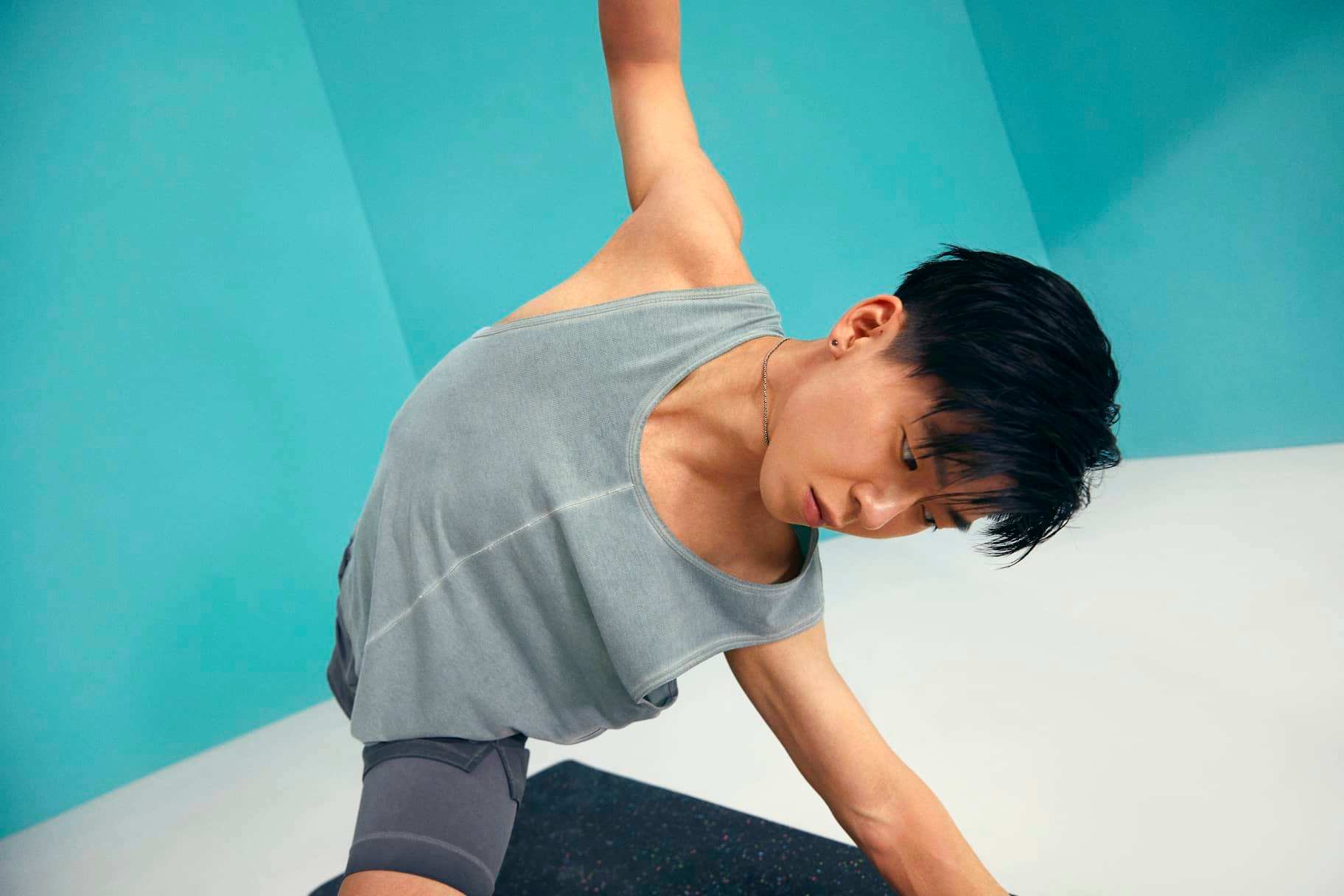
Improving flexibility through yoga takes consistency and gradual progression, not contortion. As you utilise yoga for flexibility, you'll tap into benefits that support your health, including reduced injury risk and better joint mobility, while also [reducing stress](https://www.nike.com/ch/en/a/yoga-poses-stress) and boosting recovery. More good news: just 10 to 20 minutes a day with key yoga poses can make a big difference in improving flexibility fast.
Consider these nine yoga poses to help release tension in tight areas like your hips, hamstrings and shoulders, helping you move with ease and prevent injury.
__Yoga for Flexibility at a Glance__
- Focus: yoga poses for tight hips, hamstrings and shoulders
- Level: beginner to intermediate
- Time: 10 to 20 minutes
- Benefits: improved mobility, posture and relaxation
## Shop Nike Yoga Trousers & Leggings
[View All](https://www.nike.com/ch/en/w/yoga-trousers-tights-2kq19zanrlj)
- [
\
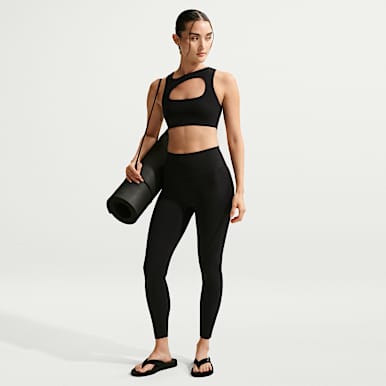
Nike Zenvy
\
Women's High-Waisted 7/8 Leggings with No Front Seam
\
__CHF 115__](https://www.nike.com/ch/en/t/zenvy-womens-high-waisted-7-8-leggings-with-no-front-seam-ZKWHnk3u/II5233-010)
- [
\
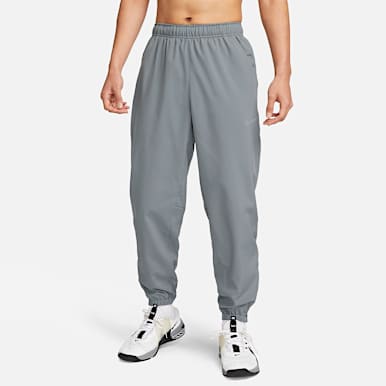
Nike Form
\
Men's Dri-FIT Tapered Versatile Trousers
\
__CHF 75__](https://www.nike.com/ch/en/t/form-mens-dri-fit-tapered-versatile-trousers-mXVwFQ/FB7497-084)
- [
\
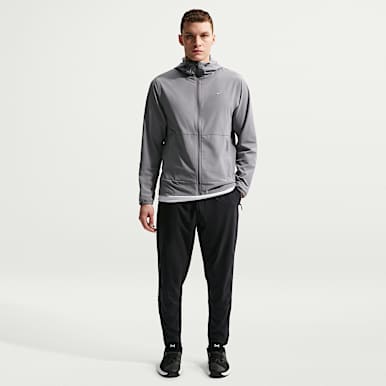
Nike Unlimited
\
Men's Dri-FIT Zip Cuff Versatile Trousers
\
__CHF 94.95__](https://www.nike.com/ch/en/t/unlimited-mens-dri-fit-zip-cuff-versatile-trousers-n1txtv/FB7548-010)
- [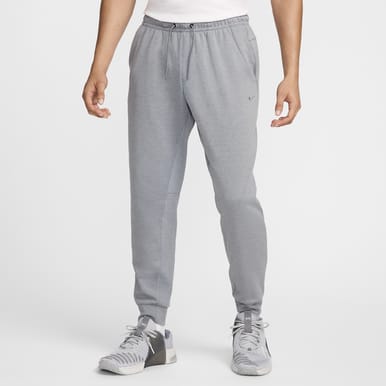
\
Nike Primary Fleece
\
Men's Dri-FIT UV Performance Joggers
\
__CHF 94.95__](https://www.nike.com/ch/en/t/primary-fleece-mens-dri-fit-uv-performance-joggers-pWqvWT/FZ0975-065)
- [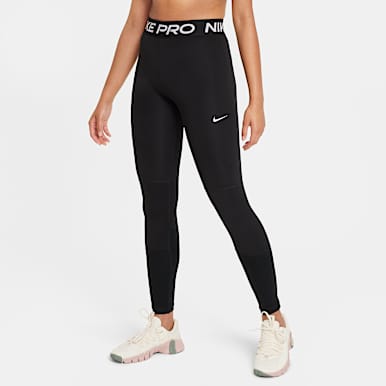
\
Nike Pro Dri-FIT
\
Older Kids' (Girls') Leggings
\
__CHF 42__](https://www.nike.com/ch/en/t/pro-dri-fit-older-kids-girls-leggings-wxSxF3/DA1028-010)
- [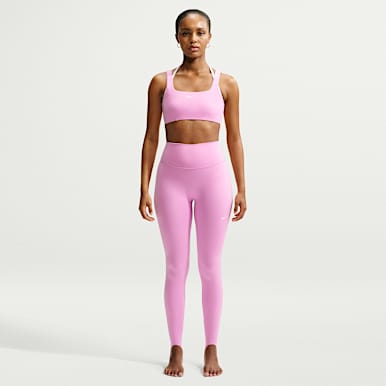
\
Nike One
\
Women's High-Waisted Full-Length Stirrup Leggings
\
__CHF 64.95__](https://www.nike.com/ch/en/t/one-womens-high-waisted-full-length-stirrup-leggings-mIi96smO/IV4933-621)
- [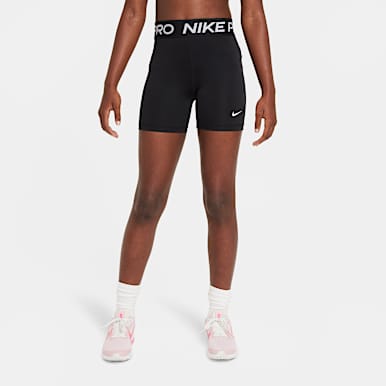
\
Nike Pro
\
Girls' Shorts
\
__CHF 32__](https://www.nike.com/ch/en/t/pro-girls-shorts-WMRh0g/DA1033-010)
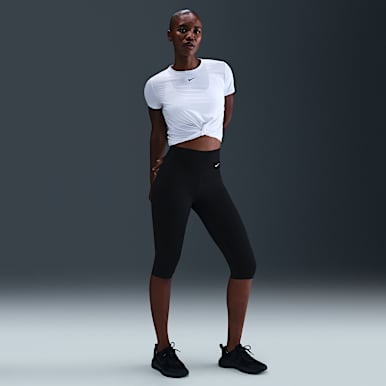
- [
\
Nike One
\
Women's High-Waisted Capri Leggings
\
__CHF 52__](https://www.nike.com/ch/en/t/one-womens-high-waisted-capri-leggings-XMn4p2/IH3770-010)
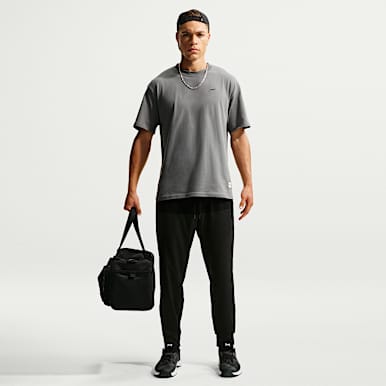
- [
\
Nike Primary NanoKnit
\
Men's Dri-FIT UV Protection Performance Jogging Bottoms
\
__CHF 94.95__](https://www.nike.com/ch/en/t/primary-nanoknit-mens-dri-fit-uv-protection-performance-jogging-bottoms-E44VLiki/II1312-010)
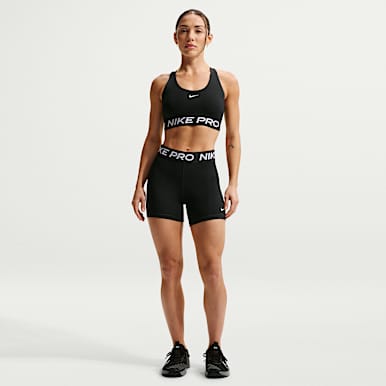
- [
\
Nike Pro 365
\
Women's 13cm (approx.) Shorts (Plus Size)
\
__CHF 30.99__
__CHF 35__](https://www.nike.com/ch/en/t/pro-365-womens-13cm-approx-shorts-plus-size-KBVD4f/CZ9831-010)
## How to Use This Routine
When working on getting more flexibility, [strength](https://www.nike.com/ch/en/a/best-yoga-poses-strength) and mobility through yoga, try to get in three to four of these poses daily, holding each for 30 to 60 seconds. You can [also flow through all nine](https://www.nike.com/ch/en/a/vinyasa-yoga-benefits) for a full-body mobility session. Either approach is helpful as beginner yoga stretches, as a [warm-up before a more intense workout](https://www.nike.com/ch/en/a/yoga-warmup-poses-for-circulation) or as a way to increase flexibility through yoga over a series of weeks.
## Best Yoga Poses for Flexibility
Although all yoga poses can assist with flexibility and mobility in some way, certain poses are particularly helpful for alleviating tightness in the hips, hamstrings and shoulders—areas that can limit your range of motion when there's reduced flexibility. Here are nine poses that provide more opening and stretch in these key areas.
## Reclined Hand-to-Big-Toe Pose (Supta Padangusthasana)
Opens hamstrings and calves.
- Lie on your back with your knees bent and feet flat on the floor.
- Raise your right knee and loop a yoga strap around the bottom of your right foot.
- Extend the left leg flat along the floor.
- Lift your right leg slowly to the sky and keep your leg as straight as possible while flexing your foot. You should feel this in your hamstrings, hips and calves.
- Don't worry about how high you lift your leg. The point is to try to keep it as straight as possible while you hold on to the sides of the strap with your hands.
- After a few breaths, slowly lower your right leg, switch the strap to the left leg and repeat.
## Cobra Pose (Bhujangasana)
Increases spinal flexibility and [back strength](https://www.nike.com/ch/en/a/yoga-for-back-pain-relief).
- Lie face down on the ground. With your elbows bent, place your hands flat on the floor directly underneath your shoulders.
- As you inhale, press your torso up slowly off the floor with your neck in a neutral position—your gaze should stay on the floor, rather than looking up.
- Exhale as you release and move back down to put your chest to the floor.
- Repeat several times.
__Tip__: if you're a beginner or have back pain, you may want to try Baby Cobra first. In Baby Cobra, your elbows are bent and held next to your ribs, as you slowly push up halfway, rather than straightening your arms completely.
## Bow Pose (Dhanurasana)
Deep front-body opener.
- Begin on your stomach, with your hands next to your sides, palms facing up.
- Bend your knees and bring your heels towards your butt.
- Reach back with your hands and grab onto your ankles.
- If you're unable to reach back with your hands, use a yoga strap, sheet or thin towel.
- On an inhale, slowly lift your thighs off the floor and pull your heels away from your glutes. This will naturally lift your chest and pull your shoulders back.
## Eagle Pose (Garudasana)
Improves balance and stretches shoulders.
- Start standing with your feet flat on the ground and your arms by your side.
- Optional: lift your left foot and cross it over your right shin, then squat down while keeping your spine straight.
- Cross your left arm underneath your right and bend your elbows so your hands move towards your face.
- Your forearms should be perpendicular to the floor.
- At this point, you should feel a stretch in your shoulder blades.
- Make sure your fingers are pointing to the ceiling.
- Squeeze your arms and press your palms together.
- Stay in this position for 15 to 30 seconds, then switch legs and arms.
__Tip:__ you may only want to cross your arms initially and practise the balance portion with crossed legs another time.
## Standing Forward Fold (Uttanasana)
Lengthens hamstrings and releases back tension.
- Stand with your feet flat on the floor and hands on your hips.
- Exhale and bend forwards from the hips, not the waist. Keep your knees straight (not locked out), but bend them slightly as necessary.
- Place your palms or fingertips on the floor or put your hands behind your neck to give your torso more weight for a deeper stretch.
- Let your head hang so your gaze is between your thighs.
- Stay in the pose for 30 to 60 seconds.
__Tip:__ when you fold forwards, make sure your hips are over your ankles and slightly bend your knees (or bend them a lot if you feel too much of a strain on your hamstrings). While you're in this pose, use your hands to grab opposite elbows and let your torso hang as you sway side to side.
## Seated Wide-Legged Fold (Upavistha Konasana)
Opens inner thighs and hips.
- Start in a sitting pose on the ground with your legs spread in a wide "V" in front of you.
- Lift your arms over your head and keep your back straight as you bend forwards.
- Breathe out.
- Reach your hands towards your feet. Grab your shins or ankles if you can't quite reach your feet.
- You can also use a strap over each foot to pull your torso closer to your feet.
- Breathe in and reach for your feet or toes as you breathe out.
## Downward-Facing Dog (Adho Mukha Svanasana)
Stretches hamstrings, calves and shoulders.
- Start in a tabletop position on all fours—hands under shoulders and knees under hips.
- Lift your knees from the floor so your legs are straight and your feet are flat on the floor.
- Your arms should be straight too, with palms flat on the floor.
- Your biceps should be next to your ears and you should feel the stretch in your shoulder blades.
- Pedal out your feet slowly so your heels alternate touching the floor.
- Breathe in and out and stay inverted for at least five breaths.
## Pyramid Pose (Parsvottanasana)
Deep hamstring stretch with hip alignment.
- From downward-facing dog (see above), step your right foot so it's between your hands and you're in a runner's lunge. Both feet should face the front of the mat.
- Lower your left heel and rotate it out about 45 degrees.
- Straighten both legs as much as you can, and with a flat back, move your forehead towards your right shin as you inhale. (Use blocks to rest your hands on, if needed.)
- Exhale and move your torso closer to your right knee.
- Repeat for five breaths before switching legs.
## Pigeon Pose (Eka Pada Rajakapotasana)
Releases hip tension and improves mobility.
- Start in downward-facing dog (see above) and lift your right leg up towards the ceiling.
- Bring that leg forwards towards your hands and move your right knee to the floor, placing it on the outside of your right hand, and your right foot behind your left hand. Your shin should be perpendicular to your body.
- Lower your left knee to the mat, making sure that your left foot is pointing straight back.
- Square your hips to the front of your yoga mat.
- Slowly move your torso down and fold over your right leg.
- Reach your forehead towards the floor.
- Breathe for five breaths, then switch legs.
__Tip__: if your front leg and glutes don't quite touch the floor, use a block or padding underneath your hips to provide cushion and support.
## Shop Nike Yoga Clothing and Equipment
[View All](https://www.nike.com/ch/en/w/yoga-anrlj)
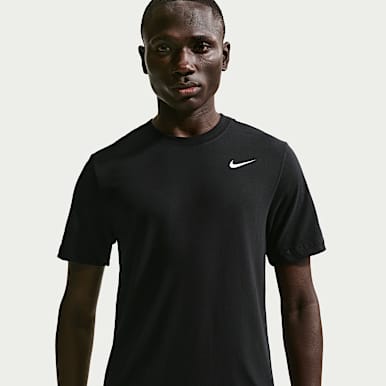
- [
\
Nike Dri-FIT
\
Men's Fitness T-Shirt
\
__CHF 37__](https://www.nike.com/ch/en/t/dri-fit-mens-fitness-t-shirt-0VRmcF/AR6029-010)
- [
\
Nike Zenvy
\
Women's High-Waisted 7/8 Leggings with No Front Seam
\
__CHF 115__](https://www.nike.com/ch/en/t/zenvy-womens-high-waisted-7-8-leggings-with-no-front-seam-ZKWHnk3u/II5233-010)
- [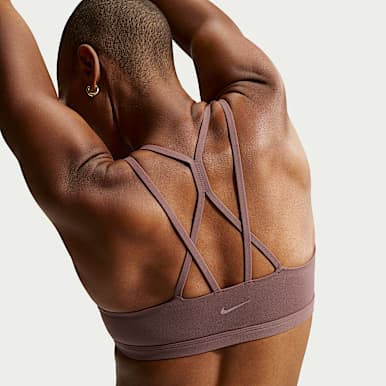
\
Nike Zenvy Strappy
\
Women's Light-Support Padded Sports Bra
\
__CHF 64.95__](https://www.nike.com/ch/en/t/zenvy-strappy-womens-light-support-padded-sports-bra-u7GJu1RK/IB9847-502)
- [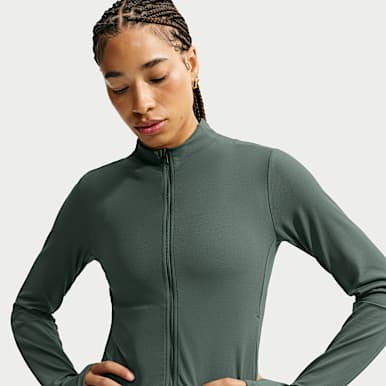
\
Nike Zenvy
\
Women's Dri-FIT Full-Zip Jacket
\
__CHF 110__](https://www.nike.com/ch/en/t/zenvy-womens-dri-fit-full-zip-jacket-HpGBawKZ/II3927-303)
- [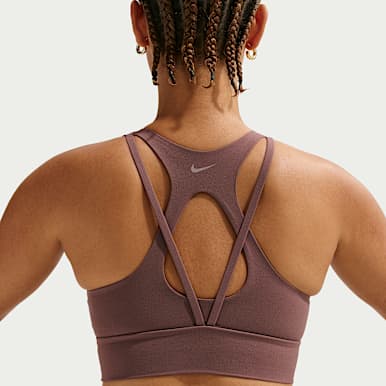
\
Nike Zenvy
\
Women's Light-Support Padded Longline Sports Bra
\
__CHF 70__](https://www.nike.com/ch/en/t/zenvy-womens-light-support-padded-longline-sports-bra-ZTORokz7/IB9861-502)
- [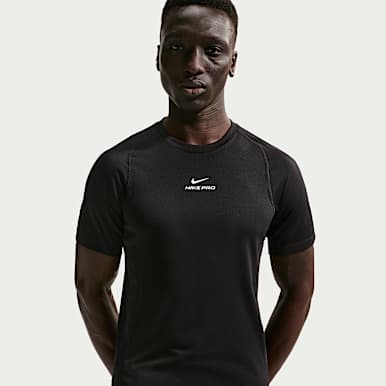
\
Nike Pro Training
\
Men's Dri-FIT Short-Sleeve Top
\
__CHF 50__](https://www.nike.com/ch/en/t/pro-training-mens-dri-fit-short-sleeve-top-KmRmSQ/HV0409-010)
- [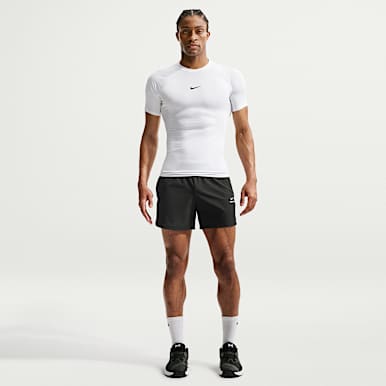
\
Nike Pro Training
\
Men's Dri-FIT 15cm (approx.) Shorts
\
__CHF 64.95__](https://www.nike.com/ch/en/t/pro-training-mens-dri-fit-15cm-approx-shorts-bcRFGX/HV0411-010)
- [
\
Nike Form
\
Men's Dri-FIT Tapered Versatile Trousers
\
__CHF 75__](https://www.nike.com/ch/en/t/form-mens-dri-fit-tapered-versatile-trousers-mXVwFQ/FB7497-084)
- [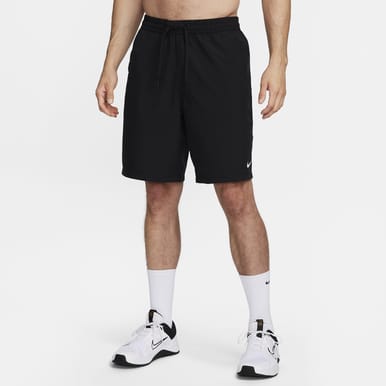
\
Nike Form
\
Men's Dri-FIT 23cm (approx.) Unlined Versatile Shorts
\
__CHF 50__](https://www.nike.com/ch/en/t/form-mens-dri-fit-23cm-approx-unlined-versatile-shorts-KLZr72/FN2998-010)
- [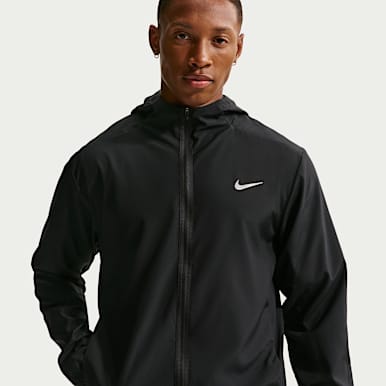
\
Nike Form
\
Men's Dri-FIT Hooded Versatile Jacket
\
__CHF 80__](https://www.nike.com/ch/en/t/form-mens-dri-fit-hooded-versatile-jacket-5Bc1jB/FB7482-010)
## Benefits of Flexibility
When trying to establish consistency in a yoga practice, it's helpful to understand the benefits of what you're working towards. Research suggests there are several main advantages to improving flexibility with yoga:
- [Boosts joint mobility and posture](https://pmc.ncbi.nlm.nih.gov/articles/PMC4728955/)
- [Improves muscular endurance](https://www.sciencedirect.com/science/article/abs/pii/S1744388115300256)
- [Reduces injury risk](https://pmc.ncbi.nlm.nih.gov/articles/PMC7336950/)
- [Improves relaxation and stress recovery](https://pmc.ncbi.nlm.nih.gov/articles/PMC10919405/)
In terms of how long it takes to become more flexible, that varies from person to person and depends on factors like your current level of mobility and range of motion. No matter where you're at, however, consistent practice of 10 to 20 minutes daily typically improves flexibility within four to eight weeks. For lasting results, pair your yoga-for-flexibility practice with mindful breathing and active-recovery days.
## FAQs
How often should I do yoga to get flexible?
Any amount of time you can put into a yoga practice is helpful, but try to do at least a 10-minute practice daily for best flexibility results.
Which yoga poses are best for tight hamstrings?
Yoga poses for tight hamstrings are reclined hand-to-big-toe pose, standing forward fold, downward-facing dog and pyramid pose.
Can beginners improve flexibility with yoga?
Absolutely, especially if the yoga practice is done consistently. Yoga can help with flexibility no matter how long you've been practising, even if today is day one.
[](http://nike.com/ntc)
### Explore NTC
Free guidance from trainers and experts to strengthen your body and mind.
[Download](http://nike.com/ntc)
Originally published: 17 December 2025
## Related Stories
- 
[](https://www.nike.com/ch/en/a/air-zoom-hyperslide-recovery-slide)
# Product News
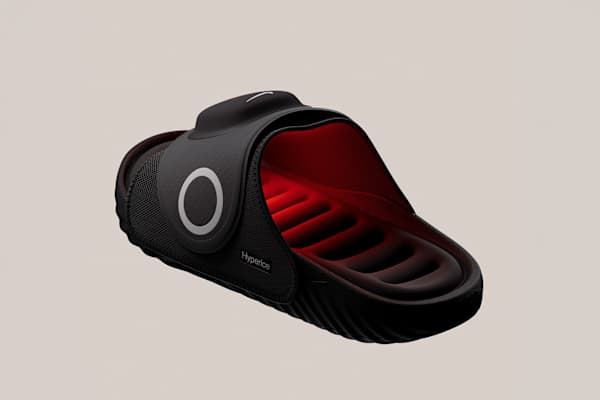
# Nike Air Zoom Hyperslide: The Nike x Hyperice Recovery Slide, Explained
- 
[](https://www.nike.com/ch/en/a/how-to-pick-the-right-nike-fleece)
# Buying Guide
# How to Pick the Right Nike Fleece: Your Studio Fleece Guide
- 
[](https://www.nike.com/ch/en/a/best-gym-training-shoes)
# Buying Guide
# Best Nike Training Shoes: How to Choose the Right Gym Shoe for Lifting, Cross-Training and Cardio
- 
[](https://www.nike.com/ch/en/a/best-outdoor-workout)
# Sports & Activity
# 7 Expert-Approved Outdoor Workout Ideas, Backed by Science
- 
[](https://www.nike.com/ch/en/a/exercise-health-benefits)
# Health & wellness
# 5 Benefits of Regular Exercise for Your Body and Mind
Resources
[Find a Store](https://www.nike.com/ch/en/retail/)
[Nike Journal](https://www.nike.com/ch/en/stories)
[Become a Member](https://www.nike.com/ch/en/membership)
[Feedback](https://www.nike.com#site-feedback)
[Promo Codes](https://www.nike.com/ch/en/promo-code)
[Product Advice](https://www.nike.com/ch/en/product-advice)
[Running Shoe Finder](https://www.nike.com/ch/en/running/shoe-finder)
Help
[Get Help](https://www.nike.com/ch/en/help)
[Order Status](https://www.nike.com/ch/en/orders/details)
[Shipping and Delivery](https://www.nike.com/ch/en/help/a/shipping-delivery-gs)
[Returns](https://www.nike.com/ch/en/help/a/returns-policy-gs)
[Payment Options](https://www.nike.com/ch/en/help/a/payment-options-gs)
[Contact Us](https://www.nike.com/ch/en/help/#contact)
[Reviews](https://www.nike.com/ch/en/help/a/reviews)
Company
[About Nike](https://about.nike.com/)
[News](https://news.nike.com/)
[Careers](https://jobs.nike.com/)
[Investors](https://investors.nike.com/)
[Sustainability](https://www.nike.com/ch/en/sustainability)
[Purpose](https://www.nike.com/ch/en/purpose)
[Nike Coaching](https://www.nike.com/ch/en/coaching)
Community Discounts
[Student](https://urldefense.com/v3/__https://services.sheerid.com/verify/68d55e7b273c5b3a03a5b76d/?locale=en-GB__%3B%21%21KLCbKzk%21nTvDkRbY-BbSpoWsFhAQdmMrehEzU3loDux4_exRVjO9--Ik_EbQNJ3bX2gkEwR7F9cVVROFKqLxE4B8uW6bnx4IPOiRLg%24)
[Teacher](https://urldefense.com/v3/__https://services.sheerid.com/verify/68dcfa39c3f2fd1cd3069932/?locale=en-GB__%3B%21%21KLCbKzk%21nTvDkRbY-BbSpoWsFhAQdmMrehEzU3loDux4_exRVjO9--Ik_EbQNJ3bX2gkEwR7F9cVVROFKqLxE4B8uW6bnx5n4vwR-Q%24)
[First Responders](https://urldefense.com/v3/__https://services.sheerid.com/verify/68d55da9273c5b3a03a5aa8e/?locale=en-GB__%3B%21%21KLCbKzk%21nTvDkRbY-BbSpoWsFhAQdmMrehEzU3loDux4_exRVjO9--Ik_EbQNJ3bX2gkEwR7F9cVVROFKqLxE4B8uW6bnx5my0S4tQ%24)
[Medical Professionals](https://services.sheerid.com/verify/68d55c62273c5b3a03a58f2c/?locale=GB)
[Resources](https://www.nike.com/ch/en/help)
[Find a Store](https://www.nike.com/ch/en/retail/)
[Nike Journal](https://www.nike.com/ch/en/stories)
[Become a Member](https://www.nike.com/ch/en/membership)
[Feedback](https://www.nike.com#site-feedback)
[Promo Codes](https://www.nike.com/ch/en/promo-code)
[Product Advice](https://www.nike.com/ch/en/product-advice)
[Running Shoe Finder](https://www.nike.com/ch/en/running/shoe-finder)
[Help](https://www.nike.com/ch/en/help)
[Get Help](https://www.nike.com/ch/en/help)
[Order Status](https://www.nike.com/ch/en/orders/details)
[Shipping and Delivery](https://www.nike.com/ch/en/help/a/shipping-delivery-gs)
[Returns](https://www.nike.com/ch/en/help/a/returns-policy-gs)
[Payment Options](https://www.nike.com/ch/en/help/a/payment-options-gs)
[Contact Us](https://www.nike.com/ch/en/help/#contact)
[Reviews](https://www.nike.com/ch/en/help/a/reviews)
[Company](https://about.nike.com/en)
[About Nike](https://about.nike.com/)
[News](https://news.nike.com/)
[Careers](https://jobs.nike.com/)
[Investors](https://investors.nike.com/)
[Sustainability](https://www.nike.com/ch/en/sustainability)
[Purpose](https://www.nike.com/ch/en/purpose)
[Nike Coaching](https://www.nike.com/ch/en/coaching)
## Community Discounts
[Student](https://urldefense.com/v3/__https://services.sheerid.com/verify/68d55e7b273c5b3a03a5b76d/?locale=en-GB__%3B%21%21KLCbKzk%21nTvDkRbY-BbSpoWsFhAQdmMrehEzU3loDux4_exRVjO9--Ik_EbQNJ3bX2gkEwR7F9cVVROFKqLxE4B8uW6bnx4IPOiRLg%24)
[Teacher](https://urldefense.com/v3/__https://services.sheerid.com/verify/68dcfa39c3f2fd1cd3069932/?locale=en-GB__%3B%21%21KLCbKzk%21nTvDkRbY-BbSpoWsFhAQdmMrehEzU3loDux4_exRVjO9--Ik_EbQNJ3bX2gkEwR7F9cVVROFKqLxE4B8uW6bnx5n4vwR-Q%24)
[First Responders](https://urldefense.com/v3/__https://services.sheerid.com/verify/68d55da9273c5b3a03a5aa8e/?locale=en-GB__%3B%21%21KLCbKzk%21nTvDkRbY-BbSpoWsFhAQdmMrehEzU3loDux4_exRVjO9--Ik_EbQNJ3bX2gkEwR7F9cVVROFKqLxE4B8uW6bnx5my0S4tQ%24)
[Medical Professionals](https://services.sheerid.com/verify/68d55c62273c5b3a03a58f2c/?locale=GB)
Switzerland
- © 2026 Nike, Inc. All rights reserved
- Guides
- [Nike Air](https://www.nike.com/ch/en/air)
- [Nike Air Max](https://www.nike.com/ch/en/air-max)
- [Nike FlyEase](https://www.nike.com/ch/en/flyease)
- [Nike Pegasus](https://www.nike.com/ch/en/running/runningzoom-pegasus-37)
- [Nike React](https://www.nike.com/ch/en/react)
- [Nike Vaporfly](https://www.nike.com/ch/en/running/vaporfly)
- [Terms of Use](https://agreementservice.svs.nike.com/ch/en_gb/rest/agreement?agreementType=termsOfUse&uxId=com.nike.unite&country=CH&language=en&requestType=redirect)
- [Terms of Sale](https://www.eshopworld.com/shoppers/help/terms-and-conditions-of-sale-en/)
- [Company Details](https://www.nike.com/ch/en/help/a/company-details)
- [Privacy & Cookie Policy](https://agreementservice.svs.nike.com/rest/agreement?agreementType=privacyPolicy&uxId=com.nike.commerce.nikedotcom.web&requestType=redirect)
- [Privacy & Cookie Settings](https://www.nike.com/ch/en/guest/settings/privacy)
## Africa
- [__Egypt__
\
English](https://www.nike.com/eg/)
- [__Morocco__
\
English](https://www.nike.com/ma/en/)
- [__Maroc__
\
Français](https://www.nike.com/ma/)
- [__South Africa__
\
English](https://www.nike.com/za/)
## Americas
- [__Argentina__
\
Español](https://www.nike.com.ar)
- [__Brasil__
\
Português](https://www.nike.com.br)
- [__Canada__
\
English](https://www.nike.com/ca/)
- [__Canada__
\
Français](https://www.nike.com/ca/fr/)
- [__Chile__
\
Español](https://www.nike.cl)
- [__Colombia__
\
Español](https://www.nike.com.co)
- [__México__
\
Español](https://www.nike.com/mx/)
- [__Peru__
\
Español](https://www.nike.com.pe)
- [__Puerto Rico__
\
Español](https://www.nike.com/pr/)
- [__United States__
\
English](https://www.nike.com)
- [__Estados Unidos__
\
Español](https://www.nike.com/us/es/)
- [__Uruguay__
\
Español](https://www.nike.com.uy)
- [__Latin America__
\
Español](https://www.nike.com/xl/)
## Asia Pacific
- [__Australia__
\
English](https://www.nike.com/au/)
- [__中国大陆__
\
简体中文](https://www.nike.com.cn/)
- [__Hong Kong__
\
English](https://www.nike.com.hk/)
- [__香港__
\
繁體中文](https://www.nike.com.hk/)
- [__India__
\
English](https://www.nike.in/)
- [__Indonesia__
\
English](https://www.nike.com/id/)
- [__Japan__
\
English](https://www.nike.com/jp/en/)
- [__日本__
\
日本語](https://www.nike.com/jp/)
- [__대한민국__
\
한국어](https://www.nike.com/kr/)
- [__Malaysia__
\
English](https://www.nike.com/my/)
- [__New Zealand__
\
English](https://www.nike.com/nz/)
- [__Philippines__
\
English](https://www.nike.com/ph/)
- [__Singapore__
\
English](https://www.nike.com/sg/)
- [__台灣__
\
繁體中文](https://www.nike.com/tw/)
- [__ไทย__
\
ภาษาไทย](https://www.nike.com/th/)
- [__Vietnam__
\
English](https://www.nike.com/vn/)
## Europe
- [__Österreich__
\
Deutsch](https://www.nike.com/at/)
- [__Austria__
\
English](https://www.nike.com/at/en/)
- [__Belgien__
\
Deutsch](https://www.nike.com/be/de/)
- [__Belgium__
\
English](https://www.nike.com/be/en/)
- [__Belgique__
\
Français](https://www.nike.com/be/fr/)
- [__België__
\
Nederlands](https://www.nike.com/be/)
- [__Bulgaria__
\
English](https://www.nike.com/bg/)
- [__Croatia__
\
English](https://www.nike.com/hr/)
- [__Česká republika__
\
Čeština](https://www.nike.com/cz/)
- [__Czech Republic__
\
English](https://www.nike.com/cz/en/)
- [__Danmark__
\
Dansk](https://www.nike.com/dk/)
- [__Denmark__
\
English](https://www.nike.com/dk/en/)
- [__Finland__
\
English](https://www.nike.com/fi/)
- [__France__
\
Français](https://www.nike.com/fr/)
- [__Deutschland__
\
Deutsch](https://www.nike.com/de/)
- [__Ελλάδα__
\
ελληνικά](https://www.nike.com/gr/)
- [__Hungary__
\
English](https://www.nike.com/hu/en/)
- [__Magyarország__
\
Magyar](https://www.nike.com/hu/)
- [__Ireland__
\
English](https://www.nike.com/ie/)
- [__Israel__
\
English](https://www.nike.com/il/)
- [__Italia__
\
Italiano](https://www.nike.com/it/)
- [__Luxemburg__
\
Deutsch](https://www.nike.com/lu/de/)
- [__Luxembourg__
\
English](https://www.nike.com/lu/en/)
- [__Luxembourg__
\
Français](https://www.nike.com/lu/)
- [__Netherlands__
\
English](https://www.nike.com/nl/en/)
- [__Nederland__
\
Nederlands](https://www.nike.com/nl/)
- [__Norway__
\
English](https://www.nike.com/no/en/)
- [__Norge__
\
Norsk](https://www.nike.com/no/)
- [__Polska__
\
Polski](https://www.nike.com/pl/)
- [__Portugal__
\
English](https://www.nike.com/pt/en/)
- [__Portugal__
\
Português](https://www.nike.com/pt/)
- [__Romania__
\
English](https://www.nike.com/ro/)
- [__Россия__
\
Русский](https://www.nike.com/ru/)
- [__Slovakia__
\
English](https://www.nike.com/sk/)
- [__Slovenia__
\
English](https://www.nike.com/si/)
- [__Espanya__
\
Català](https://www.nike.com/es/ca/)
- [__España__
\
Español](https://www.nike.com/es/)
- [__Sweden__
\
English](https://www.nike.com/se/en/)
- [__Sverige__
\
Svenska](https://www.nike.com/se/)
- [__Schweiz__
\
Deutsch](https://www.nike.com/ch/)
- [__Switzerland__
\
English](https://www.nike.com/ch/en/)
- [__Suisse__
\
Français](https://www.nike.com/ch/fr/)
- [__Svizzera__
\
Italiano](https://www.nike.com/ch/it/)
- [__Türkiye__
\
Türkçe](https://www.nike.com/tr/)
- [__United Kingdom__
\
English](https://www.nike.com/gb/)
## Middle East
- [__Saudi Arabia__
\
English](https://www.nike.sa/en/home)
- [__المملكة العربية السعودية__
\
العربية](https://www.nike.sa/ar/home)
- [__United Arab Emirates__
\
English](https://www.nike.ae/en/home)
- [__الإمارات العربية المتحدة__
\
العربية](https://www.nike.ae/ar/home)
- [__Qatar__
\
English](https://www.nike.qa/en/home)
- [__دولة قطر__
\
العربية](https://www.nike.qa/ar/home)
- [__Kuwait__
\
English](https://www.nike.com.kw/en/home)
- [__الكويت__
\
العربية](https://www.nike.com.kw/ar/home)