[Skip to main content](https://www.nike.com#skip-to-content)
- [](https://www.nike.com/hr/jordan)
- [Find a Store](https://www.nike.com/hr/retail)
- [Help](https://www.nike.com/hr/help)
[Help](https://www.nike.com/hr/help)
- [Order Status](https://www.nike.com/hr/orders)
- [Dispatch and Delivery](https://www.nike.com/hr/help/a/shipping-delivery-gs)
- [Returns](https://www.nike.com/hr/help/a/returns-policy-gs)
- [Contact Us](https://www.nike.com/hr/help/#contact)
- [Privacy Policy](https://agreementservice.svs.nike.com/hr/en_gb/rest/agreement?agreementType=privacyPolicy&uxId=com.nike.commerce.nikedotcom.web&country=hr&language=en&requestType=redirect)
- [Terms of Sale](https://www.eshopworld.com/shoppers/help/retailer/nike/terms-and-conditions-of-sale-en/)
- [Terms of Use](https://agreementservice.svs.nike.com/hr/en_gb/rest/agreement?agreementType=termsOfUse&uxId=com.nike.unite&country=HR&language=en&requestType=redirect)
- [Send Us Feedback](https://www.nike.com#site-feedback)
- [Join Us](https://www.nike.com/hr/membership)
- [Sign In](https://www.nike.com/hr/register)
[](https://www.nike.com/hr/)
- [New](https://www.nike.com/hr/w/new-3n82y)
- [New](https://www.nike.com/hr/w/new-3n82y)
- [New Arrivals](https://www.nike.com/hr/w/new-3n82y)
- [Best Sellers](https://www.nike.com/hr/w/best-76m50)
- [SNKRS Launch Calendar](https://www.nike.com/gb/launch/upcoming)
- [Highlights](https://www.nike.com/hr/w/new-just-in-3apgqz3n82y)
- [Jordan: Love Letter Collection](https://www.nike.com/hr/w/love-letter-7xkbw)
- [Best of Jordan](https://www.nike.com/hr/w/best-of-jordan-brand-j0oa)
- [Style By Moon Shoe](https://www.nike.com/hr/nike-style-by)
- [Jordan Fleece](https://www.nike.com/hr/w/jordan-fleece-37eefz4xh6q)
- [Football: New Club Kits 26/27](https://www.nike.com/hr/w/club-football-teams-6fu9q)
- [Run in Berlin](https://www.nike.com/hr/w/marathon-distance-6vbyf)
- [Trending](https://www.nike.com/hr/w/best-76m50)
- [Hybrid Training](https://www.nike.com/hr/w/hybrid-training-7fx1n)
- [Marathon Shoes](https://www.nike.com/hr/w/marathon-distance-shoes-6vbyfzy7ok)
- [Elite Football Boots](https://www.nike.com/hr/w/elite-football-shoes-1gdj0z9vmnhzy7ok)
- [Sportswear Clothing](https://www.nike.com/hr/w/sportswear-clothing-43h4uz6ymx6)
- [Running Shorts](https://www.nike.com/hr/w/running-shorts-37v7jz38fph)
- [Brands](https://www.nike.com/hr/w/37eefz43h4uz93bsdzpgd6)
- [Nike Sportswear](https://www.nike.com/hr/w/lifestyle-13jrm)
- [ACG: All Conditions Gear](https://www.nike.com/hr/acg)
- [Jordan](https://www.nike.com/hr/w/jordan-37eef)
- [Kobe](https://www.nike.com/hr/w/kobe-pgd6)
- [NOCTA](https://www.nike.com/hr/w/nocta-25nhb)
- [Men](https://www.nike.com/hr/men)
- [Highlights](https://www.nike.com/hr/w/new-mens-3n82yznik1)
- [New Arrivals](https://www.nike.com/hr/w/new-mens-3n82yznik1)
- [Best Sellers](https://www.nike.com/hr/w/mens-best-76m50znik1)
- [Streetwear Clothing](https://www.nike.com/hr/w/streetwear-clothing-97qn8)
- [Football: New Club Kits 26/27](https://www.nike.com/hr/w/club-football-teams-6fu9q)
- [Clothing Essentials](https://www.nike.com/hr/w/mens-essentials-4jjpuznik1)
- [Shoes](https://www.nike.com/hr/w/mens-shoes-nik1zy7ok)
- [All Shoes](https://www.nike.com/hr/w/mens-shoes-nik1zy7ok)
- [Lifestyle](https://www.nike.com/hr/w/mens-lifestyle-shoes-13jrmznik1zy7ok)
- [Jordan](https://www.nike.com/hr/w/mens-jordan-shoes-37eefznik1zy7ok)
- [Running](https://www.nike.com/hr/w/mens-running-shoes-37v7jznik1zy7ok)
- [Football](https://www.nike.com/hr/w/mens-football-shoes-1gdj0znik1zy7ok)
- [Basketball](https://www.nike.com/hr/w/mens-basketball-shoes-3glsmznik1zy7ok)
- [Training and Gym](https://www.nike.com/hr/w/mens-training-gym-shoes-58jtoznik1zy7ok)
- [Skateboarding](https://www.nike.com/hr/w/mens-skateboarding-shoes-8mfrfznik1zy7ok)
- [Custom Shoes](https://www.nike.com/hr/w/mens-nike-by-you-shoes-6ealhznik1zy7ok)
- [Shoes under €100](https://www.nike.com/hr/w/mens-under-100-shoes-49o1mznik1zy7ok)
- [Clothing](https://www.nike.com/hr/w/mens-clothing-6ymx6znik1)
- [All Clothing](https://www.nike.com/hr/w/mens-clothing-6ymx6znik1)
- [Hoodies and Sweatshirts](https://www.nike.com/hr/w/mens-hoodies-sweatshirts-6riveznik1)
- [Tops and T-Shirts](https://www.nike.com/hr/w/mens-tops-t-shirts-9om13znik1)
- [Kits and Jerseys](https://www.nike.com/hr/w/mens-football-kits-jerseys-1gdj0z3a41eznik1)
- [Shorts](https://www.nike.com/hr/w/mens-shorts-38fphznik1)
- [Trousers and Tights](https://www.nike.com/hr/w/mens-trousers-tights-2kq19znik1)
- [Tracksuits](https://www.nike.com/hr/w/mens-tracksuits-1ll2wznik1)
- [Jackets](https://www.nike.com/hr/w/mens-jackets-gilets-50r7yznik1)
- [Accessories](https://www.nike.com/hr/w/mens-accessories-equipment-awwpwznik1)
- [Sport](https://www.nike.com/hr/w/mens-performance-3k7dgznik1)
- [Running](https://www.nike.com/hr/running)
- [Football](https://www.nike.com/hr/football)
- [Basketball](https://www.nike.com/hr/basketball)
- [Training and Gym](https://www.nike.com/hr/training)
- [Tennis](https://www.nike.com/hr/tennis)
- [Skateboarding](https://www.nike.com/hr/w/mens-skateboarding-8mfrfznik1)
- [Golf](https://www.nike.com/hr/golf)
- Brands
- [Nike Sportswear](https://www.nike.com/hr/w/mens-lifestyle-13jrmznik1)
- [ACG: All Conditions Gear](https://www.nike.com/hr/acg)
- [Jordan](https://www.nike.com/hr/w/mens-jordan-37eefznik1)
- [Kobe](https://www.nike.com/hr/w/mens-kobe-nik1zpgd6)
- [NOCTA](https://www.nike.com/hr/w/mens-nocta-25nhbznik1)
- [Women](https://www.nike.com/hr/women)
- [Highlights](https://www.nike.com/hr/w/new-womens-3n82yz5e1x6)
- [New Arrivals](https://www.nike.com/hr/w/new-womens-3n82yz5e1x6)
- [Best Sellers](https://www.nike.com/hr/w/womens-best-5e1x6z76m50)
- [Nike Fleece Essentials](https://www.nike.com/hr/w/womens-nike-studio-fleece-clothing-5e1x6z6ymx6zs531)
- [Seasonal Clothing Packs](https://www.nike.com/hr/w/seasonal-clothing-packs-9yawh)
- [Style By Moon Shoe](https://www.nike.com/hr/nike-style-by)
- [Football Player Edition: Sam Kerr](https://www.nike.com/hr/w/sam-kerr-4mbmv)
- [Clothing Essentials](https://www.nike.com/hr/w/womens-essentials-4jjpuz5e1x6)
- [Shoes](https://www.nike.com/hr/w/womens-shoes-5e1x6zy7ok)
- [All Shoes](https://www.nike.com/hr/w/womens-shoes-5e1x6zy7ok)
- [Lifestyle](https://www.nike.com/hr/w/womens-lifestyle-shoes-13jrmz5e1x6zy7ok)
- [Jordan](https://www.nike.com/hr/w/womens-jordan-shoes-37eefz5e1x6zy7ok)
- [Running](https://www.nike.com/hr/w/womens-running-shoes-37v7jz5e1x6zy7ok)
- [Training and Gym](https://www.nike.com/hr/w/womens-training-gym-shoes-58jtoz5e1x6zy7ok)
- [Football](https://www.nike.com/hr/w/womens-football-shoes-1gdj0z5e1x6zy7ok)
- [Custom Shoes](https://www.nike.com/hr/w/womens-nike-by-you-shoes-5e1x6z6ealhzy7ok)
- [Shoes under €100](https://www.nike.com/hr/w/womens-under-100-shoes-49o1mz5e1x6zy7ok)
- [Clothing](https://www.nike.com/hr/w/womens-clothing-5e1x6z6ymx6)
- [All Clothing](https://www.nike.com/hr/w/womens-clothing-5e1x6z6ymx6)
- [Hoodies and Sweatshirts](https://www.nike.com/hr/w/womens-hoodies-sweatshirts-5e1x6z6rive)
- [Tops and T-Shirts](https://www.nike.com/hr/w/womens-tops-t-shirts-5e1x6z9om13)
- [Shorts](https://www.nike.com/hr/w/womens-shorts-38fphz5e1x6)
- [Leggings](https://www.nike.com/hr/w/womens-tights-leggings-29sh2z5e1x6)
- [Trousers](https://www.nike.com/hr/w/womens-trousers-tights-2kq19z5e1x6)
- [Matching Sets](https://www.nike.com/hr/w/womens-matching-sets-2lukpz5e1x6)
- [Jackets](https://www.nike.com/hr/w/womens-jackets-gilets-50r7yz5e1x6)
- [Sports Bras](https://www.nike.com/hr/w/womens-sports-bras-40qgmz5e1x6)
- [Accessories](https://www.nike.com/hr/w/womens-accessories-equipment-5e1x6zawwpw)
- [Sport](https://www.nike.com/hr/w/womens-performance-3k7dgz5e1x6)
- [Training and Gym](https://www.nike.com/hr/training)
- [Running](https://www.nike.com/hr/running)
- [Football](https://www.nike.com/hr/football)
- [Basketball](https://www.nike.com/hr/basketball)
- [Tennis](https://www.nike.com/hr/tennis)
- [Skateboarding](https://www.nike.com/hr/w/womens-skateboarding-5e1x6z8mfrf)
- [Golf](https://www.nike.com/hr/golf)
- Brands
- [NikeSKIMS](https://www.nike.com/hr/nikeskims)
- [Nike Sportswear](https://www.nike.com/hr/w/womens-lifestyle-13jrmz5e1x6)
- [ACG: All Conditions Gear](https://www.nike.com/hr/acg)
- [Jordan](https://www.nike.com/hr/w/womens-jordan-37eefz5e1x6)
- [Kobe](https://www.nike.com/hr/w/womens-kobe-5e1x6zpgd6)
- [Kids](https://www.nike.com/hr/kids)
- [Highlights](https://www.nike.com/hr/w/new-kids-3n82yzv4dh)
- [New Arrivals](https://www.nike.com/hr/w/new-kids-3n82yzv4dh)
- [Best Sellers](https://www.nike.com/hr/w/kids-best-76m50zv4dh)
- [Teen Destination](https://www.nike.com/hr/teens)
- [Nike x LEGO® Collection](https://www.nike.com/hr/lego)
- [Clothing Essentials](https://www.nike.com/hr/w/kids-essentials-4jjpuzv4dh)
- [Shoes](https://www.nike.com/hr/w/kids-shoes-v4dhzy7ok)
- [All Shoes](https://www.nike.com/hr/w/kids-shoes-v4dhzy7ok)
- [Lifestyle](https://www.nike.com/hr/w/kids-lifestyle-shoes-13jrmzv4dhzy7ok)
- [Jordan](https://www.nike.com/hr/w/kids-jordan-shoes-37eefzv4dhzy7ok)
- [Football](https://www.nike.com/hr/w/kids-football-shoes-1gdj0zv4dhzy7ok)
- [Running](https://www.nike.com/hr/w/kids-running-shoes-37v7jzv4dhzy7ok)
- [Basketball](https://www.nike.com/hr/w/kids-basketball-shoes-3glsmzv4dhzy7ok)
- [Physical Education](https://www.nike.com/hr/w/kids-performance-shoes-3k7dgzv4dhzy7ok)
- [Shoes under €100](https://www.nike.com/hr/w/kids-under-100-shoes-49o1mzv4dhzy7ok)
- [Clothing](https://www.nike.com/hr/w/kids-clothing-6ymx6zv4dh)
- [All Clothing](https://www.nike.com/hr/w/kids-clothing-6ymx6zv4dh)
- [Hoodies and Sweatshirts](https://www.nike.com/hr/w/kids-hoodies-sweatshirts-6rivezv4dh)
- [Tops and T-Shirts](https://www.nike.com/hr/w/kids-tops-t-shirts-9om13zv4dh)
- [Kits & Jerseys](https://www.nike.com/hr/w/kids-football-kits-jerseys-1gdj0z3a41ezv4dh)
- [Tracksuits](https://www.nike.com/hr/w/kids-tracksuits-1ll2wzv4dh)
- [Shorts](https://www.nike.com/hr/w/kids-shorts-38fphzv4dh)
- [Trousers and Leggings](https://www.nike.com/hr/w/kids-trousers-tights-2kq19zv4dh)
- [Matching Sets](https://www.nike.com/hr/w/kids-matching-sets-2lukpzv4dh)
- [Jackets](https://www.nike.com/hr/w/kids-jackets-gilets-50r7yzv4dh)
- [Accessories](https://www.nike.com/hr/w/kids-accessories-equipment-awwpwzv4dh)
- [Kids by age](https://www.nike.com/hr/w/kids-v4dh)
- [Teens (13–17 years)](https://www.nike.com/hr/w/teen-collection-6hgue)
- [Older Kids (7–12 years)](https://www.nike.com/hr/w/older-kids-agibjzv4dh)
- [Younger Kids (3–7 years)](https://www.nike.com/hr/w/little-kids-6dacezv4dh)
- [Baby & Toddler (0–3 years)](https://www.nike.com/hr/w/baby-toddlers-kids-2j488zv4dh)
- [Sport](https://www.nike.com/hr/w/kids-performance-3k7dgzv4dh)
- [Running](https://www.nike.com/hr/w/kids-running-37v7jzv4dh)
- [Football](https://www.nike.com/hr/w/kids-football-1gdj0zv4dh)
- [Basketball](https://www.nike.com/hr/w/kids-basketball-3glsmzv4dh)
- [Physical Education](https://www.nike.com/hr/w/kids-training-gym-58jtozv4dh)
- [Skateboarding](https://www.nike.com/hr/w/skateboarding-8mfrf)
- [Sport](https://www.nike.com/hr/lockerroom)
- [Highlights](https://www.nike.com/hr/w/new-performance-3k7dgz3n82y)
- [New Arrivals](https://www.nike.com/hr/w/new-performance-3k7dgz3n82y)
- [Best Sellers](https://www.nike.com/hr/w/best-performance-3k7dgz76m50)
- [Jordan Basketball](https://www.nike.com/hr/w/jordan-basketball-37eefz3glsm)
- [Football: New Club Kits 26/27](https://www.nike.com/hr/w/club-football-teams-6fu9q)
- [Run in Berlin](https://www.nike.com/hr/w/marathon-distance-6vbyf)
- [Running](https://www.nike.com/hr/running)
- [All Running](https://www.nike.com/hr/w/running-37v7j)
- [Shoes](https://www.nike.com/hr/w/running-shoes-37v7jzy7ok)
- [Clothing](https://www.nike.com/hr/w/running-clothing-37v7jz6ymx6)
- [Accessories](https://www.nike.com/hr/w/running-accessories-equipment-37v7jzawwpw)
- [Football](https://www.nike.com/hr/football)
- [All Football](https://www.nike.com/hr/w/football-1gdj0)
- [Shoes](https://www.nike.com/hr/w/football-shoes-1gdj0zy7ok)
- [Clothing](https://www.nike.com/hr/w/football-clothing-1gdj0z6ymx6)
- [Accessories](https://www.nike.com/hr/w/football-accessories-equipment-1gdj0zawwpw)
- [Training and Gym](https://www.nike.com/hr/training)
- [All Training and Gym](https://www.nike.com/hr/w/training-gym-58jto)
- [Shoes](https://www.nike.com/hr/w/training-gym-shoes-58jtozy7ok)
- [Clothing](https://www.nike.com/hr/w/training-gym-clothing-58jtoz6ymx6)
- [Accessories](https://www.nike.com/hr/w/training-gym-accessories-equipment-58jtozawwpw)
- [More Sports](https://www.nike.com/hr/w/performance-3k7dg)
- [All Sport](https://www.nike.com/hr/w/performance-3k7dg)
- [Basketball](https://www.nike.com/hr/basketball)
- [Outdoor](https://www.nike.com/hr/w/acg-93bsd)
- [Tennis](https://www.nike.com/hr/tennis)
- [Nike SB](https://www.nike.com/hr/w/skateboarding-8mfrf)
- [Golf](https://www.nike.com/hr/golf)
- [NikeSKIMS](https://www.nike.com/hr/nikeskims)
- [NikeSKIMS Guides](https://www.nike.com/hr/nikeskims-lookbook)
- [NikeSKIMS Lookbook](https://www.nike.com/hr/nikeskims-lookbook)
- [NikeSKIMS Bra Guide](https://www.nike.com/hr/nikeskims-bra-guide)
- [NikeSKIMS Collection Guide](https://www.nike.com/hr/nikeskims-collection-guide)
- [Clothing](https://www.nike.com/hr/w/nikeskims-b2asd)
- [All Clothing](https://www.nike.com/hr/w/nikeskims-clothing-6ymx6zb2asd)
- [Bras](https://www.nike.com/hr/w/nikeskims-sports-bras-40qgmzb2asd)
- [Tops and Tanks](https://www.nike.com/hr/w/nikeskims-tops-t-shirts-9om13zb2asd)
- [Leggings](https://www.nike.com/hr/w/nikeskims-tights-leggings-29sh2zb2asd)
- [Shorts](https://www.nike.com/hr/w/nikeskims-shorts-38fphzb2asd)
- [Shoes](https://www.nike.com/hr/w/nikeskims-shoes-b2asdzy7ok)
- [Accessories](https://www.nike.com/hr/w/nikeskims-accessories-equipment-awwpwzb2asd)
- [Collections](https://www.nike.com/hr/nikeskims-collection-guide)
- [All Collections](https://www.nike.com/hr/w/nikeskims-b2asd)
- [Shine](https://www.nike.com/hr/w/nikeskims-nikeskims-shine-aq8qbzb2asd)
- [Matte](https://www.nike.com/hr/w/nikeskims-nikeskims-matte-5s3enzb2asd)
- [Airy](https://www.nike.com/hr/w/nikeskims-nikeskims-airy-5c1qqzb2asd)
- [Ribbed Seamless](https://www.nike.com/hr/w/nikeskims-nikeskims-seamless-6lh4szb2asd)
- [Studio Stretch](https://www.nike.com/hr/w/nikeskims-studio-stretch-admbq)
- [Stretch Nylon](https://www.nike.com/hr/w/nikeskims-stretch-nylon-7sut9)
- [Weightless](https://www.nike.com/hr/w/nikeskims-nikeskims-weightless-4csx8zb2asd)
- [Shop By Color](https://www.nike.com/hr/w/nikeskims-b2asd)
- [Obsidian](https://www.nike.com/hr/w/nikeskims-black-90poyzb2asd)
- [Dark Sepia](https://www.nike.com/hr/w/nikeskims-dark-sepia-81pvm)
- [Phoenix](https://www.nike.com/hr/w/nikeskims-phoenix-1jhtj)
- [Ivory](https://www.nike.com/hr/w/nikeskims-white-4g797zb2asd)
- [Citrine](https://www.nike.com/hr/w/nikeskims-yellow-ayp69zb2asd)
- [Carob](https://www.nike.com/hr/w/nikeskims-brown-557pqzb2asd)
- [Sale](https://www.nike.com/hr/w/sale-3yaep)
- [Sale & Offers](https://www.nike.com/hr/w/sale-3yaep)
- [Shop All Sale](https://www.nike.com/hr/w/sale-3yaep)
- [Best Sellers](https://www.nike.com/hr/w/sale-best-3yaepz76m50)
- [Sale for Men](https://www.nike.com/hr/w/mens-sale-3yaepznik1)
- [Shop All Sale](https://www.nike.com/hr/w/mens-sale-3yaepznik1)
- [Shoes](https://www.nike.com/hr/w/mens-sale-shoes-3yaepznik1zy7ok)
- [Clothing](https://www.nike.com/hr/w/mens-sale-clothing-3yaepz6ymx6znik1)
- [Accessories](https://www.nike.com/hr/w/mens-sale-accessories-equipment-3yaepzawwpwznik1)
- [Sale for Women](https://www.nike.com/hr/w/womens-sale-3yaepz5e1x6)
- [Shop All Sale](https://www.nike.com/hr/w/womens-sale-3yaepz5e1x6)
- [Shoes](https://www.nike.com/hr/w/womens-sale-shoes-3yaepz5e1x6zy7ok)
- [Clothing](https://www.nike.com/hr/w/womens-sale-clothing-3yaepz5e1x6z6ymx6)
- [Accessories](https://www.nike.com/hr/w/womens-sale-accessories-equipment-3yaepz5e1x6zawwpw)
- [Sale for Kids](https://www.nike.com/hr/w/kids-sale-3yaepzv4dh)
- [Shop All Sale](https://www.nike.com/hr/w/kids-sale-3yaepzv4dh)
- [Shoes](https://www.nike.com/hr/w/kids-sale-shoes-3yaepzv4dhzy7ok)
- [Clothing](https://www.nike.com/hr/w/kids-sale-clothing-3yaepz6ymx6zv4dh)
- [Accessories](https://www.nike.com/hr/w/kids-sale-accessories-equipment-3yaepzawwpwzv4dh)
- [Sale by Sport](https://www.nike.com/hr/w/sale-performance-3k7dgz3yaep)
- [Football](https://www.nike.com/hr/w/sale-football-1gdj0z3yaep)
- [Running](https://www.nike.com/hr/w/sale-running-37v7jz3yaep)
- [Training and Gym](https://www.nike.com/hr/w/sale-training-gym-3yaepz58jto)
- [Basketball](https://www.nike.com/hr/w/sale-basketball-3glsmz3yaep)
Cancel
Cancel
Popular Search Terms
[tech fleece](https://www.nike.com/hr/w?q=tech%20fleece&vst=tech%20fleece)[tn](https://www.nike.com/hr/w?q=tn&vst=tn)[air force 1](https://www.nike.com/hr/w?q=air%20force%201&vst=air%20force%201)[air max](https://www.nike.com/hr/w?q=air%20max&vst=air%20max)[jordan](https://www.nike.com/hr/w?q=jordan&vst=jordan)[jordan 4](https://www.nike.com/hr/w?q=jordan%204&vst=jordan%204)[shoes](https://www.nike.com/hr/w?q=shoes&vst=shoes)[nike mind](https://www.nike.com/hr/w?q=nike%20mind&vst=nike%20mind)
[](https://www.nike.com/hr/favorites "Favourites")[](https://www.nike.com/hr/cart "Bag Items: 0")
# Does Working Out Before Bed Disrupt Your Sleep?
##### Activity
Overall, exercise helps you sleep, but for some people, timing does matter.
Last updated: 24 December 2025
6 min read

Research suggests evening exercise doesn't automatically harm sleep, and for some people, it may help. But very intense workouts too close to bedtime can disrupt your circadian rhythm and make it harder to fall asleep.
Still, there’s no doubt that exercise in general is good for sleep. "Research shows that having a consistent exercise routine helps with various aspects of health, including helping you sleep better and more soundly," said [Jason Machowsky, C.S.C.S.](https://directory.nsca.com/profile/db12b8c1cb6a91735a0161768c28a61f9a192b40?name=jason%20machowsky), exercise physiologist and board-certified sports dietitian.
In a 2023 review in [*Cureus*](https://pmc.ncbi.nlm.nih.gov/articles/PMC10503965/)[,](https://pmc.ncbi.nlm.nih.gov/articles/PMC10503965/) a large majority of studies analysed found that exercise improved sleep quality. That included a wide range of exercise types like strength training and low-intensity cardio.
But what about the timing of your workout?
A 2021 systematic review and meta-analysis in [*Sleep Medicine Reviews*](https://www.sciencedirect.com/science/article/pii/S1087079221001209?via%3Dihub) analysed 15 studies on healthy, young and middle-aged adults that looked at the impact of doing high-intensity exercise in the evening. (High-intensity exercise can include high-intensity interval training, aka HIIT.)
The research concluded that evening exercise performed two to four hours prior to bedtime did not disrupt sleep compared to control groups who did no exercise. In fact, those who worked out two hours before bed got to sleep faster and slept for longer, and workouts of 30 to 60 minutes were found to be the best for sleep.
Evening exercise may facilitate sleep by heating up the body and decreasing stress and anxiety, said the authors. When your body cools down, it triggers sleepiness—something referred to as the "warm bath effect," which [research has shown](https://www.ncbi.nlm.nih.gov/pmc/articles/PMC6491889/) improves sleep. Your body will naturally cool down before bed, but a warm bath—or exercise—can kick off that process.
What you probably shouldn't do is end a workout and immediately hop into bed. A [systematic review](https://pubmed.ncbi.nlm.nih.gov/30374942/) of 23 studies found that certain parameters of sleep quality were improved with evening exercise, as long as the workout ended at least an hour before bed. Less than that may not allow your cardiovascular system to recover fully before bed, meaning you'll slip between the sheets with a higher heart rate and a nervous system that's all riled up, impeding sleep.
## Key takeaways:
- Exercise in general can improve overall sleep quality.
- Working out right before bed could make it harder to fall asleep, but everyone is different.
## Is It Bad to Work Out Before Bed?
Despite the research, a workout before bed might not be right for you. That's because whether or not exercise at night disrupts your ability to sleep is individual, explained Shelby Harris, Psy.D., clinical psychologist and author of 'The Woman's Guide to Overcoming Insomnia.' For some people, vigorous exercise within a few hours before bed makes it tougher to fall asleep. “While this isn’t true for everyone, it can be an issue for many people,” she said.
What's important is knowing how your body reacts to exercise and letting that (along with your preferences and life demands) inform the best time to schedule it for you. You may also find that certain types of exercise affect your sleep more than others. It's a good idea to be mindful about the type of movement you choose for a pre-bed sweat session.
Certain athletes might be able to do a HIIT workout, have a quick bedtime snack, then snooze without worry. Meanwhile, others may go for a run and then lie awake feeling too stimulated to sleep. It's all about your individual response.
"If you notice you do a really hard HIIT workout before bed and can't sleep, you're probably one of those people who should not do intense exercise late at night", Machowsky said.
If you're struggling with your sleep, adjust the timing of exercise or the type you're doing. A 2019 [review of 14 studies](https://www.tandfonline.com/doi/full/10.1080/21679169.2019.1623314) found that moderate exercise was better for improving sleep quality compared with more vigorous bouts. Walking—even modestly increasing step count—promoted better sleep.
What does this mean for you? While research is generally positive when it comes to the impact exercise has on sleep quality, it can't predict how you'll react. Harris recommended experimenting to find your optimal workout time. If you're looking to your workout to help unwind, Harris said that many people like slow-flow and restorative yoga or stretching at night to encourage quality sleep.
## Overtraining Can Interfere With Sleep, Too
Exercise, in general, can negatively impact sleep for people who are experiencing [overtraining syndrome](https://www.nike.com/hr/a/what-is-overtraining-syndrome), Machowsky said. “One hallmark symptom \[of overtraining syndrome] is poor, restless sleep, because the body doesn't have the energy it needs to repair itself,” he explained.
In that case, the problem isn't about what time of day you're working out. Overtraining isn't the result of one tough workout followed by inadequate fuelling; it occurs when the body isn't given consistent and ample time to continuously recover with quality nutrition and other tools.
## Tips for Better Sleep if You Work Out at Night
If the only time you can work out is at night, or if you just prefer working out in the evening, there are a few things to consider to help you sleep better:
- __Give yourself enough time to wind down.__ The exact amount of time varies by person, but [research](https://pubmed.ncbi.nlm.nih.gov/30374942/) generally recommends stopping your workout at least an hour before you hop into bed.
- __Shut down your screens early.__ It's best to turn off all electronics at least 30 minutes before bed, according to the [Centers for Disease Control and Prevention](https://www.cdc.gov/sleep/about/index.html) (CDC).
- __Keep your room cool.__ Everyone has a temperature that feels good to them, but [research](https://www.frontiersin.org/journals/neuroscience/articles/10.3389/fnins.2019.00336/full) suggests that the ideal temperature for sleep is between 18 and 21 degrees Celsius.
- __Focus on your caffeine intake.__ It's best to keep caffeine to the morning to lower the odds it will interfere with your sleep, per the CDC.
## Best Types of Workouts Before Bed
[Research](https://pmc.ncbi.nlm.nih.gov/articles/PMC10503965/) generally supports lower-intensity exercises before bed. Those include:
- [Walking](https://www.tandfonline.com/doi/full/10.1080/21679169.2019.1623314#abstract)
- Yoga
- Tai chi
- Pilates
## How Long Before Bed Should You Stop Exercising?
Every person's needs are different. Some will find that they need more time between exercising and bedtime, while others can go straight to bed after a workout. In general, [research](https://pubmed.ncbi.nlm.nih.gov/30374942/) recommends that you finish exercising at least an hour before bed.
## FAQs
Is it bad to work out right before bed?
It's generally not recommended that you work out right before bed. The practice can rev your body up at a time when it's supposed to be winding down, making it hard to fall asleep when you're ready. But a lot depends on the individual. One study published in the [*International Journal of Exercise Science*](https://pubmed.ncbi.nlm.nih.gov/32922649/) found no significant differences in sleep quality in people who preferred to work out in the morning or evening.
What kind of workout is best at night?
[Research](https://pubmed.ncbi.nlm.nih.gov/30374942/) suggests that you can do moderate-intensity and even vigorous exercise before bed, as long as you finish your workout at least an hour before bedtime.
Can lifting weights at night affect muscle growth or recovery?
The act of lifting weights at night alone should not affect muscle growth or recovery. But how well you sleep can play a role. One [study](https://pmc.ncbi.nlm.nih.gov/articles/PMC5188418/) found that people who were well-rested had 22% more muscle protein synthesis rates (where the body builds new muscle) compared to those who didn't sleep as well.
How late is too late to do HIIT?
If you are doing high-intensity exercise, research in [*Sleep Medicine Reviews*](https://www.sciencedirect.com/science/article/pii/S1087079221001209#sec5) suggests scheduling the workout to end at least an hour before bed so that it doesn't disrupt your sleep. But you may need to experiment to see how this impacts you as an individual.

[](https://niketrainingclub.sng.link/Ara19/3ocq/gnbq?pcn=OGC%20Articles%20HO21&_dl=niketrainingclub%3A%2F%2Fx-callback-url%2Fworkout%2Ffeatured)
### Move Daily with Nike Training Club
Get free guidance from trainers and experts to strengthen your body and mind.
[Explore NTC](https://niketrainingclub.sng.link/Ara19/3ocq/gnbq?pcn=OGC%20Articles%20HO21&_dl=niketrainingclub%3A%2F%2Fx-callback-url%2Fworkout%2Ffeatured)
Originally published: 24 December 2025
## Related Stories
- 
[](https://www.nike.com/hr/a/exercise-reduce-stress)
# Buying Guide
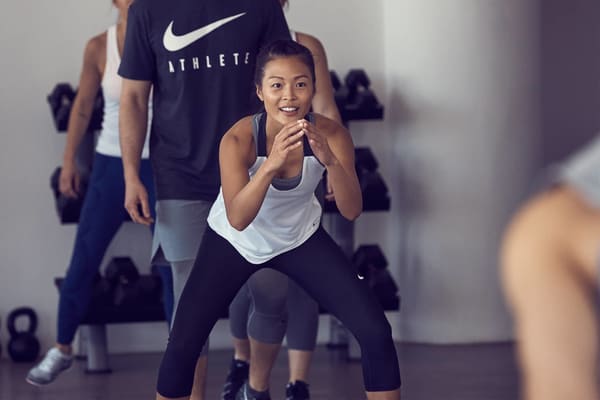
# How Exactly Does Exercise Reduce Stress?
- 
[](https://www.nike.com/hr/a/why-is-sleep-important)
# Sports & Activity
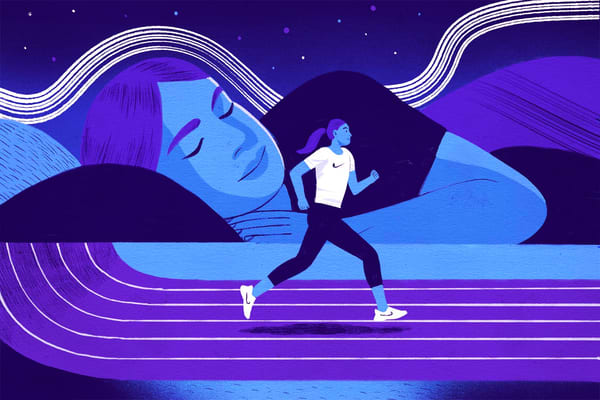
# Why Sleep Is Important for Health and Athletic Performance
- 
[](https://www.nike.com/hr/a/how-does-stress-affect-body)
# Health & Wellness
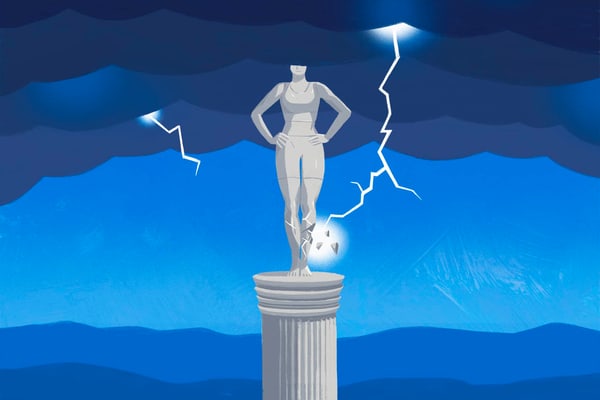
# How Stress Affects the Body—And What To Do About It
- 
[](https://www.nike.com/hr/a/why-do-joints-pop)
# Health & Wellness
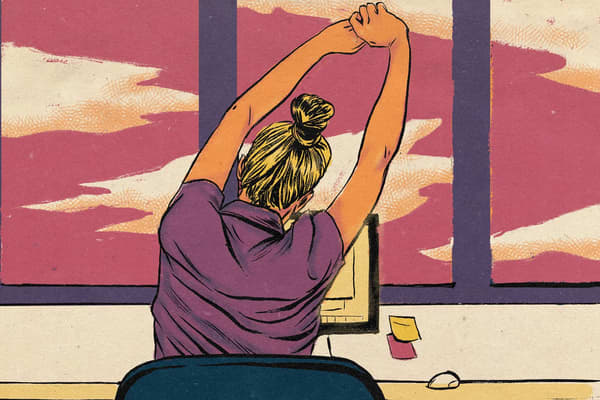
# Why Do Your Joints Pop—and What Does It Mean?
- 
[](https://www.nike.com/hr/a/sore-muscles-after-workout)
# Activity
# How to Treat Sore Muscles After a Tough Workout: Expert-Approved Recovery Tips
Resources
[Find a Store](https://www.nike.com/hr/retail/)
[Nike Journal](https://www.nike.com/hr/stories)
[Become a Member](https://www.nike.com/hr/membership)
[Feedback](https://www.nike.com#site-feedback)
[Promo Codes](https://www.nike.com/hr/promo-code)
[Product Advice](https://www.nike.com/hr/product-advice)
[Running Shoe Finder](https://www.nike.com/hr/running/shoe-finder)
Help
[Get Help](https://www.nike.com/hr/help)
[Order Status](https://www.nike.com/hr/orders/details)
[Shipping and Delivery](https://www.nike.com/hr/help/a/shipping-delivery-gs)
[Returns](https://www.nike.com/hr/help/a/returns-policy-gs)
[Payment Options](https://www.nike.com/hr/help/a/payment-options-gs)
[Contact Us](https://www.nike.com/gb/help/#contact)
[Reviews](https://www.nike.com/hr/help/a/reviews)
Company
[About Nike](https://about.nike.com/)
[News](https://news.nike.com/)
[Careers](https://jobs.nike.com/)
[Investors](https://investors.nike.com/)
[Sustainability](https://www.nike.com/hr/sustainability)
[Accessibility](https://www.nike.com/accessibility)
[Accessibility Statement](https://www.nike.com/hr/accessibility/statement)
[Purpose](https://www.nike.com/hr/purpose)
[Nike Coaching](https://www.nike.com/hr/coaching)
Community Discounts
[Student](https://urldefense.com/v3/__https://services.sheerid.com/verify/68d55e7b273c5b3a03a5b76d/?locale=en-GB__%3B%21%21KLCbKzk%21nTvDkRbY-BbSpoWsFhAQdmMrehEzU3loDux4_exRVjO9--Ik_EbQNJ3bX2gkEwR7F9cVVROFKqLxE4B8uW6bnx4IPOiRLg%24)
[Teacher](https://urldefense.com/v3/__https://services.sheerid.com/verify/68dcfa39c3f2fd1cd3069932/?locale=en-GB__%3B%21%21KLCbKzk%21nTvDkRbY-BbSpoWsFhAQdmMrehEzU3loDux4_exRVjO9--Ik_EbQNJ3bX2gkEwR7F9cVVROFKqLxE4B8uW6bnx5n4vwR-Q%24)
[Resources](https://www.nike.com/hr/help)
[Find a Store](https://www.nike.com/hr/retail/)
[Nike Journal](https://www.nike.com/hr/stories)
[Become a Member](https://www.nike.com/hr/membership)
[Feedback](https://www.nike.com#site-feedback)
[Promo Codes](https://www.nike.com/hr/promo-code)
[Product Advice](https://www.nike.com/hr/product-advice)
[Running Shoe Finder](https://www.nike.com/hr/running/shoe-finder)
[Help](https://www.nike.com/hr/help)
[Get Help](https://www.nike.com/hr/help)
[Order Status](https://www.nike.com/hr/orders/details)
[Shipping and Delivery](https://www.nike.com/hr/help/a/shipping-delivery-gs)
[Returns](https://www.nike.com/hr/help/a/returns-policy-gs)
[Payment Options](https://www.nike.com/hr/help/a/payment-options-gs)
[Contact Us](https://www.nike.com/gb/help/#contact)
[Reviews](https://www.nike.com/hr/help/a/reviews)
[Company](https://about.nike.com/en)
[About Nike](https://about.nike.com/)
[News](https://news.nike.com/)
[Careers](https://jobs.nike.com/)
[Investors](https://investors.nike.com/)
[Sustainability](https://www.nike.com/hr/sustainability)
[Accessibility](https://www.nike.com/accessibility)
[Accessibility Statement](https://www.nike.com/hr/accessibility/statement)
[Purpose](https://www.nike.com/hr/purpose)
[Nike Coaching](https://www.nike.com/hr/coaching)
## Community Discounts
[Student](https://urldefense.com/v3/__https://services.sheerid.com/verify/68d55e7b273c5b3a03a5b76d/?locale=en-GB__%3B%21%21KLCbKzk%21nTvDkRbY-BbSpoWsFhAQdmMrehEzU3loDux4_exRVjO9--Ik_EbQNJ3bX2gkEwR7F9cVVROFKqLxE4B8uW6bnx4IPOiRLg%24)
[Teacher](https://urldefense.com/v3/__https://services.sheerid.com/verify/68dcfa39c3f2fd1cd3069932/?locale=en-GB__%3B%21%21KLCbKzk%21nTvDkRbY-BbSpoWsFhAQdmMrehEzU3loDux4_exRVjO9--Ik_EbQNJ3bX2gkEwR7F9cVVROFKqLxE4B8uW6bnx5n4vwR-Q%24)
Croatia (local name: Hrvatska)
- © 2026 Nike, Inc. All rights reserved.
- Guides
- [Nike Air](https://www.nike.com/hr/air)
- [Nike Air Max](https://www.nike.com/hr/air-max)
- [Nike FlyEase](https://www.nike.com/hr/flyease)
- [Nike Pegasus](https://www.nike.com/hr/running/runningzoom-pegasus-37)
- [Nike React](https://www.nike.com/hr/react)
- [Nike Vaporfly](https://www.nike.com/hr/running/vaporfly)
- [Terms of Use](https://agreementservice.svs.nike.com/hr/en_gb/rest/agreement?agreementType=termsOfUse&uxId=com.nike.unite&country=HR&language=en&requestType=redirect)
- [Terms of Sale](https://www.eshopworld.com/terms-and-conditions-of-sale-en/)
- [Company Details](https://www.nike.com/hr/help/a/company-details)
- [EU Guarantee Notice](https://assets-commerce-nikecloud-com.s3.us-east-1.amazonaws.com/gethelp/legal+guarantee/Legal+guarantee_notice+HRN.pdf)
- [Privacy & Cookie Policy](https://agreementservice.svs.nike.com/hr/en_gb/rest/agreement?agreementType=privacyPolicy&uxId=com.nike.commerce.nikedotcom.web&country=hr&language=en&requestType=redirect)
- [Privacy & Cookie Settings](https://www.nike.com/hr/guest/settings/privacy)
## Africa
- [__Egypt__
\
English](https://www.nike.com/eg/)
- [__Morocco__
\
English](https://www.nike.com/ma/en/)
- [__Maroc__
\
Français](https://www.nike.com/ma/)
- [__South Africa__
\
English](https://www.nike.com/za/)
## Americas
- [__Argentina__
\
Español](https://www.nike.com.ar)
- [__Brasil__
\
Português](https://www.nike.com.br)
- [__Canada__
\
English](https://www.nike.com/ca/)
- [__Canada__
\
Français](https://www.nike.com/ca/fr/)
- [__Chile__
\
Español](https://www.nike.cl)
- [__Colombia__
\
Español](https://www.nike.com.co)
- [__México__
\
Español](https://www.nike.com/mx/)
- [__Peru__
\
Español](https://www.nike.com.pe)
- [__Puerto Rico__
\
Español](https://www.nike.com/pr/)
- [__United States__
\
English](https://www.nike.com)
- [__Estados Unidos__
\
Español](https://www.nike.com/us/es/)
- [__Uruguay__
\
Español](https://www.nike.com.uy)
- [__Latin America__
\
Español](https://www.nike.com/xl/)
## Asia Pacific
- [__Australia__
\
English](https://www.nike.com/au/)
- [__中国大陆__
\
简体中文](https://www.nike.com.cn/)
- [__Hong Kong__
\
English](https://www.nike.com.hk/)
- [__香港__
\
繁體中文](https://www.nike.com.hk/)
- [__India__
\
English](https://www.nike.in/)
- [__Indonesia__
\
English](https://www.nike.com/id/)
- [__Japan__
\
English](https://www.nike.com/jp/en/)
- [__日本__
\
日本語](https://www.nike.com/jp/)
- [__대한민국__
\
한국어](https://www.nike.com/kr/)
- [__Malaysia__
\
English](https://www.nike.com/my/)
- [__New Zealand__
\
English](https://www.nike.com/nz/)
- [__Philippines__
\
English](https://www.nike.com/ph/)
- [__Singapore__
\
English](https://www.nike.com/sg/)
- [__台灣__
\
繁體中文](https://www.nike.com/tw/)
- [__ไทย__
\
ภาษาไทย](https://www.nike.com/th/)
- [__Vietnam__
\
English](https://www.nike.com/vn/)
## Europe
- [__Österreich__
\
Deutsch](https://www.nike.com/at/)
- [__Austria__
\
English](https://www.nike.com/at/en/)
- [__Belgien__
\
Deutsch](https://www.nike.com/be/de/)
- [__Belgium__
\
English](https://www.nike.com/be/en/)
- [__Belgique__
\
Français](https://www.nike.com/be/fr/)
- [__België__
\
Nederlands](https://www.nike.com/be/)
- [__Bulgaria__
\
English](https://www.nike.com/bg/)
- [__Croatia__
\
English](https://www.nike.com/hr/)
- [__Česká republika__
\
Čeština](https://www.nike.com/cz/)
- [__Czech Republic__
\
English](https://www.nike.com/cz/en/)
- [__Danmark__
\
Dansk](https://www.nike.com/dk/)
- [__Denmark__
\
English](https://www.nike.com/dk/en/)
- [__Finland__
\
English](https://www.nike.com/fi/)
- [__France__
\
Français](https://www.nike.com/fr/)
- [__Deutschland__
\
Deutsch](https://www.nike.com/de/)
- [__Ελλάδα__
\
ελληνικά](https://www.nike.com/gr/)
- [__Hungary__
\
English](https://www.nike.com/hu/en/)
- [__Magyarország__
\
Magyar](https://www.nike.com/hu/)
- [__Ireland__
\
English](https://www.nike.com/ie/)
- [__Israel__
\
English](https://www.nike.com/il/)
- [__Italia__
\
Italiano](https://www.nike.com/it/)
- [__Luxemburg__
\
Deutsch](https://www.nike.com/lu/de/)
- [__Luxembourg__
\
English](https://www.nike.com/lu/en/)
- [__Luxembourg__
\
Français](https://www.nike.com/lu/)
- [__Netherlands__
\
English](https://www.nike.com/nl/en/)
- [__Nederland__
\
Nederlands](https://www.nike.com/nl/)
- [__Norway__
\
English](https://www.nike.com/no/en/)
- [__Norge__
\
Norsk](https://www.nike.com/no/)
- [__Polska__
\
Polski](https://www.nike.com/pl/)
- [__Portugal__
\
English](https://www.nike.com/pt/en/)
- [__Portugal__
\
Português](https://www.nike.com/pt/)
- [__Romania__
\
English](https://www.nike.com/ro/)
- [__Россия__
\
Русский](https://www.nike.com/ru/)
- [__Slovakia__
\
English](https://www.nike.com/sk/)
- [__Slovenia__
\
English](https://www.nike.com/si/)
- [__Espanya__
\
Català](https://www.nike.com/es/ca/)
- [__España__
\
Español](https://www.nike.com/es/)
- [__Sweden__
\
English](https://www.nike.com/se/en/)
- [__Sverige__
\
Svenska](https://www.nike.com/se/)
- [__Schweiz__
\
Deutsch](https://www.nike.com/ch/)
- [__Switzerland__
\
English](https://www.nike.com/ch/en/)
- [__Suisse__
\
Français](https://www.nike.com/ch/fr/)
- [__Svizzera__
\
Italiano](https://www.nike.com/ch/it/)
- [__Türkiye__
\
Türkçe](https://www.nike.com/tr/)
- [__United Kingdom__
\
English](https://www.nike.com/gb/)
## Middle East
- [__Saudi Arabia__
\
English](https://www.nike.sa/en/home)
- [__المملكة العربية السعودية__
\
العربية](https://www.nike.sa/ar/home)
- [__United Arab Emirates__
\
English](https://www.nike.ae/en/home)
- [__الإمارات العربية المتحدة__
\
العربية](https://www.nike.ae/ar/home)
- [__Qatar__
\
English](https://www.nike.qa/en/home)
- [__دولة قطر__
\
العربية](https://www.nike.qa/ar/home)
- [__Kuwait__
\
English](https://www.nike.com.kw/en/home)
- [__الكويت__
\
العربية](https://www.nike.com.kw/ar/home)