[Skip to main content](https://www.nike.com#skip-to-content)
- [](https://www.nike.com/ch/en/jordan)
- [Find a Store](https://www.nike.com/ch/en/retail)
- [Help](https://www.nike.com/ch/en/help)
[Help](https://www.nike.com/ch/en/help)
- [Order Status](https://www.nike.com/ch/en/orders)
- [Dispatch and Delivery](https://www.nike.com/ch/en/help/a/shipping-delivery-gs)
- [Returns](https://www.nike.com/ch/en/help/a/returns-policy-gs)
- [Contact Us](https://www.nike.com/ch/en/help/#contact)
- [Privacy Policy](https://agreementservice.svs.nike.com/ch/en_gb/rest/agreement?agreementType=privacyPolicy&uxId=com.nike.commerce.nikedotcom.web&country=ch&language=en&requestType=redirect)
- [Terms of Sale](https://www.eshopworld.com/shoppers/help/retailer/nike/terms-and-conditions-of-sale-en/)
- [Terms of Use](https://agreementservice.svs.nike.com/ch/en_gb/rest/agreement?agreementType=termsOfUse&uxId=com.nike.unite&country=CH&language=en&requestType=redirect)
- [Send Us Feedback](https://www.nike.com#site-feedback)
- [Join Us](https://www.nike.com/ch/en/membership)
- [Sign In](https://www.nike.com/ch/en/register)
[](https://www.nike.com/ch/en/)
- [New](https://www.nike.com/ch/en/w/new-3n82y)
- [New](https://www.nike.com/ch/en/w/new-3n82y)
- [New Arrivals](https://www.nike.com/ch/en/w/new-3n82y)
- [Best Sellers](https://www.nike.com/ch/en/w/best-76m50)
- [SNKRS Launch Calendar](https://www.nike.com/gb/launch/upcoming)
- [Tennis Slam](https://www.nike.com/ch/en/w/tennis-slam-7vd60)
- [Highlights](https://www.nike.com/ch/en/w/new-just-in-3apgqz3n82y)
- [Jordan: Love Letter Collection](https://www.nike.com/ch/en/w/love-letter-7xkbw)
- [Best of Jordan](https://www.nike.com/ch/en/w/best-of-jordan-brand-j0oa)
- [Running: Discover Aerofit](https://www.nike.com/ch/en/w/running-clothing-37v7jz6ymx6)
- [Style By Moon Shoe](https://www.nike.com/ch/en/nike-style-by)
- [Trending](https://www.nike.com/ch/en/w/best-76m50)
- [Hybrid Training](https://www.nike.com/ch/en/w/hybrid-training-7fx1n)
- [Marathon Shoes](https://www.nike.com/ch/en/w/marathon-distance-shoes-6vbyfzy7ok)
- [Elite Football Boots](https://www.nike.com/ch/en/w/elite-football-shoes-1gdj0z9vmnhzy7ok)
- [Sportswear Clothing](https://www.nike.com/ch/en/w/sportswear-clothing-43h4uz6ymx6)
- [Pro Football Boots](https://www.nike.com/ch/en/w/pro-football-shoes-1gdj0z2a2jzy7ok)
- [Brands](https://www.nike.com/ch/en/w/37eefz43h4uz93bsdzpgd6)
- [Nike Sportswear](https://www.nike.com/ch/en/w/lifestyle-13jrm)
- [ACG: All Conditions Gear](https://www.nike.com/ch/en/acg)
- [Jordan](https://www.nike.com/ch/en/w/jordan-37eef)
- [Kobe](https://www.nike.com/ch/en/w/kobe-pgd6)
- [NOCTA](https://www.nike.com/ch/en/w/nocta-25nhb)
- [Men](https://www.nike.com/ch/en/men)
- [Highlights](https://www.nike.com/ch/en/w/new-mens-3n82yznik1)
- [New Arrivals](https://www.nike.com/ch/en/w/new-mens-3n82yznik1)
- [Best Sellers](https://www.nike.com/ch/en/w/mens-best-76m50znik1)
- [Streetwear Clothing](https://www.nike.com/ch/en/w/streetwear-clothing-97qn8)
- [Tennis Slam](https://www.nike.com/ch/en/w/mens-tennis-slam-7vd60znik1)
- [Shoes](https://www.nike.com/ch/en/w/mens-shoes-nik1zy7ok)
- [All Shoes](https://www.nike.com/ch/en/w/mens-shoes-nik1zy7ok)
- [Lifestyle](https://www.nike.com/ch/en/w/mens-lifestyle-shoes-13jrmznik1zy7ok)
- [Jordan](https://www.nike.com/ch/en/w/mens-jordan-shoes-37eefznik1zy7ok)
- [Running](https://www.nike.com/ch/en/w/mens-running-shoes-37v7jznik1zy7ok)
- [Football](https://www.nike.com/ch/en/w/mens-football-shoes-1gdj0znik1zy7ok)
- [Basketball](https://www.nike.com/ch/en/w/mens-basketball-shoes-3glsmznik1zy7ok)
- [Training and Gym](https://www.nike.com/ch/en/w/mens-training-gym-shoes-58jtoznik1zy7ok)
- [Skateboarding](https://www.nike.com/ch/en/w/mens-skateboarding-shoes-8mfrfznik1zy7ok)
- [Custom Shoes](https://www.nike.com/ch/en/w/mens-nike-by-you-shoes-6ealhznik1zy7ok)
- [Clothing](https://www.nike.com/ch/en/w/mens-clothing-6ymx6znik1)
- [All Clothing](https://www.nike.com/ch/en/w/mens-clothing-6ymx6znik1)
- [Hoodies and Sweatshirts](https://www.nike.com/ch/en/w/mens-hoodies-sweatshirts-6riveznik1)
- [Tops and T-Shirts](https://www.nike.com/ch/en/w/mens-tops-t-shirts-9om13znik1)
- [Kits and Jerseys](https://www.nike.com/ch/en/w/mens-football-kits-jerseys-1gdj0z3a41eznik1)
- [Shorts](https://www.nike.com/ch/en/w/mens-shorts-38fphznik1)
- [Trousers and Tights](https://www.nike.com/ch/en/w/mens-trousers-tights-2kq19znik1)
- [Tracksuits](https://www.nike.com/ch/en/w/mens-tracksuits-1ll2wznik1)
- [Jackets](https://www.nike.com/ch/en/w/mens-jackets-gilets-50r7yznik1)
- [Accessories](https://www.nike.com/ch/en/w/mens-accessories-equipment-awwpwznik1)
- [Sport](https://www.nike.com/ch/en/w/mens-performance-3k7dgznik1)
- [Running](https://www.nike.com/ch/en/running)
- [Football](https://www.nike.com/ch/en/football)
- [Basketball](https://www.nike.com/ch/en/basketball)
- [Training and Gym](https://www.nike.com/ch/en/training)
- [Tennis](https://www.nike.com/ch/en/tennis)
- [Skateboarding](https://www.nike.com/ch/en/w/mens-skateboarding-8mfrfznik1)
- [Golf](https://www.nike.com/ch/en/golf)
- Brands
- [Nike Sportswear](https://www.nike.com/ch/en/w/mens-lifestyle-13jrmznik1)
- [ACG: All Conditions Gear](https://www.nike.com/ch/en/acg)
- [Jordan](https://www.nike.com/ch/en/w/mens-jordan-37eefznik1)
- [Kobe](https://www.nike.com/ch/en/w/mens-kobe-nik1zpgd6)
- [NOCTA](https://www.nike.com/ch/en/w/mens-nocta-25nhbznik1)
- [Women](https://www.nike.com/ch/en/women)
- [Highlights](https://www.nike.com/ch/en/w/new-womens-3n82yz5e1x6)
- [New Arrivals](https://www.nike.com/ch/en/w/new-womens-3n82yz5e1x6)
- [Best Sellers](https://www.nike.com/ch/en/w/womens-best-5e1x6z76m50)
- [Nike Fleece Essentials](https://www.nike.com/ch/en/w/womens-nike-studio-fleece-clothing-5e1x6z6ymx6zs531)
- [Seasonal Clothing Packs](https://www.nike.com/ch/en/w/seasonal-clothing-packs-9yawh)
- [Style By Moon Shoe](https://www.nike.com/ch/en/nike-style-by)
- [Tennis Slam](https://www.nike.com/ch/en/w/womens-tennis-slam-5e1x6z7vd60)
- [Shoes](https://www.nike.com/ch/en/w/womens-shoes-5e1x6zy7ok)
- [All Shoes](https://www.nike.com/ch/en/w/womens-shoes-5e1x6zy7ok)
- [Lifestyle](https://www.nike.com/ch/en/w/womens-lifestyle-shoes-13jrmz5e1x6zy7ok)
- [Jordan](https://www.nike.com/ch/en/w/womens-jordan-shoes-37eefz5e1x6zy7ok)
- [Running](https://www.nike.com/ch/en/w/womens-running-shoes-37v7jz5e1x6zy7ok)
- [Training and Gym](https://www.nike.com/ch/en/w/womens-training-gym-shoes-58jtoz5e1x6zy7ok)
- [Football](https://www.nike.com/ch/en/w/womens-football-shoes-1gdj0z5e1x6zy7ok)
- [Custom Shoes](https://www.nike.com/ch/en/w/womens-nike-by-you-shoes-5e1x6z6ealhzy7ok)
- [Clothing](https://www.nike.com/ch/en/w/womens-clothing-5e1x6z6ymx6)
- [All Clothing](https://www.nike.com/ch/en/w/womens-clothing-5e1x6z6ymx6)
- [Hoodies and Sweatshirts](https://www.nike.com/ch/en/w/womens-hoodies-sweatshirts-5e1x6z6rive)
- [Tops and T-Shirts](https://www.nike.com/ch/en/w/womens-tops-t-shirts-5e1x6z9om13)
- [Shorts](https://www.nike.com/ch/en/w/womens-shorts-38fphz5e1x6)
- [Leggings](https://www.nike.com/ch/en/w/womens-tights-leggings-29sh2z5e1x6)
- [Trousers](https://www.nike.com/ch/en/w/womens-trousers-tights-2kq19z5e1x6)
- [Matching Sets](https://www.nike.com/ch/en/w/womens-matching-sets-2lukpz5e1x6)
- [Jackets](https://www.nike.com/ch/en/w/womens-jackets-gilets-50r7yz5e1x6)
- [Sports Bras](https://www.nike.com/ch/en/w/womens-sports-bras-40qgmz5e1x6)
- [Accessories](https://www.nike.com/ch/en/w/womens-accessories-equipment-5e1x6zawwpw)
- [Sport](https://www.nike.com/ch/en/w/womens-performance-3k7dgz5e1x6)
- [Training and Gym](https://www.nike.com/ch/en/training)
- [Running](https://www.nike.com/ch/en/running)
- [Football](https://www.nike.com/ch/en/football)
- [Basketball](https://www.nike.com/ch/en/basketball)
- [Tennis](https://www.nike.com/ch/en/tennis)
- [Skateboarding](https://www.nike.com/ch/en/w/womens-skateboarding-5e1x6z8mfrf)
- [Golf](https://www.nike.com/ch/en/golf)
- Brands
- [NikeSKIMS](https://www.nike.com/ch/en/nikeskims)
- [Nike Sportswear](https://www.nike.com/ch/en/w/womens-lifestyle-13jrmz5e1x6)
- [ACG: All Conditions Gear](https://www.nike.com/ch/en/acg)
- [Jordan](https://www.nike.com/ch/en/w/womens-jordan-37eefz5e1x6)
- [Kobe](https://www.nike.com/ch/en/w/womens-kobe-5e1x6zpgd6)
- [Kids](https://www.nike.com/ch/en/kids)
- [Highlights](https://www.nike.com/ch/en/w/new-kids-3n82yzv4dh)
- [New Arrivals](https://www.nike.com/ch/en/w/new-kids-3n82yzv4dh)
- [Best Sellers](https://www.nike.com/ch/en/w/kids-best-76m50zv4dh)
- [Teen Destination](https://www.nike.com/ch/en/teens)
- [Nike x LEGO® Collection](https://www.nike.com/ch/en/lego)
- [Shoes](https://www.nike.com/ch/en/w/kids-shoes-v4dhzy7ok)
- [All Shoes](https://www.nike.com/ch/en/w/kids-shoes-v4dhzy7ok)
- [Lifestyle](https://www.nike.com/ch/en/w/kids-lifestyle-shoes-13jrmzv4dhzy7ok)
- [Jordan](https://www.nike.com/ch/en/w/kids-jordan-shoes-37eefzv4dhzy7ok)
- [Football](https://www.nike.com/ch/en/w/kids-football-shoes-1gdj0zv4dhzy7ok)
- [Running](https://www.nike.com/ch/en/w/kids-running-shoes-37v7jzv4dhzy7ok)
- [Basketball](https://www.nike.com/ch/en/w/kids-basketball-shoes-3glsmzv4dhzy7ok)
- [Physical Education](https://www.nike.com/ch/en/w/kids-performance-shoes-3k7dgzv4dhzy7ok)
- [Clothing](https://www.nike.com/ch/en/w/kids-clothing-6ymx6zv4dh)
- [All Clothing](https://www.nike.com/ch/en/w/kids-clothing-6ymx6zv4dh)
- [Hoodies and Sweatshirts](https://www.nike.com/ch/en/w/kids-hoodies-sweatshirts-6rivezv4dh)
- [Tops and T-Shirts](https://www.nike.com/ch/en/w/kids-tops-t-shirts-9om13zv4dh)
- [Kits & Jerseys](https://www.nike.com/ch/en/w/kids-football-kits-jerseys-1gdj0z3a41ezv4dh)
- [Tracksuits](https://www.nike.com/ch/en/w/kids-tracksuits-1ll2wzv4dh)
- [Shorts](https://www.nike.com/ch/en/w/kids-shorts-38fphzv4dh)
- [Trousers and Leggings](https://www.nike.com/ch/en/w/kids-trousers-tights-2kq19zv4dh)
- [Matching Sets](https://www.nike.com/ch/en/w/kids-matching-sets-2lukpzv4dh)
- [Jackets](https://www.nike.com/ch/en/w/kids-jackets-gilets-50r7yzv4dh)
- [Accessories](https://www.nike.com/ch/en/w/kids-accessories-equipment-awwpwzv4dh)
- [Kids by age](https://www.nike.com/ch/en/w/kids-v4dh)
- [Teens (13–17 years)](https://www.nike.com/ch/en/w/teen-collection-6hgue)
- [Older Kids (7–12 years)](https://www.nike.com/ch/en/w/older-kids-agibjzv4dh)
- [Younger Kids (3–7 years)](https://www.nike.com/ch/en/w/little-kids-6dacezv4dh)
- [Baby & Toddler (0–3 years)](https://www.nike.com/ch/en/w/baby-toddlers-kids-2j488zv4dh)
- [Sport](https://www.nike.com/ch/en/w/kids-performance-3k7dgzv4dh)
- [Running](https://www.nike.com/ch/en/w/kids-running-37v7jzv4dh)
- [Football](https://www.nike.com/ch/en/w/kids-football-1gdj0zv4dh)
- [Basketball](https://www.nike.com/ch/en/w/kids-basketball-3glsmzv4dh)
- [Physical Education](https://www.nike.com/ch/en/w/kids-training-gym-58jtozv4dh)
- [Skateboarding](https://www.nike.com/ch/en/w/skateboarding-8mfrf)
- [Sport](https://www.nike.com/ch/en/lockerroom)
- [Highlights](https://www.nike.com/ch/en/w/new-performance-3k7dgz3n82y)
- [New Arrivals](https://www.nike.com/ch/en/w/new-performance-3k7dgz3n82y)
- [Best Sellers](https://www.nike.com/ch/en/w/best-performance-3k7dgz76m50)
- [Jordan Basketball](https://www.nike.com/ch/en/w/jordan-basketball-37eefz3glsm)
- [Running: Discover Aerofit](https://www.nike.com/ch/en/w/running-clothing-37v7jz6ymx6)
- [Football: New Club Kits 26/27](https://www.nike.com/ch/en/w/club-football-teams-6fu9q)
- [Running](https://www.nike.com/ch/en/running)
- [All Running](https://www.nike.com/ch/en/w/running-37v7j)
- [Shoes](https://www.nike.com/ch/en/w/running-shoes-37v7jzy7ok)
- [Clothing](https://www.nike.com/ch/en/w/running-clothing-37v7jz6ymx6)
- [Accessories](https://www.nike.com/ch/en/w/running-accessories-equipment-37v7jzawwpw)
- [Football](https://www.nike.com/ch/en/football)
- [All Football](https://www.nike.com/ch/en/w/football-1gdj0)
- [Shoes](https://www.nike.com/ch/en/w/football-shoes-1gdj0zy7ok)
- [Clothing](https://www.nike.com/ch/en/w/football-clothing-1gdj0z6ymx6)
- [Accessories](https://www.nike.com/ch/en/w/football-accessories-equipment-1gdj0zawwpw)
- [Training and Gym](https://www.nike.com/ch/en/training)
- [All Training and Gym](https://www.nike.com/ch/en/w/training-gym-58jto)
- [Shoes](https://www.nike.com/ch/en/w/training-gym-shoes-58jtozy7ok)
- [Clothing](https://www.nike.com/ch/en/w/training-gym-clothing-58jtoz6ymx6)
- [Accessories](https://www.nike.com/ch/en/w/training-gym-accessories-equipment-58jtozawwpw)
- [More Sports](https://www.nike.com/ch/en/w/performance-3k7dg)
- [All Sport](https://www.nike.com/ch/en/w/performance-3k7dg)
- [Basketball](https://www.nike.com/ch/en/basketball)
- [Outdoor](https://www.nike.com/ch/en/w/acg-93bsd)
- [Tennis](https://www.nike.com/ch/en/tennis)
- [Nike SB](https://www.nike.com/ch/en/w/skateboarding-8mfrf)
- [Golf](https://www.nike.com/ch/en/golf)
- [NikeSKIMS](https://www.nike.com/ch/en/nikeskims)
- [NikeSKIMS Guides](https://www.nike.com/ch/en/nikeskims-lookbook)
- [NikeSKIMS Lookbook](https://www.nike.com/ch/en/nikeskims-lookbook)
- [NikeSKIMS Bra Guide](https://www.nike.com/ch/en/nikeskims-bra-guide)
- [NikeSKIMS Collection Guide](https://www.nike.com/ch/en/nikeskims-collection-guide)
- [Clothing](https://www.nike.com/ch/en/w/nikeskims-b2asd)
- [All Clothing](https://www.nike.com/ch/en/w/nikeskims-clothing-6ymx6zb2asd)
- [Bras](https://www.nike.com/ch/en/w/nikeskims-sports-bras-40qgmzb2asd)
- [Tops and Tanks](https://www.nike.com/ch/en/w/nikeskims-tops-t-shirts-9om13zb2asd)
- [Leggings](https://www.nike.com/ch/en/w/nikeskims-tights-leggings-29sh2zb2asd)
- [Shorts](https://www.nike.com/ch/en/w/nikeskims-shorts-38fphzb2asd)
- [Shoes](https://www.nike.com/ch/en/w/nikeskims-shoes-b2asdzy7ok)
- [Accessories](https://www.nike.com/ch/en/w/nikeskims-accessories-equipment-awwpwzb2asd)
- [Collections](https://www.nike.com/ch/en/nikeskims-collection-guide)
- [All Collections](https://www.nike.com/ch/en/w/nikeskims-b2asd)
- [Shine](https://www.nike.com/ch/en/w/nikeskims-nikeskims-shine-aq8qbzb2asd)
- [Matte](https://www.nike.com/ch/en/w/nikeskims-nikeskims-matte-5s3enzb2asd)
- [Airy](https://www.nike.com/ch/en/w/nikeskims-nikeskims-airy-5c1qqzb2asd)
- [Ribbed Seamless](https://www.nike.com/ch/en/w/nikeskims-nikeskims-seamless-6lh4szb2asd)
- [Stretch Knit](https://www.nike.com/ch/en/w/nikeskims-nikeskims-stretch-knit-21jwlzb2asd)
- [Studio Stretch](https://www.nike.com/ch/en/w/nikeskims-studio-stretch-admbq)
- [Stretch Nylon](https://www.nike.com/ch/en/w/nikeskims-stretch-nylon-7sut9)
- [Weightless](https://www.nike.com/ch/en/w/nikeskims-nikeskims-weightless-4csx8zb2asd)
- [Shop By Color](https://www.nike.com/ch/en/w/nikeskims-b2asd)
- [Obsidian](https://www.nike.com/ch/en/w/nikeskims-black-90poyzb2asd)
- [Dark Sepia](https://www.nike.com/ch/en/w/nikeskims-dark-sepia-81pvm)
- [Phoenix](https://www.nike.com/ch/en/w/nikeskims-phoenix-1jhtj)
- [Cobalt](https://www.nike.com/ch/en/w/nikeskims-blue-8hfx3zb2asd)
- [Ivory](https://www.nike.com/ch/en/w/nikeskims-white-4g797zb2asd)
Cancel
Cancel
Popular Search Terms
[football boots](https://www.nike.com/ch/en/w?q=football%20boots&vst=football%20boots)[shoes](https://www.nike.com/ch/en/w?q=shoes&vst=shoes)[nike mind](https://www.nike.com/ch/en/w?q=nike%20mind&vst=nike%20mind)[air force 1](https://www.nike.com/ch/en/w?q=air%20force%201&vst=air%20force%201)[basketball shoes](https://www.nike.com/ch/en/w?q=basketball%20shoes&vst=basketball%20shoes)[nike tech](https://www.nike.com/ch/en/w?q=nike%20tech&vst=nike%20tech)[jordan](https://www.nike.com/ch/en/w?q=jordan&vst=jordan)[acg](https://www.nike.com/ch/en/w?q=acg&vst=acg)
[](https://www.nike.com/ch/en/favorites "Favourites")[](https://www.nike.com/ch/en/cart "Bag Items: 0")
# What is pronation—and what are the best Nike Running Shoes for flat feet?
##### Buying Guide
If you're a runner with flat feet, you may be wondering what that means for your training and which Nike shoes are the best fit. Here's what to know before you lace up.
Last updated: 16 March 2026
7 min read
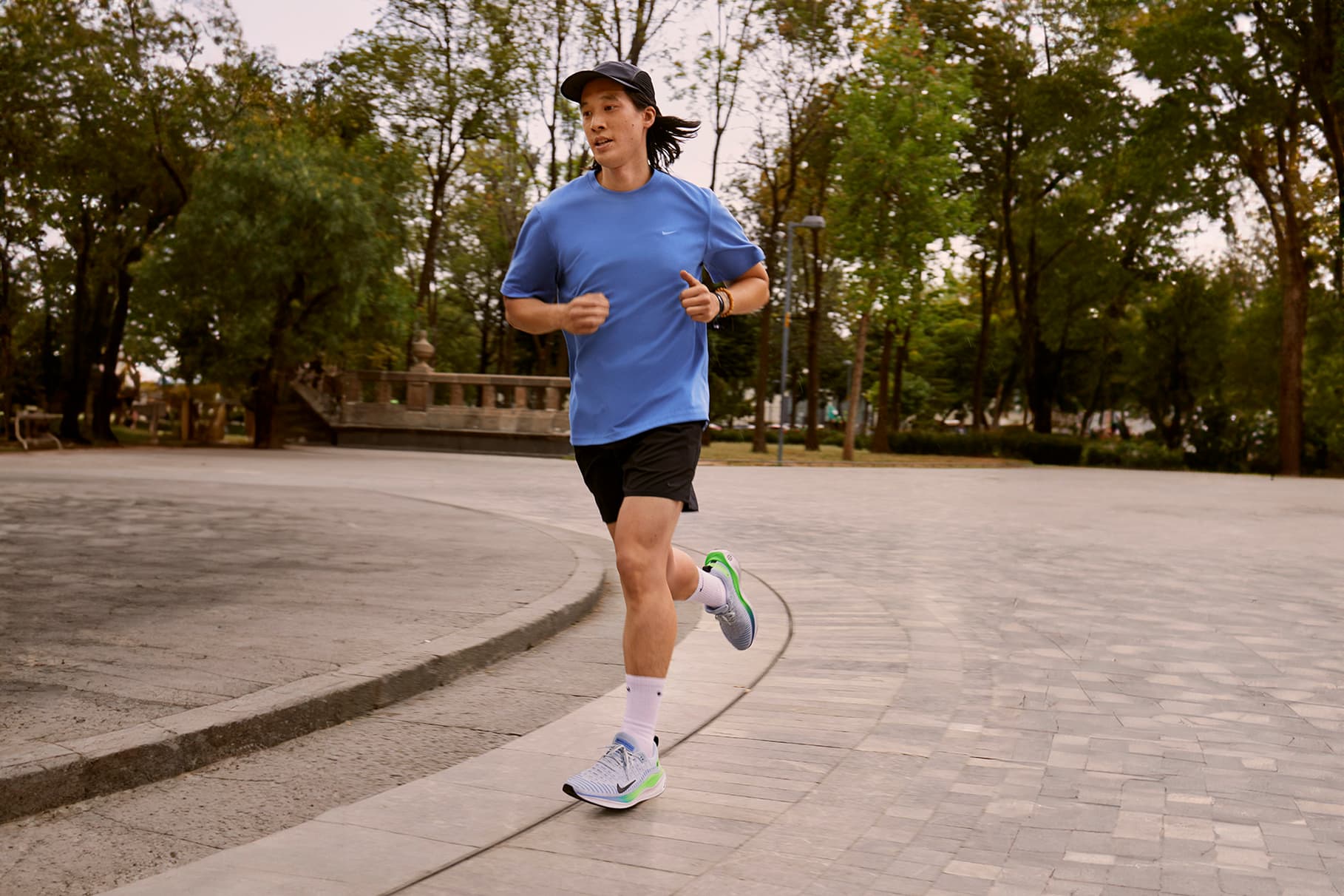
Feet come in all shapes, sizes and arch heights. If you have flat feet, you may wonder what type of support is best for you, especially if you're a runner. Bear in mind that not all flat feet are the same. Here's what to know about running with low arches and [how to find the best running shoes](https://www.nike.com/a/buy-right-running-shoes) for flat feet.
__Quick takeaways__
- Pronation is the natural inward roll of the foot during running or walking.
- Runners with flat feet often overpronate, but not all overpronation causes pain.
- Stability and motion-control shoes can help support flat feet.
- Nike running shoes for flat feet combine arch support, heel stability and impact-absorbing cushioning.
## What are flat feet, exactly?
According to a [review book](https://www.ncbi.nlm.nih.gov/books/NBK430802/?report=classic) from the National Library of Medicine, National Center for Biotechnology Information, there are two main types of flat feet: congenital or acquired. In other words, people are either born with flat feet or they can develop flat (or collapsed) arches over time due to factors such as injuries to soft tissues in the foot.
## What Is Pronation? And How to Know if You Overpronate
To start, it's helpful to understand what the foot is doing as it strikes the ground. [Pronation](https://www.nike.com/a/how-pronation-affects-your-running) is the natural downward and inward rolling movement of the foot when it hits the ground. There are varying degrees of foot-rolling in a runner's stride. [Overpronation](https://www.nike.com/a/shoes-for-overpronation) refers to a foot strike that rolls too far downwards and inwards.
People with flat feet [tend to overpronate](https://my.clevelandclinic.org/health/diseases/22474-overpronation), which can put strain on the big toe and cause the arches to collapse or the ankles to roll inwards, according to the [American Academy of Orthopaedic Surgeons](https://orthoinfo.aaos.org/en/staying-healthy/walking-pronation-animation/). The term flat feet describes arch height, while overpronation refers to how the foot moves during a stride. Some runners have flat feet without pain or excessive pronation. Conversely, runners with high arches tend to underpronate (supinate) and often benefit from cushioned shoes that help compensate for reduced natural shock absorption.
If you're looking for a quick way to check if you overpronate while you're running, look at your go-to pair of running shoes. If the inside of the bottom sole shows significantly more wear than the outside, you might overpronate. Better yet, have your running buddy take a video of you [running on a treadmill](https://www.nike.com/a/treadmill-exercise-benefits) or on the pavement to see if the inside of your arches collapse when they hit the ground.
If you do notice some overpronation, don't stress, it's usually not an issue unless you experience pain or get injured. According to the [American Podiatric Medical Association](https://www.apma.org/patients-and-the-public/conditions-affecting-the-foot-and-ankle/heel-pain/) (APMA), excessive pronation can contribute to [heel pain](https://www.nike.com/a/shoes-for-heel-pain), as well as injuries to the hip, knee and lower back.
If you're experiencing pain in these areas while running, talk to a podiatrist. Your doctor will be able to recommend how best to support your feet and prevent discomfort or injury, including prehab exercises that can strengthen the foot muscles. Remember, shoes should never be approached as a solution for injury or pain.
## What to look for in shoes for flat feet
Consult with your doctor before you select a shoe to make sure you're making the best decisions for your needs. When you're shopping, it's key to try a variety of options in store to find the right fit.
While stability features help guide the foot, cushioning plays an equally important role in reducing repetitive impact stress, especially for runners with low arches or joint sensitivity.
There are two main features to consider looking for in a shoe if you have flat feet:
## 1. Support
According to the [American Podiatric Medical Association](https://www.apma.org/patients-and-the-public/tips-for-healthy-feet/which-running-shoe-is-right-for-you/), supportive footwear can help manage stress associated with overpronation. Specifically, stability running shoes are designed to support the arch of the foot with ample cushioning.
Runners with flat feet often benefit from moderate to maximum cushioning, especially if they experience fatigue or soreness during longer runs. Softer midsoles can help distribute pressure more evenly across the foot.
For example, the Nike React Infinity Run Flyknit Shoe is designed with Nike React foam, which feels smooth, bouncy and supportive underfoot. [Nike React technology](https://www.nike.com/react) is 11% softer and offers 13% more energy return than Nike's previous technology, while also being more durable and more lightweight.
## 2. Motion Control
Alternatively, [motion-control running shoes](https://www.nike.com/a/stability-vs-motion-control-running-shoes) offer arch support in the midsole, as well as additional heel-cup support to keep the foot from rolling inwards during each step.
Studies show benefits of motion-control shoes for overpronators. For instance, a 2015 study published in the [*British Journal of Sports Medicine*](https://bjsm.bmj.com/content/50/8/481) found that running in shoes with motion control was associated with a significantly lower overall injury risk among recreational runners who overpronate.
Additionally, a 2020 study in the [*Journal of Orthopaedic*](https://pubmed.ncbi.nlm.nih.gov/33306927/) [*and*](https://pubmed.ncbi.nlm.nih.gov/33306927/) [*Sports Physical Therapy*](https://pubmed.ncbi.nlm.nih.gov/33306927/) found that motion-control shoes may reduce the risk of pronation-related running injuries, but they did not influence the risk of other running-related injuries.
However, it's important to prioritise comfort and injury history over shoe category alone.
## Which Foot Types Benefit Most From Cushioned Running Shoes?
Runners with flat feet, low arches, high arches (supination) or those prone to joint discomfort often benefit from cushioned running shoes. Cushioning can help absorb repetitive impact forces and may feel more comfortable for runners who experience arch collapse, rigid foot structure or high loading through the knees and hips. However, the ideal amount of cushioning depends on both arch height and how the foot moves during each stride.
## Do All Flat Feet Need Stability Shoes?
The short answer: not necessarily. Some people with flat feet feel comfortable in a neutral running shoe, while others need the extra support of a stability shoe. According to the [American Podiatric Medical Association](https://www.apma.org/patients-and-the-public/conditions-affecting-the-foot-and-ankle/heel-pain/), excessive pronation can contribute to heel pain, as well as injury to the hip, knee and lower back.
If you're experiencing pain in these areas while running, talk to a podiatrist, who can provide expert recommendations on how best to support your feet and prevent discomfort or injury, including exercises to strengthen the muscles in the foot or specific footwear recommendations.
## Key features for overpronators to consider in a shoe
1. # 1.Roomy toe box and wide forefoot
Running shoes that offer a wide forefoot, such as the Nike ZoomX Invincible Run Flyknit, help provide added stability and shock absorption as the foot hits the pavement with each step.
2. # 2.Firm heel support
Firm support in the heel can help to protect the tendons in the feet from strain that can be caused by overpronation. According to the [American Podiatric Medical Association](https://www.apma.org/heelpain), overpronation can create additional stretching and pulling on the ligaments and tendons attaching to the bottom-back of the heel bone, which can result in heel pain. In addition to working with a podiatrist on proper diagnosis and treatment, the APMA recommends wearing well-fitting shoes that have shock-absorbent soles and rigid shanks (the part of the shoe under the arch of the foot). A shoe with a rigid shank won't bend easily if you try to bend it in half. The APMA also recommends looking for supportive reinforcement in the heel to help avoid heel pain.
3. # 3.Low but firm arch support
Opt for a low arch that feels right to you in the landing stage of your gait—it shouldn't be too rigid or too soft. The sole of the shoe should provide ample cushioning without compressing completely.
## The best Nike Running Shoes for flat feet
1. # 1.Nike Structure
This Nike Structure features a firm midsole that feels stable and soft underfoot. It has a cushioned crash pad at the heel, helping support heel-to-toe transitions for runners who overpronate. The durable rubber outsole strikes a balance between stability and flexibility, and a breathable upper keeps the feet cool.
[Shop Nike Structure](https://www.nike.com/ch/en/w/zoom-structure-running-shoes-1sytgz37v7jz5e1x6znik1zy7ok)
2. # 2.Nike Pegasus
The Nike Pegasus has a few features to help athletes with flat feet feel more stable while running. Nike React technology provides that soft-yet-responsive sensation at every step and the lacing system adds extra stability in the midfoot.
[Shop Nike Pegasus](https://www.nike.com/ch/en/w/pegasus-8nexh)
3. # 3.Nike Vomero
The Vomero features a midsole with soft, responsive ZoomX foam combined with firmer ReactX foam for stability. The shoe is also made with sidewalls on the heel and midfoot to provide structural support for low arches.
[Shop Nike Vomero](https://www.nike.com/ch/en/w/zoom-vomero-7gee1)
## Frequently Asked Questions
Do people with flat feet need special shoes?
Not necessarily. Some people with flat feet feel comfortable in a [neutral running shoe](https://www.nike.com/ch/en/w/running-neutral-support-shoes-37v7jz5e1x6z65dhtznik1zy7ok), while others need the [extra support](https://www.nike.com/ch/en/w/running-elevated-support-shoes-37v7jz5e1x6z7rxbznik1zy7ok) of a stability shoe. According to the [American Podiatric Medical Association](https://www.apma.org/heelpain#:~:text=Pronation%20is%20the%20normal%20flexible,moves%20toward%20the%20big%20toe.), excessive pronation can contribute to heel pain as well as injury to the hip, knee and lower back. If you are experiencing pain in these areas while running, talk to a podiatrist, who can provide expert recommendations on how best to support your feet and prevent discomfort or injury, along with exercises to strengthen the muscles in the foot or with specific footwear recommendations.
What shoes should people with flat feet avoid?
While personal preferences and comfort levels will vary among people with flat feet, it's generally best to avoid shoes that don't have ample support in the midfoot such as flip-flops, high heels and flats with thin soles.
## Shop Nike Running Shoes
[View All](https://www.nike.com/ch/en/w/running-shoes-37v7jzy7ok)
- [
\
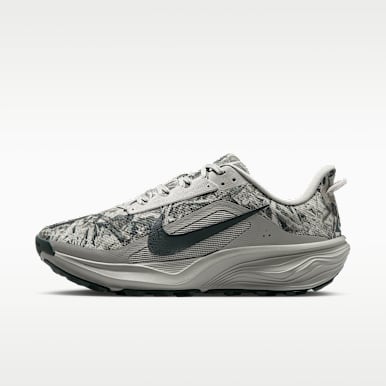
Nike ACG Pegasus Trail
\
Men's Trail-Running Shoes
\
__CHF 170__](https://www.nike.com/ch/en/t/acg-pegasus-trail-mens-trail-running-shoes-aSvTDKgn/HV8116-301)
- [
\
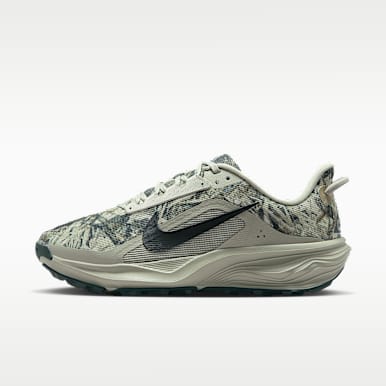
Nike ACG Pegasus Trail
\
Women's Trail-Running Shoes
\
__CHF 170__](https://www.nike.com/ch/en/t/acg-pegasus-trail-womens-trail-running-shoes-M4no41Q2/HV8121-301)
- [
\
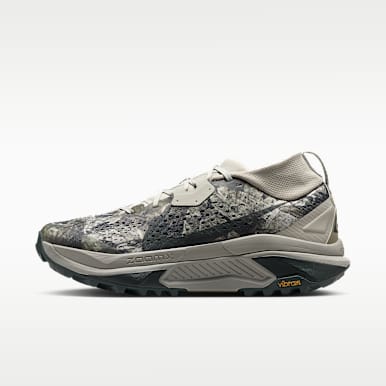
ACG Zegama Trail
\
Men's Trail-Running Shoes
\
__CHF 195__](https://www.nike.com/ch/en/t/acg-zegama-trail-mens-trail-running-shoes-MgugCWJi/HV8113-300)
- [
\
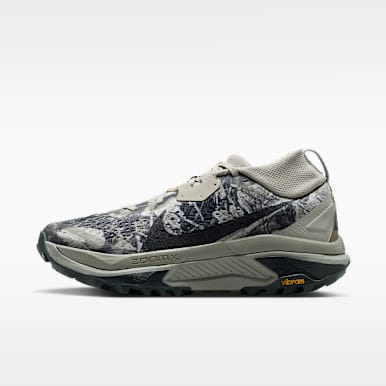
ACG Zegama Trail
\
Women's Trail-Running Shoes
\
__CHF 195__](https://www.nike.com/ch/en/t/acg-zegama-trail-womens-trail-running-shoes-zcAWIUua/HV8115-301)
- [
\
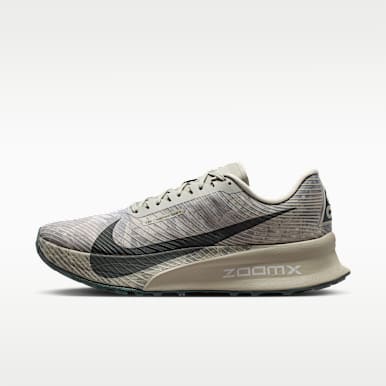
Nike ACG Ultrafly Trail
\
Trail-Racing Shoes
\
__CHF 290__](https://www.nike.com/ch/en/t/acg-ultrafly-trail-racing-shoes-fFJRMV/HF5668-300)
- [
\
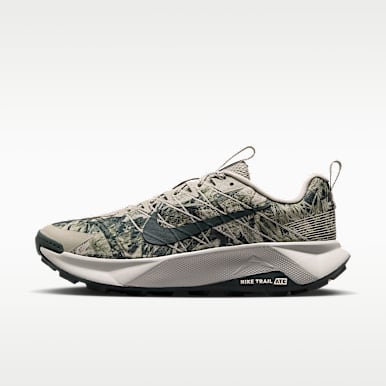
Nike Wildhorse 10
\
Men's Trail-Running Shoes
\
__CHF 170__](https://www.nike.com/ch/en/t/wildhorse-10-mens-trail-running-shoes-2T16XN/FV2338-302)
- [
\
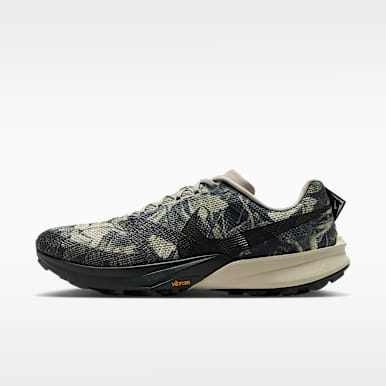
Nike Kiger 10
\
Trail-Running Shoes
\
__CHF 185__](https://www.nike.com/ch/en/t/kiger-10-trail-running-shoes-strNHm/FV3929-302)
- [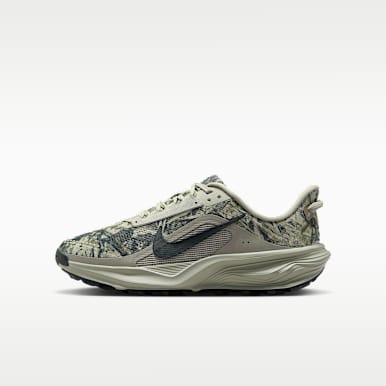
\
Nike ACG Pegasus Trail
\
Older Kids' Running Shoes
\
__CHF 125__](https://www.nike.com/ch/en/t/acg-pegasus-trail-older-kids-running-shoes-YpDbQmIN/IH2305-302)
- [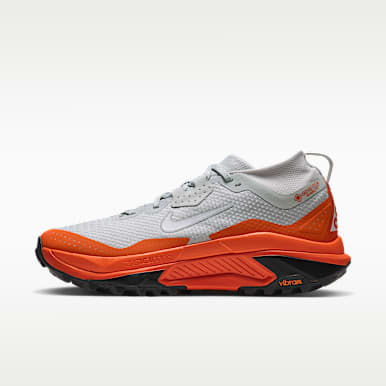
\
Nike ACG Zegama Trail GORE-TEX
\
Men's Waterproof Trail-Running Shoes
\
__CHF 220__](https://www.nike.com/ch/en/t/acg-zegama-trail-gore-tex-mens-waterproof-trail-running-shoes-Dc6g22E9/IO7932-001)
- [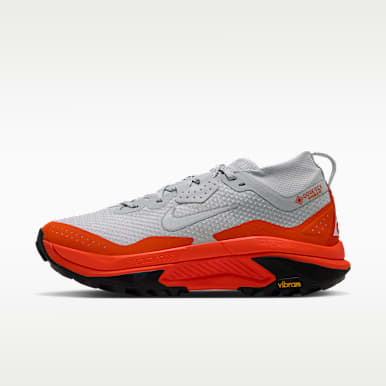
\
Nike ACG Zegama Trail GORE-TEX
\
Women's Waterproof Trail-Running Shoes
\
__CHF 220__](https://www.nike.com/ch/en/t/acg-zegama-trail-gore-tex-womens-waterproof-trail-running-shoes-KdrkJnGA/IO7933-002)
Originally published: 16 March 2026
## Related Stories
- 
[](https://www.nike.com/ch/en/a/running-in-cold-weather)
# Activity
# Running in Cold Weather: Here's How To Dress, Do a Warm-up Routine and Stay Comfortable
- 
[](https://www.nike.com/ch/en/a/what-is-cadence-running)
# Sports & Activity
# What Is a Good Running Cadence? How to Find Your Optimal Step Rate
- 
[](https://www.nike.com/ch/en/a/how-to-pick-the-right-running-shoes)
# Buying Guide
# How to Choose the Right Running Shoes: Fit, Cushioning and Support Explained
- 
[](https://www.nike.com/ch/en/a/best-running-shoes-for-treadmill)
# Buying Guide
# Best Nike Running Shoes for the Treadmill
- 
[](https://www.nike.com/ch/en/a/running-vs-cycling-benefits)
# Activity
# Running vs cycling—benefits of each
Resources
[Find a Store](https://www.nike.com/ch/en/retail/)
[Nike Journal](https://www.nike.com/ch/en/stories)
[Become a Member](https://www.nike.com/ch/en/membership)
[Feedback](https://www.nike.com#site-feedback)
[Promo Codes](https://www.nike.com/ch/en/promo-code)
[Product Advice](https://www.nike.com/ch/en/product-advice)
[Running Shoe Finder](https://www.nike.com/ch/en/running/shoe-finder)
Help
[Get Help](https://www.nike.com/ch/en/help)
[Order Status](https://www.nike.com/ch/en/orders/details)
[Shipping and Delivery](https://www.nike.com/ch/en/help/a/shipping-delivery-gs)
[Returns](https://www.nike.com/ch/en/help/a/returns-policy-gs)
[Payment Options](https://www.nike.com/ch/en/help/a/payment-options-gs)
[Contact Us](https://www.nike.com/ch/en/help/#contact)
[Reviews](https://www.nike.com/ch/en/help/a/reviews)
Company
[About Nike](https://about.nike.com/)
[News](https://news.nike.com/)
[Careers](https://jobs.nike.com/)
[Investors](https://investors.nike.com/)
[Sustainability](https://www.nike.com/ch/en/sustainability)
[Purpose](https://www.nike.com/ch/en/purpose)
[Nike Coaching](https://www.nike.com/ch/en/coaching)
Community Discounts
[Student](https://urldefense.com/v3/__https://services.sheerid.com/verify/68d55e7b273c5b3a03a5b76d/?locale=en-GB__%3B%21%21KLCbKzk%21nTvDkRbY-BbSpoWsFhAQdmMrehEzU3loDux4_exRVjO9--Ik_EbQNJ3bX2gkEwR7F9cVVROFKqLxE4B8uW6bnx4IPOiRLg%24)
[Teacher](https://urldefense.com/v3/__https://services.sheerid.com/verify/68dcfa39c3f2fd1cd3069932/?locale=en-GB__%3B%21%21KLCbKzk%21nTvDkRbY-BbSpoWsFhAQdmMrehEzU3loDux4_exRVjO9--Ik_EbQNJ3bX2gkEwR7F9cVVROFKqLxE4B8uW6bnx5n4vwR-Q%24)
[First Responders](https://urldefense.com/v3/__https://services.sheerid.com/verify/68d55da9273c5b3a03a5aa8e/?locale=en-GB__%3B%21%21KLCbKzk%21nTvDkRbY-BbSpoWsFhAQdmMrehEzU3loDux4_exRVjO9--Ik_EbQNJ3bX2gkEwR7F9cVVROFKqLxE4B8uW6bnx5my0S4tQ%24)
[Medical Professionals](https://services.sheerid.com/verify/68d55c62273c5b3a03a58f2c/?locale=GB)
[Resources](https://www.nike.com/ch/en/help)
[Find a Store](https://www.nike.com/ch/en/retail/)
[Nike Journal](https://www.nike.com/ch/en/stories)
[Become a Member](https://www.nike.com/ch/en/membership)
[Feedback](https://www.nike.com#site-feedback)
[Promo Codes](https://www.nike.com/ch/en/promo-code)
[Product Advice](https://www.nike.com/ch/en/product-advice)
[Running Shoe Finder](https://www.nike.com/ch/en/running/shoe-finder)
[Help](https://www.nike.com/ch/en/help)
[Get Help](https://www.nike.com/ch/en/help)
[Order Status](https://www.nike.com/ch/en/orders/details)
[Shipping and Delivery](https://www.nike.com/ch/en/help/a/shipping-delivery-gs)
[Returns](https://www.nike.com/ch/en/help/a/returns-policy-gs)
[Payment Options](https://www.nike.com/ch/en/help/a/payment-options-gs)
[Contact Us](https://www.nike.com/ch/en/help/#contact)
[Reviews](https://www.nike.com/ch/en/help/a/reviews)
[Company](https://about.nike.com/en)
[About Nike](https://about.nike.com/)
[News](https://news.nike.com/)
[Careers](https://jobs.nike.com/)
[Investors](https://investors.nike.com/)
[Sustainability](https://www.nike.com/ch/en/sustainability)
[Purpose](https://www.nike.com/ch/en/purpose)
[Nike Coaching](https://www.nike.com/ch/en/coaching)
## Community Discounts
[Student](https://urldefense.com/v3/__https://services.sheerid.com/verify/68d55e7b273c5b3a03a5b76d/?locale=en-GB__%3B%21%21KLCbKzk%21nTvDkRbY-BbSpoWsFhAQdmMrehEzU3loDux4_exRVjO9--Ik_EbQNJ3bX2gkEwR7F9cVVROFKqLxE4B8uW6bnx4IPOiRLg%24)
[Teacher](https://urldefense.com/v3/__https://services.sheerid.com/verify/68dcfa39c3f2fd1cd3069932/?locale=en-GB__%3B%21%21KLCbKzk%21nTvDkRbY-BbSpoWsFhAQdmMrehEzU3loDux4_exRVjO9--Ik_EbQNJ3bX2gkEwR7F9cVVROFKqLxE4B8uW6bnx5n4vwR-Q%24)
[First Responders](https://urldefense.com/v3/__https://services.sheerid.com/verify/68d55da9273c5b3a03a5aa8e/?locale=en-GB__%3B%21%21KLCbKzk%21nTvDkRbY-BbSpoWsFhAQdmMrehEzU3loDux4_exRVjO9--Ik_EbQNJ3bX2gkEwR7F9cVVROFKqLxE4B8uW6bnx5my0S4tQ%24)
[Medical Professionals](https://services.sheerid.com/verify/68d55c62273c5b3a03a58f2c/?locale=GB)
Switzerland
- © 2026 Nike, Inc. All rights reserved
- Guides
- [Nike Air](https://www.nike.com/ch/en/air)
- [Nike Air Max](https://www.nike.com/ch/en/air-max)
- [Nike FlyEase](https://www.nike.com/ch/en/flyease)
- [Nike Pegasus](https://www.nike.com/ch/en/running/runningzoom-pegasus-37)
- [Nike React](https://www.nike.com/ch/en/react)
- [Nike Vaporfly](https://www.nike.com/ch/en/running/vaporfly)
- [Terms of Use](https://agreementservice.svs.nike.com/ch/en_gb/rest/agreement?agreementType=termsOfUse&uxId=com.nike.unite&country=CH&language=en&requestType=redirect)
- [Terms of Sale](https://www.eshopworld.com/shoppers/help/terms-and-conditions-of-sale-en/)
- [Company Details](https://www.nike.com/ch/en/help/a/company-details)
- [Privacy & Cookie Policy](https://agreementservice.svs.nike.com/rest/agreement?agreementType=privacyPolicy&uxId=com.nike.commerce.nikedotcom.web&requestType=redirect)
- [Privacy & Cookie Settings](https://www.nike.com/ch/en/guest/settings/privacy)
## Africa
- [__Egypt__
\
English](https://www.nike.com/eg/)
- [__Morocco__
\
English](https://www.nike.com/ma/en/)
- [__Maroc__
\
Français](https://www.nike.com/ma/)
- [__South Africa__
\
English](https://www.nike.com/za/)
## Americas
- [__Argentina__
\
Español](https://www.nike.com.ar)
- [__Brasil__
\
Português](https://www.nike.com.br)
- [__Canada__
\
English](https://www.nike.com/ca/)
- [__Canada__
\
Français](https://www.nike.com/ca/fr/)
- [__Chile__
\
Español](https://www.nike.cl)
- [__Colombia__
\
Español](https://www.nike.com.co)
- [__México__
\
Español](https://www.nike.com/mx/)
- [__Peru__
\
Español](https://www.nike.com.pe)
- [__Puerto Rico__
\
Español](https://www.nike.com/pr/)
- [__United States__
\
English](https://www.nike.com)
- [__Estados Unidos__
\
Español](https://www.nike.com/us/es/)
- [__Uruguay__
\
Español](https://www.nike.com.uy)
- [__Latin America__
\
Español](https://www.nike.com/xl/)
## Asia Pacific
- [__Australia__
\
English](https://www.nike.com/au/)
- [__中国大陆__
\
简体中文](https://www.nike.com.cn/)
- [__Hong Kong__
\
English](https://www.nike.com.hk/)
- [__香港__
\
繁體中文](https://www.nike.com.hk/)
- [__India__
\
English](https://www.nike.in/)
- [__Indonesia__
\
English](https://www.nike.com/id/)
- [__Japan__
\
English](https://www.nike.com/jp/en/)
- [__日本__
\
日本語](https://www.nike.com/jp/)
- [__대한민국__
\
한국어](https://www.nike.com/kr/)
- [__Malaysia__
\
English](https://www.nike.com/my/)
- [__New Zealand__
\
English](https://www.nike.com/nz/)
- [__Philippines__
\
English](https://www.nike.com/ph/)
- [__Singapore__
\
English](https://www.nike.com/sg/)
- [__台灣__
\
繁體中文](https://www.nike.com/tw/)
- [__ไทย__
\
ภาษาไทย](https://www.nike.com/th/)
- [__Vietnam__
\
English](https://www.nike.com/vn/)
## Europe
- [__Österreich__
\
Deutsch](https://www.nike.com/at/)
- [__Austria__
\
English](https://www.nike.com/at/en/)
- [__Belgien__
\
Deutsch](https://www.nike.com/be/de/)
- [__Belgium__
\
English](https://www.nike.com/be/en/)
- [__Belgique__
\
Français](https://www.nike.com/be/fr/)
- [__België__
\
Nederlands](https://www.nike.com/be/)
- [__Bulgaria__
\
English](https://www.nike.com/bg/)
- [__Croatia__
\
English](https://www.nike.com/hr/)
- [__Česká republika__
\
Čeština](https://www.nike.com/cz/)
- [__Czech Republic__
\
English](https://www.nike.com/cz/en/)
- [__Danmark__
\
Dansk](https://www.nike.com/dk/)
- [__Denmark__
\
English](https://www.nike.com/dk/en/)
- [__Finland__
\
English](https://www.nike.com/fi/)
- [__France__
\
Français](https://www.nike.com/fr/)
- [__Deutschland__
\
Deutsch](https://www.nike.com/de/)
- [__Ελλάδα__
\
ελληνικά](https://www.nike.com/gr/)
- [__Hungary__
\
English](https://www.nike.com/hu/en/)
- [__Magyarország__
\
Magyar](https://www.nike.com/hu/)
- [__Ireland__
\
English](https://www.nike.com/ie/)
- [__Israel__
\
English](https://www.nike.com/il/)
- [__Italia__
\
Italiano](https://www.nike.com/it/)
- [__Luxemburg__
\
Deutsch](https://www.nike.com/lu/de/)
- [__Luxembourg__
\
English](https://www.nike.com/lu/en/)
- [__Luxembourg__
\
Français](https://www.nike.com/lu/)
- [__Netherlands__
\
English](https://www.nike.com/nl/en/)
- [__Nederland__
\
Nederlands](https://www.nike.com/nl/)
- [__Norway__
\
English](https://www.nike.com/no/en/)
- [__Norge__
\
Norsk](https://www.nike.com/no/)
- [__Polska__
\
Polski](https://www.nike.com/pl/)
- [__Portugal__
\
English](https://www.nike.com/pt/en/)
- [__Portugal__
\
Português](https://www.nike.com/pt/)
- [__Romania__
\
English](https://www.nike.com/ro/)
- [__Россия__
\
Русский](https://www.nike.com/ru/)
- [__Slovakia__
\
English](https://www.nike.com/sk/)
- [__Slovenia__
\
English](https://www.nike.com/si/)
- [__Espanya__
\
Català](https://www.nike.com/es/ca/)
- [__España__
\
Español](https://www.nike.com/es/)
- [__Sweden__
\
English](https://www.nike.com/se/en/)
- [__Sverige__
\
Svenska](https://www.nike.com/se/)
- [__Schweiz__
\
Deutsch](https://www.nike.com/ch/)
- [__Switzerland__
\
English](https://www.nike.com/ch/en/)
- [__Suisse__
\
Français](https://www.nike.com/ch/fr/)
- [__Svizzera__
\
Italiano](https://www.nike.com/ch/it/)
- [__Türkiye__
\
Türkçe](https://www.nike.com/tr/)
- [__United Kingdom__
\
English](https://www.nike.com/gb/)
## Middle East
- [__Saudi Arabia__
\
English](https://www.nike.sa/en/home)
- [__المملكة العربية السعودية__
\
العربية](https://www.nike.sa/ar/home)
- [__United Arab Emirates__
\
English](https://www.nike.ae/en/home)
- [__الإمارات العربية المتحدة__
\
العربية](https://www.nike.ae/ar/home)
- [__Qatar__
\
English](https://www.nike.qa/en/home)
- [__دولة قطر__
\
العربية](https://www.nike.qa/ar/home)
- [__Kuwait__
\
English](https://www.nike.com.kw/en/home)
- [__الكويت__
\
العربية](https://www.nike.com.kw/ar/home)