[Skip to main content](https://www.nike.com#skip-to-content)
- [](https://www.nike.com/at/en/jordan)
- [Find a Store](https://www.nike.com/at/en/retail)
- [Help](https://www.nike.com/at/en/help)
[Help](https://www.nike.com/at/en/help)
- [Order Status](https://www.nike.com/at/en/orders/details)
- [Dispatch and Delivery](https://www.nike.com/at/en/help/a/shipping-delivery-eu)
- [Returns](https://www.nike.com/at/en/help/a/returns-policy-eu)
- [Size Charts](https://www.nike.com/at/en/help/a/size-charts-eu)
- [Contact Us](https://www.nike.com/at/en/help/#contact)
- [Privacy Policy](https://agreementservice.svs.nike.com/at/en_gb/rest/agreement?agreementType=privacyPolicy&uxId=com.nike.unite&country=AT&language=en&requestType=redirect)
- [Terms of Sale](https://agreementservice.svs.nike.com/at/en_gb/rest/agreement?agreementType=termsOfSale&uxId=com.nike.tos&country=AT&language=en&requestType=redirect)
- [Terms of Use](https://agreementservice.svs.nike.com/at/en_gb/rest/agreement?agreementType=termsOfUse&uxId=com.nike&country=AT&language=en&requestType=redirect)
- [Send Us Feedback](https://www.nike.com#site-feedback)
- [Join Us](https://www.nike.com/at/en/membership)
- [Sign In](https://www.nike.com/at/en/register)
[](https://www.nike.com/at/en/)
- [New](https://www.nike.com/at/en/w/new-3n82y)
- [New](https://www.nike.com/at/en/w/new-3n82y)
- [New Arrivals](https://www.nike.com/at/en/w/new-3n82y)
- [Best Sellers](https://www.nike.com/at/en/w/best-76m50)
- [SNKRS Launch Calendar](https://www.nike.com/gb/launch/upcoming)
- [Highlights](https://www.nike.com/at/en/w/new-just-in-3apgqz3n82y)
- [Jordan: Love Letter Collection](https://www.nike.com/at/en/w/love-letter-7xkbw)
- [Best of Jordan](https://www.nike.com/at/en/w/best-of-jordan-brand-j0oa)
- [Style By Moon Shoe](https://www.nike.com/at/en/nike-style-by)
- [Jordan Fleece](https://www.nike.com/at/en/w/jordan-fleece-37eefz4xh6q)
- [Football: New Club Kits 26/27](https://www.nike.com/at/en/w/club-football-teams-6fu9q)
- [Run in Berlin](https://www.nike.com/at/en/w/marathon-distance-6vbyf)
- [Trending](https://www.nike.com/at/en/w/best-76m50)
- [Hybrid Training](https://www.nike.com/at/en/w/hybrid-training-7fx1n)
- [Marathon Shoes](https://www.nike.com/at/en/w/marathon-distance-shoes-6vbyfzy7ok)
- [Elite Football Boots](https://www.nike.com/at/en/w/elite-football-shoes-1gdj0z9vmnhzy7ok)
- [Sportswear Clothing](https://www.nike.com/at/en/w/sportswear-clothing-43h4uz6ymx6)
- [Running Shorts](https://www.nike.com/at/en/w/running-shorts-37v7jz38fph)
- [Brands](https://www.nike.com/at/en/w/37eefz43h4uz93bsdzpgd6)
- [Nike Sportswear](https://www.nike.com/at/en/w/lifestyle-13jrm)
- [ACG: All Conditions Gear](https://www.nike.com/at/en/acg)
- [Jordan](https://www.nike.com/at/en/w/jordan-37eef)
- [Kobe](https://www.nike.com/at/en/w/kobe-pgd6)
- [NOCTA](https://www.nike.com/at/en/w/nocta-25nhb)
- [Men](https://www.nike.com/at/en/men)
- [Highlights](https://www.nike.com/at/en/w/new-mens-3n82yznik1)
- [New Arrivals](https://www.nike.com/at/en/w/new-mens-3n82yznik1)
- [Best Sellers](https://www.nike.com/at/en/w/mens-best-76m50znik1)
- [Streetwear Clothing](https://www.nike.com/at/en/w/streetwear-clothing-97qn8)
- [Football: New Club Kits 26/27](https://www.nike.com/at/en/w/club-football-teams-6fu9q)
- [Clothing Essentials](https://www.nike.com/at/en/w/mens-essentials-4jjpuznik1)
- [Shoes](https://www.nike.com/at/en/w/mens-shoes-nik1zy7ok)
- [All Shoes](https://www.nike.com/at/en/w/mens-shoes-nik1zy7ok)
- [Lifestyle](https://www.nike.com/at/en/w/mens-lifestyle-shoes-13jrmznik1zy7ok)
- [Jordan](https://www.nike.com/at/en/w/mens-jordan-shoes-37eefznik1zy7ok)
- [Running](https://www.nike.com/at/en/w/mens-running-shoes-37v7jznik1zy7ok)
- [Football](https://www.nike.com/at/en/w/mens-football-shoes-1gdj0znik1zy7ok)
- [Basketball](https://www.nike.com/at/en/w/mens-basketball-shoes-3glsmznik1zy7ok)
- [Training and Gym](https://www.nike.com/at/en/w/mens-training-gym-shoes-58jtoznik1zy7ok)
- [Skateboarding](https://www.nike.com/at/en/w/mens-skateboarding-shoes-8mfrfznik1zy7ok)
- [Custom Shoes](https://www.nike.com/at/en/w/mens-nike-by-you-shoes-6ealhznik1zy7ok)
- [Shoes under €100](https://www.nike.com/at/en/w/mens-under-100-shoes-49o1mznik1zy7ok)
- [Clothing](https://www.nike.com/at/en/w/mens-clothing-6ymx6znik1)
- [All Clothing](https://www.nike.com/at/en/w/mens-clothing-6ymx6znik1)
- [Hoodies and Sweatshirts](https://www.nike.com/at/en/w/mens-hoodies-sweatshirts-6riveznik1)
- [Tops and T-Shirts](https://www.nike.com/at/en/w/mens-tops-t-shirts-9om13znik1)
- [Kits and Jerseys](https://www.nike.com/at/en/w/mens-football-kits-jerseys-1gdj0z3a41eznik1)
- [Shorts](https://www.nike.com/at/en/w/mens-shorts-38fphznik1)
- [Trousers and Tights](https://www.nike.com/at/en/w/mens-trousers-tights-2kq19znik1)
- [Tracksuits](https://www.nike.com/at/en/w/mens-tracksuits-1ll2wznik1)
- [Jackets](https://www.nike.com/at/en/w/mens-jackets-gilets-50r7yznik1)
- [Accessories](https://www.nike.com/at/en/w/mens-accessories-equipment-awwpwznik1)
- [Sport](https://www.nike.com/at/en/w/mens-performance-3k7dgznik1)
- [Running](https://www.nike.com/at/en/running)
- [Football](https://www.nike.com/at/en/football)
- [Basketball](https://www.nike.com/at/en/basketball)
- [Training and Gym](https://www.nike.com/at/en/training)
- [Tennis](https://www.nike.com/at/en/tennis)
- [Skateboarding](https://www.nike.com/at/en/w/mens-skateboarding-8mfrfznik1)
- [Golf](https://www.nike.com/at/en/golf)
- Brands
- [Nike Sportswear](https://www.nike.com/at/en/w/mens-lifestyle-13jrmznik1)
- [ACG: All Conditions Gear](https://www.nike.com/at/en/acg)
- [Jordan](https://www.nike.com/at/en/w/mens-jordan-37eefznik1)
- [Kobe](https://www.nike.com/at/en/w/mens-kobe-nik1zpgd6)
- [NOCTA](https://www.nike.com/at/en/w/mens-nocta-25nhbznik1)
- [Women](https://www.nike.com/at/en/women)
- [Highlights](https://www.nike.com/at/en/w/new-womens-3n82yz5e1x6)
- [New Arrivals](https://www.nike.com/at/en/w/new-womens-3n82yz5e1x6)
- [Best Sellers](https://www.nike.com/at/en/w/womens-best-5e1x6z76m50)
- [Nike Fleece Essentials](https://www.nike.com/at/en/w/womens-nike-studio-fleece-clothing-5e1x6z6ymx6zs531)
- [Seasonal Clothing Packs](https://www.nike.com/at/en/w/seasonal-clothing-packs-9yawh)
- [Style By Moon Shoe](https://www.nike.com/at/en/nike-style-by)
- [Football Player Edition: Sam Kerr](https://www.nike.com/at/en/w/sam-kerr-4mbmv)
- [Clothing Essentials](https://www.nike.com/at/en/w/womens-essentials-4jjpuz5e1x6)
- [Shoes](https://www.nike.com/at/en/w/womens-shoes-5e1x6zy7ok)
- [All Shoes](https://www.nike.com/at/en/w/womens-shoes-5e1x6zy7ok)
- [Lifestyle](https://www.nike.com/at/en/w/womens-lifestyle-shoes-13jrmz5e1x6zy7ok)
- [Jordan](https://www.nike.com/at/en/w/womens-jordan-shoes-37eefz5e1x6zy7ok)
- [Running](https://www.nike.com/at/en/w/womens-running-shoes-37v7jz5e1x6zy7ok)
- [Training and Gym](https://www.nike.com/at/en/w/womens-training-gym-shoes-58jtoz5e1x6zy7ok)
- [Football](https://www.nike.com/at/en/w/womens-football-shoes-1gdj0z5e1x6zy7ok)
- [Custom Shoes](https://www.nike.com/at/en/w/womens-nike-by-you-shoes-5e1x6z6ealhzy7ok)
- [Shoes under €100](https://www.nike.com/at/en/w/womens-under-100-shoes-49o1mz5e1x6zy7ok)
- [Clothing](https://www.nike.com/at/en/w/womens-clothing-5e1x6z6ymx6)
- [All Clothing](https://www.nike.com/at/en/w/womens-clothing-5e1x6z6ymx6)
- [Hoodies and Sweatshirts](https://www.nike.com/at/en/w/womens-hoodies-sweatshirts-5e1x6z6rive)
- [Tops and T-Shirts](https://www.nike.com/at/en/w/womens-tops-t-shirts-5e1x6z9om13)
- [Shorts](https://www.nike.com/at/en/w/womens-shorts-38fphz5e1x6)
- [Leggings](https://www.nike.com/at/en/w/womens-tights-leggings-29sh2z5e1x6)
- [Trousers](https://www.nike.com/at/en/w/womens-trousers-tights-2kq19z5e1x6)
- [Matching Sets](https://www.nike.com/at/en/w/womens-matching-sets-2lukpz5e1x6)
- [Jackets](https://www.nike.com/at/en/w/womens-jackets-gilets-50r7yz5e1x6)
- [Sports Bras](https://www.nike.com/at/en/w/womens-sports-bras-40qgmz5e1x6)
- [Accessories](https://www.nike.com/at/en/w/womens-accessories-equipment-5e1x6zawwpw)
- [Sport](https://www.nike.com/at/en/w/womens-performance-3k7dgz5e1x6)
- [Training and Gym](https://www.nike.com/at/en/training)
- [Running](https://www.nike.com/at/en/running)
- [Football](https://www.nike.com/at/en/football)
- [Basketball](https://www.nike.com/at/en/basketball)
- [Tennis](https://www.nike.com/at/en/tennis)
- [Skateboarding](https://www.nike.com/at/en/w/womens-skateboarding-5e1x6z8mfrf)
- [Golf](https://www.nike.com/at/en/golf)
- Brands
- [NikeSKIMS](https://www.nike.com/at/en/nikeskims)
- [Nike Sportswear](https://www.nike.com/at/en/w/womens-lifestyle-13jrmz5e1x6)
- [ACG: All Conditions Gear](https://www.nike.com/at/en/acg)
- [Jordan](https://www.nike.com/at/en/w/womens-jordan-37eefz5e1x6)
- [Kobe](https://www.nike.com/at/en/w/womens-kobe-5e1x6zpgd6)
- [Kids](https://www.nike.com/at/en/kids)
- [Highlights](https://www.nike.com/at/en/w/new-kids-3n82yzv4dh)
- [New Arrivals](https://www.nike.com/at/en/w/new-kids-3n82yzv4dh)
- [Best Sellers](https://www.nike.com/at/en/w/kids-best-76m50zv4dh)
- [Teen Destination](https://www.nike.com/at/en/teens)
- [Nike x LEGO® Collection](https://www.nike.com/at/en/lego)
- [Clothing Essentials](https://www.nike.com/at/en/w/kids-essentials-4jjpuzv4dh)
- [Shoes](https://www.nike.com/at/en/w/kids-shoes-v4dhzy7ok)
- [All Shoes](https://www.nike.com/at/en/w/kids-shoes-v4dhzy7ok)
- [Lifestyle](https://www.nike.com/at/en/w/kids-lifestyle-shoes-13jrmzv4dhzy7ok)
- [Jordan](https://www.nike.com/at/en/w/kids-jordan-shoes-37eefzv4dhzy7ok)
- [Football](https://www.nike.com/at/en/w/kids-football-shoes-1gdj0zv4dhzy7ok)
- [Running](https://www.nike.com/at/en/w/kids-running-shoes-37v7jzv4dhzy7ok)
- [Basketball](https://www.nike.com/at/en/w/kids-basketball-shoes-3glsmzv4dhzy7ok)
- [Physical Education](https://www.nike.com/at/en/w/kids-performance-shoes-3k7dgzv4dhzy7ok)
- [Shoes under €100](https://www.nike.com/at/en/w/kids-under-100-shoes-49o1mzv4dhzy7ok)
- [Clothing](https://www.nike.com/at/en/w/kids-clothing-6ymx6zv4dh)
- [All Clothing](https://www.nike.com/at/en/w/kids-clothing-6ymx6zv4dh)
- [Hoodies and Sweatshirts](https://www.nike.com/at/en/w/kids-hoodies-sweatshirts-6rivezv4dh)
- [Tops and T-Shirts](https://www.nike.com/at/en/w/kids-tops-t-shirts-9om13zv4dh)
- [Kits & Jerseys](https://www.nike.com/at/en/w/kids-football-kits-jerseys-1gdj0z3a41ezv4dh)
- [Tracksuits](https://www.nike.com/at/en/w/kids-tracksuits-1ll2wzv4dh)
- [Shorts](https://www.nike.com/at/en/w/kids-shorts-38fphzv4dh)
- [Trousers and Leggings](https://www.nike.com/at/en/w/kids-trousers-tights-2kq19zv4dh)
- [Matching Sets](https://www.nike.com/at/en/w/kids-matching-sets-2lukpzv4dh)
- [Jackets](https://www.nike.com/at/en/w/kids-jackets-gilets-50r7yzv4dh)
- [Accessories](https://www.nike.com/at/en/w/kids-accessories-equipment-awwpwzv4dh)
- [Kids by age](https://www.nike.com/at/en/w/kids-v4dh)
- [Teens (13–17 years)](https://www.nike.com/at/en/w/teen-collection-6hgue)
- [Older Kids (7–12 years)](https://www.nike.com/at/en/w/older-kids-agibjzv4dh)
- [Younger Kids (3–7 years)](https://www.nike.com/at/en/w/little-kids-6dacezv4dh)
- [Baby & Toddler (0–3 years)](https://www.nike.com/at/en/w/baby-toddlers-kids-2j488zv4dh)
- [Sport](https://www.nike.com/at/en/w/kids-performance-3k7dgzv4dh)
- [Running](https://www.nike.com/at/en/w/kids-running-37v7jzv4dh)
- [Football](https://www.nike.com/at/en/w/kids-football-1gdj0zv4dh)
- [Basketball](https://www.nike.com/at/en/w/kids-basketball-3glsmzv4dh)
- [Physical Education](https://www.nike.com/at/en/w/kids-training-gym-58jtozv4dh)
- [Skateboarding](https://www.nike.com/at/en/w/skateboarding-8mfrf)
- [Sport](https://www.nike.com/at/en/lockerroom)
- [Highlights](https://www.nike.com/at/en/w/new-performance-3k7dgz3n82y)
- [New Arrivals](https://www.nike.com/at/en/w/new-performance-3k7dgz3n82y)
- [Best Sellers](https://www.nike.com/at/en/w/best-performance-3k7dgz76m50)
- [Jordan Basketball](https://www.nike.com/at/en/w/jordan-basketball-37eefz3glsm)
- [Football: New Club Kits 26/27](https://www.nike.com/at/en/w/club-football-teams-6fu9q)
- [Run in Berlin](https://www.nike.com/at/en/w/marathon-distance-6vbyf)
- [Running](https://www.nike.com/at/en/running)
- [All Running](https://www.nike.com/at/en/w/running-37v7j)
- [Shoes](https://www.nike.com/at/en/w/running-shoes-37v7jzy7ok)
- [Clothing](https://www.nike.com/at/en/w/running-clothing-37v7jz6ymx6)
- [Accessories](https://www.nike.com/at/en/w/running-accessories-equipment-37v7jzawwpw)
- [Football](https://www.nike.com/at/en/football)
- [All Football](https://www.nike.com/at/en/w/football-1gdj0)
- [Shoes](https://www.nike.com/at/en/w/football-shoes-1gdj0zy7ok)
- [Clothing](https://www.nike.com/at/en/w/football-clothing-1gdj0z6ymx6)
- [Accessories](https://www.nike.com/at/en/w/football-accessories-equipment-1gdj0zawwpw)
- [Training and Gym](https://www.nike.com/at/en/training)
- [All Training and Gym](https://www.nike.com/at/en/w/training-gym-58jto)
- [Shoes](https://www.nike.com/at/en/w/training-gym-shoes-58jtozy7ok)
- [Clothing](https://www.nike.com/at/en/w/training-gym-clothing-58jtoz6ymx6)
- [Accessories](https://www.nike.com/at/en/w/training-gym-accessories-equipment-58jtozawwpw)
- [More Sports](https://www.nike.com/at/en/w/performance-3k7dg)
- [All Sport](https://www.nike.com/at/en/w/performance-3k7dg)
- [Basketball](https://www.nike.com/at/en/basketball)
- [Outdoor](https://www.nike.com/at/en/w/acg-93bsd)
- [Tennis](https://www.nike.com/at/en/tennis)
- [Nike SB](https://www.nike.com/at/en/w/skateboarding-8mfrf)
- [Golf](https://www.nike.com/at/en/golf)
- [NikeSKIMS](https://www.nike.com/at/en/nikeskims)
- [NikeSKIMS Guides](https://www.nike.com/at/en/nikeskims-lookbook)
- [NikeSKIMS Lookbook](https://www.nike.com/at/en/nikeskims-lookbook)
- [NikeSKIMS Bra Guide](https://www.nike.com/at/en/nikeskims-bra-guide)
- [NikeSKIMS Collection Guide](https://www.nike.com/at/en/nikeskims-collection-guide)
- [Clothing](https://www.nike.com/at/en/w/nikeskims-b2asd)
- [All Clothing](https://www.nike.com/at/en/w/nikeskims-clothing-6ymx6zb2asd)
- [Bras](https://www.nike.com/at/en/w/nikeskims-sports-bras-40qgmzb2asd)
- [Tops and Tanks](https://www.nike.com/at/en/w/nikeskims-tops-t-shirts-9om13zb2asd)
- [Leggings](https://www.nike.com/at/en/w/nikeskims-tights-leggings-29sh2zb2asd)
- [Shorts](https://www.nike.com/at/en/w/nikeskims-shorts-38fphzb2asd)
- [Shoes](https://www.nike.com/at/en/w/nikeskims-shoes-b2asdzy7ok)
- [Accessories](https://www.nike.com/at/en/w/nikeskims-accessories-equipment-awwpwzb2asd)
- [Collections](https://www.nike.com/at/en/nikeskims-collection-guide)
- [All Collections](https://www.nike.com/at/en/w/nikeskims-b2asd)
- [Shine](https://www.nike.com/at/en/w/nikeskims-nikeskims-shine-aq8qbzb2asd)
- [Matte](https://www.nike.com/at/en/w/nikeskims-nikeskims-matte-5s3enzb2asd)
- [Airy](https://www.nike.com/at/en/w/nikeskims-nikeskims-airy-5c1qqzb2asd)
- [Ribbed Seamless](https://www.nike.com/at/en/w/nikeskims-nikeskims-seamless-6lh4szb2asd)
- [Studio Stretch](https://www.nike.com/at/en/w/nikeskims-studio-stretch-admbq)
- [Stretch Nylon](https://www.nike.com/at/en/w/nikeskims-stretch-nylon-7sut9)
- [Weightless](https://www.nike.com/at/en/w/nikeskims-nikeskims-weightless-4csx8zb2asd)
- [Shop By Color](https://www.nike.com/at/en/w/nikeskims-b2asd)
- [Obsidian](https://www.nike.com/at/en/w/nikeskims-black-90poyzb2asd)
- [Dark Sepia](https://www.nike.com/at/en/w/nikeskims-dark-sepia-81pvm)
- [Phoenix](https://www.nike.com/at/en/w/nikeskims-phoenix-1jhtj)
- [Ivory](https://www.nike.com/at/en/w/nikeskims-white-4g797zb2asd)
- [Citrine](https://www.nike.com/at/en/w/nikeskims-yellow-ayp69zb2asd)
- [Carob](https://www.nike.com/at/en/w/nikeskims-brown-557pqzb2asd)
- [Sale](https://www.nike.com/at/en/w/sale-3yaep)
- [Sale & Offers](https://www.nike.com/at/en/w/sale-3yaep)
- [Shop All Sale](https://www.nike.com/at/en/w/sale-3yaep)
- [Best Sellers](https://www.nike.com/at/en/w/sale-best-3yaepz76m50)
- [Sale for Men](https://www.nike.com/at/en/w/mens-sale-3yaepznik1)
- [Shop All Sale](https://www.nike.com/at/en/w/mens-sale-3yaepznik1)
- [Shoes](https://www.nike.com/at/en/w/mens-sale-shoes-3yaepznik1zy7ok)
- [Clothing](https://www.nike.com/at/en/w/mens-sale-clothing-3yaepz6ymx6znik1)
- [Accessories](https://www.nike.com/at/en/w/mens-sale-accessories-equipment-3yaepzawwpwznik1)
- [Sale for Women](https://www.nike.com/at/en/w/womens-sale-3yaepz5e1x6)
- [Shop All Sale](https://www.nike.com/at/en/w/womens-sale-3yaepz5e1x6)
- [Shoes](https://www.nike.com/at/en/w/womens-sale-shoes-3yaepz5e1x6zy7ok)
- [Clothing](https://www.nike.com/at/en/w/womens-sale-clothing-3yaepz5e1x6z6ymx6)
- [Accessories](https://www.nike.com/at/en/w/womens-sale-accessories-equipment-3yaepz5e1x6zawwpw)
- [Sale for Kids](https://www.nike.com/at/en/w/kids-sale-3yaepzv4dh)
- [Shop All Sale](https://www.nike.com/at/en/w/kids-sale-3yaepzv4dh)
- [Shoes](https://www.nike.com/at/en/w/kids-sale-shoes-3yaepzv4dhzy7ok)
- [Clothing](https://www.nike.com/at/en/w/kids-sale-clothing-3yaepz6ymx6zv4dh)
- [Accessories](https://www.nike.com/at/en/w/kids-sale-accessories-equipment-3yaepzawwpwzv4dh)
- [Sale by Sport](https://www.nike.com/at/en/w/sale-performance-3k7dgz3yaep)
- [Football](https://www.nike.com/at/en/w/sale-football-1gdj0z3yaep)
- [Running](https://www.nike.com/at/en/w/sale-running-37v7jz3yaep)
- [Training and Gym](https://www.nike.com/at/en/w/sale-training-gym-3yaepz58jto)
- [Basketball](https://www.nike.com/at/en/w/sale-basketball-3glsmz3yaep)
Cancel
Cancel
Popular Search Terms
[studio fleece](https://www.nike.com/at/en/w?q=studio%20fleece&vst=studio%20fleece)[tech fleece](https://www.nike.com/at/en/w?q=tech%20fleece&vst=tech%20fleece)[shoes](https://www.nike.com/at/en/w?q=shoes&vst=shoes)[air force 1](https://www.nike.com/at/en/w?q=air%20force%201&vst=air%20force%201)[jordan](https://www.nike.com/at/en/w?q=jordan&vst=jordan)[football boots](https://www.nike.com/at/en/w?q=football%20boots&vst=football%20boots)[air max](https://www.nike.com/at/en/w?q=air%20max&vst=air%20max)[basketball shoes](https://www.nike.com/at/en/w?q=basketball%20shoes&vst=basketball%20shoes)
[](https://www.nike.com/at/en/favorites "Favourites")[](https://www.nike.com/at/en/cart "Bag Items: 0")
# What Muscles Do Lunges Work?
##### Sports & Activity
Lunges target your quads, glutes, hamstrings and core — but the muscles you emphasise depend on the variation. Learn which muscles each variation works and how to adjust your form to shift the focus.
Last updated: 30 March 2026
8 min read

Lunges are a go-to in strength training programmes — and for good reason. In addition to the impressive number of muscles they fire up, lunges are a [single-leg,](https://www.acefitness.org/resources/pros/expert-articles/7035/the-benefits-of-unilateral-training/) [unilateral movement](https://www.acefitness.org/resources/pros/expert-articles/7035/the-benefits-of-unilateral-training/) that can help exercisers build well-balanced strength.
But what is a lunge exercise? And what muscles do lunges work? The truth is, there are several variations of the lunge exercise, and each targets different muscle groups. Here, we break down six key lunge variations: forward lunge, reverse lunge, walking lunge, side lunge, curtsy lunge and Spiderman lunge.
## Quick take
- Different lunge variations shift muscle emphasis
- Lunges primarily work the glutes, quads and hamstrings
- Forward lunges place more demand on the quads
- Reverse lunges emphasize glutes and hamstrings slightly more
## What Is a Lunge Exercise?
A lunge is a lower-body exercise that’s performed by stepping forward, backward or sideways and lowering your hips towards the floor. The lead hip and knee flex as you lower into the lunge, and then extend as you push up.
Because lunges work one leg at a time, they’re considered a unilateral exercise. “Lunges are great for single-leg strengthening, which can be helpful for highlighting and improving, asymmetries that may be masked by a double-leg exercise, such as squats or deadlifts,” said exercise physiologist [Jason Machowsky](https://directory.nsca.com/profile/db12b8c1cb6a91735a0161768c28a61f9a192b40?name=jason%20machowsky). He added that the single-leg nature of lunges can help improve balance. Lunges are also an effective exercise for runners, as they require single-leg stability to transfer power between legs.
## The Muscles You Work in Lunge Variations
There are several lunge variations, including forward, reverse, side (also known as lateral), walking and Spiderman. All of these variations typically target the following muscles and muscle groups to some degree:
1. __Quadriceps:__ The quadriceps are the muscles at the front of your thighs. They are a main driver in both the lowering and lifting phases of a lunge. Machowsky noted that your quads may activate more as your front knee moves forward or if you keep your torso upright.
2. __Gluteus maximus:__ The [gluteus maximus](https://www.ncbi.nlm.nih.gov/books/NBK538193/), a muscle in the buttock, will fire up during the concentric, or rising, phase of the lunge. [Studies](https://www.jospt.org/doi/10.2519/jospt.2008.2634) show that leaning forward slightly activates the gluteus maximus even more, while an upright torso places more emphasis on the quadriceps. Make torso adjustments depending on your training goals.
3. __Hamstrings:__ Lunges rely heavily on the [back of the leg](https://pmc.ncbi.nlm.nih.gov/articles/PMC6006536/), including the hamstrings, to power the leg's ascent from the bottom of the movement to the top.
4. __Core:__ The core isn't just your six-pack. It's a system of muscles in your torso that includes the [transverse abdominis,](https://www.acefitness.org/fitness-certifications/ace-answers/exam-preparation-blog/3562/core-anatomy-muscles-of-the-core/) [obliques,](https://www.acefitness.org/fitness-certifications/ace-answers/exam-preparation-blog/3562/core-anatomy-muscles-of-the-core/) [rectus abdominis](https://www.acefitness.org/fitness-certifications/ace-answers/exam-preparation-blog/3562/core-anatomy-muscles-of-the-core/)[](https://www.acefitness.org/fitness-certifications/ace-answers/exam-preparation-blog/3562/core-anatomy-muscles-of-the-core/) [and](https://www.acefitness.org/fitness-certifications/ace-answers/exam-preparation-blog/3562/core-anatomy-muscles-of-the-core/)[](https://www.acefitness.org/fitness-certifications/ace-answers/exam-preparation-blog/3562/core-anatomy-muscles-of-the-core/) [lumbar](https://www.acefitness.org/fitness-certifications/ace-answers/exam-preparation-blog/3562/core-anatomy-muscles-of-the-core/) [spinal erectors](https://www.acefitness.org/fitness-certifications/ace-answers/exam-preparation-blog/3562/core-anatomy-muscles-of-the-core/)[.](https://www.acefitness.org/fitness-certifications/ace-answers/exam-preparation-blog/3562/core-anatomy-muscles-of-the-core/) All play a role in stabilising the core during a lunge. But as Machowsky noted (and [research](https://www.jospt.org/doi/pdf/10.2519/jospt.2007.2471) suggests), the focus is more on stabilisation than on activation.
5. __Hip abductors:__ These muscles ([composed of the gluteus medius,](https://www.jospt.org/doi/10.2519/jospt.2010.3025) [gluteus minimus](https://www.jospt.org/doi/10.2519/jospt.2010.3025)[](https://www.jospt.org/doi/10.2519/jospt.2010.3025) [and tensor fascia latae](https://www.jospt.org/doi/10.2519/jospt.2010.3025)) are responsible for stabilising the pelvis and trunk to prevent you from collapsing into your midline. [Research](https://www.ncbi.nlm.nih.gov/pmc/articles/PMC5425306/) shows that they are especially activated during unilateral (single-leg) movements such as lunges.
6. __Hip__ __adductors:__ Like the hip abductors, these muscles help to [provide stability during unilateral movements](https://www.ncbi.nlm.nih.gov/pmc/articles/PMC7872466/). Unlike the abductors, they activate the *inner* thigh.
7. __Calves:__ Machowsky noted that the calves help to stabilise both feet throughout the descent and ascent of a lunge.
## What Muscles Do Forward Lunges Work?
The [front lunge](https://www.nike.com/at/en/a/the-perfect-forward-lunge) primarily works the quads, glutes, hamstrings and hip abductors and adductors. However, you can shift which muscles get more emphasis with simple form tweaks. To target your quads, keep your torso upright, your stance narrow and your front knee tracking forward directly over your toes. To target your glutes, lean your torso forward, adopt a wider stance and keep your shin perpendicular to the floor.
## What Muscles Do Reverse Lunges Work?
Reverse lunges are more hamstring- and glute-dominant than front lunges, which can make them a safer choice for those with knee pain, [research](https://ijspt.scholasticahq.com/article/31876-patellofemoral-joint-loading-during-the-performance-of-the-forward-and-side-lunge-with-step-height-variations) suggests. Front lunges require more balance and stability, which can sometimes put more strain on the front knee, whereas the backward step in a reverse lunge keeps the body in a more stable position and allows you to move with more control.
## What Muscles Do Walking Lunges Work?
Because walking lunges involve forward movement, they target the same muscles as front lunges. However, rather than pushing backward to return to your starting position — which places greater demand on the quads — walking lunges require driving forward to take the next step. This simple change demands more from the glutes and hamstrings as well as the muscles that stabilise your hips and core.
## What Muscles Do Side Lunges Work?
[Side lunges](https://www.nike.com/at/en/a/side-lunges-benefits) move side to side and target similar muscles as front lunges but at a different angle and with more stabilisation involved, to make your legs stronger.
## What Muscles Do Curtsy Lunges Work?
This exercise, which involves stepping one foot back and to the outside of the other foot (like a curtsy), challenges your balance and calls for greater muscular control. A [curtsy lunge](https://www.nike.com/at/en/a/exercises-strengthening-inner-thighs) also puts greater emphasis on the inner thigh muscles than other lunge variations.
## What Muscles Do Spiderman Lunges Work?
This lunge variation is more of a [hip mobility exercise](https://www.nike.com/at/en/a/hip-mobility-exercises-stretches) than a strength-builder. It involves starting in a plank and then stepping one foot outside the same-side hand. This deep position stretches the hip flexors and groin, while activating the core and glutes.
## Forward vs Reverse Lunges: Which Muscles Work Harder?
In general, front lunges place a greater emphasis on the quads, while reverse lunges focus on the glutes and hamstrings.
Reverse lunges also tend to be gentler on the knees because it's easier to maintain proper form. Stepping backward keeps the front knee behind or directly over the toes, which places less pressure on the knee joint. Meanwhile, front lunges require more stability and control, so it's easier for your knee to get into a tough spot.
## Do Lunges Work Glutes or Quads More?
Lunges are an effective exercise for building lower-body strength, targeting both the glutes and quads. The muscle that lunges work most depends on your torso angle and knee position: an upright torso, narrow stance and a knee that tracks directly over the toes emphasises the quads, whereas a forward torso lean, wider stance and a knee that stays directly over the heel shifts more focus to the glutes.
## Do Lunges Work Your Core?
Lunges primarily train the lower body. However, the core — the muscles from your hips to your shoulders — kick in to stabilise the spine and pelvis during unilateral movement. So, while lunges may not be a core-only exercise, they offer the benefit of strengthening the muscles along your midsection.
## Lunges vs Squats: Which Muscles Do They Work?

[](https://www.nike.com/at/en/w/training-gym-58jto)
As multijoint lower-body exercises, lunges and [squats](https://www.nike.com/at/en/a/squat-variations) both emphasise the quads, glutes, hip adductors, hip abductors, hamstrings and calves. The difference is that lunges work one leg at a time while squats work them both together — a key distinction that changes the focus of the exercise.
Unilateral movements like lunges pose a greater stability challenge, as muscles need to fire to prevent the hip from dipping and the torso from tilting. This makes lunges an effective exercise for runners, who rely on single-leg stability to transfer power from one leg to the other.
The ideal shoe for lunges offers both stability and grip, especially when you're tackling side-to-side lunges. The Nike Free Metcon 7, a popular choice for dynamic workouts, offers heightened flexibility in the forefoot, enabling your feet to move naturally through each phase of the lunge. Such mobility is critical in maintaining proper form. The updated webbing lace structure keeps your midfoot locked in as you power through your reps, which is important for lunges that work one leg at a time.
## Frequently Asked Questions
What muscles do lunges work?
In general, lunges target the quads, glutes, hamstrings, hips and core.
What muscles do reverse lunges work?
Reverse lunges are more hamstring- and glute-dominant than front lunges.
Are lunges good for your hamstrings?
Yes. The hamstrings are key to pushing up from the bottom of a lunge.
Do lunges work your core?
Yes. While you won't experience a core burn like you would doing crunches or a plank, lunges do tax your core. In fact, they recruit several core muscles (transverse abdominis, obliques, rectus abdominis and lumbar spinal erectors) to help stabilise the spine and pelvis while you move through the exercise.
Are reverse lunges better for your knees?
Of all the variations, reverse lunges tend to be the most knee-friendly option for people dealing with discomfort or pain. This exercise keeps the front knee behind or directly over the toes, which places less pressure on the knee joint than driving the front knee forward over the toes.
Which lunge variation is best for glutes?
While every lunge variation targets the glutes to some degree, the reverse lunge tends to be the most effective for emphasising glute activation.
## Shop Nike Training and Gym
[View All](https://www.nike.com/at/en/w/training-gym-58jto)
- [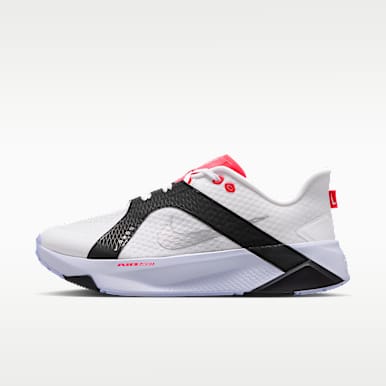
\
Nike Hybrid RN
\
Men's Training Shoes
\
__€ 139,99__](https://www.nike.com/at/en/t/hybrid-rn-mens-training-shoes-S0DIEknC/IV5066-101)
- [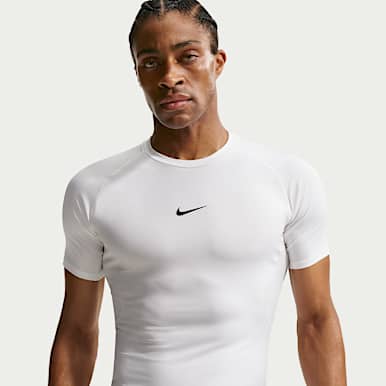
\
Nike Pro
\
Men's Dri-FIT Tight Short-Sleeve Fitness Top
\
__€ 37,99__](https://www.nike.com/at/en/t/pro-mens-dri-fit-tight-short-sleeve-fitness-top-0TBw1T/FB7932-100)
- [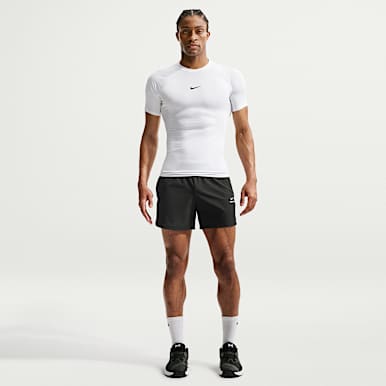
\
Nike Pro Training
\
Men's Dri-FIT 15cm (approx.) Shorts
\
__€ 54,99__](https://www.nike.com/at/en/t/pro-training-mens-dri-fit-15cm-approx-shorts-OFtRljE2/HV0411-010)
- [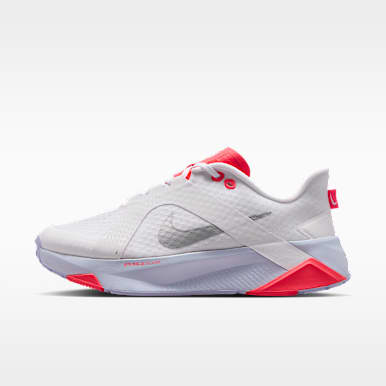
\
Nike Hybrid RN
\
Women's Training Shoes
\
__€ 139,99__](https://www.nike.com/at/en/t/hybrid-rn-womens-training-shoes-FoOOhTBE/IO3815-102)
- [
\
Nike One
\
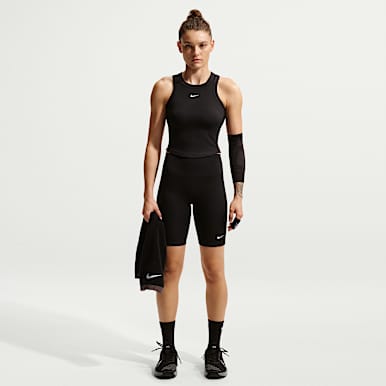
Women's High-Waisted 20.5cm (approx.) Biker Shorts
\
__€ 39,99__](https://www.nike.com/at/en/t/one-womens-high-waisted-20-5cm-approx-biker-shorts-fa0ueFir/IO0581-010)
- [
\
Nike Universa
\
Women's Mesh Short-Sleeve Top
\
__€ 74,99__](https://www.nike.com/at/en/t/universa-womens-mesh-short-sleeve-top-lGSYCoX2/IM9945-010)
- [
\
Nike Pro Seamless
\
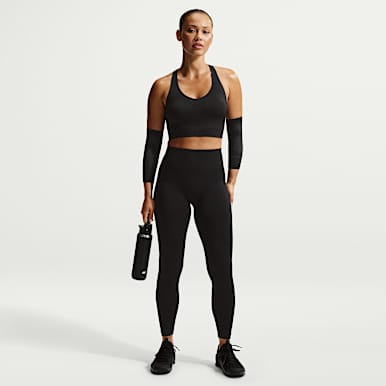
Women's High-Waisted 7/8 Leggings
\
__€ 54,99__](https://www.nike.com/at/en/t/pro-seamless-womens-high-waisted-7-8-leggings-DfmQGdSf/IF1208-010)
- [
\
Nike N.A.C.
\
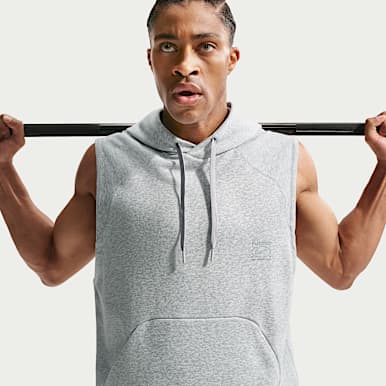
Men's Dri-FIT Fleece Sleeveless Training Hoodie
\
__€ 64,99__](https://www.nike.com/at/en/t/nac-mens-dri-fit-fleece-sleeveless-training-hoodie-af3wEgrC/IQ5551-077)
- [
\
Nike N.A.C.
\
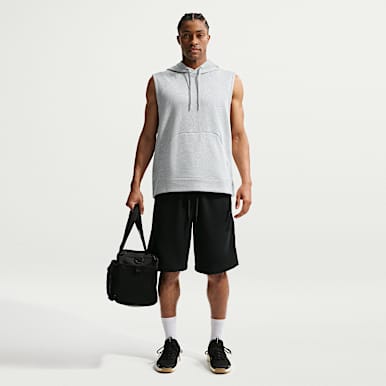
Men's Dri-FIT Fleece Training Shorts
\
__€ 64,99__](https://www.nike.com/at/en/t/nac-mens-dri-fit-fleece-training-shorts-VFA45Sp1/IM5718-010)
- [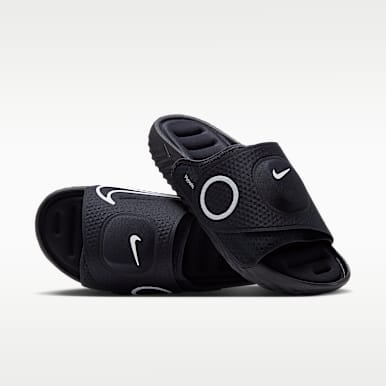
\
Nike x Hyperice
\
Nike Air Zoom Hyperslide
\
__€ 259,99__](https://www.nike.com/at/en/t/hyperice-nike-air-zoom-hyperslide-ZEl115MY/IZ6715-001)
## Words by Lauren Bedosky
Originally published: 2 April 2026
## Related Stories
- 
[](https://www.nike.com/at/en/a/best-forearm-exercises)
# Sports & Activity
# 9 Best Forearm Exercises for Grip Strength, Muscle and Endurance
- 
[](https://www.nike.com/at/en/a/treadmill-walking-workout)
# Sports & Activity
# 5 Trainer-Approved Walking Workouts to Improve Endurance, Cardiovascular Fitness and Mood
- 
[](https://www.nike.com/at/en/a/kettlebell-swings)
# Activity
# Kettlebell Swings: How To Do Them, Muscles Worked and Common Mistakes
- 
[](https://www.nike.com/at/en/a/cardio-vs-strength-training)
# Activity
# Cardio vs Strength Training: Which Is Better and How Can You Combine Them?
- 
[](https://www.nike.com/at/en/a/what-muscles-do-planks-work)
# Sport & activity
# All the Muscles That Fire Up In a Plank
Resources
[Gift Cards](https://www.nike.com/at/en/gift-cards)
[Corporate Gift Cards](https://nikegiftcardsforbusiness.com/)
[Find a Store](https://www.nike.com/at/en/retail/)
[Nike Journal](https://www.nike.com/at/en/stories)
[Become a Member](https://www.nike.com/at/en/membership)
[Feedback](https://www.nike.com#site-feedback)
[Promo Codes](https://www.nike.com/at/en/promo-code)
[Product Advice](https://www.nike.com/at/en/product-advice)
[Running Shoe Finder](https://www.nike.com/at/en/running/shoe-finder)
Help
[Get Help](https://www.nike.com/at/en/help)
[Order Status](https://www.nike.com/at/en/orders/details)
[Shipping and Delivery](https://www.nike.com/at/en/help/a/shipping-delivery-eu)
[Returns](https://www.nike.com/at/en/help/a/returns-policy-eu)
[Payment Options](https://www.nike.com/at/en/help/a/payment-options-eu)
[Contact Us](https://www.nike.com/au/en/help/#contact)
[Reviews](https://www.nike.com/at/en/help/a/reviews)
[EU Harmonized Guarantee Notice](https://assets-commerce-nikecloud-com.s3.us-east-1.amazonaws.com/gethelp/legal+guarantee/Legal+guarantee_notice+ENN.pdf)
Company
[About Nike](https://about.nike.com/)
[News](https://news.nike.com/)
[Careers](https://jobs.nike.com/)
[Investors](https://investors.nike.com/)
[Sustainability](https://www.nike.com/at/en/sustainability)
[Accessibility](https://www.nike.com/accessibility)
[Accessibility Statement](https://www.nike.com/at/en/accessibility/statement)
[Purpose](https://www.nike.com/at/en/purpose)
[Nike Coaching](https://www.nike.com/at/en/coaching)
Community Discounts
[Student](https://services.sheerid.com/verify/68d15e386bcf0b059b3b1708/?locale=en-GB)
[Teacher](https://urldefense.com/v3/__https://services.sheerid.com/verify/68dcfa47c3f2fd1cd3069a9c/?locale=en-GB__%3B%21%21KLCbKzk%21nTvDkRbY-BbSpoWsFhAQdmMrehEzU3loDux4_exRVjO9--Ik_EbQNJ3bX2gkEwR7F9cVVROFKqLxE4B8uW6bnx4Mc-D7Vg%24)
[First Responders](https://urldefense.com/v3/__https://services.sheerid.com/verify/68d55da9273c5b3a03a5aa8e/?locale=en-GB__%3B%21%21KLCbKzk%21nTvDkRbY-BbSpoWsFhAQdmMrehEzU3loDux4_exRVjO9--Ik_EbQNJ3bX2gkEwR7F9cVVROFKqLxE4B8uW6bnx5my0S4tQ%24)
[Medical Professionals](https://urldefense.com/v3/__https://services.sheerid.com/verify/68d55e0d273c5b3a03a5b0ac/?locale=en-GB__%3B%21%21KLCbKzk%21nTvDkRbY-BbSpoWsFhAQdmMrehEzU3loDux4_exRVjO9--Ik_EbQNJ3bX2gkEwR7F9cVVROFKqLxE4B8uW6bnx715S7Egg%24)
[Resources](https://www.nike.com/at/en/help)
[Gift Cards](https://www.nike.com/at/en/gift-cards)
[Corporate Gift Cards](https://nikegiftcardsforbusiness.com/)
[Find a Store](https://www.nike.com/at/en/retail/)
[Nike Journal](https://www.nike.com/at/en/stories)
[Become a Member](https://www.nike.com/at/en/membership)
[Feedback](https://www.nike.com#site-feedback)
[Promo Codes](https://www.nike.com/at/en/promo-code)
[Product Advice](https://www.nike.com/at/en/product-advice)
[Running Shoe Finder](https://www.nike.com/at/en/running/shoe-finder)
[Help](https://www.nike.com/at/en/help)
[Get Help](https://www.nike.com/at/en/help)
[Order Status](https://www.nike.com/at/en/orders/details)
[Shipping and Delivery](https://www.nike.com/at/en/help/a/shipping-delivery-eu)
[Returns](https://www.nike.com/at/en/help/a/returns-policy-eu)
[Payment Options](https://www.nike.com/at/en/help/a/payment-options-eu)
[Contact Us](https://www.nike.com/au/en/help/#contact)
[Reviews](https://www.nike.com/at/en/help/a/reviews)
[EU Harmonized Guarantee Notice](https://assets-commerce-nikecloud-com.s3.us-east-1.amazonaws.com/gethelp/legal+guarantee/Legal+guarantee_notice+ENN.pdf)
[Company](https://about.nike.com/en)
[About Nike](https://about.nike.com/)
[News](https://news.nike.com/)
[Careers](https://jobs.nike.com/)
[Investors](https://investors.nike.com/)
[Sustainability](https://www.nike.com/at/en/sustainability)
[Accessibility](https://www.nike.com/accessibility)
[Accessibility Statement](https://www.nike.com/at/en/accessibility/statement)
[Purpose](https://www.nike.com/at/en/purpose)
[Nike Coaching](https://www.nike.com/at/en/coaching)
## Community Discounts
[Student](https://services.sheerid.com/verify/68d15e386bcf0b059b3b1708/?locale=en-GB)
[Teacher](https://urldefense.com/v3/__https://services.sheerid.com/verify/68dcfa47c3f2fd1cd3069a9c/?locale=en-GB__%3B%21%21KLCbKzk%21nTvDkRbY-BbSpoWsFhAQdmMrehEzU3loDux4_exRVjO9--Ik_EbQNJ3bX2gkEwR7F9cVVROFKqLxE4B8uW6bnx4Mc-D7Vg%24)
[First Responders](https://urldefense.com/v3/__https://services.sheerid.com/verify/68d55da9273c5b3a03a5aa8e/?locale=en-GB__%3B%21%21KLCbKzk%21nTvDkRbY-BbSpoWsFhAQdmMrehEzU3loDux4_exRVjO9--Ik_EbQNJ3bX2gkEwR7F9cVVROFKqLxE4B8uW6bnx5my0S4tQ%24)
[Medical Professionals](https://urldefense.com/v3/__https://services.sheerid.com/verify/68d55e0d273c5b3a03a5b0ac/?locale=en-GB__%3B%21%21KLCbKzk%21nTvDkRbY-BbSpoWsFhAQdmMrehEzU3loDux4_exRVjO9--Ik_EbQNJ3bX2gkEwR7F9cVVROFKqLxE4B8uW6bnx715S7Egg%24)
Austria
- © 2026 Nike, Inc. All rights reserved.
- Guides
- [Nike Air](https://www.nike.com/at/en/air)
- [Nike Air Max](https://www.nike.com/at/en/air-max)
- [Nike FlyEase](https://www.nike.com/at/en/flyease)
- [Nike Pegasus](https://www.nike.com/at/en/running/runningzoom-pegasus-37)
- [Nike React](https://www.nike.com/at/en/react)
- [Nike Vaporfly](https://www.nike.com/at/en/running/vaporfly)
- [Terms of Use](https://agreementservice.svs.nike.com/at/en_gb/rest/agreement?agreementType=termsOfUse&uxId=com.nike&country=AT&language=en&requestType=redirect)
- [Terms of Sale](https://agreementservice.svs.nike.com/rest/agreement?agreementType=termsOfSale&uxId=com.nike.tos&requestType=redirect)
- [Company Details](https://www.nike.com/at/en/help/a/company-details)
- [Privacy & Cookie Policy](https://agreementservice.svs.nike.com/at/en_gb/rest/agreement?agreementType=privacyPolicy&uxId=com.nike.unite&country=AT&language=en&requestType=redirect)
- [Privacy & Cookie Settings](https://www.nike.com/at/en/guest/settings/privacy)
## Africa
- [__Egypt__
\
English](https://www.nike.com/eg/)
- [__Morocco__
\
English](https://www.nike.com/ma/en/)
- [__Maroc__
\
Français](https://www.nike.com/ma/)
- [__South Africa__
\
English](https://www.nike.com/za/)
## Americas
- [__Argentina__
\
Español](https://www.nike.com.ar)
- [__Brasil__
\
Português](https://www.nike.com.br)
- [__Canada__
\
English](https://www.nike.com/ca/)
- [__Canada__
\
Français](https://www.nike.com/ca/fr/)
- [__Chile__
\
Español](https://www.nike.cl)
- [__Colombia__
\
Español](https://www.nike.com.co)
- [__México__
\
Español](https://www.nike.com/mx/)
- [__Peru__
\
Español](https://www.nike.com.pe)
- [__Puerto Rico__
\
Español](https://www.nike.com/pr/)
- [__United States__
\
English](https://www.nike.com)
- [__Estados Unidos__
\
Español](https://www.nike.com/us/es/)
- [__Uruguay__
\
Español](https://www.nike.com.uy)
- [__Latin America__
\
Español](https://www.nike.com/xl/)
## Asia Pacific
- [__Australia__
\
English](https://www.nike.com/au/)
- [__中国大陆__
\
简体中文](https://www.nike.com.cn/)
- [__Hong Kong__
\
English](https://www.nike.com.hk/)
- [__香港__
\
繁體中文](https://www.nike.com.hk/)
- [__India__
\
English](https://www.nike.in/)
- [__Indonesia__
\
English](https://www.nike.com/id/)
- [__Japan__
\
English](https://www.nike.com/jp/en/)
- [__日本__
\
日本語](https://www.nike.com/jp/)
- [__대한민국__
\
한국어](https://www.nike.com/kr/)
- [__Malaysia__
\
English](https://www.nike.com/my/)
- [__New Zealand__
\
English](https://www.nike.com/nz/)
- [__Philippines__
\
English](https://www.nike.com/ph/)
- [__Singapore__
\
English](https://www.nike.com/sg/)
- [__台灣__
\
繁體中文](https://www.nike.com/tw/)
- [__ไทย__
\
ภาษาไทย](https://www.nike.com/th/)
- [__Vietnam__
\
English](https://www.nike.com/vn/)
## Europe
- [__Österreich__
\
Deutsch](https://www.nike.com/at/)
- [__Austria__
\
English](https://www.nike.com/at/en/)
- [__Belgien__
\
Deutsch](https://www.nike.com/be/de/)
- [__Belgium__
\
English](https://www.nike.com/be/en/)
- [__Belgique__
\
Français](https://www.nike.com/be/fr/)
- [__België__
\
Nederlands](https://www.nike.com/be/)
- [__Bulgaria__
\
English](https://www.nike.com/bg/)
- [__Croatia__
\
English](https://www.nike.com/hr/)
- [__Česká republika__
\
Čeština](https://www.nike.com/cz/)
- [__Czech Republic__
\
English](https://www.nike.com/cz/en/)
- [__Danmark__
\
Dansk](https://www.nike.com/dk/)
- [__Denmark__
\
English](https://www.nike.com/dk/en/)
- [__Finland__
\
English](https://www.nike.com/fi/)
- [__France__
\
Français](https://www.nike.com/fr/)
- [__Deutschland__
\
Deutsch](https://www.nike.com/de/)
- [__Ελλάδα__
\
ελληνικά](https://www.nike.com/gr/)
- [__Hungary__
\
English](https://www.nike.com/hu/en/)
- [__Magyarország__
\
Magyar](https://www.nike.com/hu/)
- [__Ireland__
\
English](https://www.nike.com/ie/)
- [__Israel__
\
English](https://www.nike.com/il/)
- [__Italia__
\
Italiano](https://www.nike.com/it/)
- [__Luxemburg__
\
Deutsch](https://www.nike.com/lu/de/)
- [__Luxembourg__
\
English](https://www.nike.com/lu/en/)
- [__Luxembourg__
\
Français](https://www.nike.com/lu/)
- [__Netherlands__
\
English](https://www.nike.com/nl/en/)
- [__Nederland__
\
Nederlands](https://www.nike.com/nl/)
- [__Norway__
\
English](https://www.nike.com/no/en/)
- [__Norge__
\
Norsk](https://www.nike.com/no/)
- [__Polska__
\
Polski](https://www.nike.com/pl/)
- [__Portugal__
\
English](https://www.nike.com/pt/en/)
- [__Portugal__
\
Português](https://www.nike.com/pt/)
- [__Romania__
\
English](https://www.nike.com/ro/)
- [__Россия__
\
Русский](https://www.nike.com/ru/)
- [__Slovakia__
\
English](https://www.nike.com/sk/)
- [__Slovenia__
\
English](https://www.nike.com/si/)
- [__Espanya__
\
Català](https://www.nike.com/es/ca/)
- [__España__
\
Español](https://www.nike.com/es/)
- [__Sweden__
\
English](https://www.nike.com/se/en/)
- [__Sverige__
\
Svenska](https://www.nike.com/se/)
- [__Schweiz__
\
Deutsch](https://www.nike.com/ch/)
- [__Switzerland__
\
English](https://www.nike.com/ch/en/)
- [__Suisse__
\
Français](https://www.nike.com/ch/fr/)
- [__Svizzera__
\
Italiano](https://www.nike.com/ch/it/)
- [__Türkiye__
\
Türkçe](https://www.nike.com/tr/)
- [__United Kingdom__
\
English](https://www.nike.com/gb/)
## Middle East
- [__Saudi Arabia__
\
English](https://www.nike.sa/en/home)
- [__المملكة العربية السعودية__
\
العربية](https://www.nike.sa/ar/home)
- [__United Arab Emirates__
\
English](https://www.nike.ae/en/home)
- [__الإمارات العربية المتحدة__
\
العربية](https://www.nike.ae/ar/home)
- [__Qatar__
\
English](https://www.nike.qa/en/home)
- [__دولة قطر__
\
العربية](https://www.nike.qa/ar/home)
- [__Kuwait__
\
English](https://www.nike.com.kw/en/home)
- [__الكويت__
\
العربية](https://www.nike.com.kw/ar/home)