


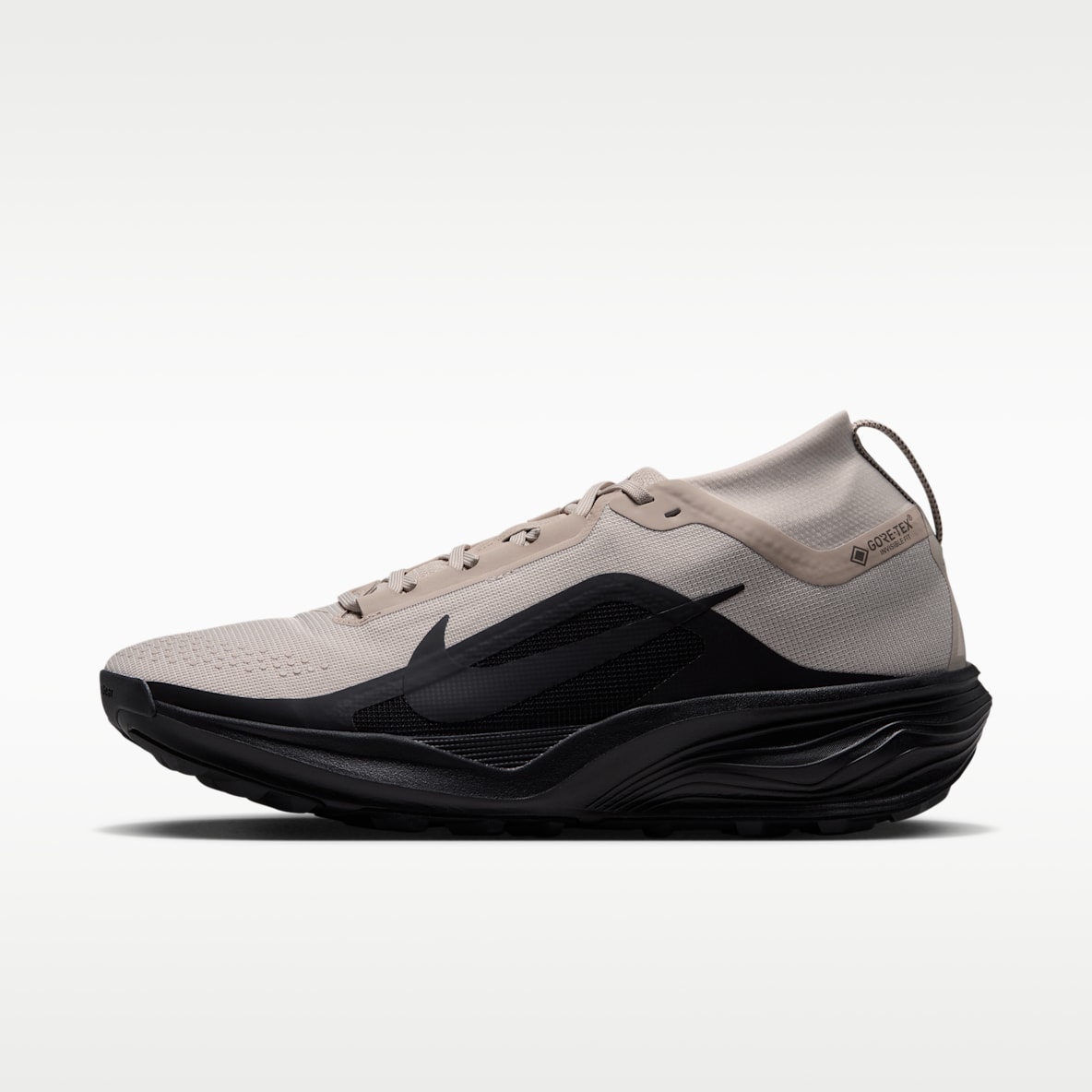
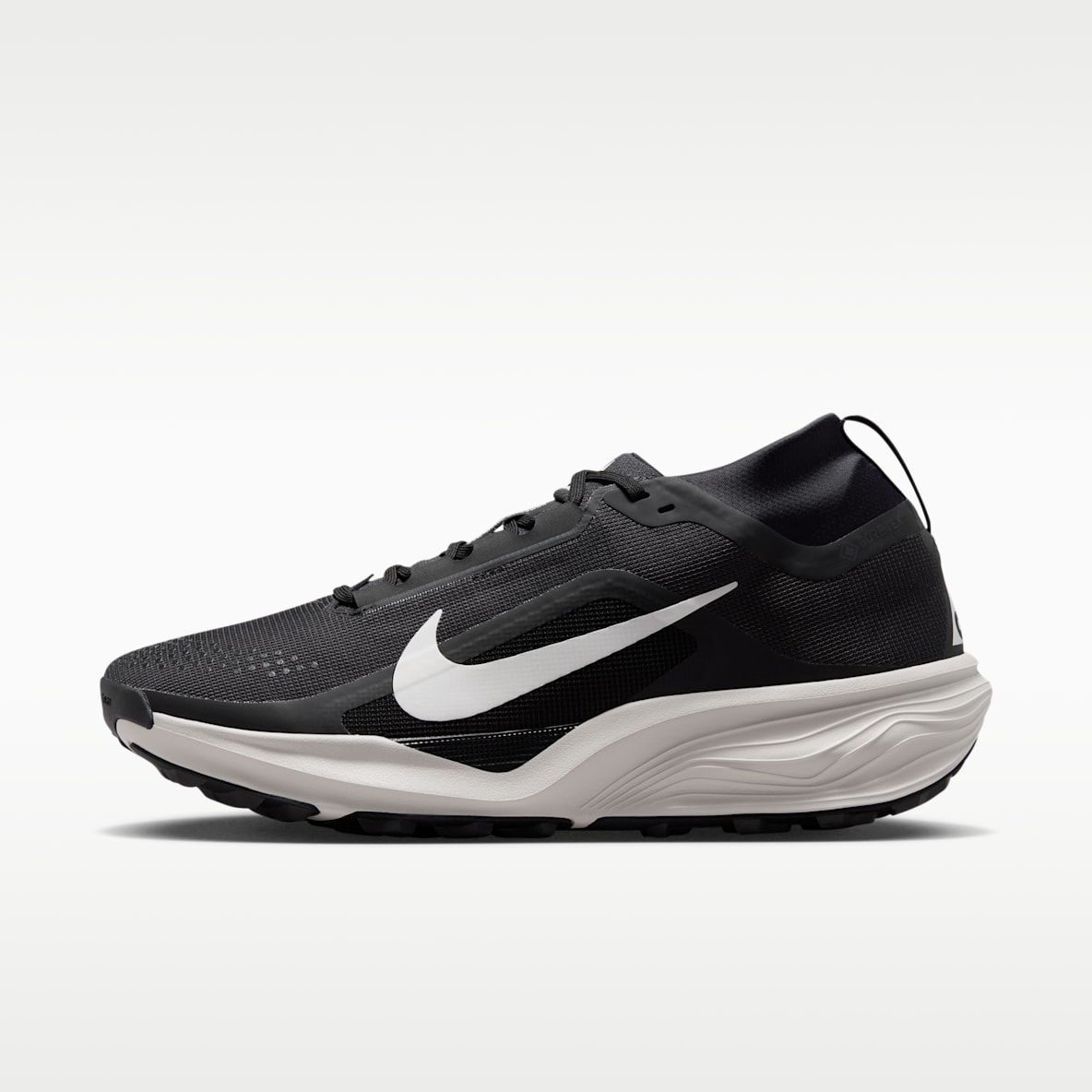
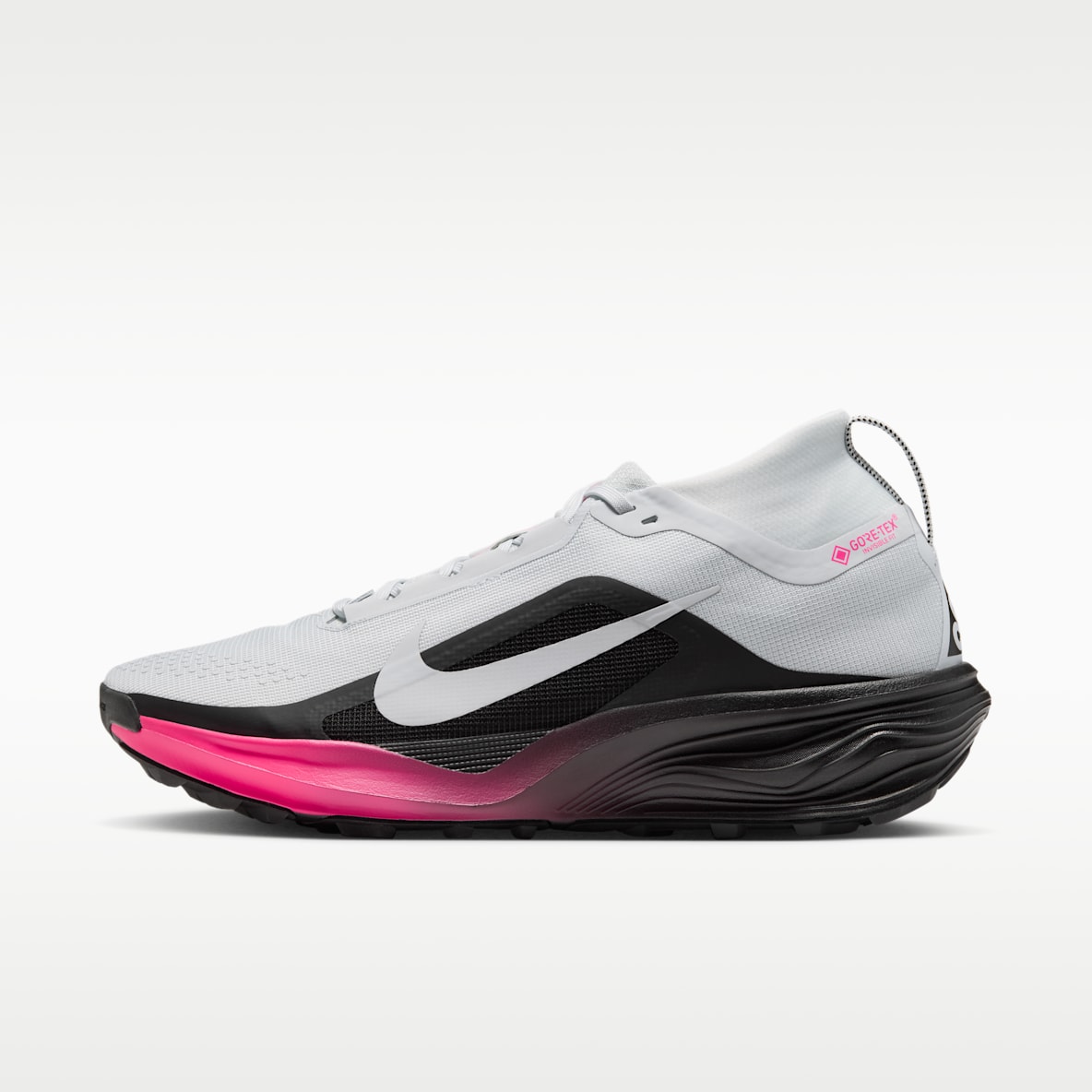
At least 20% sustainable shoes and trainers: big strides towards zero waste
We obsess over what goes into our products, so you can feel great about putting them on. By choosing shoes made with recycled plastics, leather and textiles, you help reduce waste and emissions. Here at Nike, our innovative designers and engineers are passionate about finding different ways of reusing manufacturing waste to make our trainers. That means we can give you the same incredible quality and performance with a lower impact on the environment.
Zero waste starts with the materials
From breathable knit uppers to the bouncy foam under your feet, materials make up more than 70% of a trainer's footprint. Our sustainable shoes are responsibly designed, utilising recycled materials from post-consumer and/or post-manufactured waste. Take recycled post-consumer shoes from our Reuse-A-Shoe program, for example, which we started in 1992. Here, end-of-life shoes are transformed into Nike Grind materials—everything from rubber soles and foam cushioning to leather and textile uppers are separated and ground into granules. We use these to make smart, high-performing yarn knits, as well as running tracks and playing courts. We're literally changing the game from the ground up.
Zero-compromise approach
By inventing more efficient materials and reusing existing plastics, yarns and textiles, we're making big strides on our journey to reducing emissions. Our goal is to produce sustainable footwear and apparel using as many recycled materials as possible. All without compromising on performance, durability or style. This means rethinking the way we bring products into the world. We design them to last longer and, when it's time, give their materials another life in other products.
Nike Air: light on your feet, light on waste
Looking for trainers made with sustainable materials? Our Nike Air Max shoes are a good place to start. Since 2008, all Nike Air soles made at Nike's Air Manufacturing Innovation facilities in the US are composed of at least 25% recycled manufacturing waste. And from 2020 onwards, all Air MI facilities have been powered entirely by renewable wind energy. We reuse more than 90% of the waste from materials used for our Air soles to produce our innovative cushioning systems.
High-performing and sustainable fabrics
Nike Flyknit running shoes are more recycled than you might think. Because Nike Flyknit uses a precision-engineered knitting process instead of the traditional cut-and-sew way of manufacturing shoes, it uses 60% less waste than conventional methods. On average, each shoe upper made from Flyknit contains 6 to 7 recycled plastic bottles. Another example is Nike Flyleather, which is made from at least 50% recycled leather fibres. These are melded together with synthetic fibres using a water-powered process. It looks, feels and smells like natural leather, but with a lower impact on the climate.
We're not done yet
Nike's Move to Zero is our journey towards zero carbon and zero waste to help protect the future of sport. To join us, choose recycled trainers with the Sustainable Materials tag. It means we've made the shoes with at least 20% recycled content. Think durable polyester spun from old plastic bottles, carpets and fishing nets diverted from landfill.