[Skip to main content](https://www.nike.com#skip-to-content)
- [](https://www.nike.com/nl/en/jordan)
- [](https://www.converse.com/nl)
- [Find a Store](https://www.nike.com/nl/en/retail)
- [Help](https://www.nike.com/nl/en/help)
[Help](https://www.nike.com/nl/en/help)
- [Order Status](https://www.nike.com/nl/en/orders/details)
- [Dispatch and Delivery](https://www.nike.com/nl/en/help/a/shipping-delivery-eu)
- [Returns](https://www.nike.com/nl/en/help/a/returns-policy-eu)
- [Size Charts](https://www.nike.com/nl/en/help/a/size-charts-eu)
- [Contact Us](https://www.nike.com/nl/en/help/#contact)
- [Privacy Policy](https://agreementservice.svs.nike.com/nl/en_gb/rest/agreement?agreementType=privacyPolicy&uxId=com.nike.unite&country=NL&language=en&requestType=redirect)
- [Terms of Sale](https://agreementservice.svs.nike.com/nl/en_gb/rest/agreement?agreementType=termsOfSale&uxId=com.nike.tos&country=NL&language=en&requestType=redirect)
- [Terms of Use](https://agreementservice.svs.nike.com/nl/en_gb/rest/agreement?agreementType=termsOfUse&uxId=com.nike&country=NL&language=en&requestType=redirect)
- [Send Us Feedback](https://www.nike.com#site-feedback)
- [Join Us](https://www.nike.com/nl/en/membership)
- [Sign In](https://www.nike.com/nl/en/register)
[](https://www.nike.com/nl/en/)
- [New](https://www.nike.com/nl/en/w/new-3n82y)
- [New](https://www.nike.com/nl/en/w/new-3n82y)
- [New Arrivals](https://www.nike.com/nl/en/w/new-3n82y)
- [Best Sellers](https://www.nike.com/nl/en/w/best-76m50)
- [SNKRS Launch Calendar](https://www.nike.com/gb/launch/upcoming)
- [Highlights](https://www.nike.com/nl/en/w/new-just-in-3apgqz3n82y)
- [Jordan: Love Letter Collection](https://www.nike.com/nl/en/w/love-letter-7xkbw)
- [Best of Jordan](https://www.nike.com/nl/en/w/best-of-jordan-brand-j0oa)
- [Jordan Fleece](https://www.nike.com/nl/en/w/jordan-fleece-37eefz4xh6q)
- [Football: New Club Kits 26/27](https://www.nike.com/nl/en/w/club-football-teams-6fu9q)
- [After Dark Tour London](https://www.nike.com/nl/en/w/after-dark-tour-6bo5l)
- [Trending](https://www.nike.com/nl/en/w/best-76m50)
- [Hybrid Training](https://www.nike.com/nl/en/w/hybrid-training-8wvhh)
- [Marathon Shoes](https://www.nike.com/nl/en/w/marathon-distance-shoes-6vbyfzy7ok)
- [Elite Football Boots](https://www.nike.com/nl/en/w/elite-football-shoes-1gdj0z9vmnhzy7ok)
- [Sportswear Clothing](https://www.nike.com/nl/en/w/sportswear-clothing-43h4uz6ymx6)
- [Waterproof Running Jackets](https://www.nike.com/nl/en/w/water-resistant-running-jackets-gilets-37v7jz50r7yzo08u)
- [Brands](https://www.nike.com/nl/en/w/37eefz43h4uz93bsdzpgd6)
- [Nike Sportswear](https://www.nike.com/nl/en/w/lifestyle-13jrm)
- [ACG: All Conditions Gear](https://www.nike.com/nl/en/acg)
- [Jordan](https://www.nike.com/nl/en/w/jordan-37eef)
- [Kobe](https://www.nike.com/nl/en/w/kobe-pgd6)
- [NOCTA](https://www.nike.com/nl/en/w/nocta-25nhb)
- [Men](https://www.nike.com/nl/en/men)
- [Highlights](https://www.nike.com/nl/en/w/new-mens-3n82yznik1)
- [New Arrivals](https://www.nike.com/nl/en/w/new-mens-3n82yznik1)
- [Best Sellers](https://www.nike.com/nl/en/w/mens-best-76m50znik1)
- [Streetwear Clothing](https://www.nike.com/nl/en/w/streetwear-clothing-97qn8)
- [Football: New Club Kits 26/27](https://www.nike.com/nl/en/w/club-football-teams-6fu9q)
- [Clothing Essentials](https://www.nike.com/nl/en/w/mens-essentials-4jjpuznik1)
- [Shoes](https://www.nike.com/nl/en/w/mens-shoes-nik1zy7ok)
- [All Shoes](https://www.nike.com/nl/en/w/mens-shoes-nik1zy7ok)
- [Lifestyle](https://www.nike.com/nl/en/w/mens-lifestyle-shoes-13jrmznik1zy7ok)
- [Jordan](https://www.nike.com/nl/en/w/mens-jordan-shoes-37eefznik1zy7ok)
- [Running](https://www.nike.com/nl/en/w/mens-running-shoes-37v7jznik1zy7ok)
- [Football](https://www.nike.com/nl/en/w/mens-football-shoes-1gdj0znik1zy7ok)
- [Basketball](https://www.nike.com/nl/en/w/mens-basketball-shoes-3glsmznik1zy7ok)
- [Training and Gym](https://www.nike.com/nl/en/w/mens-training-gym-shoes-58jtoznik1zy7ok)
- [Skateboarding](https://www.nike.com/nl/en/w/mens-skateboarding-shoes-8mfrfznik1zy7ok)
- [Custom Shoes](https://www.nike.com/nl/en/w/mens-nike-by-you-shoes-6ealhznik1zy7ok)
- [Shoes under €100](https://www.nike.com/nl/en/w/mens-under-100-shoes-49o1mznik1zy7ok)
- [Clothing](https://www.nike.com/nl/en/w/mens-clothing-6ymx6znik1)
- [All Clothing](https://www.nike.com/nl/en/w/mens-clothing-6ymx6znik1)
- [Hoodies and Sweatshirts](https://www.nike.com/nl/en/w/mens-hoodies-sweatshirts-6riveznik1)
- [Jackets](https://www.nike.com/nl/en/w/mens-jackets-gilets-50r7yznik1)
- [Tracksuits](https://www.nike.com/nl/en/w/mens-tracksuits-1ll2wznik1)
- [Trousers and Tights](https://www.nike.com/nl/en/w/mens-trousers-tights-2kq19znik1)
- [Tops and T-Shirts](https://www.nike.com/nl/en/w/mens-tops-t-shirts-9om13znik1)
- [Shorts](https://www.nike.com/nl/en/w/mens-shorts-38fphznik1)
- [Kits and Jerseys](https://www.nike.com/nl/en/w/mens-football-kits-jerseys-1gdj0z3a41eznik1)
- [Accessories](https://www.nike.com/nl/en/w/mens-accessories-equipment-awwpwznik1)
- [Sport](https://www.nike.com/nl/en/w/mens-performance-3k7dgznik1)
- [Running](https://www.nike.com/nl/en/running)
- [Football](https://www.nike.com/nl/en/football)
- [Basketball](https://www.nike.com/nl/en/basketball)
- [Training and Gym](https://www.nike.com/nl/en/training)
- [Tennis](https://www.nike.com/nl/en/tennis)
- [Skateboarding](https://www.nike.com/nl/en/w/mens-skateboarding-8mfrfznik1)
- [Golf](https://www.nike.com/nl/en/golf)
- Brands
- [Nike Sportswear](https://www.nike.com/nl/en/sportswear)
- [ACG: All Conditions Gear](https://www.nike.com/nl/en/acg)
- [Jordan](https://www.nike.com/nl/en/w/mens-jordan-37eefznik1)
- [Kobe](https://www.nike.com/nl/en/w/mens-kobe-nik1zpgd6)
- [NOCTA](https://www.nike.com/nl/en/w/mens-nocta-25nhbznik1)
- [Women](https://www.nike.com/nl/en/women)
- [Highlights](https://www.nike.com/nl/en/w/new-womens-3n82yz5e1x6)
- [New Arrivals](https://www.nike.com/nl/en/w/new-womens-3n82yz5e1x6)
- [Best Sellers](https://www.nike.com/nl/en/w/womens-best-5e1x6z76m50)
- [Nike Fleece Essentials](https://www.nike.com/nl/en/w/nike-studio-fleece-s531)
- [Seasonal Clothing Packs](https://www.nike.com/nl/en/w/seasonal-clothing-packs-9yawh)
- [Football Player Edition: Sam Kerr](https://www.nike.com/nl/en/w/sam-kerr-4mbmv)
- [Clothing Essentials](https://www.nike.com/nl/en/w/womens-essentials-4jjpuz5e1x6)
- [After Dark Tour London](https://www.nike.com/nl/en/w/after-dark-tour-6bo5l)
- [Shoes](https://www.nike.com/nl/en/w/womens-shoes-5e1x6zy7ok)
- [All Shoes](https://www.nike.com/nl/en/w/womens-shoes-5e1x6zy7ok)
- [Lifestyle](https://www.nike.com/nl/en/w/womens-lifestyle-shoes-13jrmz5e1x6zy7ok)
- [Jordan](https://www.nike.com/nl/en/w/womens-jordan-shoes-37eefz5e1x6zy7ok)
- [Running](https://www.nike.com/nl/en/w/womens-running-shoes-37v7jz5e1x6zy7ok)
- [Training and Gym](https://www.nike.com/nl/en/w/womens-training-gym-shoes-58jtoz5e1x6zy7ok)
- [Football](https://www.nike.com/nl/en/w/womens-football-shoes-1gdj0z5e1x6zy7ok)
- [Custom Shoes](https://www.nike.com/nl/en/w/womens-nike-by-you-shoes-5e1x6z6ealhzy7ok)
- [Shoes under €100](https://www.nike.com/nl/en/w/womens-under-100-shoes-49o1mz5e1x6zy7ok)
- [Clothing](https://www.nike.com/nl/en/w/womens-clothing-5e1x6z6ymx6)
- [All Clothing](https://www.nike.com/nl/en/w/womens-clothing-5e1x6z6ymx6)
- [Hoodies and Sweatshirts](https://www.nike.com/nl/en/w/womens-hoodies-sweatshirts-5e1x6z6rive)
- [Jackets](https://www.nike.com/nl/en/w/womens-jackets-gilets-50r7yz5e1x6)
- [Trousers](https://www.nike.com/nl/en/w/womens-trousers-tights-2kq19z5e1x6)
- [Leggings](https://www.nike.com/nl/en/w/womens-tights-leggings-29sh2z5e1x6)
- [Matching Sets](https://www.nike.com/nl/en/w/womens-matching-sets-2lukpz5e1x6)
- [Tops and T-Shirts](https://www.nike.com/nl/en/w/womens-tops-t-shirts-5e1x6z9om13)
- [Shorts](https://www.nike.com/nl/en/w/womens-shorts-38fphz5e1x6)
- [Sports Bras](https://www.nike.com/nl/en/w/womens-sports-bras-40qgmz5e1x6)
- [Accessories](https://www.nike.com/nl/en/w/womens-accessories-equipment-5e1x6zawwpw)
- [Sport](https://www.nike.com/nl/en/w/womens-performance-3k7dgz5e1x6)
- [Training and Gym](https://www.nike.com/nl/en/training)
- [Running](https://www.nike.com/nl/en/running)
- [Football](https://www.nike.com/nl/en/football)
- [Basketball](https://www.nike.com/nl/en/basketball)
- [Tennis](https://www.nike.com/nl/en/tennis)
- [Skateboarding](https://www.nike.com/nl/en/w/womens-skateboarding-5e1x6z8mfrf)
- [Golf](https://www.nike.com/nl/en/golf)
- Brands
- [NikeSKIMS](https://www.nike.com/nl/en/nikeskims)
- [Nike Sportswear](https://www.nike.com/nl/en/sportswear)
- [ACG: All Conditions Gear](https://www.nike.com/nl/en/acg)
- [Jordan](https://www.nike.com/nl/en/w/womens-jordan-37eefz5e1x6)
- [Kobe](https://www.nike.com/nl/en/w/womens-kobe-5e1x6zpgd6)
- [Kids](https://www.nike.com/nl/en/kids)
- [Highlights](https://www.nike.com/nl/en/w/new-kids-3n82yzv4dh)
- [New Arrivals](https://www.nike.com/nl/en/w/new-kids-3n82yzv4dh)
- [Best Sellers](https://www.nike.com/nl/en/w/kids-best-76m50zv4dh)
- [Teen Destination](https://www.nike.com/nl/en/teens)
- [Nike x LEGO® Collection](https://www.nike.com/nl/en/lego)
- [Clothing Essentials](https://www.nike.com/nl/en/w/kids-essentials-4jjpuzv4dh)
- [Shoes](https://www.nike.com/nl/en/w/kids-shoes-v4dhzy7ok)
- [All Shoes](https://www.nike.com/nl/en/w/kids-shoes-v4dhzy7ok)
- [Lifestyle](https://www.nike.com/nl/en/w/kids-lifestyle-shoes-13jrmzv4dhzy7ok)
- [Jordan](https://www.nike.com/nl/en/w/kids-jordan-shoes-37eefzv4dhzy7ok)
- [Football](https://www.nike.com/nl/en/w/kids-football-shoes-1gdj0zv4dhzy7ok)
- [Running](https://www.nike.com/nl/en/w/kids-running-shoes-37v7jzv4dhzy7ok)
- [Basketball](https://www.nike.com/nl/en/w/kids-basketball-shoes-3glsmzv4dhzy7ok)
- [Physical Education](https://www.nike.com/nl/en/w/kids-performance-shoes-3k7dgzv4dhzy7ok)
- [Shoes under €100](https://www.nike.com/nl/en/w/kids-under-100-shoes-49o1mzv4dhzy7ok)
- [Clothing](https://www.nike.com/nl/en/w/kids-clothing-6ymx6zv4dh)
- [All Clothing](https://www.nike.com/nl/en/w/kids-clothing-6ymx6zv4dh)
- [Hoodies and Sweatshirts](https://www.nike.com/nl/en/w/kids-hoodies-sweatshirts-6rivezv4dh)
- [Jackets](https://www.nike.com/nl/en/w/kids-jackets-gilets-50r7yzv4dh)
- [Tracksuits](https://www.nike.com/nl/en/w/kids-tracksuits-1ll2wzv4dh)
- [Trousers and Leggings](https://www.nike.com/nl/en/w/kids-trousers-tights-2kq19zv4dh)
- [Matching Sets](https://www.nike.com/nl/en/w/kids-matching-sets-2lukpzv4dh)
- [Tops and T-Shirts](https://www.nike.com/nl/en/w/kids-tops-t-shirts-9om13zv4dh)
- [Shorts](https://www.nike.com/nl/en/w/kids-shorts-38fphzv4dh)
- [Kits & Jerseys](https://www.nike.com/nl/en/w/kids-football-kits-jerseys-1gdj0z3a41ezv4dh)
- [Accessories](https://www.nike.com/nl/en/w/kids-accessories-equipment-awwpwzv4dh)
- [Kids by age](https://www.nike.com/nl/en/w/kids-v4dh)
- [Teens (13–17 years)](https://www.nike.com/nl/en/w/teen-collection-6hgue)
- [Older Kids (7–12 years)](https://www.nike.com/nl/en/w/older-kids-agibjzv4dh)
- [Younger Kids (3–7 years)](https://www.nike.com/nl/en/w/little-kids-6dacezv4dh)
- [Baby & Toddler (0–3 years)](https://www.nike.com/nl/en/w/baby-toddlers-kids-2j488zv4dh)
- [Sport](https://www.nike.com/nl/en/w/kids-performance-3k7dgzv4dh)
- [Running](https://www.nike.com/nl/en/w/kids-running-37v7jzv4dh)
- [Football](https://www.nike.com/nl/en/w/kids-football-1gdj0zv4dh)
- [Basketball](https://www.nike.com/nl/en/w/kids-basketball-3glsmzv4dh)
- [Physical Education](https://www.nike.com/nl/en/w/kids-training-gym-58jtozv4dh)
- [Skateboarding](https://www.nike.com/nl/en/w/skateboarding-8mfrf)
- [Sport](https://www.nike.com/nl/en/lockerroom)
- [Highlights](https://www.nike.com/nl/en/w/new-performance-3k7dgz3n82y)
- [New Arrivals](https://www.nike.com/nl/en/w/new-performance-3k7dgz3n82y)
- [Best Sellers](https://www.nike.com/nl/en/w/best-performance-3k7dgz76m50)
- [Jordan Basketball](https://www.nike.com/nl/en/w/jordan-basketball-37eefz3glsm)
- [Football: New Club Kits 26/27](https://www.nike.com/nl/en/w/club-football-teams-6fu9q)
- [Discover: Nike Hybrid RN](https://www.nike.com/nl/en/w/hybrid-training-8wvhh)
- [Running](https://www.nike.com/nl/en/running)
- [All Running](https://www.nike.com/nl/en/w/running-37v7j)
- [Shoes](https://www.nike.com/nl/en/w/running-shoes-37v7jzy7ok)
- [Clothing](https://www.nike.com/nl/en/w/running-clothing-37v7jz6ymx6)
- [Accessories](https://www.nike.com/nl/en/w/running-accessories-equipment-37v7jzawwpw)
- [Football](https://www.nike.com/nl/en/football)
- [All Football](https://www.nike.com/nl/en/w/football-1gdj0)
- [Shoes](https://www.nike.com/nl/en/w/football-shoes-1gdj0zy7ok)
- [Clothing](https://www.nike.com/nl/en/w/football-clothing-1gdj0z6ymx6)
- [Accessories](https://www.nike.com/nl/en/w/football-accessories-equipment-1gdj0zawwpw)
- [Training and Gym](https://www.nike.com/nl/en/training)
- [All Training and Gym](https://www.nike.com/nl/en/w/training-gym-58jto)
- [Shoes](https://www.nike.com/nl/en/w/training-gym-shoes-58jtozy7ok)
- [Clothing](https://www.nike.com/nl/en/w/training-gym-clothing-58jtoz6ymx6)
- [Accessories](https://www.nike.com/nl/en/w/training-gym-accessories-equipment-58jtozawwpw)
- [More Sports](https://www.nike.com/nl/en/w/performance-3k7dg)
- [All Sport](https://www.nike.com/nl/en/w/performance-3k7dg)
- [Basketball](https://www.nike.com/nl/en/basketball)
- [Outdoor](https://www.nike.com/nl/en/w/acg-93bsd)
- [Tennis](https://www.nike.com/nl/en/tennis)
- [Nike SB](https://www.nike.com/nl/en/w/skateboarding-8mfrf)
- [Golf](https://www.nike.com/nl/en/golf)
- [Swimming](https://www.nike.com/nl/en/w/swimming-3c2dj)
- [NikeSKIMS](https://www.nike.com/nl/en/nikeskims)
- [NikeSKIMS Guides](https://www.nike.com/nl/en/nikeskims-lookbook)
- [NikeSKIMS Lookbook](https://www.nike.com/nl/en/nikeskims-lookbook)
- [NikeSKIMS Bra Guide](https://www.nike.com/nl/en/nikeskims-bra-guide)
- [NikeSKIMS Collection Guide](https://www.nike.com/nl/en/nikeskims-collection-guide)
- [Clothing](https://www.nike.com/nl/en/w/nikeskims-b2asd)
- [All Clothing](https://www.nike.com/nl/en/w/nikeskims-clothing-6ymx6zb2asd)
- [Bras](https://www.nike.com/nl/en/w/nikeskims-sports-bras-40qgmzb2asd)
- [Tops and Tanks](https://www.nike.com/nl/en/w/nikeskims-tops-t-shirts-9om13zb2asd)
- [Leggings](https://www.nike.com/nl/en/w/nikeskims-tights-leggings-29sh2zb2asd)
- [Shorts](https://www.nike.com/nl/en/w/nikeskims-shorts-38fphzb2asd)
- [Shoes](https://www.nike.com/nl/en/w/nikeskims-shoes-b2asdzy7ok)
- [Accessories](https://www.nike.com/nl/en/w/nikeskims-accessories-equipment-awwpwzb2asd)
- [Collections](https://www.nike.com/nl/en/nikeskims-collection-guide)
- [All Collections](https://www.nike.com/nl/en/w/nikeskims-b2asd)
- [Satin Shine](https://www.nike.com/nl/en/w/nikeskims-satin-shine-97fc5)
- [Matte](https://www.nike.com/nl/en/w/nikeskims-nikeskims-matte-5s3enzb2asd)
- [Airy](https://www.nike.com/nl/en/w/nikeskims-nikeskims-airy-5c1qqzb2asd)
- [Ribbed Seamless](https://www.nike.com/nl/en/w/nikeskims-nikeskims-seamless-6lh4szb2asd)
- [Studio Stretch](https://www.nike.com/nl/en/w/nikeskims-studio-stretch-admbq)
- [Stretch Nylon](https://www.nike.com/nl/en/w/nikeskims-stretch-nylon-7sut9)
- [Weightless](https://www.nike.com/nl/en/w/nikeskims-nikeskims-weightless-4csx8zb2asd)
- [Shop By Color](https://www.nike.com/nl/en/w/nikeskims-b2asd)
- [Obsidian](https://www.nike.com/nl/en/w/nikeskims-black-90poyzb2asd)
- [Dark Sepia](https://www.nike.com/nl/en/w/nikeskims-dark-sepia-81pvm)
- [Phoenix](https://www.nike.com/nl/en/w/nikeskims-phoenix-1jhtj)
- [Ivory](https://www.nike.com/nl/en/w/nikeskims-white-4g797zb2asd)
- [Citrine](https://www.nike.com/nl/en/w/nikeskims-yellow-ayp69zb2asd)
- [Carob](https://www.nike.com/nl/en/w/nikeskims-brown-557pqzb2asd)
Cancel
Cancel
Popular Search Terms
[studio fleece](https://www.nike.com/nl/en/w?q=studio%20fleece&vst=studio%20fleece)[air max](https://www.nike.com/nl/en/w?q=air%20max&vst=air%20max)[p6000](https://www.nike.com/nl/en/w?q=p6000&vst=p6000)[air force 1](https://www.nike.com/nl/en/w?q=air%20force%201&vst=air%20force%201)[shoes](https://www.nike.com/nl/en/w?q=shoes&vst=shoes)[jordan](https://www.nike.com/nl/en/w?q=jordan&vst=jordan)[acg](https://www.nike.com/nl/en/w?q=acg&vst=acg)[basketball shoes](https://www.nike.com/nl/en/w?q=basketball%20shoes&vst=basketball%20shoes)
[](https://www.nike.com/nl/en/favorites "Favourites")[](https://www.nike.com/nl/en/cart "Bag Items: 0")
# 5 Ways To Introduce Yoga Into Your Life: Tips for a Daily Practice
##### Sport & activity
New to yoga? Learn how to start doing yoga at home with beginner yoga poses, simple routines and tips for what you need to build strength, flexibility and ease.
Last updated: 11 December 2025
7 min read

Whether you're[](https://www.nike.com/a/at-home-yoga-for-beginners) [brand new](https://www.nike.com/nl/en/a/at-home-yoga-for-beginners) to it or returning after a break, building a daily yoga practice can support strength, flexibility and overall well-being. Picking up this new habit can also help your body and mind feel more grounded over time.
## What Is Yoga for Beginners? How to Start Doing Yoga
Yoga is a mind-body practice that blends movement,[](https://www.nike.com/a/breathing-methods) [breathwork](https://www.nike.com/nl/en/a/breathing-methods) (pranayama) and[](https://www.nike.com/a/benefits-of-meditation) [mindfulness](https://www.nike.com/nl/en/a/benefits-of-meditation) to support flexibility, strength, balance and stress reduction. For first-timers, yoga can be as simple as learning a few foundational poses, stretching at home or taking your first class in a studio. While getting started feels like the hardest part, practising yoga daily becomes easier as the habit gets more familiar.
When you're exploring how to start doing yoga, consistency matters more than intensity. A few minutes each day, at home or in a class, can improve mobility, support your nervous system,[](https://www.nike.com/a/yoga-poses-stress) [relieve stress](https://www.nike.com/nl/en/a/yoga-to-relax) and develop healthier movement patterns for injury prevention. Studies show that over time, even short, consistent yoga sessions offer[](https://www.hopkinsmedicine.org/health/wellness-and-prevention/9-benefits-of-yoga) [physical- and mental-health benefits](https://www.hopkinsmedicine.org/health/wellness-and-prevention/9-benefits-of-yoga) for people of all ages.
Common beginner-friendly styles include:
- __Hatha yoga:__ slower-paced, with a focus on holding poses
- __Vinyasa yoga:__ breath-linked movement for strength and stamina
- __Restorative yoga:__ gentle poses supported by props to calm the nervous system
- __Yin yoga:__ long, passive holds that target deep connective tissue for improved mobility
## At a Glance: How to Start Doing Yoga
- Learn the basics of yoga for beginners (breath, simple poses, mindfulness).
- Start yoga at home with 5–10 minutes of mobility or stretching.
- Try beginner yoga poses like child's pose, cat-cow and forward fold.
- Choose a style that fits your goals: hatha, vinyasa, restorative, yin.
- Wear breathable, stretchy clothing that supports free movement.
- Take a beginner-friendly online or studio class.
- Aim for consistency: 2–3 sessions per week or short daily practice.
- Listen to your body and progress gradually.
## Shop Nike leggings
[View All](https://www.nike.com/nl/en/w/tights-leggings-29sh2)
- [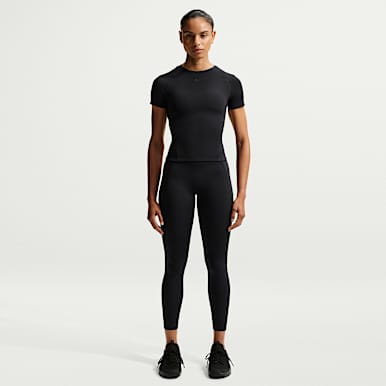
\
Nike Universa
\
Women's High-Waisted 7/8 Leggings with No Front Seam
\
__€ 109,99__](https://www.nike.com/nl/en/t/universa-womens-high-waisted-7-8-leggings-with-no-front-seam-DJR8Zt/HQ6813-010)
- [
\
Nike Universa
\
Women's High-Waisted 12.5cm (approx.) Biker Shorts with No Front Seam
\
__€ 69,99__](https://www.nike.com/nl/en/t/universa-womens-high-waisted-12-5cm-approx-biker-shorts-with-no-front-seam-5XKMQf/HQ6832-010)
- [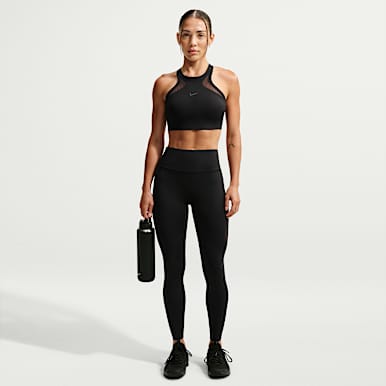
\
Nike Universa
\
Women's High-Waisted 7/8 Mesh Leggings
\
__€ 119,99__](https://www.nike.com/nl/en/t/universa-womens-high-waisted-7-8-mesh-leggings-GbmnVBv1/IM9781-010)
- [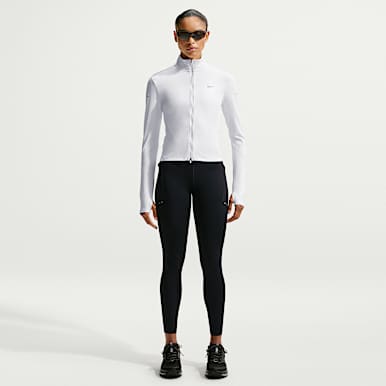
\
Nike Swift
\
Women's High-Waisted 7/8 Running Leggings with Pockets
\
__€ 89,99__](https://www.nike.com/nl/en/t/swift-womens-high-waisted-7-8-running-leggings-with-pockets-bknTT8/HJ2252-010)
- [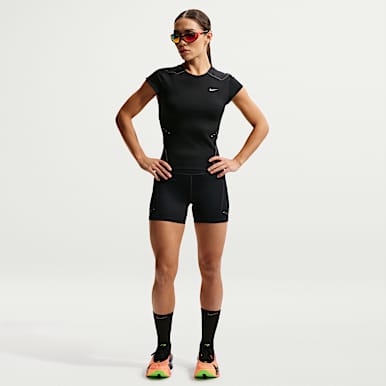
\
Nike Swift
\
Women's High-Waisted 10cm (approx.) Tight Running Shorts with Pockets
\
__€ 64,99__](https://www.nike.com/nl/en/t/swift-womens-high-waisted-10cm-approx-tight-running-shorts-with-pockets-5J57vx/HJ2258-010)
- [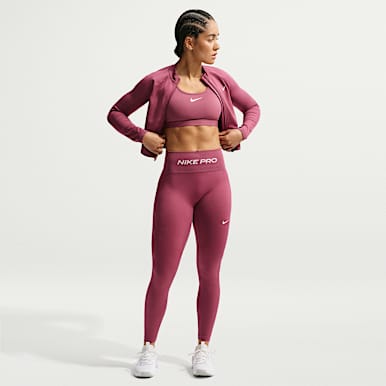
\
Nike Pro Seamless
\
Women's High-Waisted 7/8 Leggings
\
__€ 54,99__](https://www.nike.com/nl/en/t/pro-seamless-womens-high-waisted-7-8-leggings-DIoIVMfo/IR4200-654)
- [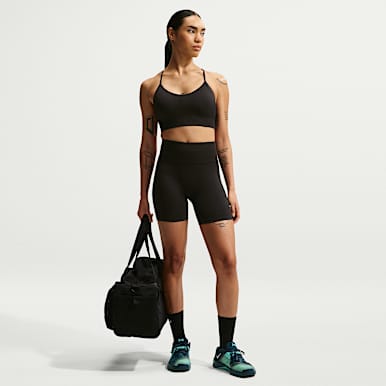
\
Nike Pro Seamless
\
Women's Dri-FIT High-Waisted 12.5cm (approx.) Biker Shorts
\
__€ 42,99__](https://www.nike.com/nl/en/t/pro-seamless-womens-dri-fit-high-waisted-12-5cm-approx-biker-shorts-oR9pn4CH/IF1210-010)
- [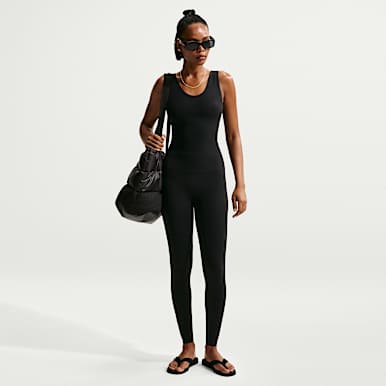
\
Nike Zenvy
\
Women's High-Waisted Full-Length Leggings with No Front Seam
\
__€ 99,99__](https://www.nike.com/nl/en/t/zenvy-womens-high-waisted-full-length-leggings-with-no-front-seam-Xy2EKWcd/II2862-010)
- [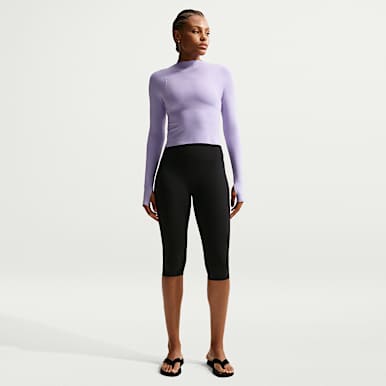
\
Nike Zenvy
\
Women's High-Waisted Capri Leggings
\
__€ 89,99__](https://www.nike.com/nl/en/t/zenvy-womens-high-waisted-capri-leggings-yaCjSxCc/II5203-010)
- [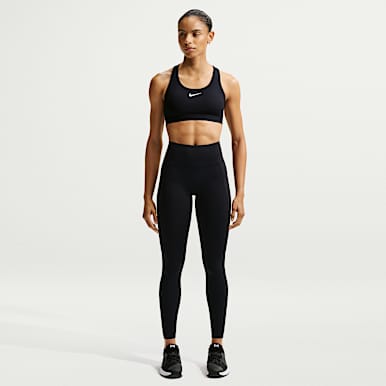
\
Nike Universa
\
Women's High-Waisted Full-Length Leggings with No Front Seam
\
__€ 109,99__](https://www.nike.com/nl/en/t/universa-womens-high-waisted-full-length-leggings-with-no-front-seam-o7Tw6jsc/HQ6810-010)
## Tips for Incorporating Yoga Into Your Daily Routine
## 1. Be Present
Mindfulness is a foundational element of the practice. In a class, you may hear cues like "stay with your breath" or "be in the moment". The same skill applies outside the studio.
Presence helps you tune into your body, manage stress, support your posture and stay connected to your environment.
__Try it:__
- Pause and take three slow breaths before responding to a text or email.
- Notice your surroundings instead of multi-tasking or scrolling.
- Use moments of quiet as micro-practices of mindfulness.
## 2. Practise Mindful Breathing (Pranayama)
Respiration is one of the most powerful tools for calming the nervous system. Techniques like the 4-7-8 breath, where you inhale for four seconds, hold for seven and exhale for eight, can reduce stress and improve focus over time. Improving your posture by lengthening the spine during breathing can create a feeling of openness.
Research suggests slow, controlled breathing can improve heart-rate variability, a marker of stress resilience.
You don't need to sit still to be mindful. While driving, walking or commuting, paying attention to your breath and body helps keep your mind steady and alert. Try listening to a calming podcast or simply noticing your inhalations and exhalations to stay grounded on the go.
## 3. Add Yoga Breaks to Your Day
Short movement breaks can make yoga a natural part of your routine. If you're looking for simple poses to get started, the moves below are simple, accessible and easy to do at home and in the office. These breaks reinforce your yoga practice as a sustainable habit that improves how your body feels, especially your knees, during long periods of sitting.
## Forward Fold (Uttanasana)
__How to do it:__
- Stand with feet hip-width apart, hinge from your hips and fold forward.
- Micro-bend the knees if needed; let your head and arms hang heavy.
__Why it's good for beginners:__ forward fold is a great starting pose that gently opens the back body and legs without any equipment. It releases tension in the back and hamstrings while improving circulation.
## Cat-Cow (Marjaryasana–Bitilasana)
__How to do it:__
- On hands and knees, alternate between arching your back (cow) and rounding it (cat).
- Match each movement with your breath.
__Why it's good for beginners:__ alternating between arching and rounding the spine improves mobility and helps counter long hours of sitting. It also encourages natural spinal posture over time.
## Child's Pose (Balasana)
__How to do it:__
- Kneel on the floor, touch your big toes together and sit your hips back towards your heels.
- Fold forward, resting your forehead on the floor and extending your arms in front of you (or alongside your body).
__Why it's good for beginners:__ gently stretches the back and hips while calming the nervous system and reinforcing the connection between breath and movement. This shape supports the spine and improves posture in your everyday practice.
## 4. Try a Short Morning or Evening Routine
Building a simple yoga routine with repeatable habits can make it easier to stay consistent without feeling overwhelmed.
__Morning__
Begin with:
- Light stretching
- A simple standing forward fold
- A few intention-setting breaths
These movements help wake up the body, encourage mobility and set a grounded tone for the day.
__Evening__
Try:
- Forward fold
- Cat-cow
- Child's pose
- 4-7-8 breath
These poses unwind your nervous system and signal your body that it's time to rest.
## 5. Take an Online Yoga Class
While you may want to suit up in[](https://www.nike.com/a/buy-yoga-clothes) [new yoga apparel](https://www.nike.com/nl/en/a/buy-yoga-clothes) to help motivate you, the great thing about yoga is that you don't need much to get started, besides a yoga mat and comfortable clothes.
If you want structured guidance, consider a virtual class. The Nike Training Club App (NTC) features beginner yoga classes focused on flexibility, mobility, balance, stress reduction and recovery.
- __Restorative yoga__ supports relaxation and nervous-system recovery.
- __Vinyasa yoga__ builds strength, endurance and breath-movement coordination.
- __Yin yoga__ improves mobility and targets deep connective tissues.
You'll also find guided beginner yoga sequences that remove the guesswork and help you build confidence, flow by flow.
[Explore NTC](https://www.nike.com/ntc-app)
## Health & Safety Considerations
- If you're new to yoga, begin slowly and avoid pushing into sharp pain.
- Use props (blocks, straps, pillows) to support alignment and mobility.
- If you have injuries or health conditions, consult a healthcare professional.
- Warm up before dynamic movements to support joint health and injury prevention.
- Hydrate and take breaks as needed.
## FAQ: How to Start Doing Yoga
How do I start doing yoga at home?
Begin with 5–10 minutes of simple stretches or a beginner class on NTC. Focus on breath, mobility and learning foundational poses before progressing.
What equipment do I need for beginner yoga?
A yoga mat, comfortable clothing and optional props like blocks or a strap. Going barefoot is typical for grip and balance.
How often should beginners do yoga?
Two to three sessions per week is a great start. Short daily mobility practices can help build consistency.
Is yoga good for strength and flexibility?
Yes. Studies show yoga can increase muscular endurance and range of motion.
Can beginners do yoga if they're not flexible?
Absolutely. Flexibility is a *result* of yoga, not a prerequisite. Start with gentle poses and move at your own pace.
## You Can Do This
If you're unsure where to begin, start with a few yoga stretches for beginners and build from there. A few minutes of mindful movement, breathwork and gratitude can build momentum. Over time, your strength, flexibility, balance and focus will grow, and your daily yoga practice will become something you look forward to.
## Shop Nike Women's Yoga
[View All](https://www.nike.com/nl/en/w/womens-yoga-5e1x6zanrlj)
- [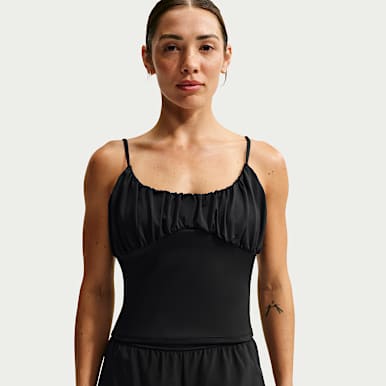
\
Nike One Fitted
\
Women's Tank Top
\
__€ 34,99__](https://www.nike.com/nl/en/t/one-fitted-womens-tank-top-L4MgSFCf/IU1419-010)
- [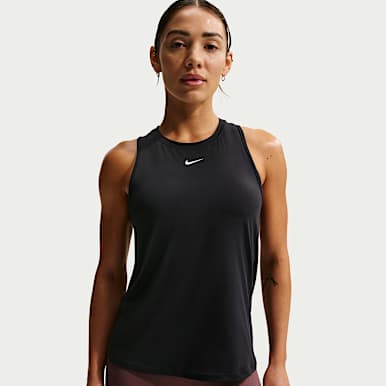
\
Nike One Classic
\
Women's Dri-FIT Tank Top
\
__€ 29,99__](https://www.nike.com/nl/en/t/one-classic-womens-dri-fit-tank-top-kfOFYJpp/FN2808-011)
- [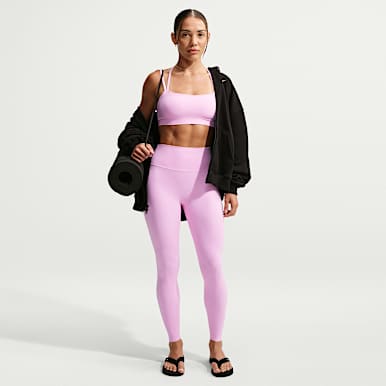
\
Nike Zenvy
\
Women's High-Waisted 7/8 Leggings with No Front Seam
\
__€ 99,99__](https://www.nike.com/nl/en/t/zenvy-womens-high-waisted-7-8-leggings-with-no-front-seam-I2148Dya/II5233-621)
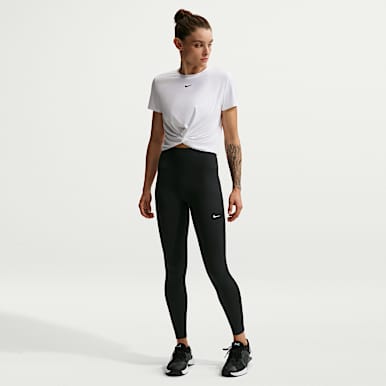
- [
\
Nike One Seamless Front
\
Women's High-Waisted Full-Length Leggings
\
__€ 49,99__](https://www.nike.com/nl/en/t/one-seamless-front-womens-high-waisted-full-length-leggings-q30DoNdU/HJ9195-013)
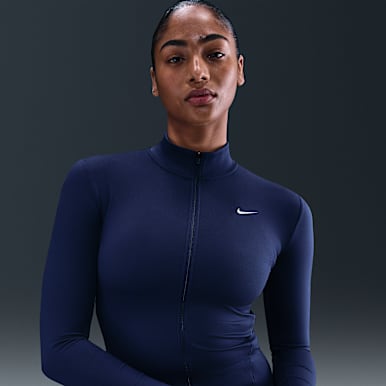
- [
\
Nike One Fitted
\
Women's Dri-FIT Full-Zip Jacket
\
__€ 49,99__](https://www.nike.com/nl/en/t/one-fitted-womens-dri-fit-full-zip-jacket-WmuuUkkh/IM7046-410)
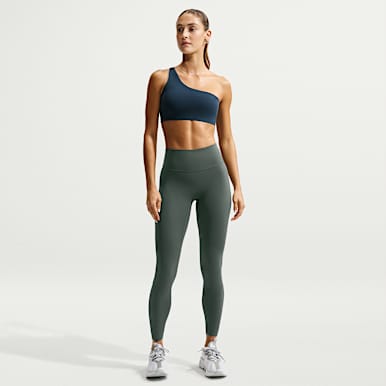
- [
\
Nike Zenvy
\
Women's High-Waisted Full-Length Leggings with No Front Seam
\
__€ 99,99__](https://www.nike.com/nl/en/t/zenvy-womens-high-waisted-full-length-leggings-with-no-front-seam-Xy2EKWcd/II2862-303)
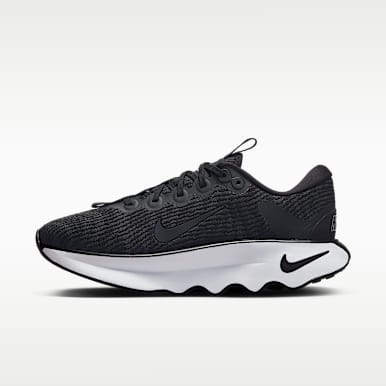
- [
\
Nike Motiva
\
Women's Walking Shoes
\
__€ 109,99__](https://www.nike.com/nl/en/t/motiva-womens-walking-shoes-7BZ5sc2E/DV1238-001)
- [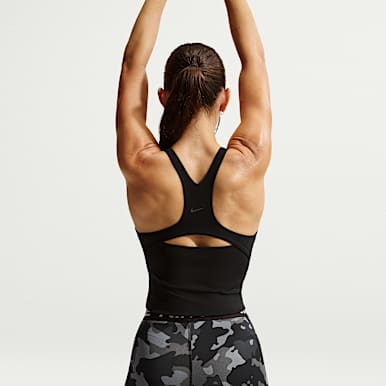
\
Nike Zenvy
\
Women's Light-Support Sports Bra Tank
\
__€ 59,99__](https://www.nike.com/nl/en/t/zenvy-womens-light-support-sports-bra-tank-EwTJRvwe/IB9872-010)
- [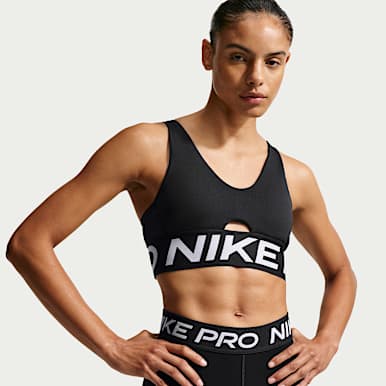
\
Nike Pro Indy Plunge
\
Women's Medium-Support Padded Sports Bra
\
__€ 54,99__](https://www.nike.com/nl/en/t/pro-indy-plunge-womens-medium-support-padded-sports-bra-3soJfMCo/HF7324-010)
- [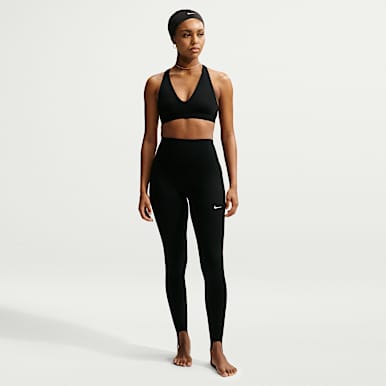
\
Nike One
\
Women's High-Waisted Full-Length Stirrup Leggings
\
__€ 54,99__](https://www.nike.com/nl/en/t/one-womens-high-waisted-full-length-stirrup-leggings-YpjZtd5w/IV4933-010)

[](https://www.nike.com/ntc-app)
Originally published: 11 December 2025
## Related Stories
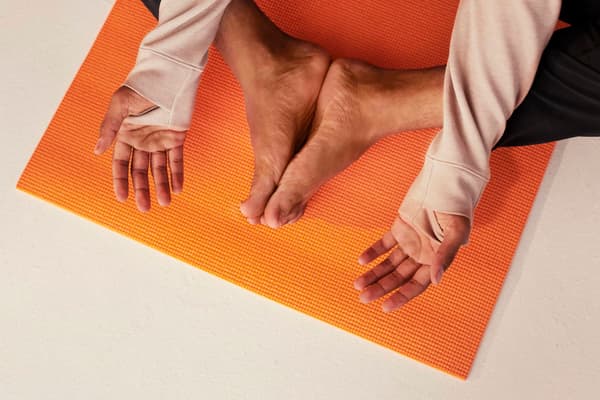
- 
[](https://www.nike.com/nl/en/a/benefits-of-yoga)
# Sport & activity
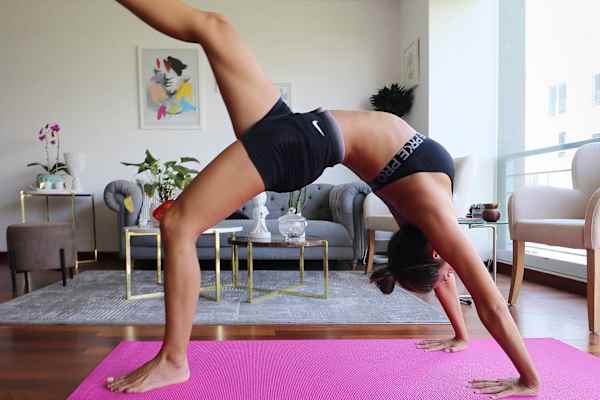
# 28 Benefits of Yoga, Backed by Science
- 
[](https://www.nike.com/nl/en/a/at-home-yoga-for-beginners)
# Activity
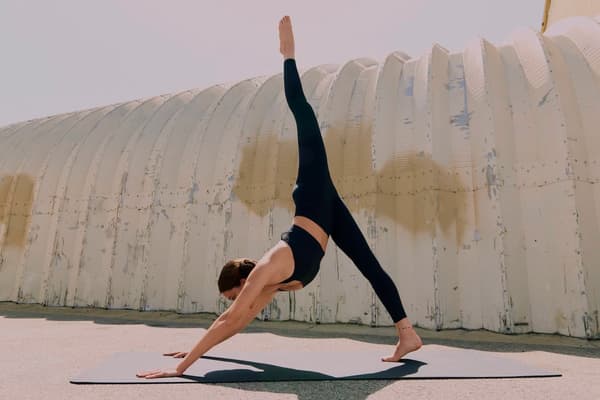
# How To Start a Yoga Practice at Home | Beginner's Guide by Nike
- 
[](https://www.nike.com/nl/en/a/yoga-warmup-poses-for-circulation)
# Activity
# Easy Yoga Warm-Up Poses to Improve Blood Circulation
- 
[](https://www.nike.com/nl/en/a/what-is-cadence-running)
# Sports & Activity
# What Is a Good Running Cadence? How to Find Your Optimal Step Rate
- 
[](https://www.nike.com/nl/en/a/how-to-pick-the-right-running-shoes)
# Buying Guide
# How to Choose the Right Running Shoes: Fit, Cushioning and Support Explained
Resources
[Gift Cards](https://www.nike.com/nl/en/gift-cards)
[Corporate Gift Cards](https://nikegiftcardsforbusiness.com/)
[Find a Store](https://www.nike.com/nl/en/retail/)
[Nike Journal](https://www.nike.com/nl/en/stories)
[Become a Member](https://www.nike.com/nl/en/membership)
[Feedback](https://www.nike.com#site-feedback)
[Promo Codes](https://www.nike.com/nl/en/promo-code)
[Product Advice](https://www.nike.com/nl/en/product-advice)
[Running Shoe Finder](https://www.nike.com/nl/en/running/shoe-finder)
Help
[Get Help](https://www.nike.com/nl/en/help)
[Order Status](https://www.nike.com/nl/en/orders/details)
[Shipping and Delivery](https://www.nike.com/nl/en/help/a/shipping-delivery-eu)
[Returns](https://www.nike.com/nl/en/help/a/returns-policy-eu)
[Payment Options](https://www.nike.com/nl/en/help/a/payment-options-eu)
[Contact Us](https://www.nike.com/nl/en/help/#contact)
[Reviews](https://www.nike.com/nl/en/help/a/reviews)
[Nike Promo Codes Help](https://www.nike.com/nl/en/help/a/promo-apply-eu)
[EU Harmonized Guarantee Notice](https://assets-commerce-nikecloud-com.s3.us-east-1.amazonaws.com/gethelp/legal+guarantee/Legal+guarantee_notice+ENN.pdf)
Company
[About Nike](https://about.nike.com/)
[News](https://news.nike.com/)
[Careers](https://jobs.nike.com/)
[Investors](https://investors.nike.com/)
[Sustainability](https://www.nike.com/nl/en/sustainability)
[Accessibility](https://www.nike.com/accessibility)
[Accessibility Statement](https://www.nike.com/nl/en/accessibility/statement)
[Purpose](https://www.nike.com/nl/en/purpose)
[Nike Coaching](https://www.nike.com/nl/en/coaching)
[Report a Concern](https://secure.ethicspoint.com/domain/media/en/gui/56821/index.html)
Community Discounts
[Student](https://services.sheerid.com/verify/68d15e386bcf0b059b3b1708/?locale=en-GB)
[Teacher](https://urldefense.com/v3/__https://services.sheerid.com/verify/68dcfa47c3f2fd1cd3069a9c/?locale=en-GB__%3B%21%21KLCbKzk%21nTvDkRbY-BbSpoWsFhAQdmMrehEzU3loDux4_exRVjO9--Ik_EbQNJ3bX2gkEwR7F9cVVROFKqLxE4B8uW6bnx4Mc-D7Vg%24)
[First Responders](https://urldefense.com/v3/__https://services.sheerid.com/verify/68d55da9273c5b3a03a5aa8e/?locale=en-GB__%3B%21%21KLCbKzk%21nTvDkRbY-BbSpoWsFhAQdmMrehEzU3loDux4_exRVjO9--Ik_EbQNJ3bX2gkEwR7F9cVVROFKqLxE4B8uW6bnx5my0S4tQ%24)
[Medical Professional](https://urldefense.com/v3/__https://services.sheerid.com/verify/68d55e0d273c5b3a03a5b0ac/?locale=en-GB__%3B%21%21KLCbKzk%21nTvDkRbY-BbSpoWsFhAQdmMrehEzU3loDux4_exRVjO9--Ik_EbQNJ3bX2gkEwR7F9cVVROFKqLxE4B8uW6bnx715S7Egg%24)
[Resources](https://www.nike.com/nl/en/help)
[Gift Cards](https://www.nike.com/nl/en/gift-cards)
[Corporate Gift Cards](https://nikegiftcardsforbusiness.com/)
[Find a Store](https://www.nike.com/nl/en/retail/)
[Nike Journal](https://www.nike.com/nl/en/stories)
[Become a Member](https://www.nike.com/nl/en/membership)
[Feedback](https://www.nike.com#site-feedback)
[Promo Codes](https://www.nike.com/nl/en/promo-code)
[Product Advice](https://www.nike.com/nl/en/product-advice)
[Running Shoe Finder](https://www.nike.com/nl/en/running/shoe-finder)
[Help](https://www.nike.com/nl/en/help)
[Get Help](https://www.nike.com/nl/en/help)
[Order Status](https://www.nike.com/nl/en/orders/details)
[Shipping and Delivery](https://www.nike.com/nl/en/help/a/shipping-delivery-eu)
[Returns](https://www.nike.com/nl/en/help/a/returns-policy-eu)
[Payment Options](https://www.nike.com/nl/en/help/a/payment-options-eu)
[Contact Us](https://www.nike.com/nl/en/help/#contact)
[Reviews](https://www.nike.com/nl/en/help/a/reviews)
[Nike Promo Codes Help](https://www.nike.com/nl/en/help/a/promo-apply-eu)
[EU Harmonized Guarantee Notice](https://assets-commerce-nikecloud-com.s3.us-east-1.amazonaws.com/gethelp/legal+guarantee/Legal+guarantee_notice+ENN.pdf)
[Company](https://about.nike.com/en)
[About Nike](https://about.nike.com/)
[News](https://news.nike.com/)
[Careers](https://jobs.nike.com/)
[Investors](https://investors.nike.com/)
[Sustainability](https://www.nike.com/nl/en/sustainability)
[Accessibility](https://www.nike.com/accessibility)
[Accessibility Statement](https://www.nike.com/nl/en/accessibility/statement)
[Purpose](https://www.nike.com/nl/en/purpose)
[Nike Coaching](https://www.nike.com/nl/en/coaching)
[Report a Concern](https://secure.ethicspoint.com/domain/media/en/gui/56821/index.html)
## Community Discounts
[Student](https://services.sheerid.com/verify/68d15e386bcf0b059b3b1708/?locale=en-GB)
[Teacher](https://urldefense.com/v3/__https://services.sheerid.com/verify/68dcfa47c3f2fd1cd3069a9c/?locale=en-GB__%3B%21%21KLCbKzk%21nTvDkRbY-BbSpoWsFhAQdmMrehEzU3loDux4_exRVjO9--Ik_EbQNJ3bX2gkEwR7F9cVVROFKqLxE4B8uW6bnx4Mc-D7Vg%24)
[First Responders](https://urldefense.com/v3/__https://services.sheerid.com/verify/68d55da9273c5b3a03a5aa8e/?locale=en-GB__%3B%21%21KLCbKzk%21nTvDkRbY-BbSpoWsFhAQdmMrehEzU3loDux4_exRVjO9--Ik_EbQNJ3bX2gkEwR7F9cVVROFKqLxE4B8uW6bnx5my0S4tQ%24)
[Medical Professional](https://urldefense.com/v3/__https://services.sheerid.com/verify/68d55e0d273c5b3a03a5b0ac/?locale=en-GB__%3B%21%21KLCbKzk%21nTvDkRbY-BbSpoWsFhAQdmMrehEzU3loDux4_exRVjO9--Ik_EbQNJ3bX2gkEwR7F9cVVROFKqLxE4B8uW6bnx715S7Egg%24)
Netherlands
- © 2026 Nike, Inc. All rights reserved.
- Guides
- [Nike Air](https://www.nike.com/nl/en/air)
- [Nike Air Max](https://www.nike.com/nl/en/air-max)
- [Nike FlyEase](https://www.nike.com/nl/en/flyease)
- [Nike Pegasus](https://www.nike.com/nl/en/running/runningzoom-pegasus-37)
- [Nike React](https://www.nike.com/nl/en/react)
- [Nike Vaporfly](https://www.nike.com/nl/en/running/vaporfly)
- [Terms of Use](https://agreementservice.svs.nike.com/nl/en_gb/rest/agreement?agreementType=termsOfUse&uxId=com.nike&country=NL&language=en&requestType=redirect)
- [Terms of Sale](https://agreementservice.svs.nike.com/rest/agreement?agreementType=termsOfSale&uxId=com.nike.tos&requestType=redirect)
- [Company Details](https://www.nike.com/nl/en/help/a/company-details)
- [Privacy & Cookie Policy](https://agreementservice.svs.nike.com/nl/en_gb/rest/agreement?agreementType=privacyPolicy&uxId=com.nike.unite&country=NL&language=en&requestType=redirect)
- [Privacy & Cookie Settings](https://www.nike.com/nl/en/guest/settings/privacy)
## Africa
- [__Egypt__
\
English](https://www.nike.com/eg/)
- [__Morocco__
\
English](https://www.nike.com/ma/en/)
- [__Maroc__
\
Français](https://www.nike.com/ma/)
- [__South Africa__
\
English](https://www.nike.com/za/)
## Americas
- [__Argentina__
\
Español](https://www.nike.com.ar)
- [__Brasil__
\
Português](https://www.nike.com.br)
- [__Canada__
\
English](https://www.nike.com/ca/)
- [__Canada__
\
Français](https://www.nike.com/ca/fr/)
- [__Chile__
\
Español](https://www.nike.cl)
- [__Colombia__
\
Español](https://www.nike.com.co)
- [__México__
\
Español](https://www.nike.com/mx/)
- [__Peru__
\
Español](https://www.nike.com.pe)
- [__Puerto Rico__
\
Español](https://www.nike.com/pr/)
- [__United States__
\
English](https://www.nike.com)
- [__Estados Unidos__
\
Español](https://www.nike.com/us/es/)
- [__Uruguay__
\
Español](https://www.nike.com.uy)
- [__Latin America__
\
Español](https://www.nike.com/xl/)
## Asia Pacific
- [__Australia__
\
English](https://www.nike.com/au/)
- [__中国大陆__
\
简体中文](https://www.nike.com.cn/)
- [__Hong Kong__
\
English](https://www.nike.com.hk/)
- [__香港__
\
繁體中文](https://www.nike.com.hk/)
- [__India__
\
English](https://www.nike.in/)
- [__Indonesia__
\
English](https://www.nike.com/id/)
- [__Japan__
\
English](https://www.nike.com/jp/en/)
- [__日本__
\
日本語](https://www.nike.com/jp/)
- [__대한민국__
\
한국어](https://www.nike.com/kr/)
- [__Malaysia__
\
English](https://www.nike.com/my/)
- [__New Zealand__
\
English](https://www.nike.com/nz/)
- [__Philippines__
\
English](https://www.nike.com/ph/)
- [__Singapore__
\
English](https://www.nike.com/sg/)
- [__台灣__
\
繁體中文](https://www.nike.com/tw/)
- [__ไทย__
\
ภาษาไทย](https://www.nike.com/th/)
- [__Vietnam__
\
English](https://www.nike.com/vn/)
## Europe
- [__Österreich__
\
Deutsch](https://www.nike.com/at/)
- [__Austria__
\
English](https://www.nike.com/at/en/)
- [__Belgien__
\
Deutsch](https://www.nike.com/be/de/)
- [__Belgium__
\
English](https://www.nike.com/be/en/)
- [__Belgique__
\
Français](https://www.nike.com/be/fr/)
- [__België__
\
Nederlands](https://www.nike.com/be/)
- [__Bulgaria__
\
English](https://www.nike.com/bg/)
- [__Croatia__
\
English](https://www.nike.com/hr/)
- [__Česká republika__
\
Čeština](https://www.nike.com/cz/)
- [__Czech Republic__
\
English](https://www.nike.com/cz/en/)
- [__Danmark__
\
Dansk](https://www.nike.com/dk/)
- [__Denmark__
\
English](https://www.nike.com/dk/en/)
- [__Finland__
\
English](https://www.nike.com/fi/)
- [__France__
\
Français](https://www.nike.com/fr/)
- [__Deutschland__
\
Deutsch](https://www.nike.com/de/)
- [__Ελλάδα__
\
ελληνικά](https://www.nike.com/gr/)
- [__Hungary__
\
English](https://www.nike.com/hu/en/)
- [__Magyarország__
\
Magyar](https://www.nike.com/hu/)
- [__Ireland__
\
English](https://www.nike.com/ie/)
- [__Israel__
\
English](https://www.nike.com/il/)
- [__Italia__
\
Italiano](https://www.nike.com/it/)
- [__Luxemburg__
\
Deutsch](https://www.nike.com/lu/de/)
- [__Luxembourg__
\
English](https://www.nike.com/lu/en/)
- [__Luxembourg__
\
Français](https://www.nike.com/lu/)
- [__Netherlands__
\
English](https://www.nike.com/nl/en/)
- [__Nederland__
\
Nederlands](https://www.nike.com/nl/)
- [__Norway__
\
English](https://www.nike.com/no/en/)
- [__Norge__
\
Norsk](https://www.nike.com/no/)
- [__Polska__
\
Polski](https://www.nike.com/pl/)
- [__Portugal__
\
English](https://www.nike.com/pt/en/)
- [__Portugal__
\
Português](https://www.nike.com/pt/)
- [__Romania__
\
English](https://www.nike.com/ro/)
- [__Россия__
\
Русский](https://www.nike.com/ru/)
- [__Slovakia__
\
English](https://www.nike.com/sk/)
- [__Slovenia__
\
English](https://www.nike.com/si/)
- [__Espanya__
\
Català](https://www.nike.com/es/ca/)
- [__España__
\
Español](https://www.nike.com/es/)
- [__Sweden__
\
English](https://www.nike.com/se/en/)
- [__Sverige__
\
Svenska](https://www.nike.com/se/)
- [__Schweiz__
\
Deutsch](https://www.nike.com/ch/)
- [__Switzerland__
\
English](https://www.nike.com/ch/en/)
- [__Suisse__
\
Français](https://www.nike.com/ch/fr/)
- [__Svizzera__
\
Italiano](https://www.nike.com/ch/it/)
- [__Türkiye__
\
Türkçe](https://www.nike.com/tr/)
- [__United Kingdom__
\
English](https://www.nike.com/gb/)
## Middle East
- [__Saudi Arabia__
\
English](https://www.nike.sa/en/home)
- [__المملكة العربية السعودية__
\
العربية](https://www.nike.sa/ar/home)
- [__United Arab Emirates__
\
English](https://www.nike.ae/en/home)
- [__الإمارات العربية المتحدة__
\
العربية](https://www.nike.ae/ar/home)
- [__Qatar__
\
English](https://www.nike.qa/en/home)
- [__دولة قطر__
\
العربية](https://www.nike.qa/ar/home)
- [__Kuwait__
\
English](https://www.nike.com.kw/en/home)
- [__الكويت__
\
العربية](https://www.nike.com.kw/ar/home)