[Skip to main content](https://www.nike.com#skip-to-content)
- [](https://www.nike.com/hr/jordan)
- [Find a Store](https://www.nike.com/hr/retail)
- [Help](https://www.nike.com/hr/help)
[Help](https://www.nike.com/hr/help)
- [Order Status](https://www.nike.com/hr/orders)
- [Dispatch and Delivery](https://www.nike.com/hr/help/a/shipping-delivery-gs)
- [Returns](https://www.nike.com/hr/help/a/returns-policy-gs)
- [Contact Us](https://www.nike.com/hr/help/#contact)
- [Privacy Policy](https://agreementservice.svs.nike.com/hr/en_gb/rest/agreement?agreementType=privacyPolicy&uxId=com.nike.commerce.nikedotcom.web&country=hr&language=en&requestType=redirect)
- [Terms of Sale](https://www.eshopworld.com/shoppers/help/retailer/nike/terms-and-conditions-of-sale-en/)
- [Terms of Use](https://agreementservice.svs.nike.com/hr/en_gb/rest/agreement?agreementType=termsOfUse&uxId=com.nike.unite&country=HR&language=en&requestType=redirect)
- [Send Us Feedback](https://www.nike.com#site-feedback)
- [Join Us](https://www.nike.com/hr/membership)
- [Sign In](https://www.nike.com/hr/register)
[](https://www.nike.com/hr/)
- [New](https://www.nike.com/hr/w/new-3n82y)
- [New](https://www.nike.com/hr/w/new-3n82y)
- [New Arrivals](https://www.nike.com/hr/w/new-3n82y)
- [Best Sellers](https://www.nike.com/hr/w/best-76m50)
- [SNKRS Launch Calendar](https://www.nike.com/gb/launch/upcoming)
- [Highlights](https://www.nike.com/hr/w/new-just-in-3apgqz3n82y)
- [Jordan: Love Letter Collection](https://www.nike.com/hr/w/love-letter-7xkbw)
- [Best of Jordan](https://www.nike.com/hr/w/best-of-jordan-brand-j0oa)
- [Jordan Fleece](https://www.nike.com/hr/w/jordan-fleece-37eefz4xh6q)
- [Football: New Club Kits 26/27](https://www.nike.com/hr/w/club-football-teams-6fu9q)
- [After Dark Tour London](https://www.nike.com/hr/w/after-dark-tour-6bo5l)
- [Trending](https://www.nike.com/hr/w/best-76m50)
- [Hybrid Training](https://www.nike.com/hr/w/hybrid-training-8wvhh)
- [Marathon Shoes](https://www.nike.com/hr/w/marathon-distance-shoes-6vbyfzy7ok)
- [Elite Football Boots](https://www.nike.com/hr/w/elite-football-shoes-1gdj0z9vmnhzy7ok)
- [Sportswear Clothing](https://www.nike.com/hr/w/sportswear-clothing-43h4uz6ymx6)
- [Waterproof Running Jackets](https://www.nike.com/hr/w/water-resistant-running-jackets-gilets-37v7jz50r7yzo08u)
- [Brands](https://www.nike.com/hr/w/37eefz43h4uz93bsdzpgd6)
- [Nike Sportswear](https://www.nike.com/hr/w/lifestyle-13jrm)
- [ACG: All Conditions Gear](https://www.nike.com/hr/acg)
- [Jordan](https://www.nike.com/hr/w/jordan-37eef)
- [Kobe](https://www.nike.com/hr/w/kobe-pgd6)
- [NOCTA](https://www.nike.com/hr/w/nocta-25nhb)
- [Men](https://www.nike.com/hr/men)
- [Highlights](https://www.nike.com/hr/w/new-mens-3n82yznik1)
- [New Arrivals](https://www.nike.com/hr/w/new-mens-3n82yznik1)
- [Best Sellers](https://www.nike.com/hr/w/mens-best-76m50znik1)
- [Streetwear Clothing](https://www.nike.com/hr/w/streetwear-clothing-97qn8)
- [Football: New Club Kits 26/27](https://www.nike.com/hr/w/club-football-teams-6fu9q)
- [Clothing Essentials](https://www.nike.com/hr/w/mens-essentials-4jjpuznik1)
- [Shoes](https://www.nike.com/hr/w/mens-shoes-nik1zy7ok)
- [All Shoes](https://www.nike.com/hr/w/mens-shoes-nik1zy7ok)
- [Lifestyle](https://www.nike.com/hr/w/mens-lifestyle-shoes-13jrmznik1zy7ok)
- [Jordan](https://www.nike.com/hr/w/mens-jordan-shoes-37eefznik1zy7ok)
- [Running](https://www.nike.com/hr/w/mens-running-shoes-37v7jznik1zy7ok)
- [Football](https://www.nike.com/hr/w/mens-football-shoes-1gdj0znik1zy7ok)
- [Basketball](https://www.nike.com/hr/w/mens-basketball-shoes-3glsmznik1zy7ok)
- [Training and Gym](https://www.nike.com/hr/w/mens-training-gym-shoes-58jtoznik1zy7ok)
- [Skateboarding](https://www.nike.com/hr/w/mens-skateboarding-shoes-8mfrfznik1zy7ok)
- [Custom Shoes](https://www.nike.com/hr/w/mens-nike-by-you-shoes-6ealhznik1zy7ok)
- [Shoes under €100](https://www.nike.com/hr/w/mens-under-100-shoes-49o1mznik1zy7ok)
- [Clothing](https://www.nike.com/hr/w/mens-clothing-6ymx6znik1)
- [All Clothing](https://www.nike.com/hr/w/mens-clothing-6ymx6znik1)
- [Hoodies and Sweatshirts](https://www.nike.com/hr/w/mens-hoodies-sweatshirts-6riveznik1)
- [Jackets](https://www.nike.com/hr/w/mens-jackets-gilets-50r7yznik1)
- [Tracksuits](https://www.nike.com/hr/w/mens-tracksuits-1ll2wznik1)
- [Trousers and Tights](https://www.nike.com/hr/w/mens-trousers-tights-2kq19znik1)
- [Tops and T-Shirts](https://www.nike.com/hr/w/mens-tops-t-shirts-9om13znik1)
- [Shorts](https://www.nike.com/hr/w/mens-shorts-38fphznik1)
- [Kits and Jerseys](https://www.nike.com/hr/w/mens-football-kits-jerseys-1gdj0z3a41eznik1)
- [Accessories](https://www.nike.com/hr/w/mens-accessories-equipment-awwpwznik1)
- [Sport](https://www.nike.com/hr/w/mens-performance-3k7dgznik1)
- [Running](https://www.nike.com/hr/running)
- [Football](https://www.nike.com/hr/football)
- [Basketball](https://www.nike.com/hr/basketball)
- [Training and Gym](https://www.nike.com/hr/training)
- [Tennis](https://www.nike.com/hr/tennis)
- [Skateboarding](https://www.nike.com/hr/w/mens-skateboarding-8mfrfznik1)
- [Golf](https://www.nike.com/hr/golf)
- Brands
- [Nike Sportswear](https://www.nike.com/hr/sportswear)
- [ACG: All Conditions Gear](https://www.nike.com/hr/acg)
- [Jordan](https://www.nike.com/hr/w/mens-jordan-37eefznik1)
- [Kobe](https://www.nike.com/hr/w/mens-kobe-nik1zpgd6)
- [NOCTA](https://www.nike.com/hr/w/mens-nocta-25nhbznik1)
- [Women](https://www.nike.com/hr/women)
- [Highlights](https://www.nike.com/hr/w/new-womens-3n82yz5e1x6)
- [New Arrivals](https://www.nike.com/hr/w/new-womens-3n82yz5e1x6)
- [Best Sellers](https://www.nike.com/hr/w/womens-best-5e1x6z76m50)
- [Nike Fleece Essentials](https://www.nike.com/hr/w/nike-studio-fleece-s531)
- [Seasonal Clothing Packs](https://www.nike.com/hr/w/seasonal-clothing-packs-9yawh)
- [Football Player Edition: Sam Kerr](https://www.nike.com/hr/w/sam-kerr-4mbmv)
- [Clothing Essentials](https://www.nike.com/hr/w/womens-essentials-4jjpuz5e1x6)
- [After Dark Tour London](https://www.nike.com/hr/w/after-dark-tour-6bo5l)
- [Shoes](https://www.nike.com/hr/w/womens-shoes-5e1x6zy7ok)
- [All Shoes](https://www.nike.com/hr/w/womens-shoes-5e1x6zy7ok)
- [Lifestyle](https://www.nike.com/hr/w/womens-lifestyle-shoes-13jrmz5e1x6zy7ok)
- [Jordan](https://www.nike.com/hr/w/womens-jordan-shoes-37eefz5e1x6zy7ok)
- [Running](https://www.nike.com/hr/w/womens-running-shoes-37v7jz5e1x6zy7ok)
- [Training and Gym](https://www.nike.com/hr/w/womens-training-gym-shoes-58jtoz5e1x6zy7ok)
- [Football](https://www.nike.com/hr/w/womens-football-shoes-1gdj0z5e1x6zy7ok)
- [Custom Shoes](https://www.nike.com/hr/w/womens-nike-by-you-shoes-5e1x6z6ealhzy7ok)
- [Shoes under €100](https://www.nike.com/hr/w/womens-under-100-shoes-49o1mz5e1x6zy7ok)
- [Clothing](https://www.nike.com/hr/w/womens-clothing-5e1x6z6ymx6)
- [All Clothing](https://www.nike.com/hr/w/womens-clothing-5e1x6z6ymx6)
- [Hoodies and Sweatshirts](https://www.nike.com/hr/w/womens-hoodies-sweatshirts-5e1x6z6rive)
- [Jackets](https://www.nike.com/hr/w/womens-jackets-gilets-50r7yz5e1x6)
- [Trousers](https://www.nike.com/hr/w/womens-trousers-tights-2kq19z5e1x6)
- [Leggings](https://www.nike.com/hr/w/womens-tights-leggings-29sh2z5e1x6)
- [Matching Sets](https://www.nike.com/hr/w/womens-matching-sets-2lukpz5e1x6)
- [Tops and T-Shirts](https://www.nike.com/hr/w/womens-tops-t-shirts-5e1x6z9om13)
- [Shorts](https://www.nike.com/hr/w/womens-shorts-38fphz5e1x6)
- [Sports Bras](https://www.nike.com/hr/w/womens-sports-bras-40qgmz5e1x6)
- [Accessories](https://www.nike.com/hr/w/womens-accessories-equipment-5e1x6zawwpw)
- [Sport](https://www.nike.com/hr/w/womens-performance-3k7dgz5e1x6)
- [Training and Gym](https://www.nike.com/hr/training)
- [Running](https://www.nike.com/hr/running)
- [Football](https://www.nike.com/hr/football)
- [Basketball](https://www.nike.com/hr/basketball)
- [Tennis](https://www.nike.com/hr/tennis)
- [Skateboarding](https://www.nike.com/hr/w/womens-skateboarding-5e1x6z8mfrf)
- [Golf](https://www.nike.com/hr/golf)
- Brands
- [NikeSKIMS](https://www.nike.com/hr/nikeskims)
- [Nike Sportswear](https://www.nike.com/hr/sportswear)
- [ACG: All Conditions Gear](https://www.nike.com/hr/acg)
- [Jordan](https://www.nike.com/hr/w/womens-jordan-37eefz5e1x6)
- [Kobe](https://www.nike.com/hr/w/womens-kobe-5e1x6zpgd6)
- [Kids](https://www.nike.com/hr/kids)
- [Highlights](https://www.nike.com/hr/w/new-kids-3n82yzv4dh)
- [New Arrivals](https://www.nike.com/hr/w/new-kids-3n82yzv4dh)
- [Best Sellers](https://www.nike.com/hr/w/kids-best-76m50zv4dh)
- [Teen Destination](https://www.nike.com/hr/teens)
- [Nike x LEGO® Collection](https://www.nike.com/hr/lego)
- [Clothing Essentials](https://www.nike.com/hr/w/kids-essentials-4jjpuzv4dh)
- [Shoes](https://www.nike.com/hr/w/kids-shoes-v4dhzy7ok)
- [All Shoes](https://www.nike.com/hr/w/kids-shoes-v4dhzy7ok)
- [Lifestyle](https://www.nike.com/hr/w/kids-lifestyle-shoes-13jrmzv4dhzy7ok)
- [Jordan](https://www.nike.com/hr/w/kids-jordan-shoes-37eefzv4dhzy7ok)
- [Football](https://www.nike.com/hr/w/kids-football-shoes-1gdj0zv4dhzy7ok)
- [Running](https://www.nike.com/hr/w/kids-running-shoes-37v7jzv4dhzy7ok)
- [Basketball](https://www.nike.com/hr/w/kids-basketball-shoes-3glsmzv4dhzy7ok)
- [Physical Education](https://www.nike.com/hr/w/kids-performance-shoes-3k7dgzv4dhzy7ok)
- [Shoes under €100](https://www.nike.com/hr/w/kids-under-100-shoes-49o1mzv4dhzy7ok)
- [Clothing](https://www.nike.com/hr/w/kids-clothing-6ymx6zv4dh)
- [All Clothing](https://www.nike.com/hr/w/kids-clothing-6ymx6zv4dh)
- [Hoodies and Sweatshirts](https://www.nike.com/hr/w/kids-hoodies-sweatshirts-6rivezv4dh)
- [Jackets](https://www.nike.com/hr/w/kids-jackets-gilets-50r7yzv4dh)
- [Tracksuits](https://www.nike.com/hr/w/kids-tracksuits-1ll2wzv4dh)
- [Trousers and Leggings](https://www.nike.com/hr/w/kids-trousers-tights-2kq19zv4dh)
- [Matching Sets](https://www.nike.com/hr/w/kids-matching-sets-2lukpzv4dh)
- [Tops and T-Shirts](https://www.nike.com/hr/w/kids-tops-t-shirts-9om13zv4dh)
- [Shorts](https://www.nike.com/hr/w/kids-shorts-38fphzv4dh)
- [Kits & Jerseys](https://www.nike.com/hr/w/kids-football-kits-jerseys-1gdj0z3a41ezv4dh)
- [Accessories](https://www.nike.com/hr/w/kids-accessories-equipment-awwpwzv4dh)
- [Kids by age](https://www.nike.com/hr/w/kids-v4dh)
- [Teens (13–17 years)](https://www.nike.com/hr/w/teen-collection-6hgue)
- [Older Kids (7–12 years)](https://www.nike.com/hr/w/older-kids-agibjzv4dh)
- [Younger Kids (3–7 years)](https://www.nike.com/hr/w/little-kids-6dacezv4dh)
- [Baby & Toddler (0–3 years)](https://www.nike.com/hr/w/baby-toddlers-kids-2j488zv4dh)
- [Sport](https://www.nike.com/hr/w/kids-performance-3k7dgzv4dh)
- [Running](https://www.nike.com/hr/w/kids-running-37v7jzv4dh)
- [Football](https://www.nike.com/hr/w/kids-football-1gdj0zv4dh)
- [Basketball](https://www.nike.com/hr/w/kids-basketball-3glsmzv4dh)
- [Physical Education](https://www.nike.com/hr/w/kids-training-gym-58jtozv4dh)
- [Skateboarding](https://www.nike.com/hr/w/skateboarding-8mfrf)
- [Sport](https://www.nike.com/hr/lockerroom)
- [Highlights](https://www.nike.com/hr/w/new-performance-3k7dgz3n82y)
- [New Arrivals](https://www.nike.com/hr/w/new-performance-3k7dgz3n82y)
- [Best Sellers](https://www.nike.com/hr/w/best-performance-3k7dgz76m50)
- [Jordan Basketball](https://www.nike.com/hr/w/jordan-basketball-37eefz3glsm)
- [Football: New Club Kits 26/27](https://www.nike.com/hr/w/club-football-teams-6fu9q)
- [Discover: Nike Hybrid RN](https://www.nike.com/hr/w/hybrid-training-8wvhh)
- [Running](https://www.nike.com/hr/running)
- [All Running](https://www.nike.com/hr/w/running-37v7j)
- [Shoes](https://www.nike.com/hr/w/running-shoes-37v7jzy7ok)
- [Clothing](https://www.nike.com/hr/w/running-clothing-37v7jz6ymx6)
- [Accessories](https://www.nike.com/hr/w/running-accessories-equipment-37v7jzawwpw)
- [Football](https://www.nike.com/hr/football)
- [All Football](https://www.nike.com/hr/w/football-1gdj0)
- [Shoes](https://www.nike.com/hr/w/football-shoes-1gdj0zy7ok)
- [Clothing](https://www.nike.com/hr/w/football-clothing-1gdj0z6ymx6)
- [Accessories](https://www.nike.com/hr/w/football-accessories-equipment-1gdj0zawwpw)
- [Training and Gym](https://www.nike.com/hr/training)
- [All Training and Gym](https://www.nike.com/hr/w/training-gym-58jto)
- [Shoes](https://www.nike.com/hr/w/training-gym-shoes-58jtozy7ok)
- [Clothing](https://www.nike.com/hr/w/training-gym-clothing-58jtoz6ymx6)
- [Accessories](https://www.nike.com/hr/w/training-gym-accessories-equipment-58jtozawwpw)
- [More Sports](https://www.nike.com/hr/w/performance-3k7dg)
- [All Sport](https://www.nike.com/hr/w/performance-3k7dg)
- [Basketball](https://www.nike.com/hr/basketball)
- [Outdoor](https://www.nike.com/hr/w/acg-93bsd)
- [Tennis](https://www.nike.com/hr/tennis)
- [Nike SB](https://www.nike.com/hr/w/skateboarding-8mfrf)
- [Golf](https://www.nike.com/hr/golf)
- [Swimming](https://www.nike.com/hr/w/swimming-3c2dj)
- [NikeSKIMS](https://www.nike.com/hr/nikeskims)
- [NikeSKIMS Guides](https://www.nike.com/hr/nikeskims-lookbook)
- [NikeSKIMS Lookbook](https://www.nike.com/hr/nikeskims-lookbook)
- [NikeSKIMS Bra Guide](https://www.nike.com/hr/nikeskims-bra-guide)
- [NikeSKIMS Collection Guide](https://www.nike.com/hr/nikeskims-collection-guide)
- [Clothing](https://www.nike.com/hr/w/nikeskims-b2asd)
- [All Clothing](https://www.nike.com/hr/w/nikeskims-clothing-6ymx6zb2asd)
- [Bras](https://www.nike.com/hr/w/nikeskims-sports-bras-40qgmzb2asd)
- [Tops and Tanks](https://www.nike.com/hr/w/nikeskims-tops-t-shirts-9om13zb2asd)
- [Leggings](https://www.nike.com/hr/w/nikeskims-tights-leggings-29sh2zb2asd)
- [Shorts](https://www.nike.com/hr/w/nikeskims-shorts-38fphzb2asd)
- [Shoes](https://www.nike.com/hr/w/nikeskims-shoes-b2asdzy7ok)
- [Accessories](https://www.nike.com/hr/w/nikeskims-accessories-equipment-awwpwzb2asd)
- [Collections](https://www.nike.com/hr/nikeskims-collection-guide)
- [All Collections](https://www.nike.com/hr/w/nikeskims-b2asd)
- [Satin Shine](https://www.nike.com/hr/w/nikeskims-satin-shine-97fc5)
- [Matte](https://www.nike.com/hr/w/nikeskims-nikeskims-matte-5s3enzb2asd)
- [Airy](https://www.nike.com/hr/w/nikeskims-nikeskims-airy-5c1qqzb2asd)
- [Ribbed Seamless](https://www.nike.com/hr/w/nikeskims-nikeskims-seamless-6lh4szb2asd)
- [Studio Stretch](https://www.nike.com/hr/w/nikeskims-studio-stretch-admbq)
- [Stretch Nylon](https://www.nike.com/hr/w/nikeskims-stretch-nylon-7sut9)
- [Weightless](https://www.nike.com/hr/w/nikeskims-nikeskims-weightless-4csx8zb2asd)
- [Shop By Color](https://www.nike.com/hr/w/nikeskims-b2asd)
- [Obsidian](https://www.nike.com/hr/w/nikeskims-black-90poyzb2asd)
- [Dark Sepia](https://www.nike.com/hr/w/nikeskims-dark-sepia-81pvm)
- [Phoenix](https://www.nike.com/hr/w/nikeskims-phoenix-1jhtj)
- [Ivory](https://www.nike.com/hr/w/nikeskims-white-4g797zb2asd)
- [Citrine](https://www.nike.com/hr/w/nikeskims-yellow-ayp69zb2asd)
- [Carob](https://www.nike.com/hr/w/nikeskims-brown-557pqzb2asd)
Cancel
Cancel
Popular Search Terms
[tech fleece](https://www.nike.com/hr/w?q=tech%20fleece&vst=tech%20fleece)[air max](https://www.nike.com/hr/w?q=air%20max&vst=air%20max)[air force 1](https://www.nike.com/hr/w?q=air%20force%201&vst=air%20force%201)[nike tn](https://www.nike.com/hr/w?q=nike%20tn&vst=nike%20tn)[jordan](https://www.nike.com/hr/w?q=jordan&vst=jordan)[nike dunk low](https://www.nike.com/hr/w?q=nike%20dunk%20low&vst=nike%20dunk%20low)[shoes](https://www.nike.com/hr/w?q=shoes&vst=shoes)[basketball shoes](https://www.nike.com/hr/w?q=basketball%20shoes&vst=basketball%20shoes)
[](https://www.nike.com/hr/favorites "Favourites")[](https://www.nike.com/hr/cart "Bag Items: 0")
# 9 Benefits of Hot Yoga for a Healthy Body and Mind
##### Activity
Discover 9 major benefits of hot yoga, from increased flexibility and lung capacity to better bone density and stress relief. Plus, how to start safely.
Last updated: 17 December 2025
8 min read

Some contemporary yoga types have evolved from traditional yoga, keeping many of the poses and intentions but adding some modern flair. Hot yoga is one of those options. According to the [American Council on Exercise](https://www.acefitness.org/about-ace/press-room/in-the-news/8341/what-is-hot-yoga-and-what-are-its-benefits-health/), this kind of yoga is performed in heated rooms where the temperature is usually between 29 and 41 degrees Celsius.
First popularised in the 1970s, hot yoga has expanded in the decades since to encompass numerous styles, and although it's not recommended for everyone (most notably, pregnant people and those with certain medical conditions), many people find notable benefits with a heated yoga class. Here's a look at some top advantages of hot yoga.
__Key Takeaways__
- Setting: heated room (29 to 41 degrees Celsius)
- Time: 45 to 90 minutes for a typical class
- Benefits: improved flexibility, lung capacity, bone mass, calorie burn, mood, glucose regulation, stress management, heart health, skin health
- Best for: intermediate yogis or active practitioners comfortable with heat
## Shop Nike Yoga Trousers & Leggings
[View All](https://www.nike.com/hr/w/yoga-trousers-tights-2kq19zanrlj)
- [
\
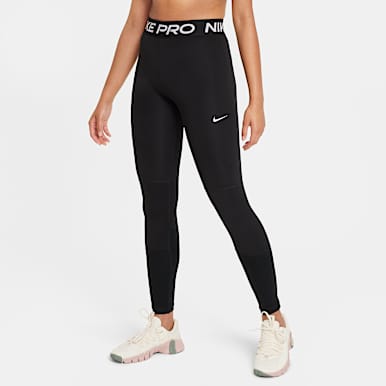
Nike Pro Dri-FIT
\
Older Kids' (Girls') Leggings
\
__37,99 €__](https://www.nike.com/hr/t/pro-dri-fit-older-kids-girls-leggings-wxSxF3/DA1028-010)
- [
\
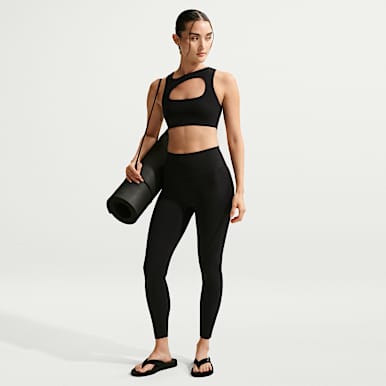
Nike Zenvy
\
Women's High-Waisted 7/8 Leggings with No Front Seam
\
__99,99 €__](https://www.nike.com/hr/t/zenvy-womens-high-waisted-7-8-leggings-with-no-front-seam-ZKWHnk3u/II5233-010)
- [
\
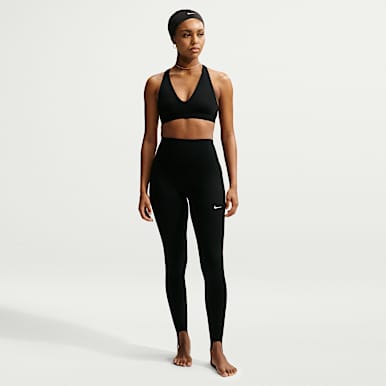
Nike One
\
Women's High-Waisted Full-Length Stirrup Leggings
\
__54,99 €__](https://www.nike.com/hr/t/one-womens-high-waisted-full-length-stirrup-leggings-mIi96smO/IV4933-010)
- [
\
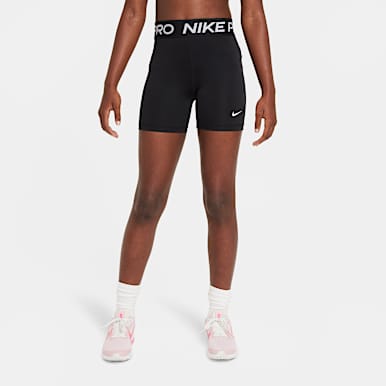
Nike Pro
\
Girls' Shorts
\
__27,99 €__](https://www.nike.com/hr/t/pro-girls-shorts-WMRh0g/DA1033-010)
- [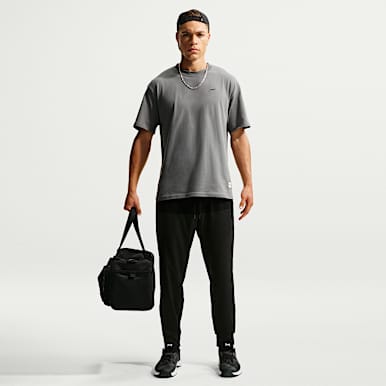
\
Nike Primary NanoKnit
\
Men's Dri-FIT UV Protection Performance Jogging Bottoms
\
__79,99 €__](https://www.nike.com/hr/t/primary-nanoknit-mens-dri-fit-uv-protection-performance-jogging-bottoms-E44VLiki/II1312-010)
- [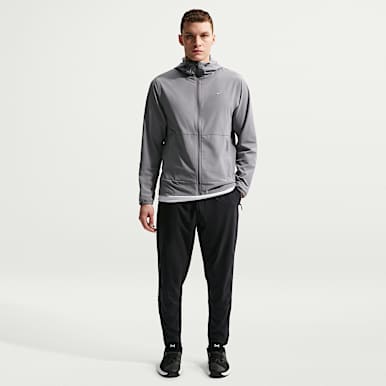
\
Nike Unlimited
\
Men's Dri-FIT Zip Cuff Versatile Trousers
\
__79,99 €__](https://www.nike.com/hr/t/unlimited-mens-dri-fit-zip-cuff-versatile-trousers-n1txtv/FB7548-010)
- [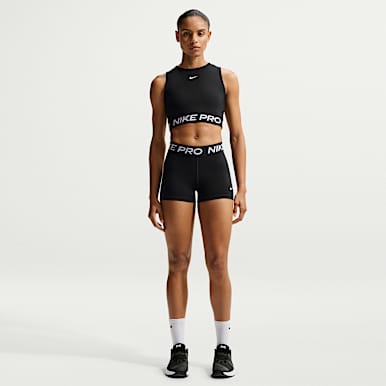
\
Nike Pro
\
Women's 8cm (approx.) Shorts
\
__29,99 €__](https://www.nike.com/hr/t/pro-womens-8cm-approx-shorts-3ZtGX0/CZ9857-010)
- [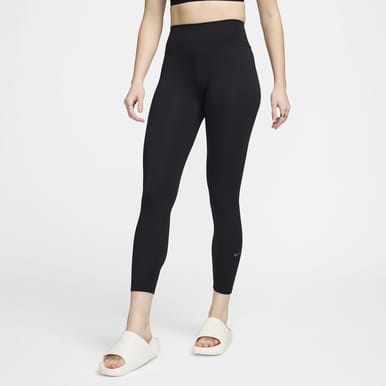
\
Nike One
\
Women's High-Waisted 7/8 Leggings
\
__49,99 €__](https://www.nike.com/hr/t/one-womens-high-waisted-7-8-leggings-n6D4Zf/FN3232-010)
- [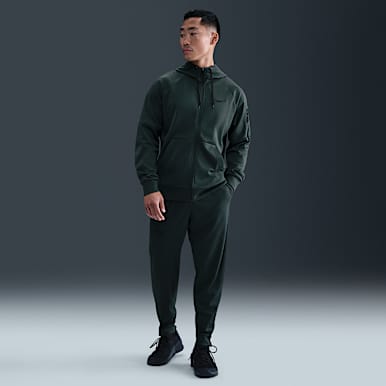
\
Nike Totality
\
Men's Dri-FIT Tapered Versatile Trousers
\
__34,99 €__
__49,99 €__](https://www.nike.com/hr/t/totality-mens-dri-fit-tapered-versatile-trousers-x94d1X/FB7509-390)
## 1. Increased Flexibility
*Why it matters:* warm muscles allow for deeper stretching and a greater joint range of motion, reducing injury risk.
Stretching when your muscles are warm—as you do in hot yoga—improves flexibility in your muscles and increases range of motion in your joints.
An October 2025 research review in [*Sports Medicine-Open*](https://pmc.ncbi.nlm.nih.gov/articles/PMC12488547/) looked at 43 studies on the effects of hot yoga and found that doing heated yoga regularly led to several benefits, including flexibility. It can also help improve balance, mobility and overall functional fitness, the researchers added.
## 2. Better Bone Mass
*Why it matters:* poses in hot yoga that put beneficial stress on the bones can help improve bone strength and density.
Bone density naturally decreases as people age. In particular, the [Endocrine Society notes](https://www.endocrine.org/patient-engagement/endocrine-library/menopause-and-bone-loss) that menopause significantly speeds bone loss and increases the risk of osteoporosis, with up to 20% of bone loss happening over the age of 60.
The research in *Sports Medicine-Open* found that in addition to more flexibility, those who regularly practiced hot yoga also showed improved bone mineral density. This may occur in part because of the way certain poses create beneficial, weight-bearing stress, which is a signal to bones to become denser and stronger over time.
## 3. Greater Lung Capacity
*Why it matters:* the yogic focus on breath can have a notable effect on lung capacity, which is particularly important as you age.
Because yoga concentrates on breathing techniques and staying mindful of your breath, you train your [lungs to retain more air](https://www.yogauonline.com/yoga-practice-tips-and-inspiration/yogic-breathing-for-better-lung-capacity). Taking regular, deep breaths allows more oxygen to enter your bloodstream, keeps your lungs healthy and increases your lung capacity, which tends to decrease with age.
The [American Lung Association explains](https://www.lung.org/blog/yoga-tai-chi-and-your-lungs) that being mindful of breathing techniques during yoga can also be beneficial for those living with lung diseases, such as asthma or chronic obstructive pulmonary disease (COPD).
## 4. Burns Calories
*Why it matters:* the intensity of a hot yoga class causes your body to work harder than you might in a traditional yoga class, which can increase calorie burn.
A standard [yoga class](https://www.nike.com/hr/a/at-home-yoga-for-beginners) can burn anywhere from 180–460 calories, depending on the intensity and duration of the class and how much you weigh. But you sweat a lot more in a hot studio, which means your body is working harder to regulate your temperature, and your heart circulates more blood. That means burning more calories than you would in a traditional, non-heated yoga class.
A May 2020 study in the [*International Journal of Exercise Science*](https://pmc.ncbi.nlm.nih.gov/articles/PMC7241641/) that assessed the effects of a session of hot yoga compared to room-temperature yoga found the heated classes had increased caloric expenditure as a result of the physiologic adjustments that students made to the heat.
## 5. Helps Improve Depression and Anxiety Symptoms
*Why it matters:* any kind of movement practice can have an effect on mood and mental health, and hot yoga isn't an exception, offering emotional support.
Doing gentle, breathing-based exercise like yoga can not only help physically with lung health, but can also help with stress and anxiety.
Both yoga and meditation can help reduce symptoms of anxiety and depression, per [Harvard Health](https://www.health.harvard.edu/staying-healthy/yoga-for-better-mental-health). In part, that may be because yoga strengthens the brain in key ways that benefit memory, attention, awareness, thought and language—basically, causing your brain to work more efficiently in all ways, including emotional processing.
An August 2019 study in the [*Journal of Alternative and Complementary and Medicine*](https://pubmed.ncbi.nlm.nih.gov/31290694/) found an eight-week course of hot yoga reduced depression symptoms , including poor quality of life and reduced cognitive function, for middle-aged women.
Even those dealing with major depressive disorder may see some relief. A March 2023 research review in [*Frontiers in Psychiatry*](https://pmc.ncbi.nlm.nih.gov/articles/PMC10077871/) found that, compared to a control group, those who did yoga saw an improvement of depressive symptoms.
## 6. Regulates Blood Glucose Levels
*Why it matters:* managing blood sugar is important for numerous physical functions, and yoga has been shown to have a beneficial impact on glucose control.
For those with type 2 diabetes, managing the condition involves keeping blood glucose under control, as well as blood pressure and cholesterol levels. Research suggests yoga can be an effective complement to medical management strategies for the condition.
According to the [American Diabetes Association](https://diabetes.org/health-wellness/fitness/yoga-blood-glucose-goals), the use of mind-body practices like yoga may lower blood sugar as much as some diabetes medications. The organisation adds that yoga can also help with improving pain symptoms, boosting sleep quality and promoting weight management, which can all help lower the chance of diabetes complications.
## 7. Helps Manage Stress
*Why it matters:* because of its emphasis on deep breathing, hot yoga can help take the edge off stress, which helps improve health overall.
The effects of chronic stress on the body can't be understated. [Cleveland Clinic](https://my.clevelandclinic.org/health/diseases/11874-stress) notes that continued activation of the stress response causes wear and tear on the body. These effects can include a weakened immune system, muscle tension, chest pain, digestive problems, high blood pressure, fatigue and many other issues.
Yoga encourages you to turn inwards and create awareness of the outside factors that cause you stress. When you practise regularly, you'll start to understand how the breathing techniques, stillness and heat of the room [help your body and mind relax](https://www.nike.com/hr/a/yoga-to-relax).
In a May 2022 study in [*Psychosocial Intervention*](https://pmc.ncbi.nlm.nih.gov/articles/PMC10268545/), 290 people who'd never done yoga before were put into either a control group or a yoga group that involved six weeks of heated yoga sessions. Those doing hot yoga reported improvements in general health, life satisfaction and peace of mind, as well as lower perceived stress.
## 8. Boosts Heart Health
*Why it matters:* with hot yoga, the increased work done by your cardiorespiratory system can play a role in both lung and heart function.
Working out in a hot room is no doubt a physical challenge. Your heart, lungs and muscles work harder, thus giving your respiration, heart rate and metabolism a boost.
One study in a May 2021 issue of [the *International Journal of Yoga*](https://pmc.ncbi.nlm.nih.gov/articles/PMC8191229/) found that chronic heat exposure in hot yoga promotes cardiovascular and cellular adaptations, which means the heart adjusts to handle the heat stress—improving its function overall.
## 9. Improves Skin Health
*Why it matters:* healthy skin is the body's first line of defence, protecting against bacteria, viruses, pollution and other threats, so hot yoga's ability to boost the skin is a plus for your immune response.
Increased sweat improves circulation and increases oxygen-rich blood to your skin cells, providing you with a post-yoga glow. More than that, it strengthens the essential barrier that healthy skin provides. According to the [American Medical Association](https://www.ama-assn.org/public-health/prevention-wellness/what-doctors-wish-patients-knew-about-maintaining-healthy-skin), healthy skin is not only protective against external germs and other threats, it also controls moisture loss and helps regulate body temperature.
When you're sweating during hot yoga—and most people sweat quite a bit—that can release impurities that may have been trapped in the skin, the [American Dermatology Association notes](https://www.aad.org/public/everyday-care/skin-care-secrets/routine/workout-affect-skin). As long as you're careful to take a shower afterwards, it can be a booster for skin health.
## How to Get Started With Hot Yoga
If you're interested in hot yoga, consider trying a regular yoga class first. Then, ask your studio if they offer hot classes suited for beginners.
Some classes use the residual heat from the previous class, so it's not as hot as a regular heated yoga class but is usually between 26–29 degrees Celsius.
The important thing is to try it out so you can see whether hot yoga is right for you or if you'd rather stick to non-heated classes.
## Hot Yoga Safety Tips
Just like any workout, you need to know how to stay safe and injury-free. Hot yoga can sometimes feel overwhelming or too stuffy for beginners, which is why it's important to ease into it and know what to expect and what to do if you feel overheated or fatigued. Here are a few tips:
- __Stay hydrated:__ Drink water before, during and after class.
- __Tune into your body:__ You always have the option of stepping out of class to get fresh air and cool down. Yoga teachers want you to feel safe and strong, so taking a break outside the room is encouraged if you need it.
- __Talk to your doctor if you have pre-existing conditions:__ If you have a history of fainting due to low blood pressure or have a heart condition, make sure you have a conversation with your doctor first. The same applies [if you're pregnant](https://www.nike.com/hr/a/yoga-for-pregnant-women).
## FAQs
What is hot yoga and how is it different from regular yoga?
Much as the name implies, hot yoga is done in a heated room, which is usually set between 29 to 41 degrees Celsius. Regular yoga is done at a normal room temperature. Both types may have the same poses and sequences, however.
What are the main benefits of hot yoga?
Advantages of a heated yoga practice include improved flexibility, lung capacity, bone mass, calorie burn, mood, glucose regulation, stress management, heart health and skin health.
Is hot yoga safe for beginners or people with health conditions?
To maintain safety, beginners should consider taking hot yoga in a warmed room first rather than one set at the maximum temperature, as a way to get used to moving in that type of environment. For those with health conditions, it's important to talk with your doctor first, since it's contraindicated for certain health issues, as well as pregnancy.
## Shop the Nike Yoga Collection
[View All](https://www.nike.com/hr/w/yoga-anrlj)
- [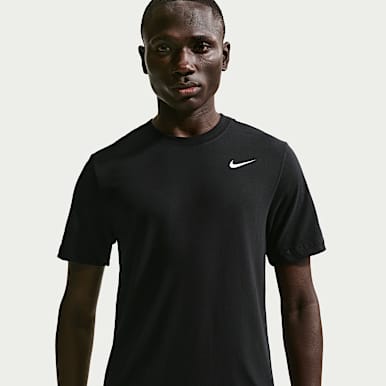
\
Nike Dri-FIT
\
Men's Fitness T-Shirt
\
__32,99 €__](https://www.nike.com/hr/t/dri-fit-mens-fitness-t-shirt-0VRmcF/AR6029-010)
- [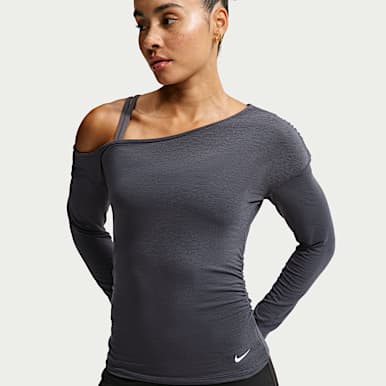
\
Nike One Relaxed
\
Women's Dri-FIT Long-Sleeve Top
\
__49,99 €__](https://www.nike.com/hr/t/one-relaxed-womens-dri-fit-long-sleeve-top-axpCcBSr/IU1422-013)
- [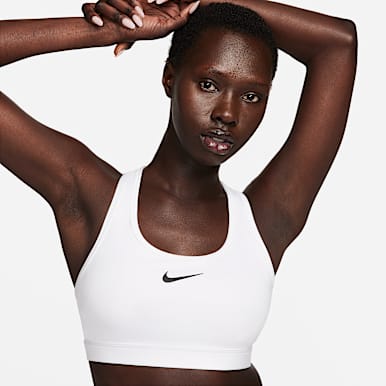
\
Nike Swoosh
\
Women's Medium-Support Padded Sports Bra
\
__44,99 €__](https://www.nike.com/hr/t/swoosh-womens-medium-support-padded-sports-bra-z3c3B5/DX6821-100)
- [
\
Nike Zenvy
\
Women's High-Waisted 7/8 Leggings with No Front Seam
\
__99,99 €__](https://www.nike.com/hr/t/zenvy-womens-high-waisted-7-8-leggings-with-no-front-seam-ZKWHnk3u/II5233-010)
- [
\
Nike Totality
\
Men's Dri-FIT Tapered Versatile Trousers
\
__34,99 €__
__49,99 €__](https://www.nike.com/hr/t/totality-mens-dri-fit-tapered-versatile-trousers-x94d1X/FB7509-390)
- [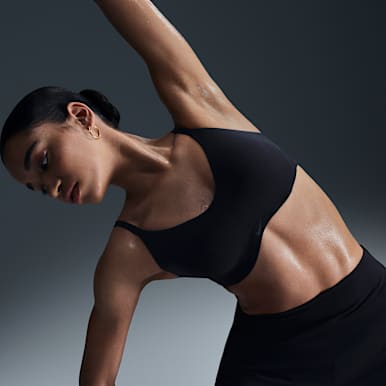
\
Nike Alate Minimalist
\
Women's Light-Support Padded Convertible Sports Bra
\
__47,99 €__](https://www.nike.com/hr/t/alate-minimalist-womens-light-support-padded-convertible-sports-bra-W6qvzV/FQ3550-010)
- [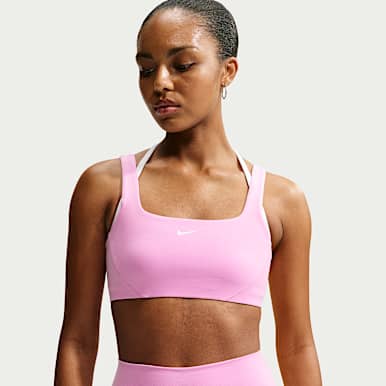
\
Nike One
\
Women's Light-Support Sports Bra
\
__44,99 €__](https://www.nike.com/hr/t/one-womens-light-support-sports-bra-SxE5kOwc/IV4930-621)
- [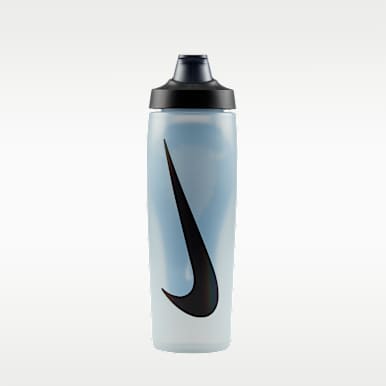
\
Nike Refuel
\
Locking-Lid Water Bottle (710ml approx.)
\
__19,99 €__](https://www.nike.com/hr/t/refuel-locking-lid-water-bottle-710ml-approx-9jv5sM/FN0419-125)
- [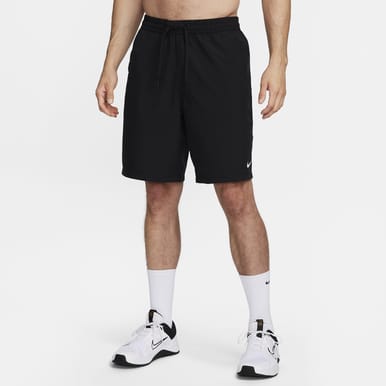
\
Nike Form
\
Men's Dri-FIT 23cm (approx.) Unlined Versatile Shorts
\
__42,99 €__](https://www.nike.com/hr/t/form-mens-dri-fit-23cm-approx-unlined-versatile-shorts-KLZr72/FN2998-010)
- [
\
Nike One
\
Women's High-Waisted 7/8 Leggings
\
__49,99 €__](https://www.nike.com/hr/t/one-womens-high-waisted-7-8-leggings-n6D4Zf/FN3232-010)
[](http://nike.com/ntc)
### Explore NTC
Free guidance from trainers and experts to strengthen your body and mind.
[Download](http://nike.com/ntc)
Originally published: 17 December 2025
## Related Stories
- 
[](https://www.nike.com/hr/a/how-to-use-yoga-blocks)
# Buying Guide
# How to Use Yoga Blocks: 5 Poses to Try
- 
[](https://www.nike.com/hr/a/best-workout-mat)
# Buying Guide
# The Best Workout Mat From Nike to Shop Now
- 
[](https://www.nike.com/hr/a/meditation-gifts)
# Buying guide
# The 7 Best Meditation Gifts From Nike
- 
[](https://www.nike.com/hr/a/yoga-poses-stress)
# Sports & Activity
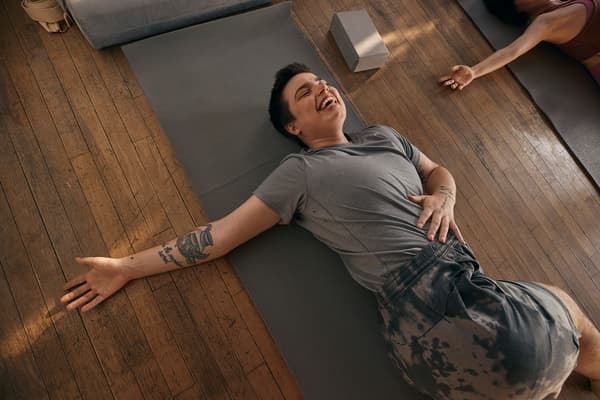
# 9 Yoga Poses for a Dose of Stress Relief
- 
[](https://www.nike.com/hr/a/how-to-clean-yoga-mat)
# Product care
# How to clean a yoga mat in 7 quick steps
Resources
[Find a Store](https://www.nike.com/hr/retail/)
[Nike Journal](https://www.nike.com/hr/stories)
[Become a Member](https://www.nike.com/hr/membership)
[Feedback](https://www.nike.com#site-feedback)
[Promo Codes](https://www.nike.com/hr/promo-code)
[Product Advice](https://www.nike.com/hr/product-advice)
[Running Shoe Finder](https://www.nike.com/hr/running/shoe-finder)
Help
[Get Help](https://www.nike.com/hr/help)
[Order Status](https://www.nike.com/hr/orders/details)
[Shipping and Delivery](https://www.nike.com/hr/help/a/shipping-delivery-gs)
[Returns](https://www.nike.com/hr/help/a/returns-policy-gs)
[Payment Options](https://www.nike.com/hr/help/a/payment-options-gs)
[Contact Us](https://www.nike.com/gb/help/#contact)
[Reviews](https://www.nike.com/hr/help/a/reviews)
[EU Harmonized Guarantee Notice](https://assets-commerce-nikecloud-com.s3.us-east-1.amazonaws.com/gethelp/legal+guarantee/Legal+guarantee_notice+HRN.pdf)
Company
[About Nike](https://about.nike.com/)
[News](https://news.nike.com/)
[Careers](https://jobs.nike.com/)
[Investors](https://investors.nike.com/)
[Sustainability](https://www.nike.com/hr/sustainability)
[Accessibility](https://www.nike.com/accessibility)
[Accessibility Statement](https://www.nike.com/hr/accessibility/statement)
[Purpose](https://www.nike.com/hr/purpose)
[Nike Coaching](https://www.nike.com/hr/coaching)
Community Discounts
[Student](https://urldefense.com/v3/__https://services.sheerid.com/verify/68d55e7b273c5b3a03a5b76d/?locale=en-GB__%3B%21%21KLCbKzk%21nTvDkRbY-BbSpoWsFhAQdmMrehEzU3loDux4_exRVjO9--Ik_EbQNJ3bX2gkEwR7F9cVVROFKqLxE4B8uW6bnx4IPOiRLg%24)
[Teacher](https://urldefense.com/v3/__https://services.sheerid.com/verify/68dcfa39c3f2fd1cd3069932/?locale=en-GB__%3B%21%21KLCbKzk%21nTvDkRbY-BbSpoWsFhAQdmMrehEzU3loDux4_exRVjO9--Ik_EbQNJ3bX2gkEwR7F9cVVROFKqLxE4B8uW6bnx5n4vwR-Q%24)
[Resources](https://www.nike.com/hr/help)
[Find a Store](https://www.nike.com/hr/retail/)
[Nike Journal](https://www.nike.com/hr/stories)
[Become a Member](https://www.nike.com/hr/membership)
[Feedback](https://www.nike.com#site-feedback)
[Promo Codes](https://www.nike.com/hr/promo-code)
[Product Advice](https://www.nike.com/hr/product-advice)
[Running Shoe Finder](https://www.nike.com/hr/running/shoe-finder)
[Help](https://www.nike.com/hr/help)
[Get Help](https://www.nike.com/hr/help)
[Order Status](https://www.nike.com/hr/orders/details)
[Shipping and Delivery](https://www.nike.com/hr/help/a/shipping-delivery-gs)
[Returns](https://www.nike.com/hr/help/a/returns-policy-gs)
[Payment Options](https://www.nike.com/hr/help/a/payment-options-gs)
[Contact Us](https://www.nike.com/gb/help/#contact)
[Reviews](https://www.nike.com/hr/help/a/reviews)
[EU Harmonized Guarantee Notice](https://assets-commerce-nikecloud-com.s3.us-east-1.amazonaws.com/gethelp/legal+guarantee/Legal+guarantee_notice+HRN.pdf)
[Company](https://about.nike.com/en)
[About Nike](https://about.nike.com/)
[News](https://news.nike.com/)
[Careers](https://jobs.nike.com/)
[Investors](https://investors.nike.com/)
[Sustainability](https://www.nike.com/hr/sustainability)
[Accessibility](https://www.nike.com/accessibility)
[Accessibility Statement](https://www.nike.com/hr/accessibility/statement)
[Purpose](https://www.nike.com/hr/purpose)
[Nike Coaching](https://www.nike.com/hr/coaching)
## Community Discounts
[Student](https://urldefense.com/v3/__https://services.sheerid.com/verify/68d55e7b273c5b3a03a5b76d/?locale=en-GB__%3B%21%21KLCbKzk%21nTvDkRbY-BbSpoWsFhAQdmMrehEzU3loDux4_exRVjO9--Ik_EbQNJ3bX2gkEwR7F9cVVROFKqLxE4B8uW6bnx4IPOiRLg%24)
[Teacher](https://urldefense.com/v3/__https://services.sheerid.com/verify/68dcfa39c3f2fd1cd3069932/?locale=en-GB__%3B%21%21KLCbKzk%21nTvDkRbY-BbSpoWsFhAQdmMrehEzU3loDux4_exRVjO9--Ik_EbQNJ3bX2gkEwR7F9cVVROFKqLxE4B8uW6bnx5n4vwR-Q%24)
Croatia (local name: Hrvatska)
- © 2026 Nike, Inc. All rights reserved.
- Guides
- [Nike Air](https://www.nike.com/hr/air)
- [Nike Air Max](https://www.nike.com/hr/air-max)
- [Nike FlyEase](https://www.nike.com/hr/flyease)
- [Nike Pegasus](https://www.nike.com/hr/running/runningzoom-pegasus-37)
- [Nike React](https://www.nike.com/hr/react)
- [Nike Vaporfly](https://www.nike.com/hr/running/vaporfly)
- [Terms of Use](https://agreementservice.svs.nike.com/hr/en_gb/rest/agreement?agreementType=termsOfUse&uxId=com.nike.unite&country=HR&language=en&requestType=redirect)
- [Terms of Sale](https://www.eshopworld.com/terms-and-conditions-of-sale-en/)
- [Company Details](https://www.nike.com/hr/help/a/company-details)
- [Privacy & Cookie Policy](https://agreementservice.svs.nike.com/hr/en_gb/rest/agreement?agreementType=privacyPolicy&uxId=com.nike.commerce.nikedotcom.web&country=hr&language=en&requestType=redirect)
- [Privacy & Cookie Settings](https://www.nike.com/hr/guest/settings/privacy)
## Africa
- [__Egypt__
\
English](https://www.nike.com/eg/)
- [__Morocco__
\
English](https://www.nike.com/ma/en/)
- [__Maroc__
\
Français](https://www.nike.com/ma/)
- [__South Africa__
\
English](https://www.nike.com/za/)
## Americas
- [__Argentina__
\
Español](https://www.nike.com.ar)
- [__Brasil__
\
Português](https://www.nike.com.br)
- [__Canada__
\
English](https://www.nike.com/ca/)
- [__Canada__
\
Français](https://www.nike.com/ca/fr/)
- [__Chile__
\
Español](https://www.nike.cl)
- [__Colombia__
\
Español](https://www.nike.com.co)
- [__México__
\
Español](https://www.nike.com/mx/)
- [__Peru__
\
Español](https://www.nike.com.pe)
- [__Puerto Rico__
\
Español](https://www.nike.com/pr/)
- [__United States__
\
English](https://www.nike.com)
- [__Estados Unidos__
\
Español](https://www.nike.com/us/es/)
- [__Uruguay__
\
Español](https://www.nike.com.uy)
- [__Latin America__
\
Español](https://www.nike.com/xl/)
## Asia Pacific
- [__Australia__
\
English](https://www.nike.com/au/)
- [__中国大陆__
\
简体中文](https://www.nike.com.cn/)
- [__Hong Kong__
\
English](https://www.nike.com.hk/)
- [__香港__
\
繁體中文](https://www.nike.com.hk/)
- [__India__
\
English](https://www.nike.in/)
- [__Indonesia__
\
English](https://www.nike.com/id/)
- [__Japan__
\
English](https://www.nike.com/jp/en/)
- [__日本__
\
日本語](https://www.nike.com/jp/)
- [__대한민국__
\
한국어](https://www.nike.com/kr/)
- [__Malaysia__
\
English](https://www.nike.com/my/)
- [__New Zealand__
\
English](https://www.nike.com/nz/)
- [__Philippines__
\
English](https://www.nike.com/ph/)
- [__Singapore__
\
English](https://www.nike.com/sg/)
- [__台灣__
\
繁體中文](https://www.nike.com/tw/)
- [__ไทย__
\
ภาษาไทย](https://www.nike.com/th/)
- [__Vietnam__
\
English](https://www.nike.com/vn/)
## Europe
- [__Österreich__
\
Deutsch](https://www.nike.com/at/)
- [__Austria__
\
English](https://www.nike.com/at/en/)
- [__Belgien__
\
Deutsch](https://www.nike.com/be/de/)
- [__Belgium__
\
English](https://www.nike.com/be/en/)
- [__Belgique__
\
Français](https://www.nike.com/be/fr/)
- [__België__
\
Nederlands](https://www.nike.com/be/)
- [__Bulgaria__
\
English](https://www.nike.com/bg/)
- [__Croatia__
\
English](https://www.nike.com/hr/)
- [__Česká republika__
\
Čeština](https://www.nike.com/cz/)
- [__Czech Republic__
\
English](https://www.nike.com/cz/en/)
- [__Danmark__
\
Dansk](https://www.nike.com/dk/)
- [__Denmark__
\
English](https://www.nike.com/dk/en/)
- [__Finland__
\
English](https://www.nike.com/fi/)
- [__France__
\
Français](https://www.nike.com/fr/)
- [__Deutschland__
\
Deutsch](https://www.nike.com/de/)
- [__Ελλάδα__
\
ελληνικά](https://www.nike.com/gr/)
- [__Hungary__
\
English](https://www.nike.com/hu/en/)
- [__Magyarország__
\
Magyar](https://www.nike.com/hu/)
- [__Ireland__
\
English](https://www.nike.com/ie/)
- [__Israel__
\
English](https://www.nike.com/il/)
- [__Italia__
\
Italiano](https://www.nike.com/it/)
- [__Luxemburg__
\
Deutsch](https://www.nike.com/lu/de/)
- [__Luxembourg__
\
English](https://www.nike.com/lu/en/)
- [__Luxembourg__
\
Français](https://www.nike.com/lu/)
- [__Netherlands__
\
English](https://www.nike.com/nl/en/)
- [__Nederland__
\
Nederlands](https://www.nike.com/nl/)
- [__Norway__
\
English](https://www.nike.com/no/en/)
- [__Norge__
\
Norsk](https://www.nike.com/no/)
- [__Polska__
\
Polski](https://www.nike.com/pl/)
- [__Portugal__
\
English](https://www.nike.com/pt/en/)
- [__Portugal__
\
Português](https://www.nike.com/pt/)
- [__Romania__
\
English](https://www.nike.com/ro/)
- [__Россия__
\
Русский](https://www.nike.com/ru/)
- [__Slovakia__
\
English](https://www.nike.com/sk/)
- [__Slovenia__
\
English](https://www.nike.com/si/)
- [__Espanya__
\
Català](https://www.nike.com/es/ca/)
- [__España__
\
Español](https://www.nike.com/es/)
- [__Sweden__
\
English](https://www.nike.com/se/en/)
- [__Sverige__
\
Svenska](https://www.nike.com/se/)
- [__Schweiz__
\
Deutsch](https://www.nike.com/ch/)
- [__Switzerland__
\
English](https://www.nike.com/ch/en/)
- [__Suisse__
\
Français](https://www.nike.com/ch/fr/)
- [__Svizzera__
\
Italiano](https://www.nike.com/ch/it/)
- [__Türkiye__
\
Türkçe](https://www.nike.com/tr/)
- [__United Kingdom__
\
English](https://www.nike.com/gb/)
## Middle East
- [__Saudi Arabia__
\
English](https://www.nike.sa/en/home)
- [__المملكة العربية السعودية__
\
العربية](https://www.nike.sa/ar/home)
- [__United Arab Emirates__
\
English](https://www.nike.ae/en/home)
- [__الإمارات العربية المتحدة__
\
العربية](https://www.nike.ae/ar/home)
- [__Qatar__
\
English](https://www.nike.qa/en/home)
- [__دولة قطر__
\
العربية](https://www.nike.qa/ar/home)
- [__Kuwait__
\
English](https://www.nike.com.kw/en/home)
- [__الكويت__
\
العربية](https://www.nike.com.kw/ar/home)