[Skip to main content](https://www.nike.com#skip-to-content)
- [](https://www.nike.com/bg/jordan)
- [Find a Store](https://www.nike.com/bg/retail)
- [Help](https://www.nike.com/bg/help)
[Help](https://www.nike.com/bg/help)
- [Order Status](https://www.nike.com/bg/orders)
- [Dispatch and Delivery](https://www.nike.com/bg/help/a/shipping-delivery-gs)
- [Returns](https://www.nike.com/bg/help/a/returns-policy-gs)
- [Contact Us](https://www.nike.com/bg/help/#contact)
- [Privacy Policy](https://agreementservice.svs.nike.com/bg/en_gb/rest/agreement?agreementType=privacyPolicy&uxId=com.nike.commerce.nikedotcom.web&country=bg&language=en&requestType=redirect)
- [Terms of Sale](https://www.eshopworld.com/shoppers/help/retailer/nike/terms-and-conditions-of-sale-en/)
- [Terms of Use](https://agreementservice.svs.nike.com/bg/en_gb/rest/agreement?agreementType=termsOfUse&uxId=com.nike.unite&country=BG&language=en&requestType=redirect)
- [Send Us Feedback](https://www.nike.com#site-feedback)
- [Join Us](https://www.nike.com/bg/membership)
- [Sign In](https://www.nike.com/bg/register)
[](https://www.nike.com/bg/)
- [New](https://www.nike.com/bg/w/new-3n82y)
- [New](https://www.nike.com/bg/w/new-3n82y)
- [New Arrivals](https://www.nike.com/bg/w/new-3n82y)
- [Best Sellers](https://www.nike.com/bg/w/best-76m50)
- [SNKRS Launch Calendar](https://www.nike.com/gb/launch/upcoming)
- [Highlights](https://www.nike.com/bg/w/new-just-in-3apgqz3n82y)
- [Jordan: Love Letter Collection](https://www.nike.com/bg/w/love-letter-7xkbw)
- [Best of Jordan](https://www.nike.com/bg/w/best-of-jordan-brand-j0oa)
- [Jordan Fleece](https://www.nike.com/bg/w/jordan-fleece-37eefz4xh6q)
- [Football: New Club Kits 26/27](https://www.nike.com/bg/w/club-football-teams-6fu9q)
- [After Dark Tour London](https://www.nike.com/bg/w/after-dark-tour-6bo5l)
- [Trending](https://www.nike.com/bg/w/best-76m50)
- [Hybrid Training](https://www.nike.com/bg/w/hybrid-training-8wvhh)
- [Marathon Shoes](https://www.nike.com/bg/w/marathon-distance-shoes-6vbyfzy7ok)
- [Elite Football Boots](https://www.nike.com/bg/w/elite-football-shoes-1gdj0z9vmnhzy7ok)
- [Sportswear Clothing](https://www.nike.com/bg/w/sportswear-clothing-43h4uz6ymx6)
- [Waterproof Running Jackets](https://www.nike.com/bg/w/water-resistant-running-jackets-gilets-37v7jz50r7yzo08u)
- [Brands](https://www.nike.com/bg/w/37eefz43h4uz93bsdzpgd6)
- [Nike Sportswear](https://www.nike.com/bg/w/lifestyle-13jrm)
- [ACG: All Conditions Gear](https://www.nike.com/bg/acg)
- [Jordan](https://www.nike.com/bg/w/jordan-37eef)
- [Kobe](https://www.nike.com/bg/w/kobe-pgd6)
- [NOCTA](https://www.nike.com/bg/w/nocta-25nhb)
- [Men](https://www.nike.com/bg/men)
- [Highlights](https://www.nike.com/bg/w/new-mens-3n82yznik1)
- [New Arrivals](https://www.nike.com/bg/w/new-mens-3n82yznik1)
- [Best Sellers](https://www.nike.com/bg/w/mens-best-76m50znik1)
- [Streetwear Clothing](https://www.nike.com/bg/w/streetwear-clothing-97qn8)
- [Football: New Club Kits 26/27](https://www.nike.com/bg/w/club-football-teams-6fu9q)
- [Clothing Essentials](https://www.nike.com/bg/w/mens-essentials-4jjpuznik1)
- [Shoes](https://www.nike.com/bg/w/mens-shoes-nik1zy7ok)
- [All Shoes](https://www.nike.com/bg/w/mens-shoes-nik1zy7ok)
- [Lifestyle](https://www.nike.com/bg/w/mens-lifestyle-shoes-13jrmznik1zy7ok)
- [Jordan](https://www.nike.com/bg/w/mens-jordan-shoes-37eefznik1zy7ok)
- [Running](https://www.nike.com/bg/w/mens-running-shoes-37v7jznik1zy7ok)
- [Football](https://www.nike.com/bg/w/mens-football-shoes-1gdj0znik1zy7ok)
- [Basketball](https://www.nike.com/bg/w/mens-basketball-shoes-3glsmznik1zy7ok)
- [Training and Gym](https://www.nike.com/bg/w/mens-training-gym-shoes-58jtoznik1zy7ok)
- [Skateboarding](https://www.nike.com/bg/w/mens-skateboarding-shoes-8mfrfznik1zy7ok)
- [Custom Shoes](https://www.nike.com/bg/w/mens-nike-by-you-shoes-6ealhznik1zy7ok)
- [Shoes under €100](https://www.nike.com/bg/w/mens-under-100-shoes-49o1mznik1zy7ok)
- [Clothing](https://www.nike.com/bg/w/mens-clothing-6ymx6znik1)
- [All Clothing](https://www.nike.com/bg/w/mens-clothing-6ymx6znik1)
- [Hoodies and Sweatshirts](https://www.nike.com/bg/w/mens-hoodies-sweatshirts-6riveznik1)
- [Jackets](https://www.nike.com/bg/w/mens-jackets-gilets-50r7yznik1)
- [Tracksuits](https://www.nike.com/bg/w/mens-tracksuits-1ll2wznik1)
- [Trousers and Tights](https://www.nike.com/bg/w/mens-trousers-tights-2kq19znik1)
- [Tops and T-Shirts](https://www.nike.com/bg/w/mens-tops-t-shirts-9om13znik1)
- [Shorts](https://www.nike.com/bg/w/mens-shorts-38fphznik1)
- [Kits and Jerseys](https://www.nike.com/bg/w/mens-football-kits-jerseys-1gdj0z3a41eznik1)
- [Accessories](https://www.nike.com/bg/w/mens-accessories-equipment-awwpwznik1)
- [Sport](https://www.nike.com/bg/w/mens-performance-3k7dgznik1)
- [Running](https://www.nike.com/bg/running)
- [Football](https://www.nike.com/bg/football)
- [Basketball](https://www.nike.com/bg/basketball)
- [Training and Gym](https://www.nike.com/bg/training)
- [Tennis](https://www.nike.com/bg/tennis)
- [Skateboarding](https://www.nike.com/bg/w/mens-skateboarding-8mfrfznik1)
- [Golf](https://www.nike.com/bg/golf)
- Brands
- [Nike Sportswear](https://www.nike.com/bg/sportswear)
- [ACG: All Conditions Gear](https://www.nike.com/bg/acg)
- [Jordan](https://www.nike.com/bg/w/mens-jordan-37eefznik1)
- [Kobe](https://www.nike.com/bg/w/mens-kobe-nik1zpgd6)
- [NOCTA](https://www.nike.com/bg/w/mens-nocta-25nhbznik1)
- [Women](https://www.nike.com/bg/women)
- [Highlights](https://www.nike.com/bg/w/new-womens-3n82yz5e1x6)
- [New Arrivals](https://www.nike.com/bg/w/new-womens-3n82yz5e1x6)
- [Best Sellers](https://www.nike.com/bg/w/womens-best-5e1x6z76m50)
- [Nike Fleece Essentials](https://www.nike.com/bg/w/nike-studio-fleece-s531)
- [Seasonal Clothing Packs](https://www.nike.com/bg/w/seasonal-clothing-packs-9yawh)
- [Football Player Edition: Sam Kerr](https://www.nike.com/bg/w/sam-kerr-4mbmv)
- [Clothing Essentials](https://www.nike.com/bg/w/womens-essentials-4jjpuz5e1x6)
- [After Dark Tour London](https://www.nike.com/bg/w/after-dark-tour-6bo5l)
- [Shoes](https://www.nike.com/bg/w/womens-shoes-5e1x6zy7ok)
- [All Shoes](https://www.nike.com/bg/w/womens-shoes-5e1x6zy7ok)
- [Lifestyle](https://www.nike.com/bg/w/womens-lifestyle-shoes-13jrmz5e1x6zy7ok)
- [Jordan](https://www.nike.com/bg/w/womens-jordan-shoes-37eefz5e1x6zy7ok)
- [Running](https://www.nike.com/bg/w/womens-running-shoes-37v7jz5e1x6zy7ok)
- [Training and Gym](https://www.nike.com/bg/w/womens-training-gym-shoes-58jtoz5e1x6zy7ok)
- [Football](https://www.nike.com/bg/w/womens-football-shoes-1gdj0z5e1x6zy7ok)
- [Custom Shoes](https://www.nike.com/bg/w/womens-nike-by-you-shoes-5e1x6z6ealhzy7ok)
- [Shoes under €100](https://www.nike.com/bg/w/womens-under-100-shoes-49o1mz5e1x6zy7ok)
- [Clothing](https://www.nike.com/bg/w/womens-clothing-5e1x6z6ymx6)
- [All Clothing](https://www.nike.com/bg/w/womens-clothing-5e1x6z6ymx6)
- [Hoodies and Sweatshirts](https://www.nike.com/bg/w/womens-hoodies-sweatshirts-5e1x6z6rive)
- [Jackets](https://www.nike.com/bg/w/womens-jackets-gilets-50r7yz5e1x6)
- [Trousers](https://www.nike.com/bg/w/womens-trousers-tights-2kq19z5e1x6)
- [Leggings](https://www.nike.com/bg/w/womens-tights-leggings-29sh2z5e1x6)
- [Matching Sets](https://www.nike.com/bg/w/womens-matching-sets-2lukpz5e1x6)
- [Tops and T-Shirts](https://www.nike.com/bg/w/womens-tops-t-shirts-5e1x6z9om13)
- [Shorts](https://www.nike.com/bg/w/womens-shorts-38fphz5e1x6)
- [Sports Bras](https://www.nike.com/bg/w/womens-sports-bras-40qgmz5e1x6)
- [Accessories](https://www.nike.com/bg/w/womens-accessories-equipment-5e1x6zawwpw)
- [Sport](https://www.nike.com/bg/w/womens-performance-3k7dgz5e1x6)
- [Training and Gym](https://www.nike.com/bg/training)
- [Running](https://www.nike.com/bg/running)
- [Football](https://www.nike.com/bg/football)
- [Basketball](https://www.nike.com/bg/basketball)
- [Tennis](https://www.nike.com/bg/tennis)
- [Skateboarding](https://www.nike.com/bg/w/womens-skateboarding-5e1x6z8mfrf)
- [Golf](https://www.nike.com/bg/golf)
- Brands
- [NikeSKIMS](https://www.nike.com/bg/nikeskims)
- [Nike Sportswear](https://www.nike.com/bg/sportswear)
- [ACG: All Conditions Gear](https://www.nike.com/bg/acg)
- [Jordan](https://www.nike.com/bg/w/womens-jordan-37eefz5e1x6)
- [Kobe](https://www.nike.com/bg/w/womens-kobe-5e1x6zpgd6)
- [Kids](https://www.nike.com/bg/kids)
- [Highlights](https://www.nike.com/bg/w/new-kids-3n82yzv4dh)
- [New Arrivals](https://www.nike.com/bg/w/new-kids-3n82yzv4dh)
- [Best Sellers](https://www.nike.com/bg/w/kids-best-76m50zv4dh)
- [Teen Destination](https://www.nike.com/bg/teens)
- [Nike x LEGO® Collection](https://www.nike.com/bg/lego)
- [Clothing Essentials](https://www.nike.com/bg/w/kids-essentials-4jjpuzv4dh)
- [Shoes](https://www.nike.com/bg/w/kids-shoes-v4dhzy7ok)
- [All Shoes](https://www.nike.com/bg/w/kids-shoes-v4dhzy7ok)
- [Lifestyle](https://www.nike.com/bg/w/kids-lifestyle-shoes-13jrmzv4dhzy7ok)
- [Jordan](https://www.nike.com/bg/w/kids-jordan-shoes-37eefzv4dhzy7ok)
- [Football](https://www.nike.com/bg/w/kids-football-shoes-1gdj0zv4dhzy7ok)
- [Running](https://www.nike.com/bg/w/kids-running-shoes-37v7jzv4dhzy7ok)
- [Basketball](https://www.nike.com/bg/w/kids-basketball-shoes-3glsmzv4dhzy7ok)
- [Physical Education](https://www.nike.com/bg/w/kids-performance-shoes-3k7dgzv4dhzy7ok)
- [Shoes under €100](https://www.nike.com/bg/w/kids-under-100-shoes-49o1mzv4dhzy7ok)
- [Clothing](https://www.nike.com/bg/w/kids-clothing-6ymx6zv4dh)
- [All Clothing](https://www.nike.com/bg/w/kids-clothing-6ymx6zv4dh)
- [Hoodies and Sweatshirts](https://www.nike.com/bg/w/kids-hoodies-sweatshirts-6rivezv4dh)
- [Jackets](https://www.nike.com/bg/w/kids-jackets-gilets-50r7yzv4dh)
- [Tracksuits](https://www.nike.com/bg/w/kids-tracksuits-1ll2wzv4dh)
- [Trousers and Leggings](https://www.nike.com/bg/w/kids-trousers-tights-2kq19zv4dh)
- [Matching Sets](https://www.nike.com/bg/w/kids-matching-sets-2lukpzv4dh)
- [Tops and T-Shirts](https://www.nike.com/bg/w/kids-tops-t-shirts-9om13zv4dh)
- [Shorts](https://www.nike.com/bg/w/kids-shorts-38fphzv4dh)
- [Kits & Jerseys](https://www.nike.com/bg/w/kids-football-kits-jerseys-1gdj0z3a41ezv4dh)
- [Accessories](https://www.nike.com/bg/w/kids-accessories-equipment-awwpwzv4dh)
- [Kids by age](https://www.nike.com/bg/w/kids-v4dh)
- [Teens (13–17 years)](https://www.nike.com/bg/w/teen-collection-6hgue)
- [Older Kids (7–12 years)](https://www.nike.com/bg/w/older-kids-agibjzv4dh)
- [Younger Kids (3–7 years)](https://www.nike.com/bg/w/little-kids-6dacezv4dh)
- [Baby & Toddler (0–3 years)](https://www.nike.com/bg/w/baby-toddlers-kids-2j488zv4dh)
- [Sport](https://www.nike.com/bg/w/kids-performance-3k7dgzv4dh)
- [Running](https://www.nike.com/bg/w/kids-running-37v7jzv4dh)
- [Football](https://www.nike.com/bg/w/kids-football-1gdj0zv4dh)
- [Basketball](https://www.nike.com/bg/w/kids-basketball-3glsmzv4dh)
- [Physical Education](https://www.nike.com/bg/w/kids-training-gym-58jtozv4dh)
- [Skateboarding](https://www.nike.com/bg/w/skateboarding-8mfrf)
- [Sport](https://www.nike.com/bg/lockerroom)
- [Highlights](https://www.nike.com/bg/w/new-performance-3k7dgz3n82y)
- [New Arrivals](https://www.nike.com/bg/w/new-performance-3k7dgz3n82y)
- [Best Sellers](https://www.nike.com/bg/w/best-performance-3k7dgz76m50)
- [Jordan Basketball](https://www.nike.com/bg/w/jordan-basketball-37eefz3glsm)
- [Football: New Club Kits 26/27](https://www.nike.com/bg/w/club-football-teams-6fu9q)
- [Discover: Nike Hybrid RN](https://www.nike.com/bg/w/hybrid-training-8wvhh)
- [Running](https://www.nike.com/bg/running)
- [All Running](https://www.nike.com/bg/w/running-37v7j)
- [Shoes](https://www.nike.com/bg/w/running-shoes-37v7jzy7ok)
- [Clothing](https://www.nike.com/bg/w/running-clothing-37v7jz6ymx6)
- [Accessories](https://www.nike.com/bg/w/running-accessories-equipment-37v7jzawwpw)
- [Football](https://www.nike.com/bg/football)
- [All Football](https://www.nike.com/bg/w/football-1gdj0)
- [Shoes](https://www.nike.com/bg/w/football-shoes-1gdj0zy7ok)
- [Clothing](https://www.nike.com/bg/w/football-clothing-1gdj0z6ymx6)
- [Accessories](https://www.nike.com/bg/w/football-accessories-equipment-1gdj0zawwpw)
- [Training and Gym](https://www.nike.com/bg/training)
- [All Training and Gym](https://www.nike.com/bg/w/training-gym-58jto)
- [Shoes](https://www.nike.com/bg/w/training-gym-shoes-58jtozy7ok)
- [Clothing](https://www.nike.com/bg/w/training-gym-clothing-58jtoz6ymx6)
- [Accessories](https://www.nike.com/bg/w/training-gym-accessories-equipment-58jtozawwpw)
- [More Sports](https://www.nike.com/bg/w/performance-3k7dg)
- [All Sport](https://www.nike.com/bg/w/performance-3k7dg)
- [Basketball](https://www.nike.com/bg/basketball)
- [Outdoor](https://www.nike.com/bg/w/acg-93bsd)
- [Tennis](https://www.nike.com/bg/tennis)
- [Nike SB](https://www.nike.com/bg/w/skateboarding-8mfrf)
- [Golf](https://www.nike.com/bg/golf)
- [Swimming](https://www.nike.com/bg/w/swimming-3c2dj)
- [NikeSKIMS](https://www.nike.com/bg/nikeskims)
- [NikeSKIMS Guides](https://www.nike.com/bg/nikeskims-lookbook)
- [NikeSKIMS Lookbook](https://www.nike.com/bg/nikeskims-lookbook)
- [NikeSKIMS Bra Guide](https://www.nike.com/bg/nikeskims-bra-guide)
- [NikeSKIMS Collection Guide](https://www.nike.com/bg/nikeskims-collection-guide)
- [Clothing](https://www.nike.com/bg/w/nikeskims-b2asd)
- [All Clothing](https://www.nike.com/bg/w/nikeskims-clothing-6ymx6zb2asd)
- [Bras](https://www.nike.com/bg/w/nikeskims-sports-bras-40qgmzb2asd)
- [Tops and Tanks](https://www.nike.com/bg/w/nikeskims-tops-t-shirts-9om13zb2asd)
- [Leggings](https://www.nike.com/bg/w/nikeskims-tights-leggings-29sh2zb2asd)
- [Shorts](https://www.nike.com/bg/w/nikeskims-shorts-38fphzb2asd)
- [Shoes](https://www.nike.com/bg/w/nikeskims-shoes-b2asdzy7ok)
- [Accessories](https://www.nike.com/bg/w/nikeskims-accessories-equipment-awwpwzb2asd)
- [Collections](https://www.nike.com/bg/nikeskims-collection-guide)
- [All Collections](https://www.nike.com/bg/w/nikeskims-b2asd)
- [Satin Shine](https://www.nike.com/bg/w/nikeskims-satin-shine-97fc5)
- [Matte](https://www.nike.com/bg/w/nikeskims-nikeskims-matte-5s3enzb2asd)
- [Airy](https://www.nike.com/bg/w/nikeskims-nikeskims-airy-5c1qqzb2asd)
- [Ribbed Seamless](https://www.nike.com/bg/w/nikeskims-nikeskims-seamless-6lh4szb2asd)
- [Studio Stretch](https://www.nike.com/bg/w/nikeskims-studio-stretch-admbq)
- [Stretch Nylon](https://www.nike.com/bg/w/nikeskims-stretch-nylon-7sut9)
- [Weightless](https://www.nike.com/bg/w/nikeskims-nikeskims-weightless-4csx8zb2asd)
- [Shop By Color](https://www.nike.com/bg/w/nikeskims-b2asd)
- [Obsidian](https://www.nike.com/bg/w/nikeskims-black-90poyzb2asd)
- [Dark Sepia](https://www.nike.com/bg/w/nikeskims-dark-sepia-81pvm)
- [Phoenix](https://www.nike.com/bg/w/nikeskims-phoenix-1jhtj)
- [Ivory](https://www.nike.com/bg/w/nikeskims-white-4g797zb2asd)
- [Citrine](https://www.nike.com/bg/w/nikeskims-yellow-ayp69zb2asd)
- [Carob](https://www.nike.com/bg/w/nikeskims-brown-557pqzb2asd)
Cancel
Cancel
Popular Search Terms
[nike tech fleece](https://www.nike.com/bg/w?q=nike%20tech%20fleece&vst=nike%20tech%20fleece)[shoes](https://www.nike.com/bg/w?q=shoes&vst=shoes)[air max](https://www.nike.com/bg/w?q=air%20max&vst=air%20max)[nike shox](https://www.nike.com/bg/w?q=nike%20shox&vst=nike%20shox)[jordan](https://www.nike.com/bg/w?q=jordan&vst=jordan)[air force 1](https://www.nike.com/bg/w?q=air%20force%201&vst=air%20force%201)[basketball shoes](https://www.nike.com/bg/w?q=basketball%20shoes&vst=basketball%20shoes)[football boots](https://www.nike.com/bg/w?q=football%20boots&vst=football%20boots)
[](https://www.nike.com/bg/favorites "Favourites")[](https://www.nike.com/bg/cart "Bag Items: 0")
# Kettlebell Swings: How To Do Them, Muscles Worked and Common Mistakes
##### Activity
Learn what kettlebell swings are, how to do them correctly, which muscles they work and how to build strength and conditioning safely with this full-body move.
Last updated: 19 December 2025
8 min read

When it comes to training efficiency, the simple-looking kettlebell can be a powerful tool for [building muscle](https://www.nike.com/bg/a/how-much-protein-per-day) and [increasing endurance](https://www.nike.com/bg/a/how-fast-can-people-run)—especially when doing kettlebell swings.
## What Is a Kettlebell Swing?
The kettlebell swing involves gripping the handle of a kettlebell with both hands and using a powerful hip thrust to swing it between your legs and then back up to about shoulder height. It's a ballistic hip hinge driven by power from the glutes and hamstrings, not by lifting with the arms.
## Benefits of kettlebell swings
[Research from the American Council on Exercise](https://www.acefitness.org/certifiednewsarticle/3172/ace-sponsored-research-study-kettlebells-kick-butt/) explored the effects of taking two kettlebell classes per week for eight weeks. Researchers not only found considerable strength gains in study subjects but also notable increases in aerobic capacity, dynamic balance and core strength.
"Kettlebell swings use a lot of major muscle groups, and they're done explosively, so they get your heart rate up really quickly," said Forest Vance, Russian Kettlebell Challenge Level II.
The explosive hip extension movement also makes kettlebell swings effective for improving jumping and running power. "Hip extension is the foundation of a lot of those athletic movements," Vance said.
## Hip hinge vs squat
Many beginners get confused about the differences between hip hinges and squat movement patterns. A squat may feel more familiar because you do it anytime you sit: the knees bend significantly, and your torso stays mostly upright as you drop your hips straight down.
In a hip hinge, as when doing a kettlebell swing, the knees only bend a little bit—the majority of the movement happens in the hips. "Hip hinges emphasise hip flexion and horizontal movement," Vance said. "The hips move backward, and the torso leans forward a bit more."
The hip hinge is foundational to performing kettlebell swings correctly. So, it may be helpful to practice the hip hinge movement pattern with body weight before trying the kettlebell swing.
## How To Do a Kettlebell Swing (Step-by-Step)
Here are the steps to performing a kettlebell swing, according to Vance.
1. Stand with feet slightly wider than shoulder-width apart with knees slightly bent (not locked out), and a kettlebell on the floor about 45 to 60 centimetres in front of you.
2. Hinge at your hips and grip the kettlebell with both hands, palms facing down. Lift the kettlebell about a foot off the ground while keeping your hips in a hinge position.
3. Swing the kettlebell back through your legs, behind you, then straighten your legs and swing the kettlebell out in front of the body to shoulder height.
4. As you come up for the swing, push your hips forward, engaging your glutes and keeping your core activated.
5. The kettlebell will swing back down through your legs as you hinge at the hips.
## When to stop or reset your form
Stop or reset anytime you feel your form breaking down. Watch for tension in your arms, discomfort in your lower back or rounding in your shoulders and back, Vance said.
## Shop Nike Shirts & Gym T-Shirts
[View All](https://www.nike.com/bg/w/training-gym-tops-t-shirts-58jtoz9om13)
- [Nike Pro
\
Men's Dri-FIT Tight Short-Sleeve Fitness Top
\
__37,99 €__](https://www.nike.com/bg/t/pro-mens-dri-fit-tight-short-sleeve-fitness-top-4Hk1th/FB7932-100)
- [Nike Pro
\
Men's Dri-FIT Training Tank
\
__42,99 €__](https://www.nike.com/bg/t/pro-mens-dri-fit-training-tank-You6xpYY/IF2805-644)
- [Nike Pro Sculpt
\
Women's Dri-FIT Long-Sleeve Top
\
__59,99 €__](https://www.nike.com/bg/t/pro-sculpt-womens-dri-fit-long-sleeve-top-EBxJHZ24/IM9970-010)
- [Nike Pro
\
Men's Dri-FIT Tight Sleeveless Fitness Top
\
__37,99 €__](https://www.nike.com/bg/t/pro-mens-dri-fit-tight-sleeveless-fitness-top-PXn7Sf/FB7914-084)
- [Nike Pro
\
Men's Dri-FIT Tight Long-Sleeve Fitness Top
\
__42,99 €__](https://www.nike.com/bg/t/pro-mens-dri-fit-tight-long-sleeve-fitness-top-RWhSkP/FB7919-084)
- [Nike N.A.C.
\
Men's Oversized T-Shirt
\
__54,99 €__](https://www.nike.com/bg/t/nac-mens-oversized-t-shirt-sCEYUvFn/IM6139-011)
- [Nike Pro Seamless
\
Women's Full-Zip Training Top
\
__64,99 €__](https://www.nike.com/bg/t/pro-seamless-womens-full-zip-training-top-cNuN7wWx/IO4466-372)
- [Nike N.A.C.
\
Men's Sleeveless T-Shirt
\
__44,99 €__](https://www.nike.com/bg/t/nac-mens-sleeveless-t-shirt-OV9p7YAC/IM6159-010)
- [Nike
\
Men's N.A.C. Dri-FIT Long-Sleeve Top
\
__64,99 €__](https://www.nike.com/bg/t/mens-nac-dri-fit-long-sleeve-top-Ot1Yh0Yf/IM5601-010)
- [Nike Pro Sculpt
\
Women's Dri-FIT 1/4-Zip Long-Sleeve Top
\
__64,99 €__](https://www.nike.com/bg/t/pro-sculpt-womens-dri-fit-1-4-zip-long-sleeve-top-eE0l8j4z/IM9747-259)
## Muscles Worked in a Kettlebell Swing
The kettlebell swing is a full-body exercise that hits multiple muscle groups. However, it primarily targets the posterior chain, which are the muscles in the back of the body, Vance said. This includes the following muscles:
- [Glutes](https://www.nike.com/bg/a/squat-benefits-to-your-body)
- Hamstrings
- Lower back
- Latissimus dorsi
- Rhomboids
- Trapezius
- Posterior deltoids
## Tips for Good Form
While the kettlebell swing is excellent for activating many muscles simultaneously, it can also boost your injury risk if your form is off. Use these tips to help you stay safe and maximise results.
## Quick Form Check
- Neutral spine
- Core braced
- Shoulders packed
- Drive from hips
- Exhale on the upswing
## 1. Spine and shoulder position
This is a pulling exercise, so be sure to retract your shoulder blades and activate your lats as you sit back and down into your start position. Keep the chin tucked and the neck neutral by looking down at the horizon—don't "follow" the kettlebell's trajectory with your head by looking up and down.
Also, make sure not to round the lower back; keep the spine neutral by engaging the shoulder blades as you swing.
## 2. Foot pressure and balance
Keep feet planted firmly on the ground and weight evenly distributed; don't let the return of the swing pull your heels or toes up.
Proper footwear helps maintain this stability. [Training shoes](https://www.nike.com/bg/a/best-shoes-for-squats) are your best option because they keep your feet locked in place while you swing. "A running shoe with a lot of cushioning is going to rock back and forth and won't give you a stable platform for kettlebells," Vance said.
## 3. Arm path and grip
Have an easy hook grip as opposed to a crush grip so you don't overgrip, which can cause stress on the wrists and forearms. When starting, stick with the traditional Russian technique of swinging up to shoulder height instead of overhead. You can also consider using another Russian technique of keeping elbows bent and tucked to the side, rather than having straight arms when you swing.
Don't bring the kettlebell all the way back to the ground; it should be at about knee level before starting the next swing.
## 4. Breathing technique
Don't hold your [breath](https://www.nike.com/bg/a/how-to-breathe-while-running) during the kettlebell swing. Exhale as you swing up, inhale as the kettlebell comes down and engage your abs as if preparing for a punch, Vance said.
## Common Errors and Pitfalls
Certain form mistakes may crop up while you're learning the kettlebell swing. Here are the most common ones:
- __Lifting with arms instead of hips:__ This turns the kettlebell swing into an upper-body exercise, which is tough on the arms and shoulders and limits how much power you can generate.
- __Rounding the lower back:__ this often happens when trying to swing a weight that's too heavy, straining the lower back.
- __Standing too tall at the top:__ overextending or leaning backward at the top of the swing puts increased pressure on the lower back.
- __Overgripping the handle:__ gripping the handle too tightly strains the forearm and wrist muscles.
- __Swinging too high:__ the kettlebell should reach chest or shoulder height and float at the top before swinging back down, Vance said. "Some people try to use their arms to lift it higher than it needs to go." Lifting the kettlebell above the shoulder requires more shoulder mobility, which many people don't have.
## How To Get Started With Kettlebell Swings
Mastering the kettlebell swing starts with learning the hip hinge movement pattern, choosing the right weight for your fitness level and knowing when to progress. Here's what beginners should know.
## How to practise the hip hinge
If you've never done a kettlebell swing, practise the hip hinge movement pattern with body weight first. This ensures you're able to keep the core braced throughout the movement as a way to protect the spine. Vance recommended the following steps:
1. Stand a couple of feet from a wall, facing away.
2. Step your feet slightly wider than shoulder-width apart with knees slightly bent (not locked out).
3. Keeping a neutral spine, hinge at the hips and push your bottom back to tap the wall behind you.
4. Straighten your legs and push your hips forward, engaging your glutes and keeping your core activated.
5. Repeat the movement.
## How to choose a starting weight
The weight of a kettlebell is often measured in kilograms (kg), though some use pounds (lb). A good starting weight is generally 8 kg or 18 lb for women and 16 kg or 35 lb for men, Vance said. However, he noted that those with a strength-training background might start heavier: 12 to 16 kg (26 to 35 lb) for experienced women, and 20 to 24 kg (44 to 53 lb) for experienced men.
You can tell if the weight is too light if you're able to lift it with your shoulders and arms, Vance said. If the weight is too heavy, your form will break down. "You won't consistently get powerful reps or maintain good posture," Vance said.
## How to know when to progress
One indication that you're ready to grab a heavier kettlebell is being able to perform 10 sets of 10 swings without feeling completely wiped out, said personal trainer Dan Partridge, a certified level 3 personal trainer by Future Fit in the U.K. Regardless, start with the lightest weight available, especially if you're still perfecting your form.
"The safest thing to do is always start a little lighter because—trust me—there is always a heavier weight that can be used if you're feeling good", he said.
## Russian vs. American kettlebell swings
You may encounter two types of kettlebell swings: Russian and American. They're the same movement, save for one important difference—whereas Russian kettlebell swings stop at shoulder height, American kettlebell swings involve swinging the kettlebell overhead. Moving the kettlebell through a greater range of motion requires more energy, making the American version more aerobically challenging. But it also makes the exercise riskier for the shoulders: "You need adequate shoulder mobility to get both hands over your head while holding onto a handle with a narrow grip," Vance said. Most people don't have that ability, especially as they get fatigued, so Russian swings tend to be safer.
## Frequently Asked Questions
What muscles do kettlebell swings work?
Kettlebell swings target every major muscle group but primarily work the posterior chain—the glutes, hamstrings and back.
How heavy should my kettlebell be?
The kettlebell should be heavy enough that you can't lift it using only your shoulders and arms, but light enough that you can maintain proper form. For beginners, Vance recommended starting with 8 kg (18 lb) for women and 16 kg (35 lb) for men.
Are kettlebell swings good for beginners?
Yes, but it's important to learn proper form and start light. It's also a good idea to practise the hip hinge movement pattern with body weight before adding a kettlebell.
How many swings should I start with?
Beginners should start with 3–4 sets of 10–15 repetitions, Vance said. Once you feel more confident, you can adjust your sets and rep counts according to your goals. If you're interested in building endurance, you might do 4–5 sets of 15–20 reps, for example. If maximum power is your goal, lower the reps to 5–10 and choose a weight that feels challenging.
Originally published: 19 December 2025
## Related Stories
- 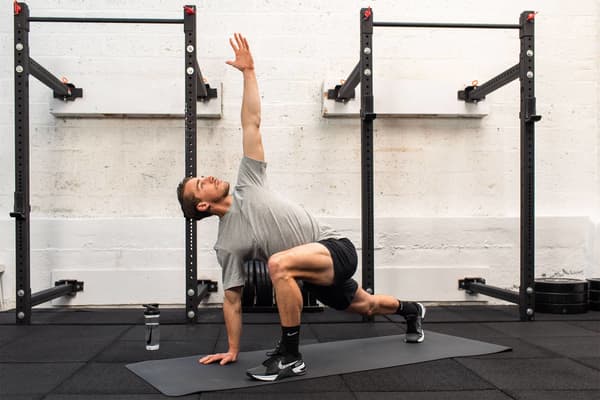
[](https://www.nike.com/bg/a/workout-for-beginner)
# Sport & Activity
# Starting to Build a Fitness Routine? Try This Trainer-Approved Workout for Beginners
- 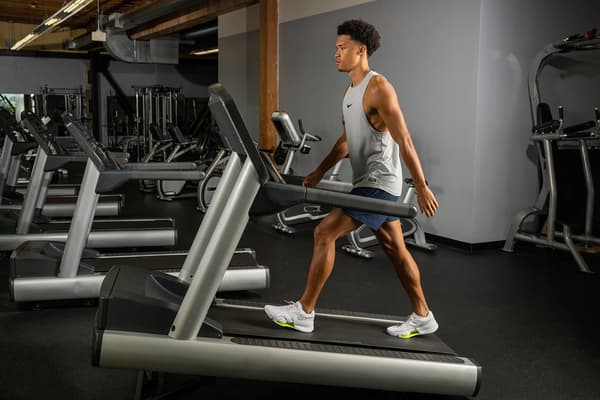
[](https://www.nike.com/bg/a/treadmill-workouts)
# Sport & Activity
# 3 Treadmill Workouts That Can Boost Your Fitness
- 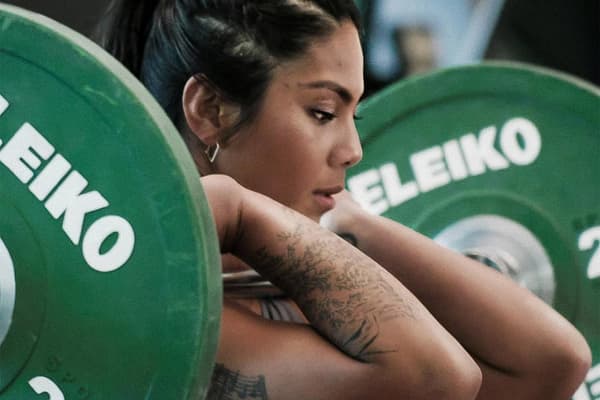
[](https://www.nike.com/bg/a/how-to-do-power-clean)
# Sport & Activity
# How to Master the Power Clean: 4 Steps for Beginners
- 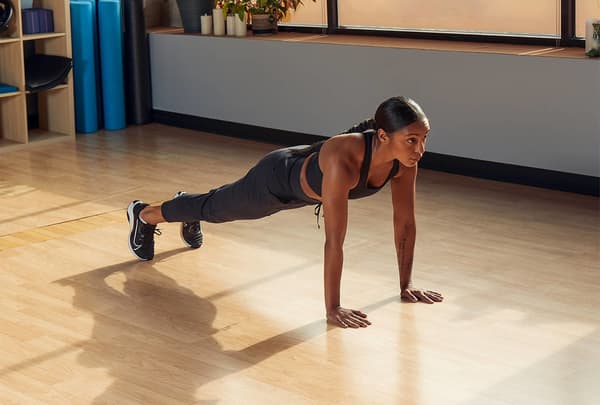
[](https://www.nike.com/bg/a/what-muscles-do-planks-work)
# Sport & activity
# All the Muscles That Fire Up In a Plank
- 
[](https://www.nike.com/bg/a/what-is-overtraining-syndrome)
# Sport & activity
# What is overtraining syndrome—and how can you avoid it?
Resources
[Find a Store](https://www.nike.com/bg/retail/)
[Nike Journal](https://www.nike.com/bg/stories)
[Become a Member](https://www.nike.com/bg/membership)
[Feedback](https://www.nike.com#site-feedback)
[Promo Codes](https://www.nike.com/bg/promo-code)
[Product Advice](https://www.nike.com/bg/product-advice)
[Running Shoe Finder](https://www.nike.com/bg/running/shoe-finder)
Help
[Get Help](https://www.nike.com/bg/help)
[Order Status](https://www.nike.com/bg/orders)
[Shipping and Delivery](https://www.nike.com/bg/help/a/shipping-delivery-gs)
[Returns](https://www.nike.com/bg/help/a/returns-policy-gs)
[Payment Options](https://www.nike.com/bg/help/a/payment-options-gs)
[Contact Us](https://www.nike.com/bg/help/#contact)
[Reviews](https://www.nike.com/bg/help/a/reviews)
[EU Harmonized Guarantee Notice](https://assets-commerce-nikecloud-com.s3.us-east-1.amazonaws.com/gethelp/legal+guarantee/Legal+guarantee_notice+BGN.pdf)
Company
[About Nike](https://about.nike.com/)
[News](https://news.nike.com/)
[Careers](https://jobs.nike.com/)
[Investors](https://investors.nike.com/)
[Sustainability](https://www.nike.com/bg/sustainability)
[Accessibility](https://www.nike.com/accessibility)
[Accessibility Statement](https://www.nike.com/bg/accessibility/statement)
[Purpose](https://www.nike.com/bg/purpose)
[Nike Coaching](https://www.nike.com/bg/coaching)
Community Discounts
[Student](https://urldefense.com/v3/__https://services.sheerid.com/verify/68d55e7b273c5b3a03a5b76d/?locale=en-GB__%3B%21%21KLCbKzk%21nTvDkRbY-BbSpoWsFhAQdmMrehEzU3loDux4_exRVjO9--Ik_EbQNJ3bX2gkEwR7F9cVVROFKqLxE4B8uW6bnx4IPOiRLg%24)
[Teacher](https://urldefense.com/v3/__https://services.sheerid.com/verify/68dcfa39c3f2fd1cd3069932/?locale=en-GB__%3B%21%21KLCbKzk%21nTvDkRbY-BbSpoWsFhAQdmMrehEzU3loDux4_exRVjO9--Ik_EbQNJ3bX2gkEwR7F9cVVROFKqLxE4B8uW6bnx5n4vwR-Q%24)
[Resources](https://www.nike.com/bg/help)
[Find a Store](https://www.nike.com/bg/retail/)
[Nike Journal](https://www.nike.com/bg/stories)
[Become a Member](https://www.nike.com/bg/membership)
[Feedback](https://www.nike.com#site-feedback)
[Promo Codes](https://www.nike.com/bg/promo-code)
[Product Advice](https://www.nike.com/bg/product-advice)
[Running Shoe Finder](https://www.nike.com/bg/running/shoe-finder)
[Help](https://www.nike.com/bg/help)
[Get Help](https://www.nike.com/bg/help)
[Order Status](https://www.nike.com/bg/orders)
[Shipping and Delivery](https://www.nike.com/bg/help/a/shipping-delivery-gs)
[Returns](https://www.nike.com/bg/help/a/returns-policy-gs)
[Payment Options](https://www.nike.com/bg/help/a/payment-options-gs)
[Contact Us](https://www.nike.com/bg/help/#contact)
[Reviews](https://www.nike.com/bg/help/a/reviews)
[EU Harmonized Guarantee Notice](https://assets-commerce-nikecloud-com.s3.us-east-1.amazonaws.com/gethelp/legal+guarantee/Legal+guarantee_notice+BGN.pdf)
[Company](https://about.nike.com/en)
[About Nike](https://about.nike.com/)
[News](https://news.nike.com/)
[Careers](https://jobs.nike.com/)
[Investors](https://investors.nike.com/)
[Sustainability](https://www.nike.com/bg/sustainability)
[Accessibility](https://www.nike.com/accessibility)
[Accessibility Statement](https://www.nike.com/bg/accessibility/statement)
[Purpose](https://www.nike.com/bg/purpose)
[Nike Coaching](https://www.nike.com/bg/coaching)
## Community Discounts
[Student](https://urldefense.com/v3/__https://services.sheerid.com/verify/68d55e7b273c5b3a03a5b76d/?locale=en-GB__%3B%21%21KLCbKzk%21nTvDkRbY-BbSpoWsFhAQdmMrehEzU3loDux4_exRVjO9--Ik_EbQNJ3bX2gkEwR7F9cVVROFKqLxE4B8uW6bnx4IPOiRLg%24)
[Teacher](https://urldefense.com/v3/__https://services.sheerid.com/verify/68dcfa39c3f2fd1cd3069932/?locale=en-GB__%3B%21%21KLCbKzk%21nTvDkRbY-BbSpoWsFhAQdmMrehEzU3loDux4_exRVjO9--Ik_EbQNJ3bX2gkEwR7F9cVVROFKqLxE4B8uW6bnx5n4vwR-Q%24)
Bulgaria
- © 2026 Nike, Inc. All rights reserved.
- Guides
- [Nike Air](https://www.nike.com/bg/air)
- [Nike Air Max](https://www.nike.com/bg/air-max)
- [Nike FlyEase](https://www.nike.com/bg/flyease)
- [Nike Pegasus](https://www.nike.com/bg/running/runningzoom-pegasus-37)
- [Nike React](https://www.nike.com/bg/react)
- [Nike Vaporfly](https://www.nike.com/bg/running/vaporfly)
- [Terms of Use](https://agreementservice.svs.nike.com/bg/en_gb/rest/agreement?agreementType=termsOfUse&uxId=com.nike.unite&country=BG&language=en&requestType=redirect)
- [Terms of Sale](https://www.eshopworld.com/terms-and-conditions-of-sale-en/)
- [Company Details](https://www.nike.com/bg/help/a/company-details)
- [Privacy & Cookie Policy](https://agreementservice.svs.nike.com/bg/en_gb/rest/agreement?agreementType=privacyPolicy&uxId=com.nike.commerce.nikedotcom.web&country=bg&language=en&requestType=redirect)
- [Privacy & Cookie Settings](https://www.nike.com/bg/guest/settings/privacy)
## Africa
- [__Egypt__
\
English](https://www.nike.com/eg/)
- [__Morocco__
\
English](https://www.nike.com/ma/en/)
- [__Maroc__
\
Français](https://www.nike.com/ma/)
- [__South Africa__
\
English](https://www.nike.com/za/)
## Americas
- [__Argentina__
\
Español](https://www.nike.com.ar)
- [__Brasil__
\
Português](https://www.nike.com.br)
- [__Canada__
\
English](https://www.nike.com/ca/)
- [__Canada__
\
Français](https://www.nike.com/ca/fr/)
- [__Chile__
\
Español](https://www.nike.cl)
- [__Colombia__
\
Español](https://www.nike.com.co)
- [__México__
\
Español](https://www.nike.com/mx/)
- [__Peru__
\
Español](https://www.nike.com.pe)
- [__Puerto Rico__
\
Español](https://www.nike.com/pr/)
- [__United States__
\
English](https://www.nike.com)
- [__Estados Unidos__
\
Español](https://www.nike.com/us/es/)
- [__Uruguay__
\
Español](https://www.nike.com.uy)
- [__Latin America__
\
Español](https://www.nike.com/xl/)
## Asia Pacific
- [__Australia__
\
English](https://www.nike.com/au/)
- [__中国大陆__
\
简体中文](https://www.nike.com.cn/)
- [__Hong Kong__
\
English](https://www.nike.com.hk/)
- [__香港__
\
繁體中文](https://www.nike.com.hk/)
- [__India__
\
English](https://www.nike.in/)
- [__Indonesia__
\
English](https://www.nike.com/id/)
- [__Japan__
\
English](https://www.nike.com/jp/en/)
- [__日本__
\
日本語](https://www.nike.com/jp/)
- [__대한민국__
\
한국어](https://www.nike.com/kr/)
- [__Malaysia__
\
English](https://www.nike.com/my/)
- [__New Zealand__
\
English](https://www.nike.com/nz/)
- [__Philippines__
\
English](https://www.nike.com/ph/)
- [__Singapore__
\
English](https://www.nike.com/sg/)
- [__台灣__
\
繁體中文](https://www.nike.com/tw/)
- [__ไทย__
\
ภาษาไทย](https://www.nike.com/th/)
- [__Vietnam__
\
English](https://www.nike.com/vn/)
## Europe
- [__Österreich__
\
Deutsch](https://www.nike.com/at/)
- [__Austria__
\
English](https://www.nike.com/at/en/)
- [__Belgien__
\
Deutsch](https://www.nike.com/be/de/)
- [__Belgium__
\
English](https://www.nike.com/be/en/)
- [__Belgique__
\
Français](https://www.nike.com/be/fr/)
- [__België__
\
Nederlands](https://www.nike.com/be/)
- [__Bulgaria__
\
English](https://www.nike.com/bg/)
- [__Croatia__
\
English](https://www.nike.com/hr/)
- [__Česká republika__
\
Čeština](https://www.nike.com/cz/)
- [__Czech Republic__
\
English](https://www.nike.com/cz/en/)
- [__Danmark__
\
Dansk](https://www.nike.com/dk/)
- [__Denmark__
\
English](https://www.nike.com/dk/en/)
- [__Finland__
\
English](https://www.nike.com/fi/)
- [__France__
\
Français](https://www.nike.com/fr/)
- [__Deutschland__
\
Deutsch](https://www.nike.com/de/)
- [__Ελλάδα__
\
ελληνικά](https://www.nike.com/gr/)
- [__Hungary__
\
English](https://www.nike.com/hu/en/)
- [__Magyarország__
\
Magyar](https://www.nike.com/hu/)
- [__Ireland__
\
English](https://www.nike.com/ie/)
- [__Israel__
\
English](https://www.nike.com/il/)
- [__Italia__
\
Italiano](https://www.nike.com/it/)
- [__Luxemburg__
\
Deutsch](https://www.nike.com/lu/de/)
- [__Luxembourg__
\
English](https://www.nike.com/lu/en/)
- [__Luxembourg__
\
Français](https://www.nike.com/lu/)
- [__Netherlands__
\
English](https://www.nike.com/nl/en/)
- [__Nederland__
\
Nederlands](https://www.nike.com/nl/)
- [__Norway__
\
English](https://www.nike.com/no/en/)
- [__Norge__
\
Norsk](https://www.nike.com/no/)
- [__Polska__
\
Polski](https://www.nike.com/pl/)
- [__Portugal__
\
English](https://www.nike.com/pt/en/)
- [__Portugal__
\
Português](https://www.nike.com/pt/)
- [__Romania__
\
English](https://www.nike.com/ro/)
- [__Россия__
\
Русский](https://www.nike.com/ru/)
- [__Slovakia__
\
English](https://www.nike.com/sk/)
- [__Slovenia__
\
English](https://www.nike.com/si/)
- [__Espanya__
\
Català](https://www.nike.com/es/ca/)
- [__España__
\
Español](https://www.nike.com/es/)
- [__Sweden__
\
English](https://www.nike.com/se/en/)
- [__Sverige__
\
Svenska](https://www.nike.com/se/)
- [__Schweiz__
\
Deutsch](https://www.nike.com/ch/)
- [__Switzerland__
\
English](https://www.nike.com/ch/en/)
- [__Suisse__
\
Français](https://www.nike.com/ch/fr/)
- [__Svizzera__
\
Italiano](https://www.nike.com/ch/it/)
- [__Türkiye__
\
Türkçe](https://www.nike.com/tr/)
- [__United Kingdom__
\
English](https://www.nike.com/gb/)
## Middle East
- [__Saudi Arabia__
\
English](https://www.nike.sa/en/home)
- [__المملكة العربية السعودية__
\
العربية](https://www.nike.sa/ar/home)
- [__United Arab Emirates__
\
English](https://www.nike.ae/en/home)
- [__الإمارات العربية المتحدة__
\
العربية](https://www.nike.ae/ar/home)
- [__Qatar__
\
English](https://www.nike.qa/en/home)
- [__دولة قطر__
\
العربية](https://www.nike.qa/ar/home)
- [__Kuwait__
\
English](https://www.nike.com.kw/en/home)
- [__الكويت__
\
العربية](https://www.nike.com.kw/ar/home)