[Skip to main content](https://www.nike.com#skip-to-content)
- [](https://www.nike.com/be/en/jordan)
- [](https://www.converse.com/be)
- [Find a Store](https://www.nike.com/be/en/retail)
- [Help](https://www.nike.com/be/en/help)
[Help](https://www.nike.com/be/en/help)
- [Order Status](https://www.nike.com/be/en/orders/details)
- [Dispatch and Delivery](https://www.nike.com/be/en/help/a/shipping-delivery-eu)
- [Returns](https://www.nike.com/be/en/help/a/returns-policy-eu)
- [Size Charts](https://www.nike.com/be/en/help/a/size-charts-eu)
- [Contact Us](https://www.nike.com/be/en/help/#contact)
- [Privacy Policy](https://agreementservice.svs.nike.com/be/en_gb/rest/agreement?agreementType=privacyPolicy&uxId=com.nike.unite&country=BE&language=en&requestType=redirect)
- [Terms of Sale](https://agreementservice.svs.nike.com/rest/agreement?agreementType=termsOfSale&uxId=com.nike.tos&requestType=redirect)
- [Terms of Use](https://agreementservice.svs.nike.com/be/en_gb/rest/agreement?agreementType=termsOfUse&uxId=com.nike&country=BE&language=en&requestType=redirect)
- [Send Us Feedback](https://www.nike.com#site-feedback)
- [Join Us](https://www.nike.com/be/en/membership)
- [Sign In](https://www.nike.com/be/en/register)
[](https://www.nike.com/be/en/)
- [New](https://www.nike.com/be/en/w/new-3n82y)
- [New](https://www.nike.com/be/en/w/new-3n82y)
- [New Arrivals](https://www.nike.com/be/en/w/new-3n82y)
- [Best Sellers](https://www.nike.com/be/en/w/best-76m50)
- [SNKRS Launch Calendar](https://www.nike.com/gb/launch/upcoming)
- [Highlights](https://www.nike.com/be/en/w/new-just-in-3apgqz3n82y)
- [Jordan: Love Letter Collection](https://www.nike.com/be/en/w/love-letter-7xkbw)
- [Best of Jordan](https://www.nike.com/be/en/w/best-of-jordan-brand-j0oa)
- [Jordan Fleece](https://www.nike.com/be/en/w/jordan-fleece-37eefz4xh6q)
- [Football: New Club Kits 26/27](https://www.nike.com/be/en/w/club-football-teams-6fu9q)
- [After Dark Tour London](https://www.nike.com/be/en/w/after-dark-tour-6bo5l)
- [Trending](https://www.nike.com/be/en/w/best-76m50)
- [Hybrid Training](https://www.nike.com/be/en/w/hybrid-training-8wvhh)
- [Marathon Shoes](https://www.nike.com/be/en/w/marathon-distance-shoes-6vbyfzy7ok)
- [Elite Football Boots](https://www.nike.com/be/en/w/elite-football-shoes-1gdj0z9vmnhzy7ok)
- [Sportswear Clothing](https://www.nike.com/be/en/w/sportswear-clothing-43h4uz6ymx6)
- [Waterproof Running Jackets](https://www.nike.com/be/en/w/water-resistant-running-jackets-gilets-37v7jz50r7yzo08u)
- [Brands](https://www.nike.com/be/en/w/37eefz43h4uz93bsdzpgd6)
- [Nike Sportswear](https://www.nike.com/be/en/w/lifestyle-13jrm)
- [ACG: All Conditions Gear](https://www.nike.com/be/en/acg)
- [Jordan](https://www.nike.com/be/en/w/jordan-37eef)
- [Kobe](https://www.nike.com/be/en/w/kobe-pgd6)
- [NOCTA](https://www.nike.com/be/en/w/nocta-25nhb)
- [Men](https://www.nike.com/be/en/men)
- [Highlights](https://www.nike.com/be/en/w/new-mens-3n82yznik1)
- [New Arrivals](https://www.nike.com/be/en/w/new-mens-3n82yznik1)
- [Best Sellers](https://www.nike.com/be/en/w/mens-best-76m50znik1)
- [Streetwear Clothing](https://www.nike.com/be/en/w/streetwear-clothing-97qn8)
- [Football: New Club Kits 26/27](https://www.nike.com/be/en/w/club-football-teams-6fu9q)
- [Clothing Essentials](https://www.nike.com/be/en/w/mens-essentials-4jjpuznik1)
- [Shoes](https://www.nike.com/be/en/w/mens-shoes-nik1zy7ok)
- [All Shoes](https://www.nike.com/be/en/w/mens-shoes-nik1zy7ok)
- [Lifestyle](https://www.nike.com/be/en/w/mens-lifestyle-shoes-13jrmznik1zy7ok)
- [Jordan](https://www.nike.com/be/en/w/mens-jordan-shoes-37eefznik1zy7ok)
- [Running](https://www.nike.com/be/en/w/mens-running-shoes-37v7jznik1zy7ok)
- [Football](https://www.nike.com/be/en/w/mens-football-shoes-1gdj0znik1zy7ok)
- [Basketball](https://www.nike.com/be/en/w/mens-basketball-shoes-3glsmznik1zy7ok)
- [Training and Gym](https://www.nike.com/be/en/w/mens-training-gym-shoes-58jtoznik1zy7ok)
- [Skateboarding](https://www.nike.com/be/en/w/mens-skateboarding-shoes-8mfrfznik1zy7ok)
- [Custom Shoes](https://www.nike.com/be/en/w/mens-nike-by-you-shoes-6ealhznik1zy7ok)
- [Shoes under €100](https://www.nike.com/be/en/w/mens-under-100-shoes-49o1mznik1zy7ok)
- [Clothing](https://www.nike.com/be/en/w/mens-clothing-6ymx6znik1)
- [All Clothing](https://www.nike.com/be/en/w/mens-clothing-6ymx6znik1)
- [Hoodies and Sweatshirts](https://www.nike.com/be/en/w/mens-hoodies-sweatshirts-6riveznik1)
- [Jackets](https://www.nike.com/be/en/w/mens-jackets-gilets-50r7yznik1)
- [Tracksuits](https://www.nike.com/be/en/w/mens-tracksuits-1ll2wznik1)
- [Trousers and Tights](https://www.nike.com/be/en/w/mens-trousers-tights-2kq19znik1)
- [Tops and T-Shirts](https://www.nike.com/be/en/w/mens-tops-t-shirts-9om13znik1)
- [Shorts](https://www.nike.com/be/en/w/mens-shorts-38fphznik1)
- [Kits and Jerseys](https://www.nike.com/be/en/w/mens-football-kits-jerseys-1gdj0z3a41eznik1)
- [Accessories](https://www.nike.com/be/en/w/mens-accessories-equipment-awwpwznik1)
- [Sport](https://www.nike.com/be/en/w/mens-performance-3k7dgznik1)
- [Running](https://www.nike.com/be/en/running)
- [Football](https://www.nike.com/be/en/football)
- [Basketball](https://www.nike.com/be/en/basketball)
- [Training and Gym](https://www.nike.com/be/en/training)
- [Tennis](https://www.nike.com/be/en/tennis)
- [Skateboarding](https://www.nike.com/be/en/w/mens-skateboarding-8mfrfznik1)
- [Golf](https://www.nike.com/be/en/golf)
- Brands
- [Nike Sportswear](https://www.nike.com/be/en/sportswear)
- [ACG: All Conditions Gear](https://www.nike.com/be/en/acg)
- [Jordan](https://www.nike.com/be/en/w/mens-jordan-37eefznik1)
- [Kobe](https://www.nike.com/be/en/w/mens-kobe-nik1zpgd6)
- [NOCTA](https://www.nike.com/be/en/w/mens-nocta-25nhbznik1)
- [Women](https://www.nike.com/be/en/women)
- [Highlights](https://www.nike.com/be/en/w/new-womens-3n82yz5e1x6)
- [New Arrivals](https://www.nike.com/be/en/w/new-womens-3n82yz5e1x6)
- [Best Sellers](https://www.nike.com/be/en/w/womens-best-5e1x6z76m50)
- [Nike Fleece Essentials](https://www.nike.com/be/en/w/nike-studio-fleece-s531)
- [Seasonal Clothing Packs](https://www.nike.com/be/en/w/seasonal-clothing-packs-9yawh)
- [Football Player Edition: Sam Kerr](https://www.nike.com/be/en/w/sam-kerr-4mbmv)
- [Clothing Essentials](https://www.nike.com/be/en/w/womens-essentials-4jjpuz5e1x6)
- [After Dark Tour London](https://www.nike.com/be/en/w/after-dark-tour-6bo5l)
- [Shoes](https://www.nike.com/be/en/w/womens-shoes-5e1x6zy7ok)
- [All Shoes](https://www.nike.com/be/en/w/womens-shoes-5e1x6zy7ok)
- [Lifestyle](https://www.nike.com/be/en/w/womens-lifestyle-shoes-13jrmz5e1x6zy7ok)
- [Jordan](https://www.nike.com/be/en/w/womens-jordan-shoes-37eefz5e1x6zy7ok)
- [Running](https://www.nike.com/be/en/w/womens-running-shoes-37v7jz5e1x6zy7ok)
- [Training and Gym](https://www.nike.com/be/en/w/womens-training-gym-shoes-58jtoz5e1x6zy7ok)
- [Football](https://www.nike.com/be/en/w/womens-football-shoes-1gdj0z5e1x6zy7ok)
- [Custom Shoes](https://www.nike.com/be/en/w/womens-nike-by-you-shoes-5e1x6z6ealhzy7ok)
- [Shoes under €100](https://www.nike.com/be/en/w/womens-under-100-shoes-49o1mz5e1x6zy7ok)
- [Clothing](https://www.nike.com/be/en/w/womens-clothing-5e1x6z6ymx6)
- [All Clothing](https://www.nike.com/be/en/w/womens-clothing-5e1x6z6ymx6)
- [Hoodies and Sweatshirts](https://www.nike.com/be/en/w/womens-hoodies-sweatshirts-5e1x6z6rive)
- [Jackets](https://www.nike.com/be/en/w/womens-jackets-gilets-50r7yz5e1x6)
- [Trousers](https://www.nike.com/be/en/w/womens-trousers-tights-2kq19z5e1x6)
- [Leggings](https://www.nike.com/be/en/w/womens-tights-leggings-29sh2z5e1x6)
- [Matching Sets](https://www.nike.com/be/en/w/womens-matching-sets-2lukpz5e1x6)
- [Tops and T-Shirts](https://www.nike.com/be/en/w/womens-tops-t-shirts-5e1x6z9om13)
- [Shorts](https://www.nike.com/be/en/w/womens-shorts-38fphz5e1x6)
- [Sports Bras](https://www.nike.com/be/en/w/womens-sports-bras-40qgmz5e1x6)
- [Accessories](https://www.nike.com/be/en/w/womens-accessories-equipment-5e1x6zawwpw)
- [Sport](https://www.nike.com/be/en/w/womens-performance-3k7dgz5e1x6)
- [Training and Gym](https://www.nike.com/be/en/training)
- [Running](https://www.nike.com/be/en/running)
- [Football](https://www.nike.com/be/en/football)
- [Basketball](https://www.nike.com/be/en/basketball)
- [Tennis](https://www.nike.com/be/en/tennis)
- [Skateboarding](https://www.nike.com/be/en/w/womens-skateboarding-5e1x6z8mfrf)
- [Golf](https://www.nike.com/be/en/golf)
- Brands
- [NikeSKIMS](https://www.nike.com/be/en/nikeskims)
- [Nike Sportswear](https://www.nike.com/be/en/sportswear)
- [ACG: All Conditions Gear](https://www.nike.com/be/en/acg)
- [Jordan](https://www.nike.com/be/en/w/womens-jordan-37eefz5e1x6)
- [Kobe](https://www.nike.com/be/en/w/womens-kobe-5e1x6zpgd6)
- [Kids](https://www.nike.com/be/en/kids)
- [Highlights](https://www.nike.com/be/en/w/new-kids-3n82yzv4dh)
- [New Arrivals](https://www.nike.com/be/en/w/new-kids-3n82yzv4dh)
- [Best Sellers](https://www.nike.com/be/en/w/kids-best-76m50zv4dh)
- [Teen Destination](https://www.nike.com/be/en/teens)
- [Nike x LEGO® Collection](https://www.nike.com/be/en/lego)
- [Clothing Essentials](https://www.nike.com/be/en/w/kids-essentials-4jjpuzv4dh)
- [Shoes](https://www.nike.com/be/en/w/kids-shoes-v4dhzy7ok)
- [All Shoes](https://www.nike.com/be/en/w/kids-shoes-v4dhzy7ok)
- [Lifestyle](https://www.nike.com/be/en/w/kids-lifestyle-shoes-13jrmzv4dhzy7ok)
- [Jordan](https://www.nike.com/be/en/w/kids-jordan-shoes-37eefzv4dhzy7ok)
- [Football](https://www.nike.com/be/en/w/kids-football-shoes-1gdj0zv4dhzy7ok)
- [Running](https://www.nike.com/be/en/w/kids-running-shoes-37v7jzv4dhzy7ok)
- [Basketball](https://www.nike.com/be/en/w/kids-basketball-shoes-3glsmzv4dhzy7ok)
- [Physical Education](https://www.nike.com/be/en/w/kids-performance-shoes-3k7dgzv4dhzy7ok)
- [Shoes under €100](https://www.nike.com/be/en/w/kids-under-100-shoes-49o1mzv4dhzy7ok)
- [Clothing](https://www.nike.com/be/en/w/kids-clothing-6ymx6zv4dh)
- [All Clothing](https://www.nike.com/be/en/w/kids-clothing-6ymx6zv4dh)
- [Hoodies and Sweatshirts](https://www.nike.com/be/en/w/kids-hoodies-sweatshirts-6rivezv4dh)
- [Jackets](https://www.nike.com/be/en/w/kids-jackets-gilets-50r7yzv4dh)
- [Tracksuits](https://www.nike.com/be/en/w/kids-tracksuits-1ll2wzv4dh)
- [Trousers and Leggings](https://www.nike.com/be/en/w/kids-trousers-tights-2kq19zv4dh)
- [Matching Sets](https://www.nike.com/be/en/w/kids-matching-sets-2lukpzv4dh)
- [Tops and T-Shirts](https://www.nike.com/be/en/w/kids-tops-t-shirts-9om13zv4dh)
- [Shorts](https://www.nike.com/be/en/w/kids-shorts-38fphzv4dh)
- [Kits & Jerseys](https://www.nike.com/be/en/w/kids-football-kits-jerseys-1gdj0z3a41ezv4dh)
- [Accessories](https://www.nike.com/be/en/w/kids-accessories-equipment-awwpwzv4dh)
- [Kids by age](https://www.nike.com/be/en/w/kids-v4dh)
- [Teens (13–17 years)](https://www.nike.com/be/en/w/teen-collection-6hgue)
- [Older Kids (7–12 years)](https://www.nike.com/be/en/w/older-kids-agibjzv4dh)
- [Younger Kids (3–7 years)](https://www.nike.com/be/en/w/little-kids-6dacezv4dh)
- [Baby & Toddler (0–3 years)](https://www.nike.com/be/en/w/baby-toddlers-kids-2j488zv4dh)
- [Sport](https://www.nike.com/be/en/w/kids-performance-3k7dgzv4dh)
- [Running](https://www.nike.com/be/en/w/kids-running-37v7jzv4dh)
- [Football](https://www.nike.com/be/en/w/kids-football-1gdj0zv4dh)
- [Basketball](https://www.nike.com/be/en/w/kids-basketball-3glsmzv4dh)
- [Physical Education](https://www.nike.com/be/en/w/kids-training-gym-58jtozv4dh)
- [Skateboarding](https://www.nike.com/be/en/w/skateboarding-8mfrf)
- [Sport](https://www.nike.com/be/en/lockerroom)
- [Highlights](https://www.nike.com/be/en/w/new-performance-3k7dgz3n82y)
- [New Arrivals](https://www.nike.com/be/en/w/new-performance-3k7dgz3n82y)
- [Best Sellers](https://www.nike.com/be/en/w/best-performance-3k7dgz76m50)
- [Jordan Basketball](https://www.nike.com/be/en/w/jordan-basketball-37eefz3glsm)
- [Football: New Club Kits 26/27](https://www.nike.com/be/en/w/club-football-teams-6fu9q)
- [Discover: Nike Hybrid RN](https://www.nike.com/be/en/w/hybrid-training-8wvhh)
- [Running](https://www.nike.com/be/en/running)
- [All Running](https://www.nike.com/be/en/w/running-37v7j)
- [Shoes](https://www.nike.com/be/en/w/running-shoes-37v7jzy7ok)
- [Clothing](https://www.nike.com/be/en/w/running-clothing-37v7jz6ymx6)
- [Accessories](https://www.nike.com/be/en/w/running-accessories-equipment-37v7jzawwpw)
- [Football](https://www.nike.com/be/en/football)
- [All Football](https://www.nike.com/be/en/w/football-1gdj0)
- [Shoes](https://www.nike.com/be/en/w/football-shoes-1gdj0zy7ok)
- [Clothing](https://www.nike.com/be/en/w/football-clothing-1gdj0z6ymx6)
- [Accessories](https://www.nike.com/be/en/w/football-accessories-equipment-1gdj0zawwpw)
- [Training and Gym](https://www.nike.com/be/en/training)
- [All Training and Gym](https://www.nike.com/be/en/w/training-gym-58jto)
- [Shoes](https://www.nike.com/be/en/w/training-gym-shoes-58jtozy7ok)
- [Clothing](https://www.nike.com/be/en/w/training-gym-clothing-58jtoz6ymx6)
- [Accessories](https://www.nike.com/be/en/w/training-gym-accessories-equipment-58jtozawwpw)
- [More Sports](https://www.nike.com/be/en/w/performance-3k7dg)
- [All Sport](https://www.nike.com/be/en/w/performance-3k7dg)
- [Basketball](https://www.nike.com/be/en/basketball)
- [Outdoor](https://www.nike.com/be/en/w/acg-93bsd)
- [Tennis](https://www.nike.com/be/en/tennis)
- [Nike SB](https://www.nike.com/be/en/w/skateboarding-8mfrf)
- [Golf](https://www.nike.com/be/en/golf)
- [Swimming](https://www.nike.com/be/en/w/swimming-3c2dj)
- [NikeSKIMS](https://www.nike.com/be/en/nikeskims)
- [NikeSKIMS Guides](https://www.nike.com/be/en/nikeskims-lookbook)
- [NikeSKIMS Lookbook](https://www.nike.com/be/en/nikeskims-lookbook)
- [NikeSKIMS Bra Guide](https://www.nike.com/be/en/nikeskims-bra-guide)
- [NikeSKIMS Collection Guide](https://www.nike.com/be/en/nikeskims-collection-guide)
- [Clothing](https://www.nike.com/be/en/w/nikeskims-b2asd)
- [All Clothing](https://www.nike.com/be/en/w/nikeskims-clothing-6ymx6zb2asd)
- [Bras](https://www.nike.com/be/en/w/nikeskims-sports-bras-40qgmzb2asd)
- [Tops and Tanks](https://www.nike.com/be/en/w/nikeskims-tops-t-shirts-9om13zb2asd)
- [Leggings](https://www.nike.com/be/en/w/nikeskims-tights-leggings-29sh2zb2asd)
- [Shorts](https://www.nike.com/be/en/w/nikeskims-shorts-38fphzb2asd)
- [Shoes](https://www.nike.com/be/en/w/nikeskims-shoes-b2asdzy7ok)
- [Accessories](https://www.nike.com/be/en/w/nikeskims-accessories-equipment-awwpwzb2asd)
- [Collections](https://www.nike.com/be/en/nikeskims-collection-guide)
- [All Collections](https://www.nike.com/be/en/w/nikeskims-b2asd)
- [Satin Shine](https://www.nike.com/be/en/w/nikeskims-satin-shine-97fc5)
- [Matte](https://www.nike.com/be/en/w/nikeskims-nikeskims-matte-5s3enzb2asd)
- [Airy](https://www.nike.com/be/en/w/nikeskims-nikeskims-airy-5c1qqzb2asd)
- [Ribbed Seamless](https://www.nike.com/be/en/w/nikeskims-nikeskims-seamless-6lh4szb2asd)
- [Studio Stretch](https://www.nike.com/be/en/w/nikeskims-studio-stretch-admbq)
- [Stretch Nylon](https://www.nike.com/be/en/w/nikeskims-stretch-nylon-7sut9)
- [Weightless](https://www.nike.com/be/en/w/nikeskims-nikeskims-weightless-4csx8zb2asd)
- [Shop By Color](https://www.nike.com/be/en/w/nikeskims-b2asd)
- [Obsidian](https://www.nike.com/be/en/w/nikeskims-black-90poyzb2asd)
- [Dark Sepia](https://www.nike.com/be/en/w/nikeskims-dark-sepia-81pvm)
- [Phoenix](https://www.nike.com/be/en/w/nikeskims-phoenix-1jhtj)
- [Ivory](https://www.nike.com/be/en/w/nikeskims-white-4g797zb2asd)
- [Citrine](https://www.nike.com/be/en/w/nikeskims-yellow-ayp69zb2asd)
- [Carob](https://www.nike.com/be/en/w/nikeskims-brown-557pqzb2asd)
Cancel
Cancel
Popular Search Terms
[](https://www.nike.com/be/en/favorites "Favourites")[](https://www.nike.com/be/en/cart "Bag Items: 0")
# How To Start a Yoga Practice at Home | Beginner's Guide by Nike
##### Activity
Learn how to start a yoga practice at home with the right setup, beginner poses and expert tips to build strength, balance and consistency.
Last updated: 5 December 2025
6 min read

## 5 Essentials for Starting Yoga at Home
1. Understand the benefits of yoga so you can get the most out of the practice.
2. Create a yoga space that feels calming and allows room for movement.
3. Invest in a yoga mat and yoga props.
4. Establish a routine to create consistency.
5. Focus on breathing to strengthen the mind-body connection.
Although there are many yoga classes at studios and gyms these days, at-home yoga provides a self-guided practice that allows beginners to build strength and flexibility on their own schedule, and from the comfort of home.
Not sure where to start? Here's a go-to beginner's guide that can help you get started and establish a [regular yoga routine](https://www.nike.com/yoga), wherever you are.
## Shop Nike Yoga
[View All](https://www.nike.com/be/en/w/yoga-anrlj)
- [
\
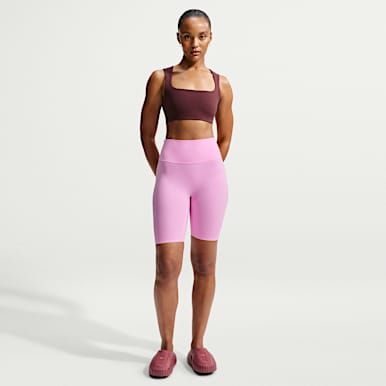
Nike Zenvy
\
Women's High-Waisted 20.5cm (approx.) Biker Shorts
\
__€ 45,49__
__€ 64,99__](https://www.nike.com/be/en/t/zenvy-womens-high-waisted-20-5cm-approx-biker-shorts-roL8GNvI/II5207-621)
- [
\
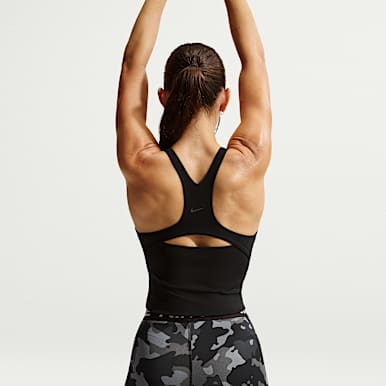
Nike Zenvy
\
Women's Light-Support Sports Bra Tank
\
__€ 59,99__](https://www.nike.com/be/en/t/zenvy-womens-light-support-sports-bra-tank-EwTJRvwe/IB9872-010)
- [
\
NikeSKIMS
\
Women's Dri-FIT Pilates Grip No-Show Socks (1 Pair)
\
__€ 34,99__](https://www.nike.com/be/en/t/nikeskims-womens-dri-fit-pilates-grip-no-show-socks-1-pair-pKoIgxTy/IV3342-034)
- [
\
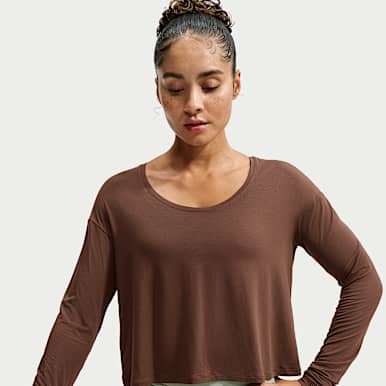
Nike Zenvy
\
Women's Dri-FIT Long-Sleeve Top
\
__€ 79,99__](https://www.nike.com/be/en/t/zenvy-womens-dri-fit-long-sleeve-top-7o5BWAC7/IX7283-259)
- [
\
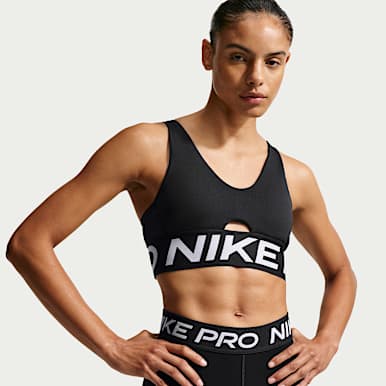
Nike Pro Indy Plunge
\
Women's Medium-Support Padded Sports Bra
\
__€ 54,99__](https://www.nike.com/be/en/t/pro-indy-plunge-womens-medium-support-padded-sports-bra-3soJfMCo/HF7324-010)
- [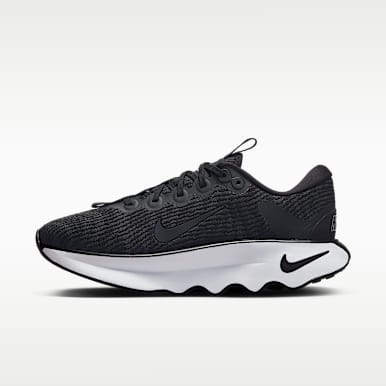
\
Nike Motiva
\
Women's Walking Shoes
\
__€ 109,99__](https://www.nike.com/be/en/t/motiva-womens-walking-shoes-7BZ5sc2E/DV1238-001)
- [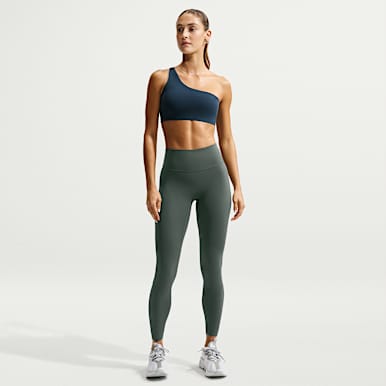
\
Nike Zenvy
\
Women's High-Waisted Full-Length Leggings with No Front Seam
\
__€ 99,99__](https://www.nike.com/be/en/t/zenvy-womens-high-waisted-full-length-leggings-with-no-front-seam-Xy2EKWcd/II2862-303)
- [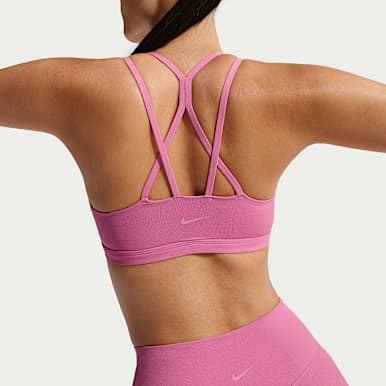
\
Nike Zenvy Strappy
\
Women's Light-Support Padded Sports Bra
\
__€ 38,49__
__€ 54,99__](https://www.nike.com/be/en/t/zenvy-strappy-womens-light-support-padded-sports-bra-Iff82hrk/IB9847-641)
- [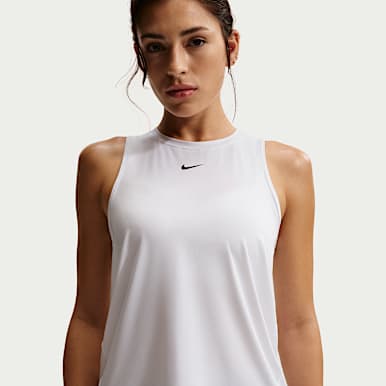
\
Nike One Classic
\
Women's Dri-FIT Tank Top
\
__€ 29,99__](https://www.nike.com/be/en/t/one-classic-womens-dri-fit-tank-top-kfOFYJpp/FN2808-101)
- [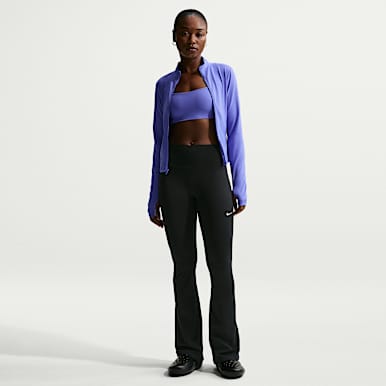
\
Nike One
\
Women's High-Waisted Flared Leggings
\
__€ 59,99__](https://www.nike.com/be/en/t/one-womens-high-waisted-flared-leggings-fsG3bEId/IB9135-010)
## Benefits of Yoga
Before getting into the 'how' of at-home yoga, it's helpful to know the 'why', which means understanding the benefits of the practice. [According to Yoga Alliance](https://yogaalliance.org/benefits-of-yoga/), research on yoga suggests that a consistent routine can:
1. Enhance the mind-body connection,
2. Provide stress reduction and emotional balance,
3. Alleviate symptoms of anxiety and depression,
4. Strengthen focus and self-awareness,
5. Improve flexibility training, and
6. Boost cardiovascular health.
Yoga's effects on the parasympathetic nervous system and brain are particularly powerful. [Harvard Health notes](https://www.health.harvard.edu/staying-healthy/yoga-for-better-mental-health) that studies using MRI scans and other brain imaging technology have shown that people who do yoga regularly have a thicker cerebral cortex and hippocampus—the areas of the brain involved in information processing, learning and memory.
## How To Start Doing Yoga at Home
When you're ready to begin at-home yoga, here are some top tips to get started.
## Make space
Having a dedicated space for your at-home yoga practice is ideal. If you can, choose a spot in your home with a wall, which can be helpful when you're in a balance pose.
## Invest in a mat and yoga props
Although you can do yoga on a rug or bare floor, a [yoga mat](https://www.nike.com/w/yoga-mats-821ge) is helpful because it prevents slipping and provides grip. That can help you feel more stable, especially in standing poses. You may also want a pair of [yoga blocks](https://www.nike.com), which provide support and can help you get into some poses more easily.
## Establish a routine
If possible, designate certain days and times for your yoga practice. This can help you create more consistency in your schedule. Start with a 15- to [25-minute session](https://www.nike.com/ntc-app/morning-yoga-flow).
## Start with breathing
A big part of yoga is establishing a strong mind-body connection, and that's often done through awareness of your breath. Spend at least a few minutes at the start of a yoga session doing some deep breathing to get in the right frame of mind.
## Switch up your yoga
In addition to the beginner-friendly poses below, consider doing virtual yoga classes or finding YouTube yoga options. This can help you see different yoga flows and find options that work best for you.
## Adjust your expectations
Getting better at poses, balancing and flows takes time—just have fun with it and enjoy the movements and breathing.
## 7 Important Poses for Beginners
Mastering some basics in a yoga sequence can help you feel more confident when establishing an at-home yoga practice. Here are some to consider, along with step-by-step details.
## Child's Pose
This is a commonly used resting pose that also stretches your neck, lower back, hips and shoulders.
- Start on all fours in tabletop, then bring your feet together and your knees apart.
- Extend your arms out in front of you and lean back so your glutes rest on top of your ankles or feet.
- Rest your forehead against the floor.
## Downward-Facing Dog
Strengthens your arms, shoulders and back, while also engaging your hamstrings and calves.
- Start on all fours with your hands directly underneath your shoulders.
- Lift your hips up towards the ceiling.
- Keep a slight bend in your knees.
- Push heels down towards the floor, but it's OK if they don't come all the way down.
## Mountain Pose
Helps you stay connected to your breath while stretching your shoulders and lengthening your spine.
- Stand with your toes together and heels slightly apart.
- Move your arms above your head and reach towards the sky with your biceps next to your ears.
- Press firmly into the ground evenly with both feet and relax your shoulders so they are pressed down.
## Cobra Pose
This is a gentle backbend while you're supported on the floor, providing increased flexibility in your back muscles and shoulders.
- Start by lying flat on the floor on your stomach.
- The tops of your toes should touch the floor.
- Your arms should be bent, with your hands next to the tops of your ribs.
- Leave your arms where they are and lift your entire torso off the ground with little to no weight in your hands.
## Tree Pose
This balancing posture increases strength in your legs and core, while also firing up your mind-body connection.
- Stand with your feet about hip-distance apart.
- Bend your left knee and open it towards the left side.
- Rest your left foot against your right ankle or calf.
- Put your hands in a prayer pose, and make sure your back is straight and your shoulders are back.
- Hold for a few breaths and switch legs.
## Crescent Lunge
Helps create strong quadriceps and hamstrings while also working on your balance and focus.
- Start in a standing pose with your legs slightly apart.
- Take a big step forward with your left leg and bend your knee so your thigh is parallel to the floor.
- Square your hips to the front of the room and reach your arms to the sky so your biceps are by your ears.
- Make sure your back foot is lifted so the heel does not touch the floor.
- Breathe and switch sides.
## Bridge Pose
This backbend stretches your chest, lower back and neck area while still helping you feel supported since you're on the floor.
- Start by laying on your back with your knees bent so your heels are close to your glutes.
- With your arms by your sides and palms pressing against the floor, lift your hips to the ceiling.
- Keep your neck long and your knees parallel so they don't splay out when you lift.
Stretching and moving your body each day at home is a wonderful way to reap the benefits of yoga and a great start to setting your practice and your intention to get healthier. Committing to an at-home practice allows you to fit your daily yoga practice into a schedule that works for you. Over time, you'll notice your body and mind becoming more flexible and stronger.
## FAQs
What equipment do I need for yoga at home?
You don't need any equipment to do yoga, but getting a mat and some yoga props like blocks can be helpful.
Can beginners teach themselves yoga safely?
Yes, if they focus on paying attention to how each pose feels for the body, adjusting when necessary.
How long should I practise yoga each day?
You can practise for just a few minutes, or for over an hour; it's up to you and your schedule. You may find there's a certain timeframe, like 30 minutes, that tends to work best for your needs.
What type of yoga is best for stress relief?
Research suggests that every type of yoga provides benefits when it comes to stress. It's helpful to play around with different styles and intensities to discover whether a slow-flow restorative or a fast-paced power yoga works better for you.
Originally published: 5 December 2025
## Related Stories
- 
[](https://www.nike.com/be/en/a/yoga-warmup-poses-for-circulation)
# Activity
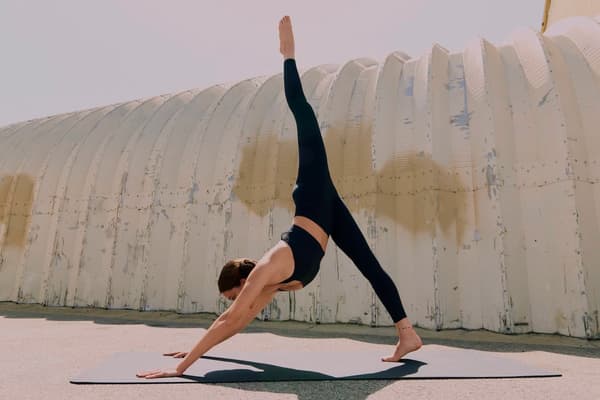
# Easy Yoga Warm-Up Poses to Improve Blood Circulation
- 
[](https://www.nike.com/be/en/a/exercise-health-benefits)
# Health & wellness
# 5 Benefits of Regular Exercise for Your Body and Mind
- 
[](https://www.nike.com/be/en/a/ways-to-start-doing-yoga)
# Sport & activity
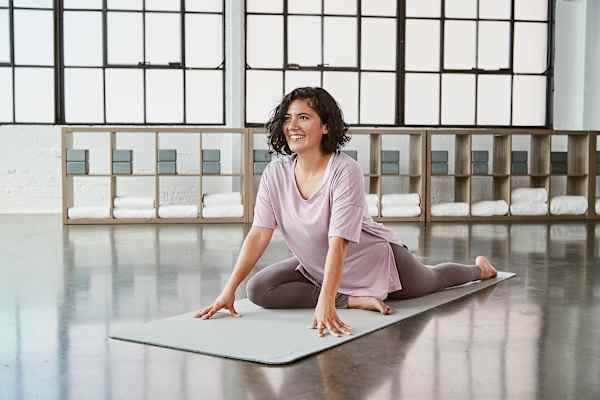
# 5 Ways To Introduce Yoga Into Your Life: Tips for a Daily Practice
- 
[](https://www.nike.com/be/en/a/what-is-cadence-running)
# Sports & Activity
# What Is a Good Running Cadence? How to Find Your Optimal Step Rate
- 
[](https://www.nike.com/be/en/a/elliptical-treadmill-running)
# Buying Guide
# Elliptical vs Treadmill vs Outdoor Running: Which Is Best for Fitness, Joints and Weight Loss?
Resources
[Gift Cards](https://www.nike.com/be/en/gift-cards)
[Corporate Gift Cards](https://nikegiftcardsforbusiness.com/)
[Find a Store](https://www.nike.com/be/en/retail/)
[Nike Journal](https://www.nike.com/be/en/stories)
[Become a Member](https://www.nike.com/be/en/membership)
[Feedback](https://www.nike.com#site-feedback)
[Promo Codes](https://www.nike.com/be/en/promo-code)
[Product Advice](https://www.nike.com/be/en/product-advice)
[Running Shoe Finder](https://www.nike.com/be/en/running/shoe-finder)
Help
[Get Help](https://www.nike.com/be/en/help)
[Order Status](https://www.nike.com/be/en/orders)
[Shipping and Delivery](https://www.nike.com/be/en/help/a/shipping-delivery-eu)
[Returns](https://www.nike.com/be/en/help/a/returns-policy-eu)
[Payment Options](https://www.nike.com/be/en/help/a/payment-options-eu)
[Contact Us](https://www.nike.com/be/en/help/#contact)
[Reviews](https://www.nike.com/be/en/help/a/reviews)
[EU Harmonized Guarantee Notice](https://assets-commerce-nikecloud-com.s3.us-east-1.amazonaws.com/gethelp/legal+guarantee/Legal+guarantee_notice+ENN.pdf)
Company
[About Nike](https://about.nike.com/)
[News](https://news.nike.com/)
[Careers](https://jobs.nike.com/)
[Investors](https://investors.nike.com/)
[Sustainability](https://www.nike.com/be/en/sustainability)
[Accessibility](https://www.nike.com/accessibility)
[Accessibility Statement](https://www.nike.com/be/en/accessibility/statement)
[Purpose](https://www.nike.com/be/en/purpose)
[Nike Coaching](https://www.nike.com/be/en/coaching)
Community Discounts
[Student](https://services.sheerid.com/verify/68d15e386bcf0b059b3b1708/?locale=en-GB)
[Teacher](https://urldefense.com/v3/__https://services.sheerid.com/verify/68dcfa47c3f2fd1cd3069a9c/?locale=en-GB__%3B%21%21KLCbKzk%21nTvDkRbY-BbSpoWsFhAQdmMrehEzU3loDux4_exRVjO9--Ik_EbQNJ3bX2gkEwR7F9cVVROFKqLxE4B8uW6bnx4Mc-D7Vg%24)
[Resources](https://www.nike.com/be/en/help)
[Gift Cards](https://www.nike.com/be/en/gift-cards)
[Corporate Gift Cards](https://nikegiftcardsforbusiness.com/)
[Find a Store](https://www.nike.com/be/en/retail/)
[Nike Journal](https://www.nike.com/be/en/stories)
[Become a Member](https://www.nike.com/be/en/membership)
[Feedback](https://www.nike.com#site-feedback)
[Promo Codes](https://www.nike.com/be/en/promo-code)
[Product Advice](https://www.nike.com/be/en/product-advice)
[Running Shoe Finder](https://www.nike.com/be/en/running/shoe-finder)
[Help](https://www.nike.com/be/en/help)
[Get Help](https://www.nike.com/be/en/help)
[Order Status](https://www.nike.com/be/en/orders)
[Shipping and Delivery](https://www.nike.com/be/en/help/a/shipping-delivery-eu)
[Returns](https://www.nike.com/be/en/help/a/returns-policy-eu)
[Payment Options](https://www.nike.com/be/en/help/a/payment-options-eu)
[Contact Us](https://www.nike.com/be/en/help/#contact)
[Reviews](https://www.nike.com/be/en/help/a/reviews)
[EU Harmonized Guarantee Notice](https://assets-commerce-nikecloud-com.s3.us-east-1.amazonaws.com/gethelp/legal+guarantee/Legal+guarantee_notice+ENN.pdf)
[Company](https://about.nike.com/en)
[About Nike](https://about.nike.com/)
[News](https://news.nike.com/)
[Careers](https://jobs.nike.com/)
[Investors](https://investors.nike.com/)
[Sustainability](https://www.nike.com/be/en/sustainability)
[Accessibility](https://www.nike.com/accessibility)
[Accessibility Statement](https://www.nike.com/be/en/accessibility/statement)
[Purpose](https://www.nike.com/be/en/purpose)
[Nike Coaching](https://www.nike.com/be/en/coaching)
## Community Discounts
[Student](https://services.sheerid.com/verify/68d15e386bcf0b059b3b1708/?locale=en-GB)
[Teacher](https://urldefense.com/v3/__https://services.sheerid.com/verify/68dcfa47c3f2fd1cd3069a9c/?locale=en-GB__%3B%21%21KLCbKzk%21nTvDkRbY-BbSpoWsFhAQdmMrehEzU3loDux4_exRVjO9--Ik_EbQNJ3bX2gkEwR7F9cVVROFKqLxE4B8uW6bnx4Mc-D7Vg%24)
Belgium
- © 2026 Nike, Inc. All rights reserved.
- Guides
- [Nike Air](https://www.nike.com/be/en/air)
- [Nike Air Max](https://www.nike.com/be/en/air-max)
- [Nike FlyEase](https://www.nike.com/be/en/flyease)
- [Nike Pegasus](https://www.nike.com/be/en/running/runningzoom-pegasus-37)
- [Nike React](https://www.nike.com/be/en/react)
- [Nike Vaporfly](https://www.nike.com/be/en/running/vaporfly)
- [Terms of Use](https://agreementservice.svs.nike.com/be/en_gb/rest/agreement?agreementType=termsOfUse&uxId=com.nike&country=BE&language=en&requestType=redirect)
- [Terms of Sale](https://agreementservice.svs.nike.com/rest/agreement?agreementType=termsOfSale&uxId=com.nike.tos&requestType=redirect)
- [Company Details](https://www.nike.com/be/en/help/a/company-details)
- [Privacy & Cookie Policy](https://agreementservice.svs.nike.com/be/en_gb/rest/agreement?agreementType=privacyPolicy&uxId=com.nike.unite&country=BE&language=en&requestType=redirect)
- [Privacy & Cookie Settings](https://www.nike.com/be/en/guest/settings/privacy)
## Africa
- [__Egypt__
\
English](https://www.nike.com/eg/)
- [__Morocco__
\
English](https://www.nike.com/ma/en/)
- [__Maroc__
\
Français](https://www.nike.com/ma/)
- [__South Africa__
\
English](https://www.nike.com/za/)
## Americas
- [__Argentina__
\
Español](https://www.nike.com.ar)
- [__Brasil__
\
Português](https://www.nike.com.br)
- [__Canada__
\
English](https://www.nike.com/ca/)
- [__Canada__
\
Français](https://www.nike.com/ca/fr/)
- [__Chile__
\
Español](https://www.nike.cl)
- [__Colombia__
\
Español](https://www.nike.com.co)
- [__México__
\
Español](https://www.nike.com/mx/)
- [__Peru__
\
Español](https://www.nike.com.pe)
- [__Puerto Rico__
\
Español](https://www.nike.com/pr/)
- [__United States__
\
English](https://www.nike.com)
- [__Estados Unidos__
\
Español](https://www.nike.com/us/es/)
- [__Uruguay__
\
Español](https://www.nike.com.uy)
- [__Latin America__
\
Español](https://www.nike.com/xl/)
## Asia Pacific
- [__Australia__
\
English](https://www.nike.com/au/)
- [__中国大陆__
\
简体中文](https://www.nike.com.cn/)
- [__Hong Kong__
\
English](https://www.nike.com.hk/)
- [__香港__
\
繁體中文](https://www.nike.com.hk/)
- [__India__
\
English](https://www.nike.in/)
- [__Indonesia__
\
English](https://www.nike.com/id/)
- [__Japan__
\
English](https://www.nike.com/jp/en/)
- [__日本__
\
日本語](https://www.nike.com/jp/)
- [__대한민국__
\
한국어](https://www.nike.com/kr/)
- [__Malaysia__
\
English](https://www.nike.com/my/)
- [__New Zealand__
\
English](https://www.nike.com/nz/)
- [__Philippines__
\
English](https://www.nike.com/ph/)
- [__Singapore__
\
English](https://www.nike.com/sg/)
- [__台灣__
\
繁體中文](https://www.nike.com/tw/)
- [__ไทย__
\
ภาษาไทย](https://www.nike.com/th/)
- [__Vietnam__
\
English](https://www.nike.com/vn/)
## Europe
- [__Österreich__
\
Deutsch](https://www.nike.com/at/)
- [__Austria__
\
English](https://www.nike.com/at/en/)
- [__Belgien__
\
Deutsch](https://www.nike.com/be/de/)
- [__Belgium__
\
English](https://www.nike.com/be/en/)
- [__Belgique__
\
Français](https://www.nike.com/be/fr/)
- [__België__
\
Nederlands](https://www.nike.com/be/)
- [__Bulgaria__
\
English](https://www.nike.com/bg/)
- [__Croatia__
\
English](https://www.nike.com/hr/)
- [__Česká republika__
\
Čeština](https://www.nike.com/cz/)
- [__Czech Republic__
\
English](https://www.nike.com/cz/en/)
- [__Danmark__
\
Dansk](https://www.nike.com/dk/)
- [__Denmark__
\
English](https://www.nike.com/dk/en/)
- [__Finland__
\
English](https://www.nike.com/fi/)
- [__France__
\
Français](https://www.nike.com/fr/)
- [__Deutschland__
\
Deutsch](https://www.nike.com/de/)
- [__Ελλάδα__
\
ελληνικά](https://www.nike.com/gr/)
- [__Hungary__
\
English](https://www.nike.com/hu/en/)
- [__Magyarország__
\
Magyar](https://www.nike.com/hu/)
- [__Ireland__
\
English](https://www.nike.com/ie/)
- [__Israel__
\
English](https://www.nike.com/il/)
- [__Italia__
\
Italiano](https://www.nike.com/it/)
- [__Luxemburg__
\
Deutsch](https://www.nike.com/lu/de/)
- [__Luxembourg__
\
English](https://www.nike.com/lu/en/)
- [__Luxembourg__
\
Français](https://www.nike.com/lu/)
- [__Netherlands__
\
English](https://www.nike.com/nl/en/)
- [__Nederland__
\
Nederlands](https://www.nike.com/nl/)
- [__Norway__
\
English](https://www.nike.com/no/en/)
- [__Norge__
\
Norsk](https://www.nike.com/no/)
- [__Polska__
\
Polski](https://www.nike.com/pl/)
- [__Portugal__
\
English](https://www.nike.com/pt/en/)
- [__Portugal__
\
Português](https://www.nike.com/pt/)
- [__Romania__
\
English](https://www.nike.com/ro/)
- [__Россия__
\
Русский](https://www.nike.com/ru/)
- [__Slovakia__
\
English](https://www.nike.com/sk/)
- [__Slovenia__
\
English](https://www.nike.com/si/)
- [__Espanya__
\
Català](https://www.nike.com/es/ca/)
- [__España__
\
Español](https://www.nike.com/es/)
- [__Sweden__
\
English](https://www.nike.com/se/en/)
- [__Sverige__
\
Svenska](https://www.nike.com/se/)
- [__Schweiz__
\
Deutsch](https://www.nike.com/ch/)
- [__Switzerland__
\
English](https://www.nike.com/ch/en/)
- [__Suisse__
\
Français](https://www.nike.com/ch/fr/)
- [__Svizzera__
\
Italiano](https://www.nike.com/ch/it/)
- [__Türkiye__
\
Türkçe](https://www.nike.com/tr/)
- [__United Kingdom__
\
English](https://www.nike.com/gb/)
## Middle East
- [__Saudi Arabia__
\
English](https://www.nike.sa/en/home)
- [__المملكة العربية السعودية__
\
العربية](https://www.nike.sa/ar/home)
- [__United Arab Emirates__
\
English](https://www.nike.ae/en/home)
- [__الإمارات العربية المتحدة__
\
العربية](https://www.nike.ae/ar/home)
- [__Qatar__
\
English](https://www.nike.qa/en/home)
- [__دولة قطر__
\
العربية](https://www.nike.qa/ar/home)
- [__Kuwait__
\
English](https://www.nike.com.kw/en/home)
- [__الكويت__
\
العربية](https://www.nike.com.kw/ar/home)