[Skip to main content](https://www.nike.com#skip-to-content)
- [](https://www.nike.com/my/jordan)
- [Find a Store](https://www.nike.com/my/retail)
- [Help](https://www.nike.com/my/help)
[Help](https://www.nike.com/my/help)
- [Order Status](https://www.nike.com/my/orders)
- [Dispatch and Delivery](https://www.nike.com/my/help/a/shipping-delivery-gs)
- [Returns](https://www.nike.com/my/help/a/returns-policy-gs)
- [Contact Us](https://www.nike.com/my/help/#contact)
- [Privacy Policy](https://agreementservice.svs.nike.com/my/en_gb/rest/agreement?agreementType=privacyPolicy&uxId=com.nike.unite&country=MY&language=en&requestType=redirect)
- [Terms of Sale](https://www.eshopworld.com/shoppers/help/retailer/nike/terms-and-conditions-of-sale-en/)
- [Terms of Use](https://agreementservice.svs.nike.com/my/en_gb/rest/agreement?agreementType=termsOfUse&uxId=com.nike&country=MY&language=en&requestType=redirect)
- [Send Us Feedback](https://www.nike.com#site-feedback)
- [Join Us](https://www.nike.com/my/membership)
- [Sign In](https://www.nike.com/my/register)
[](https://www.nike.com/my/)
- New & Featured
- Featured
- [Upcoming Drops](https://www.nike.com/my/w/new-upcoming-drops-k0gk)
- [New Arrivals](https://www.nike.com/my/w/new-3n82y)
- [Bestsellers](https://www.nike.com/my/w/best-76m50)
- [SNKRS Launch Calendar](https://www.nike.com/my/launch)
- [Customise with Nike By You](https://www.nike.com/my/nike-by-you)
- [Jordan](https://www.nike.com/my/jordan)
- [Kobe Bryant](https://www.nike.com/sg/w/kobe-pgd6)
- [LeBron James](https://www.nike.com/my/basketball/lebron-james)
- Trending
- [Travel Essentials](https://www.nike.com/my/w/travel-collection-951k)
- [Just Do the Work](https://www.nike.com/my/w/nike-training-gym-58jtoz7yfb)
- [More Colours, More Running](https://www.nike.com/my/w/running-shoes-1sytgz37v7jz7gee1z8nexhzy7ok)
- [What's Trending](https://www.nike.com/my/w/trending-now-5fpm9)
- [24.7 Collection](https://www.nike.com/my/w/247-collection-asi8j)
- [Colours of the Season](https://www.nike.com/sg/w/fresh-colors-a499l)
- [Retro Running](https://www.nike.com/my/w/retro-running-8kemk)
- [Running Shoe Finder](https://www.nike.com/sg/running-shoe-finder)
- [Nike Mind](https://www.nike.com/sg/w/mind-game-avw)
- Shop Icons
- [Lifestyle](https://www.nike.com/my/sportswear)
- [Air Force 1](https://www.nike.com/my/w/air-force-1-shoes-5sj3yzy7ok)
- [Air Jordan 1](https://www.nike.com/my/w/jordan-1-shoes-aj85gzy7ok)
- [Air Max](https://www.nike.com/my/w/air-max-shoes-a6d8hzy7ok)
- [Dunk](https://www.nike.com/my/w/dunk-shoes-90aohzy7ok)
- [Cortez](https://www.nike.com/my/w/cortez-shoes-byfxzy7ok)
- [Blazer](https://www.nike.com/my/w/blazer-shoes-9gw3azy7ok)
- [Pegasus](https://www.nike.com/my/w/pegasus-shoes-8nexhzy7ok)
- [Vomero](https://www.nike.com/my/w/zoom-vomero-shoes-7gee1zy7ok)
- Shop By Sport
- [Running](https://www.nike.com/my/running)
- [Basketball](https://www.nike.com/my/basketball)
- [Football](https://www.nike.com/my/football)
- [Golf](https://www.nike.com/my/w/golf-23q9w)
- [Tennis & Pickleball](https://www.nike.com/my/tennis)
- [Gym & Training](https://www.nike.com/my/training)
- [Yoga](https://www.nike.com/my/w/yoga-anrlj)
- [Skateboarding](https://www.nike.com/my/skateboarding)
- [Trail Running](https://www.nike.com/my/w/trail-running-75jcn)
- [All Conditions Gear](https://www.nike.com/my/acg)
- [Men](https://www.nike.com/my/men)
- Featured
- [New Arrivals](https://www.nike.com/my/w/new-mens-3n82yznik1)
- [Bestsellers](https://www.nike.com/my/w/mens-best-76m50znik1)
- [All Conditions Gear](https://www.nike.com/my/w/mens-acg-93bsdznik1)
- [Shop All Sale](https://www.nike.com/my/w/mens-sale-3yaepznik1)
- [Shoes](https://www.nike.com/my/w/mens-shoes-nik1zy7ok)
- [All Shoes](https://www.nike.com/my/w/mens-shoes-nik1zy7ok)
- [Lifestyle](https://www.nike.com/my/w/mens-lifestyle-shoes-13jrmznik1zy7ok)
- [Jordan](https://www.nike.com/my/w/mens-jordan-shoes-37eefznik1zy7ok)
- [Running](https://www.nike.com/my/w/mens-running-shoes-37v7jznik1zy7ok)
- [Football](https://www.nike.com/my/w/mens-football-shoes-1gdj0znik1zy7ok)
- [Basketball](https://www.nike.com/my/w/mens-basketball-shoes-3glsmznik1zy7ok)
- [Gym & Training](https://www.nike.com/my/w/mens-training-gym-shoes-58jtoznik1zy7ok)
- [Tennis](https://www.nike.com/my/w/mens-tennis-shoes-ed1qznik1zy7ok)
- [Skateboarding](https://www.nike.com/my/w/mens-skateboarding-shoes-8mfrfznik1zy7ok)
- [Sandals & Slides](https://www.nike.com/my/w/mens-sandals-slides-fl76znik1)
- [Nike By You](https://www.nike.com/my/w/mens-nike-by-you-shoes-6ealhznik1zy7ok)
- [Trail Running](https://www.nike.com/my/w/mens-acg-trail-running-shoes-75jcnz93bsdznik1zy7ok)
- [Clothing](https://www.nike.com/my/w/mens-clothing-6ymx6znik1)
- [All Clothing](https://www.nike.com/my/w/mens-clothing-6ymx6znik1)
- [Tops & T-Shirts](https://www.nike.com/my/w/mens-tops-t-shirts-9om13znik1)
- [Shorts](https://www.nike.com/my/w/mens-shorts-38fphznik1)
- [Pants & Leggings](https://www.nike.com/my/w/mens-trousers-tights-2kq19znik1)
- [Hoodies & Sweatshirts](https://www.nike.com/my/w/mens-hoodies-sweatshirts-6riveznik1)
- [Jackets & Gilets](https://www.nike.com/my/w/mens-jackets-gilets-50r7yznik1)
- [Jerseys & Kits](https://www.nike.com/my/w/mens-kits-jerseys-3a41eznik1)
- [Jordan](https://www.nike.com/my/w/mens-jordan-clothing-37eefz6ymx6znik1)
- [All Conditions Gear](https://www.nike.com/my/w/mens-acg-clothing-6ymx6z93bsdznik1)
- Shop By Sport
- [Running](https://www.nike.com/my/w/mens-running-37v7jznik1)
- [Basketball](https://www.nike.com/my/w/mens-basketball-3glsmznik1)
- [Football](https://www.nike.com/my/w/mens-football-1gdj0znik1)
- [Golf](https://www.nike.com/my/w/mens-golf-23q9wznik1)
- [Tennis & Pickleball](https://www.nike.com/my/w/mens-tennis-ed1qznik1)
- [Gym & Training](https://www.nike.com/my/w/mens-training-gym-58jtoznik1)
- [Yoga](https://www.nike.com/my/w/mens-yoga-anrljznik1)
- [Skateboarding](https://www.nike.com/my/w/mens-skateboarding-8mfrfznik1)
- [Trail Running](https://www.nike.com/my/w/mens-trail-running-75jcnznik1)
- Accessories & Equipment
- [All Accessories & Equipment](https://www.nike.com/my/w/mens-accessories-equipment-awwpwznik1)
- [Bags & Backpacks](https://www.nike.com/my/w/mens-bags-backpacks-9xy71znik1)
- [Socks](https://www.nike.com/my/w/mens-socks-nik1zuwr3)
- [Hats & Headwear](https://www.nike.com/my/w/mens-hats-visors-headbands-31btsznik1)
- [Women](https://www.nike.com/my/women)
- Featured
- [New Arrivals](https://www.nike.com/my/w/new-womens-3n82yz5e1x6)
- [Bestsellers](https://www.nike.com/my/w/womens-best-5e1x6z76m50)
- [All Conditions Gear](https://www.nike.com/my/w/womens-acg-5e1x6z93bsd)
- [Shop All Sale](https://www.nike.com/my/w/womens-sale-3yaepz5e1x6)
- [Shoes](https://www.nike.com/my/w/womens-shoes-5e1x6zy7ok)
- [All Shoes](https://www.nike.com/my/w/womens-shoes-5e1x6zy7ok)
- [Lifestyle](https://www.nike.com/my/w/womens-lifestyle-shoes-13jrmz5e1x6zy7ok)
- [Jordan](https://www.nike.com/my/w/womens-jordan-shoes-37eefz5e1x6zy7ok)
- [Running](https://www.nike.com/my/w/womens-running-shoes-37v7jz5e1x6zy7ok)
- [Gym & Training](https://www.nike.com/my/w/womens-training-gym-shoes-58jtoz5e1x6zy7ok)
- [Tennis](https://www.nike.com/my/w/womens-tennis-shoes-5e1x6zed1qzy7ok)
- [Football](https://www.nike.com/my/w/womens-football-shoes-1gdj0z5e1x6zy7ok)
- [Basketball](https://www.nike.com/my/w/womens-basketball-shoes-3glsmz5e1x6zy7ok)
- [Sandals & Slides](https://www.nike.com/my/w/womens-sandals-slides-5e1x6zfl76)
- [Nike By You](https://www.nike.com/my/w/womens-nike-by-you-shoes-5e1x6z6ealhzy7ok)
- [Trail Running](https://www.nike.com/my/w/womens-acg-trail-running-shoes-5e1x6z75jcnz93bsdzy7ok)
- [Clothing](https://www.nike.com/my/w/womens-clothing-5e1x6z6ymx6)
- [All Clothing](https://www.nike.com/my/w/womens-clothing-5e1x6z6ymx6)
- [Performance Essentials](https://www.nike.com/my/w/womens-back-to-basics-5e1x6zkkjj)
- [Tops & T-Shirts](https://www.nike.com/my/w/womens-tops-t-shirts-5e1x6z9om13)
- [Sports Bras](https://www.nike.com/my/w/womens-sports-bras-40qgmz5e1x6)
- [Pants & Leggings](https://www.nike.com/my/w/womens-trousers-tights-2kq19z5e1x6)
- [Shorts](https://www.nike.com/my/w/womens-shorts-38fphz5e1x6)
- [Hoodies & Sweatshirts](https://www.nike.com/my/w/womens-hoodies-sweatshirts-5e1x6z6rive)
- [Jackets & Gilets](https://www.nike.com/my/w/womens-jackets-gilets-50r7yz5e1x6)
- [Skirts & Dresses](https://www.nike.com/my/w/womens-skirts-dresses-5e1x6z8y3qp)
- [Modest Wear](https://www.nike.com/my/w/modest-wear-22fj5)
- [All Conditions Gear](https://www.nike.com/my/w/womens-acg-clothing-5e1x6z6ymx6z93bsd)
- Shop By Sport
- [Yoga](https://www.nike.com/my/w/womens-yoga-5e1x6zanrlj)
- [Running](https://www.nike.com/my/w/womens-running-37v7jz5e1x6)
- [Gym & Training](https://www.nike.com/my/w/womens-training-gym-58jtoz5e1x6)
- [Basketball](https://www.nike.com/my/w/womens-basketball-3glsmz5e1x6)
- [Tennis & Pickleball](https://www.nike.com/my/w/womens-tennis-5e1x6zed1q)
- [Golf](https://www.nike.com/my/w/womens-golf-23q9wz5e1x6)
- [Football](https://www.nike.com/my/w/womens-football-1gdj0z5e1x6)
- [Skateboarding](https://www.nike.com/my/w/womens-skateboarding-5e1x6z8mfrf)
- [Trail Running](https://www.nike.com/my/w/womens-trail-running-5e1x6z75jcn)
- Accessories & Equipment
- [All Accessories & Equipment](https://www.nike.com/my/w/womens-accessories-equipment-5e1x6zawwpw)
- [Bags & Backpacks](https://www.nike.com/my/w/womens-bags-backpacks-5e1x6z9xy71)
- [Socks](https://www.nike.com/my/w/womens-socks-5e1x6zuwr3)
- [Hats & Headwear](https://www.nike.com/my/w/womens-hats-visors-headbands-31btsz5e1x6)
- [Kids](https://www.nike.com/my/kids)
- Featured
- [New Arrivals](https://www.nike.com/my/w/new-kids-3n82yzv4dh)
- [Bestsellers](https://www.nike.com/my/w/kids-best-76m50zv4dh)
- [Back to School](https://www.nike.com/my/w/back-to-school-840ik)
- [Sport Gear](https://www.nike.com/my/w/kids-gym-running-22fovzv4dh)
- [Lifestyle Looks](https://www.nike.com/my/w/kids-lifestyle-13jrmzv4dh)
- [Nike x LEGO®](https://www.nike.com/my/lego)
- [All Conditions Gear](https://www.nike.com/my/w/kids-acg-93bsdzv4dh)
- [Nike Teens](https://www.nike.com/my/teens)
- Shoes
- [All Shoes](https://www.nike.com/my/w/kids-shoes-v4dhzy7ok)
- [Lifestyle](https://www.nike.com/my/w/kids-lifestyle-shoes-13jrmzv4dhzy7ok)
- [Jordan](https://www.nike.com/my/w/kids-jordan-shoes-37eefzv4dhzy7ok)
- [Football](https://www.nike.com/my/w/kids-football-shoes-1gdj0zv4dhzy7ok)
- [Running](https://www.nike.com/my/w/kids-running-shoes-37v7jzv4dhzy7ok)
- [Basketball](https://www.nike.com/my/w/kids-basketball-shoes-3glsmzv4dhzy7ok)
- Clothing
- [All Clothing](https://www.nike.com/my/w/kids-clothing-6ymx6zv4dh)
- [Tops & T-Shirts](https://www.nike.com/my/w/kids-tops-t-shirts-9om13zv4dh)
- [Sport Bras](https://www.nike.com/my/w/kids-sports-bras-40qgmzv4dh)
- [Hoodies & Sweatshirts](https://www.nike.com/my/w/kids-hoodies-sweatshirts-6rivezv4dh)
- [Pants & Leggings](https://www.nike.com/my/w/kids-trousers-tights-2kq19zv4dh)
- [Shorts](https://www.nike.com/my/w/kids-shorts-38fphzv4dh)
- [Jackets & Gilets](https://www.nike.com/my/w/kids-jackets-gilets-50r7yzv4dh)
- [All Conditions Gear](https://www.nike.com/my/w/kids-acg-clothing-6ymx6z93bsdzv4dh)
- Kids By Age
- [Older Kids (7 - 14 years)](https://www.nike.com/my/w/older-kids-agibjzv4dh)
- [Younger Kids (4 - 7 years)](https://www.nike.com/my/w/little-kids-6dacezv4dh)
- [Babies & Toddlers (0 - 4 years)](https://www.nike.com/my/w/baby-toddlers-kids-2j488zv4dh)
- Shop By Sports
- [Football](https://www.nike.com/my/w/kids-football-1gdj0zv4dh)
- [Running](https://www.nike.com/my/w/kids-running-37v7jzv4dh)
- [Basketball](https://www.nike.com/my/w/kids-basketball-3glsmzv4dh)
- [Gym & Training](https://www.nike.com/my/w/kids-training-gym-58jtozv4dh)
- [Accessories & Equipment](https://www.nike.com/my/w/kids-accessories-equipment-awwpwzv4dh)
- [All Accessories & Equipment](https://www.nike.com/my/w/kids-accessories-equipment-awwpwzv4dh)
- [Bags & Backpacks](https://www.nike.com/my/w/kids-bags-backpacks-9xy71zv4dh)
- [Socks](https://www.nike.com/my/w/kids-socks-uwr3zv4dh)
- [Hats & Headwear](https://www.nike.com/my/w/kids-hats-55olazv4dh)
- [Sale](https://www.nike.com/my/w/sale-3yaep)
- Sale & Offers
- [Shop All Sale](https://www.nike.com/my/w/sale-3yaep)
- [Bestsellers](https://www.nike.com/my/w/sale-best-3yaepz76m50)
- [Last Chance](https://www.nike.com/my/w/sale-low-inventory-3yaepz52uxv)
- [Men's Sale](https://www.nike.com/my/w/mens-sale-3yaepznik1)
- [Shoes](https://www.nike.com/my/w/mens-sale-shoes-3yaepznik1zy7ok)
- [Clothing](https://www.nike.com/my/w/mens-sale-clothing-3yaepz6ymx6znik1)
- [Accessories & Equipment](https://www.nike.com/my/w/mens-sale-accessories-equipment-3yaepzawwpwznik1)
- [Women's Sale](https://www.nike.com/my/w/womens-sale-3yaepz5e1x6)
- [Shoes](https://www.nike.com/my/w/womens-sale-shoes-3yaepz5e1x6zy7ok)
- [Clothing](https://www.nike.com/my/w/womens-sale-clothing-3yaepz5e1x6z6ymx6)
- [Accessories & Equipment](https://www.nike.com/my/w/womens-sale-accessories-equipment-3yaepz5e1x6zawwpw)
- [Kids' Sale](https://www.nike.com/my/w/kids-sale-3yaepzv4dh)
- [Shoes](https://www.nike.com/my/w/kids-sale-shoes-3yaepzv4dhzy7ok)
- [Clothing](https://www.nike.com/my/w/kids-sale-clothing-3yaepz6ymx6zv4dh)
- [Accessories & Equipment](https://www.nike.com/my/w/kids-sale-accessories-equipment-3yaepzawwpwzv4dh)
- Shop By Sports
- [Football](https://www.nike.com/my/w/sale-football-1gdj0z3yaep)
- [Running](https://www.nike.com/my/w/sale-running-37v7jz3yaep)
- [Basketball](https://www.nike.com/my/w/sale-basketball-3glsmz3yaep)
- [Gym & Training](https://www.nike.com/my/w/sale-training-gym-3yaepz58jto)
- [Tennis](https://www.nike.com/my/w/sale-tennis-3yaepzed1q)
- [SNKRS](https://www.nike.com/my/launch)
Cancel
Cancel
Popular Search Terms
[nikeskims](https://www.nike.com/my/w?q=nikeskims&vst=nikeskims)[pegasus plus 2](https://www.nike.com/my/w?q=pegasus%20plus%202&vst=pegasus%20plus%202)[air max](https://www.nike.com/my/w?q=air%20max&vst=air%20max)[p6000](https://www.nike.com/my/w?q=p6000&vst=p6000)[vomero](https://www.nike.com/my/w?q=vomero&vst=vomero)[air force 1](https://www.nike.com/my/w?q=air%20force%201&vst=air%20force%201)[bag](https://www.nike.com/my/w?q=bag&vst=bag)[acg](https://www.nike.com/my/w?q=acg&vst=acg)
[](https://www.nike.com/my/favorites "Favourites")[](https://www.nike.com/my/cart "Bag Items: 0")
# 28 Reasons to Start Doing Yoga Today
##### Sport & activity
What are the key benefits of yoga? Better strength, flexibility, balance, recovery and stress relief for starters.
Last updated: 19 December 2025
9 min read
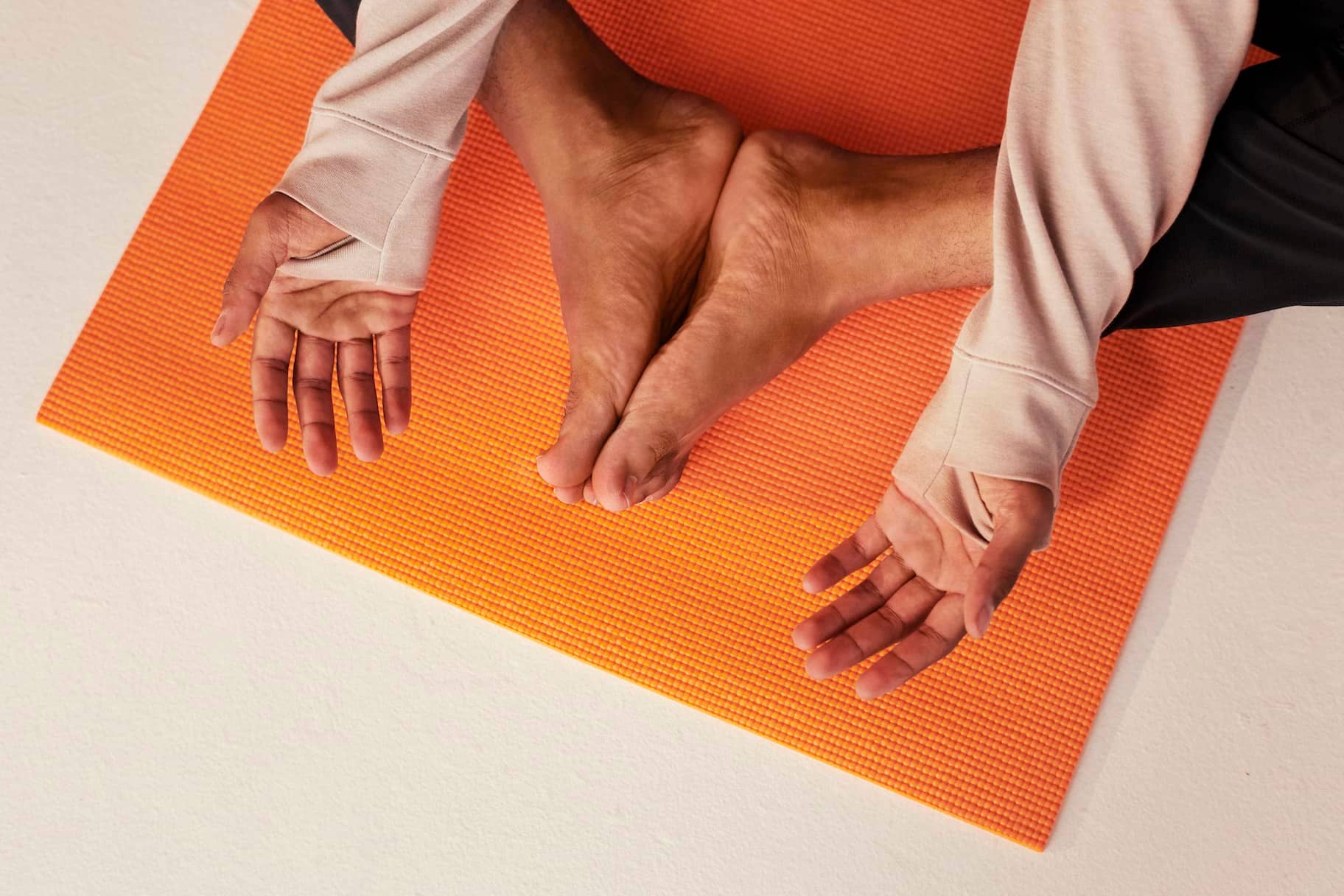
## 28 Research-Backed Reasons to Start Doing Yoga Today
Regular yoga practitioners know that when they step onto the mat, they enter a space of calm and focus. They use their practice to take on challenges and build real-world vitality, reaping benefits in their training, sports performance and everyday movement. Yoga isn't about perfection, poses or flexibility. It's about building a body that moves well, recovers well and stays ready for whatever comes next.
From a physical standpoint, practising yoga can lead to stronger muscles, healthier mobility and better posture. There are [mental health benefits](https://www.nike.com/my/a/exercise-benefits-mental-health), too, including reduced stress, improved mood, better sleep and sharper focus. And science backs this up.
In recent years, a number of studies have shown that yoga can activate the parasympathetic nervous system, improve vagal tone, lower cortisol and reduce inflammatory markers. Together with improved physical fitness, results can be life-changing.
This guide is for athletes, runners, lifters, beginner yoga students and anyone considering a smarter way to train. Taking just one class can introduce you to the many ways that [yoga](https://www.nike.com/yoga) will make you feel better in life and sport.
## Shop Nike Yoga Clothing
[View All](https://www.nike.com/my/w/yoga-clothing-6ymx6zanrlj)
- [
\
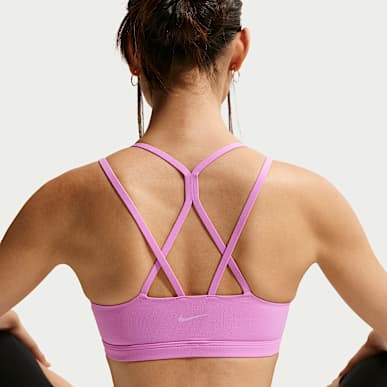
Nike Zenvy Strappy
\
Women's Light-Support Padded Sports Bra
\
__RM 215__](https://www.nike.com/my/t/zenvy-strappy-womens-light-support-padded-sports-bra-VZ5XkiAV/IB9848-503)
- [
\
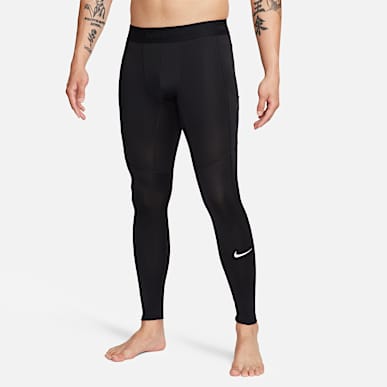
Nike Pro
\
Men's Dri-FIT Fitness Tights
\
__RM 129__](https://www.nike.com/my/t/pro-mens-dri-fit-fitness-tights-hQbTpR/FB7953-010)
- [
\
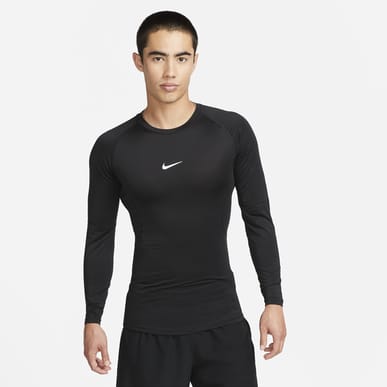
Nike Pro
\
Men's Dri-FIT Tight Long-Sleeve Fitness Top
\
__RM 119__](https://www.nike.com/my/t/pro-mens-dri-fit-tight-long-sleeve-fitness-top-zfSXJl/FB7920-010)
- [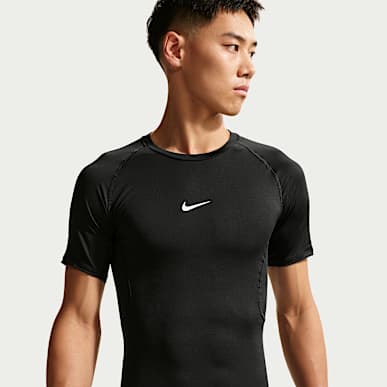
\
Nike Pro
\
Men's Dri-FIT Tight Short-Sleeve Fitness Top
\
__RM 105__](https://www.nike.com/my/t/pro-mens-dri-fit-tight-short-sleeve-fitness-top-1qJjkp/FB7933-010)
- [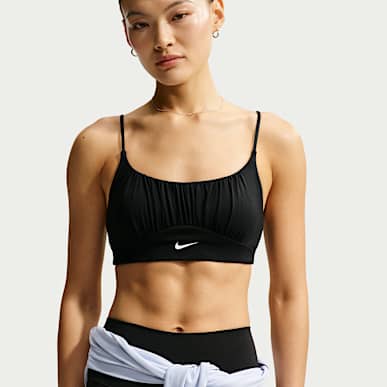
\
Nike One
\
Women's Light-Support Sports Bra
\
__RM 155__](https://www.nike.com/my/t/one-womens-light-support-sports-bra-7kQXtrHr/IU1365-010)
- [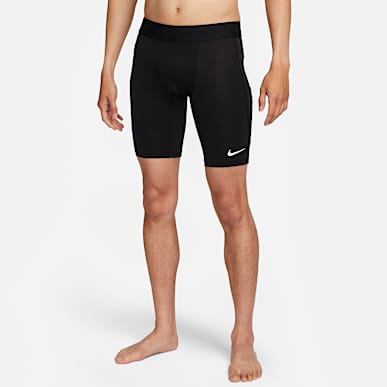
\
Nike Pro
\
Men's Dri-FIT Fitness Long Shorts
\
__RM 109__](https://www.nike.com/my/t/pro-mens-dri-fit-fitness-long-shorts-sZPDnC/FB7964-010)
- [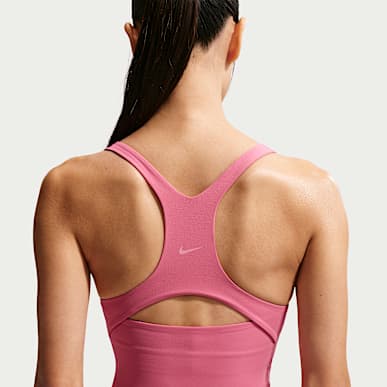
\
Nike Zenvy
\
Women's Light-Support Sports Bra Tank
\
__RM 255__](https://www.nike.com/my/t/zenvy-womens-light-support-sports-bra-tank-TVvw443S/IB9873-641)
- [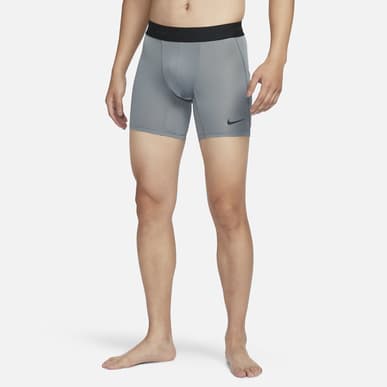
\
Nike Pro
\
Men's Dri-FIT Fitness Shorts
\
__RM 109__](https://www.nike.com/my/t/pro-mens-dri-fit-fitness-shorts-VWd1Wd/FB7959-084)
- [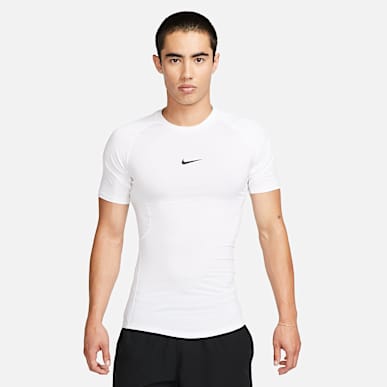
\
Nike Pro
\
Men's Dri-FIT Tight Short-Sleeve Fitness Top
\
__RM 105__](https://www.nike.com/my/t/pro-mens-dri-fit-tight-short-sleeve-fitness-top-1qJjkp/FB7933-100)
- [
\
Nike Zenvy
\
Women's Light-Support Padded Sports Bra
\
__RM 255__](https://www.nike.com/my/t/zenvy-womens-light-support-padded-sports-bra-ex0YnILD/IX7280-259)
## Key Benefits of Yoga
- Increased mobility and flexibility in the hips, hamstrings and thoracic spine
- Stronger core stabilisers that support the lumbar spine
- Improved balance, coordination and proprioception
- Reduced stress and anxiety through breath control
- Improved sleep quality and lower levels of cortisol
- Enhanced recovery for runners, lifters and high-intensity athletes
- Support for joint health and posture for long-term mobility
## Yoga Physical Benefits
## 1. Builds Strength
Yoga builds deep, functional and grounded strength. Plank, chair pose, downward dog and single-leg balance hit the muscles that stabilise every stride, lift and jump. One study on [Hatha yoga](https://pmc.ncbi.nlm.nih.gov/articles/PMC4475706/) showed measurable strength gains after 12 weeks of practice, while additional research showed [Bikram yoga](https://www.ncbi.nlm.nih.gov/pmc/articles/PMC4609431/) improves lower-body strength and total-body mobility.
## 2. Improves Balance
Balance isn't just standing still, it's control while moving, too. Yoga trains it with poses like tree, eagle and warrior variations. A [study in](https://pubmed.ncbi.nlm.nih.gov/26707903/) [*Age and Ageing*](https://pubmed.ncbi.nlm.nih.gov/26707903/) found that yoga-based exercise reduces fall risk in adults over 60, while another [study](https://www.ncbi.nlm.nih.gov/pmc/articles/PMC4728955/) [of](https://www.ncbi.nlm.nih.gov/pmc/articles/PMC4728955/) [young college men](https://www.ncbi.nlm.nih.gov/pmc/articles/PMC4728955/) showed significant balance improvements after a yoga programme.
## 3. Enhances Flexibility and Mobility
Better mobility means better movement, especially through your hips, spine and hamstrings. An [eight](https://www.ncbi.nlm.nih.gov/pmc/articles/PMC5864160/)[‑week trial](https://www.ncbi.nlm.nih.gov/pmc/articles/PMC5864160/) [of](https://www.ncbi.nlm.nih.gov/pmc/articles/PMC5864160/) [sedentary adults](https://www.ncbi.nlm.nih.gov/pmc/articles/PMC5864160/) found that three yoga sessions per week significantly improved flexibility, mobility, strength and balance. For runners, looser hip flexors and a more mobile thoracic spine can translate into stronger stride mechanics and fewer overuse injuries.
## 4. Boosts Energy
Breathing and open-chest positions increase alertness and energy. Research on ['power poses' in yoga](https://www.ncbi.nlm.nih.gov/pmc/articles/PMC5425577/), such as mountain pose (tadasana), upward salute (urdhva hastasana) and eagle pose (garudasana), shows improvements in perceived energy.
## 5. Improves Athletic Performance
Yoga sharpens movement patterns and builds better mechanics for any sport. In one study by the British Journal of Sports Medicine, a [20‑minute yoga sequence of 11 poses](https://www.ncbi.nlm.nih.gov/pmc/articles/PMC2491926/) improved performance in distance runners, and in another study, a [10‑week yoga programme](https://www.ncbi.nlm.nih.gov/pmc/articles/PMC4728955/) enhanced performance in male collegiate athletes.
## 6. Reduces Injury Risk
By improving proprioception, joint stability and mobility, yoga may cut injury risk for athletes. The [National Institutes of Health](https://www.nccih.nih.gov/health/yoga-what-you-need-to-know) notes that yoga has a lower injury rate than higher‑impact activities like running or skiing. One workplace-focused [study](https://pubmed.ncbi.nlm.nih.gov/12454346/) also suggests that yoga programmes can reduce injury rates among employees.
## 7. Improves Breathing
Controlled breathing practices (pranayama) strengthen the diaphragm and improve endurance. [Clinical research](https://www.ncbi.nlm.nih.gov/pmc/articles/PMC6329219/) shows that yoga-based [breathing training](https://www.nike.com/a/how-breath-improves-performance) can enhance respiratory function in as little as eight weeks.
## 8. Improves Posture
Yoga restores alignment in the thoracic and lumbar spine, which you may notice as standing taller and moving more fluidly. A [study on](https://www.ncbi.nlm.nih.gov/pmc/articles/PMC4097898/) [H](https://www.ncbi.nlm.nih.gov/pmc/articles/PMC4097898/)[atha yoga practitioners](https://www.ncbi.nlm.nih.gov/pmc/articles/PMC4097898/) showed improvements in postural control in healthy adults, and additional research demonstrated better posture, mobility and gait speed [in older adults](https://www.ncbi.nlm.nih.gov/pmc/articles/PMC4270164/).
## 9. Supports Better Bone Health
Daily short yoga sessions can also benefit your skeletal system. One [study on a 12‑minute daily yoga routine](https://www.ncbi.nlm.nih.gov/pmc/articles/PMC4851231/) found improvements in bone mineral density in both the spine and femur, which is particularly relevant for older adults and post‑menopausal people.
## Yoga Lifestyle Benefits
## 1. Improves Sleep
Yoga’s impact on the parasympathetic nervous system helps you fall asleep faster and stay asleep longer' Several [studies](https://pubmed.ncbi.nlm.nih.gov/30352035/)—including ones focused on [insomnia](https://www.ncbi.nlm.nih.gov/pmc/articles/PMC3667430/) and [different adult populations](https://www.ncbi.nlm.nih.gov/pmc/articles/PMC7193366/)—link yoga to better sleep quality. Yoga nidra is a good choice for those considering a relaxing practice to support sleep.
## 2. Elevates Mood
Yoga can be a powerful tool for mental well‑being. In one [trial comparing yoga to walking](https://www.ncbi.nlm.nih.gov/pmc/articles/PMC3111147/), a 12‑week yoga programme was significantly more effective at boosting mood and reducing anxiety than walking.
## 3. Lowers Stress
Yoga trains the nervous system to downshift out of 'fight or flight.' A researcher writing in the [*International Journal of Yoga*](https://www.ncbi.nlm.nih.gov/pmc/articles/PMC3193654/) described yoga as an effective method for managing and [reducing stress](https://www.nike.com/a/how-does-stress-affect-body), recommending it as a complementary strategy for stress management.
## 4. Builds Community
Studios, group classes and workshops offer meaningful connection with teachers and other students. Retreats and yoga-focused travel can deepen both your practice and your support network.
## 5. Improves Mindfulness
Yoga enhances present-moment awareness and emotional regulation, supporting better daily decision-making. One study [of yoga and mindfulness](https://www.ncbi.nlm.nih.gov/pmc/articles/PMC5932774/) showed benefits for mindful eating and broader self-regulation habits.
## 6. Improves Focus
Sharper focus is one of the underrated mental benefits of yoga. [One study](https://www.ncbi.nlm.nih.gov/pmc/articles/PMC5544241/) found that yoga interventions improved cognitive functioning, including sustained attention.
## 7. Strengthens Self-Esteem
Those same 'power poses' that boost energy can also build confidence. Research on [open and closed standing postures](https://www.ncbi.nlm.nih.gov/pmc/articles/PMC5425577/) found improvements in self-esteem, and additional studies have reported gains in self-worth among [adolescents](https://www.ncbi.nlm.nih.gov/pmc/articles/PMC7567196/) and [burn survivors](https://pubmed.ncbi.nlm.nih.gov/31003692/) who practiced yoga.
## 8. Promotes Self-Care
Yoga encourages you to slow down, check in and respond to stress more skillfully. The [National Center for Complementary and Integrative Health](https://www.nccih.nih.gov/health/yoga-what-you-need-to-know) (NCCIH) noted that yoga supports healthy lifestyle habits, and a [2020 study](https://www.ncbi.nlm.nih.gov/pmc/articles/PMC7230658/) in the *Journal of Clinical Medicine* found that a yoga practice can provide self‑care tools for stress management.
## 9. Improves Quality of Life
For people managing chronic pain, medical treatment or long‑term conditions, yoga can make daily life feel better. [Evidence](https://pubmed.ncbi.nlm.nih.gov/29526474/) shows quality‑of‑life improvements in those [undergoing medical treatment](https://pubmed.ncbi.nlm.nih.gov/20388445/) and people dealing with chronic pain or disease, with another [study](https://pubmed.ncbi.nlm.nih.gov/22022122/) supporting similar benefits across diverse groups.
## Shop Nike Yoga Sports Bras
[View All](https://www.nike.com/my/w/yoga-sports-bras-40qgmzanrlj)
- [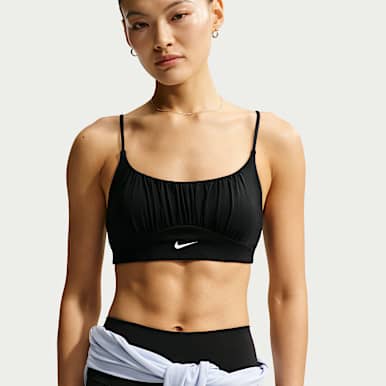
\
Nike One
\
Women's Light-Support Sports Bra
\
__RM 155__](https://www.nike.com/my/t/one-womens-light-support-sports-bra-7kQXtrHr/IU1365-010)
- [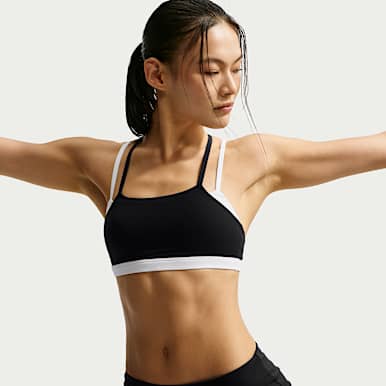
\
Nike Zenvy
\
Women's Light-Support Padded Sports Bra
\
__RM 255__](https://www.nike.com/my/t/zenvy-womens-light-support-padded-sports-bra-ex0YnILD/IX7280-010)
- [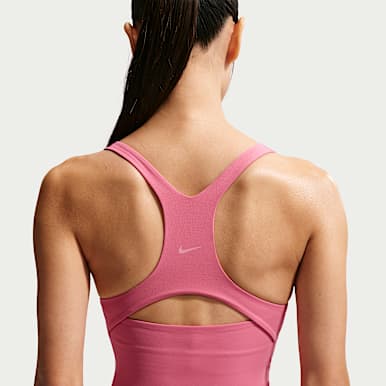
\
Nike Zenvy
\
Women's Light-Support Sports Bra Tank
\
__RM 255__](https://www.nike.com/my/t/zenvy-womens-light-support-sports-bra-tank-TVvw443S/IB9873-641)
- [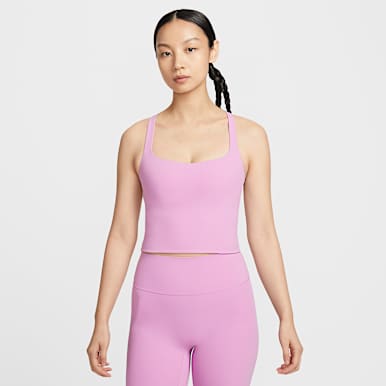
\
Nike Zenvy
\
Women's Light-Support Sports Bra Tank
\
__RM 255__](https://www.nike.com/my/t/zenvy-womens-light-support-sports-bra-tank-TVvw443S/IB9873-503)
- [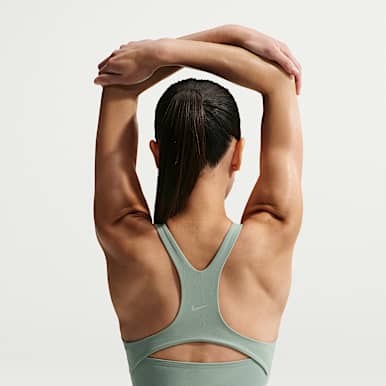
\
Nike Zenvy
\
Women's Light-Support Sports Bra Tank
\
__RM 255__](https://www.nike.com/my/t/zenvy-womens-light-support-sports-bra-tank-TVvw443S/IB9873-006)
- [
\
Nike Zenvy
\
Women's Light-Support Padded Sports Bra
\
__RM 255__](https://www.nike.com/my/t/zenvy-womens-light-support-padded-sports-bra-ex0YnILD/IX7280-259)
- [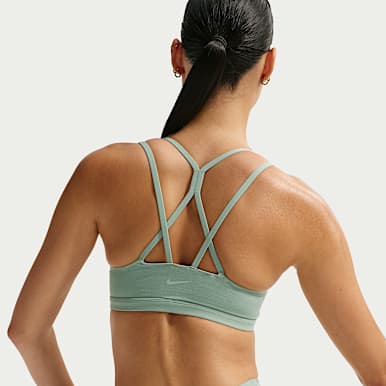
\
Nike Zenvy Strappy
\
Women's Light-Support Padded Sports Bra
\
__RM 215__](https://www.nike.com/my/t/zenvy-strappy-womens-light-support-padded-sports-bra-VZ5XkiAV/IB9848-006)
- [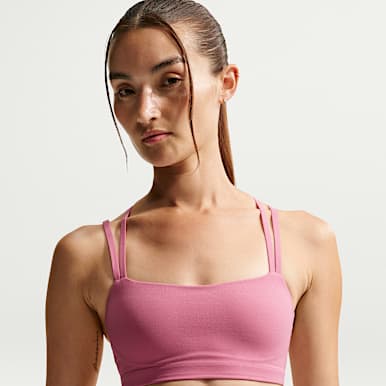
\
Nike Zenvy Strappy
\
Women's Light-Support Padded Sports Bra
\
__RM 215__](https://www.nike.com/my/t/zenvy-strappy-womens-light-support-padded-sports-bra-VZ5XkiAV/IB9848-641)
- [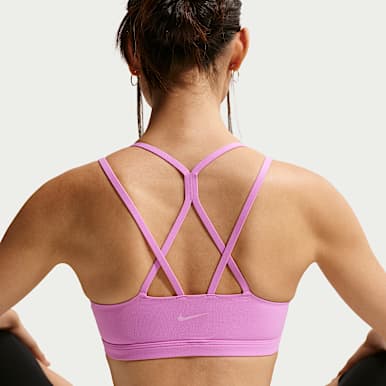
\
Nike Zenvy Strappy
\
Women's Light-Support Padded Sports Bra
\
__RM 215__](https://www.nike.com/my/t/zenvy-strappy-womens-light-support-padded-sports-bra-VZ5XkiAV/IB9848-503)
## Yoga Health Benefits
## 1. Relieves Back Pain
Yoga improves lumbar spine mobility and reduces chronic low‑back pain. One prominent [study](https://www.ncbi.nlm.nih.gov/pmc/articles/PMC4878447/) support yoga as a safe, effective alternative or complement to medication for back pain relief.
## 2. Reduces Arthritis Symptoms
If you have arthritis, yoga can help reduce pain and improve function. [Scientific evidence](https://www.ncbi.nlm.nih.gov/pmc/articles/PMC3026480/) shows reductions in tender and swollen joints, less disability and better mental health in people with osteoarthritis who practice yoga.
## 3. Boosts Heart Health
Yoga can support [cardiovascular health](https://www.nike.com/a/yoga-for-heart-health) by improving multiple risk factors. Research identifies it as a [promising technique for heart health](https://www.ncbi.nlm.nih.gov/pmc/articles/PMC4223195/), with [additional studies](https://www.ncbi.nlm.nih.gov/pmc/articles/PMC5871178/) indicating benefits for risk reduction and even use in [cardiac rehabilitation settings](https://pubmed.ncbi.nlm.nih.gov/31021995/).
## 4. Supports Healthy Weight Loss
Practicing yoga consistently can aid in weight management. In one [behavioural weight‑loss study](https://www.nccih.nih.gov/research/research-results/study-sees-beneficial-role-of-yoga-in-weight-loss-program-for-adults-with-obesity-or-overweight), both Hatha and Vinyasa yoga groups practicing 20 to 60 minutes, five days per week achieved significant weight loss alongside a calorie- and fat‑reduced diet.
## 5. Reduces Inflammation
Chronic inflammation underlies many conditions, including heart disease, cancer and rheumatoid arthritis. One [r](https://www.ncbi.nlm.nih.gov/pmc/articles/PMC6700894/)[esearch review](https://www.ncbi.nlm.nih.gov/pmc/articles/PMC6700894/) concluded that yoga can be a viable intervention to reduce inflammation across chronic conditions, and a 2018 [study of at‑risk populations](https://pubmed.ncbi.nlm.nih.gov/29429046/) found yoga useful as a complementary anti‑inflammatory strategy.
## 6. Treats Chronic Pain
Yoga can help manage neck pain, headaches and back pain, among others. A [body of studies summarised by NCCIH](https://www.nccih.nih.gov/health/providers/digest/yoga-for-pain-science) suggests yoga is an effective option for chronic pain, with benefits for function and quality of life.
## 7. Helps Fight Depression
If you or someone you know is dealing with depression, yoga may be a supportive tool. A large [2017 research review](https://www.ncbi.nlm.nih.gov/pmc/articles/PMC5871291/) found that yoga interventions—especially Hatha yoga—effectively reduced depressive symptoms.
## 8. Lowers Blood Pressure
One of the more widely known health benefits of yoga is blood pressure reduction. A [large review](https://www.ncbi.nlm.nih.gov/pmc/articles/PMC3679769/) [and meta-analysis](https://www.ncbi.nlm.nih.gov/pmc/articles/PMC3679769/) reported significant decreases in both systolic and diastolic blood pressure after regular practice.
## 9. Eases Menopause Symptoms
Hot flashes, mood swings and sleep disruptions are common during menopause. A substantial [evidence base](https://pubmed.ncbi.nlm.nih.gov/29452777/) indicates that yoga can help ease these and other menopausal symptoms.
## 10. Supports Immune Health
Research on yoga and immune function is still emerging, but early results are promising. Investigators in an [inflammation-focused study](https://pubmed.ncbi.nlm.nih.gov/29429046/) suggest that consistent yoga practice may support healthier immune regulation over time.
## FAQ About the Benefits of Yoga
Is yoga considered a good workout?
Yes. Yoga is real training. It combines strength work, mobility work and recovery work in one. Power and Vinyasa styles spike heart rate and challenge conditioning, while slower flows build stabiliser strength and control. All of it supports how you move in sport and life.
Can yoga build strength?
Absolutely. Body-weight tension, long holds and single-leg work challenge the same muscles that support running, lifting and everyday movement. Strength comes from increased time under tension and progressive loading through more complex poses, and research on [Hatha](https://pmc.ncbi.nlm.nih.gov/articles/PMC4475706/) and [Bikram](https://www.ncbi.nlm.nih.gov/pmc/articles/PMC4609431/) yoga backs up these strength gains.
What are the main benefits of yoga?
Improved flexibility, stronger core, better posture, reduced stress, enhanced sleep, better recovery and long‑term mobility are all outcomes supported by findings in large [health and wellness studies on yoga](https://www.nccih.nih.gov/health/yoga-what-you-need-to-know).
How often should I do yoga to see results?
There is no hard-and-fast rule about how much yoga you need to do to gain health and wellness benefits. One [study](https://www.ncbi.nlm.nih.gov/pmc/articles/PMC5425577/) demonstrated that positive effects of yoga practice can occur after performing yoga poses for only two minutes, though many programmes in the research ran at least eight weeks.
Is yoga good for beginners?
Yes. Start with Hatha or beginner Vinyasa classes, which have been [widely studied in clinical trials](https://www.ncbi.nlm.nih.gov/pmc/articles/PMC4475706/), and modify as needed.
Can yoga help runners and athletes?
Yes, especially for mobility, balance, stride efficiency and injury prevention. Performance-focused research in [runners](https://www.ncbi.nlm.nih.gov/pmc/articles/PMC2491926/) and [college athletes](https://www.ncbi.nlm.nih.gov/pmc/articles/PMC4728955/) shows measurable gains after structured yoga programmes.
Can yoga help with stress and sleep?
Yes. Controlled breathing activates the parasympathetic nervous system and lowers stress markers, while multiple [sleep studies](https://www.ncbi.nlm.nih.gov/pmc/articles/PMC3667430/) show better sleep quality with regular practice.
What kind of yoga should I do to gain health benefits?
Hatha and Vinyasa (flow) yoga are among the most widely studied styles, but other types can be beneficial as well. For example, yoga nidra emphasises deep relaxation, while Yin yoga is a slower practice targeting the hips, lower back and thighs.
Can I gain health benefits if I practice yoga at home?
You can practice yoga anywhere and still gain benefits. If you prefer to practice outside a studio, there are countless digital options, including Nike’s guidance for [at‑home yoga for beginners](https://www.nike.com/my/a/at-home-yoga-for-beginners).
[](https://www.nike.com/ntc-app)
[Explore NTC](https://www.nike.com/ntc-app)
Originally published: 19 December 2025
## Related Stories
- 
[](https://www.nike.com/my/a/exercise-health-benefits)
# Health & wellness
# 5 Benefits of Regular Exercise for Your Body and Mind
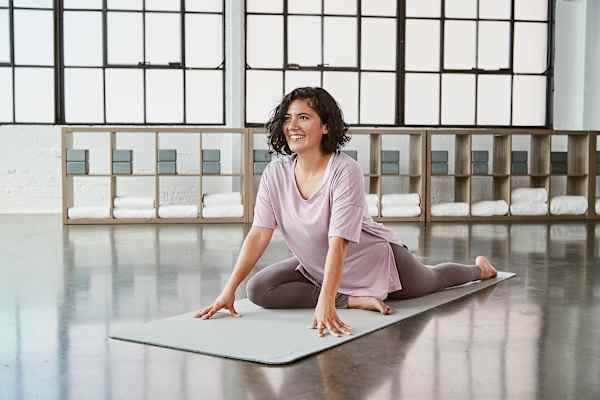
- 
[](https://www.nike.com/my/a/ways-to-start-doing-yoga)
# Sport & activity
# 5 Ways To Introduce Yoga Into Your Life: Tips for a Daily Practice
- 
[](https://www.nike.com/my/a/how-to-pick-the-right-running-shoes)
# Buying Guide
# How to Choose the Right Running Shoes: Fit, Cushioning and Support Explained
- 
[](https://www.nike.com/my/a/how-to-start-running-again)
# Sports & Activity
# How to Start Running Again After a Break
- 
[](https://www.nike.com/my/a/exercise-reduce-stress)
# Buying Guide
# How Exactly Does Exercise Reduce Stress?
Resources
[Find A Store](https://www.nike.com/my/retail)
[Become A Member](https://www.nike.com/my/register)
[Running Shoe Finder](https://www.nike.com/my/running/shoe-finder)
[Product Advice](https://www.nike.com/my/product-advice)
[Nike Coaching](https://www.nike.com/my/coaching)
[Education Discounts](https://www.nike.com/my/help/a/student-discount-gs)
[Send Us Feedback](https://www.nike.com#site-feedback)
Help
[Get Help](https://www.nike.com/my/help)
[Order Status](https://www.nike.com/orders/details/)
[Delivery](https://www.nike.com/my/help/a/shipping-delivery-gs)
[Returns](https://www.nike.com/my/help/a/returns-policy-gs)
[Payment Options](https://www.nike.com/my/help/a/payment-options-gs)
[Contact Us](https://www.nike.com/my/help/#contact)
Company
[About Nike](http://about.nike.com/)
[News](https://about.nike.com/en-GB/newsroom)
[Careers](https://careers.nike.com)
[Investors](http://investors.nike.com/)
[Sustainability](https://www.nike.com/my/sustainability)
[Impact](https://about.nike.com/en-GB/impact)
[Report a Concern](https://speakup.nike.com)
## Resources
[Find A Store](https://www.nike.com/my/retail)
[Become A Member](https://www.nike.com/my/register)
[Running Shoe Finder](https://www.nike.com/my/running/shoe-finder)
[Product Advice](https://www.nike.com/my/product-advice)
[Nike Coaching](https://www.nike.com/my/coaching)
[Education Discounts](https://www.nike.com/my/help/a/student-discount-gs)
[Send Us Feedback](https://www.nike.com#site-feedback)
## Help
[Get Help](https://www.nike.com/my/help)
[Order Status](https://www.nike.com/orders/details/)
[Delivery](https://www.nike.com/my/help/a/shipping-delivery-gs)
[Returns](https://www.nike.com/my/help/a/returns-policy-gs)
[Payment Options](https://www.nike.com/my/help/a/payment-options-gs)
[Contact Us](https://www.nike.com/my/help/#contact)
## Company
[About Nike](http://about.nike.com/)
[News](https://about.nike.com/en-GB/newsroom)
[Careers](https://careers.nike.com)
[Investors](http://investors.nike.com/)
[Sustainability](https://www.nike.com/my/sustainability)
[Impact](https://about.nike.com/en-GB/impact)
[Report a Concern](https://speakup.nike.com)
Malaysia
- © 2026 Nike, Inc. All rights reserved.
- Guides
- [Nike Air Force 1](https://www.nike.com/my/air-force-1)
- [Nike Air Max](https://www.nike.com/my/air-max)
- [Nike FlyEase](https://www.nike.com/my/flyease)
- [Nike Free](https://www.nike.com/my/free)
- [Nike Pegasus](https://www.nike.com/my/running/runningzoom-pegasus-37)
- [Nike Vaporfly](https://www.nike.com/my/running/vaporfly)
- [Nike Zoom Fly](https://www.nike.com/my/running/zoom-fly)
- [Nike ZoomX](https://www.nike.com/my/zoomx)
- [Terms of Sale](https://www.eshopworld.com/shoppers/help/retailer/nike/terms-and-conditions-of-sale-en/)
- [Terms of Use](https://agreementservice.svs.nike.com/my/en_gb/rest/agreement?agreementType=termsOfUse&uxId=com.nike&country=MY&language=en&requestType=redirect)
- [Nike Privacy Policy (EN)](https://agreementservice.svs.nike.com/my/en_gb/rest/agreement?agreementType=privacyPolicy&uxId=com.nike.unite&country=MY&language=en&requestType=redirect)
- [Nike Privacy Policy (Bahasa Melayu)](https://agreementservice.svs.nike.com/my/en_gb/rest/agreement?agreementType=privacyPolicy&uxId=com.nike.unite&country=MY&language=my&requestType=redirect)
- [Privacy Settings](https://www.nike.com/my/guest/settings/privacy)
## Africa
- [__Egypt__
\
English](https://www.nike.com/eg/)
- [__Morocco__
\
English](https://www.nike.com/ma/en/)
- [__Maroc__
\
Français](https://www.nike.com/ma/)
- [__South Africa__
\
English](https://www.nike.com/za/)
## Americas
- [__Argentina__
\
Español](https://www.nike.com.ar)
- [__Brasil__
\
Português](https://www.nike.com.br)
- [__Canada__
\
English](https://www.nike.com/ca/)
- [__Canada__
\
Français](https://www.nike.com/ca/fr/)
- [__Chile__
\
Español](https://www.nike.cl)
- [__Colombia__
\
Español](https://www.nike.com.co)
- [__México__
\
Español](https://www.nike.com/mx/)
- [__Peru__
\
Español](https://www.nike.com.pe)
- [__Puerto Rico__
\
Español](https://www.nike.com/pr/)
- [__United States__
\
English](https://www.nike.com)
- [__Estados Unidos__
\
Español](https://www.nike.com/us/es/)
- [__Uruguay__
\
Español](https://www.nike.com.uy)
- [__Latin America__
\
Español](https://www.nike.com/xl/)
## Asia Pacific
- [__Australia__
\
English](https://www.nike.com/au/)
- [__中国大陆__
\
简体中文](https://www.nike.com.cn/)
- [__Hong Kong__
\
English](https://www.nike.com.hk/)
- [__香港__
\
繁體中文](https://www.nike.com.hk/)
- [__India__
\
English](https://www.nike.in/)
- [__Indonesia__
\
English](https://www.nike.com/id/)
- [__Japan__
\
English](https://www.nike.com/jp/en/)
- [__日本__
\
日本語](https://www.nike.com/jp/)
- [__대한민국__
\
한국어](https://www.nike.com/kr/)
- [__Malaysia__
\
English](https://www.nike.com/my/)
- [__New Zealand__
\
English](https://www.nike.com/nz/)
- [__Philippines__
\
English](https://www.nike.com/ph/)
- [__Singapore__
\
English](https://www.nike.com/sg/)
- [__台灣__
\
繁體中文](https://www.nike.com/tw/)
- [__ไทย__
\
ภาษาไทย](https://www.nike.com/th/)
- [__Vietnam__
\
English](https://www.nike.com/vn/)
## Europe
- [__Österreich__
\
Deutsch](https://www.nike.com/at/)
- [__Austria__
\
English](https://www.nike.com/at/en/)
- [__Belgien__
\
Deutsch](https://www.nike.com/be/de/)
- [__Belgium__
\
English](https://www.nike.com/be/en/)
- [__Belgique__
\
Français](https://www.nike.com/be/fr/)
- [__België__
\
Nederlands](https://www.nike.com/be/)
- [__Bulgaria__
\
English](https://www.nike.com/bg/)
- [__Croatia__
\
English](https://www.nike.com/hr/)
- [__Česká republika__
\
Čeština](https://www.nike.com/cz/)
- [__Czech Republic__
\
English](https://www.nike.com/cz/en/)
- [__Danmark__
\
Dansk](https://www.nike.com/dk/)
- [__Denmark__
\
English](https://www.nike.com/dk/en/)
- [__Finland__
\
English](https://www.nike.com/fi/)
- [__France__
\
Français](https://www.nike.com/fr/)
- [__Deutschland__
\
Deutsch](https://www.nike.com/de/)
- [__Ελλάδα__
\
ελληνικά](https://www.nike.com/gr/)
- [__Hungary__
\
English](https://www.nike.com/hu/en/)
- [__Magyarország__
\
Magyar](https://www.nike.com/hu/)
- [__Ireland__
\
English](https://www.nike.com/ie/)
- [__Israel__
\
English](https://www.nike.com/il/)
- [__Italia__
\
Italiano](https://www.nike.com/it/)
- [__Luxemburg__
\
Deutsch](https://www.nike.com/lu/de/)
- [__Luxembourg__
\
English](https://www.nike.com/lu/en/)
- [__Luxembourg__
\
Français](https://www.nike.com/lu/)
- [__Netherlands__
\
English](https://www.nike.com/nl/en/)
- [__Nederland__
\
Nederlands](https://www.nike.com/nl/)
- [__Norway__
\
English](https://www.nike.com/no/en/)
- [__Norge__
\
Norsk](https://www.nike.com/no/)
- [__Polska__
\
Polski](https://www.nike.com/pl/)
- [__Portugal__
\
English](https://www.nike.com/pt/en/)
- [__Portugal__
\
Português](https://www.nike.com/pt/)
- [__Romania__
\
English](https://www.nike.com/ro/)
- [__Россия__
\
Русский](https://www.nike.com/ru/)
- [__Slovakia__
\
English](https://www.nike.com/sk/)
- [__Slovenia__
\
English](https://www.nike.com/si/)
- [__Espanya__
\
Català](https://www.nike.com/es/ca/)
- [__España__
\
Español](https://www.nike.com/es/)
- [__Sweden__
\
English](https://www.nike.com/se/en/)
- [__Sverige__
\
Svenska](https://www.nike.com/se/)
- [__Schweiz__
\
Deutsch](https://www.nike.com/ch/)
- [__Switzerland__
\
English](https://www.nike.com/ch/en/)
- [__Suisse__
\
Français](https://www.nike.com/ch/fr/)
- [__Svizzera__
\
Italiano](https://www.nike.com/ch/it/)
- [__Türkiye__
\
Türkçe](https://www.nike.com/tr/)
- [__United Kingdom__
\
English](https://www.nike.com/gb/)
## Middle East
- [__Saudi Arabia__
\
English](https://www.nike.sa/en/home)
- [__المملكة العربية السعودية__
\
العربية](https://www.nike.sa/ar/home)
- [__United Arab Emirates__
\
English](https://www.nike.ae/en/home)
- [__الإمارات العربية المتحدة__
\
العربية](https://www.nike.ae/ar/home)
- [__Qatar__
\
English](https://www.nike.qa/en/home)
- [__دولة قطر__
\
العربية](https://www.nike.qa/ar/home)
- [__Kuwait__
\
English](https://www.nike.com.kw/en/home)
- [__الكويت__
\
العربية](https://www.nike.com.kw/ar/home)