[Skip to main content](https://www.nike.com#skip-to-content)
- [](https://www.nike.com/il/jordan)
- [Find a Store](https://www.nike.com/il/retail)
- [Help](https://www.nike.com/il/help)
[Help](https://www.nike.com/il/help)
- [Order Status](https://www.nike.com/il/orders)
- [Dispatch and Delivery](https://www.nike.com/il/help/a/shipping-delivery-gs)
- [Returns](https://www.nike.com/il/help/a/returns-policy-gs)
- [Contact Us](https://www.nike.com/il/help/#contact)
- [Privacy Policy](https://agreementservice.svs.nike.com/il/en_gb/rest/agreement?agreementType=privacyPolicy&uxId=com.nike.unite&country=IL&language=en&requestType=redirect)
- [Terms of Sale](https://www.eshopworld.com/shoppers/help/retailer/nike/terms-and-conditions-of-sale-en/)
- [Terms of Use](https://agreementservice.svs.nike.com/il/en_gb/rest/agreement?agreementType=termsOfUse&uxId=com.nike.unite&country=IL&language=en&requestType=redirect)
- [Send Us Feedback](https://www.nike.com#site-feedback)
- [Join Us](https://www.nike.com/il/membership)
- [Sign In](https://www.nike.com/il/register)
[](https://www.nike.com/il/)
- [New](https://www.nike.com/il/w/new-3n82y)
- [New](https://www.nike.com/il/w/new-3n82y)
- [New Arrivals](https://www.nike.com/il/w/new-3n82y)
- [Best Sellers](https://www.nike.com/il/w/best-76m50)
- [SNKRS Launch Calendar](https://www.nike.com/gb/launch/upcoming)
- [Highlights](https://www.nike.com/il/w/new-just-in-3apgqz3n82y)
- [Jordan: Love Letter Collection](https://www.nike.com/il/w/love-letter-7xkbw)
- [Best of Jordan](https://www.nike.com/il/w/best-of-jordan-brand-j0oa)
- [Jordan Fleece](https://www.nike.com/il/w/jordan-fleece-37eefz4xh6q)
- [Football: New Club Kits 26/27](https://www.nike.com/il/w/club-football-teams-6fu9q)
- [After Dark Tour London](https://www.nike.com/il/w/after-dark-tour-6bo5l)
- [Trending](https://www.nike.com/il/w/best-76m50)
- [Hybrid Training](https://www.nike.com/il/w/hybrid-training-8wvhh)
- [Marathon Shoes](https://www.nike.com/il/w/marathon-distance-shoes-6vbyfzy7ok)
- [Elite Football Boots](https://www.nike.com/il/w/elite-football-shoes-1gdj0z9vmnhzy7ok)
- [Sportswear Clothing](https://www.nike.com/il/w/sportswear-clothing-43h4uz6ymx6)
- [Waterproof Running Jackets](https://www.nike.com/il/w/water-resistant-running-jackets-gilets-37v7jz50r7yzo08u)
- [Brands](https://www.nike.com/il/w/37eefz43h4uz93bsdzpgd6)
- [Nike Sportswear](https://www.nike.com/il/w/lifestyle-13jrm)
- [ACG: All Conditions Gear](https://www.nike.com/il/acg)
- [Jordan](https://www.nike.com/il/w/jordan-37eef)
- [Kobe](https://www.nike.com/il/w/kobe-pgd6)
- [NOCTA](https://www.nike.com/il/w/nocta-25nhb)
- [Men](https://www.nike.com/il/men)
- [Highlights](https://www.nike.com/il/w/new-mens-3n82yznik1)
- [New Arrivals](https://www.nike.com/il/w/new-mens-3n82yznik1)
- [Best Sellers](https://www.nike.com/il/w/mens-best-76m50znik1)
- [Streetwear Clothing](https://www.nike.com/il/w/streetwear-clothing-97qn8)
- [Football: New Club Kits 26/27](https://www.nike.com/il/w/club-football-teams-6fu9q)
- [Clothing Essentials](https://www.nike.com/il/w/mens-essentials-4jjpuznik1)
- [Shoes](https://www.nike.com/il/w/mens-shoes-nik1zy7ok)
- [All Shoes](https://www.nike.com/il/w/mens-shoes-nik1zy7ok)
- [Lifestyle](https://www.nike.com/il/w/mens-lifestyle-shoes-13jrmznik1zy7ok)
- [Jordan](https://www.nike.com/il/w/mens-jordan-shoes-37eefznik1zy7ok)
- [Running](https://www.nike.com/il/w/mens-running-shoes-37v7jznik1zy7ok)
- [Football](https://www.nike.com/il/w/mens-football-shoes-1gdj0znik1zy7ok)
- [Basketball](https://www.nike.com/il/w/mens-basketball-shoes-3glsmznik1zy7ok)
- [Training and Gym](https://www.nike.com/il/w/mens-training-gym-shoes-58jtoznik1zy7ok)
- [Skateboarding](https://www.nike.com/il/w/mens-skateboarding-shoes-8mfrfznik1zy7ok)
- [Custom Shoes](https://www.nike.com/il/w/mens-nike-by-you-shoes-6ealhznik1zy7ok)
- [Clothing](https://www.nike.com/il/w/mens-clothing-6ymx6znik1)
- [All Clothing](https://www.nike.com/il/w/mens-clothing-6ymx6znik1)
- [Hoodies and Sweatshirts](https://www.nike.com/il/w/mens-hoodies-sweatshirts-6riveznik1)
- [Jackets](https://www.nike.com/il/w/mens-jackets-gilets-50r7yznik1)
- [Tracksuits](https://www.nike.com/il/w/mens-tracksuits-1ll2wznik1)
- [Trousers and Tights](https://www.nike.com/il/w/mens-trousers-tights-2kq19znik1)
- [Tops and T-Shirts](https://www.nike.com/il/w/mens-tops-t-shirts-9om13znik1)
- [Shorts](https://www.nike.com/il/w/mens-shorts-38fphznik1)
- [Kits and Jerseys](https://www.nike.com/il/w/mens-football-kits-jerseys-1gdj0z3a41eznik1)
- [Accessories](https://www.nike.com/il/w/mens-accessories-equipment-awwpwznik1)
- [Sport](https://www.nike.com/il/w/mens-performance-3k7dgznik1)
- [Running](https://www.nike.com/il/running)
- [Football](https://www.nike.com/il/football)
- [Basketball](https://www.nike.com/il/basketball)
- [Training and Gym](https://www.nike.com/il/training)
- [Tennis](https://www.nike.com/il/tennis)
- [Skateboarding](https://www.nike.com/il/w/mens-skateboarding-8mfrfznik1)
- [Golf](https://www.nike.com/il/golf)
- Brands
- [Nike Sportswear](https://www.nike.com/il/sportswear)
- [ACG: All Conditions Gear](https://www.nike.com/il/acg)
- [Jordan](https://www.nike.com/il/w/mens-jordan-37eefznik1)
- [Kobe](https://www.nike.com/il/w/mens-kobe-nik1zpgd6)
- [NOCTA](https://www.nike.com/il/w/mens-nocta-25nhbznik1)
- [Women](https://www.nike.com/il/women)
- [Highlights](https://www.nike.com/il/w/new-womens-3n82yz5e1x6)
- [New Arrivals](https://www.nike.com/il/w/new-womens-3n82yz5e1x6)
- [Best Sellers](https://www.nike.com/il/w/womens-best-5e1x6z76m50)
- [Nike Fleece Essentials](https://www.nike.com/il/w/nike-studio-fleece-s531)
- [Seasonal Clothing Packs](https://www.nike.com/il/w/seasonal-clothing-packs-9yawh)
- [Football Player Edition: Sam Kerr](https://www.nike.com/il/w/sam-kerr-4mbmv)
- [Clothing Essentials](https://www.nike.com/il/w/womens-essentials-4jjpuz5e1x6)
- [After Dark Tour London](https://www.nike.com/il/w/after-dark-tour-6bo5l)
- [Shoes](https://www.nike.com/il/w/womens-shoes-5e1x6zy7ok)
- [All Shoes](https://www.nike.com/il/w/womens-shoes-5e1x6zy7ok)
- [Lifestyle](https://www.nike.com/il/w/womens-lifestyle-shoes-13jrmz5e1x6zy7ok)
- [Jordan](https://www.nike.com/il/w/womens-jordan-shoes-37eefz5e1x6zy7ok)
- [Running](https://www.nike.com/il/w/womens-running-shoes-37v7jz5e1x6zy7ok)
- [Training and Gym](https://www.nike.com/il/w/womens-training-gym-shoes-58jtoz5e1x6zy7ok)
- [Football](https://www.nike.com/il/w/womens-football-shoes-1gdj0z5e1x6zy7ok)
- [Custom Shoes](https://www.nike.com/il/w/womens-nike-by-you-shoes-5e1x6z6ealhzy7ok)
- [Clothing](https://www.nike.com/il/w/womens-clothing-5e1x6z6ymx6)
- [All Clothing](https://www.nike.com/il/w/womens-clothing-5e1x6z6ymx6)
- [Hoodies and Sweatshirts](https://www.nike.com/il/w/womens-hoodies-sweatshirts-5e1x6z6rive)
- [Jackets](https://www.nike.com/il/w/womens-jackets-gilets-50r7yz5e1x6)
- [Trousers](https://www.nike.com/il/w/womens-trousers-tights-2kq19z5e1x6)
- [Leggings](https://www.nike.com/il/w/womens-tights-leggings-29sh2z5e1x6)
- [Matching Sets](https://www.nike.com/il/w/womens-matching-sets-2lukpz5e1x6)
- [Tops and T-Shirts](https://www.nike.com/il/w/womens-tops-t-shirts-5e1x6z9om13)
- [Shorts](https://www.nike.com/il/w/womens-shorts-38fphz5e1x6)
- [Sports Bras](https://www.nike.com/il/w/womens-sports-bras-40qgmz5e1x6)
- [Accessories](https://www.nike.com/il/w/womens-accessories-equipment-5e1x6zawwpw)
- [Sport](https://www.nike.com/il/w/womens-performance-3k7dgz5e1x6)
- [Training and Gym](https://www.nike.com/il/training)
- [Running](https://www.nike.com/il/running)
- [Football](https://www.nike.com/il/football)
- [Basketball](https://www.nike.com/il/basketball)
- [Tennis](https://www.nike.com/il/tennis)
- [Skateboarding](https://www.nike.com/il/w/womens-skateboarding-5e1x6z8mfrf)
- [Golf](https://www.nike.com/il/golf)
- Brands
- [NikeSKIMS](https://www.nike.com/il/nikeskims)
- [Nike Sportswear](https://www.nike.com/il/sportswear)
- [ACG: All Conditions Gear](https://www.nike.com/il/acg)
- [Jordan](https://www.nike.com/il/w/womens-jordan-37eefz5e1x6)
- [Kobe](https://www.nike.com/il/w/womens-kobe-5e1x6zpgd6)
- [Kids](https://www.nike.com/il/kids)
- [Highlights](https://www.nike.com/il/w/new-kids-3n82yzv4dh)
- [New Arrivals](https://www.nike.com/il/w/new-kids-3n82yzv4dh)
- [Best Sellers](https://www.nike.com/il/w/kids-best-76m50zv4dh)
- [Teen Destination](https://www.nike.com/il/teens)
- [Nike x LEGO® Collection](https://www.nike.com/il/lego)
- [Clothing Essentials](https://www.nike.com/il/w/kids-essentials-4jjpuzv4dh)
- [Shoes](https://www.nike.com/il/w/kids-shoes-v4dhzy7ok)
- [All Shoes](https://www.nike.com/il/w/kids-shoes-v4dhzy7ok)
- [Lifestyle](https://www.nike.com/il/w/kids-lifestyle-shoes-13jrmzv4dhzy7ok)
- [Jordan](https://www.nike.com/il/w/kids-jordan-shoes-37eefzv4dhzy7ok)
- [Football](https://www.nike.com/il/w/kids-football-shoes-1gdj0zv4dhzy7ok)
- [Running](https://www.nike.com/il/w/kids-running-shoes-37v7jzv4dhzy7ok)
- [Basketball](https://www.nike.com/il/w/kids-basketball-shoes-3glsmzv4dhzy7ok)
- [Physical Education](https://www.nike.com/il/w/kids-performance-shoes-3k7dgzv4dhzy7ok)
- [Clothing](https://www.nike.com/il/w/kids-clothing-6ymx6zv4dh)
- [All Clothing](https://www.nike.com/il/w/kids-clothing-6ymx6zv4dh)
- [Hoodies and Sweatshirts](https://www.nike.com/il/w/kids-hoodies-sweatshirts-6rivezv4dh)
- [Jackets](https://www.nike.com/il/w/kids-jackets-gilets-50r7yzv4dh)
- [Tracksuits](https://www.nike.com/il/w/kids-tracksuits-1ll2wzv4dh)
- [Trousers and Leggings](https://www.nike.com/il/w/kids-trousers-tights-2kq19zv4dh)
- [Matching Sets](https://www.nike.com/il/w/kids-matching-sets-2lukpzv4dh)
- [Tops and T-Shirts](https://www.nike.com/il/w/kids-tops-t-shirts-9om13zv4dh)
- [Shorts](https://www.nike.com/il/w/kids-shorts-38fphzv4dh)
- [Kits & Jerseys](https://www.nike.com/il/w/kids-football-kits-jerseys-1gdj0z3a41ezv4dh)
- [Accessories](https://www.nike.com/il/w/kids-accessories-equipment-awwpwzv4dh)
- [Kids by age](https://www.nike.com/il/w/kids-v4dh)
- [Teens (13–17 years)](https://www.nike.com/il/w/teen-collection-6hgue)
- [Older Kids (7–12 years)](https://www.nike.com/il/w/older-kids-agibjzv4dh)
- [Younger Kids (3–7 years)](https://www.nike.com/il/w/little-kids-6dacezv4dh)
- [Baby & Toddler (0–3 years)](https://www.nike.com/il/w/baby-toddlers-kids-2j488zv4dh)
- [Sport](https://www.nike.com/il/w/kids-performance-3k7dgzv4dh)
- [Running](https://www.nike.com/il/w/kids-running-37v7jzv4dh)
- [Football](https://www.nike.com/il/w/kids-football-1gdj0zv4dh)
- [Basketball](https://www.nike.com/il/w/kids-basketball-3glsmzv4dh)
- [Physical Education](https://www.nike.com/il/w/kids-training-gym-58jtozv4dh)
- [Skateboarding](https://www.nike.com/il/w/skateboarding-8mfrf)
- [Sport](https://www.nike.com/il/lockerroom)
- [Highlights](https://www.nike.com/il/w/new-performance-3k7dgz3n82y)
- [New Arrivals](https://www.nike.com/il/w/new-performance-3k7dgz3n82y)
- [Best Sellers](https://www.nike.com/il/w/best-performance-3k7dgz76m50)
- [Jordan Basketball](https://www.nike.com/il/w/jordan-basketball-37eefz3glsm)
- [Football: New Club Kits 26/27](https://www.nike.com/il/w/club-football-teams-6fu9q)
- [Discover: Nike Hybrid RN](https://www.nike.com/il/w/hybrid-training-8wvhh)
- [Running](https://www.nike.com/il/running)
- [All Running](https://www.nike.com/il/w/running-37v7j)
- [Shoes](https://www.nike.com/il/w/running-shoes-37v7jzy7ok)
- [Clothing](https://www.nike.com/il/w/running-clothing-37v7jz6ymx6)
- [Accessories](https://www.nike.com/il/w/running-accessories-equipment-37v7jzawwpw)
- [Football](https://www.nike.com/il/football)
- [All Football](https://www.nike.com/il/w/football-1gdj0)
- [Shoes](https://www.nike.com/il/w/football-shoes-1gdj0zy7ok)
- [Clothing](https://www.nike.com/il/w/football-clothing-1gdj0z6ymx6)
- [Accessories](https://www.nike.com/il/w/football-accessories-equipment-1gdj0zawwpw)
- [Training and Gym](https://www.nike.com/il/training)
- [All Training and Gym](https://www.nike.com/il/w/training-gym-58jto)
- [Shoes](https://www.nike.com/il/w/training-gym-shoes-58jtozy7ok)
- [Clothing](https://www.nike.com/il/w/training-gym-clothing-58jtoz6ymx6)
- [Accessories](https://www.nike.com/il/w/training-gym-accessories-equipment-58jtozawwpw)
- [More Sports](https://www.nike.com/il/w/performance-3k7dg)
- [All Sport](https://www.nike.com/il/w/performance-3k7dg)
- [Basketball](https://www.nike.com/il/basketball)
- [Outdoor](https://www.nike.com/il/w/acg-93bsd)
- [Tennis](https://www.nike.com/il/tennis)
- [Nike SB](https://www.nike.com/il/w/skateboarding-8mfrf)
- [Golf](https://www.nike.com/il/golf)
- [Swimming](https://www.nike.com/il/w/swimming-3c2dj)
- [NikeSKIMS](https://www.nike.com/il/nikeskims)
- [NikeSKIMS Guides](https://www.nike.com/il/nikeskims-lookbook)
- [NikeSKIMS Lookbook](https://www.nike.com/il/nikeskims-lookbook)
- [NikeSKIMS Bra Guide](https://www.nike.com/il/nikeskims-bra-guide)
- [NikeSKIMS Collection Guide](https://www.nike.com/il/nikeskims-collection-guide)
- [Clothing](https://www.nike.com/il/w/nikeskims-b2asd)
- [All Clothing](https://www.nike.com/il/w/nikeskims-clothing-6ymx6zb2asd)
- [Bras](https://www.nike.com/il/w/nikeskims-sports-bras-40qgmzb2asd)
- [Tops and Tanks](https://www.nike.com/il/w/nikeskims-tops-t-shirts-9om13zb2asd)
- [Leggings](https://www.nike.com/il/w/nikeskims-tights-leggings-29sh2zb2asd)
- [Shorts](https://www.nike.com/il/w/nikeskims-shorts-38fphzb2asd)
- [Shoes](https://www.nike.com/il/w/nikeskims-shoes-b2asdzy7ok)
- [Accessories](https://www.nike.com/il/w/nikeskims-accessories-equipment-awwpwzb2asd)
- [Collections](https://www.nike.com/il/nikeskims-collection-guide)
- [All Collections](https://www.nike.com/il/w/nikeskims-b2asd)
- [Satin Shine](https://www.nike.com/il/w/nikeskims-satin-shine-97fc5)
- [Matte](https://www.nike.com/il/w/nikeskims-nikeskims-matte-5s3enzb2asd)
- [Airy](https://www.nike.com/il/w/nikeskims-nikeskims-airy-5c1qqzb2asd)
- [Ribbed Seamless](https://www.nike.com/il/w/nikeskims-nikeskims-seamless-6lh4szb2asd)
- [Studio Stretch](https://www.nike.com/il/w/nikeskims-studio-stretch-admbq)
- [Stretch Nylon](https://www.nike.com/il/w/nikeskims-stretch-nylon-7sut9)
- [Weightless](https://www.nike.com/il/w/nikeskims-nikeskims-weightless-4csx8zb2asd)
- [Shop By Color](https://www.nike.com/il/w/nikeskims-b2asd)
- [Obsidian](https://www.nike.com/il/w/nikeskims-black-90poyzb2asd)
- [Dark Sepia](https://www.nike.com/il/w/nikeskims-dark-sepia-81pvm)
- [Phoenix](https://www.nike.com/il/w/nikeskims-phoenix-1jhtj)
- [Ivory](https://www.nike.com/il/w/nikeskims-white-4g797zb2asd)
- [Citrine](https://www.nike.com/il/w/nikeskims-yellow-ayp69zb2asd)
- [Carob](https://www.nike.com/il/w/nikeskims-brown-557pqzb2asd)
Cancel
Cancel
Popular Search Terms
[basketball shoes](https://www.nike.com/il/w?q=basketball%20shoes&vst=basketball%20shoes)[football shoes](https://www.nike.com/il/w?q=football%20shoes&vst=football%20shoes)[ja 3](https://www.nike.com/il/w?q=ja%203&vst=ja%203)[jordan](https://www.nike.com/il/w?q=jordan&vst=jordan)[air force 1](https://www.nike.com/il/w?q=air%20force%201&vst=air%20force%201)[mind](https://www.nike.com/il/w?q=mind&vst=mind)[kobe](https://www.nike.com/il/w?q=kobe&vst=kobe)[nike mind shoes](https://www.nike.com/il/w?q=nike%20mind%20shoes&vst=nike%20mind%20shoes)
[](https://www.nike.com/il/favorites "Favourites")[](https://www.nike.com/il/cart "Bag Items: 0")
# Best Nike Training Shoes: How to Choose the Right Gym Shoe for Lifting, Cross-Training and Cardio
##### Buying Guide
You've got plenty of options.
Last updated: 30 March 2026
7 min read
If you're looking to get the most out of your gym workout, consider a shoe designed for training. The best Nike workout shoes support your performance as well as your feet. Unless you'll be fully engaged in running, the best gym shoes should be training focused. Using your [running shoes](https://www.nike.com/il/a/buy-right-running-shoes) for a gym workout is not something Nike Training Coach Lauren Schramm recommends.
Your needs vary depending on the type of workout you do. The best gym shoes for [strength training](https://www.nike.com/il/a/cardio-vs-strength-training) and heavy lifting differ from the shoes you might choose for a cardio-heavy bootcamp class or a workout that involves sprints. Matching your footwear to your workout helps you get the proper support you need.
With all of the different trainer options out there, it can be difficult to know how to choose the right training shoes for your particular exercise regimen. Luckily, Nike has several options tailored to your exercise goals.
## Quick Take:
- For lifting-focused workouts, choose a stable, low-cushioned training shoe like the Nike Metcon.
- Look for more flexibility and cushioning, like in the Nike Free Metcon, for dynamic dumbbell workouts and HIIT.
- Mixed training regimes warrant a shoe that balances stability and responsiveness.
- A wide toe box and firm base improve lifting stability.
- Running shoes are not ideal for most gym workouts.
## Shop Nike Training and Gym Shoes
[View All](https://www.nike.com/il/w/training-gym-shoes-3rauvz58jtoz5e1x6znik1zy7ok)
- [
\
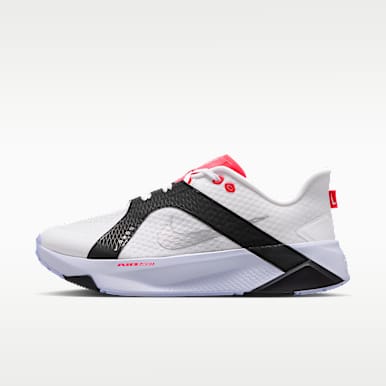
Nike Hybrid RN
\
Men's Training Shoes
\
__₪599.9__](https://www.nike.com/il/t/hybrid-rn-mens-training-shoes-pxCEblh5/IV5066-101)
- [
\
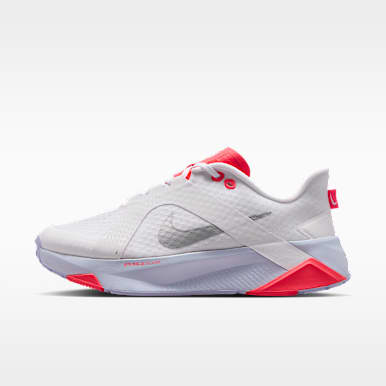
Nike Hybrid RN
\
Women's Training Shoes
\
__₪599.9__](https://www.nike.com/il/t/hybrid-rn-womens-training-shoes-vJP9eDts/IO3815-102)
- [
\
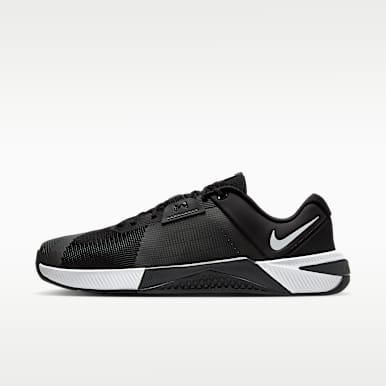
Nike Metcon 10
\
Men's Workout Shoes
\
__₪599.9__](https://www.nike.com/il/t/metcon-10-mens-workout-shoes-HGsqH5/HJ1875-002)
- [
\
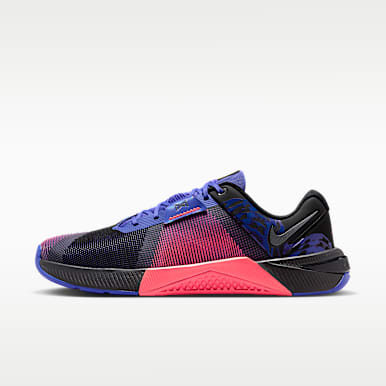
Nike Metcon 10 AMP
\
Men's Training Shoes
\
__₪629.9__](https://www.nike.com/il/t/metcon-10-amp-mens-training-shoes-wBOcc5vs/IM3571-001)
- [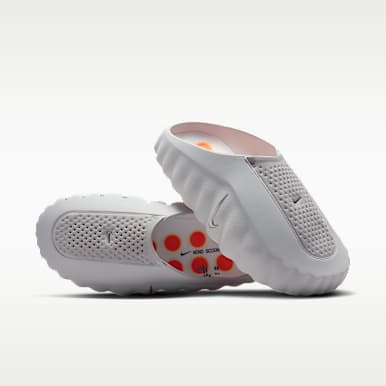
\
Nike Mind 001
\
Women's Pregame Mules
\
__₪399.9__](https://www.nike.com/il/t/mind-001-womens-pregame-mules-s5hCZiji/HQ4309-003)
- [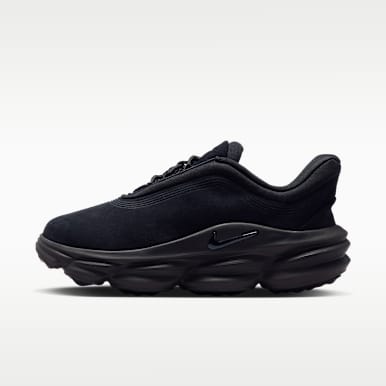
\
Nike 24.7
\
Men's shoes
\
__₪599.9__](https://www.nike.com/il/t/24-7-mens-shoes-JH24N9uV/IR0447-001)
- [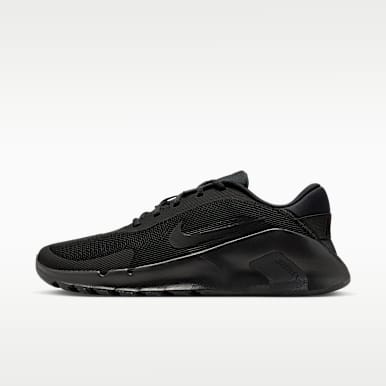
\
Nike Flex Train
\
Men's Workout Shoes
\
__₪349.9__](https://www.nike.com/il/t/flex-train-mens-workout-shoes-iB1Ur84X/HV9972-001)
- [
\
Nike Free Metcon 7 SE
\
Women's Training Shoes
\
__₪549.9__](https://www.nike.com/il/t/free-metcon-7-se-womens-training-shoes-INv1FG6L/IR0152-100)
- [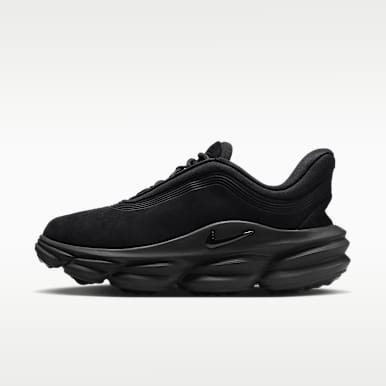
\
Nike 24.7
\
Women's Shoes
\
__₪599.9__](https://www.nike.com/il/t/24-7-womens-shoes-3goLq4VU/IR0448-001)
- [
\
Nike Free Metcon 7 AMP
\
Men's Training Shoes
\
__₪599.9__](https://www.nike.com/il/t/free-metcon-7-amp-mens-training-shoes-nHOVwl36/IR0278-001)
## What Makes a Good Training Shoe?
The best training shoes share a few key features, according to Schramm:
- __A stable, flat base__ creates a solid foundation for lifting.
- __Secure lockdown__ allows for lateral movement. It can be challenging to stay focused when your foot is moving around inside your shoe, so you need to feel confident that your shoe and your foot are one.
- __Durable__ __outsoles__ help with grip.
- __A flexible forefoot__ supports you when you need to push off your toes, like during an explosive movement.
- __Appropriate cushioning__ will vary based on workout type. High-impact workouts require slightly more cushioning than those focused on heavy lifting to mitigate the force of your foot hitting the ground.
## Do Gym Shoes Need a Wide Toe Box?
Schramm suggests looking for a gym shoe with a wide front of the shoe to create more room for your toes—also known as a toe box. "In a lot of exercises, it's important to be able to spread your toes out so you can grip the floor", she says. This improves stability and force production during lifts.
A more stable base can also be beneficial in a training shoe. It allows you to transfer more force to whatever you're trying to lift, which can positively impact your performance.
## Can You Use Running Shoes for Gym Workouts?
It is not recommended to use running shoes for gym workouts. The high-stack cushioning that provides shock absorption on runs reduces stability during gym workouts, raising the risk of wobbling, whether you're lifting or doing lateral movement.
Thick foam in a highly cushioned shoe also doesn't provide the grounded feel that's ideal for gym training sessions. If the cushioning is getting between you and your ability to press firmly into the floor, it can hamper your ability to lift heavier weights.
## What Does Flexible Stability Mean?
Flexible stability means a shoe offers stability where you need it most—in the heel—with flexibility in the front part of the shoe, along with midfoot containment. This combination creates a balanced feeling of control and stability without sacrificing movement and adaptability.
## Nike Metcon vs Nike Free Metcon
__Nike__ __Metcon__
Stability: maximum
Cushioning: minimal
Best for: weightlifting, CrossFit
Flexibility: moderate
Ideal user: heavy lifters, mixed-modality trainers
__Nike Free Metcon__
Stability: high
Cushioning: moderate
Best for: [HIIT](https://www.nike.com/il/a/at-home-hiit-workouts), bootcamp classes
Flexibility: high
Ideal user: cross-trainers
## What Are the Best Shoes for Cardio and Lifting?
Hybrid athletes focused on cardio need a shoe with moderate cushioning to support impact. The best shoe for hybrid athletes also delivers stability to support lateral movements.
Athletes who primarily train with lifting need a shoe with maximum stability and minimal cushioning for a locked-in feel that reduces the risk of ankle rolls.

[](https://www.nike.com/il/w/training-gym-shoes-3rauvz58jtoz5e1x6znik1zy7ok)
## The Best for Strength Training: Nike Metcon
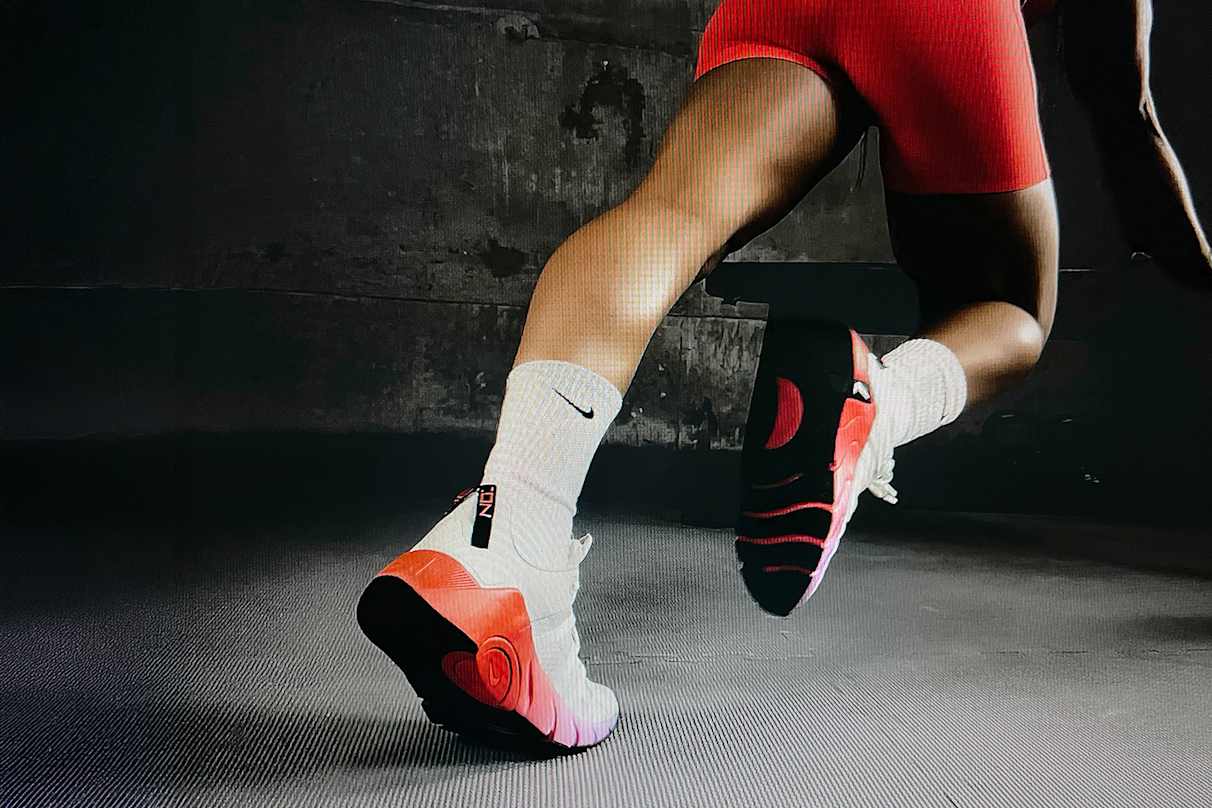
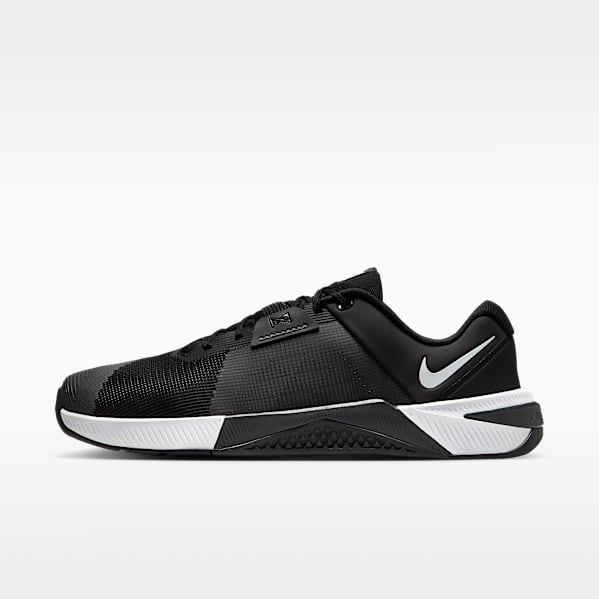
The Nike Metcon line, including the latest iteration – the Metcon 10 – is packed with key features to deliver the stability your feet crave during heavy strength training. This iconic cross-training shoe fuses stability, grip, durability and lockdown into one package, enabling you to move through all of your weightlifting exercises with ease.
The Metcon 10 puts stability first and helps secure your feet for less shifting when lifting heavier weights. It offers greater grip for more leverage and is highly durable to keep up with the demands of your workouts. Its lockdown lacing system means less slipping inside the shoe during key movements.
[](https://www.nike.com/il/w/training-gym-shoes-3rauvz58jtoz5e1x6znik1zy7ok)
## The Best Cross-Training Shoes: Nike Free Metcon
When you're cross-training and bouncing between exercises, you need a versatile shoe to stay engaged.
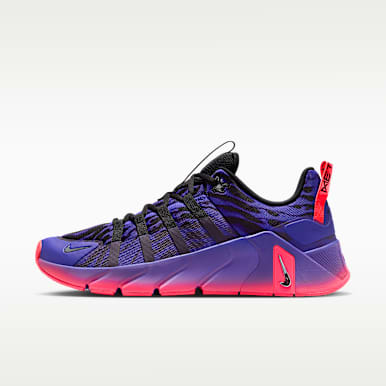
The Nike Free Metcon 7 provides just that, thanks to a multitude of features. With more cushioning than the Metcon, the Free Metcon 7 offers value when you're jumping more and not lifting a lot of weight.
The Free Metcon 7 is ideal for dynamic strength training, with a stable base that helps during the weightlifting periods. However, heavy lifters will prefer the maximum stability of the Metcon.
The Free Metcon 7's soft upper, designed for comfort and lightness, makes it the complete package, ideal for someone just starting training or for someone bouncing from one side of the gym to the next.
## Nike Free Metcon 7 vs Metcon 10: What's the Difference?
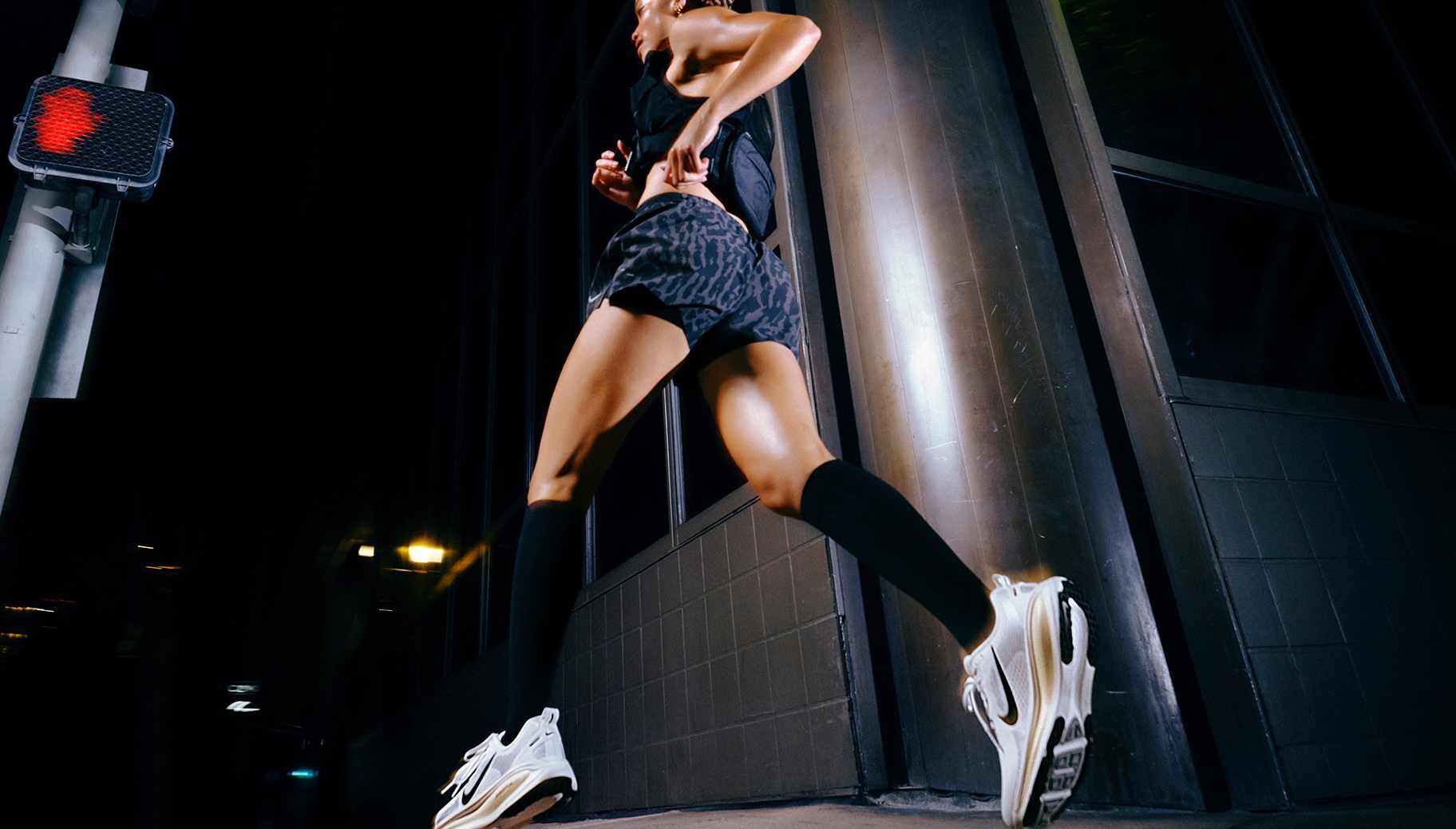
The Nike Free Metcon 7 is a versatile shoe that balances flexibility and stability to support lateral movements, lifting and circuit training. This is the shoe to reach for when you're planning on a quick and dynamic strength-training workout—like a HIIT or bootcamp class—or a routine that incorporates moderate lifting and high-intensity movement.
The Metcon 10 is a stability-first shoe designed to support lifting and CrossFit-style workouts. This shoe is ideal for lifting heavy loads and for functional training sessions.
[](https://www.nike.com/il/w/training-gym-shoes-3rauvz58jtoz5e1x6znik1zy7ok)
## The Best for Cardio Workouts: Nike Running and Walking Shoes
Running shoes are best for cardio-exclusive workouts, not strength sessions. The cushioning these shoes require to support running and walking workouts can work against the stability needed for lifting.
Nike has a few well-cushioned options for cardio workouts, depending on what you want out of your running shoe. The Nike Vomero line is known for its maximum cushioning, while the Nike Pegasus offers an energised ride when you're logging the miles. The Nike Structure offers exceptionally supportive cushioning, thanks to the innovative ReactX foam in the midsole. These performance shoes are also known for their excellent level of comfort.
If your focus is on walking, grab a pair of Nike Motivas—known for their utmost comfort. Thanks to their super-high stack of cushioning, you won't have to worry about a bumpy journey.
## FAQs
Does Free Metcon 7 come in wide sizes?
Nike's Free Metcon 7 does not come in wide sizes, but it's built to be wider at the toe to stabilise lifts. The shoe is designed for a secure fit, regardless of individual foot width.
What are the best Nike workout shoes?
Nike offers a range of workout shoes, but the Metcon and Free Metcon lines are the best options for the gym. These deliver stability and security to support a variety of training sessions.
What are the best gym shoes for lifting weights?
The best gym shoes for lifting weights are from Nike's Metcon line. These are designed to provide maximum stability with minimal cushioning to support a grounded, secure feel as you lift. If your focus is on super-heavy lifting, a lifting shoe like the Nike Romaleo may be a good option.
What's the difference between Nike Metcon and Nike Free Metcon?
Both the Nike Metcon and Nike Free Metcon are designed with training in mind. However, the Metcon is ideal for lifters, due to its maximum stability and minimal cushioning. The Free Metcon is a better choice for cross-trainers. It offers more flexibility and moderate cushioning.
Do gym shoes need a wide toe box?
Yes, gym shoes should be wide in the front to support toe splay and, in turn, create a wider, more stable base as you lift. It can also improve ankle stability, lowering the risk of rolling.
## Shop Nike Metcon Shoes
[View All](https://www.nike.com/il/w/metcon-training-gym-shoes-3yxqsz58jtozy7ok)
- [
\
Nike Metcon 10
\
Men's Workout Shoes
\
__₪599.9__](https://www.nike.com/il/t/metcon-10-mens-workout-shoes-HGsqH5/HJ1875-002)
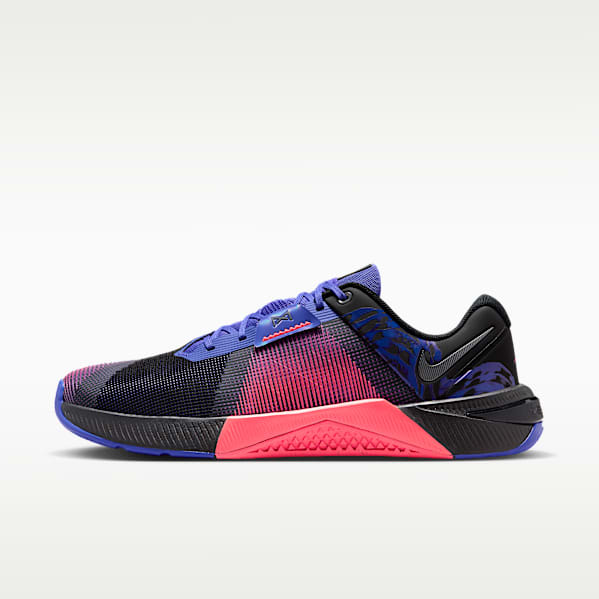
- [
\
Nike Metcon 10 AMP
\
Men's Training Shoes
\
__₪629.9__](https://www.nike.com/il/t/metcon-10-amp-mens-training-shoes-wBOcc5vs/IM3571-001)
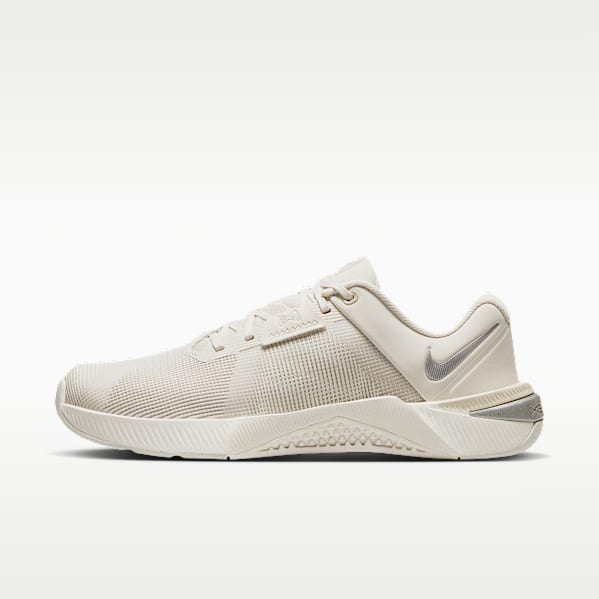
- [
\
Nike Metcon 10
\
Women's Training Shoes
\
__₪599.9__](https://www.nike.com/il/t/metcon-10-womens-training-shoes-Fcz372/HQ2620-102)
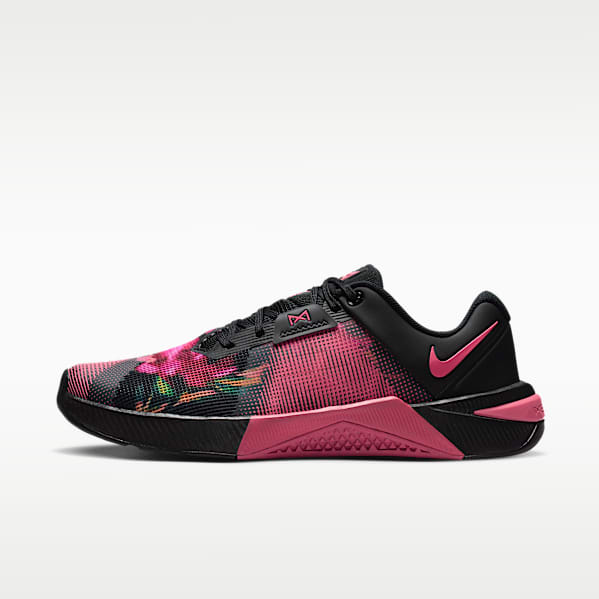
- [
\
Nike Metcon 10 SE
\
Women's Training Shoes
\
__₪599.9__](https://www.nike.com/il/t/metcon-10-se-womens-training-shoes-HPaw1aiQ/IM4322-001)
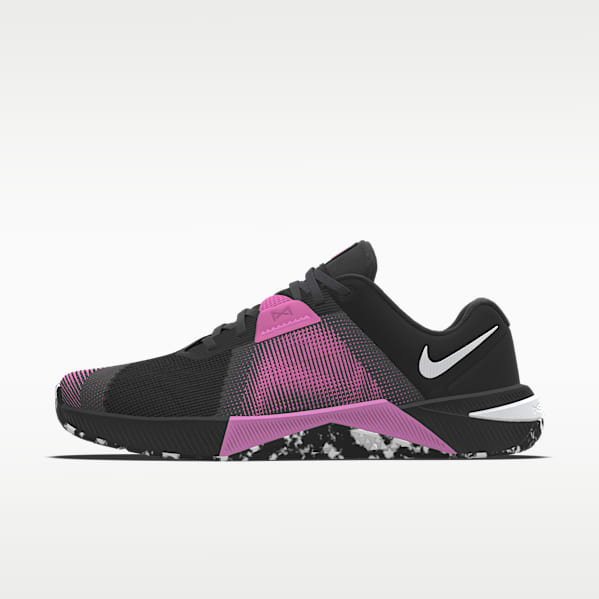
- [
\
Nike Metcon 10 By You
\
Custom Women's Workout Shoes
\
__₪729.9__](https://www.nike.com/il/u/custom-nike-metcon-10-by-you-10002211/1638039107)
- [
\
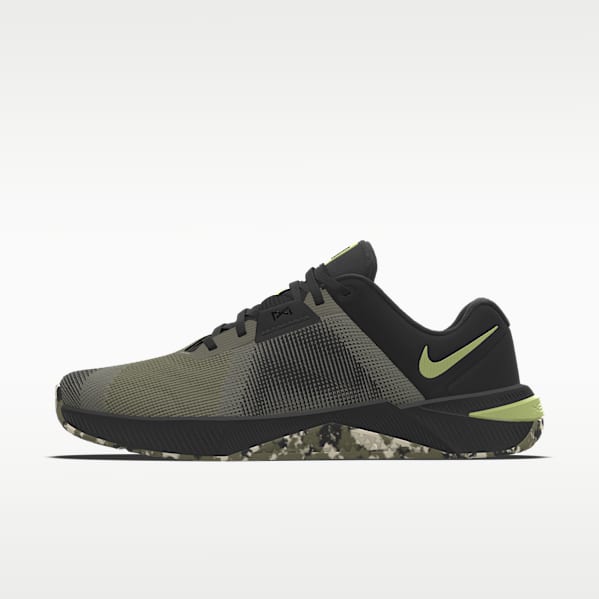
Nike Metcon 10 By You
\
Custom Men's Workout Shoes
\
__₪729.9__](https://www.nike.com/il/u/custom-nike-metcon-10-by-you-10002209/2074203201)
- [
\
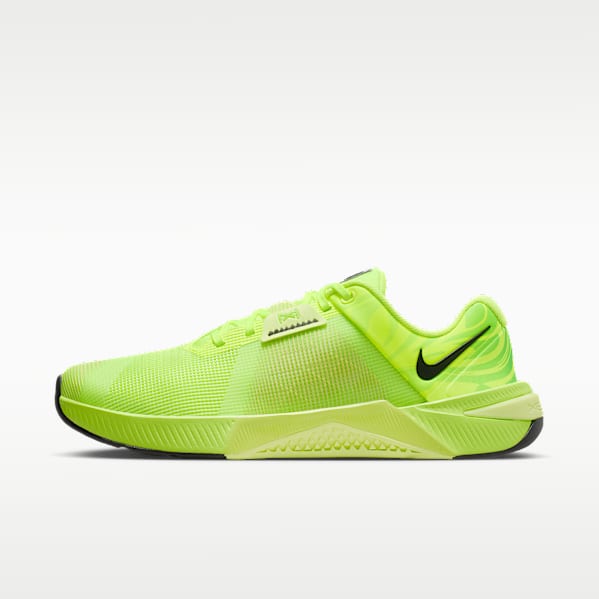
Nike Metcon 10
\
Women's Workout Shoes
\
__₪419.9__
__₪599.9__](https://www.nike.com/il/t/metcon-10-womens-workout-shoes-AMYx8UFd/IB6545-700)
Originally published: 2 April 2026
## Related Stories
- 
[](https://www.nike.com/il/a/how-to-pick-the-right-nike-fleece)
# Buying Guide
# How to Pick the Right Nike Fleece: Your Studio Fleece Guide
- 
[](https://www.nike.com/il/a/most-comfortable-running-shoes)
# Buying Guide
# The Most Comfortable Running Shoes From Nike (By Cushioning Type and Use)
- 
[](https://www.nike.com/il/a/best-shoes-for-wide-feet)
# Buying Guide
# Here's How to Find the Best Shoes for Wide Feet
- 
[](https://www.nike.com/il/a/best-running-shoes-for-treadmill)
# Buying Guide
# Best Nike Running Shoes for the Treadmill
- 
[](https://www.nike.com/il/a/best-cross-country-shoes)
# Buying Guide
# The Best Nike Cross-Country Shoes and Spikes
Resources
[Find a Store](https://www.nike.com/il/retail/)
[Nike Journal](https://www.nike.com/il/stories)
[Become a Member](https://www.nike.com/il/membership)
[Feedback](https://www.nike.com#site-feedback)
[Promo Codes](https://www.nike.com/il/promo-code)
[Product Advice](https://www.nike.com/il/product-advice)
[Running Shoe Finder](https://www.nike.com/il/running/shoe-finder)
Help
[Get Help](https://www.nike.com/il/help)
[Order Status](https://www.nike.com/il/orders/details)
[Shipping and Delivery](https://www.nike.com/il/help/a/shipping-delivery-gs)
[Returns](https://www.nike.com/il/help/a/returns-policy-gs)
[Payment Options](https://www.nike.com/il/help/a/payment-options-gs)
[Contact Us](https://www.nike.com/il/help/#contact)
[Reviews](https://www.nike.com/il/help/a/reviews)
Company
[About Nike](https://about.nike.com/)
[News](https://news.nike.com/)
[Careers](https://jobs.nike.com/)
[Investors](https://investors.nike.com/)
[Sustainability](https://www.nike.com/il/sustainability)
[Accessibility](https://www.nike.com/accessibility)
[Accessibility Statement](https://www.nike.com/il/accessibility/statement)
[Purpose](https://www.nike.com/il/purpose)
[Nike Coaching](https://www.nike.com/il/coaching)
[Report a concern](https://secure.ethicspoint.com/domain/media/en/gui/56821/index.html)
Community Discounts
[Student](https://urldefense.com/v3/__https://services.sheerid.com/verify/68d55e7b273c5b3a03a5b76d/?locale=en-GB__%3B%21%21KLCbKzk%21nTvDkRbY-BbSpoWsFhAQdmMrehEzU3loDux4_exRVjO9--Ik_EbQNJ3bX2gkEwR7F9cVVROFKqLxE4B8uW6bnx4IPOiRLg%24)
[Teacher](https://urldefense.com/v3/__https://services.sheerid.com/verify/68dcfa39c3f2fd1cd3069932/?locale=en-GB__%3B%21%21KLCbKzk%21nTvDkRbY-BbSpoWsFhAQdmMrehEzU3loDux4_exRVjO9--Ik_EbQNJ3bX2gkEwR7F9cVVROFKqLxE4B8uW6bnx5n4vwR-Q%24)
[Resources](https://www.nike.com/il/help)
[Find a Store](https://www.nike.com/il/retail/)
[Nike Journal](https://www.nike.com/il/stories)
[Become a Member](https://www.nike.com/il/membership)
[Feedback](https://www.nike.com#site-feedback)
[Promo Codes](https://www.nike.com/il/promo-code)
[Product Advice](https://www.nike.com/il/product-advice)
[Running Shoe Finder](https://www.nike.com/il/running/shoe-finder)
[Help](https://www.nike.com/il/help)
[Get Help](https://www.nike.com/il/help)
[Order Status](https://www.nike.com/il/orders/details)
[Shipping and Delivery](https://www.nike.com/il/help/a/shipping-delivery-gs)
[Returns](https://www.nike.com/il/help/a/returns-policy-gs)
[Payment Options](https://www.nike.com/il/help/a/payment-options-gs)
[Contact Us](https://www.nike.com/il/help/#contact)
[Reviews](https://www.nike.com/il/help/a/reviews)
[Company](https://about.nike.com/en)
[About Nike](https://about.nike.com/)
[News](https://news.nike.com/)
[Careers](https://jobs.nike.com/)
[Investors](https://investors.nike.com/)
[Sustainability](https://www.nike.com/il/sustainability)
[Accessibility](https://www.nike.com/accessibility)
[Accessibility Statement](https://www.nike.com/il/accessibility/statement)
[Purpose](https://www.nike.com/il/purpose)
[Nike Coaching](https://www.nike.com/il/coaching)
[Report a concern](https://secure.ethicspoint.com/domain/media/en/gui/56821/index.html)
## Community Discounts
[Student](https://urldefense.com/v3/__https://services.sheerid.com/verify/68d55e7b273c5b3a03a5b76d/?locale=en-GB__%3B%21%21KLCbKzk%21nTvDkRbY-BbSpoWsFhAQdmMrehEzU3loDux4_exRVjO9--Ik_EbQNJ3bX2gkEwR7F9cVVROFKqLxE4B8uW6bnx4IPOiRLg%24)
[Teacher](https://urldefense.com/v3/__https://services.sheerid.com/verify/68dcfa39c3f2fd1cd3069932/?locale=en-GB__%3B%21%21KLCbKzk%21nTvDkRbY-BbSpoWsFhAQdmMrehEzU3loDux4_exRVjO9--Ik_EbQNJ3bX2gkEwR7F9cVVROFKqLxE4B8uW6bnx5n4vwR-Q%24)
Israel
- © 2026 Nike, Inc. All rights reserved.
- Guides
- [Nike Air](https://www.nike.com/il/air)
- [Nike Air Max](https://www.nike.com/il/air-max)
- [Nike FlyEase](https://www.nike.com/il/flyease)
- [Nike Pegasus](https://www.nike.com/il/running/runningzoom-pegasus-37)
- [Nike React](https://www.nike.com/il/react)
- [Nike Vaporfly](https://www.nike.com/il/running/vaporfly)
- [Terms of Use](https://agreementservice.svs.nike.com/il/en_gb/rest/agreement?agreementType=termsOfUse&uxId=com.nike.unite&country=IL&language=en&requestType=redirect)
- [Terms of Sale](https://www.eshopworld.com/terms-and-conditions-of-sale-en/)
- [Company Details](https://www.nike.com/il/help/a/company-details)
- [Privacy & Cookie Policy](https://agreementservice.svs.nike.com/il/en_gb/rest/agreement?agreementType=privacyPolicy&uxId=com.nike.unite&country=IL&language=en&requestType=redirect)
- [Privacy & Cookie Settings](https://www.nike.com/il/en/guest/settings/privacy)
## Africa
- [__Egypt__
\
English](https://www.nike.com/eg/)
- [__Morocco__
\
English](https://www.nike.com/ma/en/)
- [__Maroc__
\
Français](https://www.nike.com/ma/)
- [__South Africa__
\
English](https://www.nike.com/za/)
## Americas
- [__Argentina__
\
Español](https://www.nike.com.ar)
- [__Brasil__
\
Português](https://www.nike.com.br)
- [__Canada__
\
English](https://www.nike.com/ca/)
- [__Canada__
\
Français](https://www.nike.com/ca/fr/)
- [__Chile__
\
Español](https://www.nike.cl)
- [__Colombia__
\
Español](https://www.nike.com.co)
- [__México__
\
Español](https://www.nike.com/mx/)
- [__Peru__
\
Español](https://www.nike.com.pe)
- [__Puerto Rico__
\
Español](https://www.nike.com/pr/)
- [__United States__
\
English](https://www.nike.com)
- [__Estados Unidos__
\
Español](https://www.nike.com/us/es/)
- [__Uruguay__
\
Español](https://www.nike.com.uy)
- [__Latin America__
\
Español](https://www.nike.com/xl/)
## Asia Pacific
- [__Australia__
\
English](https://www.nike.com/au/)
- [__中国大陆__
\
简体中文](https://www.nike.com.cn/)
- [__Hong Kong__
\
English](https://www.nike.com.hk/)
- [__香港__
\
繁體中文](https://www.nike.com.hk/)
- [__India__
\
English](https://www.nike.in/)
- [__Indonesia__
\
English](https://www.nike.com/id/)
- [__Japan__
\
English](https://www.nike.com/jp/en/)
- [__日本__
\
日本語](https://www.nike.com/jp/)
- [__대한민국__
\
한국어](https://www.nike.com/kr/)
- [__Malaysia__
\
English](https://www.nike.com/my/)
- [__New Zealand__
\
English](https://www.nike.com/nz/)
- [__Philippines__
\
English](https://www.nike.com/ph/)
- [__Singapore__
\
English](https://www.nike.com/sg/)
- [__台灣__
\
繁體中文](https://www.nike.com/tw/)
- [__ไทย__
\
ภาษาไทย](https://www.nike.com/th/)
- [__Vietnam__
\
English](https://www.nike.com/vn/)
## Europe
- [__Österreich__
\
Deutsch](https://www.nike.com/at/)
- [__Austria__
\
English](https://www.nike.com/at/en/)
- [__Belgien__
\
Deutsch](https://www.nike.com/be/de/)
- [__Belgium__
\
English](https://www.nike.com/be/en/)
- [__Belgique__
\
Français](https://www.nike.com/be/fr/)
- [__België__
\
Nederlands](https://www.nike.com/be/)
- [__Bulgaria__
\
English](https://www.nike.com/bg/)
- [__Croatia__
\
English](https://www.nike.com/hr/)
- [__Česká republika__
\
Čeština](https://www.nike.com/cz/)
- [__Czech Republic__
\
English](https://www.nike.com/cz/en/)
- [__Danmark__
\
Dansk](https://www.nike.com/dk/)
- [__Denmark__
\
English](https://www.nike.com/dk/en/)
- [__Finland__
\
English](https://www.nike.com/fi/)
- [__France__
\
Français](https://www.nike.com/fr/)
- [__Deutschland__
\
Deutsch](https://www.nike.com/de/)
- [__Ελλάδα__
\
ελληνικά](https://www.nike.com/gr/)
- [__Hungary__
\
English](https://www.nike.com/hu/en/)
- [__Magyarország__
\
Magyar](https://www.nike.com/hu/)
- [__Ireland__
\
English](https://www.nike.com/ie/)
- [__Israel__
\
English](https://www.nike.com/il/)
- [__Italia__
\
Italiano](https://www.nike.com/it/)
- [__Luxemburg__
\
Deutsch](https://www.nike.com/lu/de/)
- [__Luxembourg__
\
English](https://www.nike.com/lu/en/)
- [__Luxembourg__
\
Français](https://www.nike.com/lu/)
- [__Netherlands__
\
English](https://www.nike.com/nl/en/)
- [__Nederland__
\
Nederlands](https://www.nike.com/nl/)
- [__Norway__
\
English](https://www.nike.com/no/en/)
- [__Norge__
\
Norsk](https://www.nike.com/no/)
- [__Polska__
\
Polski](https://www.nike.com/pl/)
- [__Portugal__
\
English](https://www.nike.com/pt/en/)
- [__Portugal__
\
Português](https://www.nike.com/pt/)
- [__Romania__
\
English](https://www.nike.com/ro/)
- [__Россия__
\
Русский](https://www.nike.com/ru/)
- [__Slovakia__
\
English](https://www.nike.com/sk/)
- [__Slovenia__
\
English](https://www.nike.com/si/)
- [__Espanya__
\
Català](https://www.nike.com/es/ca/)
- [__España__
\
Español](https://www.nike.com/es/)
- [__Sweden__
\
English](https://www.nike.com/se/en/)
- [__Sverige__
\
Svenska](https://www.nike.com/se/)
- [__Schweiz__
\
Deutsch](https://www.nike.com/ch/)
- [__Switzerland__
\
English](https://www.nike.com/ch/en/)
- [__Suisse__
\
Français](https://www.nike.com/ch/fr/)
- [__Svizzera__
\
Italiano](https://www.nike.com/ch/it/)
- [__Türkiye__
\
Türkçe](https://www.nike.com/tr/)
- [__United Kingdom__
\
English](https://www.nike.com/gb/)
## Middle East
- [__Saudi Arabia__
\
English](https://www.nike.sa/en/home)
- [__المملكة العربية السعودية__
\
العربية](https://www.nike.sa/ar/home)
- [__United Arab Emirates__
\
English](https://www.nike.ae/en/home)
- [__الإمارات العربية المتحدة__
\
العربية](https://www.nike.ae/ar/home)
- [__Qatar__
\
English](https://www.nike.qa/en/home)
- [__دولة قطر__
\
العربية](https://www.nike.qa/ar/home)
- [__Kuwait__
\
English](https://www.nike.com.kw/en/home)
- [__الكويت__
\
العربية](https://www.nike.com.kw/ar/home)