[Skip to main content](https://www.nike.com#skip-to-content)
- [](https://www.nike.com/za/jordan)
- [Find a Store](https://www.nike.com/za/retail)
- [Help](https://www.nike.com/za/help)
[Help](https://www.nike.com/za/help)
- [Order Status](https://www.nike.com/za/orders)
- [Dispatch and Delivery](https://www.nike.com/za/help/a/shipping-delivery-gs)
- [Returns](https://www.nike.com/za/help/a/returns-policy-gs)
- [Contact Us](https://www.nike.com/za/help/#contact)
- [Privacy Policy](https://agreementservice.svs.nike.com/za/en_gb/rest/agreement?agreementType=privacyPolicy&uxId=com.nike.unite&country=ZA&language=en&requestType=redirect)
- [Terms of Sale](https://www.eshopworld.com/shoppers/help/retailer/nike/terms-and-conditions-of-sale-en/)
- [Terms of Use](https://agreementservice.svs.nike.com/za/en_gb/rest/agreement?agreementType=termsOfUse&uxId=com.nike.unite&country=ZA&language=en&requestType=redirect)
- [Send Us Feedback](https://www.nike.com#site-feedback)
- [Join Us](https://www.nike.com/za/membership)
- [Sign In](https://www.nike.com/za/register)
[](https://www.nike.com/za/)
- [New](https://www.nike.com/za/w/new-3n82y)
- [New](https://www.nike.com/za/w/new-3n82y)
- [New Arrivals](https://www.nike.com/za/w/new-3n82y)
- [Best Sellers](https://www.nike.com/za/w/best-76m50)
- [SNKRS Launch Calendar](https://www.nike.com/gb/launch/upcoming)
- [Tennis Slam](https://www.nike.com/za/w/tennis-slam-7vd60)
- [Highlights](https://www.nike.com/za/w/new-just-in-3apgqz3n82y)
- [Jordan: Love Letter Collection](https://www.nike.com/za/w/love-letter-7xkbw)
- [Best of Jordan](https://www.nike.com/za/w/best-of-jordan-brand-j0oa)
- [Running: Discover Aerofit](https://www.nike.com/za/w/running-clothing-37v7jz6ymx6)
- [Style By Moon Shoe](https://www.nike.com/za/nike-style-by)
- [Trending](https://www.nike.com/za/w/best-76m50)
- [Hybrid Training](https://www.nike.com/za/w/hybrid-training-7fx1n)
- [Marathon Shoes](https://www.nike.com/za/w/marathon-distance-shoes-6vbyfzy7ok)
- [Elite Football Boots](https://www.nike.com/za/w/elite-football-shoes-1gdj0z9vmnhzy7ok)
- [Sportswear Clothing](https://www.nike.com/za/w/sportswear-clothing-43h4uz6ymx6)
- [Pro Football Boots](https://www.nike.com/za/w/pro-football-shoes-1gdj0z2a2jzy7ok)
- [Brands](https://www.nike.com/za/w/37eefz43h4uz93bsdzpgd6)
- [Nike Sportswear](https://www.nike.com/za/w/lifestyle-13jrm)
- [ACG: All Conditions Gear](https://www.nike.com/za/acg)
- [Jordan](https://www.nike.com/za/w/jordan-37eef)
- [Kobe](https://www.nike.com/za/w/kobe-pgd6)
- [NOCTA](https://www.nike.com/za/w/nocta-25nhb)
- [Men](https://www.nike.com/za/men)
- [Highlights](https://www.nike.com/za/w/new-mens-3n82yznik1)
- [New Arrivals](https://www.nike.com/za/w/new-mens-3n82yznik1)
- [Best Sellers](https://www.nike.com/za/w/mens-best-76m50znik1)
- [Streetwear Clothing](https://www.nike.com/za/w/streetwear-clothing-97qn8)
- [Tennis Slam](https://www.nike.com/za/w/mens-tennis-slam-7vd60znik1)
- [Shoes](https://www.nike.com/za/w/mens-shoes-nik1zy7ok)
- [All Shoes](https://www.nike.com/za/w/mens-shoes-nik1zy7ok)
- [Lifestyle](https://www.nike.com/za/w/mens-lifestyle-shoes-13jrmznik1zy7ok)
- [Jordan](https://www.nike.com/za/w/mens-jordan-shoes-37eefznik1zy7ok)
- [Running](https://www.nike.com/za/w/mens-running-shoes-37v7jznik1zy7ok)
- [Football](https://www.nike.com/za/w/mens-football-shoes-1gdj0znik1zy7ok)
- [Basketball](https://www.nike.com/za/w/mens-basketball-shoes-3glsmznik1zy7ok)
- [Training and Gym](https://www.nike.com/za/w/mens-training-gym-shoes-58jtoznik1zy7ok)
- [Skateboarding](https://www.nike.com/za/w/mens-skateboarding-shoes-8mfrfznik1zy7ok)
- [Custom Shoes](https://www.nike.com/za/w/mens-nike-by-you-shoes-6ealhznik1zy7ok)
- [Clothing](https://www.nike.com/za/w/mens-clothing-6ymx6znik1)
- [All Clothing](https://www.nike.com/za/w/mens-clothing-6ymx6znik1)
- [Hoodies and Sweatshirts](https://www.nike.com/za/w/mens-hoodies-sweatshirts-6riveznik1)
- [Tops and T-Shirts](https://www.nike.com/za/w/mens-tops-t-shirts-9om13znik1)
- [Kits and Jerseys](https://www.nike.com/za/w/mens-football-kits-jerseys-1gdj0z3a41eznik1)
- [Shorts](https://www.nike.com/za/w/mens-shorts-38fphznik1)
- [Trousers and Tights](https://www.nike.com/za/w/mens-trousers-tights-2kq19znik1)
- [Tracksuits](https://www.nike.com/za/w/mens-tracksuits-1ll2wznik1)
- [Jackets](https://www.nike.com/za/w/mens-jackets-gilets-50r7yznik1)
- [Accessories](https://www.nike.com/za/w/mens-accessories-equipment-awwpwznik1)
- [Sport](https://www.nike.com/za/w/mens-performance-3k7dgznik1)
- [Running](https://www.nike.com/za/running)
- [Football](https://www.nike.com/za/football)
- [Basketball](https://www.nike.com/za/basketball)
- [Training and Gym](https://www.nike.com/za/training)
- [Tennis](https://www.nike.com/za/tennis)
- [Skateboarding](https://www.nike.com/za/w/mens-skateboarding-8mfrfznik1)
- [Golf](https://www.nike.com/za/golf)
- Brands
- [Nike Sportswear](https://www.nike.com/za/w/mens-lifestyle-13jrmznik1)
- [ACG: All Conditions Gear](https://www.nike.com/za/acg)
- [Jordan](https://www.nike.com/za/w/mens-jordan-37eefznik1)
- [Kobe](https://www.nike.com/za/w/mens-kobe-nik1zpgd6)
- [NOCTA](https://www.nike.com/za/w/mens-nocta-25nhbznik1)
- [Women](https://www.nike.com/za/women)
- [Highlights](https://www.nike.com/za/w/new-womens-3n82yz5e1x6)
- [New Arrivals](https://www.nike.com/za/w/new-womens-3n82yz5e1x6)
- [Best Sellers](https://www.nike.com/za/w/womens-best-5e1x6z76m50)
- [Nike Fleece Essentials](https://www.nike.com/za/w/womens-nike-studio-fleece-clothing-5e1x6z6ymx6zs531)
- [Seasonal Clothing Packs](https://www.nike.com/za/w/seasonal-clothing-packs-9yawh)
- [Style By Moon Shoe](https://www.nike.com/za/nike-style-by)
- [Tennis Slam](https://www.nike.com/za/w/womens-tennis-slam-5e1x6z7vd60)
- [Shoes](https://www.nike.com/za/w/womens-shoes-5e1x6zy7ok)
- [All Shoes](https://www.nike.com/za/w/womens-shoes-5e1x6zy7ok)
- [Lifestyle](https://www.nike.com/za/w/womens-lifestyle-shoes-13jrmz5e1x6zy7ok)
- [Jordan](https://www.nike.com/za/w/womens-jordan-shoes-37eefz5e1x6zy7ok)
- [Running](https://www.nike.com/za/w/womens-running-shoes-37v7jz5e1x6zy7ok)
- [Training and Gym](https://www.nike.com/za/w/womens-training-gym-shoes-58jtoz5e1x6zy7ok)
- [Football](https://www.nike.com/za/w/womens-football-shoes-1gdj0z5e1x6zy7ok)
- [Custom Shoes](https://www.nike.com/za/w/womens-nike-by-you-shoes-5e1x6z6ealhzy7ok)
- [Clothing](https://www.nike.com/za/w/womens-clothing-5e1x6z6ymx6)
- [All Clothing](https://www.nike.com/za/w/womens-clothing-5e1x6z6ymx6)
- [Hoodies and Sweatshirts](https://www.nike.com/za/w/womens-hoodies-sweatshirts-5e1x6z6rive)
- [Tops and T-Shirts](https://www.nike.com/za/w/womens-tops-t-shirts-5e1x6z9om13)
- [Shorts](https://www.nike.com/za/w/womens-shorts-38fphz5e1x6)
- [Leggings](https://www.nike.com/za/w/womens-tights-leggings-29sh2z5e1x6)
- [Trousers](https://www.nike.com/za/w/womens-trousers-tights-2kq19z5e1x6)
- [Matching Sets](https://www.nike.com/za/w/womens-matching-sets-2lukpz5e1x6)
- [Jackets](https://www.nike.com/za/w/womens-jackets-gilets-50r7yz5e1x6)
- [Sports Bras](https://www.nike.com/za/w/womens-sports-bras-40qgmz5e1x6)
- [Accessories](https://www.nike.com/za/w/womens-accessories-equipment-5e1x6zawwpw)
- [Sport](https://www.nike.com/za/w/womens-performance-3k7dgz5e1x6)
- [Training and Gym](https://www.nike.com/za/training)
- [Running](https://www.nike.com/za/running)
- [Football](https://www.nike.com/za/football)
- [Basketball](https://www.nike.com/za/basketball)
- [Tennis](https://www.nike.com/za/tennis)
- [Skateboarding](https://www.nike.com/za/w/womens-skateboarding-5e1x6z8mfrf)
- [Golf](https://www.nike.com/za/golf)
- Brands
- [NikeSKIMS](https://www.nike.com/za/nikeskims)
- [Nike Sportswear](https://www.nike.com/za/w/womens-lifestyle-13jrmz5e1x6)
- [ACG: All Conditions Gear](https://www.nike.com/za/acg)
- [Jordan](https://www.nike.com/za/w/womens-jordan-37eefz5e1x6)
- [Kobe](https://www.nike.com/za/w/womens-kobe-5e1x6zpgd6)
- [Kids](https://www.nike.com/za/kids)
- [Highlights](https://www.nike.com/za/w/new-kids-3n82yzv4dh)
- [New Arrivals](https://www.nike.com/za/w/new-kids-3n82yzv4dh)
- [Best Sellers](https://www.nike.com/za/w/kids-best-76m50zv4dh)
- [Teen Destination](https://www.nike.com/za/teens)
- [Nike x LEGO® Collection](https://www.nike.com/za/lego)
- [Shoes](https://www.nike.com/za/w/kids-shoes-v4dhzy7ok)
- [All Shoes](https://www.nike.com/za/w/kids-shoes-v4dhzy7ok)
- [Lifestyle](https://www.nike.com/za/w/kids-lifestyle-shoes-13jrmzv4dhzy7ok)
- [Jordan](https://www.nike.com/za/w/kids-jordan-shoes-37eefzv4dhzy7ok)
- [Football](https://www.nike.com/za/w/kids-football-shoes-1gdj0zv4dhzy7ok)
- [Running](https://www.nike.com/za/w/kids-running-shoes-37v7jzv4dhzy7ok)
- [Basketball](https://www.nike.com/za/w/kids-basketball-shoes-3glsmzv4dhzy7ok)
- [Physical Education](https://www.nike.com/za/w/kids-performance-shoes-3k7dgzv4dhzy7ok)
- [Clothing](https://www.nike.com/za/w/kids-clothing-6ymx6zv4dh)
- [All Clothing](https://www.nike.com/za/w/kids-clothing-6ymx6zv4dh)
- [Hoodies and Sweatshirts](https://www.nike.com/za/w/kids-hoodies-sweatshirts-6rivezv4dh)
- [Tops and T-Shirts](https://www.nike.com/za/w/kids-tops-t-shirts-9om13zv4dh)
- [Kits & Jerseys](https://www.nike.com/za/w/kids-football-kits-jerseys-1gdj0z3a41ezv4dh)
- [Tracksuits](https://www.nike.com/za/w/kids-tracksuits-1ll2wzv4dh)
- [Shorts](https://www.nike.com/za/w/kids-shorts-38fphzv4dh)
- [Trousers and Leggings](https://www.nike.com/za/w/kids-trousers-tights-2kq19zv4dh)
- [Matching Sets](https://www.nike.com/za/w/kids-matching-sets-2lukpzv4dh)
- [Jackets](https://www.nike.com/za/w/kids-jackets-gilets-50r7yzv4dh)
- [Accessories](https://www.nike.com/za/w/kids-accessories-equipment-awwpwzv4dh)
- [Kids by age](https://www.nike.com/za/w/kids-v4dh)
- [Teens (13–17 years)](https://www.nike.com/za/w/teen-collection-6hgue)
- [Older Kids (7–12 years)](https://www.nike.com/za/w/older-kids-agibjzv4dh)
- [Younger Kids (3–7 years)](https://www.nike.com/za/w/little-kids-6dacezv4dh)
- [Baby & Toddler (0–3 years)](https://www.nike.com/za/w/baby-toddlers-kids-2j488zv4dh)
- [Sport](https://www.nike.com/za/w/kids-performance-3k7dgzv4dh)
- [Running](https://www.nike.com/za/w/kids-running-37v7jzv4dh)
- [Football](https://www.nike.com/za/w/kids-football-1gdj0zv4dh)
- [Basketball](https://www.nike.com/za/w/kids-basketball-3glsmzv4dh)
- [Physical Education](https://www.nike.com/za/w/kids-training-gym-58jtozv4dh)
- [Skateboarding](https://www.nike.com/za/w/skateboarding-8mfrf)
- [Sport](https://www.nike.com/za/lockerroom)
- [Highlights](https://www.nike.com/za/w/new-performance-3k7dgz3n82y)
- [New Arrivals](https://www.nike.com/za/w/new-performance-3k7dgz3n82y)
- [Best Sellers](https://www.nike.com/za/w/best-performance-3k7dgz76m50)
- [Jordan Basketball](https://www.nike.com/za/w/jordan-basketball-37eefz3glsm)
- [Running: Discover Aerofit](https://www.nike.com/za/w/running-clothing-37v7jz6ymx6)
- [Football: New Club Kits 26/27](https://www.nike.com/za/w/club-football-teams-6fu9q)
- [Running](https://www.nike.com/za/running)
- [All Running](https://www.nike.com/za/w/running-37v7j)
- [Shoes](https://www.nike.com/za/w/running-shoes-37v7jzy7ok)
- [Clothing](https://www.nike.com/za/w/running-clothing-37v7jz6ymx6)
- [Accessories](https://www.nike.com/za/w/running-accessories-equipment-37v7jzawwpw)
- [Football](https://www.nike.com/za/football)
- [All Football](https://www.nike.com/za/w/football-1gdj0)
- [Shoes](https://www.nike.com/za/w/football-shoes-1gdj0zy7ok)
- [Clothing](https://www.nike.com/za/w/football-clothing-1gdj0z6ymx6)
- [Accessories](https://www.nike.com/za/w/football-accessories-equipment-1gdj0zawwpw)
- [Training and Gym](https://www.nike.com/za/training)
- [All Training and Gym](https://www.nike.com/za/w/training-gym-58jto)
- [Shoes](https://www.nike.com/za/w/training-gym-shoes-58jtozy7ok)
- [Clothing](https://www.nike.com/za/w/training-gym-clothing-58jtoz6ymx6)
- [Accessories](https://www.nike.com/za/w/training-gym-accessories-equipment-58jtozawwpw)
- [More Sports](https://www.nike.com/za/w/performance-3k7dg)
- [All Sport](https://www.nike.com/za/w/performance-3k7dg)
- [Basketball](https://www.nike.com/za/basketball)
- [Outdoor](https://www.nike.com/za/w/acg-93bsd)
- [Tennis](https://www.nike.com/za/tennis)
- [Nike SB](https://www.nike.com/za/w/skateboarding-8mfrf)
- [Golf](https://www.nike.com/za/golf)
- [NikeSKIMS](https://www.nike.com/za/nikeskims)
- [NikeSKIMS Guides](https://www.nike.com/za/nikeskims-lookbook)
- [NikeSKIMS Lookbook](https://www.nike.com/za/nikeskims-lookbook)
- [NikeSKIMS Bra Guide](https://www.nike.com/za/nikeskims-bra-guide)
- [NikeSKIMS Collection Guide](https://www.nike.com/za/nikeskims-collection-guide)
- [Clothing](https://www.nike.com/za/w/nikeskims-b2asd)
- [All Clothing](https://www.nike.com/za/w/nikeskims-clothing-6ymx6zb2asd)
- [Bras](https://www.nike.com/za/w/nikeskims-sports-bras-40qgmzb2asd)
- [Tops and Tanks](https://www.nike.com/za/w/nikeskims-tops-t-shirts-9om13zb2asd)
- [Leggings](https://www.nike.com/za/w/nikeskims-tights-leggings-29sh2zb2asd)
- [Shorts](https://www.nike.com/za/w/nikeskims-shorts-38fphzb2asd)
- [Shoes](https://www.nike.com/za/w/nikeskims-shoes-b2asdzy7ok)
- [Accessories](https://www.nike.com/za/w/nikeskims-accessories-equipment-awwpwzb2asd)
- [Collections](https://www.nike.com/za/nikeskims-collection-guide)
- [All Collections](https://www.nike.com/za/w/nikeskims-b2asd)
- [Shine](https://www.nike.com/za/w/nikeskims-nikeskims-shine-aq8qbzb2asd)
- [Matte](https://www.nike.com/za/w/nikeskims-nikeskims-matte-5s3enzb2asd)
- [Airy](https://www.nike.com/za/w/nikeskims-nikeskims-airy-5c1qqzb2asd)
- [Ribbed Seamless](https://www.nike.com/za/w/nikeskims-nikeskims-seamless-6lh4szb2asd)
- [Stretch Knit](https://www.nike.com/za/w/nikeskims-nikeskims-stretch-knit-21jwlzb2asd)
- [Studio Stretch](https://www.nike.com/za/w/nikeskims-studio-stretch-admbq)
- [Stretch Nylon](https://www.nike.com/za/w/nikeskims-stretch-nylon-7sut9)
- [Weightless](https://www.nike.com/za/w/nikeskims-nikeskims-weightless-4csx8zb2asd)
- [Shop By Color](https://www.nike.com/za/w/nikeskims-b2asd)
- [Obsidian](https://www.nike.com/za/w/nikeskims-black-90poyzb2asd)
- [Dark Sepia](https://www.nike.com/za/w/nikeskims-dark-sepia-81pvm)
- [Phoenix](https://www.nike.com/za/w/nikeskims-phoenix-1jhtj)
- [Cobalt](https://www.nike.com/za/w/nikeskims-blue-8hfx3zb2asd)
- [Ivory](https://www.nike.com/za/w/nikeskims-white-4g797zb2asd)
Cancel
Cancel
Popular Search Terms
[jordan](https://www.nike.com/za/w?q=jordan&vst=jordan)[p6000](https://www.nike.com/za/w?q=p6000&vst=p6000)[air force 1](https://www.nike.com/za/w?q=air%20force%201&vst=air%20force%201)[air max](https://www.nike.com/za/w?q=air%20max&vst=air%20max)[nike shox](https://www.nike.com/za/w?q=nike%20shox&vst=nike%20shox)[jordan 1](https://www.nike.com/za/w?q=jordan%201&vst=jordan%201)[dunk low](https://www.nike.com/za/w?q=dunk%20low&vst=dunk%20low)[jordan 4](https://www.nike.com/za/w?q=jordan%204&vst=jordan%204)
[](https://www.nike.com/za/favorites "Favourites")[](https://www.nike.com/za/cart "Bag Items: 0")
# 9 Best Forearm Exercises for Grip Strength, Muscle and Endurance
##### Sports & Activity
Get 9 expert-approved forearm exercises to build grip strength, muscle and endurance, as well as tips on how often to train and how to avoid wrist and elbow pain.
Last updated: 9 April 2026
9 min read
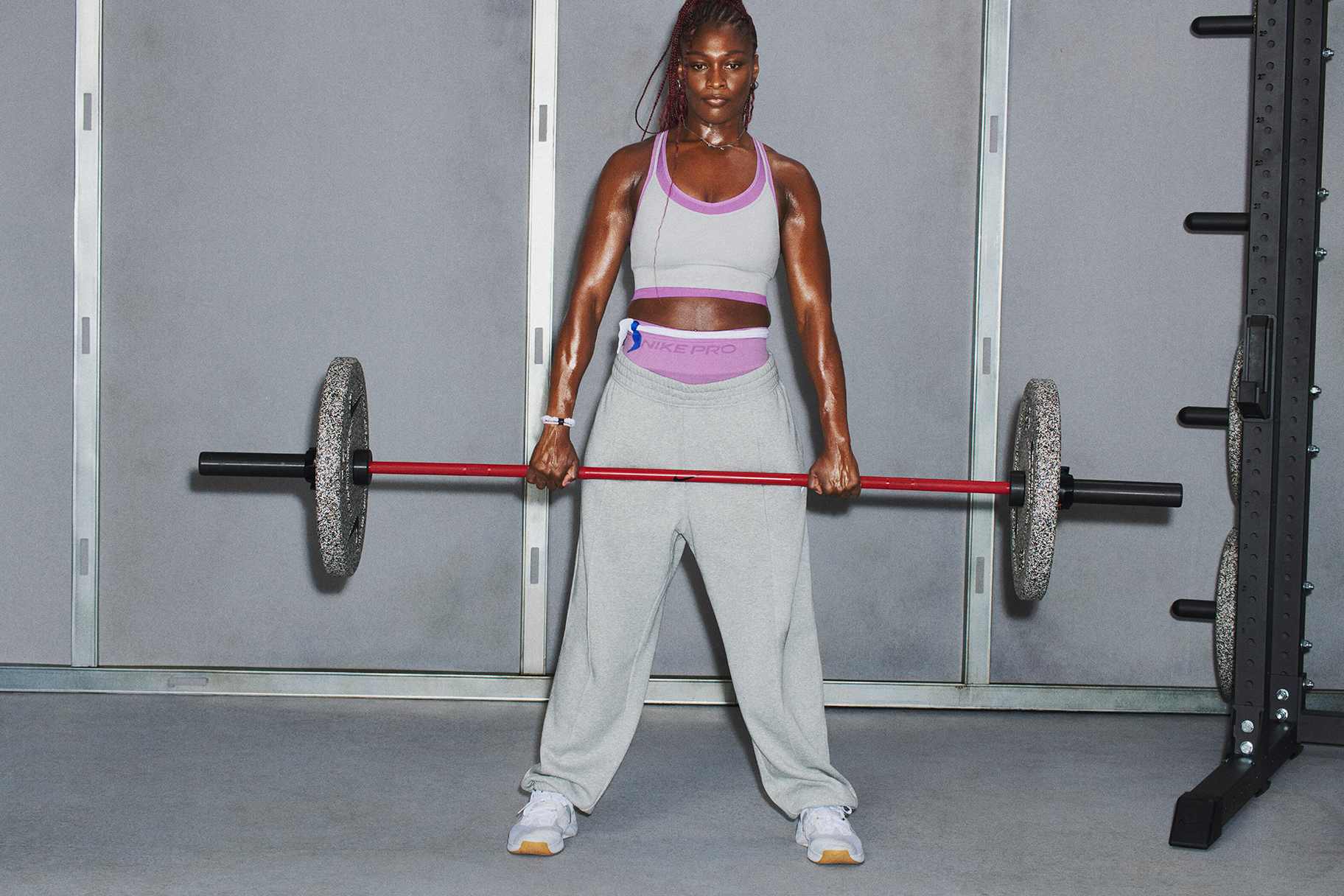
When [strength training](https://www.nike.com/za/a/strength-training-benefits-metabolism), we often think about the muscles in the upper arm, but the forearms are equally important. Whether you're an athlete or not, the forearms are involved in everyday activities from carrying shopping bags to playing tennis or golf, making them a muscle group everyone can train.
"Strong forearms are essential for lifting, throwing, swinging, everyday activities like carrying bags or typing, making them a foundational but often overlooked part of the performance and injury prevention programme", says certified strength and conditioning specialist Clif Marshall, senior director of coaching and pro training at D1 Training.
Forearm strength also plays a role in how much you can progress. "If you don't have enough forearm and grip strength to hold the weight, then you're going to hold yourself back to be able to do heavier weights and continue to train at a higher intensity", says physical therapist [Dennis Colón](https://www.denniscolon.com/), PT, DPT, and director of player health at Alliance Regen & Rehab.
Grip strength is also often used as a health indicator. A [2021 review and meta-analyses](https://www.sciencedirect.com/science/article/pii/S2095254620300752) of existing research concluded that grip strength is a useful indicator of general health status, disability, leg power, early all-cause mortality and cardiovascular mortality.
"Grip strength is one of the first things that goes as we get older and it's something that we have to really be thinking about when we talk about strength training", says Noelle McKenzie, ACE CPT, co-founder of [Leading Edge Personal Trainers](https://leadingedgeny.com/).
But this doesn't mean you have to hyperfocus on your forearm strength. Certified personal trainer Rick Richey, NASM, DHSc, MS and LMT, says it's not so much that grip strength means you'll live longer, but rather likely means you're living a healthier lifestyle overall.
"People who have stronger grip strength are probably standing up, picking things up, carrying things, moving things", he says. "It's an indicator of a more active and more strength-based lifestyle and that lifestyle can be correlated to grip strength, and that grip strength is correlated to longevity".
Here are nine expert-recommended exercises to target all areas of the forearm and enhance strength and performance
## Shop Nike Women's High-Support Sports Bras
[View All](https://www.nike.com/za/w/womens-high-support-sports-bras-40qgmz4wlitz5e1x6)
- [
\
Nike Swift
\
Women's High-Support Lightly Lined Sports Bra
\
__R 1 399,95__](https://www.nike.com/za/t/swift-womens-high-support-lightly-lined-sports-bra-CnXgCJKT/HM5220-654)
- [
\
Nike Indy High-Support
\
Women's Padded Adjustable Sports Bra
\
__R 1 099,95__](https://www.nike.com/za/t/indy-high-support-womens-padded-adjustable-sports-bra-LkhG9z/FD1068-011)
- [
\
Nike Indy High-Support
\
Women's Padded Adjustable Sports Bra (Plus Size)
\
__R 1 099,95__](https://www.nike.com/za/t/indy-high-support-womens-padded-adjustable-sports-bra-plus-size-1m2wXW/FJ1971-011)
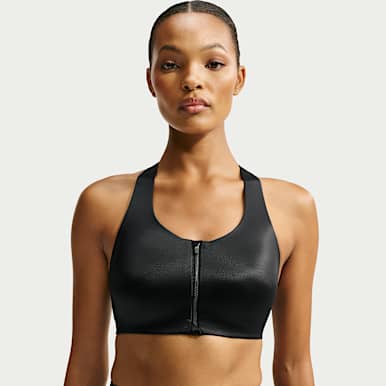
- [
\
NikeSKIMS Satin Shine
\
Women's Front-Zip Bra
\
__R 1 799,95__](https://www.nike.com/za/t/nikeskims-satin-shine-womens-front-zip-bra-HcAez9Rg/IR5064-054)
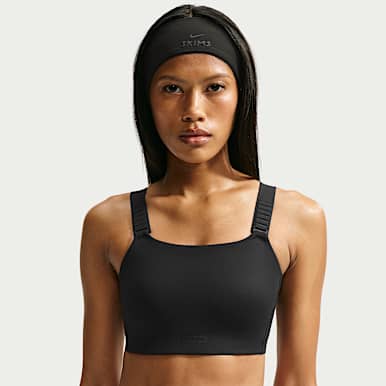
- [
\
NikeSKIMS Matte
\
Women's Wide-Strap Bra
\
__R 1 499,95__](https://www.nike.com/za/t/nikeskims-matte-womens-wide-strap-bra-hiiSjMG7/IR5043-054)
## At a Glance: How To Train Your Forearms
- __Exercises:__ dead hang, farmer's carry, wrist curls, reverse wrist curls, plate pinches, towel pull-up, wrist roller, ball squeezes, thick-grip bench press
- __Recommended frequency:__ depending on exercise and fitness level, 2–3 times per week, 2–4 sets, 8–20 reps, avoiding overuse
- __Benefits:__ training the forearms is good for injury prevention and increasing grip strength, which can help you lift more. Your forearms are the area of your arms that run from your elbow to your wrist. They contain [two bones](https://www.ncbi.nlm.nih.gov/books/NBK536975/#:~:text=Introduction,compartments%20together%20have%20twenty%20muscles.)—the radius and the ulna—along with two compartments, the anterior (flexor) muscles and posterior (extensor) muscles. Together, both compartments have 20 muscles.
## What Are Your Forearm Muscles?
There are about 20 muscles in each forearm running between the elbow and wrist. There are two main compartments of muscles: the anterior and posterior. "Together, these muscles influence grip strength, wrist control and elbow stability", Marshall says.
The anterior compartment is primarily made up of flexors, such as the flexor carpi radialis and flexor carpi ulnaris, and pronators, which are responsible for flexing the wrist and fingers and pronating the forearm.
The posterior compartment is made up of extensors and supinators, which extend the wrist and fingers, flex the elbow, move the thumb and wrist from side to side and supinate the forearm.
John Gallucci Jr., MS, ATC, PT, DPT and CEO of [JAG Physical Therapy](https://www.jagpt.com/), offers a good way to think about the forearm muscles: when you move your hand back towards you, you're working the extensors. When you move your hand down, you're working the flexors.
## How To Assess Forearm Strength
The primary way to assess forearm strength is via a dynamometer. It's a tool often used in research, which measures force by squeezing it.
The dead hang is another, more accessible way to gauge your forearm strength. All you need is a pull-up bar from which to hang, making sure your feet aren't touching the ground. Marshall says a good standard is to be able to hold your weight for 30 seconds, with 45 seconds being great and 60 to 90 seconds elite.
## Best Exercises To Build Forearm Strength
When strengthening the forearm, Colón says you want to make sure you're working all directions of the wrist. This includes flexions and extensions (up and down), ulnar and radial deviations (side to side), along with pronation and supination (rotation). Below, you'll find nine expert-recommended exercises to build forearm strength.
Before starting your workout (and after warming up), Gallucci recommends performing a flexion and extension stretch. To do this, stick your right arm out in front of you with the palm of your hand facing down. Use your left hand to pull your right hand and fingers towards your chest, holding the stretch for 15 seconds. Repeat by pulling the hand and fingertips downwards, holding the position for 15 seconds. Repeat for a total of three sets before switching sides.
## Sets and Reps
Your rep range depends on the weight you're using. Colón's general recommendation is to perform two to three sets of 10 to 12 reps, which can increase to 15 to 20 reps for more advanced lifters.
## 1. Dead Hang
The dead hang, also a good assessment of forearm strength, is a key exercise to incorporate into your workout to target your grip. Grab a pull-up bar so that the backs of your hands face you. Allow your legs to drop and hang down, without touching the ground.
## 2. Farmer's Carry
"Farmer's carries are probably my favourite of all the forearm exercises because it trains your forearms for everyday activities", Marshall says, adding that it targets your grip strength, shoulder stability and core.
The farmer's carry can be performed with a kettlebell or dumbbell in each hand. He recommends starting with 50 percent of your body weight and dividing that between hands. Brace your core and walk with hands and weights by your sides for 20 to 30 seconds.
## 3. Wrist Curls
"Wrist curls are a great exercise to improve strong grip", Marshall says. He recommends starting with light to moderate weights and focusing on technique and control, moving slowly through each rep. If you're doing it correctly, he says you should feel a burn in your forearms.
You can use a barbell or two dumbbells. Start in a supinated position with your palms facing up. If you're sitting, you can rest your forearms on your thighs, and if you're kneeling, you can rest them on a bench. Slowly curl your wrists so the dumbbells move towards you and return to the starting position.
## 4. Reverse Wrist Curls
Unlike wrist curls, which work the flexors, reverse wrist curls target the extensors. The set-up for reverse wrist curls is the same as wrist curls, but you'll start with your palms facing down in a pronated position. Your hands can hang off your thighs or a bench. Slowly curl your knuckles towards you and then curl up and lower back down to the starting position.
## 5. Plate Pinches
Plate pinches, Gallucci says, target the extensors and grip. Stand with your hands at your sides, each gripping the edge of a plate. Your grip should have a thumb on the side closest to you and the other four fingers on the other side of the plate. Pinch the plates and hold.
## 6. Thick-Grip Bench Press
This is a classic [bench press](https://www.nike.com/za/a/bench-press-muscles-worked), with a twist. The barbell or handles of the dumbbells will be thicker by adding an attachable sleeve. "The thicker the grip, the more forearm recruitment of muscle you're going to get", Marshall says.
After adding the attachments, sit on a bench with a dumbbell resting vertically on each knee. Lie down so your back is resting on the bench, your elbows are bent and the dumbbells are above your chest at about a 45-degree angle. Push the dumbbells, straightening your arms, and slowly lower.
## 7. Ball Squeezes
Ball squeezes are a great exercise for beginners who want to target grip strength. Squeeze a tennis ball in one hand, holding for a second before releasing. Repeat before alternating hands.
## 8. Wrist Roller
A wrist roller is a tool consisting of a bar with a weight hanging off attached by a long strap. Hold the bar horizontally in front of you with your arms straight. Rotate your wrists to roll the strap around the bar and lift the weight up to the bar. Next, you'll slowly lower the weight by reversing the motion of your wrists.
## 9. Towel Pull-Up
The towel pull-up, Marshall says, is a more advanced pull-up exercise that trains your forearms, back and biceps. To start, drape two towels around a pull-up bar. Grip one in each hand and bend your elbows to pull yourself up off the floor. Hold at the top and then lower back down.
## Shop Nike Gym Shoes
[View All](https://www.nike.com/za/w/training-gym-shorts-38fphz58jto)
- [
\
Nike 24.7 ImpossiblySoft
\
Men's Dri-FIT Shorts
\
__R 1 999,95__](https://www.nike.com/za/t/24-7-impossiblysoft-mens-dri-fit-shorts-ThFSs7Ha/IQ9048-333)
- [
\
Nike One
\
Women's Dri-FIT Mid-Rise 8cm (approx.) Brief-Lined Shorts
\
__R 849,95__](https://www.nike.com/za/t/one-womens-dri-fit-mid-rise-8cm-approx-brief-lined-shorts-935G5l/DX6010-392)
- [
\
Nike Pro
\
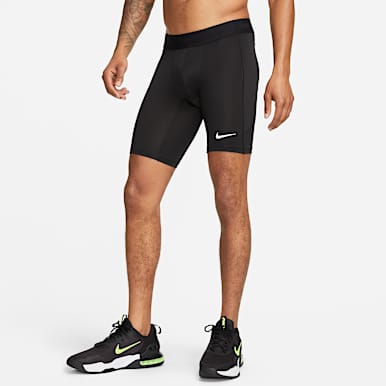
Men's Dri-FIT Fitness Long Shorts
\
__R 749,95__](https://www.nike.com/za/t/pro-mens-dri-fit-fitness-long-shorts-w8HDNr/FB7963-010)
- [
\
Nike One
\
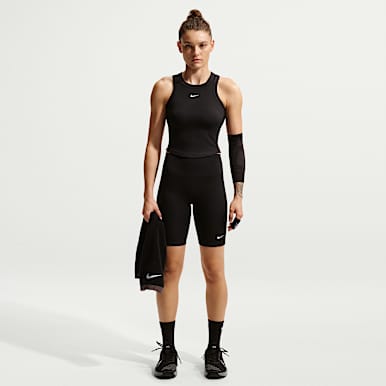
Women's High-Waisted 20.5cm (approx.) Biker Shorts
\
__R 849,95__](https://www.nike.com/za/t/one-womens-high-waisted-20-5cm-approx-biker-shorts-P59LeA9w/IO0581-010)
- [
\
Nike N.A.C.
\
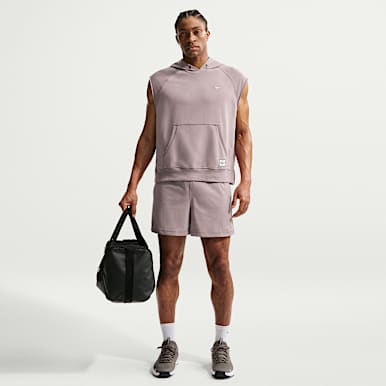
Men's Dri-FIT 12.5cm (approx.) Knit Training Shorts
\
__R 1 199,95__](https://www.nike.com/za/t/nac-mens-dri-fit-12-5cm-approx-knit-training-shorts-l6J5RrLZ/IF2212-226)
- [
\
Nike Pro 365
\
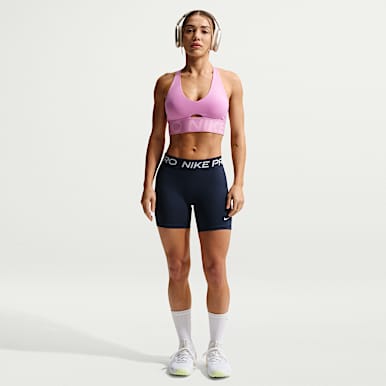
Women's 12.5cm (Approx.) Mid-Rise Shorts
\
__R 649,95__](https://www.nike.com/za/t/pro-365-womens-12-5cm-approx-mid-rise-shorts-Wo9GADOE/IQ6018-410)
- [
\
Nike Pro Sculpt
\
Women's Dri-FIT High-Waisted 12.5cm (approx.) Biker Shorts
\
__R 999,95__](https://www.nike.com/za/t/pro-sculpt-womens-dri-fit-high-waisted-12-5cm-approx-biker-shorts-LcpuyHfN/IB9103-412)
- [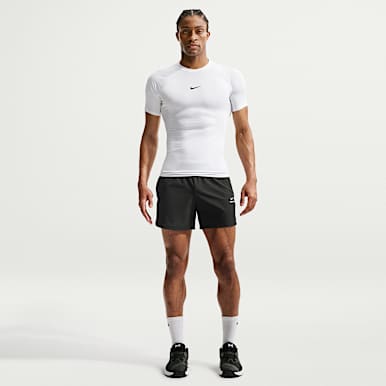
\
Nike Pro Training
\
Men's Dri-FIT 15cm (approx.) Shorts
\
__R 1 099,95__](https://www.nike.com/za/t/pro-training-mens-dri-fit-15cm-approx-shorts-bcRFGX/HV0411-010)
- [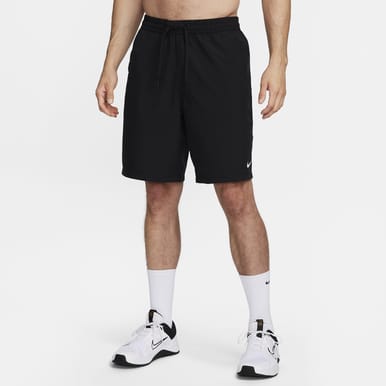
\
Nike Form
\
Men's Dri-FIT 23cm (approx.) Unlined Versatile Shorts
\
__R 899,95__](https://www.nike.com/za/t/form-mens-dri-fit-23cm-approx-unlined-versatile-shorts-KLZr72/FN2998-010)
- [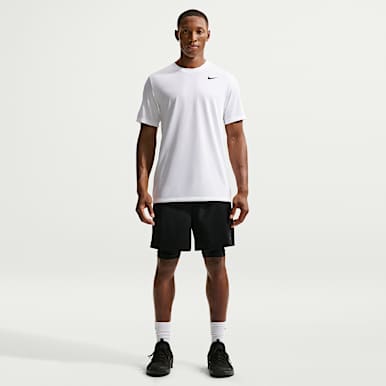
\
Nike Unlimited
\
Men's Dri-FIT 18cm (approx.) 2-in-1 Versatile Shorts
\
__R 1 399,95__](https://www.nike.com/za/t/unlimited-mens-dri-fit-18cm-approx-2-in-1-versatile-shorts-6Cf7Q3/DV9334-010)
## How Often To Train Your Forearms
In general, Marshall recommends training the forearms twice per week on non-consecutive days. For example, this could be Monday and Thursday or Tuesday and Friday.
"Your muscles actually grow and you get stronger when you're recovering", he says.
## Common Mistakes When Training the Forearms
- __Training the forearms at the beginning of a workout.__ This is a mistake not to make, especially if you're planning to do exercises that involve pulling and gripping. "If you fatigue your forearms at the beginning of your workout, it's hard to hold on to do any other exercise", Richey says.
- __Not supporting your wrist.__ As you progress to heavier weights, Colón says it's important to make sure you're not stressing your wrist joints too much.
- __Not allowing 48 hours in between sessions.__ Waiting 48 hours between sessions gives your muscles time to recover.
- __Lifting too heavy.__ Marshall says to start with light to moderate weights.
## Safety and When To See a Professional
There are overuse injuries that affect the forearms, such as [tennis elbow](https://www.nike.com/za/a/what-is-tennis-elbow), carpal tunnel and golfer's elbow, so it's important to pay attention to your body. The main indications of injury or the need to see a professional include pain, stiffness and lack of function, Gallucci says.
"If there's pain, the first thing that you should do is get evaluated by a physical therapist or your physician and find out what's going on", Richey adds.
## FAQs
Can I build forearm size with bodyweight only?
Yes, you can build forearm strength with bodyweight exercises. Some of these include dead hangs, towel pull-ups and ball squeezes.
What's the best forearm exercise for grip strength?
One of the most common responses amongst experts for strengthening grip is the farmers carry. As detailed previously, the farmers carry involves carrying weight on both sides of your body for a period of time. Another simple exercise is to perform ball squeezes.
Are forearm exercises safe if I have wrist pain?
If you're experiencing pain, it's best to get evaluated by a professional. On a scale of 0 to 10, Gallucci says if your pain reaches a 4, you shouldn't do that activity.
"Don't work through wrist pain", Richey says. Oftentimes, he explains, pain can be the result of weakness in the surrounding muscle. In this scenario, he says to perform exercises only in a range of motion where you don't feel pain. This builds up strength and flexibility in that joint.
Do I need forearm exercises if I already lift weights?
You don't necessarily need to incorporate isolated forearm exercises into every workout. Many strength-training exercises incorporate the forearms. But Colón adds that there are benefits to working on isolated forearm exercises, especially if you want to progress and lift heavier.
[](https://niketrainingclub.sng.link/Ara19/3ocq/gnbq?pcn=OGC%20Articles%20HO21&_dl=niketrainingclub%3A%2F%2Fx-callback-url%2Fworkout%2Ffeatured)
### Move Daily with Nike Training Club
Get free guidance from trainers and experts to strengthen your body and mind.
[Explore NTC](https://niketrainingclub.sng.link/Ara19/3ocq/gnbq?pcn=OGC%20Articles%20HO21&_dl=niketrainingclub%3A%2F%2Fx-callback-url%2Fworkout%2Ffeatured)
Originally published: 9 January 2026
## Related Stories
- 
[](https://www.nike.com/za/a/cardio-vs-strength-training)
# Activity
# Cardio vs Strength Training: Which Is Better and How Can You Combine Them?
- 
[](https://www.nike.com/za/a/what-muscles-do-planks-work)
# Sport & activity
# All the Muscles That Fire Up In a Plank
- 
[](https://www.nike.com/za/a/workout-for-beginner)
# Sport & Activity
# Starting to Build a Fitness Routine? Try This Trainer-Approved Workout for Beginners
- 
[](https://www.nike.com/za/a/best-exercises-for-triceps)
# Sport & Activity
# 8 Triceps Exercises for Building Strong Arms, According to Trainers
- 
[](https://www.nike.com/za/a/dead-bug-exercise)
# Sport & Activity
# Why the Dead Bug Exercise Belongs in Your Next Workout
Resources
[Find a Store](https://www.nike.com/za/retail/)
[Nike Journal](https://www.nike.com/za/stories)
[Become a Member](https://www.nike.com/za/membership)
[Feedback](https://www.nike.com#site-feedback)
[Promo Codes](https://www.nike.com/za/promo-code)
[Product Advice](https://www.nike.com/za/product-advice)
[Running Shoe Finder](https://www.nike.com/za/running/shoe-finder)
Help
[Get Help](https://www.nike.com/za/help)
[Order Status](https://www.nike.com/za/orders/details)
[Shipping and Delivery](https://www.nike.com/za/help/a/shipping-delivery-gs)
[Returns](https://www.nike.com/za/help/a/returns-policy-gs)
[Payment Options](https://www.nike.com/za/help/a/payment-options-gs)
[Contact Us](https://www.nike.com/za/help/#contact)
[Reviews](https://www.nike.com/za/help/a/reviews)
Company
[About Nike](https://about.nike.com/)
[News](https://news.nike.com/)
[Careers](https://jobs.nike.com/)
[Investors](https://investors.nike.com/)
[Sustainability](https://www.nike.com/za/sustainability)
[Purpose](https://www.nike.com/za/purpose)
[Nike Coaching](https://www.nike.com/za/coaching)
[Report a concern](https://secure.ethicspoint.com/domain/media/en/gui/56821/index.html)
Community Discounts
[Student](https://urldefense.com/v3/__https://services.sheerid.com/verify/68d55e7b273c5b3a03a5b76d/?locale=en-GB__%3B%21%21KLCbKzk%21nTvDkRbY-BbSpoWsFhAQdmMrehEzU3loDux4_exRVjO9--Ik_EbQNJ3bX2gkEwR7F9cVVROFKqLxE4B8uW6bnx4IPOiRLg%24)
[Teacher](https://urldefense.com/v3/__https://services.sheerid.com/verify/68dcfa39c3f2fd1cd3069932/?locale=en-GB__%3B%21%21KLCbKzk%21nTvDkRbY-BbSpoWsFhAQdmMrehEzU3loDux4_exRVjO9--Ik_EbQNJ3bX2gkEwR7F9cVVROFKqLxE4B8uW6bnx5n4vwR-Q%24)
[Resources](https://www.nike.com/za/help)
[Find a Store](https://www.nike.com/za/retail/)
[Nike Journal](https://www.nike.com/za/stories)
[Become a Member](https://www.nike.com/za/membership)
[Feedback](https://www.nike.com#site-feedback)
[Promo Codes](https://www.nike.com/za/promo-code)
[Product Advice](https://www.nike.com/za/product-advice)
[Running Shoe Finder](https://www.nike.com/za/running/shoe-finder)
[Help](https://www.nike.com/za/help)
[Get Help](https://www.nike.com/za/help)
[Order Status](https://www.nike.com/za/orders/details)
[Shipping and Delivery](https://www.nike.com/za/help/a/shipping-delivery-gs)
[Returns](https://www.nike.com/za/help/a/returns-policy-gs)
[Payment Options](https://www.nike.com/za/help/a/payment-options-gs)
[Contact Us](https://www.nike.com/za/help/#contact)
[Reviews](https://www.nike.com/za/help/a/reviews)
[Company](https://about.nike.com/en)
[About Nike](https://about.nike.com/)
[News](https://news.nike.com/)
[Careers](https://jobs.nike.com/)
[Investors](https://investors.nike.com/)
[Sustainability](https://www.nike.com/za/sustainability)
[Purpose](https://www.nike.com/za/purpose)
[Nike Coaching](https://www.nike.com/za/coaching)
[Report a concern](https://secure.ethicspoint.com/domain/media/en/gui/56821/index.html)
## Community Discounts
[Student](https://urldefense.com/v3/__https://services.sheerid.com/verify/68d55e7b273c5b3a03a5b76d/?locale=en-GB__%3B%21%21KLCbKzk%21nTvDkRbY-BbSpoWsFhAQdmMrehEzU3loDux4_exRVjO9--Ik_EbQNJ3bX2gkEwR7F9cVVROFKqLxE4B8uW6bnx4IPOiRLg%24)
[Teacher](https://urldefense.com/v3/__https://services.sheerid.com/verify/68dcfa39c3f2fd1cd3069932/?locale=en-GB__%3B%21%21KLCbKzk%21nTvDkRbY-BbSpoWsFhAQdmMrehEzU3loDux4_exRVjO9--Ik_EbQNJ3bX2gkEwR7F9cVVROFKqLxE4B8uW6bnx5n4vwR-Q%24)
South Africa
- © 2026 Nike, Inc. All rights reserved
- Guides
- [Nike Air](https://www.nike.com/za/air)
- [Nike Air Max](https://www.nike.com/za/air-max)
- [Nike FlyEase](https://www.nike.com/za/flyease)
- [Nike Pegasus](https://www.nike.com/za/running/runningzoom-pegasus-37)
- [Nike React](https://www.nike.com/za/react)
- [Nike Vaporfly](https://www.nike.com/za/running/vaporfly)
- [Terms of Use](https://agreementservice.svs.nike.com/za/en_gb/rest/agreement?agreementType=termsOfUse&uxId=com.nike.unite&country=ZA&language=en&requestType=redirect)
- [Terms of Sale](https://www.eshopworld.com/shoppers/help/terms-and-conditions-of-sale-en/)
- [Company Details](https://www.nike.com/za/help/a/company-details)
- [Privacy & Cookie Policy](https://agreementservice.svs.nike.com/za/en_gb/rest/agreement?agreementType=privacyPolicy&uxId=com.nike.unite&country=ZA&language=en&requestType=redirect)
- [Privacy & Cookie Settings](https://www.nike.com/za/guest/settings/privacy)
## Africa
- [__Egypt__
\
English](https://www.nike.com/eg/)
- [__Morocco__
\
English](https://www.nike.com/ma/en/)
- [__Maroc__
\
Français](https://www.nike.com/ma/)
- [__South Africa__
\
English](https://www.nike.com/za/)
## Americas
- [__Argentina__
\
Español](https://www.nike.com.ar)
- [__Brasil__
\
Português](https://www.nike.com.br)
- [__Canada__
\
English](https://www.nike.com/ca/)
- [__Canada__
\
Français](https://www.nike.com/ca/fr/)
- [__Chile__
\
Español](https://www.nike.cl)
- [__Colombia__
\
Español](https://www.nike.com.co)
- [__México__
\
Español](https://www.nike.com/mx/)
- [__Peru__
\
Español](https://www.nike.com.pe)
- [__Puerto Rico__
\
Español](https://www.nike.com/pr/)
- [__United States__
\
English](https://www.nike.com)
- [__Estados Unidos__
\
Español](https://www.nike.com/us/es/)
- [__Uruguay__
\
Español](https://www.nike.com.uy)
- [__Latin America__
\
Español](https://www.nike.com/xl/)
## Asia Pacific
- [__Australia__
\
English](https://www.nike.com/au/)
- [__中国大陆__
\
简体中文](https://www.nike.com.cn/)
- [__Hong Kong__
\
English](https://www.nike.com.hk/)
- [__香港__
\
繁體中文](https://www.nike.com.hk/)
- [__India__
\
English](https://www.nike.in/)
- [__Indonesia__
\
English](https://www.nike.com/id/)
- [__Japan__
\
English](https://www.nike.com/jp/en/)
- [__日本__
\
日本語](https://www.nike.com/jp/)
- [__대한민국__
\
한국어](https://www.nike.com/kr/)
- [__Malaysia__
\
English](https://www.nike.com/my/)
- [__New Zealand__
\
English](https://www.nike.com/nz/)
- [__Philippines__
\
English](https://www.nike.com/ph/)
- [__Singapore__
\
English](https://www.nike.com/sg/)
- [__台灣__
\
繁體中文](https://www.nike.com/tw/)
- [__ไทย__
\
ภาษาไทย](https://www.nike.com/th/)
- [__Vietnam__
\
English](https://www.nike.com/vn/)
## Europe
- [__Österreich__
\
Deutsch](https://www.nike.com/at/)
- [__Austria__
\
English](https://www.nike.com/at/en/)
- [__Belgien__
\
Deutsch](https://www.nike.com/be/de/)
- [__Belgium__
\
English](https://www.nike.com/be/en/)
- [__Belgique__
\
Français](https://www.nike.com/be/fr/)
- [__België__
\
Nederlands](https://www.nike.com/be/)
- [__Bulgaria__
\
English](https://www.nike.com/bg/)
- [__Croatia__
\
English](https://www.nike.com/hr/)
- [__Česká republika__
\
Čeština](https://www.nike.com/cz/)
- [__Czech Republic__
\
English](https://www.nike.com/cz/en/)
- [__Danmark__
\
Dansk](https://www.nike.com/dk/)
- [__Denmark__
\
English](https://www.nike.com/dk/en/)
- [__Finland__
\
English](https://www.nike.com/fi/)
- [__France__
\
Français](https://www.nike.com/fr/)
- [__Deutschland__
\
Deutsch](https://www.nike.com/de/)
- [__Ελλάδα__
\
ελληνικά](https://www.nike.com/gr/)
- [__Hungary__
\
English](https://www.nike.com/hu/en/)
- [__Magyarország__
\
Magyar](https://www.nike.com/hu/)
- [__Ireland__
\
English](https://www.nike.com/ie/)
- [__Israel__
\
English](https://www.nike.com/il/)
- [__Italia__
\
Italiano](https://www.nike.com/it/)
- [__Luxemburg__
\
Deutsch](https://www.nike.com/lu/de/)
- [__Luxembourg__
\
English](https://www.nike.com/lu/en/)
- [__Luxembourg__
\
Français](https://www.nike.com/lu/)
- [__Netherlands__
\
English](https://www.nike.com/nl/en/)
- [__Nederland__
\
Nederlands](https://www.nike.com/nl/)
- [__Norway__
\
English](https://www.nike.com/no/en/)
- [__Norge__
\
Norsk](https://www.nike.com/no/)
- [__Polska__
\
Polski](https://www.nike.com/pl/)
- [__Portugal__
\
English](https://www.nike.com/pt/en/)
- [__Portugal__
\
Português](https://www.nike.com/pt/)
- [__Romania__
\
English](https://www.nike.com/ro/)
- [__Россия__
\
Русский](https://www.nike.com/ru/)
- [__Slovakia__
\
English](https://www.nike.com/sk/)
- [__Slovenia__
\
English](https://www.nike.com/si/)
- [__Espanya__
\
Català](https://www.nike.com/es/ca/)
- [__España__
\
Español](https://www.nike.com/es/)
- [__Sweden__
\
English](https://www.nike.com/se/en/)
- [__Sverige__
\
Svenska](https://www.nike.com/se/)
- [__Schweiz__
\
Deutsch](https://www.nike.com/ch/)
- [__Switzerland__
\
English](https://www.nike.com/ch/en/)
- [__Suisse__
\
Français](https://www.nike.com/ch/fr/)
- [__Svizzera__
\
Italiano](https://www.nike.com/ch/it/)
- [__Türkiye__
\
Türkçe](https://www.nike.com/tr/)
- [__United Kingdom__
\
English](https://www.nike.com/gb/)
## Middle East
- [__Saudi Arabia__
\
English](https://www.nike.sa/en/home)
- [__المملكة العربية السعودية__
\
العربية](https://www.nike.sa/ar/home)
- [__United Arab Emirates__
\
English](https://www.nike.ae/en/home)
- [__الإمارات العربية المتحدة__
\
العربية](https://www.nike.ae/ar/home)
- [__Qatar__
\
English](https://www.nike.qa/en/home)
- [__دولة قطر__
\
العربية](https://www.nike.qa/ar/home)
- [__Kuwait__
\
English](https://www.nike.com.kw/en/home)
- [__الكويت__
\
العربية](https://www.nike.com.kw/ar/home)