[Skip to main content](https://www.nike.com#skip-to-content)
- [](https://www.nike.com/my/jordan)
- [Find a Store](https://www.nike.com/my/retail)
- [Help](https://www.nike.com/my/help)
[Help](https://www.nike.com/my/help)
- [Order Status](https://www.nike.com/my/orders)
- [Dispatch and Delivery](https://www.nike.com/my/help/a/shipping-delivery-gs)
- [Returns](https://www.nike.com/my/help/a/returns-policy-gs)
- [Contact Us](https://www.nike.com/my/help/#contact)
- [Privacy Policy](https://agreementservice.svs.nike.com/my/en_gb/rest/agreement?agreementType=privacyPolicy&uxId=com.nike.unite&country=MY&language=en&requestType=redirect)
- [Terms of Sale](https://www.eshopworld.com/shoppers/help/retailer/nike/terms-and-conditions-of-sale-en/)
- [Terms of Use](https://agreementservice.svs.nike.com/my/en_gb/rest/agreement?agreementType=termsOfUse&uxId=com.nike&country=MY&language=en&requestType=redirect)
- [Send Us Feedback](https://www.nike.com#site-feedback)
- [Join Us](https://www.nike.com/my/membership)
- [Sign In](https://www.nike.com/my/register)
[](https://www.nike.com/my/)
- New & Featured
- Featured
- [Upcoming Drops](https://www.nike.com/my/w/new-upcoming-drops-k0gk)
- [New Arrivals](https://www.nike.com/my/w/new-3n82y)
- [Bestsellers](https://www.nike.com/my/w/best-76m50)
- [SNKRS Launch Calendar](https://www.nike.com/my/launch)
- [Customise with Nike By You](https://www.nike.com/my/nike-by-you)
- [Jordan](https://www.nike.com/my/jordan)
- [Kobe Bryant](https://www.nike.com/sg/w/kobe-pgd6)
- [LeBron James](https://www.nike.com/my/basketball/lebron-james)
- Trending
- [Travel Essentials](https://www.nike.com/my/w/travel-collection-951k)
- [Just Do the Work](https://www.nike.com/my/w/nike-training-gym-58jtoz7yfb)
- [More Colours, More Running](https://www.nike.com/my/w/running-shoes-1sytgz37v7jz7gee1z8nexhzy7ok)
- [What's Trending](https://www.nike.com/my/w/trending-now-5fpm9)
- [24.7 Collection](https://www.nike.com/my/w/247-collection-asi8j)
- [Colours of the Season](https://www.nike.com/sg/w/fresh-colors-a499l)
- [Retro Running](https://www.nike.com/my/w/retro-running-8kemk)
- [Running Shoe Finder](https://www.nike.com/sg/running-shoe-finder)
- [Nike Mind](https://www.nike.com/sg/w/mind-game-avw)
- Shop Icons
- [Lifestyle](https://www.nike.com/my/sportswear)
- [Air Force 1](https://www.nike.com/my/w/air-force-1-shoes-5sj3yzy7ok)
- [Air Jordan 1](https://www.nike.com/my/w/jordan-1-shoes-aj85gzy7ok)
- [Air Max](https://www.nike.com/my/w/air-max-shoes-a6d8hzy7ok)
- [Dunk](https://www.nike.com/my/w/dunk-shoes-90aohzy7ok)
- [Cortez](https://www.nike.com/my/w/cortez-shoes-byfxzy7ok)
- [Blazer](https://www.nike.com/my/w/blazer-shoes-9gw3azy7ok)
- [Pegasus](https://www.nike.com/my/w/pegasus-shoes-8nexhzy7ok)
- [Vomero](https://www.nike.com/my/w/zoom-vomero-shoes-7gee1zy7ok)
- Shop By Sport
- [Running](https://www.nike.com/my/running)
- [Basketball](https://www.nike.com/my/basketball)
- [Football](https://www.nike.com/my/football)
- [Golf](https://www.nike.com/my/w/golf-23q9w)
- [Tennis & Pickleball](https://www.nike.com/my/tennis)
- [Gym & Training](https://www.nike.com/my/training)
- [Yoga](https://www.nike.com/my/w/yoga-anrlj)
- [Skateboarding](https://www.nike.com/my/skateboarding)
- [Trail Running](https://www.nike.com/my/w/trail-running-75jcn)
- [All Conditions Gear](https://www.nike.com/my/acg)
- [Men](https://www.nike.com/my/men)
- Featured
- [New Arrivals](https://www.nike.com/my/w/new-mens-3n82yznik1)
- [Bestsellers](https://www.nike.com/my/w/mens-best-76m50znik1)
- [All Conditions Gear](https://www.nike.com/my/w/mens-acg-93bsdznik1)
- [Shop All Sale](https://www.nike.com/my/w/mens-sale-3yaepznik1)
- [Shoes](https://www.nike.com/my/w/mens-shoes-nik1zy7ok)
- [All Shoes](https://www.nike.com/my/w/mens-shoes-nik1zy7ok)
- [Lifestyle](https://www.nike.com/my/w/mens-lifestyle-shoes-13jrmznik1zy7ok)
- [Jordan](https://www.nike.com/my/w/mens-jordan-shoes-37eefznik1zy7ok)
- [Running](https://www.nike.com/my/w/mens-running-shoes-37v7jznik1zy7ok)
- [Football](https://www.nike.com/my/w/mens-football-shoes-1gdj0znik1zy7ok)
- [Basketball](https://www.nike.com/my/w/mens-basketball-shoes-3glsmznik1zy7ok)
- [Gym & Training](https://www.nike.com/my/w/mens-training-gym-shoes-58jtoznik1zy7ok)
- [Tennis](https://www.nike.com/my/w/mens-tennis-shoes-ed1qznik1zy7ok)
- [Skateboarding](https://www.nike.com/my/w/mens-skateboarding-shoes-8mfrfznik1zy7ok)
- [Sandals & Slides](https://www.nike.com/my/w/mens-sandals-slides-fl76znik1)
- [Nike By You](https://www.nike.com/my/w/mens-nike-by-you-shoes-6ealhznik1zy7ok)
- [Trail Running](https://www.nike.com/my/w/mens-acg-trail-running-shoes-75jcnz93bsdznik1zy7ok)
- [Clothing](https://www.nike.com/my/w/mens-clothing-6ymx6znik1)
- [All Clothing](https://www.nike.com/my/w/mens-clothing-6ymx6znik1)
- [Tops & T-Shirts](https://www.nike.com/my/w/mens-tops-t-shirts-9om13znik1)
- [Shorts](https://www.nike.com/my/w/mens-shorts-38fphznik1)
- [Pants & Leggings](https://www.nike.com/my/w/mens-trousers-tights-2kq19znik1)
- [Hoodies & Sweatshirts](https://www.nike.com/my/w/mens-hoodies-sweatshirts-6riveznik1)
- [Jackets & Gilets](https://www.nike.com/my/w/mens-jackets-gilets-50r7yznik1)
- [Jerseys & Kits](https://www.nike.com/my/w/mens-kits-jerseys-3a41eznik1)
- [Jordan](https://www.nike.com/my/w/mens-jordan-clothing-37eefz6ymx6znik1)
- [All Conditions Gear](https://www.nike.com/my/w/mens-acg-clothing-6ymx6z93bsdznik1)
- Shop By Sport
- [Running](https://www.nike.com/my/w/mens-running-37v7jznik1)
- [Basketball](https://www.nike.com/my/w/mens-basketball-3glsmznik1)
- [Football](https://www.nike.com/my/w/mens-football-1gdj0znik1)
- [Golf](https://www.nike.com/my/w/mens-golf-23q9wznik1)
- [Tennis & Pickleball](https://www.nike.com/my/w/mens-tennis-ed1qznik1)
- [Gym & Training](https://www.nike.com/my/w/mens-training-gym-58jtoznik1)
- [Yoga](https://www.nike.com/my/w/mens-yoga-anrljznik1)
- [Skateboarding](https://www.nike.com/my/w/mens-skateboarding-8mfrfznik1)
- [Trail Running](https://www.nike.com/my/w/mens-trail-running-75jcnznik1)
- Accessories & Equipment
- [All Accessories & Equipment](https://www.nike.com/my/w/mens-accessories-equipment-awwpwznik1)
- [Bags & Backpacks](https://www.nike.com/my/w/mens-bags-backpacks-9xy71znik1)
- [Socks](https://www.nike.com/my/w/mens-socks-nik1zuwr3)
- [Hats & Headwear](https://www.nike.com/my/w/mens-hats-visors-headbands-31btsznik1)
- [Women](https://www.nike.com/my/women)
- Featured
- [New Arrivals](https://www.nike.com/my/w/new-womens-3n82yz5e1x6)
- [Bestsellers](https://www.nike.com/my/w/womens-best-5e1x6z76m50)
- [All Conditions Gear](https://www.nike.com/my/w/womens-acg-5e1x6z93bsd)
- [Shop All Sale](https://www.nike.com/my/w/womens-sale-3yaepz5e1x6)
- [Shoes](https://www.nike.com/my/w/womens-shoes-5e1x6zy7ok)
- [All Shoes](https://www.nike.com/my/w/womens-shoes-5e1x6zy7ok)
- [Lifestyle](https://www.nike.com/my/w/womens-lifestyle-shoes-13jrmz5e1x6zy7ok)
- [Jordan](https://www.nike.com/my/w/womens-jordan-shoes-37eefz5e1x6zy7ok)
- [Running](https://www.nike.com/my/w/womens-running-shoes-37v7jz5e1x6zy7ok)
- [Gym & Training](https://www.nike.com/my/w/womens-training-gym-shoes-58jtoz5e1x6zy7ok)
- [Tennis](https://www.nike.com/my/w/womens-tennis-shoes-5e1x6zed1qzy7ok)
- [Football](https://www.nike.com/my/w/womens-football-shoes-1gdj0z5e1x6zy7ok)
- [Basketball](https://www.nike.com/my/w/womens-basketball-shoes-3glsmz5e1x6zy7ok)
- [Sandals & Slides](https://www.nike.com/my/w/womens-sandals-slides-5e1x6zfl76)
- [Nike By You](https://www.nike.com/my/w/womens-nike-by-you-shoes-5e1x6z6ealhzy7ok)
- [Trail Running](https://www.nike.com/my/w/womens-acg-trail-running-shoes-5e1x6z75jcnz93bsdzy7ok)
- [Clothing](https://www.nike.com/my/w/womens-clothing-5e1x6z6ymx6)
- [All Clothing](https://www.nike.com/my/w/womens-clothing-5e1x6z6ymx6)
- [Performance Essentials](https://www.nike.com/my/w/womens-back-to-basics-5e1x6zkkjj)
- [Tops & T-Shirts](https://www.nike.com/my/w/womens-tops-t-shirts-5e1x6z9om13)
- [Sports Bras](https://www.nike.com/my/w/womens-sports-bras-40qgmz5e1x6)
- [Pants & Leggings](https://www.nike.com/my/w/womens-trousers-tights-2kq19z5e1x6)
- [Shorts](https://www.nike.com/my/w/womens-shorts-38fphz5e1x6)
- [Hoodies & Sweatshirts](https://www.nike.com/my/w/womens-hoodies-sweatshirts-5e1x6z6rive)
- [Jackets & Gilets](https://www.nike.com/my/w/womens-jackets-gilets-50r7yz5e1x6)
- [Skirts & Dresses](https://www.nike.com/my/w/womens-skirts-dresses-5e1x6z8y3qp)
- [Modest Wear](https://www.nike.com/my/w/modest-wear-22fj5)
- [All Conditions Gear](https://www.nike.com/my/w/womens-acg-clothing-5e1x6z6ymx6z93bsd)
- Shop By Sport
- [Yoga](https://www.nike.com/my/w/womens-yoga-5e1x6zanrlj)
- [Running](https://www.nike.com/my/w/womens-running-37v7jz5e1x6)
- [Gym & Training](https://www.nike.com/my/w/womens-training-gym-58jtoz5e1x6)
- [Basketball](https://www.nike.com/my/w/womens-basketball-3glsmz5e1x6)
- [Tennis & Pickleball](https://www.nike.com/my/w/womens-tennis-5e1x6zed1q)
- [Golf](https://www.nike.com/my/w/womens-golf-23q9wz5e1x6)
- [Football](https://www.nike.com/my/w/womens-football-1gdj0z5e1x6)
- [Skateboarding](https://www.nike.com/my/w/womens-skateboarding-5e1x6z8mfrf)
- [Trail Running](https://www.nike.com/my/w/womens-trail-running-5e1x6z75jcn)
- Accessories & Equipment
- [All Accessories & Equipment](https://www.nike.com/my/w/womens-accessories-equipment-5e1x6zawwpw)
- [Bags & Backpacks](https://www.nike.com/my/w/womens-bags-backpacks-5e1x6z9xy71)
- [Socks](https://www.nike.com/my/w/womens-socks-5e1x6zuwr3)
- [Hats & Headwear](https://www.nike.com/my/w/womens-hats-visors-headbands-31btsz5e1x6)
- [Kids](https://www.nike.com/my/kids)
- Featured
- [New Arrivals](https://www.nike.com/my/w/new-kids-3n82yzv4dh)
- [Bestsellers](https://www.nike.com/my/w/kids-best-76m50zv4dh)
- [Back to School](https://www.nike.com/my/w/back-to-school-840ik)
- [Sport Gear](https://www.nike.com/my/w/kids-gym-running-22fovzv4dh)
- [Lifestyle Looks](https://www.nike.com/my/w/kids-lifestyle-13jrmzv4dh)
- [Nike x LEGO®](https://www.nike.com/my/lego)
- [All Conditions Gear](https://www.nike.com/my/w/kids-acg-93bsdzv4dh)
- [Nike Teens](https://www.nike.com/my/teens)
- Shoes
- [All Shoes](https://www.nike.com/my/w/kids-shoes-v4dhzy7ok)
- [Lifestyle](https://www.nike.com/my/w/kids-lifestyle-shoes-13jrmzv4dhzy7ok)
- [Jordan](https://www.nike.com/my/w/kids-jordan-shoes-37eefzv4dhzy7ok)
- [Football](https://www.nike.com/my/w/kids-football-shoes-1gdj0zv4dhzy7ok)
- [Running](https://www.nike.com/my/w/kids-running-shoes-37v7jzv4dhzy7ok)
- [Basketball](https://www.nike.com/my/w/kids-basketball-shoes-3glsmzv4dhzy7ok)
- Clothing
- [All Clothing](https://www.nike.com/my/w/kids-clothing-6ymx6zv4dh)
- [Tops & T-Shirts](https://www.nike.com/my/w/kids-tops-t-shirts-9om13zv4dh)
- [Sport Bras](https://www.nike.com/my/w/kids-sports-bras-40qgmzv4dh)
- [Hoodies & Sweatshirts](https://www.nike.com/my/w/kids-hoodies-sweatshirts-6rivezv4dh)
- [Pants & Leggings](https://www.nike.com/my/w/kids-trousers-tights-2kq19zv4dh)
- [Shorts](https://www.nike.com/my/w/kids-shorts-38fphzv4dh)
- [Jackets & Gilets](https://www.nike.com/my/w/kids-jackets-gilets-50r7yzv4dh)
- [All Conditions Gear](https://www.nike.com/my/w/kids-acg-clothing-6ymx6z93bsdzv4dh)
- Kids By Age
- [Older Kids (7 - 14 years)](https://www.nike.com/my/w/older-kids-agibjzv4dh)
- [Younger Kids (4 - 7 years)](https://www.nike.com/my/w/little-kids-6dacezv4dh)
- [Babies & Toddlers (0 - 4 years)](https://www.nike.com/my/w/baby-toddlers-kids-2j488zv4dh)
- Shop By Sports
- [Football](https://www.nike.com/my/w/kids-football-1gdj0zv4dh)
- [Running](https://www.nike.com/my/w/kids-running-37v7jzv4dh)
- [Basketball](https://www.nike.com/my/w/kids-basketball-3glsmzv4dh)
- [Gym & Training](https://www.nike.com/my/w/kids-training-gym-58jtozv4dh)
- [Accessories & Equipment](https://www.nike.com/my/w/kids-accessories-equipment-awwpwzv4dh)
- [All Accessories & Equipment](https://www.nike.com/my/w/kids-accessories-equipment-awwpwzv4dh)
- [Bags & Backpacks](https://www.nike.com/my/w/kids-bags-backpacks-9xy71zv4dh)
- [Socks](https://www.nike.com/my/w/kids-socks-uwr3zv4dh)
- [Hats & Headwear](https://www.nike.com/my/w/kids-hats-55olazv4dh)
- [Sale](https://www.nike.com/my/w/sale-3yaep)
- Sale & Offers
- [Shop All Sale](https://www.nike.com/my/w/sale-3yaep)
- [Bestsellers](https://www.nike.com/my/w/sale-best-3yaepz76m50)
- [Last Chance](https://www.nike.com/my/w/sale-low-inventory-3yaepz52uxv)
- [Men's Sale](https://www.nike.com/my/w/mens-sale-3yaepznik1)
- [Shoes](https://www.nike.com/my/w/mens-sale-shoes-3yaepznik1zy7ok)
- [Clothing](https://www.nike.com/my/w/mens-sale-clothing-3yaepz6ymx6znik1)
- [Accessories & Equipment](https://www.nike.com/my/w/mens-sale-accessories-equipment-3yaepzawwpwznik1)
- [Women's Sale](https://www.nike.com/my/w/womens-sale-3yaepz5e1x6)
- [Shoes](https://www.nike.com/my/w/womens-sale-shoes-3yaepz5e1x6zy7ok)
- [Clothing](https://www.nike.com/my/w/womens-sale-clothing-3yaepz5e1x6z6ymx6)
- [Accessories & Equipment](https://www.nike.com/my/w/womens-sale-accessories-equipment-3yaepz5e1x6zawwpw)
- [Kids' Sale](https://www.nike.com/my/w/kids-sale-3yaepzv4dh)
- [Shoes](https://www.nike.com/my/w/kids-sale-shoes-3yaepzv4dhzy7ok)
- [Clothing](https://www.nike.com/my/w/kids-sale-clothing-3yaepz6ymx6zv4dh)
- [Accessories & Equipment](https://www.nike.com/my/w/kids-sale-accessories-equipment-3yaepzawwpwzv4dh)
- Shop By Sports
- [Football](https://www.nike.com/my/w/sale-football-1gdj0z3yaep)
- [Running](https://www.nike.com/my/w/sale-running-37v7jz3yaep)
- [Basketball](https://www.nike.com/my/w/sale-basketball-3glsmz3yaep)
- [Gym & Training](https://www.nike.com/my/w/sale-training-gym-3yaepz58jto)
- [Tennis](https://www.nike.com/my/w/sale-tennis-3yaepzed1q)
- [SNKRS](https://www.nike.com/my/launch)
Cancel
Cancel
Popular Search Terms
[nikeskims](https://www.nike.com/my/w?q=nikeskims&vst=nikeskims)[pegasus plus 2](https://www.nike.com/my/w?q=pegasus%20plus%202&vst=pegasus%20plus%202)[air max](https://www.nike.com/my/w?q=air%20max&vst=air%20max)[p6000](https://www.nike.com/my/w?q=p6000&vst=p6000)[vomero](https://www.nike.com/my/w?q=vomero&vst=vomero)[air force 1](https://www.nike.com/my/w?q=air%20force%201&vst=air%20force%201)[bag](https://www.nike.com/my/w?q=bag&vst=bag)[acg](https://www.nike.com/my/w?q=acg&vst=acg)
[](https://www.nike.com/my/favorites "Favourites")[](https://www.nike.com/my/cart "Bag Items: 0")
# The Top Exercises and Stretches for Hip Mobility, According to Physiotherapists
##### Sport & activity
Ease hip tightness, increase range of motion and move more freely with these mobility drills and stretches recommended by physical therapists.
Last updated: 15 December 2025
8 min read

Your hips power almost everything you do:[](https://www.nike.com/a/what-is-power-walking) [walking](https://www.nike.com/my/a/what-is-power-walking), sitting down at your desk,[](https://www.nike.com/a/how-to-sprint-properly) [sprinting](https://www.nike.com/my/a/how-to-sprint-properly) up a hill, flowing through[](https://www.nike.com/a/beginner-yoga-poses) [yoga poses](https://www.nike.com/my/a/beginner-yoga-poses). Because the hip joint is a ball-and-socket joint with a large range of motion, keeping the surrounding muscles mobile and strong is essential for moving with ease.
When the hip flexors, glutes, hamstrings or deep hip rotators become tight, your ability to access internal and external rotation and full hip extension can shrink. That limited range can impact performance, slow down your stride or increase injury risk, says André Williams, DPT. Whether you're a runner, a[](https://www.nike.com/a/benefits-of-hiit-workouts) [HIIT](https://www.nike.com/my/a/benefits-of-hiit-workouts) beginner or someone who simply wants to move with more ease, incorporating a few targeted mobility drills into your routine can significantly improve flexibility and functional strength.
These expert-approved hip mobility exercises help improve hip extension and rotation and full-body stability. Add a few to your dynamic warm-up or strength-training routine.
## The Best Hip Mobility Exercises and Stretches
## 1. Hip Aeroplane
__Benefit:__ Builds balance, improves rotation, reduces tight hips and trains controlled mobility through the entire hip joint
__How to do it:__ Stand on one leg and brace your core. Hinge forward at your hip so your torso is parallel to the floor and your other leg extends behind you. Rotate your belly button towards your standing leg and hold for 5 seconds, then rotate away and hold for 5 seconds. Repeat 5 to 10 times. Note: the hip aeroplane can be a difficult technique, especially if it's your first time trying. If balance is a challenge, lightly hold onto a wall or stable object for support.
__Muscles Worked:__ Glutes, deep hip rotators, hamstrings
__Movement Type:__ Controlled hip internal/external rotation, single-leg stability
## 2. Kettlebell Weight Shift
__Benefit:__ strengthens hip stabilisers and improves end-range control in hip external rotation
__How to do it:__ half-kneel on a firm surface with your front leg rotated outwards (about 2 to 3 on an imaginary clock). Keep your knee pointing toward your pinky toe. Hold a moderate-weight kettlebell and shift your weight into the lead leg for 5 to 10 seconds. Return to start and repeat 5 to 10 times per side.
__Muscles worked:__ glutes, hip flexors, adductors
__Movement type:__ external rotation under load, isometric strength
## 3. 90/90 Hip Stretch
__Benefit:__ improves hip internal and external rotation and helps restore full hip range of motion
__How to do it:__ sit with one leg in front and one behind you, both knees bent at 90 degrees. Place your hand on the floor beside your front leg (use a yoga block if needed). Hinge forward from your hips, keeping your back flat. Hold 5 to 10 seconds, then return and repeat 5 to 10 times. Switch sides and repeat.
__Muscles worked:__ hip rotators, glutes, obliques
__Movement type:__ rotation, static stretch with active control
## 4. Spiderman Lunge
__Benefit:__ opens the hip flexors and groin while activating the core and glutes for dynamic mobility
__How to do it:__ start in a plank. Step your right foot outside your right hand. Hold 3 to 5 seconds, return to plank and change sides. Perform 5 to 10 reps per side.
__Muscles worked:__ hip flexors, adductors, glutes, core
__Movement type:__ dynamic stretch, hip flexion and external rotation
## 5. Child's Pose
__Benefit:__ lengthens the hips and lower back while reducing tension in the deep hip rotators
__How to do it:__ kneel and sit back onto your heels. Lean forward, resting your forehead on the ground with arms extended. Widen your knees to deepen the stretch. Hold for at least 10 seconds.
__Muscles worked:__ hip rotators, low-back muscles
__Movement type:__ static stretch, hip external rotation
## 6. Lateral Lunge (Side Lunge)
__Benefit:__ strengthens the glutes and adductors while improving lateral hip mobility
__How to do it:__ stand with feet hip-width apart. Step wide to the right, bend your right knee and keep your left leg straight. Hold for 5 seconds. Return to standing and repeat on the other side for 10 total reps.
__Muscles worked:__ glutes, adductors, hamstrings
__Movement type:__ lateral hip mobility, dynamic strength
## Shop Nike Training & Gym Pants and Tights
[View All](https://www.nike.com/my/w/training-gym-trousers-tights-2kq19z58jto)
- [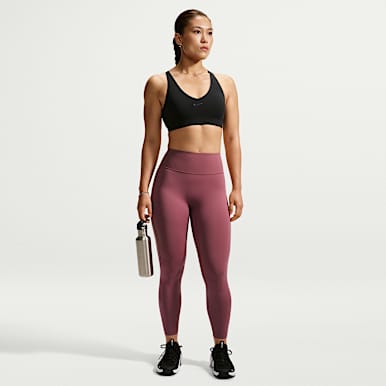
\
Nike Universa
\
Women's High-Waisted 7/8 Mesh Leggings
\
__RM 399__](https://www.nike.com/my/t/universa-womens-high-waisted-7-8-mesh-leggings-vR0vxp7V/IM9782-654)
- [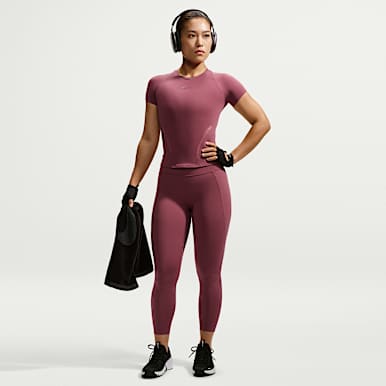
\
Nike Universa
\
Women's High-Waisted 7/8 Leggings with No Front Seam
\
__RM 349__](https://www.nike.com/my/t/universa-womens-high-waisted-7-8-leggings-with-no-front-seam-8KPjHw/HQ6814-654)
- [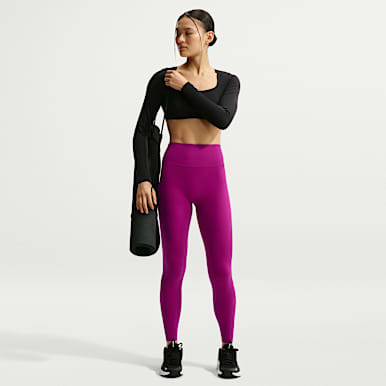
\
Nike Zenvy
\
Women's High-Waisted Full-Length Leggings with No Front Seam
\
__RM 329__](https://www.nike.com/my/t/zenvy-womens-high-waisted-full-length-leggings-with-no-front-seam-2EduW71G/II2863-630)
- [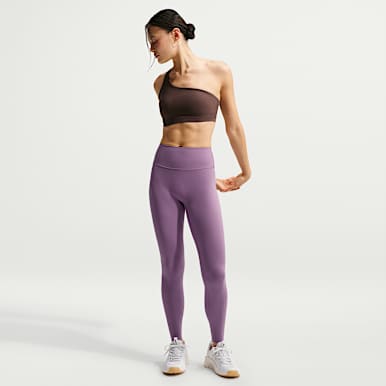
\
Nike Zenvy
\
Women's High-Waisted Full-Length Leggings with No Front Seam
\
__RM 329__](https://www.nike.com/my/t/zenvy-womens-high-waisted-full-length-leggings-with-no-front-seam-2EduW71G/II2863-536)
- [
\
Nike
\
Men's N.A.C. Dri-FIT Oversized Woven Trousers
\
__RM 289__](https://www.nike.com/my/t/mens-nac-dri-fit-oversized-woven-trousers-eBx5cHbK/IM5629-010)
- [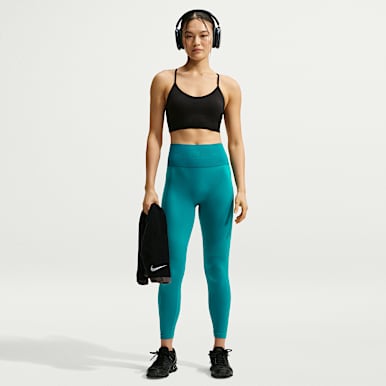
\
Nike Pro Seamless
\
Women's High-Waisted 7/8 Leggings
\
__RM 209__](https://www.nike.com/my/t/pro-seamless-womens-high-waisted-7-8-leggings-W8vc0mU3/IF1209-372)
- [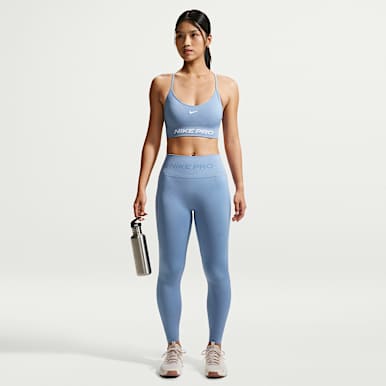
\
Nike Pro Seamless
\
Women's High-Waisted 7/8 Leggings
\
__RM 209__](https://www.nike.com/my/t/pro-seamless-womens-high-waisted-7-8-leggings-W8vc0mU3/IF1209-486)
- [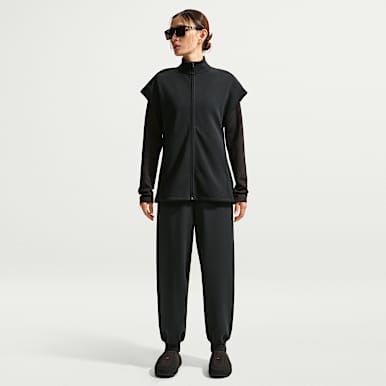
\
Nike 24.7 ImpossiblySoft
\
Women's Dri-FIT High-Rise Joggers
\
__RM 339__](https://www.nike.com/my/t/24-7-impossiblysoft-womens-dri-fit-high-rise-joggers-IV591LZm/IQ1034-010)
- [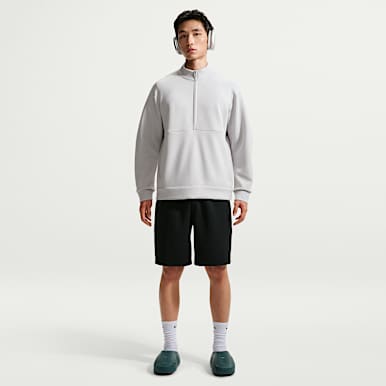
\
Nike 24.7 ImpossiblySoft
\
Men's Dri-FIT Shorts
\
__RM 289__](https://www.nike.com/my/t/24-7-impossiblysoft-mens-dri-fit-shorts-H7MB81DQ/IQ9049-010)
- [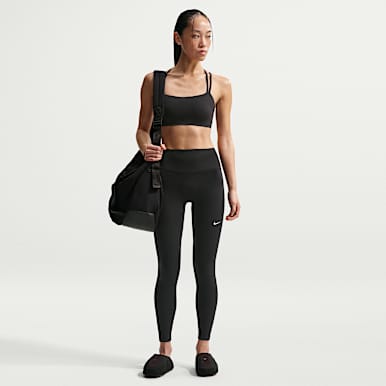
\
Nike One
\
Women's High-Waisted 7/8 Leggings
\
__RM 195__](https://www.nike.com/my/t/one-womens-high-waisted-7-8-leggings-Z4hQ1dyZ/IO0580-010)
## Why Is Hip Mobility Important?
Your body is built on an alternating pattern of mobile and stable joints. The hip joint is designed to be mobile, while the knees provide stability. Poor hip mobility can limit flexibility and range of motion. When the hip loses mobility, your body compensates by shifting motion elsewhere.
"If you lack hip mobility, it is more likely that you are compensating for it with your lower back," said Williams. This compensation can cause low back pain.
Reduced hip mobility can also lead to muscle strains, inefficient movement patterns and weaknesses that affect everyday activities like walking, climbing the stairs and carrying the shopping. Over time, these imbalances create a domino effect throughout the lower body.
## What's the Impact on Sports?
For athletes, mobility is even more crucial.
"Activities like weight training, golfing and field sports require quick changes of direction," said Carol Mack, D.P.T. "If your hip mobility is limited, it could put excess strain on other joints nearby, such as the back or knees."
It can also affect performance by decreasing running economy and increasing injury risk.
## How Can Hip Mobility Stretches Help?
Targeted stretching can release tension in the muscles around the hip joint and help restore full range of motion.
Improving hip mobility with targeted exercises and stretches "can help relieve tension and decrease any soft tissue barriers that may be causing your lack of hip mobility", Williams said.
Strengthening is just as important. Building strong glutes, hamstrings and hip flexors supports the joint and helps maintain balanced movement patterns.
Hip mobility drills can be added to a dynamic warm-up, cooldown or daily routine.
(Related:[](https://www.nike.com/a/benefits-of-stretching-daily) [5 benefits of stretching daily, according to experts](https://www.nike.com/my/a/benefits-of-stretching-daily))
## How Often Should You Do Hip Mobility Exercises?
If you want to improve hip mobility, consistency matters. If possible, get into a routine of doing hip exercises and stretches 3 to 5 times a week. Even short sessions, from five to 10 minutes, can help maintain range of motion and reduce stiffness.
If you've been consistent with these moves and still feel restricted, consider working with a physical therapist who can identify what's limiting you and offer a personalised plan.
## FAQ: Hip Mobility Exercises and Stretches
How long does it take to improve hip mobility?
Most people notice improvements in hip range of motion within two to four weeks when practising targeted exercises consistently. The timeline depends on factors like current flexibility, movement frequency and muscle tightness. Doing mobility work three to five times per week usually produces good results. Small gains such as easier squatting and less stiffness can appear even sooner.
Should I do hip exercises before or after a workout?
You'll get different benefits depending on when you do them. __Before a workout:__ dynamic hip movements (leg swings, controlled rotations, deep lunges) help warm the muscles, activate stabilisers and prepare your hips for movement. __After a workout:__ static stretching and longer holds help reduce tension, improve flexibility and support recovery. For most people, a combination of dynamic mobility before and deeper stretching after works well.
Can poor hip mobility cause lower back pain?
Yes. When the hips lack adequate mobility, especially in the hip flexors, glutes and internal rotators, the lower back often compensates. This added strain can contribute to lower back pain, reduced stability and inefficient movement patterns. Hip workouts can help distribute load more evenly across the pelvis and spine, reducing pressure on the lumbar region.
Is hip training safe for beginners?
Absolutely. Most hip exercises can be modified for any fitness level and are safe for beginners, as long as movements are slow, controlled and pain-free. Start with gentle movements, use support (blocks, walls or cushions) as needed, and avoid forcing deep stretches. If you have existing hip, knee or back injuries, consult a professional to choose the right exercises.
What are signs of poor hip condition?
Common signs include difficulty squatting deeply, tightness when sitting or standing, limited internal or external rotation, knee collapse in movements like lunges and persistent tightness in the hip flexors or glutes.
Can hip exercises help with tight hip flexors?
Yes. Many mobility drills specifically target the hip flexors, helping reduce stiffness from prolonged sitting. Combining strengthening (glutes, core) with stretching (lunges, supported bridges, psoas stretches) produces the best results.
How does improving hip mobility help with athletic performance?
Strengthening hips supports better stride length, stronger squats and deadlifts, more efficient jumping and smoother rotational movements. Athletes often see gains in speed, power and stability when hip mobility improves.
What's the difference between hip mobility and hip flexibility?
__Flexibility__ refers to how far a muscle can stretch. __Mobility__ refers to how well the joint moves through its full range of motion with control. Good hip health requires both: mobility for functional movement and flexibility for muscle length and comfort.
[](https://niketrainingclub.sng.link/Ara19/3ocq/gnbq?pcn=OGC%20Articles%20HO21&_dl=niketrainingclub%3A%2F%2Fx-callback-url%2Fworkout%2Ffeatured)
### Move Daily with Nike Training Club
Get free guidance from trainers and experts to strengthen your body and mind.
[Explore NTC](https://niketrainingclub.sng.link/Ara19/3ocq/gnbq?pcn=OGC%20Articles%20HO21&_dl=niketrainingclub%3A%2F%2Fx-callback-url%2Fworkout%2Ffeatured)
Originally published: 11 August 2022
## Related Stories
- 
[](https://www.nike.com/my/a/best-outdoor-workout)
# Sports & Activity
# 7 Expert-Approved Outdoor Workout Ideas, Backed by Science
- 
[](https://www.nike.com/my/a/how-many-days-a-week-workout)
# Activity
# How Many Days a Week Should You Work Out? A Trainer-Backed Guide
- 
[](https://www.nike.com/my/a/benefits-of-hiit-workouts)
# Sport & activity
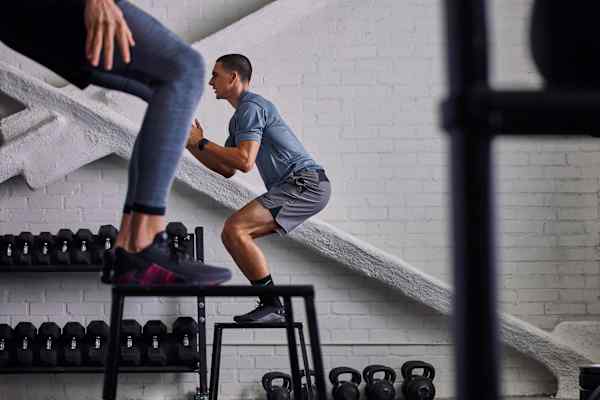
# Is High-Intensity Interval Training (HIIT) Overrated?
- 
[](https://www.nike.com/my/a/air-zoom-hyperslide-recovery-slide)
# Product News
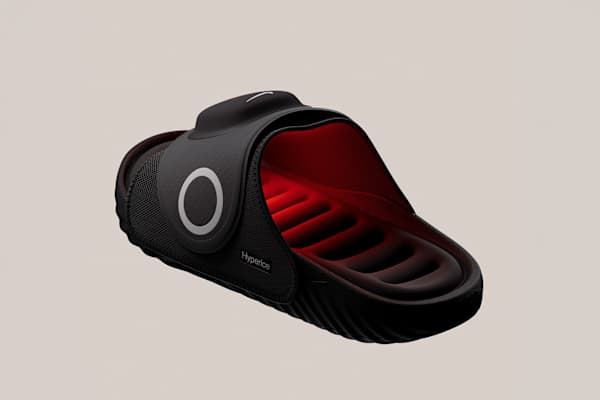
# Nike Air Zoom Hyperslide: The Nike x Hyperice Recovery Slide, Explained
- 
[](https://www.nike.com/my/a/how-to-pick-the-right-nike-fleece)
# Buying Guide
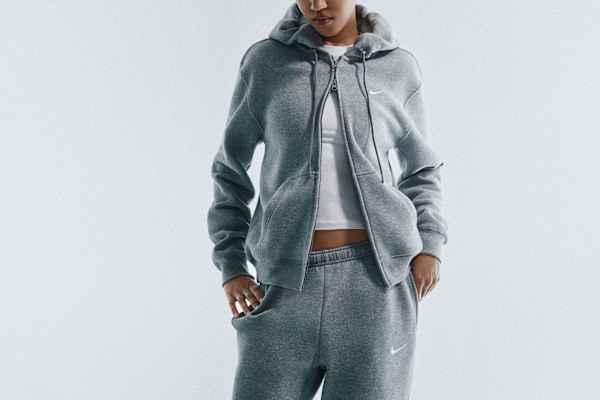
# How to Pick the Right Nike Fleece: Your Studio Fleece Guide
Resources
[Find A Store](https://www.nike.com/my/retail)
[Become A Member](https://www.nike.com/my/register)
[Running Shoe Finder](https://www.nike.com/my/running/shoe-finder)
[Product Advice](https://www.nike.com/my/product-advice)
[Nike Coaching](https://www.nike.com/my/coaching)
[Education Discounts](https://www.nike.com/my/help/a/student-discount-gs)
[Send Us Feedback](https://www.nike.com#site-feedback)
Help
[Get Help](https://www.nike.com/my/help)
[Order Status](https://www.nike.com/orders/details/)
[Delivery](https://www.nike.com/my/help/a/shipping-delivery-gs)
[Returns](https://www.nike.com/my/help/a/returns-policy-gs)
[Payment Options](https://www.nike.com/my/help/a/payment-options-gs)
[Contact Us](https://www.nike.com/my/help/#contact)
Company
[About Nike](http://about.nike.com/)
[News](https://about.nike.com/en-GB/newsroom)
[Careers](https://careers.nike.com)
[Investors](http://investors.nike.com/)
[Sustainability](https://www.nike.com/my/sustainability)
[Impact](https://about.nike.com/en-GB/impact)
[Report a Concern](https://speakup.nike.com)
## Resources
[Find A Store](https://www.nike.com/my/retail)
[Become A Member](https://www.nike.com/my/register)
[Running Shoe Finder](https://www.nike.com/my/running/shoe-finder)
[Product Advice](https://www.nike.com/my/product-advice)
[Nike Coaching](https://www.nike.com/my/coaching)
[Education Discounts](https://www.nike.com/my/help/a/student-discount-gs)
[Send Us Feedback](https://www.nike.com#site-feedback)
## Help
[Get Help](https://www.nike.com/my/help)
[Order Status](https://www.nike.com/orders/details/)
[Delivery](https://www.nike.com/my/help/a/shipping-delivery-gs)
[Returns](https://www.nike.com/my/help/a/returns-policy-gs)
[Payment Options](https://www.nike.com/my/help/a/payment-options-gs)
[Contact Us](https://www.nike.com/my/help/#contact)
## Company
[About Nike](http://about.nike.com/)
[News](https://about.nike.com/en-GB/newsroom)
[Careers](https://careers.nike.com)
[Investors](http://investors.nike.com/)
[Sustainability](https://www.nike.com/my/sustainability)
[Impact](https://about.nike.com/en-GB/impact)
[Report a Concern](https://speakup.nike.com)
Malaysia
- © 2026 Nike, Inc. All rights reserved.
- Guides
- [Nike Air Force 1](https://www.nike.com/my/air-force-1)
- [Nike Air Max](https://www.nike.com/my/air-max)
- [Nike FlyEase](https://www.nike.com/my/flyease)
- [Nike Free](https://www.nike.com/my/free)
- [Nike Pegasus](https://www.nike.com/my/running/runningzoom-pegasus-37)
- [Nike Vaporfly](https://www.nike.com/my/running/vaporfly)
- [Nike Zoom Fly](https://www.nike.com/my/running/zoom-fly)
- [Nike ZoomX](https://www.nike.com/my/zoomx)
- [Terms of Sale](https://www.eshopworld.com/shoppers/help/retailer/nike/terms-and-conditions-of-sale-en/)
- [Terms of Use](https://agreementservice.svs.nike.com/my/en_gb/rest/agreement?agreementType=termsOfUse&uxId=com.nike&country=MY&language=en&requestType=redirect)
- [Nike Privacy Policy (EN)](https://agreementservice.svs.nike.com/my/en_gb/rest/agreement?agreementType=privacyPolicy&uxId=com.nike.unite&country=MY&language=en&requestType=redirect)
- [Nike Privacy Policy (Bahasa Melayu)](https://agreementservice.svs.nike.com/my/en_gb/rest/agreement?agreementType=privacyPolicy&uxId=com.nike.unite&country=MY&language=my&requestType=redirect)
- [Privacy Settings](https://www.nike.com/my/guest/settings/privacy)
## Africa
- [__Egypt__
\
English](https://www.nike.com/eg/)
- [__Morocco__
\
English](https://www.nike.com/ma/en/)
- [__Maroc__
\
Français](https://www.nike.com/ma/)
- [__South Africa__
\
English](https://www.nike.com/za/)
## Americas
- [__Argentina__
\
Español](https://www.nike.com.ar)
- [__Brasil__
\
Português](https://www.nike.com.br)
- [__Canada__
\
English](https://www.nike.com/ca/)
- [__Canada__
\
Français](https://www.nike.com/ca/fr/)
- [__Chile__
\
Español](https://www.nike.cl)
- [__Colombia__
\
Español](https://www.nike.com.co)
- [__México__
\
Español](https://www.nike.com/mx/)
- [__Peru__
\
Español](https://www.nike.com.pe)
- [__Puerto Rico__
\
Español](https://www.nike.com/pr/)
- [__United States__
\
English](https://www.nike.com)
- [__Estados Unidos__
\
Español](https://www.nike.com/us/es/)
- [__Uruguay__
\
Español](https://www.nike.com.uy)
- [__Latin America__
\
Español](https://www.nike.com/xl/)
## Asia Pacific
- [__Australia__
\
English](https://www.nike.com/au/)
- [__中国大陆__
\
简体中文](https://www.nike.com.cn/)
- [__Hong Kong__
\
English](https://www.nike.com.hk/)
- [__香港__
\
繁體中文](https://www.nike.com.hk/)
- [__India__
\
English](https://www.nike.in/)
- [__Indonesia__
\
English](https://www.nike.com/id/)
- [__Japan__
\
English](https://www.nike.com/jp/en/)
- [__日本__
\
日本語](https://www.nike.com/jp/)
- [__대한민국__
\
한국어](https://www.nike.com/kr/)
- [__Malaysia__
\
English](https://www.nike.com/my/)
- [__New Zealand__
\
English](https://www.nike.com/nz/)
- [__Philippines__
\
English](https://www.nike.com/ph/)
- [__Singapore__
\
English](https://www.nike.com/sg/)
- [__台灣__
\
繁體中文](https://www.nike.com/tw/)
- [__ไทย__
\
ภาษาไทย](https://www.nike.com/th/)
- [__Vietnam__
\
English](https://www.nike.com/vn/)
## Europe
- [__Österreich__
\
Deutsch](https://www.nike.com/at/)
- [__Austria__
\
English](https://www.nike.com/at/en/)
- [__Belgien__
\
Deutsch](https://www.nike.com/be/de/)
- [__Belgium__
\
English](https://www.nike.com/be/en/)
- [__Belgique__
\
Français](https://www.nike.com/be/fr/)
- [__België__
\
Nederlands](https://www.nike.com/be/)
- [__Bulgaria__
\
English](https://www.nike.com/bg/)
- [__Croatia__
\
English](https://www.nike.com/hr/)
- [__Česká republika__
\
Čeština](https://www.nike.com/cz/)
- [__Czech Republic__
\
English](https://www.nike.com/cz/en/)
- [__Danmark__
\
Dansk](https://www.nike.com/dk/)
- [__Denmark__
\
English](https://www.nike.com/dk/en/)
- [__Finland__
\
English](https://www.nike.com/fi/)
- [__France__
\
Français](https://www.nike.com/fr/)
- [__Deutschland__
\
Deutsch](https://www.nike.com/de/)
- [__Ελλάδα__
\
ελληνικά](https://www.nike.com/gr/)
- [__Hungary__
\
English](https://www.nike.com/hu/en/)
- [__Magyarország__
\
Magyar](https://www.nike.com/hu/)
- [__Ireland__
\
English](https://www.nike.com/ie/)
- [__Israel__
\
English](https://www.nike.com/il/)
- [__Italia__
\
Italiano](https://www.nike.com/it/)
- [__Luxemburg__
\
Deutsch](https://www.nike.com/lu/de/)
- [__Luxembourg__
\
English](https://www.nike.com/lu/en/)
- [__Luxembourg__
\
Français](https://www.nike.com/lu/)
- [__Netherlands__
\
English](https://www.nike.com/nl/en/)
- [__Nederland__
\
Nederlands](https://www.nike.com/nl/)
- [__Norway__
\
English](https://www.nike.com/no/en/)
- [__Norge__
\
Norsk](https://www.nike.com/no/)
- [__Polska__
\
Polski](https://www.nike.com/pl/)
- [__Portugal__
\
English](https://www.nike.com/pt/en/)
- [__Portugal__
\
Português](https://www.nike.com/pt/)
- [__Romania__
\
English](https://www.nike.com/ro/)
- [__Россия__
\
Русский](https://www.nike.com/ru/)
- [__Slovakia__
\
English](https://www.nike.com/sk/)
- [__Slovenia__
\
English](https://www.nike.com/si/)
- [__Espanya__
\
Català](https://www.nike.com/es/ca/)
- [__España__
\
Español](https://www.nike.com/es/)
- [__Sweden__
\
English](https://www.nike.com/se/en/)
- [__Sverige__
\
Svenska](https://www.nike.com/se/)
- [__Schweiz__
\
Deutsch](https://www.nike.com/ch/)
- [__Switzerland__
\
English](https://www.nike.com/ch/en/)
- [__Suisse__
\
Français](https://www.nike.com/ch/fr/)
- [__Svizzera__
\
Italiano](https://www.nike.com/ch/it/)
- [__Türkiye__
\
Türkçe](https://www.nike.com/tr/)
- [__United Kingdom__
\
English](https://www.nike.com/gb/)
## Middle East
- [__Saudi Arabia__
\
English](https://www.nike.sa/en/home)
- [__المملكة العربية السعودية__
\
العربية](https://www.nike.sa/ar/home)
- [__United Arab Emirates__
\
English](https://www.nike.ae/en/home)
- [__الإمارات العربية المتحدة__
\
العربية](https://www.nike.ae/ar/home)
- [__Qatar__
\
English](https://www.nike.qa/en/home)
- [__دولة قطر__
\
العربية](https://www.nike.qa/ar/home)
- [__Kuwait__
\
English](https://www.nike.com.kw/en/home)
- [__الكويت__
\
العربية](https://www.nike.com.kw/ar/home)