[Skip to main content](https://www.nike.com#skip-to-content)
- [](https://www.nike.com/lu/en/jordan)
- [Find a Store](https://www.nike.com/lu/en/retail)
- [Help](https://www.nike.com/lu/en/help)
[Help](https://www.nike.com/lu/en/help)
- [Order Status](https://www.nike.com/lu/en/orders/details)
- [Dispatch and Delivery](https://www.nike.com/lu/en/help/a/shipping-delivery-eu)
- [Returns](https://www.nike.com/lu/en/help/a/returns-policy-eu)
- [Size Charts](https://www.nike.com/lu/en/help/a/size-charts-eu)
- [Contact Us](https://www.nike.com/lu/en/help/#contact)
- [Privacy Policy](https://agreementservice.svs.nike.com/lu/en_gb/rest/agreement?agreementType=privacyPolicy&uxId=com.nike.unite&country=LU&language=en&requestType=redirect)
- [Terms of Sale](https://agreementservice.svs.nike.com/rest/agreement?agreementType=termsOfSale&uxId=com.nike.tos&requestType=redirect)
- [Terms of Use](https://agreementservice.svs.nike.com/lu/en_gb/rest/agreement?agreementType=termsOfUse&uxId=com.nike&country=LU&language=en&requestType=redirect)
- [Send Us Feedback](https://www.nike.com#site-feedback)
- [Join Us](https://www.nike.com/lu/en/membership)
- [Sign In](https://www.nike.com/lu/en/register)
[](https://www.nike.com/lu/en/)
- [New](https://www.nike.com/lu/en/w/new-3n82y)
- [New](https://www.nike.com/lu/en/w/new-3n82y)
- [New Arrivals](https://www.nike.com/lu/en/w/new-3n82y)
- [Best Sellers](https://www.nike.com/lu/en/w/best-76m50)
- [SNKRS Launch Calendar](https://www.nike.com/gb/launch/upcoming)
- [Highlights](https://www.nike.com/lu/en/w/new-just-in-3apgqz3n82y)
- [Jordan: Love Letter Collection](https://www.nike.com/lu/en/w/love-letter-7xkbw)
- [Best of Jordan](https://www.nike.com/lu/en/w/best-of-jordan-brand-j0oa)
- [Jordan Fleece](https://www.nike.com/lu/en/w/jordan-fleece-37eefz4xh6q)
- [Football: New Club Kits 26/27](https://www.nike.com/lu/en/w/club-football-teams-6fu9q)
- [After Dark Tour London](https://www.nike.com/lu/en/w/after-dark-tour-6bo5l)
- [Trending](https://www.nike.com/lu/en/w/best-76m50)
- [Hybrid Training](https://www.nike.com/lu/en/w/hybrid-training-8wvhh)
- [Marathon Shoes](https://www.nike.com/lu/en/w/marathon-distance-shoes-6vbyfzy7ok)
- [Elite Football Boots](https://www.nike.com/lu/en/w/elite-football-shoes-1gdj0z9vmnhzy7ok)
- [Sportswear Clothing](https://www.nike.com/lu/en/w/sportswear-clothing-43h4uz6ymx6)
- [Waterproof Running Jackets](https://www.nike.com/lu/en/w/water-resistant-running-jackets-gilets-37v7jz50r7yzo08u)
- [Brands](https://www.nike.com/lu/en/w/37eefz43h4uz93bsdzpgd6)
- [Nike Sportswear](https://www.nike.com/lu/en/w/lifestyle-13jrm)
- [ACG: All Conditions Gear](https://www.nike.com/lu/en/acg)
- [Jordan](https://www.nike.com/lu/en/w/jordan-37eef)
- [Kobe](https://www.nike.com/lu/en/w/kobe-pgd6)
- [NOCTA](https://www.nike.com/lu/en/w/nocta-25nhb)
- [Men](https://www.nike.com/lu/en/men)
- [Highlights](https://www.nike.com/lu/en/w/new-mens-3n82yznik1)
- [New Arrivals](https://www.nike.com/lu/en/w/new-mens-3n82yznik1)
- [Best Sellers](https://www.nike.com/lu/en/w/mens-best-76m50znik1)
- [Streetwear Clothing](https://www.nike.com/lu/en/w/streetwear-clothing-97qn8)
- [Football: New Club Kits 26/27](https://www.nike.com/lu/en/w/club-football-teams-6fu9q)
- [Clothing Essentials](https://www.nike.com/lu/en/w/mens-essentials-4jjpuznik1)
- [Shoes](https://www.nike.com/lu/en/w/mens-shoes-nik1zy7ok)
- [All Shoes](https://www.nike.com/lu/en/w/mens-shoes-nik1zy7ok)
- [Lifestyle](https://www.nike.com/lu/en/w/mens-lifestyle-shoes-13jrmznik1zy7ok)
- [Jordan](https://www.nike.com/lu/en/w/mens-jordan-shoes-37eefznik1zy7ok)
- [Running](https://www.nike.com/lu/en/w/mens-running-shoes-37v7jznik1zy7ok)
- [Football](https://www.nike.com/lu/en/w/mens-football-shoes-1gdj0znik1zy7ok)
- [Basketball](https://www.nike.com/lu/en/w/mens-basketball-shoes-3glsmznik1zy7ok)
- [Training and Gym](https://www.nike.com/lu/en/w/mens-training-gym-shoes-58jtoznik1zy7ok)
- [Skateboarding](https://www.nike.com/lu/en/w/mens-skateboarding-shoes-8mfrfznik1zy7ok)
- [Custom Shoes](https://www.nike.com/lu/en/w/mens-nike-by-you-shoes-6ealhznik1zy7ok)
- [Shoes under €100](https://www.nike.com/lu/en/w/mens-under-100-shoes-49o1mznik1zy7ok)
- [Clothing](https://www.nike.com/lu/en/w/mens-clothing-6ymx6znik1)
- [All Clothing](https://www.nike.com/lu/en/w/mens-clothing-6ymx6znik1)
- [Hoodies and Sweatshirts](https://www.nike.com/lu/en/w/mens-hoodies-sweatshirts-6riveznik1)
- [Jackets](https://www.nike.com/lu/en/w/mens-jackets-gilets-50r7yznik1)
- [Tracksuits](https://www.nike.com/lu/en/w/mens-tracksuits-1ll2wznik1)
- [Trousers and Tights](https://www.nike.com/lu/en/w/mens-trousers-tights-2kq19znik1)
- [Tops and T-Shirts](https://www.nike.com/lu/en/w/mens-tops-t-shirts-9om13znik1)
- [Shorts](https://www.nike.com/lu/en/w/mens-shorts-38fphznik1)
- [Kits and Jerseys](https://www.nike.com/lu/en/w/mens-football-kits-jerseys-1gdj0z3a41eznik1)
- [Accessories](https://www.nike.com/lu/en/w/mens-accessories-equipment-awwpwznik1)
- [Sport](https://www.nike.com/lu/en/w/mens-performance-3k7dgznik1)
- [Running](https://www.nike.com/lu/en/running)
- [Football](https://www.nike.com/lu/en/football)
- [Basketball](https://www.nike.com/lu/en/basketball)
- [Training and Gym](https://www.nike.com/lu/en/training)
- [Tennis](https://www.nike.com/lu/en/tennis)
- [Skateboarding](https://www.nike.com/lu/en/w/mens-skateboarding-8mfrfznik1)
- [Golf](https://www.nike.com/lu/en/golf)
- Brands
- [Nike Sportswear](https://www.nike.com/lu/en/sportswear)
- [ACG: All Conditions Gear](https://www.nike.com/lu/en/acg)
- [Jordan](https://www.nike.com/lu/en/w/mens-jordan-37eefznik1)
- [Kobe](https://www.nike.com/lu/en/w/mens-kobe-nik1zpgd6)
- [NOCTA](https://www.nike.com/lu/en/w/mens-nocta-25nhbznik1)
- [Women](https://www.nike.com/lu/en/women)
- [Highlights](https://www.nike.com/lu/en/w/new-womens-3n82yz5e1x6)
- [New Arrivals](https://www.nike.com/lu/en/w/new-womens-3n82yz5e1x6)
- [Best Sellers](https://www.nike.com/lu/en/w/womens-best-5e1x6z76m50)
- [Nike Fleece Essentials](https://www.nike.com/lu/en/w/nike-studio-fleece-s531)
- [Seasonal Clothing Packs](https://www.nike.com/lu/en/w/seasonal-clothing-packs-9yawh)
- [Football Player Edition: Sam Kerr](https://www.nike.com/lu/en/w/sam-kerr-4mbmv)
- [Clothing Essentials](https://www.nike.com/lu/en/w/womens-essentials-4jjpuz5e1x6)
- [After Dark Tour London](https://www.nike.com/lu/en/w/after-dark-tour-6bo5l)
- [Shoes](https://www.nike.com/lu/en/w/womens-shoes-5e1x6zy7ok)
- [All Shoes](https://www.nike.com/lu/en/w/womens-shoes-5e1x6zy7ok)
- [Lifestyle](https://www.nike.com/lu/en/w/womens-lifestyle-shoes-13jrmz5e1x6zy7ok)
- [Jordan](https://www.nike.com/lu/en/w/womens-jordan-shoes-37eefz5e1x6zy7ok)
- [Running](https://www.nike.com/lu/en/w/womens-running-shoes-37v7jz5e1x6zy7ok)
- [Training and Gym](https://www.nike.com/lu/en/w/womens-training-gym-shoes-58jtoz5e1x6zy7ok)
- [Football](https://www.nike.com/lu/en/w/womens-football-shoes-1gdj0z5e1x6zy7ok)
- [Custom Shoes](https://www.nike.com/lu/en/w/womens-nike-by-you-shoes-5e1x6z6ealhzy7ok)
- [Shoes under €100](https://www.nike.com/lu/en/w/womens-under-100-shoes-49o1mz5e1x6zy7ok)
- [Clothing](https://www.nike.com/lu/en/w/womens-clothing-5e1x6z6ymx6)
- [All Clothing](https://www.nike.com/lu/en/w/womens-clothing-5e1x6z6ymx6)
- [Hoodies and Sweatshirts](https://www.nike.com/lu/en/w/womens-hoodies-sweatshirts-5e1x6z6rive)
- [Jackets](https://www.nike.com/lu/en/w/womens-jackets-gilets-50r7yz5e1x6)
- [Trousers](https://www.nike.com/lu/en/w/womens-trousers-tights-2kq19z5e1x6)
- [Leggings](https://www.nike.com/lu/en/w/womens-tights-leggings-29sh2z5e1x6)
- [Matching Sets](https://www.nike.com/lu/en/w/womens-matching-sets-2lukpz5e1x6)
- [Tops and T-Shirts](https://www.nike.com/lu/en/w/womens-tops-t-shirts-5e1x6z9om13)
- [Shorts](https://www.nike.com/lu/en/w/womens-shorts-38fphz5e1x6)
- [Sports Bras](https://www.nike.com/lu/en/w/womens-sports-bras-40qgmz5e1x6)
- [Accessories](https://www.nike.com/lu/en/w/womens-accessories-equipment-5e1x6zawwpw)
- [Sport](https://www.nike.com/lu/en/w/womens-performance-3k7dgz5e1x6)
- [Training and Gym](https://www.nike.com/lu/en/training)
- [Running](https://www.nike.com/lu/en/running)
- [Football](https://www.nike.com/lu/en/football)
- [Basketball](https://www.nike.com/lu/en/basketball)
- [Tennis](https://www.nike.com/lu/en/tennis)
- [Skateboarding](https://www.nike.com/lu/en/w/womens-skateboarding-5e1x6z8mfrf)
- [Golf](https://www.nike.com/lu/en/golf)
- Brands
- [NikeSKIMS](https://www.nike.com/lu/en/nikeskims)
- [Nike Sportswear](https://www.nike.com/lu/en/sportswear)
- [ACG: All Conditions Gear](https://www.nike.com/lu/en/acg)
- [Jordan](https://www.nike.com/lu/en/w/womens-jordan-37eefz5e1x6)
- [Kobe](https://www.nike.com/lu/en/w/womens-kobe-5e1x6zpgd6)
- [Kids](https://www.nike.com/lu/en/kids)
- [Highlights](https://www.nike.com/lu/en/w/new-kids-3n82yzv4dh)
- [New Arrivals](https://www.nike.com/lu/en/w/new-kids-3n82yzv4dh)
- [Best Sellers](https://www.nike.com/lu/en/w/kids-best-76m50zv4dh)
- [Teen Destination](https://www.nike.com/lu/en/teens)
- [Nike x LEGO® Collection](https://www.nike.com/lu/en/lego)
- [Clothing Essentials](https://www.nike.com/lu/en/w/kids-essentials-4jjpuzv4dh)
- [Shoes](https://www.nike.com/lu/en/w/kids-shoes-v4dhzy7ok)
- [All Shoes](https://www.nike.com/lu/en/w/kids-shoes-v4dhzy7ok)
- [Lifestyle](https://www.nike.com/lu/en/w/kids-lifestyle-shoes-13jrmzv4dhzy7ok)
- [Jordan](https://www.nike.com/lu/en/w/kids-jordan-shoes-37eefzv4dhzy7ok)
- [Football](https://www.nike.com/lu/en/w/kids-football-shoes-1gdj0zv4dhzy7ok)
- [Running](https://www.nike.com/lu/en/w/kids-running-shoes-37v7jzv4dhzy7ok)
- [Basketball](https://www.nike.com/lu/en/w/kids-basketball-shoes-3glsmzv4dhzy7ok)
- [Physical Education](https://www.nike.com/lu/en/w/kids-performance-shoes-3k7dgzv4dhzy7ok)
- [Shoes under €100](https://www.nike.com/lu/en/w/kids-under-100-shoes-49o1mzv4dhzy7ok)
- [Clothing](https://www.nike.com/lu/en/w/kids-clothing-6ymx6zv4dh)
- [All Clothing](https://www.nike.com/lu/en/w/kids-clothing-6ymx6zv4dh)
- [Hoodies and Sweatshirts](https://www.nike.com/lu/en/w/kids-hoodies-sweatshirts-6rivezv4dh)
- [Jackets](https://www.nike.com/lu/en/w/kids-jackets-gilets-50r7yzv4dh)
- [Tracksuits](https://www.nike.com/lu/en/w/kids-tracksuits-1ll2wzv4dh)
- [Trousers and Leggings](https://www.nike.com/lu/en/w/kids-trousers-tights-2kq19zv4dh)
- [Matching Sets](https://www.nike.com/lu/en/w/kids-matching-sets-2lukpzv4dh)
- [Tops and T-Shirts](https://www.nike.com/lu/en/w/kids-tops-t-shirts-9om13zv4dh)
- [Shorts](https://www.nike.com/lu/en/w/kids-shorts-38fphzv4dh)
- [Kits & Jerseys](https://www.nike.com/lu/en/w/kids-football-kits-jerseys-1gdj0z3a41ezv4dh)
- [Accessories](https://www.nike.com/lu/en/w/kids-accessories-equipment-awwpwzv4dh)
- [Kids by age](https://www.nike.com/lu/en/w/kids-v4dh)
- [Teens (13–17 years)](https://www.nike.com/lu/en/w/teen-collection-6hgue)
- [Older Kids (7–12 years)](https://www.nike.com/lu/en/w/older-kids-agibjzv4dh)
- [Younger Kids (3–7 years)](https://www.nike.com/lu/en/w/little-kids-6dacezv4dh)
- [Baby & Toddler (0–3 years)](https://www.nike.com/lu/en/w/baby-toddlers-kids-2j488zv4dh)
- [Sport](https://www.nike.com/lu/en/w/kids-performance-3k7dgzv4dh)
- [Running](https://www.nike.com/lu/en/w/kids-running-37v7jzv4dh)
- [Football](https://www.nike.com/lu/en/w/kids-football-1gdj0zv4dh)
- [Basketball](https://www.nike.com/lu/en/w/kids-basketball-3glsmzv4dh)
- [Physical Education](https://www.nike.com/lu/en/w/kids-training-gym-58jtozv4dh)
- [Skateboarding](https://www.nike.com/lu/en/w/skateboarding-8mfrf)
- [Sport](https://www.nike.com/lu/en/lockerroom)
- [Highlights](https://www.nike.com/lu/en/w/new-performance-3k7dgz3n82y)
- [New Arrivals](https://www.nike.com/lu/en/w/new-performance-3k7dgz3n82y)
- [Best Sellers](https://www.nike.com/lu/en/w/best-performance-3k7dgz76m50)
- [Jordan Basketball](https://www.nike.com/lu/en/w/jordan-basketball-37eefz3glsm)
- [Football: New Club Kits 26/27](https://www.nike.com/lu/en/w/club-football-teams-6fu9q)
- [Discover: Nike Hybrid RN](https://www.nike.com/lu/en/w/hybrid-training-8wvhh)
- [Running](https://www.nike.com/lu/en/running)
- [All Running](https://www.nike.com/lu/en/w/running-37v7j)
- [Shoes](https://www.nike.com/lu/en/w/running-shoes-37v7jzy7ok)
- [Clothing](https://www.nike.com/lu/en/w/running-clothing-37v7jz6ymx6)
- [Accessories](https://www.nike.com/lu/en/w/running-accessories-equipment-37v7jzawwpw)
- [Football](https://www.nike.com/lu/en/football)
- [All Football](https://www.nike.com/lu/en/w/football-1gdj0)
- [Shoes](https://www.nike.com/lu/en/w/football-shoes-1gdj0zy7ok)
- [Clothing](https://www.nike.com/lu/en/w/football-clothing-1gdj0z6ymx6)
- [Accessories](https://www.nike.com/lu/en/w/football-accessories-equipment-1gdj0zawwpw)
- [Training and Gym](https://www.nike.com/lu/en/training)
- [All Training and Gym](https://www.nike.com/lu/en/w/training-gym-58jto)
- [Shoes](https://www.nike.com/lu/en/w/training-gym-shoes-58jtozy7ok)
- [Clothing](https://www.nike.com/lu/en/w/training-gym-clothing-58jtoz6ymx6)
- [Accessories](https://www.nike.com/lu/en/w/training-gym-accessories-equipment-58jtozawwpw)
- [More Sports](https://www.nike.com/lu/en/w/performance-3k7dg)
- [All Sport](https://www.nike.com/lu/en/w/performance-3k7dg)
- [Basketball](https://www.nike.com/lu/en/basketball)
- [Outdoor](https://www.nike.com/lu/en/w/acg-93bsd)
- [Tennis](https://www.nike.com/lu/en/tennis)
- [Nike SB](https://www.nike.com/lu/en/w/skateboarding-8mfrf)
- [Golf](https://www.nike.com/lu/en/golf)
- [Swimming](https://www.nike.com/lu/en/w/swimming-3c2dj)
- [NikeSKIMS](https://www.nike.com/lu/en/nikeskims)
- [NikeSKIMS Guides](https://www.nike.com/lu/en/nikeskims-lookbook)
- [NikeSKIMS Lookbook](https://www.nike.com/lu/en/nikeskims-lookbook)
- [NikeSKIMS Bra Guide](https://www.nike.com/lu/en/nikeskims-bra-guide)
- [NikeSKIMS Collection Guide](https://www.nike.com/lu/en/nikeskims-collection-guide)
- [Clothing](https://www.nike.com/lu/en/w/nikeskims-b2asd)
- [All Clothing](https://www.nike.com/lu/en/w/nikeskims-clothing-6ymx6zb2asd)
- [Bras](https://www.nike.com/lu/en/w/nikeskims-sports-bras-40qgmzb2asd)
- [Tops and Tanks](https://www.nike.com/lu/en/w/nikeskims-tops-t-shirts-9om13zb2asd)
- [Leggings](https://www.nike.com/lu/en/w/nikeskims-tights-leggings-29sh2zb2asd)
- [Shorts](https://www.nike.com/lu/en/w/nikeskims-shorts-38fphzb2asd)
- [Shoes](https://www.nike.com/lu/en/w/nikeskims-shoes-b2asdzy7ok)
- [Accessories](https://www.nike.com/lu/en/w/nikeskims-accessories-equipment-awwpwzb2asd)
- [Collections](https://www.nike.com/lu/en/nikeskims-collection-guide)
- [All Collections](https://www.nike.com/lu/en/w/nikeskims-b2asd)
- [Satin Shine](https://www.nike.com/lu/en/w/nikeskims-satin-shine-97fc5)
- [Matte](https://www.nike.com/lu/en/w/nikeskims-nikeskims-matte-5s3enzb2asd)
- [Airy](https://www.nike.com/lu/en/w/nikeskims-nikeskims-airy-5c1qqzb2asd)
- [Ribbed Seamless](https://www.nike.com/lu/en/w/nikeskims-nikeskims-seamless-6lh4szb2asd)
- [Studio Stretch](https://www.nike.com/lu/en/w/nikeskims-studio-stretch-admbq)
- [Stretch Nylon](https://www.nike.com/lu/en/w/nikeskims-stretch-nylon-7sut9)
- [Weightless](https://www.nike.com/lu/en/w/nikeskims-nikeskims-weightless-4csx8zb2asd)
- [Shop By Color](https://www.nike.com/lu/en/w/nikeskims-b2asd)
- [Obsidian](https://www.nike.com/lu/en/w/nikeskims-black-90poyzb2asd)
- [Dark Sepia](https://www.nike.com/lu/en/w/nikeskims-dark-sepia-81pvm)
- [Phoenix](https://www.nike.com/lu/en/w/nikeskims-phoenix-1jhtj)
- [Ivory](https://www.nike.com/lu/en/w/nikeskims-white-4g797zb2asd)
- [Citrine](https://www.nike.com/lu/en/w/nikeskims-yellow-ayp69zb2asd)
- [Carob](https://www.nike.com/lu/en/w/nikeskims-brown-557pqzb2asd)
Cancel
Cancel
Popular Search Terms
[studio fleece](https://www.nike.com/lu/en/w?q=studio%20fleece&vst=studio%20fleece)[football boots](https://www.nike.com/lu/en/w?q=football%20boots&vst=football%20boots)[shoes](https://www.nike.com/lu/en/w?q=shoes&vst=shoes)[jordan](https://www.nike.com/lu/en/w?q=jordan&vst=jordan)[acg](https://www.nike.com/lu/en/w?q=acg&vst=acg)[basketball shoes](https://www.nike.com/lu/en/w?q=basketball%20shoes&vst=basketball%20shoes)[nike mind](https://www.nike.com/lu/en/w?q=nike%20mind&vst=nike%20mind)[nike tech](https://www.nike.com/lu/en/w?q=nike%20tech&vst=nike%20tech)
[](https://www.nike.com/lu/en/favorites "Favourites")[](https://www.nike.com/lu/en/cart "Bag Items: 0")
# What Muscles Do Push-Ups Work? (And How To Train Them Better)
##### Sport & activity
From chest and triceps to shoulders and core, here's how push-ups build strength across your upper body—with tips and beginner-to-advanced variations.
Last updated: 5 December 2025
8 min read

Push-ups are a timeless strength move for a reason: they work. And while the question 'What muscles do push-ups work?' seems simple, the answer reaches far beyond the chest. A standard push-up activates the pecs, shoulders, triceps, biceps, core and various stabilising muscles throughout the body, making it one of the most efficient ways to build upper-body strength anywhere, anytime.
The primary push-up benefits are strength, stability and total-body coordination—all in one accessible movement. Push-ups also double as a simple yet effective upper-body workout, offering a bodyweight exercise that strengthens the arms, no equipment required.
As your body moves through each rep, multiple muscle groups work together to maintain alignment, control the descent and press you back to the starting position. Here is what is happening behind every push-up and how to use the movement effectively at any level.
## Shop Nike Women's High Support Sports Bras
[View All](https://www.nike.com/lu/en/w/womens-high-support-sports-bras-40qgmz4wlitz5e1x6)
- [
\
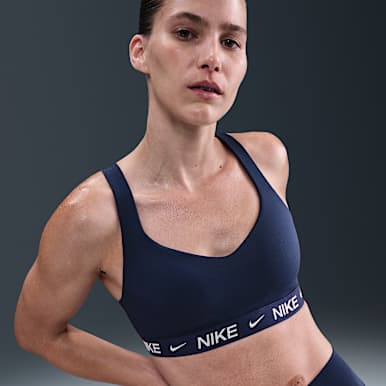
Nike Indy High-Support
\
Women's Padded Adjustable Sports Bra
\
__54,99 €__](https://www.nike.com/lu/en/t/indy-high-support-womens-padded-adjustable-sports-bra-lGLFjGMl/FD1068-410)
- [
\
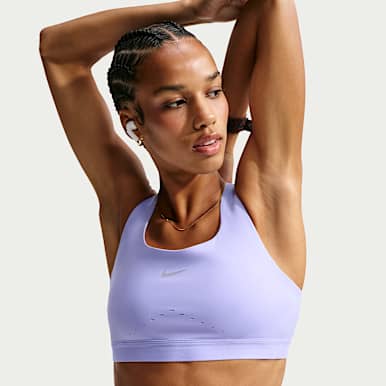
Nike Swift
\
Women's High-Support Lightly Lined Sports Bra
\
__69,99 €__](https://www.nike.com/lu/en/t/swift-womens-high-support-lightly-lined-sports-bra-pDu312pR/HM5220-580)
- [
\
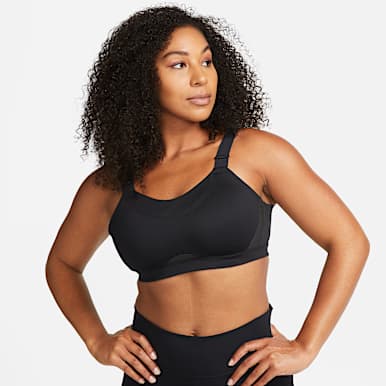
Nike Alpha
\
Women's High-Support Padded Adjustable Sports Bra
\
__64,99 €__](https://www.nike.com/lu/en/t/alpha-womens-high-support-padded-adjustable-sports-bra-JTmkG5/DD0430-010)
- [
\
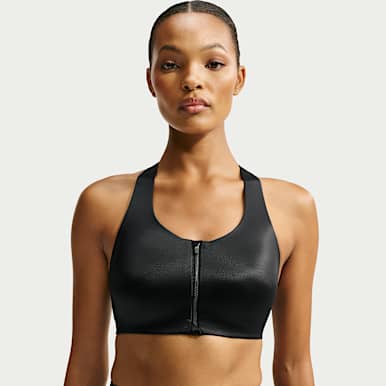
NikeSKIMS Satin Shine
\
Women's Front-Zip Bra
\
__89,99 €__](https://www.nike.com/lu/en/t/nikeskims-satin-shine-womens-front-zip-bra-AGxYbxm3/IR5064-054)
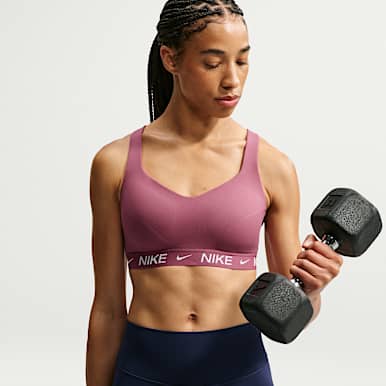
- [
\
Nike Indy High-Support
\
Women's Padded Adjustable Sports Bra
\
__54,99 €__](https://www.nike.com/lu/en/t/indy-high-support-womens-padded-adjustable-sports-bra-KXtNNL/FD1068-654)
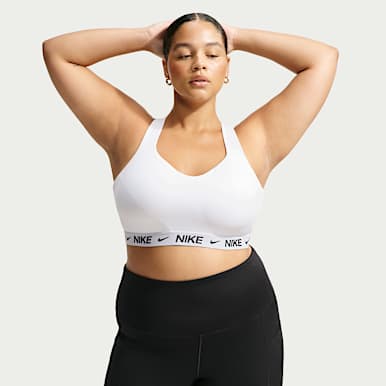
- [
\
Nike Indy High-Support
\
Women's Padded Adjustable Sports Bra (Plus Size)
\
__54,99 €__](https://www.nike.com/lu/en/t/indy-high-support-womens-padded-adjustable-sports-bra-plus-size-Wt9qqf/FJ1971-101)
## Key Benefits of Push-Ups
- Builds upper-body strength through a bodyweight compound exercise
- Trains the chest, triceps, [shoulders](https://www.nike.com/lu/en/a/shoulder-mobility-exercises), core and full-body stabiliser muscles
- Enhances scapular stability and strengthens the shoulder girdle
- Improves core anti-extension strength, supporting the spine and improving posture
- Strengthens smaller supporting muscles, including the rotator cuff
- Requires no equipment and can be scaled for any fitness level
- Builds arm strength by training the biceps, triceps and shoulders through a full bodyweight exercise
- Remains one of the most effective arm workouts you can do without weights
## At a Glance: Muscles Worked in a Standard Push-Up
Before diving into form and variations, here's a quick look at every major muscle group that fires during a proper push-up.
- __Primary:__ Pectoralis major, triceps brachii, anterior deltoids
- __Secondary:__ Core (rectus abdominis, obliques, transverse abdominis), biceps, serratus anterior, rotator cuff
- __Stabilisers:__ Scapular stabilisers, glutes, quadriceps
Push-ups can be a standalone arm workout since they train the triceps, shoulders and supporting bicep muscles in a single bodyweight movement.
## What Muscles Do Push-Ups Work?
Do push-ups work your arms? Absolutely, but that's only one area that sees the advantages, according to strength and conditioning trainer Reda Elmardi, C.S.C.S., of The Gym Goat. Here's a complete list of the key muscles used:
## Chest (pectoral muscles)
The chest is the primary driver in a push-up. The pectoralis major brings the arms toward the midline of the body and supports shoulder movement as you push away from the ground.
__Why it matters:__ Strong pecs support everyday pushing movements, overhead actions and athletic performance. This makes push-ups a useful chest-and-arms workout for anyone looking to build upper-body strength without added weight.
## Shoulders (Deltoids and Shoulder Girdle)
The front of the shoulders works to guide both the lowering and pressing phases. These muscles, along with the surrounding structures of the shoulder girdle, help stabilise the joint throughout the movement.
__Why it matters:__ Shoulder strength and control help maintain posture and reduce injury risk. This shoulder activation also supports other upper-body exercises such as planks, overhead pressing and weighted training.
## Triceps
The triceps brachii extend the elbows and straighten the arms at the top of each rep.
__Why it matters:__ Strong triceps are essential for pressing strength in push-ups and other upper-body exercises. Because the triceps drive the lockout phase, push-ups can be an especially effective exercise for improving overall arm strength and endurance. Although the triceps do most of the pressing work, the biceps help stabilise the elbow joint, contributing to overall arm strength.
## Core (Abs and Obliques)
Your core maintains a rigid plank from head to heels. This includes the rectus abdominis, obliques and deeper stabilisers like the transverse abdominis. According to Garret Seacat, C.S.C.S., founder of Absolute Endurance, push-ups fire up your core muscles to keep you in a straight line as you lower and lift.
__Why it matters:__ Push-ups build core anti-extension strength, which protects the lower back and supports efficient movement during running, lifting and sports. This core engagement is part of what makes push-ups a true total-body exercise, not just an upper-body move. This level of core activation makes push-ups far more than just a chest or arm exercise; they're a total-body strength move.
## Biceps
Along the front side of your upper arm, the biceps brachii is one of the key muscles of the arm and is responsible for flexing your elbow joint and lifting your forearm toward your head.
__Why it matters:__ Strong biceps support nearly every pulling and lifting motion your upper body performs, helping improve daily function, athletic performance and joint stability.
## Scapular Stabilisers and Rotator Cuff
Muscles such as the serratus anterior, rhomboid, trapezius and rotator cuff help guide and stabilise the shoulder blades during push-ups.
__Why it matters:__ Healthy scapular motion is key for upper-body mobility and long-term shoulder health.
## Lower Body Stabilisers
The glutes and quads maintain strong plank alignment, preventing the hips from sagging or lifting.
__Why it matters:__ A stable lower body improves power transfer and keeps the entire movement efficient.
## How To Do a Proper Push-Up
Good form helps you activate the right muscles and avoid strain. With proper, steady form, a push-up should take about three seconds to complete, according to Seacat. Use these cues to guide your setup and execution:
- Begin in a high plank with hands slightly wider than shoulder-width.
- Brace your core and maintain a straight line from head to heels.
- Angle your elbows slightly towards your ribcage as you lower.
- Keep your neck neutral and descend with control.
- Pause briefly at the bottom.
- Press through your palms to return to the starting position.
- Avoid letting hips sag or rise. Move with steady, controlled pacing.
- As a foundational bodyweight exercise, proper form ensures the arms, chest and core all share the workload evenly.
One of the most common mistakes in a push-up is letting the lower back sag as you lower towards the ground. This usually happens when the core begins to fatigue. If you notice sagging, focus on doing fewer reps with better quality, or break your sets into smaller chunks. Adding [core-strengthening exercises](https://www.nike.com/lu/en/a/sit-ups-crunches-muscles-worked) to your routine can also help you hold a solid plank position throughout the movement.
(Related: [The Top Bodyweight Chest Workout, According to Trainers](https://www.nike.com/lu/en/a/bodyweight-chest-workout))
Once you can perform at least 10 solid push-ups with proper form, you can start exploring variations that shift the emphasis towards different muscles.
## How Different Push-Up Variations Change Muscle Emphasis
Once your form is consistent and you can control the full range of motion, small adjustments in hand placement, angle or tempo can shift which muscles work hardest.
One of the most common modifications involves having your knees down, and Elmardi said this simply means dropping your knees to the ground and keeping them there throughout the motion of lowering and rising back up. Here are some other variants to know:
- __Close-grip push-ups:__ Increase tricep activation
- __Wide push-ups:__ Boost chest and shoulder activation
- __Incline push-ups:__ Reduce resistance for beginners
- __Decline push-ups:__ Target the upper chest and shoulders
- __Slow-tempo push-ups:__ Increase time under tension
- __Single-leg push-ups:__ Add a balance and core stability challenge
Research published in the [*Journal of Physical Therapy Science*](https://www.ncbi.nlm.nih.gov/pmc/articles/PMC4792988/) found that narrowing your hands underneath your chest increases chest activation, while a slightly wider hand placement shifts more work to the triceps. These findings reinforce how subtle changes in push-up setup can completely reshape the challenge.
Incorporating different push-up variations into your workout routine can also help build more balanced arm strength while adding intensity without extra weight.
## Where Beginners Should Start
Modifying the push-up helps build strength without sacrificing alignment. Knee push-ups can be a helpful starting point, though they require attention to core engagement to prevent the lower back from sagging. Incline push-ups, with hands on a bench, box or wall, are often the most accessible way to learn the full movement pattern. Whether you modify or not, remember that consistency is key, especially if you're just beginning, Seacat said.
Most people begin with fewer than five push-ups in a row. Consistency, gradual progression and prioritising quality reps over quantity are the fastest path to improvement.
## FAQs
What muscles do push-ups work out, exactly?
Push-ups activate the pecs, shoulders, triceps, biceps, core and stabilising muscles throughout the body.
Do push-ups build muscle or just definition?
Push-ups can build muscle when performed consistently and progressively. Slowing down reps, increasing volume or trying more challenging variations can all support muscle growth.
How many push-ups should I do per day?
A balanced starting point is 2–3 sets of 8–12 reps, two or three times per week. Adjust volume based on your goals and recovery.
Are push-ups enough for upper-body strength?
Push-ups provide a strong foundation. For balanced development, pair them with [pulling movements](https://www.nike.com/lu/en/a/push-pull-workouts) like rows or pull-ups.
What if push-ups hurt my wrists or shoulders?
Try adjusting your hand position, using dumbbells or parallettes to keep the wrist neutral or shifting to incline push-ups. Strengthening the shoulders and scapular stabilisers can also help. Persistent discomfort should be evaluated.
Do push-ups work biceps?
Yes. While push-ups primarily target the chest, shoulders and triceps, the biceps still assist in stabilising the arms during the lowering phase. If your goal is specifically to train the biceps, combining push-ups with pulling exercises (like rows or curls) will give you more complete arm development.
## Shop Nike Training & Gym Pants and Tights
[View All](https://www.nike.com/lu/en/w/training-gym-trousers-tights-2kq19z58jto)
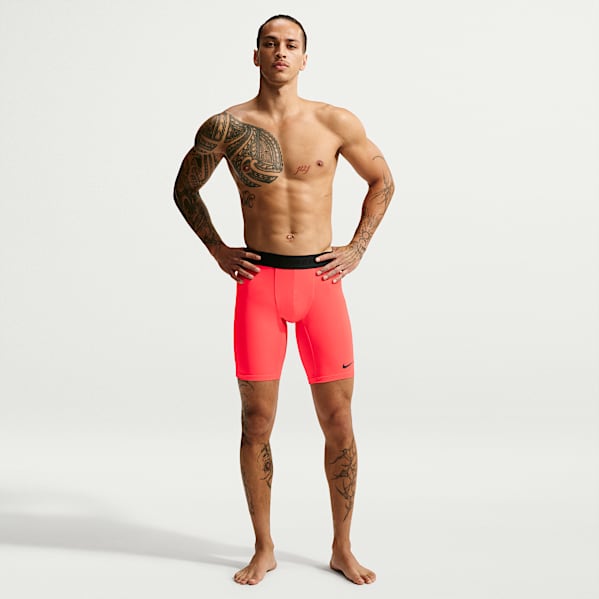
- [
\
Nike Pro
\
Men's Dri-FIT Fitness Long Shorts
\
__37,99 €__](https://www.nike.com/lu/en/t/pro-mens-dri-fit-fitness-long-shorts-mwBNFS/FB7963-644)
- [
\
Nike Universa
\
Women's High-Waisted 12.5cm (approx.) Biker Shorts with No Front Seam
\
__69,99 €__](https://www.nike.com/lu/en/t/universa-womens-high-waisted-12-5cm-approx-biker-shorts-with-no-front-seam-5XKMQf/HQ6832-010)
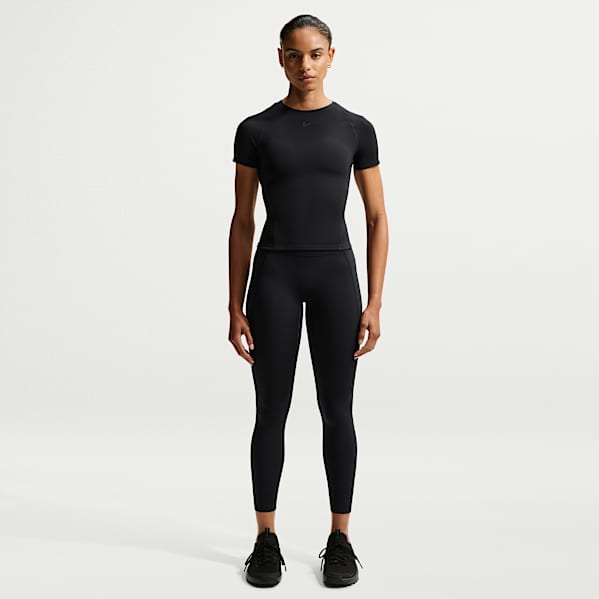
- [
\
Nike Universa
\
Women's High-Waisted 7/8 Leggings with No Front Seam
\
__109,99 €__](https://www.nike.com/lu/en/t/universa-womens-high-waisted-7-8-leggings-with-no-front-seam-DJR8Zt/HQ6813-010)
- [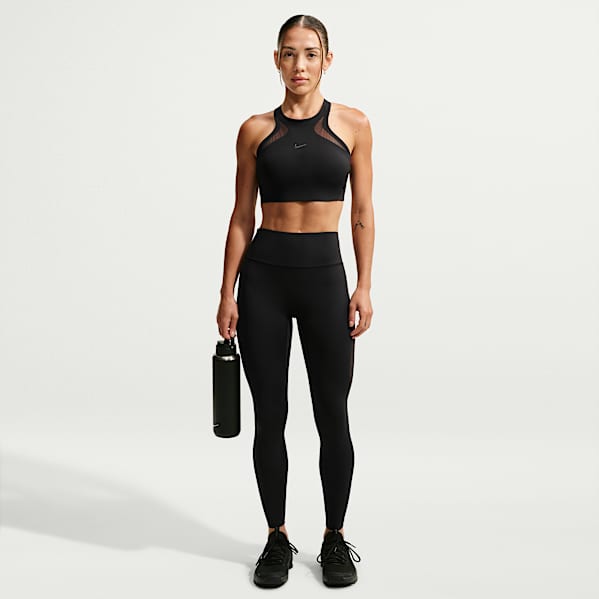
\
Nike Universa
\
Women's High-Waisted 7/8 Mesh Leggings
\
__119,99 €__](https://www.nike.com/lu/en/t/universa-womens-high-waisted-7-8-mesh-leggings-GbmnVBv1/IM9781-010)
- [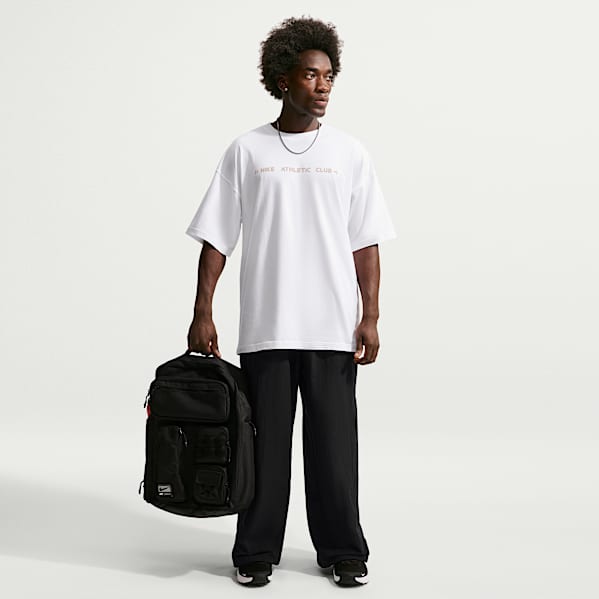
\
Nike
\
Men's N.A.C. Dri-FIT Oversized Woven Trousers
\
__74,99 €__](https://www.nike.com/lu/en/t/mens-nac-dri-fit-oversized-woven-trousers-3w0dAKFv/IM5628-010)
- [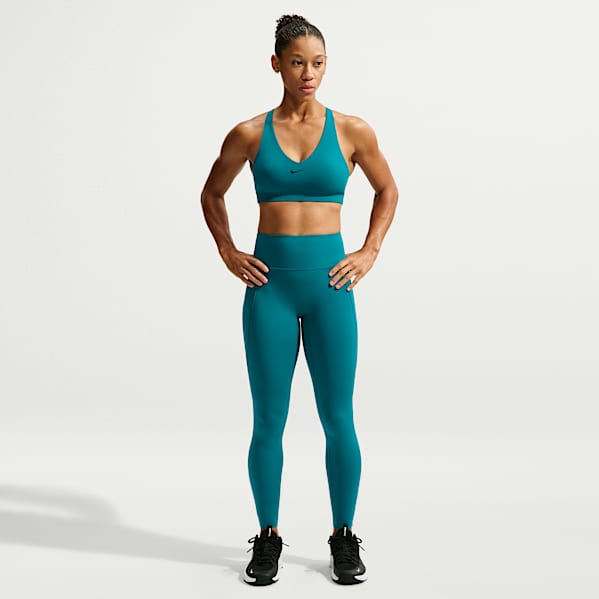
\
Nike Universa
\
Women's High-Waisted Full-Length Leggings with No Front Seam
\
__109,99 €__](https://www.nike.com/lu/en/t/universa-womens-high-waisted-full-length-leggings-with-no-front-seam-o7Tw6jsc/HQ6810-372)
- [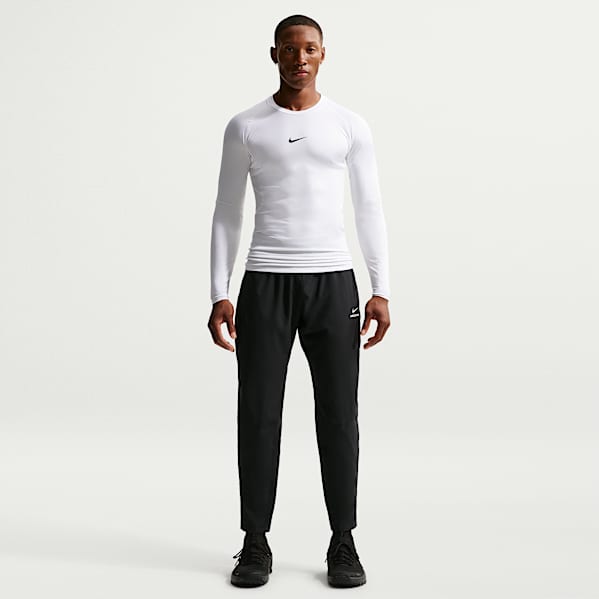
\
Nike Pro Training
\
Men's Dri-FIT Trousers
\
__84,99 €__](https://www.nike.com/lu/en/t/pro-training-mens-dri-fit-trousers-3OXSZrk9/HV0424-010)
- [
\
Nike Pro Seamless
\
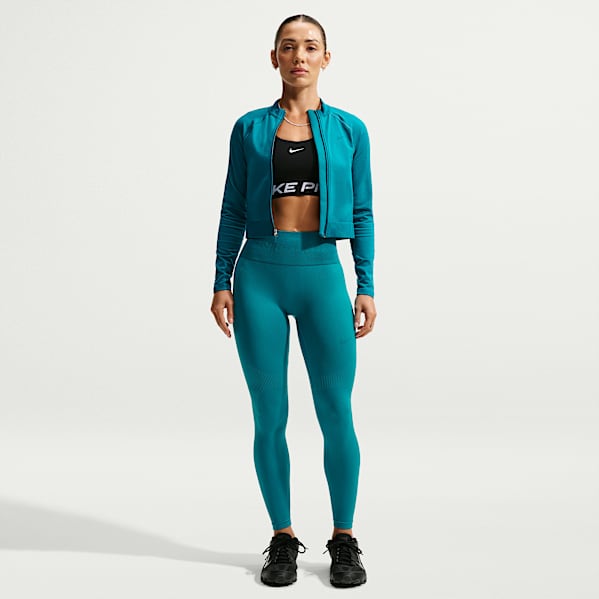
Women's High-Waisted 7/8 Leggings
\
__54,99 €__](https://www.nike.com/lu/en/t/pro-seamless-womens-high-waisted-7-8-leggings-DfmQGdSf/IF1208-372)
- [
\
Nike Pro Seamless
\
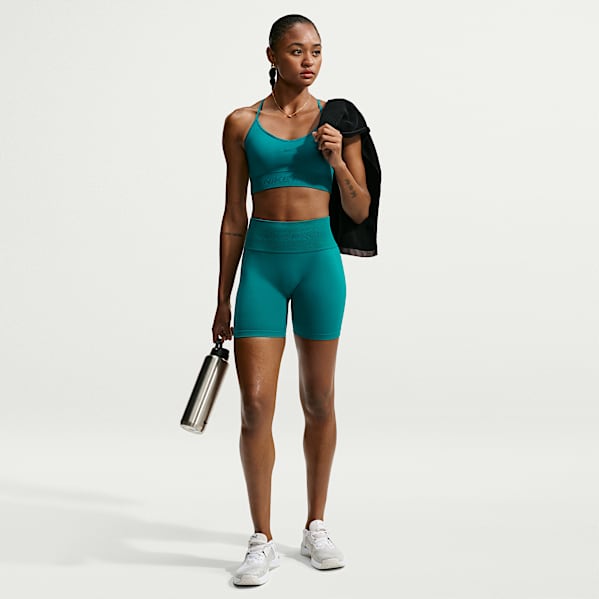
Women's Dri-FIT High-Waisted 12.5cm (approx.) Biker Shorts
\
__42,99 €__](https://www.nike.com/lu/en/t/pro-seamless-womens-dri-fit-high-waisted-12-5cm-approx-biker-shorts-oR9pn4CH/IF1210-372)
- [
\
Nike Pro Sculpt
\
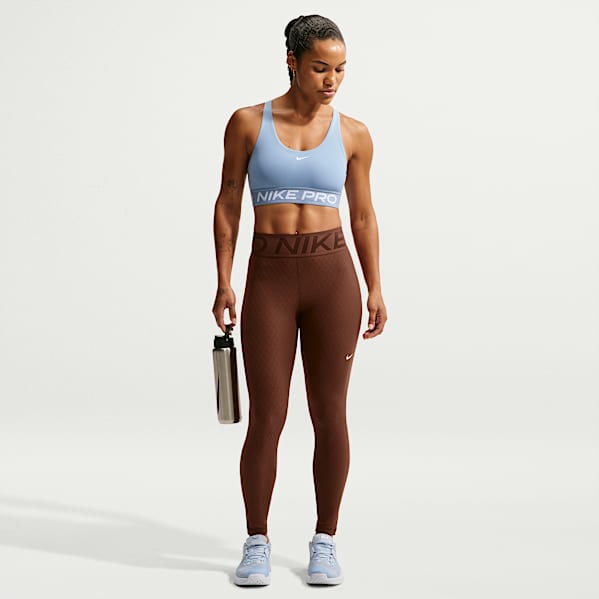
Women's Therma-FIT High-Waisted Leggings
\
__69,99 €__](https://www.nike.com/lu/en/t/pro-sculpt-womens-therma-fit-high-waisted-leggings-EYzXpI6a/IM9749-259)
Originally published: 1 January 1970
## Related Stories
- 
[](https://www.nike.com/lu/en/a/leg-day-warmup)
# Sports & Activity
# 10 Trainer-approved warm-up exercises for a stronger leg day
- 
[](https://www.nike.com/lu/en/a/best-forearm-exercises)
# Sports & Activity
# 9 Best Forearm Exercises for Grip Strength, Muscle and Endurance
- 
[](https://www.nike.com/lu/en/a/cardio-vs-strength-training)
# Activity
# Cardio vs Strength Training: Which Is Better and How Can You Combine Them?
- 
[](https://www.nike.com/lu/en/a/bench-press-muscles-worked)
# Sport & activity
# Everything You Need to Know About Barbell Bench Presses, According to Trainers
- 
[](https://www.nike.com/lu/en/a/what-muscles-do-planks-work)
# Sport & activity
# All the Muscles That Fire Up In a Plank
Resources
[Gift Cards](https://www.nike.com/lu/en/gift-cards)
[Find a Store](https://www.nike.com/lu/en/retail/)
[Nike Journal](https://www.nike.com/lu/en/stories)
[Become a Member](https://www.nike.com/lu/en/membership)
[Feedback](https://www.nike.com#site-feedback)
[Promo Codes](https://www.nike.com/lu/en/promo-code)
[Product Advice](https://www.nike.com/lu/en/product-advice)
[Running Shoe Finder](https://www.nike.com/lu/en/running/shoe-finder)
Help
[Get Help](https://www.nike.com/lu/en/help)
[Order Status](https://www.nike.com/lu/en/orders/details)
[Shipping and Delivery](https://www.nike.com/lu/en/help/a/shipping-delivery-eu)
[Returns](https://www.nike.com/lu/en/help/a/returns-policy-eu)
[Payment Options](https://www.nike.com/lu/en/help/a/payment-options-eu)
[Contact Us](https://www.nike.com/lu/en/help/#contact)
[Reviews](https://www.nike.com/lu/en/help/a/reviews)
[EU Harmonized Guarantee Notice](https://assets-commerce-nikecloud-com.s3.us-east-1.amazonaws.com/gethelp/legal+guarantee/Legal+guarantee_notice+ENN.pdf)
Company
[About Nike](https://about.nike.com/)
[News](https://news.nike.com/)
[Careers](https://jobs.nike.com/)
[Investors](https://investors.nike.com/)
[Sustainability](https://www.nike.com/lu/en/sustainability)
[Accessibility](https://www.nike.com/accessibility)
[Accessibility Statement](https://www.nike.com/lu/en/accessibility/statement)
[Purpose](https://www.nike.com/lu/en/purpose)
[Nike Coaching](https://www.nike.com/lu/en/coaching)
Community Discounts
[Student](https://urldefense.com/v3/__https://services.sheerid.com/verify/68d15e386bcf0b059b3b1708/?locale=en-GB__%3B%21%21KLCbKzk%21nTvDkRbY-BbSpoWsFhAQdmMrehEzU3loDux4_exRVjO9--Ik_EbQNJ3bX2gkEwR7F9cVVROFKqLxE4B8uW6bnx6ExhnX4w%24)
[Teacher](https://urldefense.com/v3/__https://services.sheerid.com/verify/68dcfa47c3f2fd1cd3069a9c/?locale=en-GB__%3B%21%21KLCbKzk%21nTvDkRbY-BbSpoWsFhAQdmMrehEzU3loDux4_exRVjO9--Ik_EbQNJ3bX2gkEwR7F9cVVROFKqLxE4B8uW6bnx4Mc-D7Vg%24)
[Resources](https://www.nike.com/lu/en/help)
[Gift Cards](https://www.nike.com/lu/en/gift-cards)
[Find a Store](https://www.nike.com/lu/en/retail/)
[Nike Journal](https://www.nike.com/lu/en/stories)
[Become a Member](https://www.nike.com/lu/en/membership)
[Feedback](https://www.nike.com#site-feedback)
[Promo Codes](https://www.nike.com/lu/en/promo-code)
[Product Advice](https://www.nike.com/lu/en/product-advice)
[Running Shoe Finder](https://www.nike.com/lu/en/running/shoe-finder)
[Help](https://www.nike.com/lu/en/help)
[Get Help](https://www.nike.com/lu/en/help)
[Order Status](https://www.nike.com/lu/en/orders/details)
[Shipping and Delivery](https://www.nike.com/lu/en/help/a/shipping-delivery-eu)
[Returns](https://www.nike.com/lu/en/help/a/returns-policy-eu)
[Payment Options](https://www.nike.com/lu/en/help/a/payment-options-eu)
[Contact Us](https://www.nike.com/lu/en/help/#contact)
[Reviews](https://www.nike.com/lu/en/help/a/reviews)
[EU Harmonized Guarantee Notice](https://assets-commerce-nikecloud-com.s3.us-east-1.amazonaws.com/gethelp/legal+guarantee/Legal+guarantee_notice+ENN.pdf)
[Company](https://about.nike.com/en)
[About Nike](https://about.nike.com/)
[News](https://news.nike.com/)
[Careers](https://jobs.nike.com/)
[Investors](https://investors.nike.com/)
[Sustainability](https://www.nike.com/lu/en/sustainability)
[Accessibility](https://www.nike.com/accessibility)
[Accessibility Statement](https://www.nike.com/lu/en/accessibility/statement)
[Purpose](https://www.nike.com/lu/en/purpose)
[Nike Coaching](https://www.nike.com/lu/en/coaching)
## Community Discounts
[Student](https://urldefense.com/v3/__https://services.sheerid.com/verify/68d15e386bcf0b059b3b1708/?locale=en-GB__%3B%21%21KLCbKzk%21nTvDkRbY-BbSpoWsFhAQdmMrehEzU3loDux4_exRVjO9--Ik_EbQNJ3bX2gkEwR7F9cVVROFKqLxE4B8uW6bnx6ExhnX4w%24)
[Teacher](https://urldefense.com/v3/__https://services.sheerid.com/verify/68dcfa47c3f2fd1cd3069a9c/?locale=en-GB__%3B%21%21KLCbKzk%21nTvDkRbY-BbSpoWsFhAQdmMrehEzU3loDux4_exRVjO9--Ik_EbQNJ3bX2gkEwR7F9cVVROFKqLxE4B8uW6bnx4Mc-D7Vg%24)
Luxembourg
- © 2026 Nike, Inc. All rights reserved.
- Guides
- [Nike Air](https://www.nike.com/lu/en/air)
- [Nike Air Max](https://www.nike.com/lu/en/air-max)
- [Nike FlyEase](https://www.nike.com/lu/en/flyease)
- [Nike Pegasus](https://www.nike.com/lu/en/running/runningzoom-pegasus-37)
- [Nike React](https://www.nike.com/lu/en/react)
- [Nike Vaporfly](https://www.nike.com/lu/en/running/vaporfly)
- [Terms of Use](https://agreementservice.svs.nike.com/lu/en_gb/rest/agreement?agreementType=termsOfUse&uxId=com.nike&country=LU&language=en&requestType=redirect)
- [Terms of Sale](https://agreementservice.svs.nike.com/rest/agreement?agreementType=termsOfSale&uxId=com.nike.tos&requestType=redirect)
- [Company Details](https://www.nike.com/lu/en/help/a/company-details)
- [Privacy & Cookie Policy](https://agreementservice.svs.nike.com/rest/agreement?agreementType=privacyPolicy&uxId=default&requestType=redirect)
- [Privacy & Cookie Settings](https://www.nike.com/lu/en/guest/settings/privacy)
## Africa
- [__Egypt__
\
English](https://www.nike.com/eg/)
- [__Morocco__
\
English](https://www.nike.com/ma/en/)
- [__Maroc__
\
Français](https://www.nike.com/ma/)
- [__South Africa__
\
English](https://www.nike.com/za/)
## Americas
- [__Argentina__
\
Español](https://www.nike.com.ar)
- [__Brasil__
\
Português](https://www.nike.com.br)
- [__Canada__
\
English](https://www.nike.com/ca/)
- [__Canada__
\
Français](https://www.nike.com/ca/fr/)
- [__Chile__
\
Español](https://www.nike.cl)
- [__Colombia__
\
Español](https://www.nike.com.co)
- [__México__
\
Español](https://www.nike.com/mx/)
- [__Peru__
\
Español](https://www.nike.com.pe)
- [__Puerto Rico__
\
Español](https://www.nike.com/pr/)
- [__United States__
\
English](https://www.nike.com)
- [__Estados Unidos__
\
Español](https://www.nike.com/us/es/)
- [__Uruguay__
\
Español](https://www.nike.com.uy)
- [__Latin America__
\
Español](https://www.nike.com/xl/)
## Asia Pacific
- [__Australia__
\
English](https://www.nike.com/au/)
- [__中国大陆__
\
简体中文](https://www.nike.com.cn/)
- [__Hong Kong__
\
English](https://www.nike.com.hk/)
- [__香港__
\
繁體中文](https://www.nike.com.hk/)
- [__India__
\
English](https://www.nike.in/)
- [__Indonesia__
\
English](https://www.nike.com/id/)
- [__Japan__
\
English](https://www.nike.com/jp/en/)
- [__日本__
\
日本語](https://www.nike.com/jp/)
- [__대한민국__
\
한국어](https://www.nike.com/kr/)
- [__Malaysia__
\
English](https://www.nike.com/my/)
- [__New Zealand__
\
English](https://www.nike.com/nz/)
- [__Philippines__
\
English](https://www.nike.com/ph/)
- [__Singapore__
\
English](https://www.nike.com/sg/)
- [__台灣__
\
繁體中文](https://www.nike.com/tw/)
- [__ไทย__
\
ภาษาไทย](https://www.nike.com/th/)
- [__Vietnam__
\
English](https://www.nike.com/vn/)
## Europe
- [__Österreich__
\
Deutsch](https://www.nike.com/at/)
- [__Austria__
\
English](https://www.nike.com/at/en/)
- [__Belgien__
\
Deutsch](https://www.nike.com/be/de/)
- [__Belgium__
\
English](https://www.nike.com/be/en/)
- [__Belgique__
\
Français](https://www.nike.com/be/fr/)
- [__België__
\
Nederlands](https://www.nike.com/be/)
- [__Bulgaria__
\
English](https://www.nike.com/bg/)
- [__Croatia__
\
English](https://www.nike.com/hr/)
- [__Česká republika__
\
Čeština](https://www.nike.com/cz/)
- [__Czech Republic__
\
English](https://www.nike.com/cz/en/)
- [__Danmark__
\
Dansk](https://www.nike.com/dk/)
- [__Denmark__
\
English](https://www.nike.com/dk/en/)
- [__Finland__
\
English](https://www.nike.com/fi/)
- [__France__
\
Français](https://www.nike.com/fr/)
- [__Deutschland__
\
Deutsch](https://www.nike.com/de/)
- [__Ελλάδα__
\
ελληνικά](https://www.nike.com/gr/)
- [__Hungary__
\
English](https://www.nike.com/hu/en/)
- [__Magyarország__
\
Magyar](https://www.nike.com/hu/)
- [__Ireland__
\
English](https://www.nike.com/ie/)
- [__Israel__
\
English](https://www.nike.com/il/)
- [__Italia__
\
Italiano](https://www.nike.com/it/)
- [__Luxemburg__
\
Deutsch](https://www.nike.com/lu/de/)
- [__Luxembourg__
\
English](https://www.nike.com/lu/en/)
- [__Luxembourg__
\
Français](https://www.nike.com/lu/)
- [__Netherlands__
\
English](https://www.nike.com/nl/en/)
- [__Nederland__
\
Nederlands](https://www.nike.com/nl/)
- [__Norway__
\
English](https://www.nike.com/no/en/)
- [__Norge__
\
Norsk](https://www.nike.com/no/)
- [__Polska__
\
Polski](https://www.nike.com/pl/)
- [__Portugal__
\
English](https://www.nike.com/pt/en/)
- [__Portugal__
\
Português](https://www.nike.com/pt/)
- [__Romania__
\
English](https://www.nike.com/ro/)
- [__Россия__
\
Русский](https://www.nike.com/ru/)
- [__Slovakia__
\
English](https://www.nike.com/sk/)
- [__Slovenia__
\
English](https://www.nike.com/si/)
- [__Espanya__
\
Català](https://www.nike.com/es/ca/)
- [__España__
\
Español](https://www.nike.com/es/)
- [__Sweden__
\
English](https://www.nike.com/se/en/)
- [__Sverige__
\
Svenska](https://www.nike.com/se/)
- [__Schweiz__
\
Deutsch](https://www.nike.com/ch/)
- [__Switzerland__
\
English](https://www.nike.com/ch/en/)
- [__Suisse__
\
Français](https://www.nike.com/ch/fr/)
- [__Svizzera__
\
Italiano](https://www.nike.com/ch/it/)
- [__Türkiye__
\
Türkçe](https://www.nike.com/tr/)
- [__United Kingdom__
\
English](https://www.nike.com/gb/)
## Middle East
- [__Saudi Arabia__
\
English](https://www.nike.sa/en/home)
- [__المملكة العربية السعودية__
\
العربية](https://www.nike.sa/ar/home)
- [__United Arab Emirates__
\
English](https://www.nike.ae/en/home)
- [__الإمارات العربية المتحدة__
\
العربية](https://www.nike.ae/ar/home)
- [__Qatar__
\
English](https://www.nike.qa/en/home)
- [__دولة قطر__
\
العربية](https://www.nike.qa/ar/home)
- [__Kuwait__
\
English](https://www.nike.com.kw/en/home)
- [__الكويت__
\
العربية](https://www.nike.com.kw/ar/home)