[Skip to main content](https://www.nike.com#skip-to-content)
- [](https://www.nike.com/lu/en/jordan)
- [Find a Store](https://www.nike.com/lu/en/retail)
- [Help](https://www.nike.com/lu/en/help)
[Help](https://www.nike.com/lu/en/help)
- [Order Status](https://www.nike.com/lu/en/orders/details)
- [Dispatch and Delivery](https://www.nike.com/lu/en/help/a/shipping-delivery-eu)
- [Returns](https://www.nike.com/lu/en/help/a/returns-policy-eu)
- [Size Charts](https://www.nike.com/lu/en/help/a/size-charts-eu)
- [Contact Us](https://www.nike.com/lu/en/help/#contact)
- [Privacy Policy](https://agreementservice.svs.nike.com/lu/en_gb/rest/agreement?agreementType=privacyPolicy&uxId=com.nike.unite&country=LU&language=en&requestType=redirect)
- [Terms of Sale](https://agreementservice.svs.nike.com/rest/agreement?agreementType=termsOfSale&uxId=com.nike.tos&requestType=redirect)
- [Terms of Use](https://agreementservice.svs.nike.com/lu/en_gb/rest/agreement?agreementType=termsOfUse&uxId=com.nike&country=LU&language=en&requestType=redirect)
- [Send Us Feedback](https://www.nike.com#site-feedback)
- [Join Us](https://www.nike.com/lu/en/membership)
- [Sign In](https://www.nike.com/lu/en/register)
[](https://www.nike.com/lu/en/)
- [New](https://www.nike.com/lu/en/w/new-3n82y)
- [New](https://www.nike.com/lu/en/w/new-3n82y)
- [New Arrivals](https://www.nike.com/lu/en/w/new-3n82y)
- [Best Sellers](https://www.nike.com/lu/en/w/best-76m50)
- [SNKRS Launch Calendar](https://www.nike.com/gb/launch/upcoming)
- [Tennis Slam](https://www.nike.com/lu/en/w/tennis-slam-7vd60)
- [Highlights](https://www.nike.com/lu/en/w/new-just-in-3apgqz3n82y)
- [Jordan: Love Letter Collection](https://www.nike.com/lu/en/w/love-letter-7xkbw)
- [Best of Jordan](https://www.nike.com/lu/en/w/best-of-jordan-brand-j0oa)
- [Running: Discover Aerofit](https://www.nike.com/lu/en/w/running-clothing-37v7jz6ymx6)
- [Style By Moon Shoe](https://www.nike.com/lu/en/nike-style-by)
- [Trending](https://www.nike.com/lu/en/w/best-76m50)
- [Hybrid Training](https://www.nike.com/lu/en/w/hybrid-training-7fx1n)
- [Marathon Shoes](https://www.nike.com/lu/en/w/marathon-distance-shoes-6vbyfzy7ok)
- [Elite Football Boots](https://www.nike.com/lu/en/w/elite-football-shoes-1gdj0z9vmnhzy7ok)
- [Sportswear Clothing](https://www.nike.com/lu/en/w/sportswear-clothing-43h4uz6ymx6)
- [Pro Football Boots](https://www.nike.com/lu/en/w/pro-football-shoes-1gdj0z2a2jzy7ok)
- [Brands](https://www.nike.com/lu/en/w/37eefz43h4uz93bsdzpgd6)
- [Nike Sportswear](https://www.nike.com/lu/en/w/lifestyle-13jrm)
- [ACG: All Conditions Gear](https://www.nike.com/lu/en/acg)
- [Jordan](https://www.nike.com/lu/en/w/jordan-37eef)
- [Kobe](https://www.nike.com/lu/en/w/kobe-pgd6)
- [NOCTA](https://www.nike.com/lu/en/w/nocta-25nhb)
- [Men](https://www.nike.com/lu/en/men)
- [Highlights](https://www.nike.com/lu/en/w/new-mens-3n82yznik1)
- [New Arrivals](https://www.nike.com/lu/en/w/new-mens-3n82yznik1)
- [Best Sellers](https://www.nike.com/lu/en/w/mens-best-76m50znik1)
- [Streetwear Clothing](https://www.nike.com/lu/en/w/streetwear-clothing-97qn8)
- [Tennis Slam](https://www.nike.com/lu/en/w/mens-tennis-slam-7vd60znik1)
- [Shoes](https://www.nike.com/lu/en/w/mens-shoes-nik1zy7ok)
- [All Shoes](https://www.nike.com/lu/en/w/mens-shoes-nik1zy7ok)
- [Lifestyle](https://www.nike.com/lu/en/w/mens-lifestyle-shoes-13jrmznik1zy7ok)
- [Jordan](https://www.nike.com/lu/en/w/mens-jordan-shoes-37eefznik1zy7ok)
- [Running](https://www.nike.com/lu/en/w/mens-running-shoes-37v7jznik1zy7ok)
- [Football](https://www.nike.com/lu/en/w/mens-football-shoes-1gdj0znik1zy7ok)
- [Basketball](https://www.nike.com/lu/en/w/mens-basketball-shoes-3glsmznik1zy7ok)
- [Training and Gym](https://www.nike.com/lu/en/w/mens-training-gym-shoes-58jtoznik1zy7ok)
- [Skateboarding](https://www.nike.com/lu/en/w/mens-skateboarding-shoes-8mfrfznik1zy7ok)
- [Custom Shoes](https://www.nike.com/lu/en/w/mens-nike-by-you-shoes-6ealhznik1zy7ok)
- [Shoes under 100 (EU)](https://www.nike.com/lu/en/w/mens-under-100-shoes-49o1mznik1zy7ok)
- [Clothing](https://www.nike.com/lu/en/w/mens-clothing-6ymx6znik1)
- [All Clothing](https://www.nike.com/lu/en/w/mens-clothing-6ymx6znik1)
- [Hoodies and Sweatshirts](https://www.nike.com/lu/en/w/mens-hoodies-sweatshirts-6riveznik1)
- [Tops and T-Shirts](https://www.nike.com/lu/en/w/mens-tops-t-shirts-9om13znik1)
- [Kits and Jerseys](https://www.nike.com/lu/en/w/mens-football-kits-jerseys-1gdj0z3a41eznik1)
- [Shorts](https://www.nike.com/lu/en/w/mens-shorts-38fphznik1)
- [Trousers and Tights](https://www.nike.com/lu/en/w/mens-trousers-tights-2kq19znik1)
- [Tracksuits](https://www.nike.com/lu/en/w/mens-tracksuits-1ll2wznik1)
- [Jackets](https://www.nike.com/lu/en/w/mens-jackets-gilets-50r7yznik1)
- [Accessories](https://www.nike.com/lu/en/w/mens-accessories-equipment-awwpwznik1)
- [Sport](https://www.nike.com/lu/en/w/mens-performance-3k7dgznik1)
- [Running](https://www.nike.com/lu/en/running)
- [Football](https://www.nike.com/lu/en/football)
- [Basketball](https://www.nike.com/lu/en/basketball)
- [Training and Gym](https://www.nike.com/lu/en/training)
- [Tennis](https://www.nike.com/lu/en/tennis)
- [Skateboarding](https://www.nike.com/lu/en/w/mens-skateboarding-8mfrfznik1)
- [Golf](https://www.nike.com/lu/en/golf)
- Brands
- [Nike Sportswear](https://www.nike.com/lu/en/w/mens-lifestyle-13jrmznik1)
- [ACG: All Conditions Gear](https://www.nike.com/lu/en/acg)
- [Jordan](https://www.nike.com/lu/en/w/mens-jordan-37eefznik1)
- [Kobe](https://www.nike.com/lu/en/w/mens-kobe-nik1zpgd6)
- [NOCTA](https://www.nike.com/lu/en/w/mens-nocta-25nhbznik1)
- [Women](https://www.nike.com/lu/en/women)
- [Highlights](https://www.nike.com/lu/en/w/new-womens-3n82yz5e1x6)
- [New Arrivals](https://www.nike.com/lu/en/w/new-womens-3n82yz5e1x6)
- [Best Sellers](https://www.nike.com/lu/en/w/womens-best-5e1x6z76m50)
- [Nike Fleece Essentials](https://www.nike.com/lu/en/w/womens-nike-studio-fleece-clothing-5e1x6z6ymx6zs531)
- [Seasonal Clothing Packs](https://www.nike.com/lu/en/w/seasonal-clothing-packs-9yawh)
- [Style By Moon Shoe](https://www.nike.com/lu/en/nike-style-by)
- [Tennis Slam](https://www.nike.com/lu/en/w/womens-tennis-slam-5e1x6z7vd60)
- [Shoes](https://www.nike.com/lu/en/w/womens-shoes-5e1x6zy7ok)
- [All Shoes](https://www.nike.com/lu/en/w/womens-shoes-5e1x6zy7ok)
- [Lifestyle](https://www.nike.com/lu/en/w/womens-lifestyle-shoes-13jrmz5e1x6zy7ok)
- [Jordan](https://www.nike.com/lu/en/w/womens-jordan-shoes-37eefz5e1x6zy7ok)
- [Running](https://www.nike.com/lu/en/w/womens-running-shoes-37v7jz5e1x6zy7ok)
- [Training and Gym](https://www.nike.com/lu/en/w/womens-training-gym-shoes-58jtoz5e1x6zy7ok)
- [Football](https://www.nike.com/lu/en/w/womens-football-shoes-1gdj0z5e1x6zy7ok)
- [Custom Shoes](https://www.nike.com/lu/en/w/womens-nike-by-you-shoes-5e1x6z6ealhzy7ok)
- [Shoes under 100 (EU)](https://www.nike.com/lu/en/w/womens-under-100-shoes-49o1mz5e1x6zy7ok)
- [Clothing](https://www.nike.com/lu/en/w/womens-clothing-5e1x6z6ymx6)
- [All Clothing](https://www.nike.com/lu/en/w/womens-clothing-5e1x6z6ymx6)
- [Hoodies and Sweatshirts](https://www.nike.com/lu/en/w/womens-hoodies-sweatshirts-5e1x6z6rive)
- [Tops and T-Shirts](https://www.nike.com/lu/en/w/womens-tops-t-shirts-5e1x6z9om13)
- [Shorts](https://www.nike.com/lu/en/w/womens-shorts-38fphz5e1x6)
- [Leggings](https://www.nike.com/lu/en/w/womens-tights-leggings-29sh2z5e1x6)
- [Trousers](https://www.nike.com/lu/en/w/womens-trousers-tights-2kq19z5e1x6)
- [Matching Sets](https://www.nike.com/lu/en/w/womens-matching-sets-2lukpz5e1x6)
- [Jackets](https://www.nike.com/lu/en/w/womens-jackets-gilets-50r7yz5e1x6)
- [Sports Bras](https://www.nike.com/lu/en/w/womens-sports-bras-40qgmz5e1x6)
- [Accessories](https://www.nike.com/lu/en/w/womens-accessories-equipment-5e1x6zawwpw)
- [Sport](https://www.nike.com/lu/en/w/womens-performance-3k7dgz5e1x6)
- [Training and Gym](https://www.nike.com/lu/en/training)
- [Running](https://www.nike.com/lu/en/running)
- [Football](https://www.nike.com/lu/en/football)
- [Basketball](https://www.nike.com/lu/en/basketball)
- [Tennis](https://www.nike.com/lu/en/tennis)
- [Skateboarding](https://www.nike.com/lu/en/w/womens-skateboarding-5e1x6z8mfrf)
- [Golf](https://www.nike.com/lu/en/golf)
- Brands
- [NikeSKIMS](https://www.nike.com/lu/en/nikeskims)
- [Nike Sportswear](https://www.nike.com/lu/en/w/womens-lifestyle-13jrmz5e1x6)
- [ACG: All Conditions Gear](https://www.nike.com/lu/en/acg)
- [Jordan](https://www.nike.com/lu/en/w/womens-jordan-37eefz5e1x6)
- [Kobe](https://www.nike.com/lu/en/w/womens-kobe-5e1x6zpgd6)
- [Kids](https://www.nike.com/lu/en/kids)
- [Highlights](https://www.nike.com/lu/en/w/new-kids-3n82yzv4dh)
- [New Arrivals](https://www.nike.com/lu/en/w/new-kids-3n82yzv4dh)
- [Best Sellers](https://www.nike.com/lu/en/w/kids-best-76m50zv4dh)
- [Teen Destination](https://www.nike.com/lu/en/teens)
- [Nike x LEGO® Collection](https://www.nike.com/lu/en/lego)
- [Shoes](https://www.nike.com/lu/en/w/kids-shoes-v4dhzy7ok)
- [All Shoes](https://www.nike.com/lu/en/w/kids-shoes-v4dhzy7ok)
- [Lifestyle](https://www.nike.com/lu/en/w/kids-lifestyle-shoes-13jrmzv4dhzy7ok)
- [Jordan](https://www.nike.com/lu/en/w/kids-jordan-shoes-37eefzv4dhzy7ok)
- [Football](https://www.nike.com/lu/en/w/kids-football-shoes-1gdj0zv4dhzy7ok)
- [Running](https://www.nike.com/lu/en/w/kids-running-shoes-37v7jzv4dhzy7ok)
- [Basketball](https://www.nike.com/lu/en/w/kids-basketball-shoes-3glsmzv4dhzy7ok)
- [Physical Education](https://www.nike.com/lu/en/w/kids-performance-shoes-3k7dgzv4dhzy7ok)
- [Shoes under 100 (EU)](https://www.nike.com/lu/en/w/kids-under-100-shoes-49o1mzv4dhzy7ok)
- [Clothing](https://www.nike.com/lu/en/w/kids-clothing-6ymx6zv4dh)
- [All Clothing](https://www.nike.com/lu/en/w/kids-clothing-6ymx6zv4dh)
- [Hoodies and Sweatshirts](https://www.nike.com/lu/en/w/kids-hoodies-sweatshirts-6rivezv4dh)
- [Tops and T-Shirts](https://www.nike.com/lu/en/w/kids-tops-t-shirts-9om13zv4dh)
- [Kits & Jerseys](https://www.nike.com/lu/en/w/kids-football-kits-jerseys-1gdj0z3a41ezv4dh)
- [Tracksuits](https://www.nike.com/lu/en/w/kids-tracksuits-1ll2wzv4dh)
- [Shorts](https://www.nike.com/lu/en/w/kids-shorts-38fphzv4dh)
- [Trousers and Leggings](https://www.nike.com/lu/en/w/kids-trousers-tights-2kq19zv4dh)
- [Matching Sets](https://www.nike.com/lu/en/w/kids-matching-sets-2lukpzv4dh)
- [Jackets](https://www.nike.com/lu/en/w/kids-jackets-gilets-50r7yzv4dh)
- [Accessories](https://www.nike.com/lu/en/w/kids-accessories-equipment-awwpwzv4dh)
- [Kids by age](https://www.nike.com/lu/en/w/kids-v4dh)
- [Teens (13–17 years)](https://www.nike.com/lu/en/w/teen-collection-6hgue)
- [Older Kids (7–12 years)](https://www.nike.com/lu/en/w/older-kids-agibjzv4dh)
- [Younger Kids (3–7 years)](https://www.nike.com/lu/en/w/little-kids-6dacezv4dh)
- [Baby & Toddler (0–3 years)](https://www.nike.com/lu/en/w/baby-toddlers-kids-2j488zv4dh)
- [Sport](https://www.nike.com/lu/en/w/kids-performance-3k7dgzv4dh)
- [Running](https://www.nike.com/lu/en/w/kids-running-37v7jzv4dh)
- [Football](https://www.nike.com/lu/en/w/kids-football-1gdj0zv4dh)
- [Basketball](https://www.nike.com/lu/en/w/kids-basketball-3glsmzv4dh)
- [Physical Education](https://www.nike.com/lu/en/w/kids-training-gym-58jtozv4dh)
- [Skateboarding](https://www.nike.com/lu/en/w/skateboarding-8mfrf)
- [Sport](https://www.nike.com/lu/en/lockerroom)
- [Highlights](https://www.nike.com/lu/en/w/new-performance-3k7dgz3n82y)
- [New Arrivals](https://www.nike.com/lu/en/w/new-performance-3k7dgz3n82y)
- [Best Sellers](https://www.nike.com/lu/en/w/best-performance-3k7dgz76m50)
- [Jordan Basketball](https://www.nike.com/lu/en/w/jordan-basketball-37eefz3glsm)
- [Running: Discover Aerofit](https://www.nike.com/lu/en/w/running-clothing-37v7jz6ymx6)
- [Football: New Club Kits 26/27](https://www.nike.com/lu/en/w/club-football-teams-6fu9q)
- [Running](https://www.nike.com/lu/en/running)
- [All Running](https://www.nike.com/lu/en/w/running-37v7j)
- [Shoes](https://www.nike.com/lu/en/w/running-shoes-37v7jzy7ok)
- [Clothing](https://www.nike.com/lu/en/w/running-clothing-37v7jz6ymx6)
- [Accessories](https://www.nike.com/lu/en/w/running-accessories-equipment-37v7jzawwpw)
- [Football](https://www.nike.com/lu/en/football)
- [All Football](https://www.nike.com/lu/en/w/football-1gdj0)
- [Shoes](https://www.nike.com/lu/en/w/football-shoes-1gdj0zy7ok)
- [Clothing](https://www.nike.com/lu/en/w/football-clothing-1gdj0z6ymx6)
- [Accessories](https://www.nike.com/lu/en/w/football-accessories-equipment-1gdj0zawwpw)
- [Training and Gym](https://www.nike.com/lu/en/training)
- [All Training and Gym](https://www.nike.com/lu/en/w/training-gym-58jto)
- [Shoes](https://www.nike.com/lu/en/w/training-gym-shoes-58jtozy7ok)
- [Clothing](https://www.nike.com/lu/en/w/training-gym-clothing-58jtoz6ymx6)
- [Accessories](https://www.nike.com/lu/en/w/training-gym-accessories-equipment-58jtozawwpw)
- [More Sports](https://www.nike.com/lu/en/w/performance-3k7dg)
- [All Sport](https://www.nike.com/lu/en/w/performance-3k7dg)
- [Basketball](https://www.nike.com/lu/en/basketball)
- [Outdoor](https://www.nike.com/lu/en/w/acg-93bsd)
- [Tennis](https://www.nike.com/lu/en/tennis)
- [Nike SB](https://www.nike.com/lu/en/w/skateboarding-8mfrf)
- [Golf](https://www.nike.com/lu/en/golf)
- [NikeSKIMS](https://www.nike.com/lu/en/nikeskims)
- [NikeSKIMS Guides](https://www.nike.com/lu/en/nikeskims-lookbook)
- [NikeSKIMS Lookbook](https://www.nike.com/lu/en/nikeskims-lookbook)
- [NikeSKIMS Bra Guide](https://www.nike.com/lu/en/nikeskims-bra-guide)
- [NikeSKIMS Collection Guide](https://www.nike.com/lu/en/nikeskims-collection-guide)
- [Clothing](https://www.nike.com/lu/en/w/nikeskims-b2asd)
- [All Clothing](https://www.nike.com/lu/en/w/nikeskims-clothing-6ymx6zb2asd)
- [Bras](https://www.nike.com/lu/en/w/nikeskims-sports-bras-40qgmzb2asd)
- [Tops and Tanks](https://www.nike.com/lu/en/w/nikeskims-tops-t-shirts-9om13zb2asd)
- [Leggings](https://www.nike.com/lu/en/w/nikeskims-tights-leggings-29sh2zb2asd)
- [Shorts](https://www.nike.com/lu/en/w/nikeskims-shorts-38fphzb2asd)
- [Shoes](https://www.nike.com/lu/en/w/nikeskims-shoes-b2asdzy7ok)
- [Accessories](https://www.nike.com/lu/en/w/nikeskims-accessories-equipment-awwpwzb2asd)
- [Collections](https://www.nike.com/lu/en/nikeskims-collection-guide)
- [All Collections](https://www.nike.com/lu/en/w/nikeskims-b2asd)
- [Shine](https://www.nike.com/lu/en/w/nikeskims-nikeskims-shine-aq8qbzb2asd)
- [Matte](https://www.nike.com/lu/en/w/nikeskims-nikeskims-matte-5s3enzb2asd)
- [Airy](https://www.nike.com/lu/en/w/nikeskims-nikeskims-airy-5c1qqzb2asd)
- [Ribbed Seamless](https://www.nike.com/lu/en/w/nikeskims-nikeskims-seamless-6lh4szb2asd)
- [Stretch Knit](https://www.nike.com/lu/en/w/nikeskims-nikeskims-stretch-knit-21jwlzb2asd)
- [Studio Stretch](https://www.nike.com/lu/en/w/nikeskims-studio-stretch-admbq)
- [Stretch Nylon](https://www.nike.com/lu/en/w/nikeskims-stretch-nylon-7sut9)
- [Weightless](https://www.nike.com/lu/en/w/nikeskims-nikeskims-weightless-4csx8zb2asd)
- [Shop By Color](https://www.nike.com/lu/en/w/nikeskims-b2asd)
- [Obsidian](https://www.nike.com/lu/en/w/nikeskims-black-90poyzb2asd)
- [Dark Sepia](https://www.nike.com/lu/en/w/nikeskims-dark-sepia-81pvm)
- [Phoenix](https://www.nike.com/lu/en/w/nikeskims-phoenix-1jhtj)
- [Cobalt](https://www.nike.com/lu/en/w/nikeskims-blue-8hfx3zb2asd)
- [Ivory](https://www.nike.com/lu/en/w/nikeskims-white-4g797zb2asd)
Cancel
Cancel
Popular Search Terms
[studio fleece](https://www.nike.com/lu/en/w?q=studio%20fleece&vst=studio%20fleece)[shoes](https://www.nike.com/lu/en/w?q=shoes&vst=shoes)[football boots](https://www.nike.com/lu/en/w?q=football%20boots&vst=football%20boots)[basketball shoes](https://www.nike.com/lu/en/w?q=basketball%20shoes&vst=basketball%20shoes)[backpack](https://www.nike.com/lu/en/w?q=backpack&vst=backpack)[nike elite](https://www.nike.com/lu/en/w?q=nike%20elite&vst=nike%20elite)[barcelona](https://www.nike.com/lu/en/w?q=barcelona&vst=barcelona)[jordan](https://www.nike.com/lu/en/w?q=jordan&vst=jordan)
[](https://www.nike.com/lu/en/favorites "Favourites")[](https://www.nike.com/lu/en/cart "Bag Items: 0")
# Should You Run in a Weighted Vest? Experts Explain the Benefits—And Drawbacks
##### Activity
Talk about multi-tasking: you get cardio and strength training at the same time, but there are a few caveats to bear in mind.
Last updated: 27 March 2026
12 min read
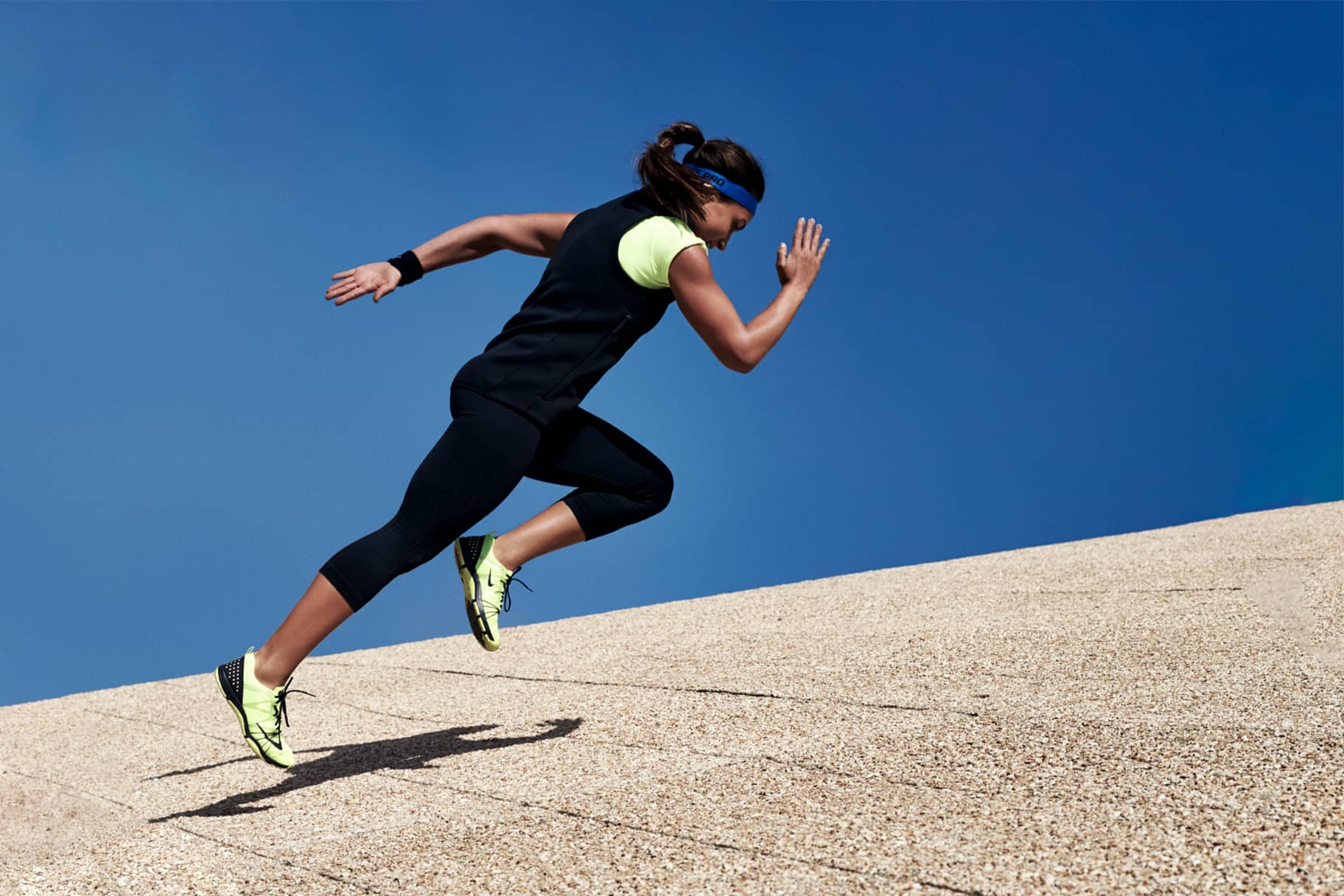
Weighted vests are exactly what they sound like—form-fitting vests that can usually be adjusted in weight. But is running in a weighted ves a good idea? While the answer comes down to personal preference, here are some pros and cons, according to experts.
## Quick takeaways
- Running with a weighted vest increases workload and calorie burn.
- Vest weight should generally stay under 10 percent of body weight.
- Weighted running can improve strength and cardiovascular demand.
- Improper use can increase joint stress and injury risk.
- Beginners should build running fitness before adding weight.
## Is Running With a Weighted Vest Safe?
It can be safe for experienced runners to wear a weighted vest during their workouts—provided they introduce it gradually and start light. Work up to a vest that weighs no more than 10 percent of your body weight.
## Possible Benefits of Running With a Weighted Vest
Running with a weighted vest offers a couple of distinctive benefits, said Meghan Kennihan, CPT, RRCA-certified running coach and USATF-certified athletics coach.
- __It can improve your balance:__ Running with a weighted vest emphasises your body position and foot landing, according to Kennihan.
- __It can improve your speed:__ When running with a weighted vest, you're training your body to exert more force during these run sessions, so when you run without it, your body remembers how to exert that same force, making you faster without the vest, according to Kennihan.
- __It can__ __improve endurance and__ __running economy:__ When running with a weighted vest, your body has to work harder to propel you forward, according to Kennihan. That increases your heart rate and makes your heart pump faster to get blood to the muscles and through the veins. As long as you don't have cardiovascular issues making that process a concern, the effect can be a performance booster.
However, if you're susceptible to injury or have an underlying health condition, running with a weighted running vest could increase the risk of complications. Make sure you clear it with your doctor or related health professional before test-driving a weighted vest.
## What the Research Says
Studies on the benefits and drawbacks of weighted vests are limited, with either a modest number of participants, a short time frame or both.
That said, some studies show that weighted-vest training offers benefits for runners. For example, a small-scale 2012 study in [*The Journal of Strength and Conditioning Research*](https://pubmed.ncbi.nlm.nih.gov/22266642/)[](https://pubmed.ncbi.nlm.nih.gov/22266642/) found that weighted vests were effective in slightly improving agility for runners, which translated to being able to jump with more power when the vest was removed.
And a small [2024 study](https://www.researchgate.net/publication/377843582_Metabolic_Costs_of_Walking_with_Weighted_Vests) found that for every 10 percent of weight you add with a vest, the amount of calories you'll burn may increase by almost 14 percent. That's similar to a [clinical trial](https://pubmed.ncbi.nlm.nih.gov/32510046/) in which participants wore a weighted vest for eight hours a day for three weeks—without doing physical activity—and had pronounced weight loss compared to those who didn't wear vests.
And a [research review](https://www.researchgate.net/publication/332963728_Acute_and_longitudinal_effects_of_weighted_vest_training_on_sprint-running_performance_a_systematic_review) that examined 11 studies on weighted vest training for [sprinting performance](https://www.nike.com/lu/en/a/how-to-sprint-properly) found that using vests improved blood lactate thresholds, which means runners were able to tolerate sprinting for longer time periods [before fatigue](https://www.nike.com/lu/en/a/run-longer-without-getting-tired). Lower-weight vests, such as those using only an empty vest—usually around 2.27 kg—were also shown to be helpful for longer distances.
However, it was tricky to determine the overall effect since vest loads varied widely—from 5 to 40 percent of body mass. That led researchers to conclude that future studies need to look closer at optimum load and volume to determine the training benefits for sprinters and endurance runners. Potential Benefits of Walking With a Weighted Vest in Menopause
When you hit menopause, a drop in oestrogen causes a "significant loss in bone strength", according to a 2024 research article in [*Best Practice & Research Clinical Endocrinology & Metabolism*](https://www.sciencedirect.com/science/article/abs/pii/S1521690X23000568). This hormonal change may boost your risk of developing [osteoporosis](https://medlineplus.gov/osteoporosis.html), a condition that weakens your bones and makes you susceptible to fractures.
While the research is limited, there is a link between exercising with a weighted vest in menopause and the reduction of the risk of falls and fractures in older women. A small 1998 study in [*The Journal of Gerontology: Biological Sciences*](https://pubmed.ncbi.nlm.nih.gov/9467434/) found that when women ages 50 to 75 (who had bone loss and low oestrogen) worked out with a weighted vest for nine months, their stability, lower-body strength, power and muscle mass improved—all of which can reduce fall and fracture risk.
In terms of running specifically, "a vest itself can be beneficial because it increases the load on your muscles and bones, which is how they both get stronger", said Erica Coviello, CPT, RRCA-certified running coach and owner of Run Fit Stoked. "This is especially important once your hormones start changing and the way your body deposits minerals changes."
However, women in menopause are at higher risk of injury due to bone loss and reduced strength, so Coviello suggests not overdoing it. If you notice your posture starting to falter, it's best to stop running.
"You'll probably see more benefit if you walk with a weighted vest and run without it", Coviello said. "Running without the weight already increases load, therefore sparking your bones' ability to adapt and grow new tissue".
## Potential Benefits of Walking With a Weighted Vest in Menopause
When you hit menopause, a drop in estrogen causes a “significant loss in bone strength,” according to a 2024 research article in [*Best Practice & Research Clinical Endocrinology & Metabolism*](https://www.sciencedirect.com/science/article/abs/pii/S1521690X23000568). This hormonal change may boost your risk of developing [osteoporosis](https://medlineplus.gov/osteoporosis.html), a condition that weakens your bones and makes you susceptible to fractures.
While the research is limited, there is a link between exercising with a weighted vest in menopause and the reduction of the risk of falls and fractures in older women. A small 1998 study in [*The Journal of Gerontology: Biological Sciences*](https://pubmed.ncbi.nlm.nih.gov/9467434/) found that when women ages 50 to 75 (who had bone loss and low estrogen) worked out with a weighted vest for nine months, their stability, lower-body strength, power and muscle mass improved — all of which can reduce fall and fracture risk.
In terms of running specifically, “a vest itself can be beneficial because it increases the load on your muscles and bones, which is how they both get stronger,” said Erica Coviello, CPT, RRCA-certified running coach and owner of Run Fit Stoked. “This is especially important once your hormones start changing and the way your body deposits minerals changes."
However, women in menopause are at higher risk of injury due to bone loss and reduced strength, so Coviello suggests not overdoing it. If you notice your posture starting to falter, it’s best to stop running.
“You'll probably see more benefit if you walk with a weighted vest and run without it,” Coviello said. “Running without the weight already increases load, therefore sparking your bones' ability to adapt and grow new tissue.”
## Drawbacks of Running With a Weighted Vest to Bear in Mind
The biggest caveat is that running already creates much higher forces on the body than walking does, according to Rachel MacNeill, DPT, and owner of Flexibility Physical Therapy. For example, she noted that each heelstrike produces a force equal to three to four times your bodyweight. So, is running with a weighted vest safe?
"We're constantly trying to mitigate these forces in our attempts at decreasing injury risk", she said. "A weighted vest would add to compressive forces on the joints and overall impact on the body, which seems counter-intuitive. A better use of weights for runners would be simply lifting in the gym during strength-training sessions".
Other drawbacks are that you won't be able to run as quickly and that your body mechanics could change in a way that throws off your form, Kennihan added. Although a lower weight might improve posture by causing you to run more upright, a higher weight could cause you to compensate by leaning forwards or backwards or by adjusting your stride in a new way.
"Also, overloading the upper body with a weighted vest could lead to injuries of the spine, and poor posture if you're using a vest that's too heavy could lead to a 'hunchback' posture overall", she said. That's particularly true if you haven't built up more [core strength](https://www.nike.com/lu/en/a/strong-core-benefits), which will help you utilise the vest more effectively.
## Why Walking With a Weighted Vest Is Often Safer Than Running With One
Walking is significantly lower impact than running, making it a smart way to introduce a weighted vest without the added injury risk. Known as [rucking](https://www.nike.com/lu/en/a/what-is-rucking), walking with added weight is a tried-and-true military training technique for building aerobic fitness—delivering a solid strength- and endurance-building workout even at a slower pace. If you're new to vest training, consider incorporating it into a walk before using it during a run.
## When Weighted Vest Training Makes Sense
A weighted vest isn't suitable for every workout—long runs and speed workouts may not be safe or effective with the added load. Reserve the vest for short, easy runs, resistance workouts and hiking or rucking.
## How Heavy Should a Weighted Vest Be?
How heavy should a weighted vest be for running? According to Kennihan, it should be no more than 10 percent of your body weight on its own. If the weighted vest changes your posture, it's too heavy, Coviello said.
## Signs Your Weighted Vest Is Too Heavy
- Posture changes.
- Excessive fatigue.
- Joint discomfort.
## How To Start Running With a Weighted Vest
If you've never run with a weighted vest before, Coviello suggests wearing it for just a few minutes at a time. Additionally, she recommends walking with a weighted vest before you run with one to get used to it. Gradually increase the amount of time, distance and speed you go while wearing it, she says.
Coviello also suggests not wearing a vest for [speed workouts](https://www.nike.com/lu/en/a/best-track-suit), [intervals](https://www.nike.com/lu/en/a/interval-training-running-benefits), recovery runs or [long runs](https://www.nike.com/lu/en/a/run-longer-without-getting-tired) unless you're training specifically for an endurance event that requires you to wear a pack.
The best time to wear it is on a short- to medium-distance easy run, she says.
## Form and Safety Tips
Follow these form and safety tips from Coviello:
- Land with your foot under your hip, not out in front of you.
- Keep your ribs stacked over your pelvis, and stand tall, with a slight lean from the ankles.
- Keep your elbows back.
- Stop if you feel pain or discomfort.
- Allow yourself time to recover from the effort.
## Best Practices for Running With a Weighted Vest
- Start light.
- Maintain posture.
- Avoid speed workouts.
- Stick to shorter durations.
## Does a Weighted Vest Increase Injury Risk?
Running in a weighted vest can increase your risk of injury in a few key ways.
- __Joint stress:__ The addition of weight increases impact forces on your joints when running, which can cause strain and pain over time.
- __Altered form:__ Overloading your body with additional weight can slow your running pace, leading to a change in body mechanics that increases your injury risk. You may end up leaning too far forwards or backwards or by adjusting your stride in another way—and these compensations strain joints and tissues in ways that compound over miles.
- __Spinal compression:__ A vest adds load to the spine, which can compress the discs and cause the spine to round forward. This can increase your risk of back pain and spine injury.
The best way to limit these risks is to introduce the weighted vest into your runs gradually, starting with a lighter weight.
## Who Should Avoid Running With a Weighted Vest
If you're a [beginner runner](https://www.nike.com/lu/en/a/how-to-start-running), a runner with joint pain or a runner [returning from an injury](https://www.nike.com/lu/en/a/how-to-start-running-again), give your body time to build a foundation of cardiovascular fitness and muscular endurance before incorporating a weighted vest. Starting your running journey with a weighted vest introduces higher levels of impact, joint stress and muscular demand than you may be ready for.
## The bottom line
Like any added fitness equipment, the use of a weighted vest will come down to personal preference and how it affects you. Some people swear by them, while others could be at a higher risk of spinal injury. It's important to check in with your physician or physical therapist before testing out a weighted vest to avoid injury.
If you are giving a vest a try, Kennihan suggests choosing one that fits close to the body and is snug when you're running. The weight should feel evenly distributed around your torso—not just in the front, which can pull you forward when you run.
"Ideally, get one that is adjustable, so you can start with it empty and gradually build up to its full capacity", she said. "Start with only running in the vest for a few minutes at a time, then very slowly build up from there in terms of time and weight".
## FAQs
Is running with a weighted vest good for weight loss?
While running with a weighted vest can help people lose weight if that's the goal, it shouldn't be the primary method, according to Coviello.
"On one hand, sure, you can burn more calories in the same amount of time while going at the same pace, but it can limit your ability to work out as long as you would without it due to the breakdown of posture and form, and faster fatigue can increase risk of injury", she said. "The tradeoff isn't worth it. Diet, total weekly volume and consistency matter far more when trying to lose weight".
Can beginners run with a weighted vest?
No. Coviello doesn't recommend beginners run with a weighted vest. "[Beginner runners](https://www.nike.com) should focus on building aerobic endurance above all", she said.
How often should I run with a weighted vest?
Unless you're training for a long-distance ruck, you don't need to wear a weighted vest every day, according to Coviello. "It should just be a way to increase resistance for the sake of building muscle and bone strength if you're short on time and are trying to kill a few birds with one stone", she said. Only wear a weighted vest on short- to medium-distance easy runs, she said.
Is running with a weighted vest bad for your knees?
It can be if you're already prone to [knee pain](https://www.nike.com/lu/en/a/exercises-for-knee-pain) or overuse injury, according to Coviello. "With the addition of the weight the vest provides, you'll see a quicker breakdown of posture and running form, which can increase risk of injury", she said.
Is running with a weighted vest safe?
Yes, but only if you build a foundation of cardiovascular fitness and muscular endurance first. From there, start with a lighter weight and infrequent sessions, increasing both gradually over time.
How heavy should a weighted vest be?
Experts recommend using a weighted vest that's no more than 10 percent of your body weight.
Does running with weight build more muscle?
No. Running with a weighted vest builds muscular endurance—not actual muscle.
Does running with a weighted vest increase injury risk?
Yes, running with a weighted vest can strain joints, alter running form and compress the spine, increasing your risk of injury.
## Set Goals and Stay Motivated with a Nike Training Plan
The easiest way to get moving on a consistent basis is to work toward a goal. And we've got one for whatever feels right for you. Whether you're new or returning to running, we've created a plan for you: Getting Started, 5K, 10K, Half Marathon and Marathon.
[Find Your Next Training Plan](https://www.nike.com/nrc-app)
## Words by Elizabeth Millard and Danielle Zickl
Originally published: 27 March 2026
## Related Stories
- 
[](https://www.nike.com/lu/en/a/what-is-cadence-running)
# Sports & Activity
# What Is a Good Running Cadence? How to Find Your Optimal Step Rate
- 
[](https://www.nike.com/lu/en/a/how-to-get-better-at-running)
# Sports & Activity
# How to Get Better at Running: 6 Coach-Approved Tips
- 
[](https://www.nike.com/lu/en/a/tempo-running-workout-benefits)
# Sports & Activity
# Tempo Runs: What They Are, How to Do Them and Key Benefits for Runners
- 
[](https://www.nike.com/lu/en/a/cardio-hiit-difference)
# Sports & Activity
# Cardio vs. HIIT: train smarter for fat loss and fitness
- 
[](https://www.nike.com/lu/en/a/how-to-prevent-blisters-running)
# Activity
# How to prevent blisters while running
Resources
[Gift Cards](https://www.nike.com/lu/en/gift-cards)
[Find a Store](https://www.nike.com/lu/en/retail/)
[Nike Journal](https://www.nike.com/lu/en/stories)
[Become a Member](https://www.nike.com/lu/en/membership)
[Feedback](https://www.nike.com#site-feedback)
[Promo Codes](https://www.nike.com/lu/en/promo-code)
[Product Advice](https://www.nike.com/lu/en/product-advice)
[Running Shoe Finder](https://www.nike.com/lu/en/running/shoe-finder)
Help
[Get Help](https://www.nike.com/lu/en/help)
[Order Status](https://www.nike.com/lu/en/orders/details)
[Shipping and Delivery](https://www.nike.com/lu/en/help/a/shipping-delivery-eu)
[Returns](https://www.nike.com/lu/en/help/a/returns-policy-eu)
[Payment Options](https://www.nike.com/lu/en/help/a/payment-options-eu)
[Contact Us](https://www.nike.com/lu/en/help/#contact)
[Reviews](https://www.nike.com/lu/en/help/a/reviews)
Company
[About Nike](https://about.nike.com/)
[News](https://news.nike.com/)
[Careers](https://jobs.nike.com/)
[Investors](https://investors.nike.com/)
[Sustainability](https://www.nike.com/lu/en/sustainability)
[Accessibility](https://www.nike.com/accessibility)
[Accessibility Statement](https://www.nike.com/lu/en/accessibility/statement)
[Purpose](https://www.nike.com/lu/en/purpose)
[Nike Coaching](https://www.nike.com/lu/en/coaching)
Community Discounts
[Student](https://urldefense.com/v3/__https://services.sheerid.com/verify/68d15e386bcf0b059b3b1708/?locale=en-GB__%3B%21%21KLCbKzk%21nTvDkRbY-BbSpoWsFhAQdmMrehEzU3loDux4_exRVjO9--Ik_EbQNJ3bX2gkEwR7F9cVVROFKqLxE4B8uW6bnx6ExhnX4w%24)
[Teacher](https://urldefense.com/v3/__https://services.sheerid.com/verify/68dcfa47c3f2fd1cd3069a9c/?locale=en-GB__%3B%21%21KLCbKzk%21nTvDkRbY-BbSpoWsFhAQdmMrehEzU3loDux4_exRVjO9--Ik_EbQNJ3bX2gkEwR7F9cVVROFKqLxE4B8uW6bnx4Mc-D7Vg%24)
[Resources](https://www.nike.com/lu/en/help)
[Gift Cards](https://www.nike.com/lu/en/gift-cards)
[Find a Store](https://www.nike.com/lu/en/retail/)
[Nike Journal](https://www.nike.com/lu/en/stories)
[Become a Member](https://www.nike.com/lu/en/membership)
[Feedback](https://www.nike.com#site-feedback)
[Promo Codes](https://www.nike.com/lu/en/promo-code)
[Product Advice](https://www.nike.com/lu/en/product-advice)
[Running Shoe Finder](https://www.nike.com/lu/en/running/shoe-finder)
[Help](https://www.nike.com/lu/en/help)
[Get Help](https://www.nike.com/lu/en/help)
[Order Status](https://www.nike.com/lu/en/orders/details)
[Shipping and Delivery](https://www.nike.com/lu/en/help/a/shipping-delivery-eu)
[Returns](https://www.nike.com/lu/en/help/a/returns-policy-eu)
[Payment Options](https://www.nike.com/lu/en/help/a/payment-options-eu)
[Contact Us](https://www.nike.com/lu/en/help/#contact)
[Reviews](https://www.nike.com/lu/en/help/a/reviews)
[Company](https://about.nike.com/en)
[About Nike](https://about.nike.com/)
[News](https://news.nike.com/)
[Careers](https://jobs.nike.com/)
[Investors](https://investors.nike.com/)
[Sustainability](https://www.nike.com/lu/en/sustainability)
[Accessibility](https://www.nike.com/accessibility)
[Accessibility Statement](https://www.nike.com/lu/en/accessibility/statement)
[Purpose](https://www.nike.com/lu/en/purpose)
[Nike Coaching](https://www.nike.com/lu/en/coaching)
## Community Discounts
[Student](https://urldefense.com/v3/__https://services.sheerid.com/verify/68d15e386bcf0b059b3b1708/?locale=en-GB__%3B%21%21KLCbKzk%21nTvDkRbY-BbSpoWsFhAQdmMrehEzU3loDux4_exRVjO9--Ik_EbQNJ3bX2gkEwR7F9cVVROFKqLxE4B8uW6bnx6ExhnX4w%24)
[Teacher](https://urldefense.com/v3/__https://services.sheerid.com/verify/68dcfa47c3f2fd1cd3069a9c/?locale=en-GB__%3B%21%21KLCbKzk%21nTvDkRbY-BbSpoWsFhAQdmMrehEzU3loDux4_exRVjO9--Ik_EbQNJ3bX2gkEwR7F9cVVROFKqLxE4B8uW6bnx4Mc-D7Vg%24)
Luxembourg
- © 2026 Nike, Inc. All rights reserved
- Guides
- [Nike Air](https://www.nike.com/lu/en/air)
- [Nike Air Max](https://www.nike.com/lu/en/air-max)
- [Nike FlyEase](https://www.nike.com/lu/en/flyease)
- [Nike Pegasus](https://www.nike.com/lu/en/running/runningzoom-pegasus-37)
- [Nike React](https://www.nike.com/lu/en/react)
- [Nike Vaporfly](https://www.nike.com/lu/en/running/vaporfly)
- [Terms of Use](https://agreementservice.svs.nike.com/lu/en_gb/rest/agreement?agreementType=termsOfUse&uxId=com.nike&country=LU&language=en&requestType=redirect)
- [Terms of Sale](https://agreementservice.svs.nike.com/rest/agreement?agreementType=termsOfSale&uxId=com.nike.tos&requestType=redirect)
- [Company Details](https://www.nike.com/lu/en/help/a/company-details)
- [Privacy & Cookie Policy](https://agreementservice.svs.nike.com/rest/agreement?agreementType=privacyPolicy&uxId=default&requestType=redirect)
- [Privacy & Cookie Settings](https://www.nike.com/lu/en/guest/settings/privacy)
## Africa
- [__Egypt__
\
English](https://www.nike.com/eg/)
- [__Morocco__
\
English](https://www.nike.com/ma/en/)
- [__Maroc__
\
Français](https://www.nike.com/ma/)
- [__South Africa__
\
English](https://www.nike.com/za/)
## Americas
- [__Argentina__
\
Español](https://www.nike.com.ar)
- [__Brasil__
\
Português](https://www.nike.com.br)
- [__Canada__
\
English](https://www.nike.com/ca/)
- [__Canada__
\
Français](https://www.nike.com/ca/fr/)
- [__Chile__
\
Español](https://www.nike.cl)
- [__Colombia__
\
Español](https://www.nike.com.co)
- [__México__
\
Español](https://www.nike.com/mx/)
- [__Peru__
\
Español](https://www.nike.com.pe)
- [__Puerto Rico__
\
Español](https://www.nike.com/pr/)
- [__United States__
\
English](https://www.nike.com)
- [__Estados Unidos__
\
Español](https://www.nike.com/us/es/)
- [__Uruguay__
\
Español](https://www.nike.com.uy)
- [__Latin America__
\
Español](https://www.nike.com/xl/)
## Asia Pacific
- [__Australia__
\
English](https://www.nike.com/au/)
- [__中国大陆__
\
简体中文](https://www.nike.com.cn/)
- [__Hong Kong__
\
English](https://www.nike.com.hk/)
- [__香港__
\
繁體中文](https://www.nike.com.hk/)
- [__India__
\
English](https://www.nike.in/)
- [__Indonesia__
\
English](https://www.nike.com/id/)
- [__Japan__
\
English](https://www.nike.com/jp/en/)
- [__日本__
\
日本語](https://www.nike.com/jp/)
- [__대한민국__
\
한국어](https://www.nike.com/kr/)
- [__Malaysia__
\
English](https://www.nike.com/my/)
- [__New Zealand__
\
English](https://www.nike.com/nz/)
- [__Philippines__
\
English](https://www.nike.com/ph/)
- [__Singapore__
\
English](https://www.nike.com/sg/)
- [__台灣__
\
繁體中文](https://www.nike.com/tw/)
- [__ไทย__
\
ภาษาไทย](https://www.nike.com/th/)
- [__Vietnam__
\
English](https://www.nike.com/vn/)
## Europe
- [__Österreich__
\
Deutsch](https://www.nike.com/at/)
- [__Austria__
\
English](https://www.nike.com/at/en/)
- [__Belgien__
\
Deutsch](https://www.nike.com/be/de/)
- [__Belgium__
\
English](https://www.nike.com/be/en/)
- [__Belgique__
\
Français](https://www.nike.com/be/fr/)
- [__België__
\
Nederlands](https://www.nike.com/be/)
- [__Bulgaria__
\
English](https://www.nike.com/bg/)
- [__Croatia__
\
English](https://www.nike.com/hr/)
- [__Česká republika__
\
Čeština](https://www.nike.com/cz/)
- [__Czech Republic__
\
English](https://www.nike.com/cz/en/)
- [__Danmark__
\
Dansk](https://www.nike.com/dk/)
- [__Denmark__
\
English](https://www.nike.com/dk/en/)
- [__Finland__
\
English](https://www.nike.com/fi/)
- [__France__
\
Français](https://www.nike.com/fr/)
- [__Deutschland__
\
Deutsch](https://www.nike.com/de/)
- [__Ελλάδα__
\
ελληνικά](https://www.nike.com/gr/)
- [__Hungary__
\
English](https://www.nike.com/hu/en/)
- [__Magyarország__
\
Magyar](https://www.nike.com/hu/)
- [__Ireland__
\
English](https://www.nike.com/ie/)
- [__Israel__
\
English](https://www.nike.com/il/)
- [__Italia__
\
Italiano](https://www.nike.com/it/)
- [__Luxemburg__
\
Deutsch](https://www.nike.com/lu/de/)
- [__Luxembourg__
\
English](https://www.nike.com/lu/en/)
- [__Luxembourg__
\
Français](https://www.nike.com/lu/)
- [__Netherlands__
\
English](https://www.nike.com/nl/en/)
- [__Nederland__
\
Nederlands](https://www.nike.com/nl/)
- [__Norway__
\
English](https://www.nike.com/no/en/)
- [__Norge__
\
Norsk](https://www.nike.com/no/)
- [__Polska__
\
Polski](https://www.nike.com/pl/)
- [__Portugal__
\
English](https://www.nike.com/pt/en/)
- [__Portugal__
\
Português](https://www.nike.com/pt/)
- [__Romania__
\
English](https://www.nike.com/ro/)
- [__Россия__
\
Русский](https://www.nike.com/ru/)
- [__Slovakia__
\
English](https://www.nike.com/sk/)
- [__Slovenia__
\
English](https://www.nike.com/si/)
- [__Espanya__
\
Català](https://www.nike.com/es/ca/)
- [__España__
\
Español](https://www.nike.com/es/)
- [__Sweden__
\
English](https://www.nike.com/se/en/)
- [__Sverige__
\
Svenska](https://www.nike.com/se/)
- [__Schweiz__
\
Deutsch](https://www.nike.com/ch/)
- [__Switzerland__
\
English](https://www.nike.com/ch/en/)
- [__Suisse__
\
Français](https://www.nike.com/ch/fr/)
- [__Svizzera__
\
Italiano](https://www.nike.com/ch/it/)
- [__Türkiye__
\
Türkçe](https://www.nike.com/tr/)
- [__United Kingdom__
\
English](https://www.nike.com/gb/)
## Middle East
- [__Saudi Arabia__
\
English](https://www.nike.sa/en/home)
- [__المملكة العربية السعودية__
\
العربية](https://www.nike.sa/ar/home)
- [__United Arab Emirates__
\
English](https://www.nike.ae/en/home)
- [__الإمارات العربية المتحدة__
\
العربية](https://www.nike.ae/ar/home)
- [__Qatar__
\
English](https://www.nike.qa/en/home)
- [__دولة قطر__
\
العربية](https://www.nike.qa/ar/home)
- [__Kuwait__
\
English](https://www.nike.com.kw/en/home)
- [__الكويت__
\
العربية](https://www.nike.com.kw/ar/home)