[Skip to main content](https://www.nike.com#skip-to-content)
- [](https://www.nike.com/ie/jordan)
- [Find a Store](https://www.nike.com/ie/retail)
- [Help](https://www.nike.com/ie/help)
[Help](https://www.nike.com/ie/help)
- [Order Status](https://www.nike.com/ie/orders/details)
- [Dispatch and Delivery](https://www.nike.com/ie/help/a/shipping-delivery-eu)
- [Returns](https://www.nike.com/ie/help/a/returns-policy-eu)
- [Size Charts](https://www.nike.com/ie/help/a/size-charts-eu)
- [Contact Us](https://www.nike.com/ie/help/#contact)
- [Privacy Policy](https://agreementservice.svs.nike.com/ie/en_gb/rest/agreement?agreementType=privacyPolicy&uxId=com.nike.unite&country=IE&language=en&requestType=redirect)
- [Terms of Sale](https://agreementservice.svs.nike.com/rest/agreement?agreementType=termsOfSale&uxId=com.nike.tos&requestType=redirect)
- [Terms of Use](https://agreementservice.svs.nike.com/ie/en_gb/rest/agreement?agreementType=termsOfUse&uxId=com.nike&country=IE&language=en&requestType=redirect)
- [Send Us Feedback](https://www.nike.com#site-feedback)
- [Join Us](https://www.nike.com/ie/membership)
- [Sign In](https://www.nike.com/ie/register)
[](https://www.nike.com/ie/)
- [New](https://www.nike.com/ie/w/new-3n82y)
- [New](https://www.nike.com/ie/w/new-3n82y)
- [New Arrivals](https://www.nike.com/ie/w/new-3n82y)
- [Best Sellers](https://www.nike.com/ie/w/best-76m50)
- [SNKRS Launch Calendar](https://www.nike.com/gb/launch/upcoming)
- [Tennis Slam](https://www.nike.com/ie/w/tennis-slam-7vd60)
- [Highlights](https://www.nike.com/ie/w/new-just-in-3apgqz3n82y)
- [Jordan: Love Letter Collection](https://www.nike.com/ie/w/love-letter-7xkbw)
- [Best of Jordan](https://www.nike.com/ie/w/best-of-jordan-brand-j0oa)
- [Running: Discover Aerofit](https://www.nike.com/ie/w/running-clothing-37v7jz6ymx6)
- [Style By Moon Shoe](https://www.nike.com/ie/nike-style-by)
- [Trending](https://www.nike.com/ie/w/best-76m50)
- [Hybrid Training](https://www.nike.com/ie/w/hybrid-training-7fx1n)
- [Marathon Shoes](https://www.nike.com/ie/w/marathon-distance-shoes-6vbyfzy7ok)
- [Elite Football Boots](https://www.nike.com/ie/w/elite-football-shoes-1gdj0z9vmnhzy7ok)
- [Sportswear Clothing](https://www.nike.com/ie/w/sportswear-clothing-43h4uz6ymx6)
- [Pro Football Boots](https://www.nike.com/ie/w/pro-football-shoes-1gdj0z2a2jzy7ok)
- [Brands](https://www.nike.com/ie/w/37eefz43h4uz93bsdzpgd6)
- [Nike Sportswear](https://www.nike.com/ie/w/lifestyle-13jrm)
- [ACG: All Conditions Gear](https://www.nike.com/ie/acg)
- [Jordan](https://www.nike.com/ie/w/jordan-37eef)
- [Kobe](https://www.nike.com/ie/w/kobe-pgd6)
- [NOCTA](https://www.nike.com/ie/w/nocta-25nhb)
- [Men](https://www.nike.com/ie/men)
- [Highlights](https://www.nike.com/ie/w/new-mens-3n82yznik1)
- [New Arrivals](https://www.nike.com/ie/w/new-mens-3n82yznik1)
- [Best Sellers](https://www.nike.com/ie/w/mens-best-76m50znik1)
- [Streetwear Clothing](https://www.nike.com/ie/w/streetwear-clothing-97qn8)
- [Tennis Slam](https://www.nike.com/ie/w/mens-tennis-slam-7vd60znik1)
- [Shoes](https://www.nike.com/ie/w/mens-shoes-nik1zy7ok)
- [All Shoes](https://www.nike.com/ie/w/mens-shoes-nik1zy7ok)
- [Lifestyle](https://www.nike.com/ie/w/mens-lifestyle-shoes-13jrmznik1zy7ok)
- [Jordan](https://www.nike.com/ie/w/mens-jordan-shoes-37eefznik1zy7ok)
- [Running](https://www.nike.com/ie/w/mens-running-shoes-37v7jznik1zy7ok)
- [Football](https://www.nike.com/ie/w/mens-football-shoes-1gdj0znik1zy7ok)
- [Basketball](https://www.nike.com/ie/w/mens-basketball-shoes-3glsmznik1zy7ok)
- [Training and Gym](https://www.nike.com/ie/w/mens-training-gym-shoes-58jtoznik1zy7ok)
- [Skateboarding](https://www.nike.com/ie/w/mens-skateboarding-shoes-8mfrfznik1zy7ok)
- [Custom Shoes](https://www.nike.com/ie/w/mens-nike-by-you-shoes-6ealhznik1zy7ok)
- [Shoes under 100 (EU)](https://www.nike.com/ie/w/mens-under-100-shoes-49o1mznik1zy7ok)
- [Clothing](https://www.nike.com/ie/w/mens-clothing-6ymx6znik1)
- [All Clothing](https://www.nike.com/ie/w/mens-clothing-6ymx6znik1)
- [Hoodies and Sweatshirts](https://www.nike.com/ie/w/mens-hoodies-sweatshirts-6riveznik1)
- [Tops and T-Shirts](https://www.nike.com/ie/w/mens-tops-t-shirts-9om13znik1)
- [Kits and Jerseys](https://www.nike.com/ie/w/mens-football-kits-jerseys-1gdj0z3a41eznik1)
- [Shorts](https://www.nike.com/ie/w/mens-shorts-38fphznik1)
- [Trousers and Tights](https://www.nike.com/ie/w/mens-trousers-tights-2kq19znik1)
- [Tracksuits](https://www.nike.com/ie/w/mens-tracksuits-1ll2wznik1)
- [Jackets](https://www.nike.com/ie/w/mens-jackets-gilets-50r7yznik1)
- [Accessories](https://www.nike.com/ie/w/mens-accessories-equipment-awwpwznik1)
- [Sport](https://www.nike.com/ie/w/mens-performance-3k7dgznik1)
- [Running](https://www.nike.com/ie/running)
- [Football](https://www.nike.com/ie/football)
- [Basketball](https://www.nike.com/ie/basketball)
- [Training and Gym](https://www.nike.com/ie/training)
- [Tennis](https://www.nike.com/ie/tennis)
- [Skateboarding](https://www.nike.com/ie/w/mens-skateboarding-8mfrfznik1)
- [Golf](https://www.nike.com/ie/golf)
- Brands
- [Nike Sportswear](https://www.nike.com/ie/w/mens-lifestyle-13jrmznik1)
- [ACG: All Conditions Gear](https://www.nike.com/ie/acg)
- [Jordan](https://www.nike.com/ie/w/mens-jordan-37eefznik1)
- [Kobe](https://www.nike.com/ie/w/mens-kobe-nik1zpgd6)
- [NOCTA](https://www.nike.com/ie/w/mens-nocta-25nhbznik1)
- [Women](https://www.nike.com/ie/women)
- [Highlights](https://www.nike.com/ie/w/new-womens-3n82yz5e1x6)
- [New Arrivals](https://www.nike.com/ie/w/new-womens-3n82yz5e1x6)
- [Best Sellers](https://www.nike.com/ie/w/womens-best-5e1x6z76m50)
- [Nike Fleece Essentials](https://www.nike.com/ie/w/womens-nike-studio-fleece-clothing-5e1x6z6ymx6zs531)
- [Seasonal Clothing Packs](https://www.nike.com/ie/w/seasonal-clothing-packs-9yawh)
- [Style By Moon Shoe](https://www.nike.com/ie/nike-style-by)
- [Tennis Slam](https://www.nike.com/ie/w/womens-tennis-slam-5e1x6z7vd60)
- [Shoes](https://www.nike.com/ie/w/womens-shoes-5e1x6zy7ok)
- [All Shoes](https://www.nike.com/ie/w/womens-shoes-5e1x6zy7ok)
- [Lifestyle](https://www.nike.com/ie/w/womens-lifestyle-shoes-13jrmz5e1x6zy7ok)
- [Jordan](https://www.nike.com/ie/w/womens-jordan-shoes-37eefz5e1x6zy7ok)
- [Running](https://www.nike.com/ie/w/womens-running-shoes-37v7jz5e1x6zy7ok)
- [Training and Gym](https://www.nike.com/ie/w/womens-training-gym-shoes-58jtoz5e1x6zy7ok)
- [Football](https://www.nike.com/ie/w/womens-football-shoes-1gdj0z5e1x6zy7ok)
- [Custom Shoes](https://www.nike.com/ie/w/womens-nike-by-you-shoes-5e1x6z6ealhzy7ok)
- [Shoes under 100 (EU)](https://www.nike.com/ie/w/womens-under-100-shoes-49o1mz5e1x6zy7ok)
- [Clothing](https://www.nike.com/ie/w/womens-clothing-5e1x6z6ymx6)
- [All Clothing](https://www.nike.com/ie/w/womens-clothing-5e1x6z6ymx6)
- [Hoodies and Sweatshirts](https://www.nike.com/ie/w/womens-hoodies-sweatshirts-5e1x6z6rive)
- [Tops and T-Shirts](https://www.nike.com/ie/w/womens-tops-t-shirts-5e1x6z9om13)
- [Shorts](https://www.nike.com/ie/w/womens-shorts-38fphz5e1x6)
- [Leggings](https://www.nike.com/ie/w/womens-tights-leggings-29sh2z5e1x6)
- [Trousers](https://www.nike.com/ie/w/womens-trousers-tights-2kq19z5e1x6)
- [Matching Sets](https://www.nike.com/ie/w/womens-matching-sets-2lukpz5e1x6)
- [Jackets](https://www.nike.com/ie/w/womens-jackets-gilets-50r7yz5e1x6)
- [Sports Bras](https://www.nike.com/ie/w/womens-sports-bras-40qgmz5e1x6)
- [Accessories](https://www.nike.com/ie/w/womens-accessories-equipment-5e1x6zawwpw)
- [Sport](https://www.nike.com/ie/w/womens-performance-3k7dgz5e1x6)
- [Training and Gym](https://www.nike.com/ie/training)
- [Running](https://www.nike.com/ie/running)
- [Football](https://www.nike.com/ie/football)
- [Basketball](https://www.nike.com/ie/basketball)
- [Tennis](https://www.nike.com/ie/tennis)
- [Skateboarding](https://www.nike.com/ie/w/womens-skateboarding-5e1x6z8mfrf)
- [Golf](https://www.nike.com/ie/golf)
- Brands
- [NikeSKIMS](https://www.nike.com/ie/nikeskims)
- [Nike Sportswear](https://www.nike.com/ie/w/womens-lifestyle-13jrmz5e1x6)
- [ACG: All Conditions Gear](https://www.nike.com/ie/acg)
- [Jordan](https://www.nike.com/ie/w/womens-jordan-37eefz5e1x6)
- [Kobe](https://www.nike.com/ie/w/womens-kobe-5e1x6zpgd6)
- [Kids](https://www.nike.com/ie/kids)
- [Highlights](https://www.nike.com/ie/w/new-kids-3n82yzv4dh)
- [New Arrivals](https://www.nike.com/ie/w/new-kids-3n82yzv4dh)
- [Best Sellers](https://www.nike.com/ie/w/kids-best-76m50zv4dh)
- [Teen Destination](https://www.nike.com/ie/teens)
- [Nike x LEGO® Collection](https://www.nike.com/ie/lego)
- [Shoes](https://www.nike.com/ie/w/kids-shoes-v4dhzy7ok)
- [All Shoes](https://www.nike.com/ie/w/kids-shoes-v4dhzy7ok)
- [Lifestyle](https://www.nike.com/ie/w/kids-lifestyle-shoes-13jrmzv4dhzy7ok)
- [Jordan](https://www.nike.com/ie/w/kids-jordan-shoes-37eefzv4dhzy7ok)
- [Football](https://www.nike.com/ie/w/kids-football-shoes-1gdj0zv4dhzy7ok)
- [Running](https://www.nike.com/ie/w/kids-running-shoes-37v7jzv4dhzy7ok)
- [Basketball](https://www.nike.com/ie/w/kids-basketball-shoes-3glsmzv4dhzy7ok)
- [Physical Education](https://www.nike.com/ie/w/kids-performance-shoes-3k7dgzv4dhzy7ok)
- [Shoes under 100 (EU)](https://www.nike.com/ie/w/kids-under-100-shoes-49o1mzv4dhzy7ok)
- [Clothing](https://www.nike.com/ie/w/kids-clothing-6ymx6zv4dh)
- [All Clothing](https://www.nike.com/ie/w/kids-clothing-6ymx6zv4dh)
- [Hoodies and Sweatshirts](https://www.nike.com/ie/w/kids-hoodies-sweatshirts-6rivezv4dh)
- [Tops and T-Shirts](https://www.nike.com/ie/w/kids-tops-t-shirts-9om13zv4dh)
- [Kits & Jerseys](https://www.nike.com/ie/w/kids-football-kits-jerseys-1gdj0z3a41ezv4dh)
- [Tracksuits](https://www.nike.com/ie/w/kids-tracksuits-1ll2wzv4dh)
- [Shorts](https://www.nike.com/ie/w/kids-shorts-38fphzv4dh)
- [Trousers and Leggings](https://www.nike.com/ie/w/kids-trousers-tights-2kq19zv4dh)
- [Matching Sets](https://www.nike.com/ie/w/kids-matching-sets-2lukpzv4dh)
- [Jackets](https://www.nike.com/ie/w/kids-jackets-gilets-50r7yzv4dh)
- [Accessories](https://www.nike.com/ie/w/kids-accessories-equipment-awwpwzv4dh)
- [Kids by age](https://www.nike.com/ie/w/kids-v4dh)
- [Teens (13–17 years)](https://www.nike.com/ie/w/teen-collection-6hgue)
- [Older Kids (7–12 years)](https://www.nike.com/ie/w/older-kids-agibjzv4dh)
- [Younger Kids (3–7 years)](https://www.nike.com/ie/w/little-kids-6dacezv4dh)
- [Baby & Toddler (0–3 years)](https://www.nike.com/ie/w/baby-toddlers-kids-2j488zv4dh)
- [Sport](https://www.nike.com/ie/w/kids-performance-3k7dgzv4dh)
- [Running](https://www.nike.com/ie/w/kids-running-37v7jzv4dh)
- [Football](https://www.nike.com/ie/w/kids-football-1gdj0zv4dh)
- [Basketball](https://www.nike.com/ie/w/kids-basketball-3glsmzv4dh)
- [Physical Education](https://www.nike.com/ie/w/kids-training-gym-58jtozv4dh)
- [Skateboarding](https://www.nike.com/ie/w/skateboarding-8mfrf)
- [Sport](https://www.nike.com/ie/lockerroom)
- [Highlights](https://www.nike.com/ie/w/new-performance-3k7dgz3n82y)
- [New Arrivals](https://www.nike.com/ie/w/new-performance-3k7dgz3n82y)
- [Best Sellers](https://www.nike.com/ie/w/best-performance-3k7dgz76m50)
- [Jordan Basketball](https://www.nike.com/ie/w/jordan-basketball-37eefz3glsm)
- [Running: Discover Aerofit](https://www.nike.com/ie/w/running-clothing-37v7jz6ymx6)
- [Football: New Club Kits 26/27](https://www.nike.com/ie/w/club-football-teams-6fu9q)
- [Running](https://www.nike.com/ie/running)
- [All Running](https://www.nike.com/ie/w/running-37v7j)
- [Shoes](https://www.nike.com/ie/w/running-shoes-37v7jzy7ok)
- [Clothing](https://www.nike.com/ie/w/running-clothing-37v7jz6ymx6)
- [Accessories](https://www.nike.com/ie/w/running-accessories-equipment-37v7jzawwpw)
- [Football](https://www.nike.com/ie/football)
- [All Football](https://www.nike.com/ie/w/football-1gdj0)
- [Shoes](https://www.nike.com/ie/w/football-shoes-1gdj0zy7ok)
- [Clothing](https://www.nike.com/ie/w/football-clothing-1gdj0z6ymx6)
- [Accessories](https://www.nike.com/ie/w/football-accessories-equipment-1gdj0zawwpw)
- [Training and Gym](https://www.nike.com/ie/training)
- [All Training and Gym](https://www.nike.com/ie/w/training-gym-58jto)
- [Shoes](https://www.nike.com/ie/w/training-gym-shoes-58jtozy7ok)
- [Clothing](https://www.nike.com/ie/w/training-gym-clothing-58jtoz6ymx6)
- [Accessories](https://www.nike.com/ie/w/training-gym-accessories-equipment-58jtozawwpw)
- [More Sports](https://www.nike.com/ie/w/performance-3k7dg)
- [All Sport](https://www.nike.com/ie/w/performance-3k7dg)
- [Basketball](https://www.nike.com/ie/basketball)
- [Outdoor](https://www.nike.com/ie/w/acg-93bsd)
- [Tennis](https://www.nike.com/ie/tennis)
- [Nike SB](https://www.nike.com/ie/w/skateboarding-8mfrf)
- [Golf](https://www.nike.com/ie/golf)
- [NikeSKIMS](https://www.nike.com/ie/nikeskims)
- [NikeSKIMS Guides](https://www.nike.com/ie/nikeskims-lookbook)
- [NikeSKIMS Lookbook](https://www.nike.com/ie/nikeskims-lookbook)
- [NikeSKIMS Bra Guide](https://www.nike.com/ie/nikeskims-bra-guide)
- [NikeSKIMS Collection Guide](https://www.nike.com/ie/nikeskims-collection-guide)
- [Clothing](https://www.nike.com/ie/w/nikeskims-b2asd)
- [All Clothing](https://www.nike.com/ie/w/nikeskims-clothing-6ymx6zb2asd)
- [Bras](https://www.nike.com/ie/w/nikeskims-sports-bras-40qgmzb2asd)
- [Tops and Tanks](https://www.nike.com/ie/w/nikeskims-tops-t-shirts-9om13zb2asd)
- [Leggings](https://www.nike.com/ie/w/nikeskims-tights-leggings-29sh2zb2asd)
- [Shorts](https://www.nike.com/ie/w/nikeskims-shorts-38fphzb2asd)
- [Shoes](https://www.nike.com/ie/w/nikeskims-shoes-b2asdzy7ok)
- [Accessories](https://www.nike.com/ie/w/nikeskims-accessories-equipment-awwpwzb2asd)
- [Collections](https://www.nike.com/ie/nikeskims-collection-guide)
- [All Collections](https://www.nike.com/ie/w/nikeskims-b2asd)
- [Shine](https://www.nike.com/ie/w/nikeskims-nikeskims-shine-aq8qbzb2asd)
- [Matte](https://www.nike.com/ie/w/nikeskims-nikeskims-matte-5s3enzb2asd)
- [Airy](https://www.nike.com/ie/w/nikeskims-nikeskims-airy-5c1qqzb2asd)
- [Ribbed Seamless](https://www.nike.com/ie/w/nikeskims-nikeskims-seamless-6lh4szb2asd)
- [Stretch Knit](https://www.nike.com/ie/w/nikeskims-nikeskims-stretch-knit-21jwlzb2asd)
- [Studio Stretch](https://www.nike.com/ie/w/nikeskims-studio-stretch-admbq)
- [Stretch Nylon](https://www.nike.com/ie/w/nikeskims-stretch-nylon-7sut9)
- [Weightless](https://www.nike.com/ie/w/nikeskims-nikeskims-weightless-4csx8zb2asd)
- [Shop By Color](https://www.nike.com/ie/w/nikeskims-b2asd)
- [Obsidian](https://www.nike.com/ie/w/nikeskims-black-90poyzb2asd)
- [Dark Sepia](https://www.nike.com/ie/w/nikeskims-dark-sepia-81pvm)
- [Phoenix](https://www.nike.com/ie/w/nikeskims-phoenix-1jhtj)
- [Cobalt](https://www.nike.com/ie/w/nikeskims-blue-8hfx3zb2asd)
- [Ivory](https://www.nike.com/ie/w/nikeskims-white-4g797zb2asd)
Cancel
Cancel
Popular Search Terms
[studio fleece](https://www.nike.com/ie/w?q=studio%20fleece&vst=studio%20fleece)[football boots](https://www.nike.com/ie/w?q=football%20boots&vst=football%20boots)[basketball shoes](https://www.nike.com/ie/w?q=basketball%20shoes&vst=basketball%20shoes)[p6000](https://www.nike.com/ie/w?q=p6000&vst=p6000)[shoes](https://www.nike.com/ie/w?q=shoes&vst=shoes)[air max](https://www.nike.com/ie/w?q=air%20max&vst=air%20max)[air force 1](https://www.nike.com/ie/w?q=air%20force%201&vst=air%20force%201)[socks](https://www.nike.com/ie/w?q=socks&vst=socks)
[](https://www.nike.com/ie/favorites "Favourites")[](https://www.nike.com/ie/cart "Bag Items: 0")
# 5 Trainer-Approved Walking Workouts to Improve Endurance, Cardiovascular Fitness and Mood
##### Sports & Activity
These low-impact routines are perfect for athletes of all fitness levels.
Last updated: 5 January 2026
14 min read

Walking isn't just something you should be doing to cool down after a run or to [hit your daily step count](https://www.nike.com/ie/a/benefits-of-walking-everyday)—it's a legit workout all on its own with a slew of health benefits.
"Walking is low-stress but high-return", says [Tina Tang](https://www.ironstrongfitness.net/), NASM-certified personal trainer based in New Jersey. "Compared to higher-impact forms of cardio like running, walking is generally easier on the joints. Yet depending on pace or terrain, it can still raise your heart rate enough to support cardiovascular health".
Another big perk is its accessibility. "Nearly any fitness level can do it, at almost any age, and it's very self-regulating—you naturally adjust pace, distance and effort based on how you’re feeling that day", says Tang. “P"lus, you don't need special equipment or a gym membership; just comfortable shoes, and you're good to go".
While you *can* just lace up your trainers and hit the road, following a formal walking workout that incorporates an intentional pace, incline, weight or distance goal can help you get more out of each walk by increasing your heart rate into a moderate or high zone.
"When you intentionally add some physical challenges, you're no longer just walking, you're training your heart, muscles and endurance system". explains [Vanessa Liu](https://www.gutstogains.com/), NASM-certified personal trainer based in San Francisco.
## Shop Nike Walking Shoes
[View All](https://www.nike.com/ie/w/walking-shoes-b3e0kzy7ok)
- [
\
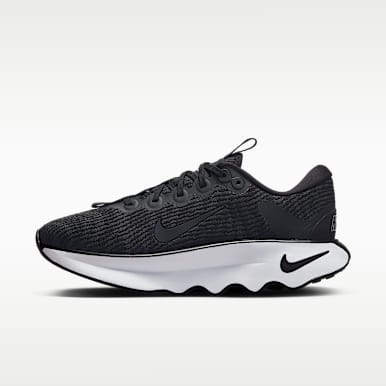
Nike Motiva
\
Women's Walking Shoes
\
__€109.99__](https://www.nike.com/ie/t/motiva-womens-walking-shoes-7BZ5sc2E/DV1238-001)
- [
\
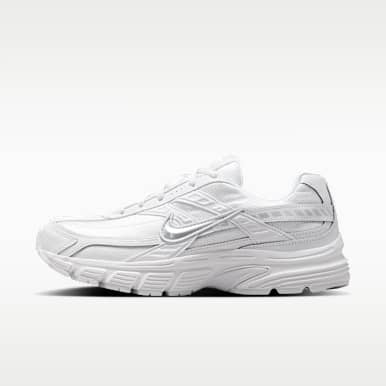
Nike Initiator
\
Women's Shoes
\
__€84.99__](https://www.nike.com/ie/t/initiator-womens-shoes-PTwXFo8m/394053-100)
- [
\
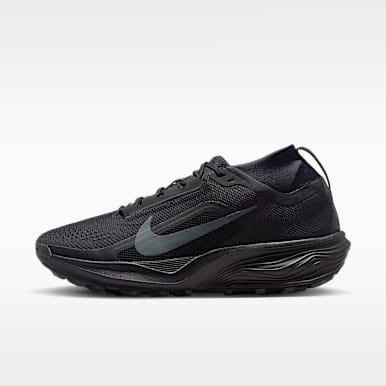
ACG Pegasus Trail GORE-TEX
\
Men's Waterproof Trail-Running Shoes
\
__€169.99__](https://www.nike.com/ie/t/acg-pegasus-trail-gore-tex-mens-waterproof-trail-running-shoes-OQhUtu95/IQ1084-002)
- [
\
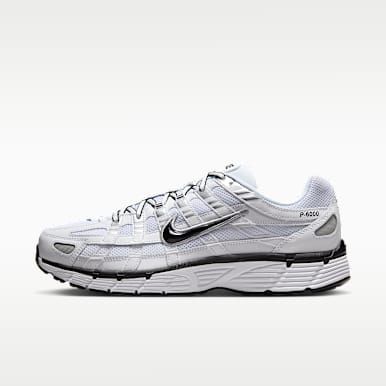
Nike P-6000
\
Shoes
\
__€119.99__](https://www.nike.com/ie/t/p-6000-shoes-V04wEyXX/CD6404-107)
- [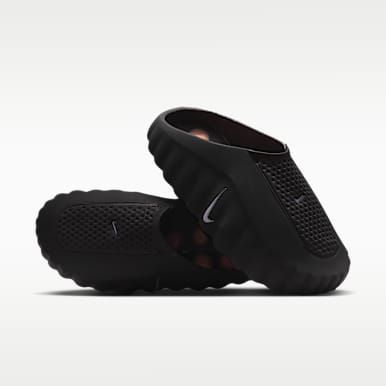
\
Nike Mind 001
\
Women's Pregame Mules
\
__€89.99__](https://www.nike.com/ie/t/mind-001-womens-pregame-mules-YfQa8WrZ/HQ4309-001)
- [
\
Nike Mind 001
\
Men's Pregame Mules
\
__€89.99__](https://www.nike.com/ie/t/mind-001-mens-pregame-mules-UD4zRJ3b/HQ4307-200)
- [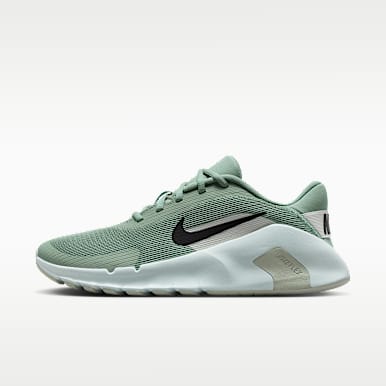
\
Nike Flex Train
\
Women's Workout Shoes
\
__€55.99__
__€79.99__](https://www.nike.com/ie/t/flex-train-womens-workout-shoes-8uH0NQCs/HV9981-005)
- [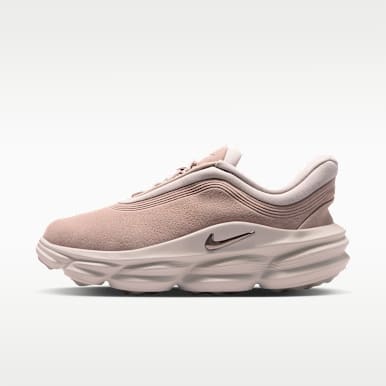
\
Nike 24.7
\
Men's shoes
\
__€139.99__](https://www.nike.com/ie/t/24-7-mens-shoes-En7qCZiM/IR0447-200)
- [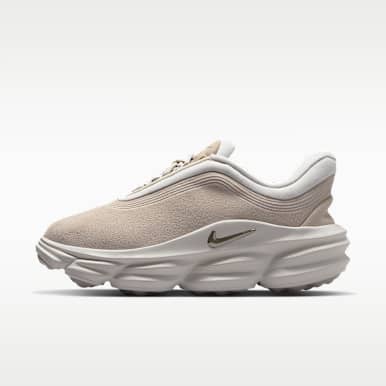
\
Nike 24.7
\
Women's Shoes
\
__€139.99__](https://www.nike.com/ie/t/24-7-womens-shoes-oPtidTTp/IR0448-200)
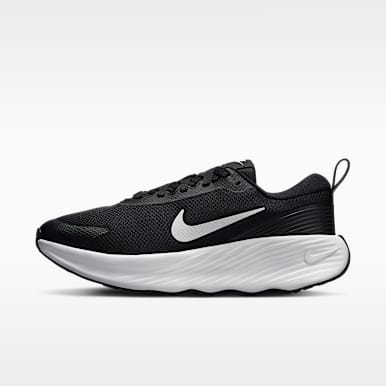
- [
\
Nike Promina
\
Women's Walking Shoes
\
__€69.99__](https://www.nike.com/ie/t/promina-womens-walking-shoes-87rWwq/FV6343-002)
## Health Benefits of Walking
Walking can benefit your health in many ways, but let's start with a biggie: taking more steps every day helps you live longer, says Los Angeles-based trainer [Sierra Nielsen](https://www.sierranielsen.com/about), CPT. How? Walking boosts blood flow throughout the body, triggering a cascade of mental and physical health benefits.
For instance, increased blood flow to the brain is linked to better cognitive health and is associated with improved attention, memory and overall brain health as we age, says Liu. It may even reduce the risk of developing Alzheimer's disease, per a 2022 *JAMA Network* [report](https://jamanetwork.com/journals/jamaneurology/fullarticle/2795819).
There are cardiovascular benefits, too. "Walking strengthens the heart muscle and reduces artery stiffness, so it can pump more blood with less effort. That lowers your resting heart rate and reduces strain on the arteries", says Liu. "It also improves blood vessel circulation, which helps blood flow more easily".
Since this lessens the force pushing against the artery walls, walking can be really beneficial for folks with high blood pressure, especially if they pick up the pace a bit. A [2024 meta-analysis](https://pmc.ncbi.nlm.nih.gov/articles/PMC11493580/)[](https://pmc.ncbi.nlm.nih.gov/articles/PMC11493580/) of 1,700 studies of people with hypertension found that brisk walking (defined as walking at a 20-minute mile pace) lowered blood pressure.
__Related:__ [Here's What a Good Walking Pace Looks Like for a Mile](https://www.nike.com/ie/a/how-long-does-it-take-to-walk-a-mile)
Walking can also do wonders for your mood. "It's something our bodies are designed to do, and that alone is grounding", says Tang. "Research shows that walking can help reduce symptoms of anxiety and depression, and for many people, it's a reliable mood reset".
This is especially true when you walk outside in nature, she says. "Being outdoors in natural environments gives perspective. Studies show people tend to experience less rumination, those repetitive, anxious thought loops. It pulls your attention out of your own head and into the world around you, which many people find calming, clarifying and mentally refreshing".
Plus, you've probably noticed that you simply *feel* better when you walk more. "Our bodies evolved to move regularly, not sit for long stretches, which is why people often feel stiff or achy when they're sedentary", says Tang.
This is especially true for people living with certain inflammatory conditions. "People with joint discomfort or arthritis are frequently encouraged by healthcare providers to stay active, and walking is usually the most realistic option. It's the classic 'motion is lotion' scenario—simple movement done consistently", Tang says
## How to Get the Most Out of Your Walk Workouts
"A walk morphs into a workout when you intentionally increase your pace, incline, distance or resistance to challenge your heart, muscles and endurance", Liu explains. To make sure you're pushing hard enough, it can help to monitor your effort using the rate of perceived exertion (RPE). This simple 1-to-10 scale helps you gauge how hard you're working.
A 1 might feel like an easy, leisurely stroll, while a 5 or 6 is more of a [power walk](https://www.nike.com/ie/a/what-is-power-walking)—the kind of pace you1d hit if you were about to miss a bus or a flight. "Most of the health benefits of walking happen in the RPE 4 to 7 range, where your heart is working, but the workout is still repeatable week after week", Liu says.
All of the workouts below provide target RPEs to help you stay on track with the intended efforts. This chart, developed by Liu, can serve as your cheat sheet as you become more familiar with how different effort levels feel while walking.
## Walking Intensity Scale
__RPE 2 to 3 | Easy__
- Can hold a full conversation
- Breathing is relaxed
- Feels like a casual stroll
__RPE 4 to 5 | Moderate__
- Can talk in short phrases
- Breathing is deeper but controlled
- Feels purposeful and steady
__RPE 6 to 7 | Brisk__
- Talking is difficult
- Breathing is noticeably elevated
- 'Late for my flight' pace
__RPE 8+ | Very Hard__
- Talking is nearly impossible
- Breathing is heavy and rapid
- Feels like an all-out push, like you're powering up a steep hill. For indoor walking workouts, upping the incline on the treadmill can (literally) elevate your workout by [strengthening knee joints and activating your muscles](https://www.sciencedirect.com/science/article/abs/pii/S0966636214000022?casa_token=crmr5u3MU3QAAAAA%3Au3EOg5t5AYMjyV9caF7VrODvL6pQRzqVl9cGsIjaydFZnYtnnjA7Iiw_cFSSqVNfWMvKUKrpZDA%2F) more than when walking on a level surface.
"Walking on an incline also requires more energy and incurs a greater metabolic cost than a flat-surfaced walk, which means you'll burn more calories. In fact, [another study](https://www.ncbi.nlm.nih.gov/pmc/articles/PMC4504736/) showed that, compared to flat ground, metabolic cost increased by 17 percent at 5 percent incline and 32 percent at 10 percent incline", Nielsen said.
For this treadmill workout, Nielsen instructed starting with a five-minute warm-up walk at 5 km/h (or your average pace) set at an incline of 2 to 3 percent. Then increase the incline to 8 to 10 percent for three to five minutes. Follow that with a recovery period by lowering the treadmill back to a 2 to 3 percent incline for one to two minutes.
Repeat the interval two to five times depending on your fitness level, Nielsen said. Then end with a cool-down walk at 0 percent incline for five minutes at your average pace.
The key, Nielsen said, is to be mindful of your posture as you walk. "Think about engaging your core, keeping your torso upright and tight and engaging your glutes and hamstrings with each step", she said.
Once you get more experience with incline walking, Neilsen suggested challenging yourself by incrementally increasing the incline.
## How to Choose the Right Walking Workout for You
Picking the right walking workout mainly comes down to your current fitness level and what you enjoy. New to fitness and love being outside? A short, flat path outside might be your best bet. Training for a marathon and looking to add walking as cross-training? Rucking could be a great option. In other words, there's no single 'best' choice; it really depends on your needs.
Above all else, Liu says consistency matters most. Whatever walking workout you enjoy and can do regularly—without feeling totally wiped out afterward—is probably a good fit. That said, if you want a little more direction, Liu offers a few general rules of thumb:
__Beginners:__
- Start with flat terrain and shorter durations (10 to 25 minutes).
- Avoid intense rucking, steep hikes and long incline walks.
- To get started, consider trying the Beginner's Progression Workout and then levelling up to the Speed Interval Walk (see below).
__Regular Exercisers:__
- Consider walking as a form of active recovery or cross-training, interspersed between longer cardio or lifting days.
- Add short intervals or gentle inclines to make the workout more challenging, but don't push so hard that it becomes a high-impact session.
- Use rucking or hill walking on days when you want intensity but don't want to run.
Consider starting with the Speed Interval Treadmill Incline walks (see below) and then level up to a ruck or a hike when the weather allows and after investing in the right equipment.
## Shop Nike Matching Sets for Training & Gym
[View All](https://www.nike.com/ie/w/matching-sets-training-gym-2lukpz58jto)
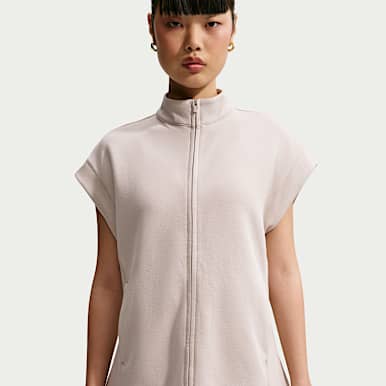
- [
\
Nike 24.7 ImpossiblySoft
\
Women's Dri-FIT Full-Zip Tunic
\
__€99.99__](https://www.nike.com/ie/t/24-7-impossiblysoft-womens-dri-fit-full-zip-tunic-9IrigQWC/IQ7051-236)
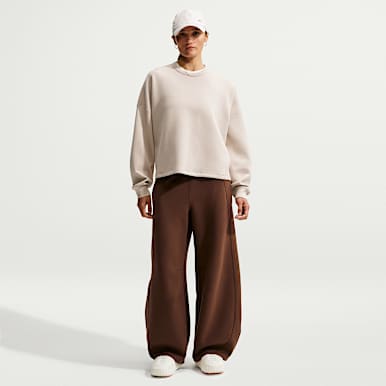
- [
\
Nike 24.7 ImpossiblySoft
\
Women's High-Waisted Wide-Leg Trousers
\
__€109.99__](https://www.nike.com/ie/t/24-7-impossiblysoft-womens-high-waisted-wide-leg-trousers-NfWcADRe/IR1932-259)
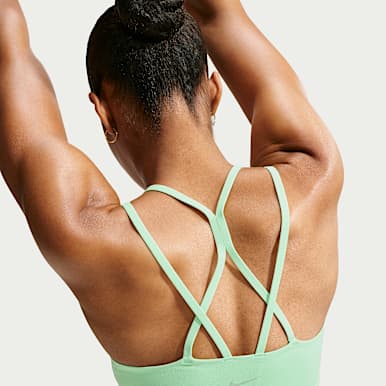
- [
\
Nike Zenvy Strappy
\
Women's Light-Support Padded Sports Bra
\
__€54.99__](https://www.nike.com/ie/t/zenvy-strappy-womens-light-support-padded-sports-bra-Iff82hrk/IB9847-391)
- [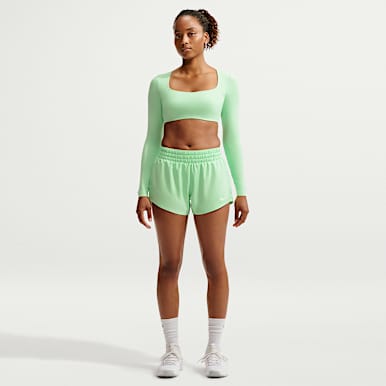
\
Nike One
\
Women's Dri-FIT Mid-Rise 8cm (approx.) Brief-Lined Shorts
\
__€39.99__](https://www.nike.com/ie/t/one-womens-dri-fit-mid-rise-8cm-approx-brief-lined-shorts-PRJuIh9v/DX6010-392)
- [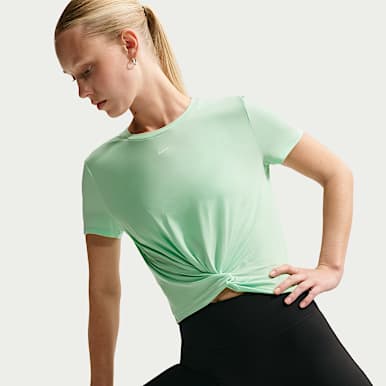
\
Nike One Classic Twist
\
Women's Dri-FIT Short-Sleeve Top
\
__€34.99__](https://www.nike.com/ie/t/one-classic-twist-womens-dri-fit-short-sleeve-top-N9LDddZT/HJ1054-391)
- [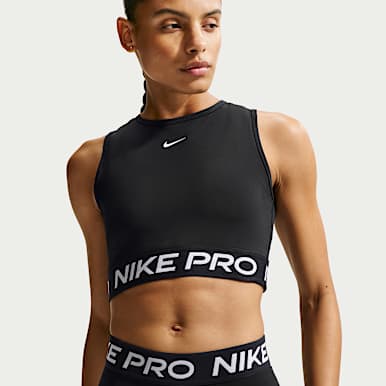
\
Nike Pro
\
Women's Dri-FIT Cropped Tank Top
\
__€26.99__
__€37.99__](https://www.nike.com/ie/t/pro-womens-dri-fit-cropped-tank-top-1v2jrbEq/FZ3615-010)
- [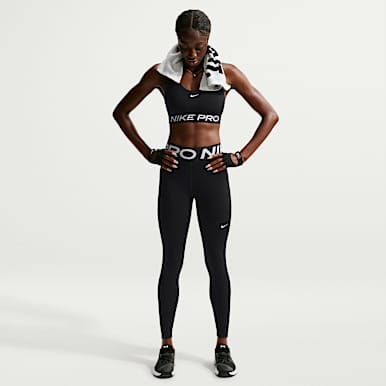
\
Nike Pro Sculpt
\
Women's High-Waisted Full-Length Leggings
\
__€64.99__](https://www.nike.com/ie/t/pro-sculpt-womens-high-waisted-full-length-leggings-c7lMfUYz/FV7382-010)
- [
\
Nike Universa
\
Women's Medium-Support Mesh Sports Bra
\
__€74.99__](https://www.nike.com/ie/t/universa-womens-medium-support-mesh-sports-bra-RJlAMgPB/IR7928-486)
- [
\
Nike Universa
\
Women's High-Waisted 7/8 Mesh Leggings
\
__€119.99__](https://www.nike.com/ie/t/universa-womens-high-waisted-7-8-mesh-leggings-GbmnVBv1/IM9781-486)
- [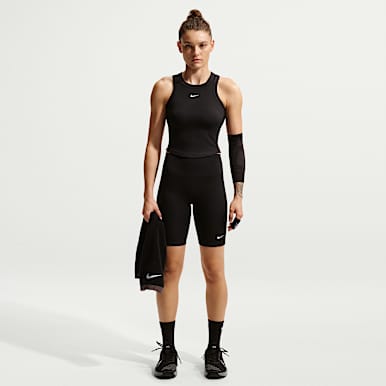
\
Nike One
\
Women's High-Waisted 20.5cm (approx.) Biker Shorts
\
__€39.99__](https://www.nike.com/ie/t/one-womens-high-waisted-20-5cm-approx-biker-shorts-fa0ueFir/IO0581-010)
## 1. Beginner's Progression Workout
If you've never done a formal walking workout or it's been a while since you've exercised, start here.
"If you're deconditioned, easing into a walking routine gives your heart and lungs time to \[adjust and] your joints and feet time to get stronger. It will also give your confidence time to build, all without feeling overwhelmed", says Liu.
The programme below, developed by Liu, is designed to help you progress gradually so you're less likely to get injured or burn out and more likely to settle into walking for fitness for the long haul.
__Week 1__
- __Warm-up (5 min; RPE 2):__ walk at a leisurely pace, ideally on flat ground. This should feel akin to a casual stroll.
- __Work phase (15 min; RPE 4):__ pick up your pace so you're walking briskly.
- __Cool down (5 min; RPE 2):__ slow down to a leisurely stroll.
__Week 2__
- __Warm-up (5 min; RPE 2):__ start walking at a leisurely pace, gradually building up to a moderate pace.
- __Work phase (20 min; RPE 4 to 6):__ walk at a moderate pace for 9 minutes and then pick up your speed for 1 minute to what Liu calls a 'late for the airport' pace. Repeat this 10-minute interval cycle once more.
- __Cool down (5 min; RPE 2):__ stroll at a leisurely pace.
__Week 3__
- __Warm-up (5 min; RPE 2 to 4):__ start walking leisurely, gradually building up to a moderate pace.
- __Work phase (24 min; RPE 4 to 6):__ walk at a moderate pace for 3 minutes and then increase to a brisk pace for 1 minute. Repeat this 4-minute interval cycle five more times.
- __Cool down (5 min; RPE 2):__ bring your heart rate back down by strolling at a leisurely pace.
__Trainer tip:__ "mild muscle fatigue is normal when you're first getting back into a workout routine", Liu says. If you feel tired during your walk, slow down or stop to take a short water break. However, if you notice sharp pain or persistent joint discomfort, that could be a sign that your footwear doesn’t fit quite right or that you increased your intensity or volume too quickly. Liu suggests taking a few days off to rest before returning to your walking workouts. If pain persists, worsens or interferes with daily activities, she recommends consulting a healthcare professional.
## 2. Speed Interval Walk
One way to turn a leisurely stroll around the neighbourhood into a walking workout is to incorporate speed intervals. "Interspersing short, high-intensity bursts of speed walking with a slower recovery pace can improve cardiovascular fitness, increase calorie burn, and build speed and stamina without high impact", Liu says. "Plus, you feel challenged but not wiped out afterward, making it a really sustainable workout option".
Liu suggests trying an interval walking workout like the one below to reap similar benefits.
- __Warm-up (5 minutes; RPE 2 to 4):__ walk naturally to get your heart pumping, gradually building up to a moderate pace.
- __Work phase (30 minutes; RPE 5 to 7):__ speed walk for 1 minute, then slow down to a moderate pace for 2 minutes. Repeat this 3-minute interval cycle nine more times.
- __Cool down (5 minutes; RPE 2):__ bring your heart rate down by reducing your pace.
__Trainer Tip:__ you can also replicate outdoor interval walking on the treadmill by increasing and decreasing the speed. "When effort is similar, outdoor and treadmill interval walking provide comparable cardiovascular benefits", says Tang. "The treadmill offers control and consistency, while outdoor walking adds natural variation like terrain and wind. Both 'count'—the best choice is the one someone will do consistently".
## 3. Weighted Walk (Rucking)
If you're an avid walker, [rucking](https://www.nike.com/ie/a/what-is-rucking) (walking with a weighted [backpack](https://www.nike.com/ie/w/backpacks-99ww0) or vest to add resistance) is a great way to increase intensity and calorie burn. "The added load makes your legs, hips and back muscles and heart work harder, without the pounding on your joints that you get with running", Liu says.
For that reason, it's also an excellent option for strength-focused exercisers seeking a low-impact cardio option and for runners going through deload weeks, Liu says. "During these planned recovery periods, training intensity is intentionally reduced to let the body recover. Rucking during this time is helpful to runners because it gives their joints a bit of reprieve, but allows them to maintain their cardiovascular fitness", she explains.
- __Warm-up (5 min; RPE 2):__ start with an easy, unweighted walk to gradually raise heart rate.
- __Work phase (20 min; RPE 4-6):__ put on your ruck pack or weighted vest and walk 3 minutes at a moderate pace, then 1 minute at a brisk pace. Repeat four more times.
- __Cool down (5 min; RPE 2):__ end with an easy, unweighted walk.
__Trainer Tip:__ Liu suggests that those new to rucking start with a weighted vest or a backpack filled with books, dumbbells or weight plates. "A vest distributes weight evenly and feels more natural on the body, but if you don't want to invest in that, a backpack is a good alternative", Liu says. Just be mindful to not overfill it.
As a general rule, beginners should only carry 5 to 10% of their body weight. (For a 59kg person, that would be between 3 and 5.9kg (approx.)). Intermediate athletes who have a bit more experience can safely carry up to 15% of their body weight. If you're an experienced rucker, that number bumps up to 20%.
Once you're carrying that much weight, however, Liu says it's best to invest in a ruck pack. "They're made for heavier loads and longer sessions, and are designed to keep weight high and tight to protect your shoulders and back", says Liu.
Pay attention to your posture as you go. If you start leaning forward, the load is too heavy; the goal is to stand tall. "When in doubt, start low and go slow", Liu says. Rucking is safest when you only increase the weight after your body has had time to adapt to the load.
## 4. Outdoor Scenic Hiking Workout
When it comes to walking, consistency matters more than location, says Tang. "Shopping centre walking, treadmill walking or neighbourhood walks all support health. The best environment is the one that keeps people moving regularly".
That said, a nature hike does offer some additional perks. So it's worth exploring if you're looking to de-stress while challenging yourself athletically. "Research suggests walking outdoors, especially in nature, may offer extra mental health benefits like improved mood and reduced stress for many people", says Tang. Hiking, in particular, has also been linked to lower blood pressure and a strengthened immune system, per [research](https://pmc.ncbi.nlm.nih.gov/articles/PMC6993091/) published in the *American Journal of Lifestyle Medicine*.
Ready to give it a try? Find a hilly area or more challenging terrain, and try Nielsen's recommended hike:
- __Warm-up (10 min; RPE 2):__ walk at a leisurely pace, ideally on flat ground.
- __Work phase (50+ min; RPE 5-7):__ hike at a moderate intensity for 20 minutes; take a 5-minute break to catch your breath and drink water. Repeat this 25-minute interval once or twice more.
- __Cool down (10 min; RPE 2):__ stroll at a leisurely pace, ideally on flat ground.
__Trainer Tip:__ don't skip the warm-up. "This will get your muscles loose and your heart pumping", Nielsen says.
__Related:__ [The Benefits of Hiking, According to Experts](https://www.nike.com/ie/a/benefits-of-hiking)
## 5. Treadmill Incline Walk
For indoor walking workouts, increasing the treadmill incline can (literally) elevate your workout. By forcing your body to work against gravity, you're adding resistance and upping the overall challenge, which has a host of benefits that walking on a level surface just doesn't have. These range from strengthening your knee joints to increasing muscle activation.
The added challenge can also boost your calorie burn. "Walking on an incline requires more energy and incurs a greater metabolic cost than a flat-surfaced walk, which means you'll burn more calories", Nielsen explains. In fact, [research](https://www.sciencedirect.com/science/article/abs/pii/S0021929012002291?via%3Dihub) showed that, compared to walking on flat ground, your body burns 17% more calories at a 5% incline and 32% more at a 10% incline.
To get started, Nielsen suggests this treadmill incline workout:
- __Warm-up (5 min; RPE 3):__ set the incline at 2 to 3% and walk at 3 mph, or whatever pace feels leisurely to you.
- __Work phase (30 min; RPE 5 to 7):__ increase the incline to 8 to 10% and continue to walk at about 3 mph for 4 minutes. Follow that with a recovery period by lowering the treadmill back to a 2 to 3% incline for 2 minutes. Repeat this six-minute interval cycle four more times.
- __Cool down (5 min; RPE 2):__ walk at 0% incline at your average pace.
__Trainer Tip:__ once you gain more experience with incline walking, Nielsen suggests challenging yourself by incrementally increasing the incline. The key, Nielsen says, is to be mindful of your posture as you walk. "Think about engaging your core, keeping your torso upright and tight and engaging your glutes and hamstrings with each step", she says.
## FAQs
How long should a walking workout be?
Liu says a great target is 20 to 45 minutes. "This range is long enough to meaningfully raise your heart rate, improve circulation and build stamina", she says.
Can walking aid weight loss?
Yes, any type of exercise can fuel weight loss if it helps create a calorie deficit, which occurs when you burn more calories than you consume. Since it's gentle on the joints and accessible, it's also easy to stay consistent in the long term, which can help you keep the weight off, too.
How often should I walk for fitness?
"The best schedule is the one you'll actually stick to", says Liu. However, she notes that walking three days per week is ideal for improving stamina, heart health and daily energy.
What's better: incline walking or intervals?
"It depends on your goal. Incline walking keeps your heart rate steadily elevated, while intervals briefly push you closer to your limits and train your ability to recover", says Tang. Both are effective tools to improve health and fitness.
How can I make my walking workouts more challenging?
Increase speed, incline or duration. "The key to pushing yourself safely is to adjust one variable at a time", says Tang. "Pick the change that matches your goal; everything else should stay the same. Distance can come later once endurance improves".
Are there any safety considerations I should bear in mind?
"Your starting fitness level matters most. Build gradually if you're new or returning after time off", says Tang. "Additionally, wear comfortable shoes, dress for the weather, hydrate on longer walks and slow down on steep or uneven terrain. Safety improves when effort matches ability".
How should I be tracking my progress?
"Start by tracking time. As you get more conditioned, 15 minutes becomes 20, then 25", Tang says. "For many people, time is easier to track than steps or distance".
How can I improve my walking technique?
"You don't need to overthink technique when walking, but posture matters—just like it does in everything else we do", says Tang. She recommends standing tall, as if the crown of your head is reaching toward the sky, and keeping your ribs stacked over your hips to prevent your lower back from arching. To stay balanced, let your arms swing naturally in opposition to your legs: right arm with left foot, left arm with right foot, she says.
[](http://nike.com/ntc)
### Explore NTC
Free guidance from trainers and experts to strengthen your body and mind.
[Download](http://nike.com/ntc)
Originally published: 5 January 2026
## Related Stories
- 
[](https://www.nike.com/ie/a/what-do-lunges-work)
# Sports & Activity
# What Muscles Do Lunges Work?
- 
[](https://www.nike.com/ie/a/best-forearm-exercises)
# Sports & Activity
# 9 Best Forearm Exercises for Grip Strength, Muscle and Endurance
- 
[](https://www.nike.com/ie/a/kettlebell-swings)
# Activity
# Kettlebell Swings: How To Do Them, Muscles Worked and Common Mistakes
- 
[](https://www.nike.com/ie/a/cardio-vs-strength-training)
# Activity
# Cardio vs Strength Training: Which Is Better and How Can You Combine Them?
- 
[](https://www.nike.com/ie/a/what-muscles-do-planks-work)
# Sport & activity
# All the Muscles That Fire Up In a Plank
Resources
[Gift Cards](https://www.nike.com/ie/gift-cards)
[Find a Store](https://www.nike.com/ie/retail/)
[Nike Journal](https://www.nike.com/ie/stories)
[Become a Member](https://www.nike.com/ie/membership)
[Feedback](https://www.nike.com#site-feedback)
[Promo Codes](https://www.nike.com/ie/promo-code)
[Product Advice](https://www.nike.com/ie/product-advice)
[Running Shoe Finder](https://www.nike.com/ie/running/shoe-finder)
Help
[Get Help](https://www.nike.com/ie/help)
[Order Status](https://www.nike.com/ie/orders/details)
[Shipping and Delivery](https://www.nike.com/ie/help/a/shipping-delivery-eu)
[Returns](https://www.nike.com/ie/help/a/returns-policy-eu)
[Payment Options](https://www.nike.com/ie/help/a/payment-options-eu)
[Contact Us](https://www.nike.com/ie/help/#contact)
[Reviews](https://www.nike.com/ie/help/a/reviews)
Company
[About Nike](https://about.nike.com/)
[News](https://news.nike.com/)
[Careers](https://jobs.nike.com/)
[Investors](https://investors.nike.com/)
[Sustainability](https://www.nike.com/ie/sustainability)
[Accountability](https://www.nike.com/ie/en/accessibility/statement)
[Purpose](https://www.nike.com/ie/purpose)
[Nike Coaching](https://www.nike.com/ie/coaching)
Community Discounts
[Student](https://services.sheerid.com/verify/68d15e386bcf0b059b3b1708/?locale=en-GB)
[Teacher](https://urldefense.com/v3/__https://services.sheerid.com/verify/68dcfa47c3f2fd1cd3069a9c/?locale=en-GB__%3B%21%21KLCbKzk%21nTvDkRbY-BbSpoWsFhAQdmMrehEzU3loDux4_exRVjO9--Ik_EbQNJ3bX2gkEwR7F9cVVROFKqLxE4B8uW6bnx4Mc-D7Vg%24)
[First Responders](https://urldefense.com/v3/__https://services.sheerid.com/verify/68d55da9273c5b3a03a5aa8e/?locale=en-GB__%3B%21%21KLCbKzk%21nTvDkRbY-BbSpoWsFhAQdmMrehEzU3loDux4_exRVjO9--Ik_EbQNJ3bX2gkEwR7F9cVVROFKqLxE4B8uW6bnx5my0S4tQ%24)
[Medical Professionals](https://urldefense.com/v3/__https://services.sheerid.com/verify/68d55e0d273c5b3a03a5b0ac/?locale=en-GB__%3B%21%21KLCbKzk%21nTvDkRbY-BbSpoWsFhAQdmMrehEzU3loDux4_exRVjO9--Ik_EbQNJ3bX2gkEwR7F9cVVROFKqLxE4B8uW6bnx715S7Egg%24)
[Resources](https://www.nike.com/ie/help)
[Gift Cards](https://www.nike.com/ie/gift-cards)
[Find a Store](https://www.nike.com/ie/retail/)
[Nike Journal](https://www.nike.com/ie/stories)
[Become a Member](https://www.nike.com/ie/membership)
[Feedback](https://www.nike.com#site-feedback)
[Promo Codes](https://www.nike.com/ie/promo-code)
[Product Advice](https://www.nike.com/ie/product-advice)
[Running Shoe Finder](https://www.nike.com/ie/running/shoe-finder)
[Help](https://www.nike.com/ie/help)
[Get Help](https://www.nike.com/ie/help)
[Order Status](https://www.nike.com/ie/orders/details)
[Shipping and Delivery](https://www.nike.com/ie/help/a/shipping-delivery-eu)
[Returns](https://www.nike.com/ie/help/a/returns-policy-eu)
[Payment Options](https://www.nike.com/ie/help/a/payment-options-eu)
[Contact Us](https://www.nike.com/ie/help/#contact)
[Reviews](https://www.nike.com/ie/help/a/reviews)
[Company](https://about.nike.com/en)
[About Nike](https://about.nike.com/)
[News](https://news.nike.com/)
[Careers](https://jobs.nike.com/)
[Investors](https://investors.nike.com/)
[Sustainability](https://www.nike.com/ie/sustainability)
[Accountability](https://www.nike.com/ie/en/accessibility/statement)
[Purpose](https://www.nike.com/ie/purpose)
[Nike Coaching](https://www.nike.com/ie/coaching)
## Community Discounts
[Student](https://services.sheerid.com/verify/68d15e386bcf0b059b3b1708/?locale=en-GB)
[Teacher](https://urldefense.com/v3/__https://services.sheerid.com/verify/68dcfa47c3f2fd1cd3069a9c/?locale=en-GB__%3B%21%21KLCbKzk%21nTvDkRbY-BbSpoWsFhAQdmMrehEzU3loDux4_exRVjO9--Ik_EbQNJ3bX2gkEwR7F9cVVROFKqLxE4B8uW6bnx4Mc-D7Vg%24)
[First Responders](https://urldefense.com/v3/__https://services.sheerid.com/verify/68d55da9273c5b3a03a5aa8e/?locale=en-GB__%3B%21%21KLCbKzk%21nTvDkRbY-BbSpoWsFhAQdmMrehEzU3loDux4_exRVjO9--Ik_EbQNJ3bX2gkEwR7F9cVVROFKqLxE4B8uW6bnx5my0S4tQ%24)
[Medical Professionals](https://urldefense.com/v3/__https://services.sheerid.com/verify/68d55e0d273c5b3a03a5b0ac/?locale=en-GB__%3B%21%21KLCbKzk%21nTvDkRbY-BbSpoWsFhAQdmMrehEzU3loDux4_exRVjO9--Ik_EbQNJ3bX2gkEwR7F9cVVROFKqLxE4B8uW6bnx715S7Egg%24)
Ireland
- © 2026 Nike, Inc. All rights reserved
- Guides
- [Nike Air](https://www.nike.com/ie/air)
- [Nike Air Max](https://www.nike.com/ie/air-max)
- [Nike FlyEase](https://www.nike.com/ie/flyease)
- [Nike Pegasus](https://www.nike.com/ie/running/runningzoom-pegasus-37)
- [Nike React](https://www.nike.com/ie/react)
- [Nike Vaporfly](https://www.nike.com/ie/running/vaporfly)
- [Terms of Use](https://agreementservice.svs.nike.com/ie/en_gb/rest/agreement?agreementType=termsOfUse&uxId=com.nike&country=IE&language=en&requestType=redirect)
- [Terms of Sale](https://agreementservice.svs.nike.com/rest/agreement?agreementType=termsOfSale&uxId=com.nike.tos&requestType=redirect)
- [Company Details](https://www.nike.com/ie/help/a/company-details)
- [Privacy & Cookie Policy](https://agreementservice.svs.nike.com/rest/agreement?agreementType=privacyPolicy&uxId=com.nike.commerce.nikedotcom.web&requestType=redirect)
- [Privacy & Cookie Settings](https://www.nike.com/ie/guest/settings/privacy)
## Africa
- [__Egypt__
\
English](https://www.nike.com/eg/)
- [__Morocco__
\
English](https://www.nike.com/ma/en/)
- [__Maroc__
\
Français](https://www.nike.com/ma/)
- [__South Africa__
\
English](https://www.nike.com/za/)
## Americas
- [__Argentina__
\
Español](https://www.nike.com.ar)
- [__Brasil__
\
Português](https://www.nike.com.br)
- [__Canada__
\
English](https://www.nike.com/ca/)
- [__Canada__
\
Français](https://www.nike.com/ca/fr/)
- [__Chile__
\
Español](https://www.nike.cl)
- [__Colombia__
\
Español](https://www.nike.com.co)
- [__México__
\
Español](https://www.nike.com/mx/)
- [__Peru__
\
Español](https://www.nike.com.pe)
- [__Puerto Rico__
\
Español](https://www.nike.com/pr/)
- [__United States__
\
English](https://www.nike.com)
- [__Estados Unidos__
\
Español](https://www.nike.com/us/es/)
- [__Uruguay__
\
Español](https://www.nike.com.uy)
- [__Latin America__
\
Español](https://www.nike.com/xl/)
## Asia Pacific
- [__Australia__
\
English](https://www.nike.com/au/)
- [__中国大陆__
\
简体中文](https://www.nike.com.cn/)
- [__Hong Kong__
\
English](https://www.nike.com.hk/)
- [__香港__
\
繁體中文](https://www.nike.com.hk/)
- [__India__
\
English](https://www.nike.in/)
- [__Indonesia__
\
English](https://www.nike.com/id/)
- [__Japan__
\
English](https://www.nike.com/jp/en/)
- [__日本__
\
日本語](https://www.nike.com/jp/)
- [__대한민국__
\
한국어](https://www.nike.com/kr/)
- [__Malaysia__
\
English](https://www.nike.com/my/)
- [__New Zealand__
\
English](https://www.nike.com/nz/)
- [__Philippines__
\
English](https://www.nike.com/ph/)
- [__Singapore__
\
English](https://www.nike.com/sg/)
- [__台灣__
\
繁體中文](https://www.nike.com/tw/)
- [__ไทย__
\
ภาษาไทย](https://www.nike.com/th/)
- [__Vietnam__
\
English](https://www.nike.com/vn/)
## Europe
- [__Österreich__
\
Deutsch](https://www.nike.com/at/)
- [__Austria__
\
English](https://www.nike.com/at/en/)
- [__Belgien__
\
Deutsch](https://www.nike.com/be/de/)
- [__Belgium__
\
English](https://www.nike.com/be/en/)
- [__Belgique__
\
Français](https://www.nike.com/be/fr/)
- [__België__
\
Nederlands](https://www.nike.com/be/)
- [__Bulgaria__
\
English](https://www.nike.com/bg/)
- [__Croatia__
\
English](https://www.nike.com/hr/)
- [__Česká republika__
\
Čeština](https://www.nike.com/cz/)
- [__Czech Republic__
\
English](https://www.nike.com/cz/en/)
- [__Danmark__
\
Dansk](https://www.nike.com/dk/)
- [__Denmark__
\
English](https://www.nike.com/dk/en/)
- [__Finland__
\
English](https://www.nike.com/fi/)
- [__France__
\
Français](https://www.nike.com/fr/)
- [__Deutschland__
\
Deutsch](https://www.nike.com/de/)
- [__Ελλάδα__
\
ελληνικά](https://www.nike.com/gr/)
- [__Hungary__
\
English](https://www.nike.com/hu/en/)
- [__Magyarország__
\
Magyar](https://www.nike.com/hu/)
- [__Ireland__
\
English](https://www.nike.com/ie/)
- [__Israel__
\
English](https://www.nike.com/il/)
- [__Italia__
\
Italiano](https://www.nike.com/it/)
- [__Luxemburg__
\
Deutsch](https://www.nike.com/lu/de/)
- [__Luxembourg__
\
English](https://www.nike.com/lu/en/)
- [__Luxembourg__
\
Français](https://www.nike.com/lu/)
- [__Netherlands__
\
English](https://www.nike.com/nl/en/)
- [__Nederland__
\
Nederlands](https://www.nike.com/nl/)
- [__Norway__
\
English](https://www.nike.com/no/en/)
- [__Norge__
\
Norsk](https://www.nike.com/no/)
- [__Polska__
\
Polski](https://www.nike.com/pl/)
- [__Portugal__
\
English](https://www.nike.com/pt/en/)
- [__Portugal__
\
Português](https://www.nike.com/pt/)
- [__Romania__
\
English](https://www.nike.com/ro/)
- [__Россия__
\
Русский](https://www.nike.com/ru/)
- [__Slovakia__
\
English](https://www.nike.com/sk/)
- [__Slovenia__
\
English](https://www.nike.com/si/)
- [__Espanya__
\
Català](https://www.nike.com/es/ca/)
- [__España__
\
Español](https://www.nike.com/es/)
- [__Sweden__
\
English](https://www.nike.com/se/en/)
- [__Sverige__
\
Svenska](https://www.nike.com/se/)
- [__Schweiz__
\
Deutsch](https://www.nike.com/ch/)
- [__Switzerland__
\
English](https://www.nike.com/ch/en/)
- [__Suisse__
\
Français](https://www.nike.com/ch/fr/)
- [__Svizzera__
\
Italiano](https://www.nike.com/ch/it/)
- [__Türkiye__
\
Türkçe](https://www.nike.com/tr/)
- [__United Kingdom__
\
English](https://www.nike.com/gb/)
## Middle East
- [__Saudi Arabia__
\
English](https://www.nike.sa/en/home)
- [__المملكة العربية السعودية__
\
العربية](https://www.nike.sa/ar/home)
- [__United Arab Emirates__
\
English](https://www.nike.ae/en/home)
- [__الإمارات العربية المتحدة__
\
العربية](https://www.nike.ae/ar/home)
- [__Qatar__
\
English](https://www.nike.qa/en/home)
- [__دولة قطر__
\
العربية](https://www.nike.qa/ar/home)
- [__Kuwait__
\
English](https://www.nike.com.kw/en/home)
- [__الكويت__
\
العربية](https://www.nike.com.kw/ar/home)