[Skip to main content](https://www.nike.com#skip-to-content)
- [](https://www.nike.com/my/jordan)
- [Find a Store](https://www.nike.com/my/retail)
- [Help](https://www.nike.com/my/help)
[Help](https://www.nike.com/my/help)
- [Order Status](https://www.nike.com/my/orders)
- [Dispatch and Delivery](https://www.nike.com/my/help/a/shipping-delivery-gs)
- [Returns](https://www.nike.com/my/help/a/returns-policy-gs)
- [Contact Us](https://www.nike.com/my/help/#contact)
- [Privacy Policy](https://agreementservice.svs.nike.com/my/en_gb/rest/agreement?agreementType=privacyPolicy&uxId=com.nike.unite&country=MY&language=en&requestType=redirect)
- [Terms of Sale](https://www.eshopworld.com/shoppers/help/retailer/nike/terms-and-conditions-of-sale-en/)
- [Terms of Use](https://agreementservice.svs.nike.com/my/en_gb/rest/agreement?agreementType=termsOfUse&uxId=com.nike&country=MY&language=en&requestType=redirect)
- [Send Us Feedback](https://www.nike.com#site-feedback)
- [Join Us](https://www.nike.com/my/membership)
- [Sign In](https://www.nike.com/my/register)
[](https://www.nike.com/my/)
- New & Featured
- Featured
- [Upcoming Drops](https://www.nike.com/my/w/new-upcoming-drops-k0gk)
- [New Arrivals](https://www.nike.com/my/w/new-3n82y)
- [Bestsellers](https://www.nike.com/my/w/best-76m50)
- [SNKRS Launch Calendar](https://www.nike.com/my/launch)
- [Customise with Nike By You](https://www.nike.com/my/nike-by-you)
- [Jordan](https://www.nike.com/my/jordan)
- [Kobe Bryant](https://www.nike.com/sg/w/kobe-pgd6)
- [LeBron James](https://www.nike.com/my/basketball/lebron-james)
- Trending
- [Travel Essentials](https://www.nike.com/my/w/travel-collection-951k)
- [Just Do the Work](https://www.nike.com/my/w/nike-training-gym-58jtoz7yfb)
- [More Colours, More Running](https://www.nike.com/my/w/running-shoes-1sytgz37v7jz7gee1z8nexhzy7ok)
- [What's Trending](https://www.nike.com/my/w/trending-now-5fpm9)
- [24.7 Collection](https://www.nike.com/my/w/247-collection-asi8j)
- [Colours of the Season](https://www.nike.com/sg/w/fresh-colors-a499l)
- [Retro Running](https://www.nike.com/my/w/retro-running-8kemk)
- [Running Shoe Finder](https://www.nike.com/sg/running-shoe-finder)
- [Nike Mind](https://www.nike.com/sg/w/mind-game-avw)
- Shop Icons
- [Lifestyle](https://www.nike.com/my/sportswear)
- [Air Force 1](https://www.nike.com/my/w/air-force-1-shoes-5sj3yzy7ok)
- [Air Jordan 1](https://www.nike.com/my/w/jordan-1-shoes-aj85gzy7ok)
- [Air Max](https://www.nike.com/my/w/air-max-shoes-a6d8hzy7ok)
- [Dunk](https://www.nike.com/my/w/dunk-shoes-90aohzy7ok)
- [Cortez](https://www.nike.com/my/w/cortez-shoes-byfxzy7ok)
- [Blazer](https://www.nike.com/my/w/blazer-shoes-9gw3azy7ok)
- [Pegasus](https://www.nike.com/my/w/pegasus-shoes-8nexhzy7ok)
- [Vomero](https://www.nike.com/my/w/zoom-vomero-shoes-7gee1zy7ok)
- Shop By Sport
- [Running](https://www.nike.com/my/running)
- [Basketball](https://www.nike.com/my/basketball)
- [Football](https://www.nike.com/my/football)
- [Golf](https://www.nike.com/my/w/golf-23q9w)
- [Tennis & Pickleball](https://www.nike.com/my/tennis)
- [Gym & Training](https://www.nike.com/my/training)
- [Yoga](https://www.nike.com/my/w/yoga-anrlj)
- [Skateboarding](https://www.nike.com/my/skateboarding)
- [Trail Running](https://www.nike.com/my/w/trail-running-75jcn)
- [All Conditions Gear](https://www.nike.com/my/acg)
- [Men](https://www.nike.com/my/men)
- Featured
- [New Arrivals](https://www.nike.com/my/w/new-mens-3n82yznik1)
- [Bestsellers](https://www.nike.com/my/w/mens-best-76m50znik1)
- [All Conditions Gear](https://www.nike.com/my/w/mens-acg-93bsdznik1)
- [Shop All Sale](https://www.nike.com/my/w/mens-sale-3yaepznik1)
- [Shoes](https://www.nike.com/my/w/mens-shoes-nik1zy7ok)
- [All Shoes](https://www.nike.com/my/w/mens-shoes-nik1zy7ok)
- [Lifestyle](https://www.nike.com/my/w/mens-lifestyle-shoes-13jrmznik1zy7ok)
- [Jordan](https://www.nike.com/my/w/mens-jordan-shoes-37eefznik1zy7ok)
- [Running](https://www.nike.com/my/w/mens-running-shoes-37v7jznik1zy7ok)
- [Football](https://www.nike.com/my/w/mens-football-shoes-1gdj0znik1zy7ok)
- [Basketball](https://www.nike.com/my/w/mens-basketball-shoes-3glsmznik1zy7ok)
- [Gym & Training](https://www.nike.com/my/w/mens-training-gym-shoes-58jtoznik1zy7ok)
- [Tennis](https://www.nike.com/my/w/mens-tennis-shoes-ed1qznik1zy7ok)
- [Skateboarding](https://www.nike.com/my/w/mens-skateboarding-shoes-8mfrfznik1zy7ok)
- [Sandals & Slides](https://www.nike.com/my/w/mens-sandals-slides-fl76znik1)
- [Nike By You](https://www.nike.com/my/w/mens-nike-by-you-shoes-6ealhznik1zy7ok)
- [Trail Running](https://www.nike.com/my/w/mens-acg-trail-running-shoes-75jcnz93bsdznik1zy7ok)
- [Clothing](https://www.nike.com/my/w/mens-clothing-6ymx6znik1)
- [All Clothing](https://www.nike.com/my/w/mens-clothing-6ymx6znik1)
- [Tops & T-Shirts](https://www.nike.com/my/w/mens-tops-t-shirts-9om13znik1)
- [Shorts](https://www.nike.com/my/w/mens-shorts-38fphznik1)
- [Pants & Leggings](https://www.nike.com/my/w/mens-trousers-tights-2kq19znik1)
- [Hoodies & Sweatshirts](https://www.nike.com/my/w/mens-hoodies-sweatshirts-6riveznik1)
- [Jackets & Gilets](https://www.nike.com/my/w/mens-jackets-gilets-50r7yznik1)
- [Jerseys & Kits](https://www.nike.com/my/w/mens-kits-jerseys-3a41eznik1)
- [Jordan](https://www.nike.com/my/w/mens-jordan-clothing-37eefz6ymx6znik1)
- [All Conditions Gear](https://www.nike.com/my/w/mens-acg-clothing-6ymx6z93bsdznik1)
- Shop By Sport
- [Running](https://www.nike.com/my/w/mens-running-37v7jznik1)
- [Basketball](https://www.nike.com/my/w/mens-basketball-3glsmznik1)
- [Football](https://www.nike.com/my/w/mens-football-1gdj0znik1)
- [Golf](https://www.nike.com/my/w/mens-golf-23q9wznik1)
- [Tennis & Pickleball](https://www.nike.com/my/w/mens-tennis-ed1qznik1)
- [Gym & Training](https://www.nike.com/my/w/mens-training-gym-58jtoznik1)
- [Yoga](https://www.nike.com/my/w/mens-yoga-anrljznik1)
- [Skateboarding](https://www.nike.com/my/w/mens-skateboarding-8mfrfznik1)
- [Trail Running](https://www.nike.com/my/w/mens-trail-running-75jcnznik1)
- Accessories & Equipment
- [All Accessories & Equipment](https://www.nike.com/my/w/mens-accessories-equipment-awwpwznik1)
- [Bags & Backpacks](https://www.nike.com/my/w/mens-bags-backpacks-9xy71znik1)
- [Socks](https://www.nike.com/my/w/mens-socks-nik1zuwr3)
- [Hats & Headwear](https://www.nike.com/my/w/mens-hats-visors-headbands-31btsznik1)
- [Women](https://www.nike.com/my/women)
- Featured
- [New Arrivals](https://www.nike.com/my/w/new-womens-3n82yz5e1x6)
- [Bestsellers](https://www.nike.com/my/w/womens-best-5e1x6z76m50)
- [All Conditions Gear](https://www.nike.com/my/w/womens-acg-5e1x6z93bsd)
- [Shop All Sale](https://www.nike.com/my/w/womens-sale-3yaepz5e1x6)
- [Shoes](https://www.nike.com/my/w/womens-shoes-5e1x6zy7ok)
- [All Shoes](https://www.nike.com/my/w/womens-shoes-5e1x6zy7ok)
- [Lifestyle](https://www.nike.com/my/w/womens-lifestyle-shoes-13jrmz5e1x6zy7ok)
- [Jordan](https://www.nike.com/my/w/womens-jordan-shoes-37eefz5e1x6zy7ok)
- [Running](https://www.nike.com/my/w/womens-running-shoes-37v7jz5e1x6zy7ok)
- [Gym & Training](https://www.nike.com/my/w/womens-training-gym-shoes-58jtoz5e1x6zy7ok)
- [Tennis](https://www.nike.com/my/w/womens-tennis-shoes-5e1x6zed1qzy7ok)
- [Football](https://www.nike.com/my/w/womens-football-shoes-1gdj0z5e1x6zy7ok)
- [Basketball](https://www.nike.com/my/w/womens-basketball-shoes-3glsmz5e1x6zy7ok)
- [Sandals & Slides](https://www.nike.com/my/w/womens-sandals-slides-5e1x6zfl76)
- [Nike By You](https://www.nike.com/my/w/womens-nike-by-you-shoes-5e1x6z6ealhzy7ok)
- [Trail Running](https://www.nike.com/my/w/womens-acg-trail-running-shoes-5e1x6z75jcnz93bsdzy7ok)
- [Clothing](https://www.nike.com/my/w/womens-clothing-5e1x6z6ymx6)
- [All Clothing](https://www.nike.com/my/w/womens-clothing-5e1x6z6ymx6)
- [Performance Essentials](https://www.nike.com/my/w/womens-back-to-basics-5e1x6zkkjj)
- [Tops & T-Shirts](https://www.nike.com/my/w/womens-tops-t-shirts-5e1x6z9om13)
- [Sports Bras](https://www.nike.com/my/w/womens-sports-bras-40qgmz5e1x6)
- [Pants & Leggings](https://www.nike.com/my/w/womens-trousers-tights-2kq19z5e1x6)
- [Shorts](https://www.nike.com/my/w/womens-shorts-38fphz5e1x6)
- [Hoodies & Sweatshirts](https://www.nike.com/my/w/womens-hoodies-sweatshirts-5e1x6z6rive)
- [Jackets & Gilets](https://www.nike.com/my/w/womens-jackets-gilets-50r7yz5e1x6)
- [Skirts & Dresses](https://www.nike.com/my/w/womens-skirts-dresses-5e1x6z8y3qp)
- [Modest Wear](https://www.nike.com/my/w/modest-wear-22fj5)
- [All Conditions Gear](https://www.nike.com/my/w/womens-acg-clothing-5e1x6z6ymx6z93bsd)
- Shop By Sport
- [Yoga](https://www.nike.com/my/w/womens-yoga-5e1x6zanrlj)
- [Running](https://www.nike.com/my/w/womens-running-37v7jz5e1x6)
- [Gym & Training](https://www.nike.com/my/w/womens-training-gym-58jtoz5e1x6)
- [Basketball](https://www.nike.com/my/w/womens-basketball-3glsmz5e1x6)
- [Tennis & Pickleball](https://www.nike.com/my/w/womens-tennis-5e1x6zed1q)
- [Golf](https://www.nike.com/my/w/womens-golf-23q9wz5e1x6)
- [Football](https://www.nike.com/my/w/womens-football-1gdj0z5e1x6)
- [Skateboarding](https://www.nike.com/my/w/womens-skateboarding-5e1x6z8mfrf)
- [Trail Running](https://www.nike.com/my/w/womens-trail-running-5e1x6z75jcn)
- Accessories & Equipment
- [All Accessories & Equipment](https://www.nike.com/my/w/womens-accessories-equipment-5e1x6zawwpw)
- [Bags & Backpacks](https://www.nike.com/my/w/womens-bags-backpacks-5e1x6z9xy71)
- [Socks](https://www.nike.com/my/w/womens-socks-5e1x6zuwr3)
- [Hats & Headwear](https://www.nike.com/my/w/womens-hats-visors-headbands-31btsz5e1x6)
- [Kids](https://www.nike.com/my/kids)
- Featured
- [New Arrivals](https://www.nike.com/my/w/new-kids-3n82yzv4dh)
- [Bestsellers](https://www.nike.com/my/w/kids-best-76m50zv4dh)
- [Back to School](https://www.nike.com/my/w/back-to-school-840ik)
- [Lifestyle Looks](https://www.nike.com/my/w/kids-lifestyle-13jrmzv4dh)
- [Nike x LEGO®](https://www.nike.com/my/lego)
- [All Conditions Gear](https://www.nike.com/my/w/kids-acg-93bsdzv4dh)
- [Nike Teens](https://www.nike.com/my/teens)
- Shoes
- [All Shoes](https://www.nike.com/my/w/kids-shoes-v4dhzy7ok)
- [Lifestyle](https://www.nike.com/my/w/kids-lifestyle-shoes-13jrmzv4dhzy7ok)
- [Jordan](https://www.nike.com/my/w/kids-jordan-shoes-37eefzv4dhzy7ok)
- [Football](https://www.nike.com/my/w/kids-football-shoes-1gdj0zv4dhzy7ok)
- [Running](https://www.nike.com/my/w/kids-running-shoes-37v7jzv4dhzy7ok)
- [Basketball](https://www.nike.com/my/w/kids-basketball-shoes-3glsmzv4dhzy7ok)
- Clothing
- [All Clothing](https://www.nike.com/my/w/kids-clothing-6ymx6zv4dh)
- [Tops & T-Shirts](https://www.nike.com/my/w/kids-tops-t-shirts-9om13zv4dh)
- [Sport Bras](https://www.nike.com/my/w/kids-sports-bras-40qgmzv4dh)
- [Hoodies & Sweatshirts](https://www.nike.com/my/w/kids-hoodies-sweatshirts-6rivezv4dh)
- [Pants & Leggings](https://www.nike.com/my/w/kids-trousers-tights-2kq19zv4dh)
- [Shorts](https://www.nike.com/my/w/kids-shorts-38fphzv4dh)
- [Jackets & Gilets](https://www.nike.com/my/w/kids-jackets-gilets-50r7yzv4dh)
- [All Conditions Gear](https://www.nike.com/my/w/kids-acg-clothing-6ymx6z93bsdzv4dh)
- Kids By Age
- [Older Kids (7 - 14 years)](https://www.nike.com/my/w/older-kids-agibjzv4dh)
- [Younger Kids (4 - 7 years)](https://www.nike.com/my/w/little-kids-6dacezv4dh)
- [Babies & Toddlers (0 - 4 years)](https://www.nike.com/my/w/baby-toddlers-kids-2j488zv4dh)
- Shop By Sports
- [Football](https://www.nike.com/my/w/kids-football-1gdj0zv4dh)
- [Running](https://www.nike.com/my/w/kids-running-37v7jzv4dh)
- [Basketball](https://www.nike.com/my/w/kids-basketball-3glsmzv4dh)
- [Gym & Training](https://www.nike.com/my/w/kids-training-gym-58jtozv4dh)
- [Accessories & Equipment](https://www.nike.com/my/w/kids-accessories-equipment-awwpwzv4dh)
- [All Accessories & Equipment](https://www.nike.com/my/w/kids-accessories-equipment-awwpwzv4dh)
- [Bags & Backpacks](https://www.nike.com/my/w/kids-bags-backpacks-9xy71zv4dh)
- [Socks](https://www.nike.com/my/w/kids-socks-uwr3zv4dh)
- [Hats & Headwear](https://www.nike.com/my/w/kids-hats-55olazv4dh)
- [Sale](https://www.nike.com/my/w/sale-3yaep)
- Sale & Offers
- [Shop All Sale](https://www.nike.com/my/w/sale-3yaep)
- [Last Chance](https://www.nike.com/my/w/sale-low-inventory-3yaepz52uxv)
- [Men's Sale](https://www.nike.com/my/w/mens-sale-3yaepznik1)
- [Shoes](https://www.nike.com/my/w/mens-sale-shoes-3yaepznik1zy7ok)
- [Clothing](https://www.nike.com/my/w/mens-sale-clothing-3yaepz6ymx6znik1)
- [Accessories & Equipment](https://www.nike.com/my/w/mens-sale-accessories-equipment-3yaepzawwpwznik1)
- [Women's Sale](https://www.nike.com/my/w/womens-sale-3yaepz5e1x6)
- [Shoes](https://www.nike.com/my/w/womens-sale-shoes-3yaepz5e1x6zy7ok)
- [Clothing](https://www.nike.com/my/w/womens-sale-clothing-3yaepz5e1x6z6ymx6)
- [Accessories & Equipment](https://www.nike.com/my/w/womens-sale-accessories-equipment-3yaepz5e1x6zawwpw)
- [Kids' Sale](https://www.nike.com/my/w/kids-sale-3yaepzv4dh)
- [Shoes](https://www.nike.com/my/w/kids-sale-shoes-3yaepzv4dhzy7ok)
- [Clothing](https://www.nike.com/my/w/kids-sale-clothing-3yaepz6ymx6zv4dh)
- [Accessories & Equipment](https://www.nike.com/my/w/kids-sale-accessories-equipment-3yaepzawwpwzv4dh)
- Shop By Sports
- [Football](https://www.nike.com/my/w/sale-football-1gdj0z3yaep)
- [Running](https://www.nike.com/my/w/sale-running-37v7jz3yaep)
- [Basketball](https://www.nike.com/my/w/sale-basketball-3glsmz3yaep)
- [Gym & Training](https://www.nike.com/my/w/sale-training-gym-3yaepz58jto)
- [Tennis](https://www.nike.com/my/w/sale-tennis-3yaepzed1q)
- [SNKRS](https://www.nike.com/my/launch)
Cancel
Cancel
Popular Search Terms
[nikeskims](https://www.nike.com/my/w?q=nikeskims&vst=nikeskims)[pegasus plus 2](https://www.nike.com/my/w?q=pegasus%20plus%202&vst=pegasus%20plus%202)[nike mind](https://www.nike.com/my/w?q=nike%20mind&vst=nike%20mind)[p6000](https://www.nike.com/my/w?q=p6000&vst=p6000)[air force 1](https://www.nike.com/my/w?q=air%20force%201&vst=air%20force%201)[air max](https://www.nike.com/my/w?q=air%20max&vst=air%20max)[bag](https://www.nike.com/my/w?q=bag&vst=bag)[vomero](https://www.nike.com/my/w?q=vomero&vst=vomero)
[](https://www.nike.com/my/favorites "Favourites")[](https://www.nike.com/my/cart "Bag Items: 0")
# This Is Exactly How Yoga Can Enhance Sports Performance
##### Activity
A guide to how yoga improves athletic performance through mobility, strength, flexibility, balance and recovery.
Last updated: 12 January 2026
7 min read

Cross-training is often touted as a way to enhance overall athletic performance, and the [American Academy of Orthopaedic Surgeons notes](https://orthoinfo.aaos.org/en/staying-healthy/cross-training/) that this strategy should ideally incorporate cardiovascular exercise, strength training, and a practice like yoga.
While yoga is helpful for flexibility, that's far from the only benefit. Yoga for athletes focuses on mobility, joint stability, balance and recovery to improve performance and reduce injury risk. Adding yoga to a training programme also improves power output, breathing efficiency, movement mechanics and mental focus.
## Shop Nike Yoga
[View All](https://www.nike.com/my/w/yoga-anrlj)
- [Nike Zenvy
\
Women's Light-Support Sports Bra Tank
\
__RM 255__](https://www.nike.com/my/t/zenvy-womens-light-support-sports-bra-tank-TVvw443S/IB9873-641)
- [Nike Zenvy
\
Women's Light-Support Sports Bra Tank
\
__RM 255__](https://www.nike.com/my/t/zenvy-womens-light-support-sports-bra-tank-TVvw443S/IB9873-006)
- [Nike One
\
Women's Dri-FIT Oversized Short-Sleeve Top
\
__RM 209__](https://www.nike.com/my/t/one-womens-dri-fit-oversized-short-sleeve-top-jxg20qOr/IV4917-654)
- [Nike One Fitted
\
Women's Tank Top
\
__RM 219__](https://www.nike.com/my/t/one-fitted-womens-tank-top-U7EAZraP/IU1420-010)
- [Nike One
\
Women's Dri-FIT Reversible Shorts
\
__RM 189__](https://www.nike.com/my/t/one-womens-dri-fit-reversible-shorts-slRD4Vu1/IV4929-654)
- [Nike Zenvy
\
Women's Dri-FIT Mid-Rise Trousers with Layered Skirt
\
__RM 409__](https://www.nike.com/my/t/zenvy-womens-dri-fit-mid-rise-trousers-with-layered-skirt-O9wiRxZE/IX7282-010)
- [Nike Zenvy
\
Women's Light-Support Sports Bra Tank
\
__RM 255__](https://www.nike.com/my/t/zenvy-womens-light-support-sports-bra-tank-TVvw443S/IB9873-503)
- [Nike NAC Unlimited
\
Men's Dri-FIT 18cm (approx.) Shorts
\
__RM 259__](https://www.nike.com/my/t/nac-unlimited-mens-dri-fit-18cm-approx-shorts-ZkNN3cr3/IM3642-010)
- [Nike One Fitted
\
Women's Tank Top
\
__RM 219__](https://www.nike.com/my/t/one-fitted-womens-tank-top-U7EAZraP/IU1420-133)
- [Nike Zenvy Strappy
\
Women's Light-Support Padded Sports Bra
\
__RM 215__](https://www.nike.com/my/t/zenvy-strappy-womens-light-support-padded-sports-bra-VZ5XkiAV/IB9848-503)
## What "Yoga for Athletes" Actually Means
Sometimes, yoga is seen as a warm-up routine that incorporates stretching and muscle activation. And, while poses and flows can certainly be part of a warm-up, that's not all yoga provides. The key elements of yoga that lend themselves to athletic performance include:
- Targeted mobility work
- Breath training
- Controlled strength under load
- Neuromuscular coordination practice
- Stress recovery and mental resilience
"Effects like these through a regular yoga practice can have a ripple effect on your health as an athlete," says [Jessica Schatz](https://www.jessicaschatz.com/), R.Y.T., yoga instructor and biomechanics coach in Los Angeles, CA. "For example, lower stress and more emotional wellness can lead to deeper sleep, which then results in faster exercise recovery, improved mood and stronger immunity. You just keep stacking these advantages for better daily function in general."
For a deeper dive into how these factors can be achieved through yoga, let's break down these major benefits and highlight the research behind why yoga is a good choice for boosting athletic performance, no matter what sport you play.
## Mobility and Flexibility
A yoga flow promotes fluidity of movement that can lead to performance gains in several ways, such as:
- Improved range of motion
- Better stride efficiency in running and agility sports
- Fewer compensations, which means reduced risk of overuse injuries
These types of shifts don't require daily, intense yoga sessions, either. A [study in the *Journal of Physical Therapy Science*](https://pmc.ncbi.nlm.nih.gov/articles/PMC4339138/) looking at once-weekly yoga sessions over a 20-week period for a group of women ranging in age from 50 to 79 found significant increases in spinal mobility and flexibility in the hamstrings.
In terms of stride efficiency—which is important in numerous sports, particularly running—yoga can help with endurance, flexibility and mobility, says Schatz. For instance, a [study in the *British Journal of Sports Medicine*](https://pmc.ncbi.nlm.nih.gov/articles/PMC2491926/) of runners found that after a 20-minute yoga session, participants showed considerable improvements in run performance compared to those who didn't do those sessions.
## Strength and Stability
Although yoga might be perceived as a complement to strength training—because it uses body weight instead of external load—there are many poses that build strength, especially when you hold them for longer durations, says Schatz. This can lead to:
- Stronger stabilisers in ankles, knees and hips
- Strengthened core muscles, crucial for power transfer
- Enhanced joint integrity during heavy lifts
A [study in *Evidence-Based Complementary and Alternative Medicine*](https://pmc.ncbi.nlm.nih.gov/articles/PMC4475706) found that muscular strength and endurance can be increased in about 12 weeks with a yoga practice. And the [American Council on Exercise notes](https://www.acefitness.org/continuing-education/certified/october-2023/8469/from-the-mat-to-the-weight-room-integrating-yoga-and-muscular-training) that many yoga poses can strengthen the stabilisers, which provide support during movement. For instance, core muscles with enhanced stabilisation can allow for safer and more efficient movement in the extremities. That means greater control while shooting during basketball, for example, or returning a volley during tennis.
## Balance and Proprioception
A unique advantage to yoga is that it trains the brain to accurately read the body's signals, a process called interoception, according to [Jessica Maguire](https://www.jessicamaguire.com/), a nervous system educator who specialises in emotional resilience.
"When you hold a pose, you're giving your brain a chance to update its understanding of what's safe and sustainable," she says. "The combination of holding positions, controlling your breath and paying attention to internal sensations creates a learning environment for your nervous system. This matters because your nervous system is constantly predicting what's about to happen and comparing that to reality. When those predictions are off, you end up tense, exhausted, anxious, and working against yourself. Yoga helps recalibrate those predictions."
That can lead to much better proprioception, which is your ability to be aware of your body's position, movement and force. With that, you may notice:
- More stable foot strike while running
- Improved single-leg control for cutting, sprinting and jumping sports
- Supported ankle stability and landing mechanics
For example, a [study in *Pedagogics Psychology Medical*](https://www.researchgate.net/publication/307644688_Improving_athletic_performance_of_basketball_student_team_with_the_classical_yoga_exercises) involved a group of college basketball players who incorporated a yoga practice into their training routine. They went to classes four times a week for nine months. The outcome was a significant increase in key performance markers, such as vertical jump, free throw, three-point shots, tactical execution, speed and speed endurance, and balance.
## Shop Nike Yoga Tights and Leggings
- [Nike Pro
\
Men's Dri-FIT Fitness Shorts
\
__RM 109__](https://www.nike.com/my/t/pro-mens-dri-fit-fitness-shorts-VWd1Wd/FB7959-084)
- [Nike Pro
\
Men's Dri-FIT Fitness Tights
\
__RM 129__](https://www.nike.com/my/t/pro-mens-dri-fit-fitness-tights-hQbTpR/FB7953-010)
- [Nike Pro
\
Men's Dri-FIT Brief Shorts
\
__RM 109__](https://www.nike.com/my/t/pro-mens-dri-fit-brief-shorts-B2R3Zn/FD0686-010)
## Mental Performance and Recovery
Nervous system regulation achieved through yoga is also critical for stress relief, mental performance and recovery, Maguire adds.
"Athletes with better nervous system function can actually downshift into rest mode faster," she says. "You can also maintain efficient movement patterns without unnecessary tension, which is another component of both mindset and effective recovery." Advantages here include:
- Staying calm even when fatigued
- Maintaining focus and motivation during competition
- Reducing delayed-onset muscle soreness
- Enhancing circulation and tissue repair
A [research review in the *International Journal of Yoga*](https://pmc.ncbi.nlm.nih.gov/articles/PMC10775845/) notes that there's growing evidence supporting the integration of yoga as a practical and holistic option for sports rehabilitation. That's because the practice shows robust outcomes for managing pain and stiffness related to physical activity.
## How Often Should Athletes Do Yoga?
In terms of frequency and duration of a yoga practice, that depends on several factors. For example, you can do yoga every day as a 10-minute warm-up, perhaps incorporating poses that closely mimic the exercise you're about to do – Crescent Lunge for runners or Warrior II for footballers.
You can also do a yoga sequence as a cool-down flow, especially on heavy training days, focusing on slower movements and restorative poses. For rest or recovery days, you might opt for longer sessions, such as 45 to 60 minutes.
"As with any strategy that you're introducing into your training, listen to your body," suggests Schatz. "You can also play around with doing longer or shorter sessions, or building up from once or twice a week and see how it feels and what effects yoga might be having on your athletic performance."
## FAQs
Is yoga good for athletic performance?
Yoga is beneficial for many aspects of athletic performance, because the practice has been shown to help with increased range of motion, improved stress relief, stronger stabiliser muscles and more efficient recovery, among other advantages.
Does yoga help prevent injuries?
Because yoga can enhance stabilising muscles and assist with range of motion, it may be beneficial for preventing athletic injuries that are tied to overuse of certain muscles and joints.
Which yoga poses are best for athletes?
All yoga poses provide benefits for athletes, even a restorative one like the Child's Pose. That's because each pose can help build body awareness and many incorporate strength and flexibility as well.
How often should athletes do yoga?
The frequency of a yoga practice depends on preference and intention. For example, you might do a short 10-minute yoga sequence as part of a warm-up or cool-down. Or you may prefer to do a long yoga session on rest days.
[](http://nike.com/ntc)
### Explore NTC
Free guidance from trainers and experts to strengthen your body and mind.
[Download](http://nike.com/ntc)
## Words by Elizabeth Millard
Originally published: 12 January 2026
## Related Stories
- 
[](https://www.nike.com/my/a/benefits-of-stretching-daily)
# Sport & activity
# 5 Benefits of Stretching Daily, According to Experts
- 
[](https://www.nike.com/my/a/beginner-yoga-poses)
# Sport & Activity
# The 7 Best Beginner-friendly Yoga Poses, According to Yoga Instructors
- 
[](https://www.nike.com/my/a/stretches-after-running)
# Sport & Activity
# These Are the Best Stretches to Do Straight After Running
- 
[](https://www.nike.com/my/a/yoga-poses-stress)
# Sports & Activity
# 9 Yoga Poses for a Dose of Stress Relief
- 
[](https://www.nike.com/my/a/what-muscles-do-push-ups-work-out)
# Sport & activity
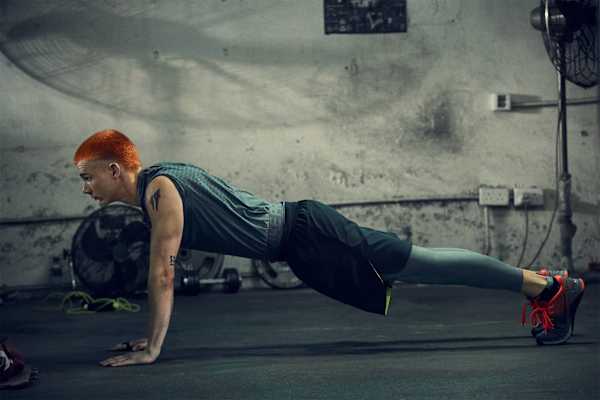
# What Muscles Do Push-Ups Work? (And How To Train Them Better)
Resources
[Find A Store](https://www.nike.com/my/retail)
[Become A Member](https://www.nike.com/my/register)
[Running Shoe Finder](https://www.nike.com/my/running/shoe-finder)
[Product Advice](https://www.nike.com/my/product-advice)
[Nike Coaching](https://www.nike.com/my/coaching)
[Magazine](https://about.nike.com/en-GB/magazine)
[Education Discounts](https://www.nike.com/my/help/a/student-discount-gs)
[Send Us Feedback](https://www.nike.com#site-feedback)
Help
[Get Help](https://www.nike.com/my/help)
[Order Status](https://www.nike.com/orders/details/)
[Delivery](https://www.nike.com/my/help/a/shipping-delivery-gs)
[Returns](https://www.nike.com/my/help/a/returns-policy-gs)
[Payment Options](https://www.nike.com/my/help/a/payment-options-gs)
[Contact Us](https://www.nike.com/my/help/#contact)
Company
[About Nike](http://about.nike.com/)
[News](https://about.nike.com/en-GB/newsroom)
[Careers](https://careers.nike.com)
[Investors](http://investors.nike.com/)
[Sustainability](https://www.nike.com/my/sustainability)
[Impact](https://about.nike.com/en-GB/impact)
[Report a Concern](https://speakup.nike.com)
## Resources
[Find A Store](https://www.nike.com/my/retail)
[Become A Member](https://www.nike.com/my/register)
[Running Shoe Finder](https://www.nike.com/my/running/shoe-finder)
[Product Advice](https://www.nike.com/my/product-advice)
[Nike Coaching](https://www.nike.com/my/coaching)
[Magazine](https://about.nike.com/en-GB/magazine)
[Education Discounts](https://www.nike.com/my/help/a/student-discount-gs)
[Send Us Feedback](https://www.nike.com#site-feedback)
## Help
[Get Help](https://www.nike.com/my/help)
[Order Status](https://www.nike.com/orders/details/)
[Delivery](https://www.nike.com/my/help/a/shipping-delivery-gs)
[Returns](https://www.nike.com/my/help/a/returns-policy-gs)
[Payment Options](https://www.nike.com/my/help/a/payment-options-gs)
[Contact Us](https://www.nike.com/my/help/#contact)
## Company
[About Nike](http://about.nike.com/)
[News](https://about.nike.com/en-GB/newsroom)
[Careers](https://careers.nike.com)
[Investors](http://investors.nike.com/)
[Sustainability](https://www.nike.com/my/sustainability)
[Impact](https://about.nike.com/en-GB/impact)
[Report a Concern](https://speakup.nike.com)
Malaysia
- © 2026 Nike, Inc. All rights reserved.
- Guides
- [Nike Air Force 1](https://www.nike.com/my/air-force-1)
- [Nike Air Max](https://www.nike.com/my/air-max)
- [Nike FlyEase](https://www.nike.com/my/flyease)
- [Nike Free](https://www.nike.com/my/free)
- [Nike Pegasus](https://www.nike.com/my/running/runningzoom-pegasus-37)
- [Nike Vaporfly](https://www.nike.com/my/running/vaporfly)
- [Nike Zoom Fly](https://www.nike.com/my/running/zoom-fly)
- [Nike ZoomX](https://www.nike.com/my/zoomx)
- [Terms of Sale](https://www.eshopworld.com/shoppers/help/retailer/nike/terms-and-conditions-of-sale-en/)
- [Terms of Use](https://agreementservice.svs.nike.com/my/en_gb/rest/agreement?agreementType=termsOfUse&uxId=com.nike&country=MY&language=en&requestType=redirect)
- [Nike Privacy Policy (EN)](https://agreementservice.svs.nike.com/my/en_gb/rest/agreement?agreementType=privacyPolicy&uxId=com.nike.unite&country=MY&language=en&requestType=redirect)
- [Nike Privacy Policy (Bahasa Melayu)](https://agreementservice.svs.nike.com/my/en_gb/rest/agreement?agreementType=privacyPolicy&uxId=com.nike.unite&country=MY&language=my&requestType=redirect)
- [Privacy Settings](https://www.nike.com/my/guest/settings/privacy)
## Africa
- [__Egypt__
\
English](https://www.nike.com/eg/)
- [__Morocco__
\
English](https://www.nike.com/ma/en/)
- [__Maroc__
\
Français](https://www.nike.com/ma/)
- [__South Africa__
\
English](https://www.nike.com/za/)
## Americas
- [__Argentina__
\
Español](https://www.nike.com.ar)
- [__Brasil__
\
Português](https://www.nike.com.br)
- [__Canada__
\
English](https://www.nike.com/ca/)
- [__Canada__
\
Français](https://www.nike.com/ca/fr/)
- [__Chile__
\
Español](https://www.nike.cl)
- [__Colombia__
\
Español](https://www.nike.com.co)
- [__México__
\
Español](https://www.nike.com/mx/)
- [__Peru__
\
Español](https://www.nike.com.pe)
- [__Puerto Rico__
\
Español](https://www.nike.com/pr/)
- [__United States__
\
English](https://www.nike.com)
- [__Estados Unidos__
\
Español](https://www.nike.com/us/es/)
- [__Uruguay__
\
Español](https://www.nike.com.uy)
- [__Latin America__
\
Español](https://www.nike.com/xl/)
## Asia Pacific
- [__Australia__
\
English](https://www.nike.com/au/)
- [__中国大陆__
\
简体中文](https://www.nike.com.cn/)
- [__Hong Kong__
\
English](https://www.nike.com.hk/)
- [__香港__
\
繁體中文](https://www.nike.com.hk/)
- [__India__
\
English](https://www.nike.in/)
- [__Indonesia__
\
English](https://www.nike.com/id/)
- [__Japan__
\
English](https://www.nike.com/jp/en/)
- [__日本__
\
日本語](https://www.nike.com/jp/)
- [__대한민국__
\
한국어](https://www.nike.com/kr/)
- [__Malaysia__
\
English](https://www.nike.com/my/)
- [__New Zealand__
\
English](https://www.nike.com/nz/)
- [__Philippines__
\
English](https://www.nike.com/ph/)
- [__Singapore__
\
English](https://www.nike.com/sg/)
- [__台灣__
\
繁體中文](https://www.nike.com/tw/)
- [__ไทย__
\
ภาษาไทย](https://www.nike.com/th/)
- [__Vietnam__
\
English](https://www.nike.com/vn/)
## Europe
- [__Österreich__
\
Deutsch](https://www.nike.com/at/)
- [__Austria__
\
English](https://www.nike.com/at/en/)
- [__Belgien__
\
Deutsch](https://www.nike.com/be/de/)
- [__Belgium__
\
English](https://www.nike.com/be/en/)
- [__Belgique__
\
Français](https://www.nike.com/be/fr/)
- [__België__
\
Nederlands](https://www.nike.com/be/)
- [__Bulgaria__
\
English](https://www.nike.com/bg/)
- [__Croatia__
\
English](https://www.nike.com/hr/)
- [__Česká republika__
\
Čeština](https://www.nike.com/cz/)
- [__Czech Republic__
\
English](https://www.nike.com/cz/en/)
- [__Danmark__
\
Dansk](https://www.nike.com/dk/)
- [__Denmark__
\
English](https://www.nike.com/dk/en/)
- [__Finland__
\
English](https://www.nike.com/fi/)
- [__France__
\
Français](https://www.nike.com/fr/)
- [__Deutschland__
\
Deutsch](https://www.nike.com/de/)
- [__Ελλάδα__
\
ελληνικά](https://www.nike.com/gr/)
- [__Hungary__
\
English](https://www.nike.com/hu/en/)
- [__Magyarország__
\
Magyar](https://www.nike.com/hu/)
- [__Ireland__
\
English](https://www.nike.com/ie/)
- [__Israel__
\
English](https://www.nike.com/il/)
- [__Italia__
\
Italiano](https://www.nike.com/it/)
- [__Luxemburg__
\
Deutsch](https://www.nike.com/lu/de/)
- [__Luxembourg__
\
English](https://www.nike.com/lu/en/)
- [__Luxembourg__
\
Français](https://www.nike.com/lu/)
- [__Netherlands__
\
English](https://www.nike.com/nl/en/)
- [__Nederland__
\
Nederlands](https://www.nike.com/nl/)
- [__Norway__
\
English](https://www.nike.com/no/en/)
- [__Norge__
\
Norsk](https://www.nike.com/no/)
- [__Polska__
\
Polski](https://www.nike.com/pl/)
- [__Portugal__
\
English](https://www.nike.com/pt/en/)
- [__Portugal__
\
Português](https://www.nike.com/pt/)
- [__Romania__
\
English](https://www.nike.com/ro/)
- [__Россия__
\
Русский](https://www.nike.com/ru/)
- [__Slovakia__
\
English](https://www.nike.com/sk/)
- [__Slovenia__
\
English](https://www.nike.com/si/)
- [__Espanya__
\
Català](https://www.nike.com/es/ca/)
- [__España__
\
Español](https://www.nike.com/es/)
- [__Sweden__
\
English](https://www.nike.com/se/en/)
- [__Sverige__
\
Svenska](https://www.nike.com/se/)
- [__Schweiz__
\
Deutsch](https://www.nike.com/ch/)
- [__Switzerland__
\
English](https://www.nike.com/ch/en/)
- [__Suisse__
\
Français](https://www.nike.com/ch/fr/)
- [__Svizzera__
\
Italiano](https://www.nike.com/ch/it/)
- [__Türkiye__
\
Türkçe](https://www.nike.com/tr/)
- [__United Kingdom__
\
English](https://www.nike.com/gb/)
## Middle East
- [__Saudi Arabia__
\
English](https://www.nike.sa/en/home)
- [__المملكة العربية السعودية__
\
العربية](https://www.nike.sa/ar/home)
- [__United Arab Emirates__
\
English](https://www.nike.ae/en/home)
- [__الإمارات العربية المتحدة__
\
العربية](https://www.nike.ae/ar/home)
- [__Qatar__
\
English](https://www.nike.qa/en/home)
- [__دولة قطر__
\
العربية](https://www.nike.qa/ar/home)
- [__Kuwait__
\
English](https://www.nike.com.kw/en/home)
- [__الكويت__
\
العربية](https://www.nike.com.kw/ar/home)