The Original Wild One
It's just past midnight in the high Sierra. The air is warm, the canyon walls holding onto the day's heat. The trail above Auburn, California is quiet except for the rhythm of hooves and the soft strike of running shoes. A horse and rider carve a faint path, kicking up clouds of dust, and a runner, Andy Gonzales, follows their faint silhouette. No torch, no markers, only instinct guiding him on a trail, in a race towards an unimaginable destiny.
The Original Wild One
It's just past midnight in the high Sierra. The air is warm, the canyon walls holding onto the day's heat. The trail above Auburn, California is quiet except for the rhythm of hooves and the soft strike of running shoes. A horse and rider carve a faint path, kicking up clouds of dust, and a runner, Andy Gonzales, follows their faint silhouette. No torch, no markers, only instinct guiding him on a trail, in a race towards an unimaginable destiny.
The race itself was an experiment. A handful of endurance-obsessed trail runners figured if horses could cover the rugged terrain, why couldn't runners? There were no established systems, no playbook for pacing or fuelling, little infrastructure designed around runners. That absence of certainty shaped the experience as much as the terrain did. Andy entered American Canyon wearing little more than a loose flannel overshirt, an ill-fitting vest, the cut-out inner liner of running shorts and Nike Waffle Trainers on his feet. That night, on a trail once meant for horses, the shoes built for running kept him moving.
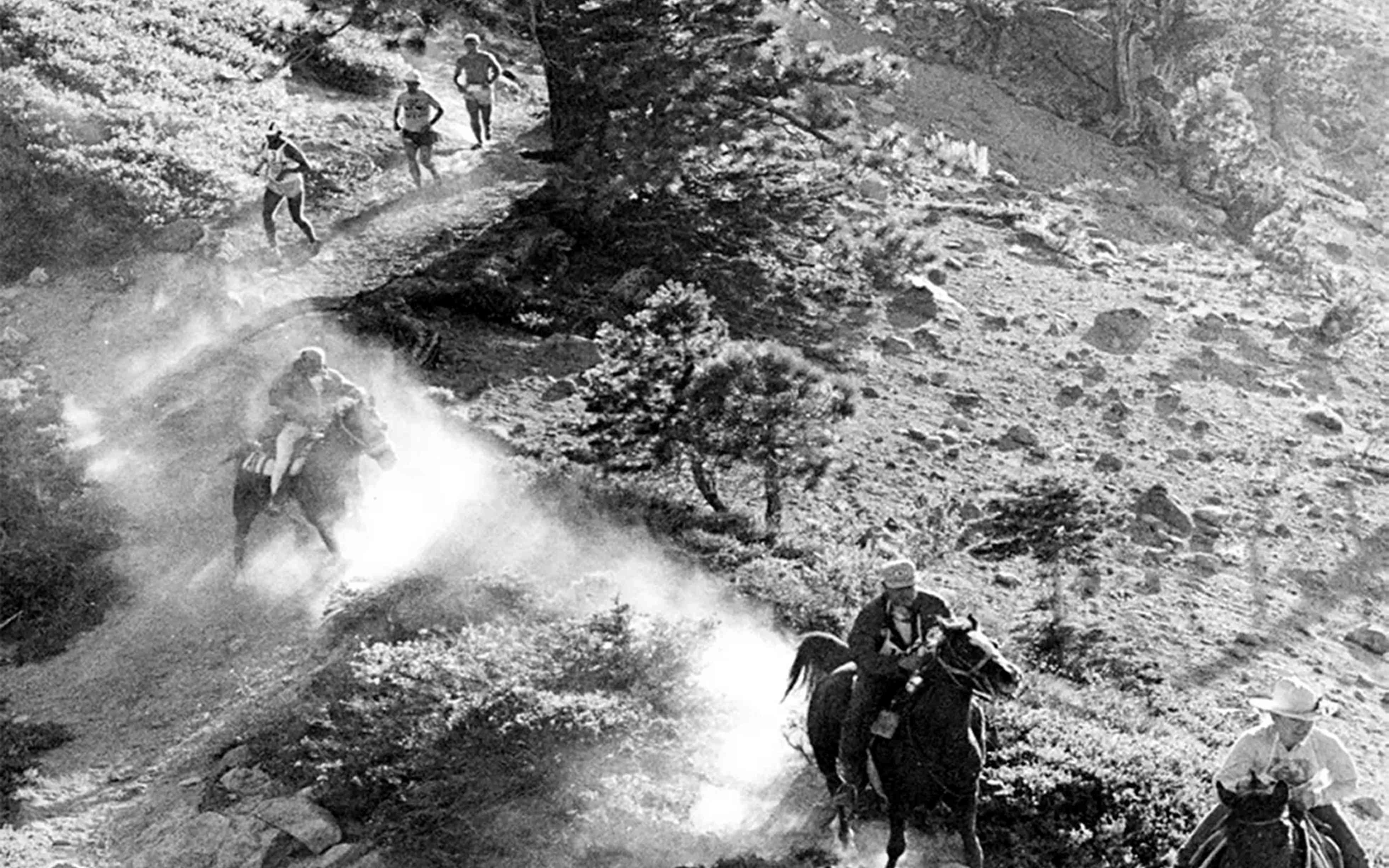
The race itself was an experiment. A handful of endurance-obsessed trail runners figured if horses could cover the rugged terrain, why couldn't runners? There were no established systems, no playbook for pacing or fuelling, little infrastructure designed around runners. That absence of certainty shaped the experience as much as the terrain did. Andy entered American Canyon wearing little more than a loose flannel overshirt, an ill-fitting vest, the cut-out inner liner of running shorts and Nike Waffle Trainers on his feet. That night, on a trail once meant for horses, the shoes built for running kept him moving.
Andy recalls, "Honestly, none of us knew what we were doing".
But there he was, creating a sport that didn't yet have a name, in shoes built for the pavement. Nike's Waffles met the moment. The trainers gripped the trails, handled the heat and just like Andy, proved that trails were meant to be run.
On paper, Andy Gonzales was a nobody: 22 years old, a kid from Colfax, California, with no running CV and no experience at that distance. But his path to the starting line had already been quietly forming. What began as "something to do" for Andy while serving for the United States Navy in Italy became a pursuit of improvement, then of greatness. By the time he returned home to the Sierras, he was running to see how far he could go.
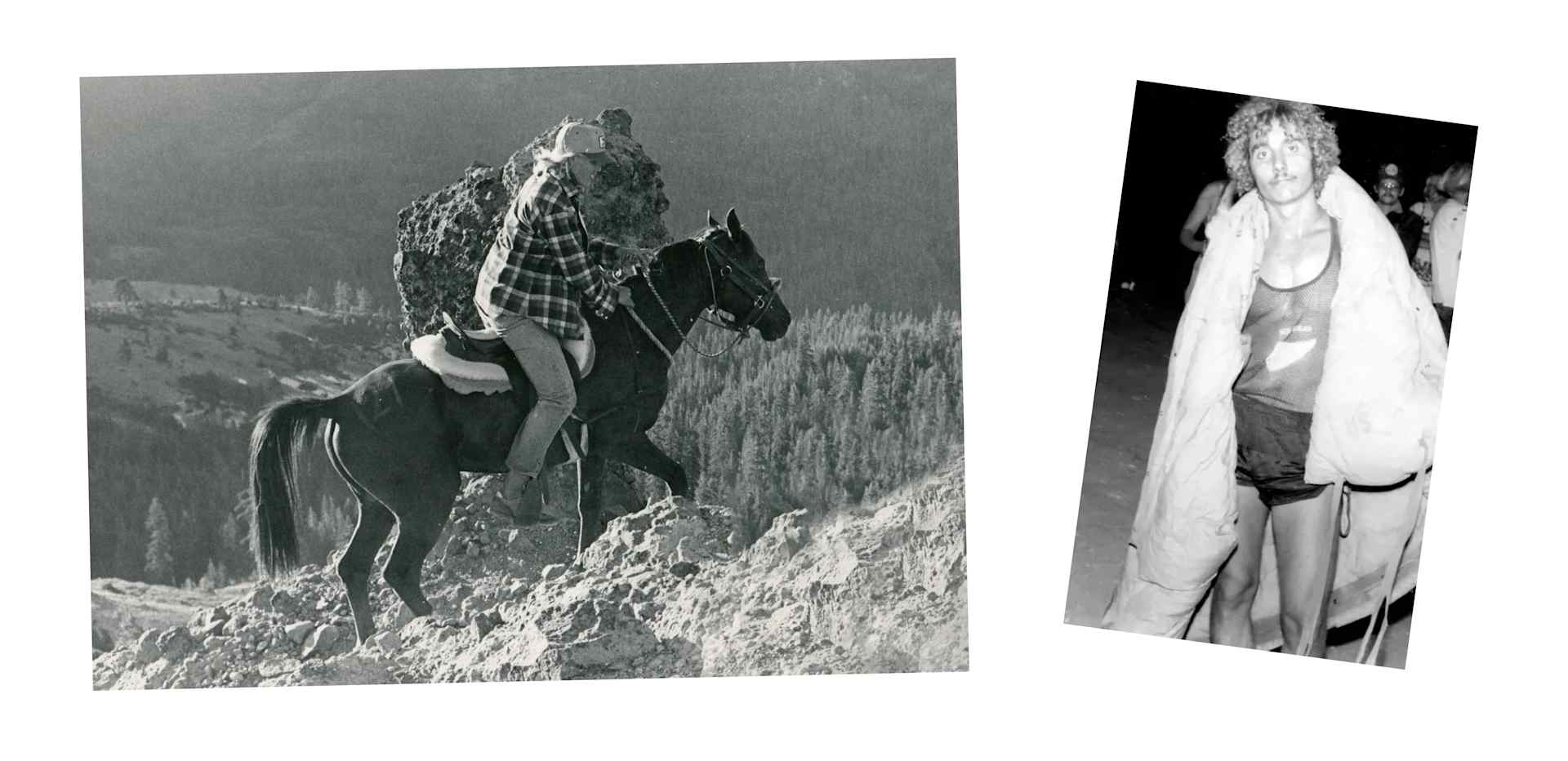
One of his proving grounds was Stevens Trail, on the outskirts of his hometown. The workout was simple and punishing: 3.8 rugged miles down to the North Fork of the American River, sometimes a swim across, then a steep climb up the South Bank Trail toward Iowa Hill. Most runners broke it into segments or waited for cooler hours. Andy ran straight through the heat. He never carried water. Rarely paused at the river. Over time, the canyon shaped him.
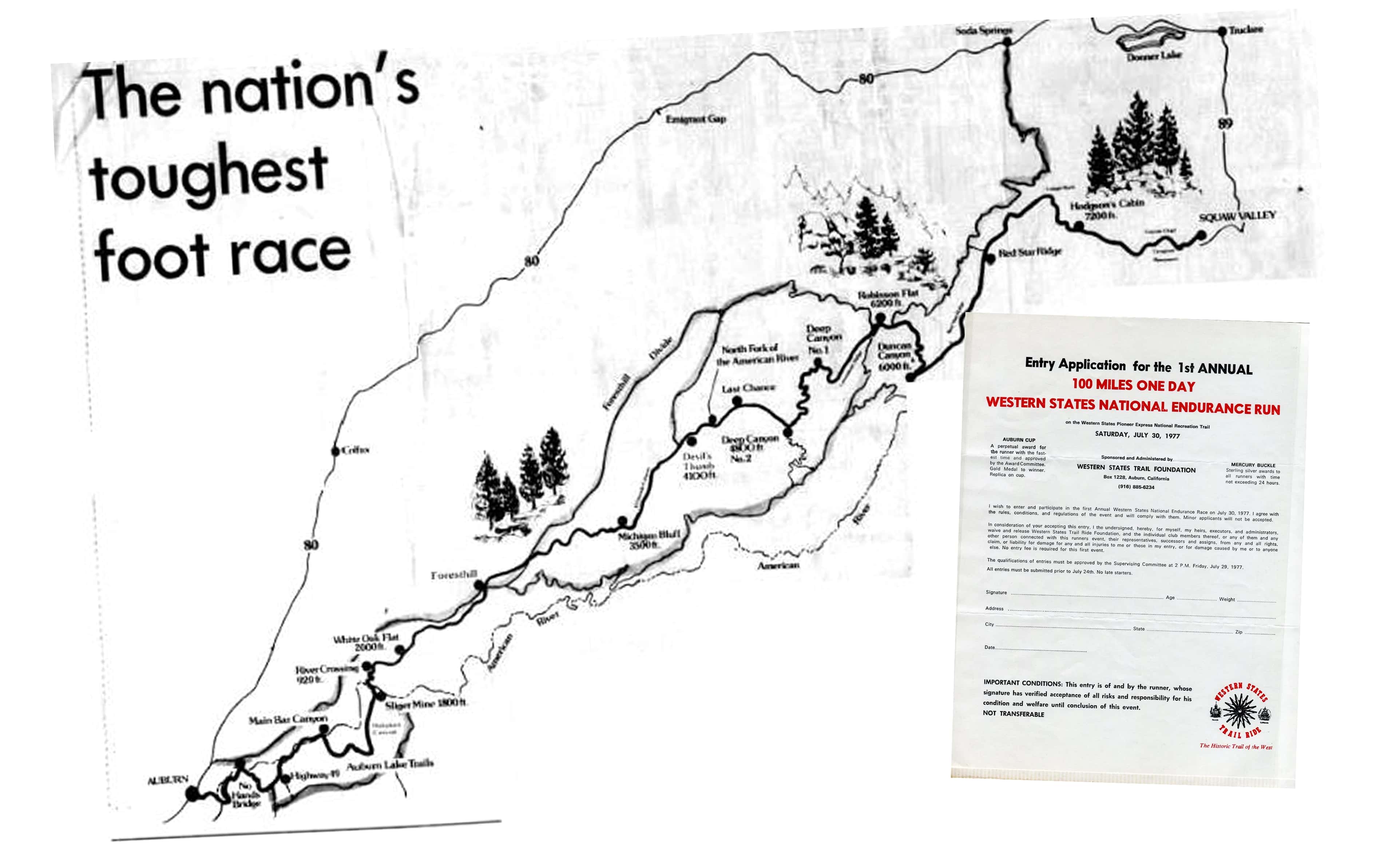
A chance encounter with a runner during training tipped Andy to a race the next day– a 100-mile slog through rugged terrain, over 17,000 feet of climbing and nearly 22,000 feet of descent, a relentless cycle that punishes legs in both directions.
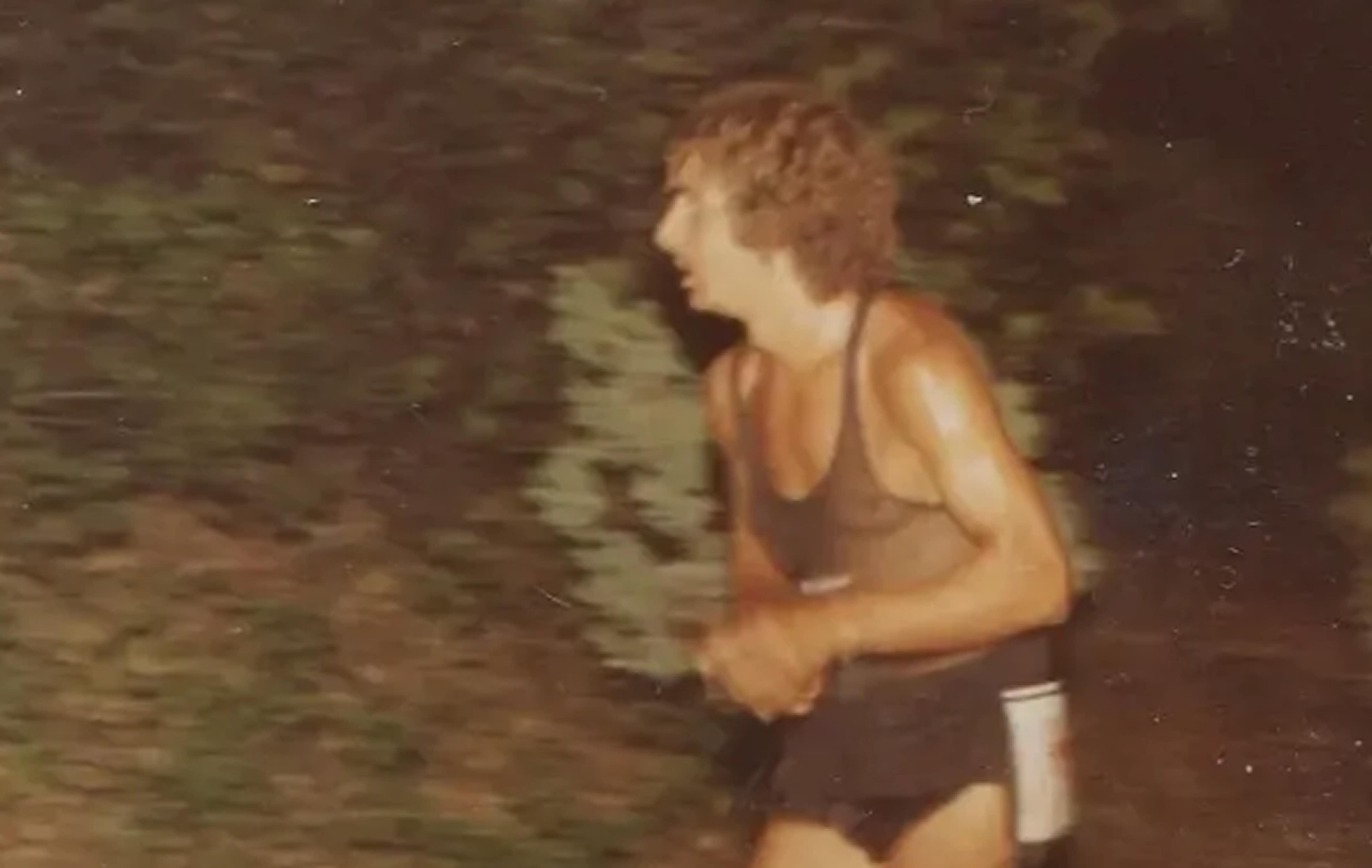
The inaugural year drew a small field—sixteen runners signed up, with attrition so steep it almost reads like a warning label. Conditions were brutally hot. Recorded temps were 42 degrees, but inside those sun-soaked canyons, it felt like 48. The run was held in conjunction with the horse-and-rider race, and runners were required to bring much of what they needed. Andy remembered moments that sound surreal in hindsight: slogging through muddy water alongside a mighty horse, watching the environment strip athletes down to run on pure instinct.
By the 50-mile mark, thirteen of sixteen were out. Of the three remaining, only one finished under the 24-hour cutoff. That runner was Andy Gonzales, in a time of 22 hours and 57 minutes.
The Nike Waffle Trainers on his feet in that 1977 race were not designed for a 100-mile mountain endurance experiment—however, they proved not only capable but uniquely qualified. When Bowerman's pioneering Waffle-outsole traction debuted, it gave runners a smooth transition from pavement to trail, something that wasn't possible with prior cushioning systems. Shaped by Bowerman's relentless pursuit of light weight with traction, the shoe's innate efficiency would help Andy conquer everything the trail threw at him that fateful day.
A year later, the 100-mile trail stood on its own. It was separated from the horse race and moved earlier into June. Still running today, the race is a luminary in the ultra-marathon circuit. The field grew to 63 runners, including five women, and aid stations expanded. What had begun as a proof of concept was beginning to resemble an official event.
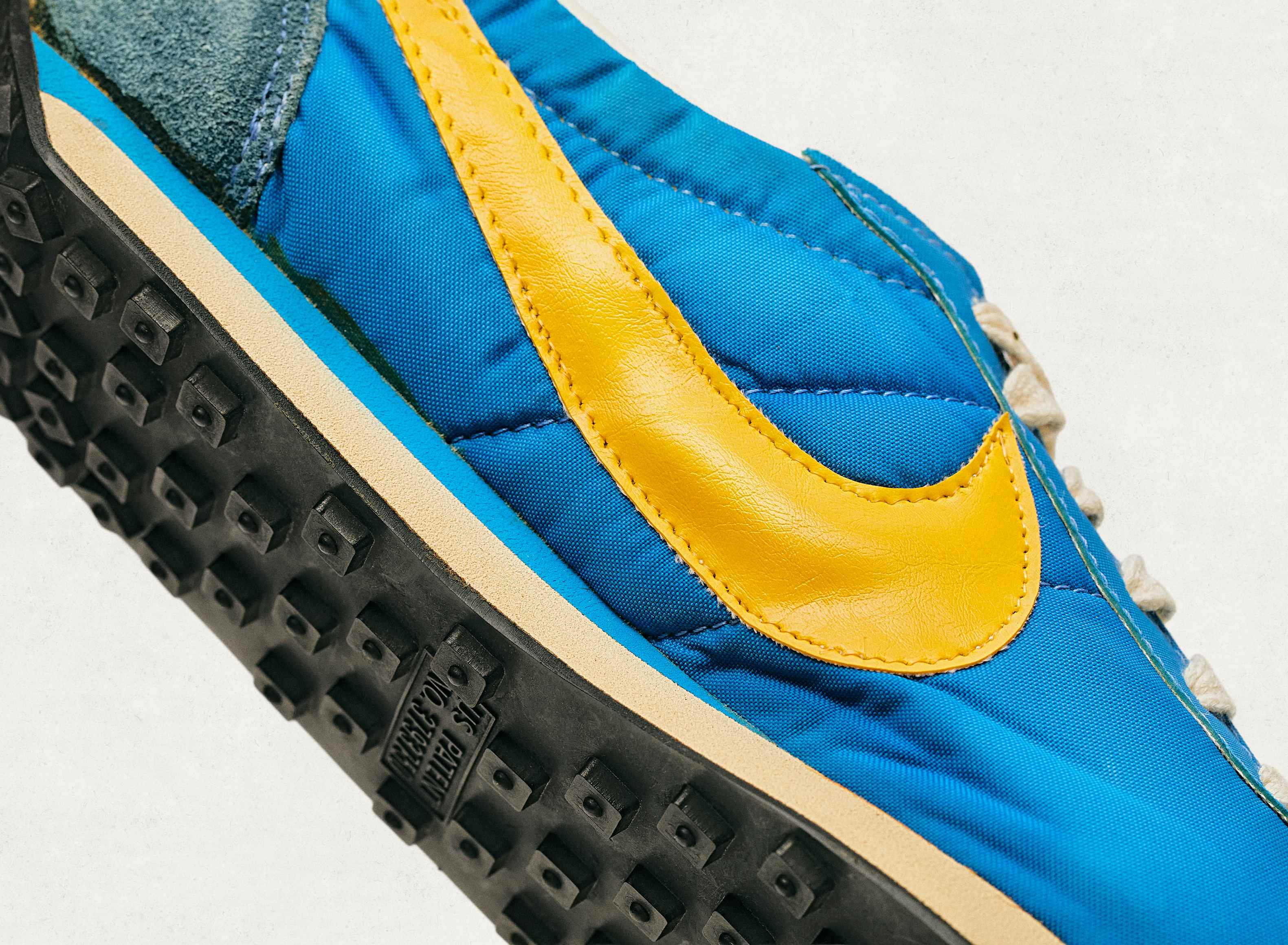
Andy returned to the start line and won again—this time in 18 hours and 50 minutes, shaving hours off his original performance. The night before the start, Shannon Yewell Weil—the rider he had followed through dust and darkness in '77 and co-founder of the endurance run—noticed the waffle tread on his steadfast trainers was almost completely worn down. She offered him her pair of Waffle Trainers instead. He ran in them. He won in them.
Andy's first win had been improbable. The second victory removed any doubt. The shoes survived. Shannon explains they aren't just beat-up old shoes, but "they represent an incredible experience, a bond", that created a lifelong friendship and became part of racing history. A camaraderie forged in the dark, formed as they travelled the final 40 miles of the 1977 race together, leapfrogging each other on the trail.
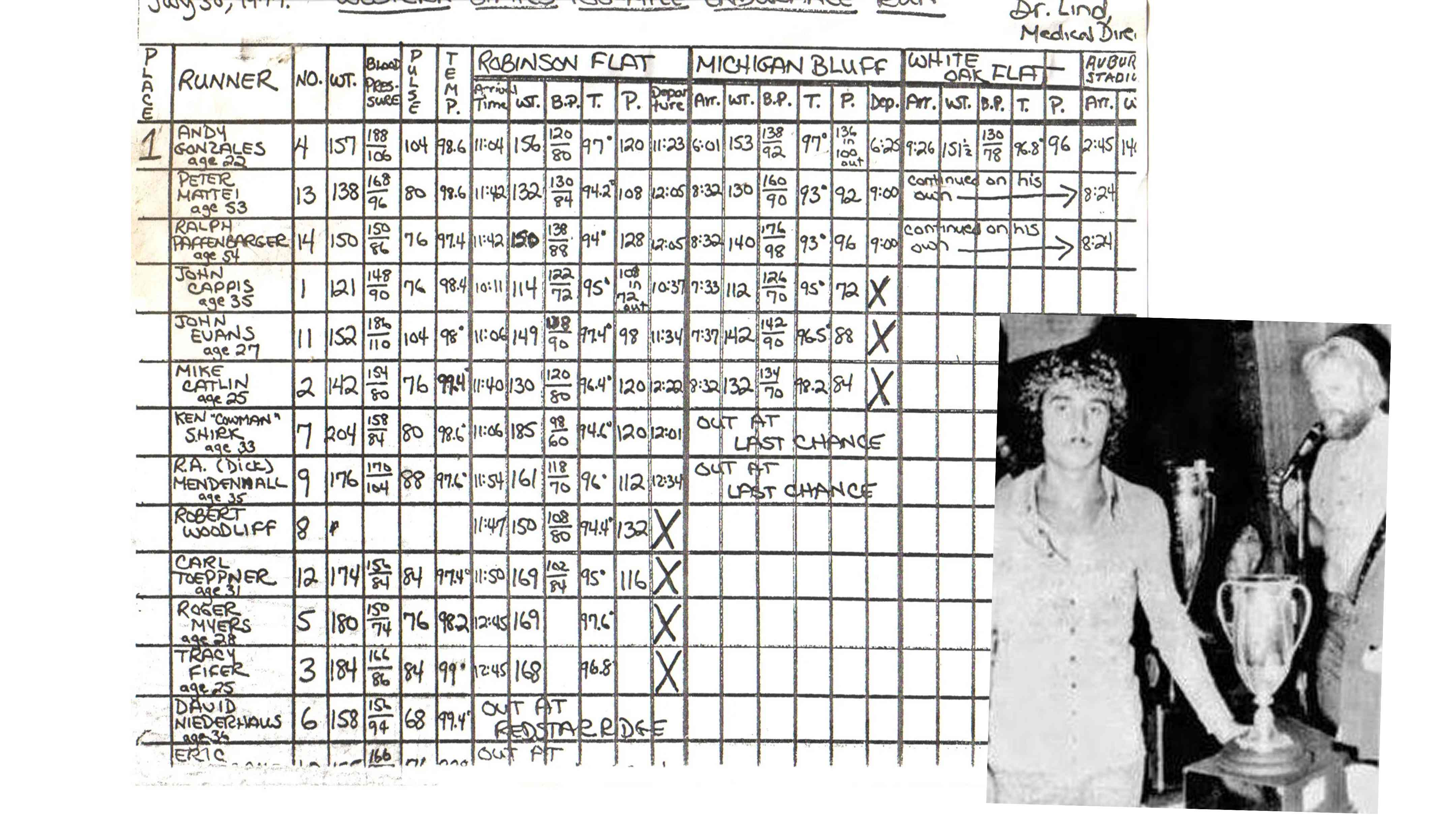
Andy's story reveals that wild capacity originates in the athlete. There is still no metric for refusal to quit. There is no reliable instrument for instinct. There is no clean graph for willingness. The only proof is in the finish. It is the athlete who finds the trail in the dark, who decides not to stop in the heat, who returns a second year faster than before.
Andy did more than just run the trail. He was among the first to reveal what the trail demands.
Wild ambition is what brings the athlete to the trail. Innovation exists to meet that decision—to respond to it, to support it, to make it repeatable.
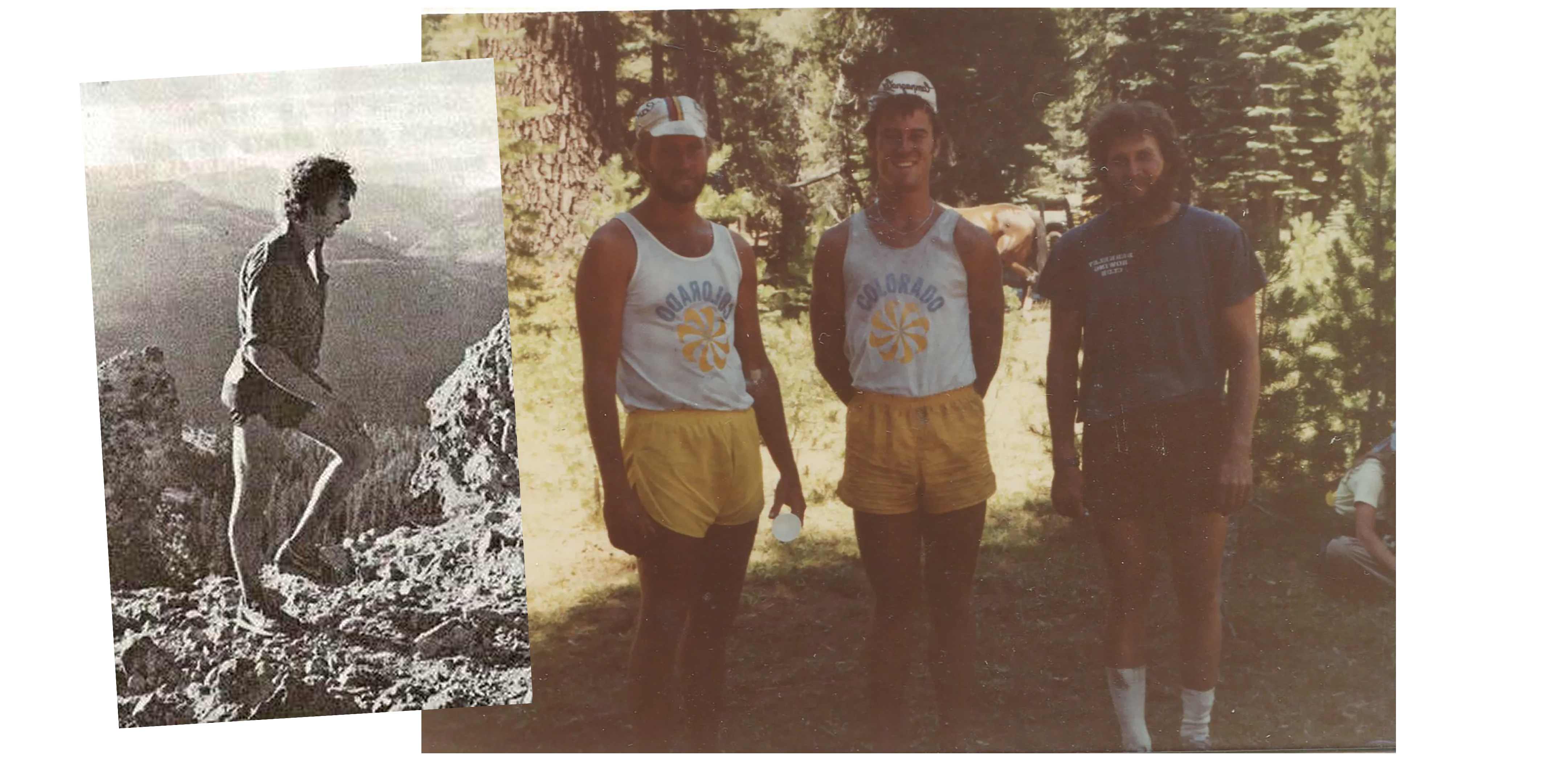
All images thanks to The Shannon Weil Collection and Western States Trail Foundation.