[Skip to main content](https://www.nike.com#skip-to-content)
- [](https://www.nike.com/sk/jordan)
- [Find a Store](https://www.nike.com/sk/retail)
- [Help](https://www.nike.com/sk/help)
[Help](https://www.nike.com/sk/help)
- [Order Status](https://www.nike.com/sk/orders)
- [Dispatch and Delivery](https://www.nike.com/sk/help/a/shipping-delivery-gs)
- [Returns](https://www.nike.com/sk/help/a/returns-policy-gs)
- [Contact Us](https://www.nike.com/sk/help/#contact)
- [Privacy Policy](https://agreementservice.svs.nike.com/sk/en_gb/rest/agreement?agreementType=privacyPolicy&uxId=com.nike.commerce.nikedotcom.web&country=sk&language=en&requestType=redirect)
- [Terms of Sale](https://www.eshopworld.com/shoppers/help/retailer/nike/terms-and-conditions-of-sale-en/)
- [Terms of Use](https://agreementservice.svs.nike.com/sk/en_gb/rest/agreement?agreementType=termsOfUse&uxId=com.nike.unite&country=SK&language=en&requestType=redirect)
- [Send Us Feedback](https://www.nike.com#site-feedback)
- [Join Us](https://www.nike.com/sk/membership)
- [Sign In](https://www.nike.com/sk/register)
[](https://www.nike.com/sk/)
- [New](https://www.nike.com/sk/w/new-3n82y)
- [New](https://www.nike.com/sk/w/new-3n82y)
- [New Arrivals](https://www.nike.com/sk/w/new-3n82y)
- [Best Sellers](https://www.nike.com/sk/w/best-76m50)
- [SNKRS Launch Calendar](https://www.nike.com/gb/launch/upcoming)
- [Tennis Slam](https://www.nike.com/sk/w/tennis-slam-7vd60)
- [Highlights](https://www.nike.com/sk/w/new-just-in-3apgqz3n82y)
- [Jordan: Love Letter Collection](https://www.nike.com/sk/w/love-letter-7xkbw)
- [Best of Jordan](https://www.nike.com/sk/w/best-of-jordan-brand-j0oa)
- [Running: Discover Aerofit](https://www.nike.com/sk/w/running-clothing-37v7jz6ymx6)
- [Style By Moon Shoe](https://www.nike.com/sk/nike-style-by)
- [Trending](https://www.nike.com/sk/w/best-76m50)
- [Hybrid Training](https://www.nike.com/sk/w/hybrid-training-7fx1n)
- [Marathon Shoes](https://www.nike.com/sk/w/marathon-distance-shoes-6vbyfzy7ok)
- [Elite Football Boots](https://www.nike.com/sk/w/elite-football-shoes-1gdj0z9vmnhzy7ok)
- [Sportswear Clothing](https://www.nike.com/sk/w/sportswear-clothing-43h4uz6ymx6)
- [Pro Football Boots](https://www.nike.com/sk/w/pro-football-shoes-1gdj0z2a2jzy7ok)
- [Brands](https://www.nike.com/sk/w/37eefz43h4uz93bsdzpgd6)
- [Nike Sportswear](https://www.nike.com/sk/w/lifestyle-13jrm)
- [ACG: All Conditions Gear](https://www.nike.com/sk/acg)
- [Jordan](https://www.nike.com/sk/w/jordan-37eef)
- [Kobe](https://www.nike.com/sk/w/kobe-pgd6)
- [NOCTA](https://www.nike.com/sk/w/nocta-25nhb)
- [Men](https://www.nike.com/sk/men)
- [Highlights](https://www.nike.com/sk/w/new-mens-3n82yznik1)
- [New Arrivals](https://www.nike.com/sk/w/new-mens-3n82yznik1)
- [Best Sellers](https://www.nike.com/sk/w/mens-best-76m50znik1)
- [Streetwear Clothing](https://www.nike.com/sk/w/streetwear-clothing-97qn8)
- [Tennis Slam](https://www.nike.com/sk/w/mens-tennis-slam-7vd60znik1)
- [Shoes](https://www.nike.com/sk/w/mens-shoes-nik1zy7ok)
- [All Shoes](https://www.nike.com/sk/w/mens-shoes-nik1zy7ok)
- [Lifestyle](https://www.nike.com/sk/w/mens-lifestyle-shoes-13jrmznik1zy7ok)
- [Jordan](https://www.nike.com/sk/w/mens-jordan-shoes-37eefznik1zy7ok)
- [Running](https://www.nike.com/sk/w/mens-running-shoes-37v7jznik1zy7ok)
- [Football](https://www.nike.com/sk/w/mens-football-shoes-1gdj0znik1zy7ok)
- [Basketball](https://www.nike.com/sk/w/mens-basketball-shoes-3glsmznik1zy7ok)
- [Training and Gym](https://www.nike.com/sk/w/mens-training-gym-shoes-58jtoznik1zy7ok)
- [Skateboarding](https://www.nike.com/sk/w/mens-skateboarding-shoes-8mfrfznik1zy7ok)
- [Custom Shoes](https://www.nike.com/sk/w/mens-nike-by-you-shoes-6ealhznik1zy7ok)
- [Shoes under 100 (EU)](https://www.nike.com/sk/w/mens-under-100-shoes-49o1mznik1zy7ok)
- [Clothing](https://www.nike.com/sk/w/mens-clothing-6ymx6znik1)
- [All Clothing](https://www.nike.com/sk/w/mens-clothing-6ymx6znik1)
- [Hoodies and Sweatshirts](https://www.nike.com/sk/w/mens-hoodies-sweatshirts-6riveznik1)
- [Tops and T-Shirts](https://www.nike.com/sk/w/mens-tops-t-shirts-9om13znik1)
- [Kits and Jerseys](https://www.nike.com/sk/w/mens-football-kits-jerseys-1gdj0z3a41eznik1)
- [Shorts](https://www.nike.com/sk/w/mens-shorts-38fphznik1)
- [Trousers and Tights](https://www.nike.com/sk/w/mens-trousers-tights-2kq19znik1)
- [Tracksuits](https://www.nike.com/sk/w/mens-tracksuits-1ll2wznik1)
- [Jackets](https://www.nike.com/sk/w/mens-jackets-gilets-50r7yznik1)
- [Accessories](https://www.nike.com/sk/w/mens-accessories-equipment-awwpwznik1)
- [Sport](https://www.nike.com/sk/w/mens-performance-3k7dgznik1)
- [Running](https://www.nike.com/sk/running)
- [Football](https://www.nike.com/sk/football)
- [Basketball](https://www.nike.com/sk/basketball)
- [Training and Gym](https://www.nike.com/sk/training)
- [Tennis](https://www.nike.com/sk/tennis)
- [Skateboarding](https://www.nike.com/sk/w/mens-skateboarding-8mfrfznik1)
- [Golf](https://www.nike.com/sk/golf)
- Brands
- [Nike Sportswear](https://www.nike.com/sk/w/mens-lifestyle-13jrmznik1)
- [ACG: All Conditions Gear](https://www.nike.com/sk/acg)
- [Jordan](https://www.nike.com/sk/w/mens-jordan-37eefznik1)
- [Kobe](https://www.nike.com/sk/w/mens-kobe-nik1zpgd6)
- [NOCTA](https://www.nike.com/sk/w/mens-nocta-25nhbznik1)
- [Women](https://www.nike.com/sk/women)
- [Highlights](https://www.nike.com/sk/w/new-womens-3n82yz5e1x6)
- [New Arrivals](https://www.nike.com/sk/w/new-womens-3n82yz5e1x6)
- [Best Sellers](https://www.nike.com/sk/w/womens-best-5e1x6z76m50)
- [Nike Fleece Essentials](https://www.nike.com/sk/w/womens-nike-studio-fleece-clothing-5e1x6z6ymx6zs531)
- [Seasonal Clothing Packs](https://www.nike.com/sk/w/seasonal-clothing-packs-9yawh)
- [Style By Moon Shoe](https://www.nike.com/sk/nike-style-by)
- [Tennis Slam](https://www.nike.com/sk/w/womens-tennis-slam-5e1x6z7vd60)
- [Shoes](https://www.nike.com/sk/w/womens-shoes-5e1x6zy7ok)
- [All Shoes](https://www.nike.com/sk/w/womens-shoes-5e1x6zy7ok)
- [Lifestyle](https://www.nike.com/sk/w/womens-lifestyle-shoes-13jrmz5e1x6zy7ok)
- [Jordan](https://www.nike.com/sk/w/womens-jordan-shoes-37eefz5e1x6zy7ok)
- [Running](https://www.nike.com/sk/w/womens-running-shoes-37v7jz5e1x6zy7ok)
- [Training and Gym](https://www.nike.com/sk/w/womens-training-gym-shoes-58jtoz5e1x6zy7ok)
- [Football](https://www.nike.com/sk/w/womens-football-shoes-1gdj0z5e1x6zy7ok)
- [Custom Shoes](https://www.nike.com/sk/w/womens-nike-by-you-shoes-5e1x6z6ealhzy7ok)
- [Shoes under 100 (EU)](https://www.nike.com/sk/w/womens-under-100-shoes-49o1mz5e1x6zy7ok)
- [Clothing](https://www.nike.com/sk/w/womens-clothing-5e1x6z6ymx6)
- [All Clothing](https://www.nike.com/sk/w/womens-clothing-5e1x6z6ymx6)
- [Hoodies and Sweatshirts](https://www.nike.com/sk/w/womens-hoodies-sweatshirts-5e1x6z6rive)
- [Tops and T-Shirts](https://www.nike.com/sk/w/womens-tops-t-shirts-5e1x6z9om13)
- [Shorts](https://www.nike.com/sk/w/womens-shorts-38fphz5e1x6)
- [Leggings](https://www.nike.com/sk/w/womens-tights-leggings-29sh2z5e1x6)
- [Trousers](https://www.nike.com/sk/w/womens-trousers-tights-2kq19z5e1x6)
- [Matching Sets](https://www.nike.com/sk/w/womens-matching-sets-2lukpz5e1x6)
- [Jackets](https://www.nike.com/sk/w/womens-jackets-gilets-50r7yz5e1x6)
- [Sports Bras](https://www.nike.com/sk/w/womens-sports-bras-40qgmz5e1x6)
- [Accessories](https://www.nike.com/sk/w/womens-accessories-equipment-5e1x6zawwpw)
- [Sport](https://www.nike.com/sk/w/womens-performance-3k7dgz5e1x6)
- [Training and Gym](https://www.nike.com/sk/training)
- [Running](https://www.nike.com/sk/running)
- [Football](https://www.nike.com/sk/football)
- [Basketball](https://www.nike.com/sk/basketball)
- [Tennis](https://www.nike.com/sk/tennis)
- [Skateboarding](https://www.nike.com/sk/w/womens-skateboarding-5e1x6z8mfrf)
- [Golf](https://www.nike.com/sk/golf)
- Brands
- [NikeSKIMS](https://www.nike.com/sk/nikeskims)
- [Nike Sportswear](https://www.nike.com/sk/w/womens-lifestyle-13jrmz5e1x6)
- [ACG: All Conditions Gear](https://www.nike.com/sk/acg)
- [Jordan](https://www.nike.com/sk/w/womens-jordan-37eefz5e1x6)
- [Kobe](https://www.nike.com/sk/w/womens-kobe-5e1x6zpgd6)
- [Kids](https://www.nike.com/sk/kids)
- [Highlights](https://www.nike.com/sk/w/new-kids-3n82yzv4dh)
- [New Arrivals](https://www.nike.com/sk/w/new-kids-3n82yzv4dh)
- [Best Sellers](https://www.nike.com/sk/w/kids-best-76m50zv4dh)
- [Teen Destination](https://www.nike.com/sk/teens)
- [Nike x LEGO® Collection](https://www.nike.com/sk/lego)
- [Shoes](https://www.nike.com/sk/w/kids-shoes-v4dhzy7ok)
- [All Shoes](https://www.nike.com/sk/w/kids-shoes-v4dhzy7ok)
- [Lifestyle](https://www.nike.com/sk/w/kids-lifestyle-shoes-13jrmzv4dhzy7ok)
- [Jordan](https://www.nike.com/sk/w/kids-jordan-shoes-37eefzv4dhzy7ok)
- [Football](https://www.nike.com/sk/w/kids-football-shoes-1gdj0zv4dhzy7ok)
- [Running](https://www.nike.com/sk/w/kids-running-shoes-37v7jzv4dhzy7ok)
- [Basketball](https://www.nike.com/sk/w/kids-basketball-shoes-3glsmzv4dhzy7ok)
- [Physical Education](https://www.nike.com/sk/w/kids-performance-shoes-3k7dgzv4dhzy7ok)
- [Shoes under 100 (EU)](https://www.nike.com/sk/w/kids-under-100-shoes-49o1mzv4dhzy7ok)
- [Clothing](https://www.nike.com/sk/w/kids-clothing-6ymx6zv4dh)
- [All Clothing](https://www.nike.com/sk/w/kids-clothing-6ymx6zv4dh)
- [Hoodies and Sweatshirts](https://www.nike.com/sk/w/kids-hoodies-sweatshirts-6rivezv4dh)
- [Tops and T-Shirts](https://www.nike.com/sk/w/kids-tops-t-shirts-9om13zv4dh)
- [Kits & Jerseys](https://www.nike.com/sk/w/kids-football-kits-jerseys-1gdj0z3a41ezv4dh)
- [Tracksuits](https://www.nike.com/sk/w/kids-tracksuits-1ll2wzv4dh)
- [Shorts](https://www.nike.com/sk/w/kids-shorts-38fphzv4dh)
- [Trousers and Leggings](https://www.nike.com/sk/w/kids-trousers-tights-2kq19zv4dh)
- [Matching Sets](https://www.nike.com/sk/w/kids-matching-sets-2lukpzv4dh)
- [Jackets](https://www.nike.com/sk/w/kids-jackets-gilets-50r7yzv4dh)
- [Accessories](https://www.nike.com/sk/w/kids-accessories-equipment-awwpwzv4dh)
- [Kids by age](https://www.nike.com/sk/w/kids-v4dh)
- [Teens (13–17 years)](https://www.nike.com/sk/w/teen-collection-6hgue)
- [Older Kids (7–12 years)](https://www.nike.com/sk/w/older-kids-agibjzv4dh)
- [Younger Kids (3–7 years)](https://www.nike.com/sk/w/little-kids-6dacezv4dh)
- [Baby & Toddler (0–3 years)](https://www.nike.com/sk/w/baby-toddlers-kids-2j488zv4dh)
- [Sport](https://www.nike.com/sk/w/kids-performance-3k7dgzv4dh)
- [Running](https://www.nike.com/sk/w/kids-running-37v7jzv4dh)
- [Football](https://www.nike.com/sk/w/kids-football-1gdj0zv4dh)
- [Basketball](https://www.nike.com/sk/w/kids-basketball-3glsmzv4dh)
- [Physical Education](https://www.nike.com/sk/w/kids-training-gym-58jtozv4dh)
- [Skateboarding](https://www.nike.com/sk/w/skateboarding-8mfrf)
- [Sport](https://www.nike.com/sk/lockerroom)
- [Highlights](https://www.nike.com/sk/w/new-performance-3k7dgz3n82y)
- [New Arrivals](https://www.nike.com/sk/w/new-performance-3k7dgz3n82y)
- [Best Sellers](https://www.nike.com/sk/w/best-performance-3k7dgz76m50)
- [Jordan Basketball](https://www.nike.com/sk/w/jordan-basketball-37eefz3glsm)
- [Running: Discover Aerofit](https://www.nike.com/sk/w/running-clothing-37v7jz6ymx6)
- [Football: New Club Kits 26/27](https://www.nike.com/sk/w/club-football-teams-6fu9q)
- [Running](https://www.nike.com/sk/running)
- [All Running](https://www.nike.com/sk/w/running-37v7j)
- [Shoes](https://www.nike.com/sk/w/running-shoes-37v7jzy7ok)
- [Clothing](https://www.nike.com/sk/w/running-clothing-37v7jz6ymx6)
- [Accessories](https://www.nike.com/sk/w/running-accessories-equipment-37v7jzawwpw)
- [Football](https://www.nike.com/sk/football)
- [All Football](https://www.nike.com/sk/w/football-1gdj0)
- [Shoes](https://www.nike.com/sk/w/football-shoes-1gdj0zy7ok)
- [Clothing](https://www.nike.com/sk/w/football-clothing-1gdj0z6ymx6)
- [Accessories](https://www.nike.com/sk/w/football-accessories-equipment-1gdj0zawwpw)
- [Training and Gym](https://www.nike.com/sk/training)
- [All Training and Gym](https://www.nike.com/sk/w/training-gym-58jto)
- [Shoes](https://www.nike.com/sk/w/training-gym-shoes-58jtozy7ok)
- [Clothing](https://www.nike.com/sk/w/training-gym-clothing-58jtoz6ymx6)
- [Accessories](https://www.nike.com/sk/w/training-gym-accessories-equipment-58jtozawwpw)
- [More Sports](https://www.nike.com/sk/w/performance-3k7dg)
- [All Sport](https://www.nike.com/sk/w/performance-3k7dg)
- [Basketball](https://www.nike.com/sk/basketball)
- [Outdoor](https://www.nike.com/sk/w/acg-93bsd)
- [Tennis](https://www.nike.com/sk/tennis)
- [Nike SB](https://www.nike.com/sk/w/skateboarding-8mfrf)
- [Golf](https://www.nike.com/sk/golf)
- [NikeSKIMS](https://www.nike.com/sk/nikeskims)
- [NikeSKIMS Guides](https://www.nike.com/sk/nikeskims-lookbook)
- [NikeSKIMS Lookbook](https://www.nike.com/sk/nikeskims-lookbook)
- [NikeSKIMS Bra Guide](https://www.nike.com/sk/nikeskims-bra-guide)
- [NikeSKIMS Collection Guide](https://www.nike.com/sk/nikeskims-collection-guide)
- [Clothing](https://www.nike.com/sk/w/nikeskims-b2asd)
- [All Clothing](https://www.nike.com/sk/w/nikeskims-clothing-6ymx6zb2asd)
- [Bras](https://www.nike.com/sk/w/nikeskims-sports-bras-40qgmzb2asd)
- [Tops and Tanks](https://www.nike.com/sk/w/nikeskims-tops-t-shirts-9om13zb2asd)
- [Leggings](https://www.nike.com/sk/w/nikeskims-tights-leggings-29sh2zb2asd)
- [Shorts](https://www.nike.com/sk/w/nikeskims-shorts-38fphzb2asd)
- [Shoes](https://www.nike.com/sk/w/nikeskims-shoes-b2asdzy7ok)
- [Accessories](https://www.nike.com/sk/w/nikeskims-accessories-equipment-awwpwzb2asd)
- [Collections](https://www.nike.com/sk/nikeskims-collection-guide)
- [All Collections](https://www.nike.com/sk/w/nikeskims-b2asd)
- [Shine](https://www.nike.com/sk/w/nikeskims-nikeskims-shine-aq8qbzb2asd)
- [Matte](https://www.nike.com/sk/w/nikeskims-nikeskims-matte-5s3enzb2asd)
- [Airy](https://www.nike.com/sk/w/nikeskims-nikeskims-airy-5c1qqzb2asd)
- [Ribbed Seamless](https://www.nike.com/sk/w/nikeskims-nikeskims-seamless-6lh4szb2asd)
- [Stretch Knit](https://www.nike.com/sk/w/nikeskims-nikeskims-stretch-knit-21jwlzb2asd)
- [Studio Stretch](https://www.nike.com/sk/w/nikeskims-studio-stretch-admbq)
- [Stretch Nylon](https://www.nike.com/sk/w/nikeskims-stretch-nylon-7sut9)
- [Weightless](https://www.nike.com/sk/w/nikeskims-nikeskims-weightless-4csx8zb2asd)
- [Shop By Color](https://www.nike.com/sk/w/nikeskims-b2asd)
- [Obsidian](https://www.nike.com/sk/w/nikeskims-black-90poyzb2asd)
- [Dark Sepia](https://www.nike.com/sk/w/nikeskims-dark-sepia-81pvm)
- [Phoenix](https://www.nike.com/sk/w/nikeskims-phoenix-1jhtj)
- [Cobalt](https://www.nike.com/sk/w/nikeskims-blue-8hfx3zb2asd)
- [Ivory](https://www.nike.com/sk/w/nikeskims-white-4g797zb2asd)
Cancel
Cancel
Popular Search Terms
[](https://www.nike.com/sk/favorites "Favourites")[](https://www.nike.com/sk/cart "Bag Items: 0")
# How Often Should I Replace My Running Shoes?
##### Activity
Learn when to replace running shoes to prevent injury and boost performance. Get tips on spotting signs of wear and extending shoe lifespans.
Last updated: 16 March 2026
9 min read
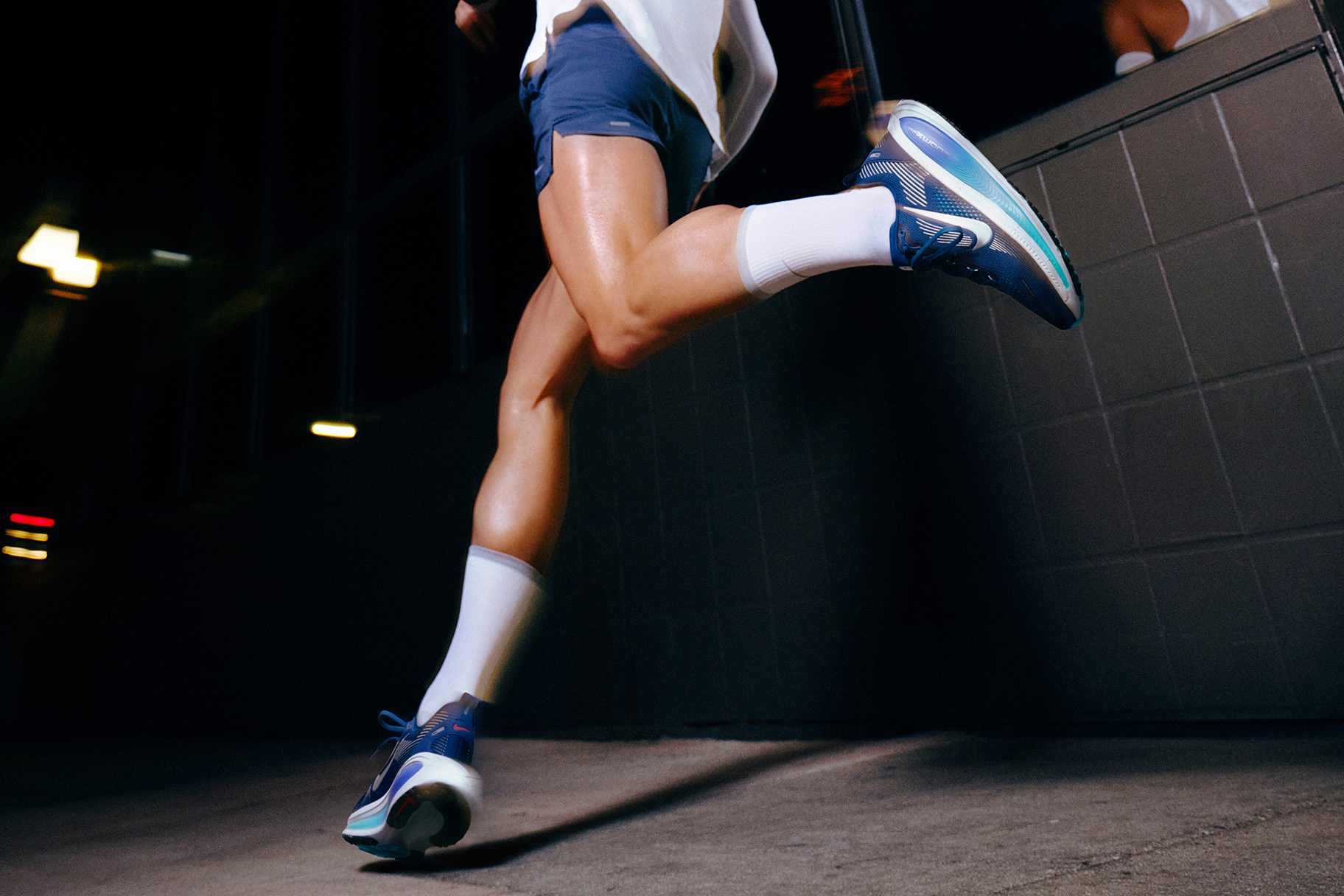
As the mileage racks up, even the world's most durable pair of running shoes will eventually meet its expiry date. Many experts recommend replacing running shoes every 300 to 500 miles (500 to 800 kilometres), but that's a pretty big range. That leads to key questions like how often you should change running shoes and how long Nike running shoes last.
According to Nike running coaches, there's no hard and fast rule.
How long running shoes last depends on variables like where you run, how far and how often. What's important is keeping an eye on your shoes and how your body responds to them. Worn-down shoe soles or fresh [blisters](https://www.nike.com/a/blood-blister-on-toe) on your toes may indicate that your shoes are past their prime.
__Quick take__
- How often you should change running shoes depends on your training and mileage.
- In terms of how long Nike running shoes last, there are several contributing factors, including running style, volume and running surface.
- Factors that matter most when looking at how often you should replace your running shoes include visible signs of wear, comfort, midsole rebound, cushioning amount and joint health.
## How Long Do Running Shoes Last (by Mileage)?
When considering how often you should replace your running shoes, it depends on what type of runner you are and what your training regimen looks like. Here's a simple framework used by Nike running coaches to help you decide.
- __Casual runners:__ If you're accustomed to running fewer than 10 miles per week, you can typically stick with the same pair of running shoes for around 8 to 12 months before you notice any problems.
- __Training for a 5K or 10K:__ You're probably running between 10 and 20 miles per week, meaning your shoes will last 5 to 8 months.
- __Prepping for a half-marathon:__ You'll usually cover 20 to 40 miles per week and should expect to change shoes more frequently—about every 4 to 6 months.
- __Dedicated marathon runner:__ You'll probably be logging 40 miles or more in your training every week, so your shoes will wear down quickly, meaning you will need replacements approximately every 2 to 3 months to ensure your feet are cared for.
## What Factors Determine Shoe Life?
Not every shoe will have the same lifespan. These considerations may help you estimate a reliable shoe budget:
- __Shoe quality:__ A great running shoe uses high-performance materials designed to be lightweight, durable, cushioned, breathable and bouncy. If you're a daily runner, don't skimp on quality construction.
- __Running surface:__ Road, trail or track? Where you run plays a lead role in influencing how long your shoes last. Trail-running shoes, for example, may break down more quickly on pavement.
- __Running style:__ Know whether your feet roll inwards or outwards and adjust your expectations accordingly. More pronation typically leads to more wear and tear.
- __Volume and distance:__ A daily runner will need new shoes more often than one who takes a weekly jog.
## How Plush Cushioning Affects Durability
Maximum-cushion running shoes often use softer, higher-stack foam. While they may feel comfortable longer, softer midsoles can compress faster under heavy mileage or higher body weight. If you prefer plush cushioning, monitor midsole compression more closely than outsole wear. The foam's rebound—not just visible tread—determines durability.
## What Are the 5 Signs It's Time for New Running Shoes?
__1. The bottom of your shoe is worn out__
Sometimes, a glimpse at the outsole (the bottom part) and sides can tell you when it's time for new running shoes.
Wear and tear on the tread is normal, but the outsole is usually the last part to go. If one shoe is more worn than the other, it can create an imbalance in your running gait—the repetitive pattern of your movement, specifically—or even alter your stride. This could lead to discomfort, pain or more significant injury.
__2. The cushioning feels flat__
Running shoes have a midsole designed to absorb impact. Over the course of many steps, the foam material in the midsole tends to flatten out and compress, which reduces shock absorption and potentially increases stress on your joints.
Test a shoe's cushioning by pressing into the midsole with your thumb. In plush or maximum-cushion shoes, the foam should still compress and rebound quickly. If it feels dense, slow to rebound, uneven or visibly creased, the midsole may be breaking down—even if the outsole still looks intact. Compression lines along the sidewall are an early sign that shock absorption has declined.
- __How to tell if your everyday running shoe has enough cushioning:__ An everyday running shoe should feel protective without feeling unstable. If you notice increasing joint soreness, harsher ground impact or fatigue on familiar routes, your shoe may no longer provide adequate cushioning. Shoes should feel consistent across both feet, as uneven firmness can signal breakdown.
__3. You've owned the shoes for a long time__
If you're a regular runner but don't track your miles, using time might be the best way to know when to swap shoes out. The lifespan of a running shoe is typically anywhere from 3 to 12 months—longer for casual runners and shorter for those training for a distance race.
Regardless of training volume, if you've been wearing running shoes regularly for several months, you might be due for an upgrade.
__4. Your feet or joints hurt__
One of the biggest signs it's time to replace your running shoes isn't the shoes themselves but how they affect your body. Unexpected joint soreness—especially in the ankles, knees, hips, lower back or neck—might mean worn-out shoes are altering your posture and gait.
As old shoes lose their support and cushioning, your feet may shift more and create friction that leads to irritation and blisters.
Gradual increases in knee, hip or ankle soreness—especially on easy runs—often indicate declining midsole cushioning rather than a training error.
__5. Running feels harder__
Take note of any of the following: Your shoes suddenly feel less comfortable, you're getting tired more quickly, you're sorer than usual or runs you've done many times before seem more difficult.
These could be due to changes in sleep patterns, training or nutrition. But they're also signs your running shoes are no longer up to snuff. Pay attention to what your body tells you. Old shoes can significantly hamper your physical performance.
__Other signs to watch out for__
- __Smooth tread on outsoles:__ running shoes need grip, especially on wet tarmac or trail paths. If the outsole has become smooth, you could slip more easily. If you typically run on the road, your shoes may wear out even more quickly.
- __Deteriorating uppers:__ If the upper carriage of the shoe is fraying or tearing, especially if you run in off-road environments, it's time for new shoes.
- __Fraying inner heel:__ This reflects a lot of friction between the heel and shoe lining, which likely means either you have a poor fit or the shoes have passed their sell-by date.
## Why Is It Important to Retire Old Shoes?
Even if you're not experiencing joint aches or instability, running in worn-out shoes can raise the risk of overuse problems.
Running shoes are designed to support the feet and absorb some of the forces that come with repetitive impact. When that's not happening, more of the impact reverberates through the body—over and over again. When plush midsoles lose their rebound, they may still look intact but fail to disperse impact effectively, placing more load on joints over time.
While footwear alone is typically not a primary cause of running injuries, [Nike research](https://www.nike.com/running/run-fearless) suggests that wearing the wrong shoes can be a factor.
For example, loss of cushioning can lead to greater foot collapse or [pronation](https://www.nike.com/a/shoes-for-overpronation) (inward rolling of the foot during walking or running), adding to stress in the feet, ankles and shins. In addition, loss of tread on the soles can increase the risk of falling, especially if you're running on wet tarmac, dirt trails or icy pavements.
## What Are Some Ways to Extend the Life of Your Running Shoes?
Want to make your running shoes last longer? Consider the following:
- __Use more than one pair of running shoes.__ Switching between two pairs of running shoes can effectively double the lifespan of both.
- __Wear running shoes only for running.__ Avoid using running shoes for workouts or casual wear. Keep a spare pair of old kicks in the car so you don't wear them on errands or everyday tasks.
- __Store them properly.__ Keep shoes in a dry, cool place so they're not exposed to moisture that can cause damage.
- __Keep your shoes clean.__ Dirt and grime can accelerate wear and tear. Follow our guide on [how to clean running shoes](https://www.nike.com/a/how-to-clean-nike-running-shoes).
- __Choose shoes designed for your preferred surface.__ Keep road shoes on the road and trail shoes on the trail.
- __Always tie and untie your shoes.__ Don't force your shoes on and off without tying and untying the laces first. This action crushes the heel and stretches the uppers.
__Ed. note__: Special thanks to __Carol Mack, DPT, CSCS,__ and __Jason Machowsky, C.S.C.S.,__ for their expert insights and contributions to this article.
## FAQs
Is it better to replace shoes based on time spent wearing them or on mileage?
There isn't one single variable when it comes to determining shoe replacement. Mileage, time and wear should be used together rather than in isolation when deciding to replace running shoes.
How long do Nike running shoes last compared to other brands?
Because of high-quality standards when it comes to cushioning and other shoe material, Nike running shoes offer durability and longevity. However, how long running shoes last still depends on factors like running volume and time.
Do well-worn shoes increase injury risk?
Yes. As midsoles compress and lose their ability to rebound, shock absorption decreases. Even plush-cushion shoes can become firm over time, increasing cumulative joint stress.
How do I know if my running shoes still have enough cushioning?
Press into the midsole and look for quick rebound. Check for visible creasing along the foam sidewalls. Pay attention to how your body feels. Increased impact sensation or joint soreness may indicate cushioning breakdown, even if tread remains.
Originally published: 16 March 2026
## Related Stories
- 
[](https://www.nike.com/sk/a/most-comfortable-running-shoes)
# Buying Guide
# The Most Comfortable Running Shoes From Nike (By Cushioning Type and Use)
- 
[](https://www.nike.com/sk/a/best-running-shoes-for-treadmill)
# Buying Guide
# Best Nike Running Shoes for the Treadmill
- 
[](https://www.nike.com/sk/a/best-cross-country-shoes)
# Buying Guide
# The Best Nike Cross-Country Shoes and Spikes
- 
[](https://www.nike.com/sk/a/best-running-shoes-for-walking)
# Buying Guide
# The Best Running Shoes for Walking and All-Day Comfort
- 
[](https://www.nike.com/sk/a/types-of-running-shoes)
# Buying Guide
# The Definitive Guide to Different Types of Running Shoes: Stability, Neutral and More
Resources
[Find a Store](https://www.nike.com/sk/retail/)
[Nike Journal](https://www.nike.com/sk/stories)
[Become a Member](https://www.nike.com/sk/membership)
[Feedback](https://www.nike.com#site-feedback)
[Promo Codes](https://www.nike.com/sk/promo-code)
[Product Advice](https://www.nike.com/sk/product-advice)
[Running Shoe Finder](https://www.nike.com/sk/running/shoe-finder)
Help
[Get Help](https://www.nike.com/sk/help)
[Order Status](https://www.nike.com/sk/orders/details)
[Shipping and Delivery](https://www.nike.com/sk/help/a/shipping-delivery-gs)
[Returns](https://www.nike.com/sk/help/a/returns-policy-gs)
[Payment Options](https://www.nike.com/sk/help/a/payment-options-gs)
[Contact Us](https://www.nike.com/sk/help/#contact)
[Reviews](https://www.nike.com/sk/help/a/reviews)
Company
[About Nike](https://about.nike.com/)
[News](https://news.nike.com/)
[Careers](https://jobs.nike.com/)
[Investors](https://investors.nike.com/)
[Sustainability](https://www.nike.com/sk/sustainability)
[Accessibility](https://www.nike.com/accessibility)
[Accessibility Statement](https://www.nike.com/sk/accessibility/statement)
[Purpose](https://www.nike.com/sk/purpose)
[Nike Coaching](https://www.nike.com/sk/coaching)
Community Discounts
[Student](https://urldefense.com/v3/__https://services.sheerid.com/verify/68d55e7b273c5b3a03a5b76d/?locale=en-GB__%3B%21%21KLCbKzk%21nTvDkRbY-BbSpoWsFhAQdmMrehEzU3loDux4_exRVjO9--Ik_EbQNJ3bX2gkEwR7F9cVVROFKqLxE4B8uW6bnx4IPOiRLg%24)
[Teacher](https://urldefense.com/v3/__https://services.sheerid.com/verify/68dcfa39c3f2fd1cd3069932/?locale=en-GB__%3B%21%21KLCbKzk%21nTvDkRbY-BbSpoWsFhAQdmMrehEzU3loDux4_exRVjO9--Ik_EbQNJ3bX2gkEwR7F9cVVROFKqLxE4B8uW6bnx5n4vwR-Q%24)
[Resources](https://www.nike.com/sk/help)
[Find a Store](https://www.nike.com/sk/retail/)
[Nike Journal](https://www.nike.com/sk/stories)
[Become a Member](https://www.nike.com/sk/membership)
[Feedback](https://www.nike.com#site-feedback)
[Promo Codes](https://www.nike.com/sk/promo-code)
[Product Advice](https://www.nike.com/sk/product-advice)
[Running Shoe Finder](https://www.nike.com/sk/running/shoe-finder)
[Help](https://www.nike.com/sk/help)
[Get Help](https://www.nike.com/sk/help)
[Order Status](https://www.nike.com/sk/orders/details)
[Shipping and Delivery](https://www.nike.com/sk/help/a/shipping-delivery-gs)
[Returns](https://www.nike.com/sk/help/a/returns-policy-gs)
[Payment Options](https://www.nike.com/sk/help/a/payment-options-gs)
[Contact Us](https://www.nike.com/sk/help/#contact)
[Reviews](https://www.nike.com/sk/help/a/reviews)
[Company](https://about.nike.com/en)
[About Nike](https://about.nike.com/)
[News](https://news.nike.com/)
[Careers](https://jobs.nike.com/)
[Investors](https://investors.nike.com/)
[Sustainability](https://www.nike.com/sk/sustainability)
[Accessibility](https://www.nike.com/accessibility)
[Accessibility Statement](https://www.nike.com/sk/accessibility/statement)
[Purpose](https://www.nike.com/sk/purpose)
[Nike Coaching](https://www.nike.com/sk/coaching)
## Community Discounts
[Student](https://urldefense.com/v3/__https://services.sheerid.com/verify/68d55e7b273c5b3a03a5b76d/?locale=en-GB__%3B%21%21KLCbKzk%21nTvDkRbY-BbSpoWsFhAQdmMrehEzU3loDux4_exRVjO9--Ik_EbQNJ3bX2gkEwR7F9cVVROFKqLxE4B8uW6bnx4IPOiRLg%24)
[Teacher](https://urldefense.com/v3/__https://services.sheerid.com/verify/68dcfa39c3f2fd1cd3069932/?locale=en-GB__%3B%21%21KLCbKzk%21nTvDkRbY-BbSpoWsFhAQdmMrehEzU3loDux4_exRVjO9--Ik_EbQNJ3bX2gkEwR7F9cVVROFKqLxE4B8uW6bnx5n4vwR-Q%24)
Slovakia (Slovak Republic)
- © 2026 Nike, Inc. All rights reserved
- Guides
- [Nike Air](https://www.nike.com/sk/air)
- [Nike Air Max](https://www.nike.com/sk/air-max)
- [Nike FlyEase](https://www.nike.com/sk/flyease)
- [Nike Pegasus](https://www.nike.com/sk/running/runningzoom-pegasus-37)
- [Nike React](https://www.nike.com/sk/react)
- [Nike Vaporfly](https://www.nike.com/sk/running/vaporfly)
- [Terms of Use](https://agreementservice.svs.nike.com/sk/en_gb/rest/agreement?agreementType=termsOfUse&uxId=com.nike.unite&country=SK&language=en&requestType=redirect)
- [Terms of Sale](https://www.eshopworld.com/shoppers/help/terms-and-conditions-of-sale-en/)
- [Company Details](https://www.nike.com/sk/help/a/company-details)
- [Privacy & Cookie Policy](https://agreementservice.svs.nike.com/sk/en_gb/rest/agreement?agreementType=privacyPolicy&uxId=com.nike.commerce.nikedotcom.web&country=sk&language=en&requestType=redirect)
- [Privacy & Cookie Settings](https://www.nike.com/sk/guest/settings/privacy)
## Africa
- [__Egypt__
\
English](https://www.nike.com/eg/)
- [__Morocco__
\
English](https://www.nike.com/ma/en/)
- [__Maroc__
\
Français](https://www.nike.com/ma/)
- [__South Africa__
\
English](https://www.nike.com/za/)
## Americas
- [__Argentina__
\
Español](https://www.nike.com.ar)
- [__Brasil__
\
Português](https://www.nike.com.br)
- [__Canada__
\
English](https://www.nike.com/ca/)
- [__Canada__
\
Français](https://www.nike.com/ca/fr/)
- [__Chile__
\
Español](https://www.nike.cl)
- [__Colombia__
\
Español](https://www.nike.com.co)
- [__México__
\
Español](https://www.nike.com/mx/)
- [__Peru__
\
Español](https://www.nike.com.pe)
- [__Puerto Rico__
\
Español](https://www.nike.com/pr/)
- [__United States__
\
English](https://www.nike.com)
- [__Estados Unidos__
\
Español](https://www.nike.com/us/es/)
- [__Uruguay__
\
Español](https://www.nike.com.uy)
- [__Latin America__
\
Español](https://www.nike.com/xl/)
## Asia Pacific
- [__Australia__
\
English](https://www.nike.com/au/)
- [__中国大陆__
\
简体中文](https://www.nike.com.cn/)
- [__Hong Kong__
\
English](https://www.nike.com.hk/)
- [__香港__
\
繁體中文](https://www.nike.com.hk/)
- [__India__
\
English](https://www.nike.in/)
- [__Indonesia__
\
English](https://www.nike.com/id/)
- [__Japan__
\
English](https://www.nike.com/jp/en/)
- [__日本__
\
日本語](https://www.nike.com/jp/)
- [__대한민국__
\
한국어](https://www.nike.com/kr/)
- [__Malaysia__
\
English](https://www.nike.com/my/)
- [__New Zealand__
\
English](https://www.nike.com/nz/)
- [__Philippines__
\
English](https://www.nike.com/ph/)
- [__Singapore__
\
English](https://www.nike.com/sg/)
- [__台灣__
\
繁體中文](https://www.nike.com/tw/)
- [__ไทย__
\
ภาษาไทย](https://www.nike.com/th/)
- [__Vietnam__
\
English](https://www.nike.com/vn/)
## Europe
- [__Österreich__
\
Deutsch](https://www.nike.com/at/)
- [__Austria__
\
English](https://www.nike.com/at/en/)
- [__Belgien__
\
Deutsch](https://www.nike.com/be/de/)
- [__Belgium__
\
English](https://www.nike.com/be/en/)
- [__Belgique__
\
Français](https://www.nike.com/be/fr/)
- [__België__
\
Nederlands](https://www.nike.com/be/)
- [__Bulgaria__
\
English](https://www.nike.com/bg/)
- [__Croatia__
\
English](https://www.nike.com/hr/)
- [__Česká republika__
\
Čeština](https://www.nike.com/cz/)
- [__Czech Republic__
\
English](https://www.nike.com/cz/en/)
- [__Danmark__
\
Dansk](https://www.nike.com/dk/)
- [__Denmark__
\
English](https://www.nike.com/dk/en/)
- [__Finland__
\
English](https://www.nike.com/fi/)
- [__France__
\
Français](https://www.nike.com/fr/)
- [__Deutschland__
\
Deutsch](https://www.nike.com/de/)
- [__Ελλάδα__
\
ελληνικά](https://www.nike.com/gr/)
- [__Hungary__
\
English](https://www.nike.com/hu/en/)
- [__Magyarország__
\
Magyar](https://www.nike.com/hu/)
- [__Ireland__
\
English](https://www.nike.com/ie/)
- [__Israel__
\
English](https://www.nike.com/il/)
- [__Italia__
\
Italiano](https://www.nike.com/it/)
- [__Luxemburg__
\
Deutsch](https://www.nike.com/lu/de/)
- [__Luxembourg__
\
English](https://www.nike.com/lu/en/)
- [__Luxembourg__
\
Français](https://www.nike.com/lu/)
- [__Netherlands__
\
English](https://www.nike.com/nl/en/)
- [__Nederland__
\
Nederlands](https://www.nike.com/nl/)
- [__Norway__
\
English](https://www.nike.com/no/en/)
- [__Norge__
\
Norsk](https://www.nike.com/no/)
- [__Polska__
\
Polski](https://www.nike.com/pl/)
- [__Portugal__
\
English](https://www.nike.com/pt/en/)
- [__Portugal__
\
Português](https://www.nike.com/pt/)
- [__Romania__
\
English](https://www.nike.com/ro/)
- [__Россия__
\
Русский](https://www.nike.com/ru/)
- [__Slovakia__
\
English](https://www.nike.com/sk/)
- [__Slovenia__
\
English](https://www.nike.com/si/)
- [__Espanya__
\
Català](https://www.nike.com/es/ca/)
- [__España__
\
Español](https://www.nike.com/es/)
- [__Sweden__
\
English](https://www.nike.com/se/en/)
- [__Sverige__
\
Svenska](https://www.nike.com/se/)
- [__Schweiz__
\
Deutsch](https://www.nike.com/ch/)
- [__Switzerland__
\
English](https://www.nike.com/ch/en/)
- [__Suisse__
\
Français](https://www.nike.com/ch/fr/)
- [__Svizzera__
\
Italiano](https://www.nike.com/ch/it/)
- [__Türkiye__
\
Türkçe](https://www.nike.com/tr/)
- [__United Kingdom__
\
English](https://www.nike.com/gb/)
## Middle East
- [__Saudi Arabia__
\
English](https://www.nike.sa/en/home)
- [__المملكة العربية السعودية__
\
العربية](https://www.nike.sa/ar/home)
- [__United Arab Emirates__
\
English](https://www.nike.ae/en/home)
- [__الإمارات العربية المتحدة__
\
العربية](https://www.nike.ae/ar/home)
- [__Qatar__
\
English](https://www.nike.qa/en/home)
- [__دولة قطر__
\
العربية](https://www.nike.qa/ar/home)
- [__Kuwait__
\
English](https://www.nike.com.kw/en/home)
- [__الكويت__
\
العربية](https://www.nike.com.kw/ar/home)