[Skip to main content](https://www.nike.com#skip-to-content)
- [](https://www.nike.com/sg/jordan)
- [Find a Store](https://www.nike.com/sg/retail)
- [Help](https://www.nike.com/sg/help)
[Help](https://www.nike.com/sg/help)
- [Order Status](https://www.nike.com/sg/orders)
- [Dispatch and Delivery](https://www.nike.com/sg/help/a/shipping-delivery-gs)
- [Returns](https://www.nike.com/sg/help/a/returns-policy-gs)
- [Contact Us](https://www.nike.com/sg/help/#contact)
- [Privacy Policy](https://agreementservice.svs.nike.com/sg/en_gb/rest/agreement?agreementType=privacyPolicy&uxId=com.nike.unite&country=SG&language=en&requestType=redirect)
- [Terms of Sale](https://www.eshopworld.com/shoppers/help/retailer/nike/terms-and-conditions-of-sale-en/)
- [Terms of Use](https://agreementservice.svs.nike.com/sg/en_gb/rest/agreement?agreementType=termsOfUse&uxId=com.nike&country=SG&language=en&requestType=redirect)
- [Send Us Feedback](https://www.nike.com#site-feedback)
- [Join Us](https://www.nike.com/sg/membership)
- [Sign In](https://www.nike.com/sg/register)
[](https://www.nike.com/sg/)
- New & Featured
- Featured
- [Upcoming Drops](https://www.nike.com/sg/w/new-upcoming-drops-k0gk)
- [New Arrivals](https://www.nike.com/sg/w/new-3n82y)
- [Bestsellers](https://www.nike.com/sg/w/best-76m50)
- [SNKRS Launch Calendar](https://www.nike.com/sg/launch)
- [Customise with Nike By You](https://www.nike.com/sg/nike-by-you)
- [Jordan](https://www.nike.com/sg/jordan)
- [Kobe Bryant](https://www.nike.com/sg/w/kobe-pgd6)
- [LeBron James](https://www.nike.com/sg/basketball/lebron-james)
- Trending
- [Travel Essentials](https://www.nike.com/sg/w/travel-collection-951k)
- [Just Do the Work](https://www.nike.com/sg/w/nike-training-gym-58jtoz7yfb)
- [More Colours, More Running](https://www.nike.com/sg/w/running-shoes-1sytgz37v7jz7gee1z8nexhzy7ok)
- [What's Trending](https://www.nike.com/sg/w/trending-now-5fpm9)
- [24.7 Collection](https://www.nike.com/sg/w/247-collection-asi8j)
- [Colours of the Season](https://www.nike.com/sg/w/fresh-colors-a499l)
- [Retro Running](https://www.nike.com/sg/w/retro-running-8kemk)
- [Running Shoe Finder](https://www.nike.com/sg/running-shoe-finder)
- [Nike Mind](https://www.nike.com/sg/w/mind-game-avw)
- Shop Icons
- [Lifestyle](https://www.nike.com/sg/sportswear)
- [Air Force 1](https://www.nike.com/sg/w/air-force-1-shoes-5sj3yzy7ok)
- [Air Jordan 1](https://www.nike.com/sg/w/jordan-1-shoes-aj85gzy7ok)
- [Air Max](https://www.nike.com/sg/w/air-max-shoes-a6d8hzy7ok)
- [Dunk](https://www.nike.com/sg/w/dunk-shoes-90aohzy7ok)
- [Cortez](https://www.nike.com/sg/w/cortez-shoes-byfxzy7ok)
- [Blazer](https://www.nike.com/sg/w/blazer-shoes-9gw3azy7ok)
- [Pegasus](https://www.nike.com/sg/w/pegasus-shoes-8nexhzy7ok)
- [Vomero](https://www.nike.com/sg/w/zoom-vomero-shoes-7gee1zy7ok)
- Shop By Sport
- [Running](https://www.nike.com/sg/running)
- [Basketball](https://www.nike.com/sg/basketball)
- [Football](https://www.nike.com/sg/football)
- [Golf](https://www.nike.com/sg/w/golf-23q9w)
- [Tennis & Pickleball](https://www.nike.com/sg/tennis)
- [Gym & Training](https://www.nike.com/sg/training)
- [Yoga](https://www.nike.com/sg/w/yoga-anrlj)
- [Skateboarding](https://www.nike.com/sg/skateboarding)
- [Trail Running](https://www.nike.com/sg/w/trail-running-75jcn)
- [All Conditions Gear](https://www.nike.com/sg/acg)
- [Men](https://www.nike.com/sg/men)
- Featured
- [New Arrivals](https://www.nike.com/sg/w/new-mens-3n82yznik1)
- [Bestsellers](https://www.nike.com/sg/w/mens-best-76m50znik1)
- [All Conditions Gear](https://www.nike.com/sg/w/mens-acg-93bsdznik1)
- [Shop All Sale](https://www.nike.com/sg/w/mens-sale-3yaepznik1)
- [Shoes](https://www.nike.com/sg/w/mens-shoes-nik1zy7ok)
- [All Shoes](https://www.nike.com/sg/w/mens-shoes-nik1zy7ok)
- [Lifestyle](https://www.nike.com/sg/w/mens-lifestyle-shoes-13jrmznik1zy7ok)
- [Jordan](https://www.nike.com/sg/w/mens-jordan-shoes-37eefznik1zy7ok)
- [Running](https://www.nike.com/sg/w/mens-running-shoes-37v7jznik1zy7ok)
- [Football](https://www.nike.com/sg/w/mens-football-shoes-1gdj0znik1zy7ok)
- [Basketball](https://www.nike.com/sg/w/mens-basketball-shoes-3glsmznik1zy7ok)
- [Gym & Training](https://www.nike.com/sg/w/mens-training-gym-shoes-58jtoznik1zy7ok)
- [Tennis](https://www.nike.com/sg/w/mens-tennis-shoes-ed1qznik1zy7ok)
- [Skateboarding](https://www.nike.com/sg/w/mens-skateboarding-shoes-8mfrfznik1zy7ok)
- [Sandals & Slides](https://www.nike.com/sg/w/mens-sandals-slides-fl76znik1)
- [Nike By You](https://www.nike.com/sg/w/mens-nike-by-you-shoes-6ealhznik1zy7ok)
- [Trail Running](https://www.nike.com/sg/w/mens-acg-trail-running-shoes-75jcnz93bsdznik1zy7ok)
- [Clothing](https://www.nike.com/sg/w/mens-clothing-6ymx6znik1)
- [All Clothing](https://www.nike.com/sg/w/mens-clothing-6ymx6znik1)
- [Tops & T-Shirts](https://www.nike.com/sg/w/mens-tops-t-shirts-9om13znik1)
- [Shorts](https://www.nike.com/sg/w/mens-shorts-38fphznik1)
- [Pants & Leggings](https://www.nike.com/sg/w/mens-trousers-tights-2kq19znik1)
- [Hoodies & Sweatshirts](https://www.nike.com/sg/w/mens-hoodies-sweatshirts-6riveznik1)
- [Jackets & Gilets](https://www.nike.com/sg/w/mens-jackets-gilets-50r7yznik1)
- [Jerseys & Kits](https://www.nike.com/sg/w/mens-kits-jerseys-3a41eznik1)
- [Jordan](https://www.nike.com/sg/w/mens-jordan-clothing-37eefz6ymx6znik1)
- [All Conditions Gear](https://www.nike.com/sg/w/mens-acg-clothing-6ymx6z93bsdznik1)
- Shop By Sport
- [Running](https://www.nike.com/sg/w/mens-running-37v7jznik1)
- [Basketball](https://www.nike.com/sg/w/mens-basketball-3glsmznik1)
- [Football](https://www.nike.com/sg/w/mens-football-1gdj0znik1)
- [Golf](https://www.nike.com/sg/w/mens-golf-23q9wznik1)
- [Tennis & Pickleball](https://www.nike.com/sg/w/mens-tennis-ed1qznik1)
- [Gym & Training](https://www.nike.com/sg/w/mens-training-gym-58jtoznik1)
- [Yoga](https://www.nike.com/sg/w/mens-yoga-anrljznik1)
- [Skateboarding](https://www.nike.com/sg/w/mens-skateboarding-8mfrfznik1)
- [Trail Running](https://www.nike.com/sg/w/mens-trail-running-75jcnznik1)
- Accessories & Equipment
- [All Accessories & Equipment](https://www.nike.com/sg/w/mens-accessories-equipment-awwpwznik1)
- [Bags & Backpacks](https://www.nike.com/sg/w/mens-bags-backpacks-9xy71znik1)
- [Socks](https://www.nike.com/sg/w/mens-socks-nik1zuwr3)
- [Hats & Headwear](https://www.nike.com/sg/w/mens-hats-visors-headbands-31btsznik1)
- [Women](https://www.nike.com/sg/women)
- Featured
- [New Arrivals](https://www.nike.com/sg/w/new-womens-3n82yz5e1x6)
- [Bestsellers](https://www.nike.com/sg/w/womens-best-5e1x6z76m50)
- [All Conditions Gear](https://www.nike.com/sg/w/womens-acg-5e1x6z93bsd)
- [Shop All Sale](https://www.nike.com/sg/w/womens-sale-3yaepz5e1x6)
- [NikeSKIMS](https://www.nike.com/sg/nikeskims)
- [Shoes](https://www.nike.com/sg/w/womens-shoes-5e1x6zy7ok)
- [All Shoes](https://www.nike.com/sg/w/womens-shoes-5e1x6zy7ok)
- [Lifestyle](https://www.nike.com/sg/w/womens-lifestyle-shoes-13jrmz5e1x6zy7ok)
- [Jordan](https://www.nike.com/sg/w/womens-jordan-shoes-37eefz5e1x6zy7ok)
- [Running](https://www.nike.com/sg/w/womens-running-shoes-37v7jz5e1x6zy7ok)
- [Gym & Training](https://www.nike.com/sg/w/womens-training-gym-shoes-58jtoz5e1x6zy7ok)
- [Tennis](https://www.nike.com/sg/w/womens-tennis-shoes-5e1x6zed1qzy7ok)
- [Football](https://www.nike.com/sg/w/womens-football-shoes-1gdj0z5e1x6zy7ok)
- [Basketball](https://www.nike.com/sg/w/womens-basketball-shoes-3glsmz5e1x6zy7ok)
- [Sandals & Slides](https://www.nike.com/sg/w/womens-sandals-slides-5e1x6zfl76)
- [Nike By You](https://www.nike.com/sg/w/womens-nike-by-you-shoes-5e1x6z6ealhzy7ok)
- [Trail Running](https://www.nike.com/sg/w/womens-acg-trail-running-shoes-5e1x6z75jcnz93bsdzy7ok)
- [Clothing](https://www.nike.com/sg/w/womens-clothing-5e1x6z6ymx6)
- [All Clothing](https://www.nike.com/sg/w/womens-clothing-5e1x6z6ymx6)
- [Performance Essentials](https://www.nike.com/sg/w/womens-back-to-basics-5e1x6zkkjj)
- [Tops & T-Shirts](https://www.nike.com/sg/w/womens-tops-t-shirts-5e1x6z9om13)
- [Sports Bras](https://www.nike.com/sg/w/womens-sports-bras-40qgmz5e1x6)
- [Pants & Leggings](https://www.nike.com/sg/w/womens-trousers-tights-2kq19z5e1x6)
- [Shorts](https://www.nike.com/sg/w/womens-shorts-38fphz5e1x6)
- [Hoodies & Sweatshirts](https://www.nike.com/sg/w/womens-hoodies-sweatshirts-5e1x6z6rive)
- [Jackets & Gilets](https://www.nike.com/sg/w/womens-jackets-gilets-50r7yz5e1x6)
- [Skirts & Dresses](https://www.nike.com/sg/w/womens-skirts-dresses-5e1x6z8y3qp)
- [Modest Wear](https://www.nike.com/sg/w/modest-wear-22fj5)
- [All Conditions Gear](https://www.nike.com/sg/w/womens-acg-clothing-5e1x6z6ymx6z93bsd)
- Shop By Sport
- [Yoga](https://www.nike.com/sg/w/womens-yoga-5e1x6zanrlj)
- [Running](https://www.nike.com/sg/w/womens-running-37v7jz5e1x6)
- [Gym & Training](https://www.nike.com/sg/w/womens-training-gym-58jtoz5e1x6)
- [Basketball](https://www.nike.com/sg/w/womens-basketball-3glsmz5e1x6)
- [Tennis & Pickleball](https://www.nike.com/sg/w/womens-tennis-5e1x6zed1q)
- [Golf](https://www.nike.com/sg/w/womens-golf-23q9wz5e1x6)
- [Football](https://www.nike.com/sg/w/womens-football-1gdj0z5e1x6)
- [Skateboarding](https://www.nike.com/sg/w/womens-skateboarding-5e1x6z8mfrf)
- [Trail Running](https://www.nike.com/sg/w/womens-trail-running-5e1x6z75jcn)
- Accessories & Equipment
- [All Accessories & Equipment](https://www.nike.com/sg/w/womens-accessories-equipment-5e1x6zawwpw)
- [Bags & Backpacks](https://www.nike.com/sg/w/womens-bags-backpacks-5e1x6z9xy71)
- [Socks](https://www.nike.com/sg/w/womens-socks-5e1x6zuwr3)
- [Hats & Headwear](https://www.nike.com/sg/w/womens-hats-visors-headbands-31btsz5e1x6)
- [Kids](https://www.nike.com/sg/kids)
- Featured
- [New Arrivals](https://www.nike.com/sg/w/new-kids-3n82yzv4dh)
- [Bestsellers](https://www.nike.com/sg/w/kids-best-76m50zv4dh)
- [Back to School](https://www.nike.com/sg/w/back-to-school-840ik)
- [Sport Gear](https://www.nike.com/sg/w/kids-gym-running-22fovzv4dh)
- [Lifestyle Looks](https://www.nike.com/sg/w/kids-lifestyle-13jrmzv4dh)
- [Nike x LEGO®](https://www.nike.com/sg/lego)
- [All Conditions Gear](https://www.nike.com/sg/w/kids-acg-93bsdzv4dh)
- [Nike Teens](https://www.nike.com/sg/teens)
- Shoes
- [All Shoes](https://www.nike.com/sg/w/kids-shoes-v4dhzy7ok)
- [Lifestyle](https://www.nike.com/sg/w/kids-lifestyle-shoes-13jrmzv4dhzy7ok)
- [Jordan](https://www.nike.com/sg/w/kids-jordan-shoes-37eefzv4dhzy7ok)
- [Football](https://www.nike.com/sg/w/kids-football-shoes-1gdj0zv4dhzy7ok)
- [Running](https://www.nike.com/sg/w/kids-running-shoes-37v7jzv4dhzy7ok)
- [Basketball](https://www.nike.com/sg/w/kids-basketball-shoes-3glsmzv4dhzy7ok)
- Clothing
- [All Clothing](https://www.nike.com/sg/w/kids-clothing-6ymx6zv4dh)
- [Tops & T-Shirts](https://www.nike.com/sg/w/kids-tops-t-shirts-9om13zv4dh)
- [Sport Bras](https://www.nike.com/sg/w/kids-sports-bras-40qgmzv4dh)
- [Hoodies & Sweatshirts](https://www.nike.com/sg/w/kids-hoodies-sweatshirts-6rivezv4dh)
- [Pants & Leggings](https://www.nike.com/sg/w/kids-trousers-tights-2kq19zv4dh)
- [Shorts](https://www.nike.com/sg/w/kids-shorts-38fphzv4dh)
- [Jackets & Gilets](https://www.nike.com/sg/w/kids-jackets-gilets-50r7yzv4dh)
- [All Conditions Gear](https://www.nike.com/sg/w/kids-acg-clothing-6ymx6z93bsdzv4dh)
- Kids By Age
- [Older Kids (7 - 14 years)](https://www.nike.com/sg/w/older-kids-agibjzv4dh)
- [Younger Kids (4 - 7 years)](https://www.nike.com/sg/w/little-kids-6dacezv4dh)
- [Babies & Toddlers (0 - 4 years)](https://www.nike.com/sg/w/baby-toddlers-kids-2j488zv4dh)
- Shop By Sports
- [Football](https://www.nike.com/sg/w/kids-football-1gdj0zv4dh)
- [Running](https://www.nike.com/sg/w/kids-running-37v7jzv4dh)
- [Basketball](https://www.nike.com/sg/w/kids-basketball-3glsmzv4dh)
- [Gym & Training](https://www.nike.com/sg/w/kids-training-gym-58jtozv4dh)
- [Accessories & Equipment](https://www.nike.com/sg/w/kids-accessories-equipment-awwpwzv4dh)
- [All Accessories & Equipment](https://www.nike.com/sg/w/kids-accessories-equipment-awwpwzv4dh)
- [Bags & Backpacks](https://www.nike.com/sg/w/kids-bags-backpacks-9xy71zv4dh)
- [Socks](https://www.nike.com/sg/w/kids-socks-uwr3zv4dh)
- [Hats & Headwear](https://www.nike.com/sg/w/kids-hats-55olazv4dh)
- [NikeSKIMS](https://www.nike.com/sg/nikeskims)
- [All](https://www.nike.com/sg/w/nikeskims-b2asd)
- [Footwear](https://www.nike.com/sg/w/nikeskims-shoes-b2asdzy7ok)
- [Bras](https://www.nike.com/sg/w/nikeskims-sports-bras-40qgmzb2asd)
- [Tops and Tanks](https://www.nike.com/sg/w/nikeskims-tops-t-shirts-9om13zb2asd)
- [Leggings](https://www.nike.com/sg/w/nikeskims-tights-leggings-29sh2zb2asd)
- [Shorts](https://www.nike.com/sg/w/nikeskims-shorts-38fphzb2asd)
- [Bottoms](https://www.nike.com/sg/w/nikeskims-bottoms-5hnnkzb2asd)
- [Jackets](https://www.nike.com/sg/w/nikeskims-jackets-gilets-50r7yzb2asd)
- [Accessories & Equipment](https://www.nike.com/sg/w/nikeskims-accessories-equipment-awwpwzb2asd)
- [Online Exclusive](https://www.nike.com/sg/w/online-exclusive-5rplf)
- Shop By Colour
- [Cobalt](https://www.nike.com/sg/w/nikeskims-blue-8hfx3zb2asd)
- [Citrine](https://www.nike.com/sg/w/nikeskims-yellow-ayp69zb2asd)
- [Talc](https://www.nike.com/sg/w/nikeskims-green-b2asdzbdka)
- [Ivory](https://www.nike.com/sg/w/nikeskims-white-4g797zb2asd)
- [Obsidian](https://www.nike.com/sg/w/nikeskims-black-90poyzb2asd)
- [Carob Brown](https://www.nike.com/sg/w/nikeskims-brown-557pqzb2asd)
- Shop by Material
- [Matte](https://www.nike.com/sg/w/nikeskims-matte-5s3en)
- [Studio Stretch](https://www.nike.com/sg/w/nikeskims-studio-stretch-admbq)
- [Satin Shine](https://www.nike.com/sg/w/nikeskims-shine-aq8qb)
- [Airy](https://www.nike.com/sg/w/nikeskims-airy-5c1qq)
- [Ribbed Seamless](https://www.nike.com/sg/w/nikeskims-seamless-6lh4s)
- [Stretch Nylon](https://www.nike.com/sg/w/nikeskims-stretch-nylon-7sut9)
- [Stretch Knit 2.0](https://www.nike.com/sg/w/nikeskims-stretch-knit-21jwl)
- [Weightless Layers](https://www.nike.com/sg/w/nikeskims-weightless-4csx8)
- [Performance Cotton Blend](https://www.nike.com/sg/w/nikeskims-performance-cotton-blend-93ehs)
- NikeSKIMS Guides
- [NikeSKIMS Lookbook](https://www.nike.com/sg/nikeskims-lookbook)
- [NikeSKIMS Bra Guide](https://www.nike.com/sg/nikeskims-bra-guide)
- [NikeSKIMS Collection Guide](https://www.nike.com/sg/nikeskims-collection-guide)
- [Sale](https://www.nike.com/sg/w/sale-3yaep)
- Sale & Offers
- [Shop All Sale](https://www.nike.com/sg/w/sale-3yaep)
- [Last Chance](https://www.nike.com/sg/w/sale-low-inventory-3yaepz52uxv)
- [Men's Sale](https://www.nike.com/sg/w/mens-sale-3yaepznik1)
- [Shoes](https://www.nike.com/sg/w/mens-sale-shoes-3yaepznik1zy7ok)
- [Clothing](https://www.nike.com/sg/w/mens-sale-clothing-3yaepz6ymx6znik1)
- [Accessories & Equipment](https://www.nike.com/sg/w/mens-sale-accessories-equipment-3yaepzawwpwznik1)
- [Women's Sale](https://www.nike.com/sg/w/womens-sale-3yaepz5e1x6)
- [Shoes](https://www.nike.com/sg/w/womens-sale-shoes-3yaepz5e1x6zy7ok)
- [Clothing](https://www.nike.com/sg/w/womens-sale-clothing-3yaepz5e1x6z6ymx6)
- [Accessories & Equipment](https://www.nike.com/sg/w/womens-sale-accessories-equipment-3yaepz5e1x6zawwpw)
- [Kids' Sale](https://www.nike.com/sg/w/kids-sale-3yaepzv4dh)
- [Shoes](https://www.nike.com/sg/w/kids-sale-shoes-3yaepzv4dhzy7ok)
- [Clothing](https://www.nike.com/sg/w/kids-sale-clothing-3yaepz6ymx6zv4dh)
- [Accessories & Equipment](https://www.nike.com/sg/w/kids-sale-accessories-equipment-3yaepzawwpwzv4dh)
- Shop By Sports
- [Football](https://www.nike.com/sg/w/sale-football-1gdj0z3yaep)
- [Running](https://www.nike.com/sg/w/sale-running-37v7jz3yaep)
- [Basketball](https://www.nike.com/sg/w/sale-basketball-3glsmz3yaep)
- [Gym & Training](https://www.nike.com/sg/w/sale-training-gym-3yaepz58jto)
- [Tennis](https://www.nike.com/sg/w/sale-tennis-3yaepzed1q)
- [SNKRS](https://www.nike.com/sg/launch)
Cancel
Cancel
Popular Search Terms
[nikeskims](https://www.nike.com/sg/w?q=nikeskims&vst=nikeskims)[pegasus plus 2](https://www.nike.com/sg/w?q=pegasus%20plus%202&vst=pegasus%20plus%202)[air force 1](https://www.nike.com/sg/w?q=air%20force%201&vst=air%20force%201)[acg](https://www.nike.com/sg/w?q=acg&vst=acg)[socks](https://www.nike.com/sg/w?q=socks&vst=socks)[jordan](https://www.nike.com/sg/w?q=jordan&vst=jordan)[vomero](https://www.nike.com/sg/w?q=vomero&vst=vomero)[mind](https://www.nike.com/sg/w?q=mind&vst=mind)
[](https://www.nike.com/sg/favorites "Favourites")[](https://www.nike.com/sg/cart "Bag Items: 0")
# Cardio vs Strength Training: Which Is Better and How Can You Combine Them?
##### Activity
Learn how cardio and strength training differ, which is better for your goals and how to combine both for fat loss, heart health and muscle gains.
Last updated: 10 December 2025
7 min read
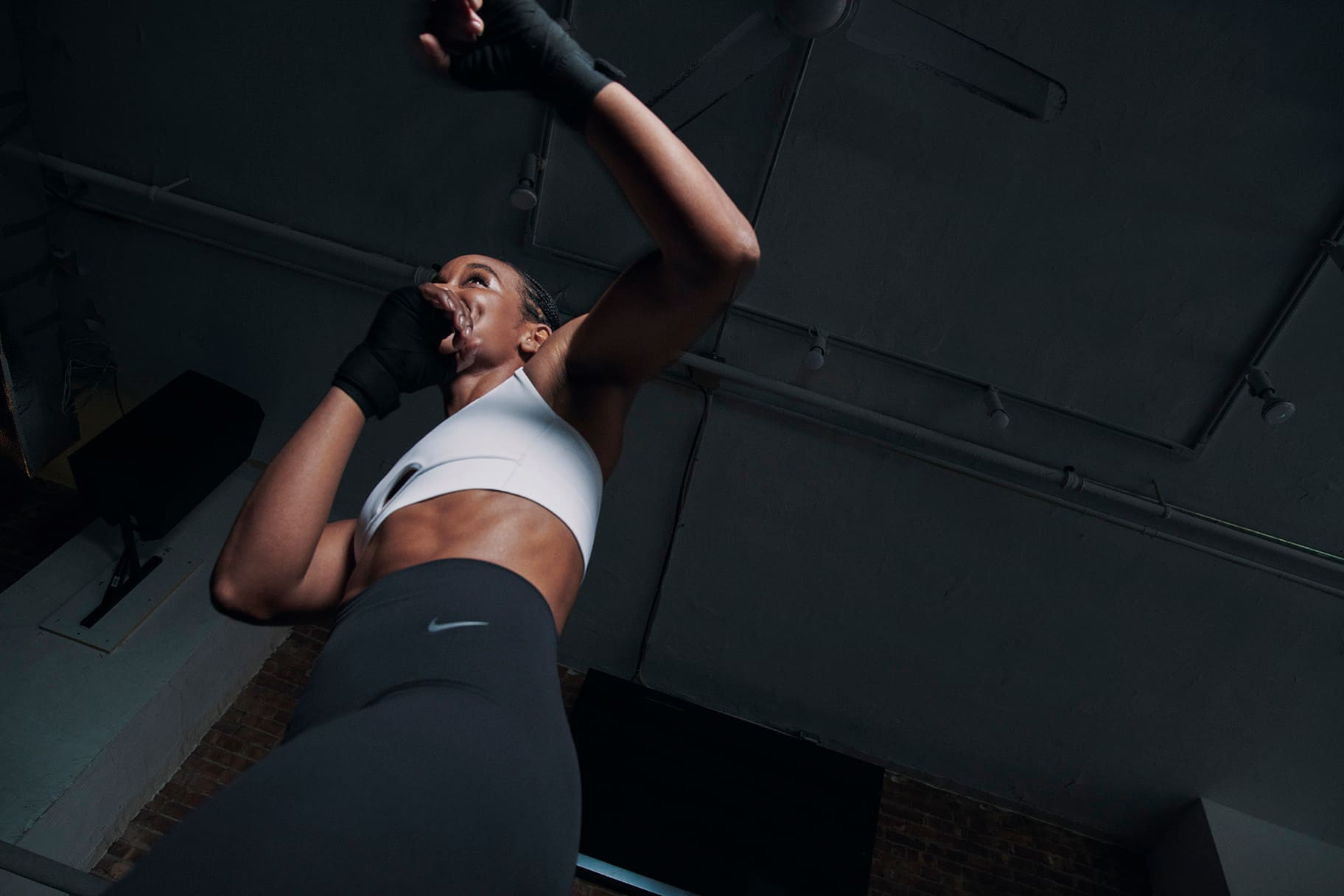
Strength or cardio? Each type of exercise has its advantages. But the debate over which is better has no universal right answer.
Research has shown clear benefits for cardio and strength training, making each important to your workout arsenal. How much you do of each depends on your needs and health goals.
Here, we break down the benefits of cardio versus strength training with the help of Nike Global Trainer Betina Gozo.
## At a Glance:
Cardio and strength training are both important for a healthy life, but each offer different benefits. For improved aerobic stamina, choose cardio. To build muscle, opt for strength training.
## What Is Cardio Training?
Cardio training, also known as cardiovascular exercise, includes popular activities like walking, biking, running, swimming and even dancing. Any physical activity that boosts your heart rate and breathing is a form of aerobic or cardiovascular exercise. According to the [Mayo Clinic](https://www.mayoclinic.org/healthy-lifestyle/fitness/in-depth/aerobic-exercise/art-20045541), cardio exercise can boost your aerobic capacity, increase stamina and reduce health risks.
## What Is Strength Training?
Whether you prefer weights or using your body, strength training is when your muscles work against a form of resistance to build strength. This form of training can boost muscular endurance or lead to muscular hypertrophy (the increase in size of muscles). Beyond dumbbells, strength training can also include working with resistance bands, barbells and kettlebells, and doing body-weight exercises like push-ups and sit-ups.
## Cardio vs Strength: Which Is Better for Weight Loss?
While both types of exercise burn calories, in general, cardio—especially endurance cardio—can burn a lot of calories. If you're looking to change your body composition (the percentage of fat versus muscle in the body), cardio may burn more calories per minute, but weight lifting can be effective as well.
As you gain muscle mass from weight lifting, it [raises your basal metabolic rate](https://www.nike.com/sg/a/does-weight-lifting-burn-fat) (BMR). Muscle requires more energy for the body to maintain, making it more metabolically active than fat. A study in [*Medicine and Science in Sports and Exercise*](https://pubmed.ncbi.nlm.nih.gov/11283427/) found that after 24 weeks of weight training, male participants raised their BMR by 9 percent.
## Cardio vs Strength: Which Is Better for Heart Health?
Studies have shown the benefits of doing both cardio and strength training. One of cardio's biggest draws is that it's good for your heart and lungs, with research showing that people who regularly do cardio have a [lower resting heart rate](https://www.hopkinsmedicine.org/health/wellness-and-prevention/3-kinds-of-exercise-that-boost-heart-health) and [good lung capacity](https://www.lung.org/lung-health-diseases/wellness/exercise-and-lung-health). A workout routine that includes cardio also lowers your risk of developing [type-2](https://www.ncbi.nlm.nih.gov/pmc/articles/PMC2992225/#:~:text=Aerobic%20exercise%20has%20been%20the,type%202%20diabetes%20%28282%29.)[diabetes](https://www.ncbi.nlm.nih.gov/pmc/articles/PMC2992225/#:~:text=Aerobic%20exercise%20has%20been%20the,type%202%20diabetes%20%28282%29.) and [high blood pressure](https://www.ncbi.nlm.nih.gov/pmc/articles/PMC5369884/). Regular strength training may also contribute to [heart health](https://www.health.harvard.edu/exercise-and-fitness/stronger-body-healthier-heart) by lowering the risk of high blood pressure and metabolic syndrome.
## Which Is Better: Strength or Cardio?
"Strength training is so you can feel strong to do all the things you need to do in life", Gozo says. "Cardio is so that you can keep up with all the activities without feeling fatigued".
## -Cardio
Primary benefits: cardiovascular health, aerobic capacity and stamina
Ideal frequency: 150 minutes per week of medium-intensity exercise or 75 minutes per week of high-intensity exercise
Good options include: brisk walking, biking, swimming and dance
## -Strength Training
Primary benefits: building muscle, increased bone density
Ideal frequency: 2 or more times per week for 20 to 30 minutes each
Good options include: body-weight exercise like push-ups or squats, free weights and weight machines
## Shop Nike Training & Gym Shoes
[View All](https://www.nike.com/sg/w/training-gym-shoes-58jtozy7ok)
- [Nike Air Diamond Turf 2
\
Men's shoes
\
__S$229__](https://www.nike.com/sg/t/air-diamond-turf-2-mens-shoes-K64m5VdK/HQ2631-100)
- [Nike Air Max Alpha Trainer 6
\
Men's Workout Shoes
\
__S$139__](https://www.nike.com/sg/t/air-max-alpha-trainer-6-mens-workout-shoes-k6sbg6/FQ1833-116)
- [Nike Hybrid RN
\
Men's Training Shoes
\
__S$209__](https://www.nike.com/sg/t/hybrid-rn-mens-training-shoes-cSmrc3Eh/IV5066-101)
- [Nike Hybrid RN
\
Women's Training Shoes
\
__S$209__](https://www.nike.com/sg/t/hybrid-rn-womens-training-shoes-OJRwuCC8/IO3815-102)
- [Nike Hybrid RN
\
Women's Training Shoes
\
__S$209__](https://www.nike.com/sg/t/hybrid-rn-womens-training-shoes-OJRwuCC8/IO3815-600)
- [Nike Hybrid RN
\
Men's Training Shoes
\
__S$209__](https://www.nike.com/sg/t/hybrid-rn-mens-training-shoes-cSmrc3Eh/IV5066-600)
- [Nike Hybrid RN
\
Men's Training Shoes
\
__S$209__](https://www.nike.com/sg/t/hybrid-rn-mens-training-shoes-cSmrc3Eh/IV5066-002)
- [Nike Hybrid RN
\
Women's Training Shoes
\
__S$209__](https://www.nike.com/sg/t/hybrid-rn-womens-training-shoes-OJRwuCC8/IO3815-002)
- [Nike Hybrid RN
\
Men's Training Shoes
\
__S$209__](https://www.nike.com/sg/t/hybrid-rn-mens-training-shoes-cSmrc3Eh/IV5066-003)
- [Nike Hybrid RN
\
Women's Training Shoes
\
__S$209__](https://www.nike.com/sg/t/hybrid-rn-womens-training-shoes-OJRwuCC8/IO3815-500)
## How Much Cardio and Strength Do You Need Each Week?
If you're pressed for time, it's understandable to want to get the most out of your workout. The [American Heart Association](https://www.heart.org/en/healthy-living/fitness/fitness-basics/aha-recs-for-physical-activity-in-adults) recommends that adults get at least 150 minutes of moderate-intensity physical activity and two days of muscle-strengthening activity. But Gozo says you don't need to choose between cardio and strength training.
__Tip:__ you'll know when you're at a moderate intensity when your heart rate is elevated and you break a sweat, the CDC says. You should also be able to talk but not sing the words to your favourite song.
As a sample weekly workout, moderate-intensity activities can range from brisk walking to gardening to tennis to biking.
Ultimately, the right workout routine offers a mix of cardio and strength training, giving you the best of both worlds. "I don't ever believe in a one-size-fits-all \[approach], but I do advocate for everyone to get at least some form of strength or resistance training at least three times a week for 20 to 30 minutes", Gozo says. "Specifically, any sort of weight-bearing exercises that feel a level of seven or more out of 10—10 being the hardest".
For cardio, Gozo says that "everyone should be moving more", especially if you sit at a desk at work. "If you have a sedentary job, I recommend doing some form of cardio for an additional two or three days out of the week, in addition to your strength training", Gozo says. "That could be as simple as a 30-minute walk outside".
## Is It OK to Do Cardio Every Day While Strength Training?
Gozo says it's "absolutely" OK to do cardio every day while you're strength training, unless you're training for a weightlifting competition or are completely fatigued from your lifting session. "The average person isn't training hard enough to not be able to do cardio—if they want to—but it is certainly not required", she says.
Gozo recommends getting in your strength training before your cardio workout. After that, gauge how you feel before incorporating cardio.
## What's the Best Way to Build a Routine?
The right workout routine is one you'll follow consistently. But Gozo recommends focusing on three different strength workouts—lower, upper and total body—with cardio in between.
That can include combinations like upper-body pulls and lower-body hinges or upper-body hinges and lower-body squats and lunges—staggering cardio in between.
Here's a sample HIIT workout from Gozo to get you started:
Three rounds of the following exercise for 30 seconds each:
- High-knee runs
- Drop squats
- Lateral shuffles
For a lower-body workout, try three rounds of:
-10 to 12 reps of Romanian deadlifts
-10 to 12 reps of goblet squats
-10 to 12 reps of lateral lunges
For the upper body, do three rounds of:
-10 to 12 reps of bent-over rows
-10 to 12 reps of chest presses
-10 to 12 reps of curls to overhead presses
Finally, for total-body days, do three rounds of:
-10 to 12 reps of dumbbell raises
-10 to 12 reps of squats to overhead presses
-10 to 12 reps of plank rows
## Cardio vs Strength for Beginners
-Start small: for cardio, start by going for a 30-minute walk, then build to higher intensity activities like [running](https://www.nike.com/ca/running/how-to-start-running). [For strength](https://www.nike.com/sg/a/smarter-strength-training-fundamentals): start with body-weight exercises like squats or planks.
-Focus on form: for safety, build up to more weight and higher reps when starting strength training. Good form helps to prevent injury.
-Listen to your body: a warm-up, cool-down and rest breaks are crucial. If something feels uncomfortable or painful, stop.
## Frequently Asked Questions
Is it better to do cardio or strength first?
Gozo recommends [starting a workout](https://www.nike.com/sg/a/cardio-before-after-weight-training) with strength training and doing cardio afterwards.
Can I lose weight with strength training only?
Yes, it is possible to lose weight with strength training only. If weight loss is your primary goal, strength training in combination with a healthy diet can lead to increased muscle mass, which can boost your metabolism and ultimately lead to burning more calories.
How many days a week should I do cardio vs lifting?
Doing a mix of both types of exercise seems to be the most effective for living healthy—and longer. A study of more than 416,000 adults published in the [*British Journal of Sports Medicine*](https://pubmed.ncbi.nlm.nih.gov/35953241/)[](https://pubmed.ncbi.nlm.nih.gov/35953241/) in 2022 found that people who did a combination of cardio and strength training had a lower mortality risk than those who just did cardio. (However, there was a "substantial" lower mortality risk in people who did an hour a week of cardio as opposed to none at all).
Gozo suggests:
-3 or more days of lifting per week, 20 to 30 minutes
-3 or more days of moderate-intensity cardio, 30 minutes or more
Will cardio kill my muscle gains?
Moderate-intensity cardio will not kill muscle gains when done in combination with strength training. In fact, it can actually aid in muscle growth and support both circulatory function and the body's ability to recover. But, intense cardio and caloric deficits have the potential to [limit muscle gains](https://www.nike.com/sg/a/workout-not-losing-weight) if you overdo it and recovery is impacted. If muscle growth is your focus, a balanced diet, plenty of rest and complementary cardio are key.
How many reps should I do for strength training?
Many factors go into this, but the CDC says you'll get the most health benefits from strength training when you do reps to the point where it's hard to do another without help. The CDC recommends starting with eight to 12 reps per exercise, aiming to do those sets two or three times.
Originally published: 10 December 2025
## Related Stories
- 
[](https://www.nike.com/sg/a/best-forearm-exercises)
# Sports & Activity
# 9 Best Forearm Exercises for Grip Strength, Muscle and Endurance
- 
[](https://www.nike.com/sg/a/what-muscles-do-planks-work)
# Sport & activity
# All the Muscles That Fire Up In a Plank
- 
[](https://www.nike.com/sg/a/workout-for-beginner)
# Sport & Activity
# Starting to Build a Fitness Routine? Try This Trainer-Approved Workout for Beginners
- 
[](https://www.nike.com/sg/a/best-exercises-for-triceps)
# Sport & Activity
# 8 Triceps Exercises for Building Strong Arms, According to Trainers
- 
[](https://www.nike.com/sg/a/dead-bug-exercise)
# Sport & Activity
# Why the Dead Bug Exercise Belongs in Your Next Workout
Resources
[Find A Store](https://www.nike.com/sg/retail)
[Become A Member](https://www.nike.com/sg/register)
[Running Shoe Finder](https://www.nike.com/sg/running/shoe-finder)
[Product Advice](https://www.nike.com/sg/product-advice)
[Nike Coaching](https://www.nike.com/sg/coaching)
[Education Discounts](https://www.nike.com/sg/help/a/student-discount-gs)
[Send Us Feedback](https://www.nike.com#site-feedback)
Help
[Get Help](https://www.nike.com/sg/help)
[Order Status](https://www.nike.com/sg/orders)
[Delivery](https://www.nike.com/sg/help/a/shipping-delivery-gs)
[Returns](https://www.nike.com/sg/help/a/returns-policy-gs)
[Payment Options](https://www.nike.com/sg/help/a/payment-options-gs)
[Contact Us](https://www.nike.com/sg/help/#contact)
Company
[About Nike](http://about.nike.com/)
[News](https://about.nike.com/en-GB/newsroom)
[Careers](https://careers.nike.com)
[Investors](http://investors.nike.com/)
[Sustainability](https://www.nike.com/sg/sustainability)
[Impact](https://about.nike.com/en-GB/impact)
[Report a Concern](https://speakup.nike.com)
## Resources
[Find A Store](https://www.nike.com/sg/retail)
[Become A Member](https://www.nike.com/sg/register)
[Running Shoe Finder](https://www.nike.com/sg/running/shoe-finder)
[Product Advice](https://www.nike.com/sg/product-advice)
[Nike Coaching](https://www.nike.com/sg/coaching)
[Education Discounts](https://www.nike.com/sg/help/a/student-discount-gs)
[Send Us Feedback](https://www.nike.com#site-feedback)
[Help](https://www.nike.com/sg/help)
[Get Help](https://www.nike.com/sg/help)
[Order Status](https://www.nike.com/sg/orders)
[Delivery](https://www.nike.com/sg/help/a/shipping-delivery-gs)
[Returns](https://www.nike.com/sg/help/a/returns-policy-gs)
[Payment Options](https://www.nike.com/sg/help/a/payment-options-gs)
[Contact Us](https://www.nike.com/sg/help/#contact)
[Company](http://about.nike.com/)
[About Nike](http://about.nike.com/)
[News](https://about.nike.com/en-GB/newsroom)
[Careers](https://careers.nike.com)
[Investors](http://investors.nike.com/)
[Sustainability](https://www.nike.com/sg/sustainability)
[Impact](https://about.nike.com/en-GB/impact)
[Report a Concern](https://speakup.nike.com)
Singapore
- © 2026 Nike, Inc. All rights reserved.
- Guides
- [Nike Air Force 1](https://www.nike.com/sg/air-force-1)
- [Nike Air Max](https://www.nike.com/sg/air-max)
- [Nike FlyEase](https://www.nike.com/sg/flyease)
- [Nike Free](https://www.nike.com/sg/free)
- [Nike Pegasus](https://www.nike.com/sg/running/runningzoom-pegasus-37)
- [Nike Vaporfly](https://www.nike.com/sg/running/vaporfly)
- [Nike Zoom Fly](https://www.nike.com/sg/running/zoom-fly)
- [Nike ZoomX](https://www.nike.com/sg/zoomx)
- [Terms of Sale](https://www.eshopworld.com/shoppers/help/retailer/nike/terms-and-conditions-of-sale-en/)
- [Terms of Use](https://agreementservice.svs.nike.com/sg/en_gb/rest/agreement?agreementType=termsOfUse&uxId=com.nike&country=SG&language=en&requestType=redirect)
- [Nike Privacy Policy](https://agreementservice.svs.nike.com/sg/en_gb/rest/agreement?agreementType=privacyPolicy&uxId=com.nike.unite&country=SG&language=en&requestType=redirect)
- [Privacy Settings](https://www.nike.com/sg/guest/settings/privacy)
## Africa
- [__Egypt__
\
English](https://www.nike.com/eg/)
- [__Morocco__
\
English](https://www.nike.com/ma/en/)
- [__Maroc__
\
Français](https://www.nike.com/ma/)
- [__South Africa__
\
English](https://www.nike.com/za/)
## Americas
- [__Argentina__
\
Español](https://www.nike.com.ar)
- [__Brasil__
\
Português](https://www.nike.com.br)
- [__Canada__
\
English](https://www.nike.com/ca/)
- [__Canada__
\
Français](https://www.nike.com/ca/fr/)
- [__Chile__
\
Español](https://www.nike.cl)
- [__Colombia__
\
Español](https://www.nike.com.co)
- [__México__
\
Español](https://www.nike.com/mx/)
- [__Peru__
\
Español](https://www.nike.com.pe)
- [__Puerto Rico__
\
Español](https://www.nike.com/pr/)
- [__United States__
\
English](https://www.nike.com)
- [__Estados Unidos__
\
Español](https://www.nike.com/us/es/)
- [__Uruguay__
\
Español](https://www.nike.com.uy)
- [__Latin America__
\
Español](https://www.nike.com/xl/)
## Asia Pacific
- [__Australia__
\
English](https://www.nike.com/au/)
- [__中国大陆__
\
简体中文](https://www.nike.com.cn/)
- [__Hong Kong__
\
English](https://www.nike.com.hk/)
- [__香港__
\
繁體中文](https://www.nike.com.hk/)
- [__India__
\
English](https://www.nike.in/)
- [__Indonesia__
\
English](https://www.nike.com/id/)
- [__Japan__
\
English](https://www.nike.com/jp/en/)
- [__日本__
\
日本語](https://www.nike.com/jp/)
- [__대한민국__
\
한국어](https://www.nike.com/kr/)
- [__Malaysia__
\
English](https://www.nike.com/my/)
- [__New Zealand__
\
English](https://www.nike.com/nz/)
- [__Philippines__
\
English](https://www.nike.com/ph/)
- [__Singapore__
\
English](https://www.nike.com/sg/)
- [__台灣__
\
繁體中文](https://www.nike.com/tw/)
- [__ไทย__
\
ภาษาไทย](https://www.nike.com/th/)
- [__Vietnam__
\
English](https://www.nike.com/vn/)
## Europe
- [__Österreich__
\
Deutsch](https://www.nike.com/at/)
- [__Austria__
\
English](https://www.nike.com/at/en/)
- [__Belgien__
\
Deutsch](https://www.nike.com/be/de/)
- [__Belgium__
\
English](https://www.nike.com/be/en/)
- [__Belgique__
\
Français](https://www.nike.com/be/fr/)
- [__België__
\
Nederlands](https://www.nike.com/be/)
- [__Bulgaria__
\
English](https://www.nike.com/bg/)
- [__Croatia__
\
English](https://www.nike.com/hr/)
- [__Česká republika__
\
Čeština](https://www.nike.com/cz/)
- [__Czech Republic__
\
English](https://www.nike.com/cz/en/)
- [__Danmark__
\
Dansk](https://www.nike.com/dk/)
- [__Denmark__
\
English](https://www.nike.com/dk/en/)
- [__Finland__
\
English](https://www.nike.com/fi/)
- [__France__
\
Français](https://www.nike.com/fr/)
- [__Deutschland__
\
Deutsch](https://www.nike.com/de/)
- [__Ελλάδα__
\
ελληνικά](https://www.nike.com/gr/)
- [__Hungary__
\
English](https://www.nike.com/hu/en/)
- [__Magyarország__
\
Magyar](https://www.nike.com/hu/)
- [__Ireland__
\
English](https://www.nike.com/ie/)
- [__Israel__
\
English](https://www.nike.com/il/)
- [__Italia__
\
Italiano](https://www.nike.com/it/)
- [__Luxemburg__
\
Deutsch](https://www.nike.com/lu/de/)
- [__Luxembourg__
\
English](https://www.nike.com/lu/en/)
- [__Luxembourg__
\
Français](https://www.nike.com/lu/)
- [__Netherlands__
\
English](https://www.nike.com/nl/en/)
- [__Nederland__
\
Nederlands](https://www.nike.com/nl/)
- [__Norway__
\
English](https://www.nike.com/no/en/)
- [__Norge__
\
Norsk](https://www.nike.com/no/)
- [__Polska__
\
Polski](https://www.nike.com/pl/)
- [__Portugal__
\
English](https://www.nike.com/pt/en/)
- [__Portugal__
\
Português](https://www.nike.com/pt/)
- [__Romania__
\
English](https://www.nike.com/ro/)
- [__Россия__
\
Русский](https://www.nike.com/ru/)
- [__Slovakia__
\
English](https://www.nike.com/sk/)
- [__Slovenia__
\
English](https://www.nike.com/si/)
- [__Espanya__
\
Català](https://www.nike.com/es/ca/)
- [__España__
\
Español](https://www.nike.com/es/)
- [__Sweden__
\
English](https://www.nike.com/se/en/)
- [__Sverige__
\
Svenska](https://www.nike.com/se/)
- [__Schweiz__
\
Deutsch](https://www.nike.com/ch/)
- [__Switzerland__
\
English](https://www.nike.com/ch/en/)
- [__Suisse__
\
Français](https://www.nike.com/ch/fr/)
- [__Svizzera__
\
Italiano](https://www.nike.com/ch/it/)
- [__Türkiye__
\
Türkçe](https://www.nike.com/tr/)
- [__United Kingdom__
\
English](https://www.nike.com/gb/)
## Middle East
- [__Saudi Arabia__
\
English](https://www.nike.sa/en/home)
- [__المملكة العربية السعودية__
\
العربية](https://www.nike.sa/ar/home)
- [__United Arab Emirates__
\
English](https://www.nike.ae/en/home)
- [__الإمارات العربية المتحدة__
\
العربية](https://www.nike.ae/ar/home)
- [__Qatar__
\
English](https://www.nike.qa/en/home)
- [__دولة قطر__
\
العربية](https://www.nike.qa/ar/home)
- [__Kuwait__
\
English](https://www.nike.com.kw/en/home)
- [__الكويت__
\
العربية](https://www.nike.com.kw/ar/home)