[Skip to main content](https://www.nike.com#skip-to-content)
- [](https://www.nike.com/sk/jordan)
- [Find a Store](https://www.nike.com/sk/retail)
- [Help](https://www.nike.com/sk/help)
[Help](https://www.nike.com/sk/help)
- [Order Status](https://www.nike.com/sk/orders)
- [Dispatch and Delivery](https://www.nike.com/sk/help/a/shipping-delivery-gs)
- [Returns](https://www.nike.com/sk/help/a/returns-policy-gs)
- [Contact Us](https://www.nike.com/sk/help/#contact)
- [Privacy Policy](https://agreementservice.svs.nike.com/sk/en_gb/rest/agreement?agreementType=privacyPolicy&uxId=com.nike.commerce.nikedotcom.web&country=sk&language=en&requestType=redirect)
- [Terms of Sale](https://www.eshopworld.com/shoppers/help/retailer/nike/terms-and-conditions-of-sale-en/)
- [Terms of Use](https://agreementservice.svs.nike.com/sk/en_gb/rest/agreement?agreementType=termsOfUse&uxId=com.nike.unite&country=SK&language=en&requestType=redirect)
- [Send Us Feedback](https://www.nike.com#site-feedback)
- [Join Us](https://www.nike.com/sk/membership)
- [Sign In](https://www.nike.com/sk/register)
[](https://www.nike.com/sk/)
- [New](https://www.nike.com/sk/w/new-3n82y)
- [New](https://www.nike.com/sk/w/new-3n82y)
- [New Arrivals](https://www.nike.com/sk/w/new-3n82y)
- [Best Sellers](https://www.nike.com/sk/w/best-76m50)
- [SNKRS Launch Calendar](https://www.nike.com/gb/launch/upcoming)
- [Highlights](https://www.nike.com/sk/w/new-just-in-3apgqz3n82y)
- [Jordan: Love Letter Collection](https://www.nike.com/sk/w/love-letter-7xkbw)
- [Best of Jordan](https://www.nike.com/sk/w/best-of-jordan-brand-j0oa)
- [Style By Moon Shoe](https://www.nike.com/sk/nike-style-by)
- [Jordan Fleece](https://www.nike.com/sk/w/jordan-fleece-37eefz4xh6q)
- [Football: New Club Kits 26/27](https://www.nike.com/sk/w/club-football-teams-6fu9q)
- [Run in Berlin](https://www.nike.com/sk/w/marathon-distance-6vbyf)
- [Trending](https://www.nike.com/sk/w/best-76m50)
- [Hybrid Training](https://www.nike.com/sk/w/hybrid-training-7fx1n)
- [Marathon Shoes](https://www.nike.com/sk/w/marathon-distance-shoes-6vbyfzy7ok)
- [Elite Football Boots](https://www.nike.com/sk/w/elite-football-shoes-1gdj0z9vmnhzy7ok)
- [Sportswear Clothing](https://www.nike.com/sk/w/sportswear-clothing-43h4uz6ymx6)
- [Running Shorts](https://www.nike.com/sk/w/running-shorts-37v7jz38fph)
- [Brands](https://www.nike.com/sk/w/37eefz43h4uz93bsdzpgd6)
- [Nike Sportswear](https://www.nike.com/sk/w/lifestyle-13jrm)
- [ACG: All Conditions Gear](https://www.nike.com/sk/acg)
- [Jordan](https://www.nike.com/sk/w/jordan-37eef)
- [Kobe](https://www.nike.com/sk/w/kobe-pgd6)
- [NOCTA](https://www.nike.com/sk/w/nocta-25nhb)
- [Men](https://www.nike.com/sk/men)
- [Highlights](https://www.nike.com/sk/w/new-mens-3n82yznik1)
- [New Arrivals](https://www.nike.com/sk/w/new-mens-3n82yznik1)
- [Best Sellers](https://www.nike.com/sk/w/mens-best-76m50znik1)
- [Streetwear Clothing](https://www.nike.com/sk/w/streetwear-clothing-97qn8)
- [Football: New Club Kits 26/27](https://www.nike.com/sk/w/club-football-teams-6fu9q)
- [Clothing Essentials](https://www.nike.com/sk/w/mens-essentials-4jjpuznik1)
- [Shoes](https://www.nike.com/sk/w/mens-shoes-nik1zy7ok)
- [All Shoes](https://www.nike.com/sk/w/mens-shoes-nik1zy7ok)
- [Lifestyle](https://www.nike.com/sk/w/mens-lifestyle-shoes-13jrmznik1zy7ok)
- [Jordan](https://www.nike.com/sk/w/mens-jordan-shoes-37eefznik1zy7ok)
- [Running](https://www.nike.com/sk/w/mens-running-shoes-37v7jznik1zy7ok)
- [Football](https://www.nike.com/sk/w/mens-football-shoes-1gdj0znik1zy7ok)
- [Basketball](https://www.nike.com/sk/w/mens-basketball-shoes-3glsmznik1zy7ok)
- [Training and Gym](https://www.nike.com/sk/w/mens-training-gym-shoes-58jtoznik1zy7ok)
- [Skateboarding](https://www.nike.com/sk/w/mens-skateboarding-shoes-8mfrfznik1zy7ok)
- [Custom Shoes](https://www.nike.com/sk/w/mens-nike-by-you-shoes-6ealhznik1zy7ok)
- [Shoes under €100](https://www.nike.com/sk/w/mens-under-100-shoes-49o1mznik1zy7ok)
- [Clothing](https://www.nike.com/sk/w/mens-clothing-6ymx6znik1)
- [All Clothing](https://www.nike.com/sk/w/mens-clothing-6ymx6znik1)
- [Hoodies and Sweatshirts](https://www.nike.com/sk/w/mens-hoodies-sweatshirts-6riveznik1)
- [Tops and T-Shirts](https://www.nike.com/sk/w/mens-tops-t-shirts-9om13znik1)
- [Kits and Jerseys](https://www.nike.com/sk/w/mens-football-kits-jerseys-1gdj0z3a41eznik1)
- [Shorts](https://www.nike.com/sk/w/mens-shorts-38fphznik1)
- [Trousers and Tights](https://www.nike.com/sk/w/mens-trousers-tights-2kq19znik1)
- [Tracksuits](https://www.nike.com/sk/w/mens-tracksuits-1ll2wznik1)
- [Jackets](https://www.nike.com/sk/w/mens-jackets-gilets-50r7yznik1)
- [Accessories](https://www.nike.com/sk/w/mens-accessories-equipment-awwpwznik1)
- [Sport](https://www.nike.com/sk/w/mens-performance-3k7dgznik1)
- [Running](https://www.nike.com/sk/running)
- [Football](https://www.nike.com/sk/football)
- [Basketball](https://www.nike.com/sk/basketball)
- [Training and Gym](https://www.nike.com/sk/training)
- [Tennis](https://www.nike.com/sk/tennis)
- [Skateboarding](https://www.nike.com/sk/w/mens-skateboarding-8mfrfznik1)
- [Golf](https://www.nike.com/sk/golf)
- Brands
- [Nike Sportswear](https://www.nike.com/sk/w/mens-lifestyle-13jrmznik1)
- [ACG: All Conditions Gear](https://www.nike.com/sk/acg)
- [Jordan](https://www.nike.com/sk/w/mens-jordan-37eefznik1)
- [Kobe](https://www.nike.com/sk/w/mens-kobe-nik1zpgd6)
- [NOCTA](https://www.nike.com/sk/w/mens-nocta-25nhbznik1)
- [Women](https://www.nike.com/sk/women)
- [Highlights](https://www.nike.com/sk/w/new-womens-3n82yz5e1x6)
- [New Arrivals](https://www.nike.com/sk/w/new-womens-3n82yz5e1x6)
- [Best Sellers](https://www.nike.com/sk/w/womens-best-5e1x6z76m50)
- [Nike Fleece Essentials](https://www.nike.com/sk/w/womens-nike-studio-fleece-clothing-5e1x6z6ymx6zs531)
- [Seasonal Clothing Packs](https://www.nike.com/sk/w/seasonal-clothing-packs-9yawh)
- [Style By Moon Shoe](https://www.nike.com/sk/nike-style-by)
- [Football Player Edition: Sam Kerr](https://www.nike.com/sk/w/sam-kerr-4mbmv)
- [Clothing Essentials](https://www.nike.com/sk/w/womens-essentials-4jjpuz5e1x6)
- [Shoes](https://www.nike.com/sk/w/womens-shoes-5e1x6zy7ok)
- [All Shoes](https://www.nike.com/sk/w/womens-shoes-5e1x6zy7ok)
- [Lifestyle](https://www.nike.com/sk/w/womens-lifestyle-shoes-13jrmz5e1x6zy7ok)
- [Jordan](https://www.nike.com/sk/w/womens-jordan-shoes-37eefz5e1x6zy7ok)
- [Running](https://www.nike.com/sk/w/womens-running-shoes-37v7jz5e1x6zy7ok)
- [Training and Gym](https://www.nike.com/sk/w/womens-training-gym-shoes-58jtoz5e1x6zy7ok)
- [Football](https://www.nike.com/sk/w/womens-football-shoes-1gdj0z5e1x6zy7ok)
- [Custom Shoes](https://www.nike.com/sk/w/womens-nike-by-you-shoes-5e1x6z6ealhzy7ok)
- [Shoes under €100](https://www.nike.com/sk/w/womens-under-100-shoes-49o1mz5e1x6zy7ok)
- [Clothing](https://www.nike.com/sk/w/womens-clothing-5e1x6z6ymx6)
- [All Clothing](https://www.nike.com/sk/w/womens-clothing-5e1x6z6ymx6)
- [Hoodies and Sweatshirts](https://www.nike.com/sk/w/womens-hoodies-sweatshirts-5e1x6z6rive)
- [Tops and T-Shirts](https://www.nike.com/sk/w/womens-tops-t-shirts-5e1x6z9om13)
- [Shorts](https://www.nike.com/sk/w/womens-shorts-38fphz5e1x6)
- [Leggings](https://www.nike.com/sk/w/womens-tights-leggings-29sh2z5e1x6)
- [Trousers](https://www.nike.com/sk/w/womens-trousers-tights-2kq19z5e1x6)
- [Matching Sets](https://www.nike.com/sk/w/womens-matching-sets-2lukpz5e1x6)
- [Jackets](https://www.nike.com/sk/w/womens-jackets-gilets-50r7yz5e1x6)
- [Sports Bras](https://www.nike.com/sk/w/womens-sports-bras-40qgmz5e1x6)
- [Accessories](https://www.nike.com/sk/w/womens-accessories-equipment-5e1x6zawwpw)
- [Sport](https://www.nike.com/sk/w/womens-performance-3k7dgz5e1x6)
- [Training and Gym](https://www.nike.com/sk/training)
- [Running](https://www.nike.com/sk/running)
- [Football](https://www.nike.com/sk/football)
- [Basketball](https://www.nike.com/sk/basketball)
- [Tennis](https://www.nike.com/sk/tennis)
- [Skateboarding](https://www.nike.com/sk/w/womens-skateboarding-5e1x6z8mfrf)
- [Golf](https://www.nike.com/sk/golf)
- Brands
- [NikeSKIMS](https://www.nike.com/sk/nikeskims)
- [Nike Sportswear](https://www.nike.com/sk/w/womens-lifestyle-13jrmz5e1x6)
- [ACG: All Conditions Gear](https://www.nike.com/sk/acg)
- [Jordan](https://www.nike.com/sk/w/womens-jordan-37eefz5e1x6)
- [Kobe](https://www.nike.com/sk/w/womens-kobe-5e1x6zpgd6)
- [Kids](https://www.nike.com/sk/kids)
- [Highlights](https://www.nike.com/sk/w/new-kids-3n82yzv4dh)
- [New Arrivals](https://www.nike.com/sk/w/new-kids-3n82yzv4dh)
- [Best Sellers](https://www.nike.com/sk/w/kids-best-76m50zv4dh)
- [Teen Destination](https://www.nike.com/sk/teens)
- [Nike x LEGO® Collection](https://www.nike.com/sk/lego)
- [Clothing Essentials](https://www.nike.com/sk/w/kids-essentials-4jjpuzv4dh)
- [Shoes](https://www.nike.com/sk/w/kids-shoes-v4dhzy7ok)
- [All Shoes](https://www.nike.com/sk/w/kids-shoes-v4dhzy7ok)
- [Lifestyle](https://www.nike.com/sk/w/kids-lifestyle-shoes-13jrmzv4dhzy7ok)
- [Jordan](https://www.nike.com/sk/w/kids-jordan-shoes-37eefzv4dhzy7ok)
- [Football](https://www.nike.com/sk/w/kids-football-shoes-1gdj0zv4dhzy7ok)
- [Running](https://www.nike.com/sk/w/kids-running-shoes-37v7jzv4dhzy7ok)
- [Basketball](https://www.nike.com/sk/w/kids-basketball-shoes-3glsmzv4dhzy7ok)
- [Physical Education](https://www.nike.com/sk/w/kids-performance-shoes-3k7dgzv4dhzy7ok)
- [Shoes under €100](https://www.nike.com/sk/w/kids-under-100-shoes-49o1mzv4dhzy7ok)
- [Clothing](https://www.nike.com/sk/w/kids-clothing-6ymx6zv4dh)
- [All Clothing](https://www.nike.com/sk/w/kids-clothing-6ymx6zv4dh)
- [Hoodies and Sweatshirts](https://www.nike.com/sk/w/kids-hoodies-sweatshirts-6rivezv4dh)
- [Tops and T-Shirts](https://www.nike.com/sk/w/kids-tops-t-shirts-9om13zv4dh)
- [Kits & Jerseys](https://www.nike.com/sk/w/kids-football-kits-jerseys-1gdj0z3a41ezv4dh)
- [Tracksuits](https://www.nike.com/sk/w/kids-tracksuits-1ll2wzv4dh)
- [Shorts](https://www.nike.com/sk/w/kids-shorts-38fphzv4dh)
- [Trousers and Leggings](https://www.nike.com/sk/w/kids-trousers-tights-2kq19zv4dh)
- [Matching Sets](https://www.nike.com/sk/w/kids-matching-sets-2lukpzv4dh)
- [Jackets](https://www.nike.com/sk/w/kids-jackets-gilets-50r7yzv4dh)
- [Accessories](https://www.nike.com/sk/w/kids-accessories-equipment-awwpwzv4dh)
- [Kids by age](https://www.nike.com/sk/w/kids-v4dh)
- [Teens (13–17 years)](https://www.nike.com/sk/w/teen-collection-6hgue)
- [Older Kids (7–12 years)](https://www.nike.com/sk/w/older-kids-agibjzv4dh)
- [Younger Kids (3–7 years)](https://www.nike.com/sk/w/little-kids-6dacezv4dh)
- [Baby & Toddler (0–3 years)](https://www.nike.com/sk/w/baby-toddlers-kids-2j488zv4dh)
- [Sport](https://www.nike.com/sk/w/kids-performance-3k7dgzv4dh)
- [Running](https://www.nike.com/sk/w/kids-running-37v7jzv4dh)
- [Football](https://www.nike.com/sk/w/kids-football-1gdj0zv4dh)
- [Basketball](https://www.nike.com/sk/w/kids-basketball-3glsmzv4dh)
- [Physical Education](https://www.nike.com/sk/w/kids-training-gym-58jtozv4dh)
- [Skateboarding](https://www.nike.com/sk/w/skateboarding-8mfrf)
- [Sport](https://www.nike.com/sk/lockerroom)
- [Highlights](https://www.nike.com/sk/w/new-performance-3k7dgz3n82y)
- [New Arrivals](https://www.nike.com/sk/w/new-performance-3k7dgz3n82y)
- [Best Sellers](https://www.nike.com/sk/w/best-performance-3k7dgz76m50)
- [Jordan Basketball](https://www.nike.com/sk/w/jordan-basketball-37eefz3glsm)
- [Football: New Club Kits 26/27](https://www.nike.com/sk/w/club-football-teams-6fu9q)
- [Run in Berlin](https://www.nike.com/sk/w/marathon-distance-6vbyf)
- [Running](https://www.nike.com/sk/running)
- [All Running](https://www.nike.com/sk/w/running-37v7j)
- [Shoes](https://www.nike.com/sk/w/running-shoes-37v7jzy7ok)
- [Clothing](https://www.nike.com/sk/w/running-clothing-37v7jz6ymx6)
- [Accessories](https://www.nike.com/sk/w/running-accessories-equipment-37v7jzawwpw)
- [Football](https://www.nike.com/sk/football)
- [All Football](https://www.nike.com/sk/w/football-1gdj0)
- [Shoes](https://www.nike.com/sk/w/football-shoes-1gdj0zy7ok)
- [Clothing](https://www.nike.com/sk/w/football-clothing-1gdj0z6ymx6)
- [Accessories](https://www.nike.com/sk/w/football-accessories-equipment-1gdj0zawwpw)
- [Training and Gym](https://www.nike.com/sk/training)
- [All Training and Gym](https://www.nike.com/sk/w/training-gym-58jto)
- [Shoes](https://www.nike.com/sk/w/training-gym-shoes-58jtozy7ok)
- [Clothing](https://www.nike.com/sk/w/training-gym-clothing-58jtoz6ymx6)
- [Accessories](https://www.nike.com/sk/w/training-gym-accessories-equipment-58jtozawwpw)
- [More Sports](https://www.nike.com/sk/w/performance-3k7dg)
- [All Sport](https://www.nike.com/sk/w/performance-3k7dg)
- [Basketball](https://www.nike.com/sk/basketball)
- [Outdoor](https://www.nike.com/sk/w/acg-93bsd)
- [Tennis](https://www.nike.com/sk/tennis)
- [Nike SB](https://www.nike.com/sk/w/skateboarding-8mfrf)
- [Golf](https://www.nike.com/sk/golf)
- [NikeSKIMS](https://www.nike.com/sk/nikeskims)
- [NikeSKIMS Guides](https://www.nike.com/sk/nikeskims-lookbook)
- [NikeSKIMS Lookbook](https://www.nike.com/sk/nikeskims-lookbook)
- [NikeSKIMS Bra Guide](https://www.nike.com/sk/nikeskims-bra-guide)
- [NikeSKIMS Collection Guide](https://www.nike.com/sk/nikeskims-collection-guide)
- [Clothing](https://www.nike.com/sk/w/nikeskims-b2asd)
- [All Clothing](https://www.nike.com/sk/w/nikeskims-clothing-6ymx6zb2asd)
- [Bras](https://www.nike.com/sk/w/nikeskims-sports-bras-40qgmzb2asd)
- [Tops and Tanks](https://www.nike.com/sk/w/nikeskims-tops-t-shirts-9om13zb2asd)
- [Leggings](https://www.nike.com/sk/w/nikeskims-tights-leggings-29sh2zb2asd)
- [Shorts](https://www.nike.com/sk/w/nikeskims-shorts-38fphzb2asd)
- [Shoes](https://www.nike.com/sk/w/nikeskims-shoes-b2asdzy7ok)
- [Accessories](https://www.nike.com/sk/w/nikeskims-accessories-equipment-awwpwzb2asd)
- [Collections](https://www.nike.com/sk/nikeskims-collection-guide)
- [All Collections](https://www.nike.com/sk/w/nikeskims-b2asd)
- [Shine](https://www.nike.com/sk/w/nikeskims-nikeskims-shine-aq8qbzb2asd)
- [Matte](https://www.nike.com/sk/w/nikeskims-nikeskims-matte-5s3enzb2asd)
- [Airy](https://www.nike.com/sk/w/nikeskims-nikeskims-airy-5c1qqzb2asd)
- [Ribbed Seamless](https://www.nike.com/sk/w/nikeskims-nikeskims-seamless-6lh4szb2asd)
- [Studio Stretch](https://www.nike.com/sk/w/nikeskims-studio-stretch-admbq)
- [Stretch Nylon](https://www.nike.com/sk/w/nikeskims-stretch-nylon-7sut9)
- [Weightless](https://www.nike.com/sk/w/nikeskims-nikeskims-weightless-4csx8zb2asd)
- [Shop By Color](https://www.nike.com/sk/w/nikeskims-b2asd)
- [Obsidian](https://www.nike.com/sk/w/nikeskims-black-90poyzb2asd)
- [Dark Sepia](https://www.nike.com/sk/w/nikeskims-dark-sepia-81pvm)
- [Phoenix](https://www.nike.com/sk/w/nikeskims-phoenix-1jhtj)
- [Ivory](https://www.nike.com/sk/w/nikeskims-white-4g797zb2asd)
- [Citrine](https://www.nike.com/sk/w/nikeskims-yellow-ayp69zb2asd)
- [Carob](https://www.nike.com/sk/w/nikeskims-brown-557pqzb2asd)
- [Sale](https://www.nike.com/sk/w/sale-3yaep)
- [Sale & Offers](https://www.nike.com/sk/w/sale-3yaep)
- [Shop All Sale](https://www.nike.com/sk/w/sale-3yaep)
- [Best Sellers](https://www.nike.com/sk/w/sale-best-3yaepz76m50)
- [Sale for Men](https://www.nike.com/sk/w/mens-sale-3yaepznik1)
- [Shop All Sale](https://www.nike.com/sk/w/mens-sale-3yaepznik1)
- [Shoes](https://www.nike.com/sk/w/mens-sale-shoes-3yaepznik1zy7ok)
- [Clothing](https://www.nike.com/sk/w/mens-sale-clothing-3yaepz6ymx6znik1)
- [Accessories](https://www.nike.com/sk/w/mens-sale-accessories-equipment-3yaepzawwpwznik1)
- [Sale for Women](https://www.nike.com/sk/w/womens-sale-3yaepz5e1x6)
- [Shop All Sale](https://www.nike.com/sk/w/womens-sale-3yaepz5e1x6)
- [Shoes](https://www.nike.com/sk/w/womens-sale-shoes-3yaepz5e1x6zy7ok)
- [Clothing](https://www.nike.com/sk/w/womens-sale-clothing-3yaepz5e1x6z6ymx6)
- [Accessories](https://www.nike.com/sk/w/womens-sale-accessories-equipment-3yaepz5e1x6zawwpw)
- [Sale for Kids](https://www.nike.com/sk/w/kids-sale-3yaepzv4dh)
- [Shop All Sale](https://www.nike.com/sk/w/kids-sale-3yaepzv4dh)
- [Shoes](https://www.nike.com/sk/w/kids-sale-shoes-3yaepzv4dhzy7ok)
- [Clothing](https://www.nike.com/sk/w/kids-sale-clothing-3yaepz6ymx6zv4dh)
- [Accessories](https://www.nike.com/sk/w/kids-sale-accessories-equipment-3yaepzawwpwzv4dh)
- [Sale by Sport](https://www.nike.com/sk/w/sale-performance-3k7dgz3yaep)
- [Football](https://www.nike.com/sk/w/sale-football-1gdj0z3yaep)
- [Running](https://www.nike.com/sk/w/sale-running-37v7jz3yaep)
- [Training and Gym](https://www.nike.com/sk/w/sale-training-gym-3yaepz58jto)
- [Basketball](https://www.nike.com/sk/w/sale-basketball-3glsmz3yaep)
Cancel
Cancel
Popular Search Terms
[air force 1](https://www.nike.com/sk/w?q=air%20force%201&vst=air%20force%201)[football boots](https://www.nike.com/sk/w?q=football%20boots&vst=football%20boots)[shoes](https://www.nike.com/sk/w?q=shoes&vst=shoes)[shoes nike mind 001](https://www.nike.com/sk/w?q=shoes%20nike%20mind%20001&vst=shoes%20nike%20mind%20001)[jordan 4](https://www.nike.com/sk/w?q=jordan%204&vst=jordan%204)[air max](https://www.nike.com/sk/w?q=air%20max&vst=air%20max)[jordan](https://www.nike.com/sk/w?q=jordan&vst=jordan)[basketball shoes](https://www.nike.com/sk/w?q=basketball%20shoes&vst=basketball%20shoes)
[](https://www.nike.com/sk/favorites "Favourites")[](https://www.nike.com/sk/cart "Bag Items: 0")
# How Long Is a Workout Supposed to Be?
##### Activity
From quick, high-intensity sessions to longer endurance days, learn how to time your workouts for maximum impact based on your goals and lifestyle.
Last updated: 22 December 2025
7 min read

Some days, you have the luxury of taking your time during a workout. Other days, you're squeezing in 10–20 minutes of cardio and core before moving on with your schedule. Both scenarios can support long-term health—what matters most is consistency and variety in *how* you move your body.
According to the most recent [*Physical Activity Guidelines for Americans*](https://odphp.health.gov/our-work/nutrition-physical-activity/physical-activity-guidelines/current-guidelines), adults should aim for at least 150 minutes of moderate-intensity exercise or 75 minutes of vigorous activity a week. That can look like 30 minutes a day for [five days](https://www.nike.com/sk/a/how-many-days-a-week-workout), a few 20-minute sessions during the week plus a longer workout on the weekend or any mix that fits your lifestyle.
"Workout length depends on the person's goals", says April Medrano, CPT, vice president of programming, education and experience at STRIDE Fitness. "If someone has time constraints, then it's a matter of some activity is better than nothing".
## How Long Should a Workout Be?
The real question is, *does workout length matter?* "This is a loaded question", says Mike Poirier, CSCS, vice president of fitness at The Edge Fitness Clubs. The short answer is that how long your workout should be depends on *why* you're exercising in the first place.
Think about your intention. Are you working out to stay healthy in the long term? Training for an endurance event like a marathon? Trying to build muscle strength quickly? Each of these goals requires a different balance of intensity, volume and frequency—all of which can influence the length of your sessions.
"When one thinks about progressive overload, there are various ways to accomplish this", Poirier explains. Intensity isn't time specific. Volume can be time specific based on rest periods. And frequency can mean doing shorter or longer workouts, but doing them more often, he says.
In other words, two people could train for the same amount of time each week yet structure their sessions differently—and both approaches can be effective. The key is choosing a duration that aligns with your goals, fits your schedule and allows you to stay consistent.
## Benefits of Short Workouts (10–30 Minutes)
Short workouts that include quick bursts of energy and explosive movements—like [HIIT workouts](https://www.nike.com/sk/a/benefits-of-hiit-workouts)—tap into your anaerobic system, which targets the fast-twitch muscle fibres responsible for power, speed and explosiveness, Medrano says.
A [2025 review](https://www.mdpi.com/2308-3425/12/4/158) found that HIIT can significantly improve cardiovascular markers, such as blood pressure, vascular function and VO2 max, often in less time than steady-state cardio. The same review showed reductions in body fat and waist circumference, making short, intense workouts an efficient way to support both heart health and body composition.
"HIIT is great for efficiency", Poirier adds. "You train until you exhaust all metabolic systems", meaning these workouts push your body through multiple energy pathways in a very short time. But he notes that relying on HIIT sessions alone can make recovery challenging. Think about it: if you're always performing at or near your maximum effort, your muscles—and your central nervous system—never get the chance to fully recharge. Mixing in lower-intensity or longer sessions throughout the week helps maintain balance and reduce burnout.
So, when do short workouts work best? "Both short and long workouts have value", Poirier says, "But shorter, more intense sessions can fit weekday schedules better depending on your lifestyle".
## Benefits of Long Workouts (45–90 Minutes)
Longer workouts give your body time to settle into a steady rhythm—and that's when aerobic adaptations occur. "Longer sessions let your cardiovascular system settle in and get stronger instead of just surviving short bursts", says Medrano. With more minutes to work, your metabolism "learns to work smarter, not harder", helping your body use fuel more efficiently.
This is also where you build real aerobic capacity. Medrano explains it this way: "Your engine literally upgrades itself". With sustained effort, your body [grows more mitochondria](https://pubmed.ncbi.nlm.nih.gov/39390310/)—the energy factories that support power, stamina and long-term progress.
As your aerobic system gets stronger, [recovery improves](https://www.nike.com/sk/a/running-recovery-tips). You start bouncing back faster between sets, intervals and even full training days. Plus, long, steady sessions create a fitness base that makes hard workouts feel easier and helps your body handle more workload without burning out, Medrano explains.
In short, longer workouts are best for those who are endurance training and trying to build or challenge their aerobic capacity.
## How Long Should You Work Out Based on Your Goals?
Your goals shape your workouts. Once you know what you're training for—whether it's strength, endurance or anything in between—you can tailor your session length to match.
## Strength Training
If your goal is to build muscle mass, plan for 45–60 minutes per session. "To build muscle, you need quality reps and quality sets on repeat", Medrano says.
Strength-focused workouts don't always need to be long—just focused. "Intensity determines the timing", Poirier explains. If you're lifting heavier and resting well between sets, even 25 minutes can be enough to drive strength gains.
## Aerobic Endurance
For endurance goals, your session length depends on what you're training for, but 45 minutes or more is a good place to start. Longer bouts give your cardiovascular system time to adapt and help you build the aerobic capacity needed for sustained efforts.
Research backs this up: a large study published in [*Circulation*](https://www.ahajournals.org/doi/full/10.1161/CIRCULATIONAHA.121.058162) found that people who logged two to four times more than the minimum weekly-exercise recommendations had a significantly lower risk of dying from cardiovascular disease. Those who hit the higher end of moderate activity—about 300 to 600 minutes a week—saw the biggest benefit.
## Your Move: Gradually Increase Your Workouts
It's tempting to go all-in on longer sessions or stack too many intense days in a row, but big jumps in duration or effort can make it harder for your body to adapt and may even increase the risk of injury. A gradual progression—a principle supported by the [American College of Sports Medicine](https://pubmed.ncbi.nlm.nih.gov/21694556/)—helps you build strength and stamina without overloading your system.
Poirier and Medrano recommend letting your schedule and goals guide your training mix. Shorter, intense workouts might fit busy weekdays, whereas weekends allow for more volume.
"Training your body with a variety of different workout durations is an excellent approach for well-rounded fitness", Medrano says. "I would suggest a standard 45–60 min workout, two to four times a week, and introduce shorter metabolic conditioning ([metcon](https://www.nike.com/sk/a/what-is-a-metcon-workout)) sessions once or twice a week". One longer-duration workout a week is plenty for most people, Medrano adds.
## Shop Nike Training & Gym Clothing
[View All](https://www.nike.com/sk/w/training-gym-clothing-58jtoz6ymx6)
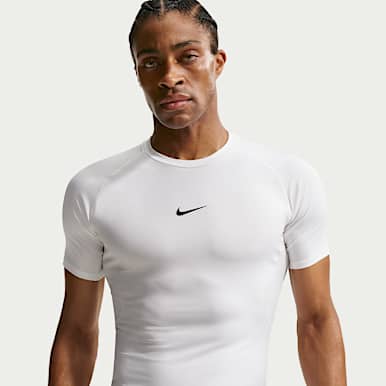
- [
\
Nike Pro
\
Men's Dri-FIT Tight Short-Sleeve Fitness Top
\
__37,99 €__](https://www.nike.com/sk/t/pro-mens-dri-fit-tight-short-sleeve-fitness-top-4Hk1th/FB7932-100)
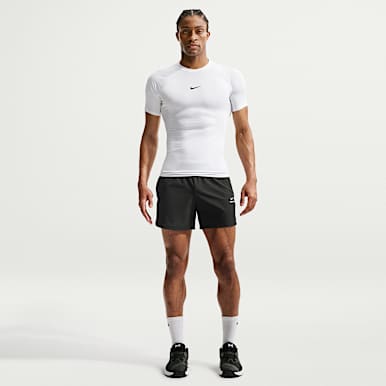
- [
\
Nike Pro Training
\
Men's Dri-FIT 15cm (approx.) Shorts
\
__54,99 €__](https://www.nike.com/sk/t/pro-training-mens-dri-fit-15cm-approx-shorts-bcRFGX/HV0411-010)
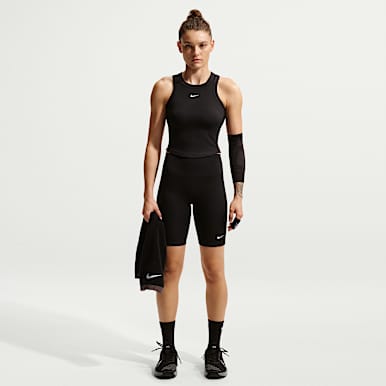
- [
\
Nike One
\
Women's High-Waisted 20.5cm (approx.) Biker Shorts
\
__39,99 €__](https://www.nike.com/sk/t/one-womens-high-waisted-20-5cm-approx-biker-shorts-P59LeA9w/IO0581-010)
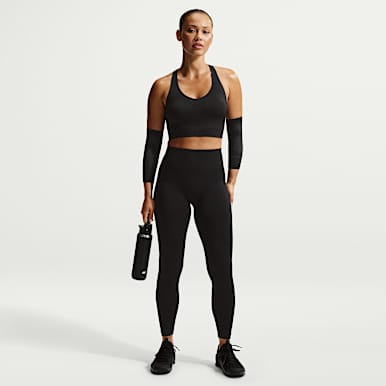
- [
\
Nike Pro Seamless
\
Women's High-Waisted 7/8 Leggings
\
__54,99 €__](https://www.nike.com/sk/t/pro-seamless-womens-high-waisted-7-8-leggings-Ui1XgPpH/IF1208-010)
- [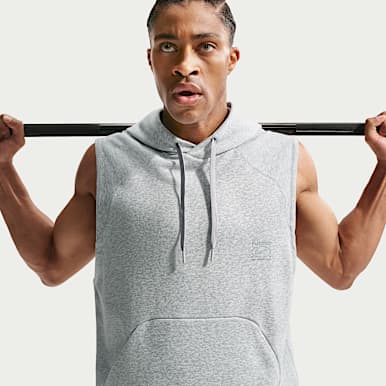
\
Nike N.A.C.
\
Men's Dri-FIT Fleece Sleeveless Training Hoodie
\
__64,99 €__](https://www.nike.com/sk/t/nac-mens-dri-fit-fleece-sleeveless-training-hoodie-r3doVli0/IQ5551-077)
- [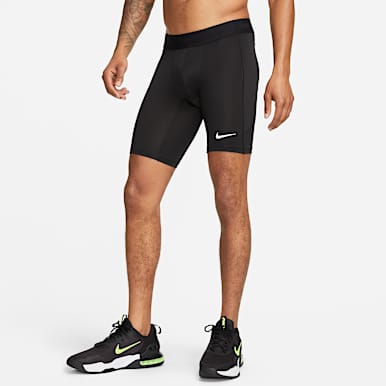
\
Nike Pro
\
Men's Dri-FIT Fitness Long Shorts
\
__37,99 €__](https://www.nike.com/sk/t/pro-mens-dri-fit-fitness-long-shorts-w8HDNr/FB7963-010)
- [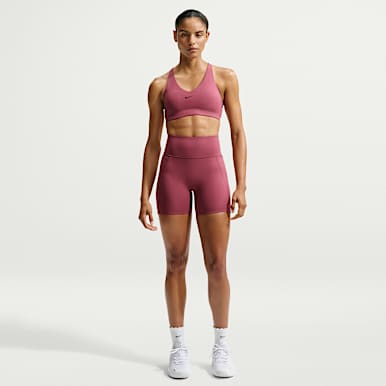
\
Nike Universa
\
Women's High-Waisted 12.5cm (approx.) Biker Shorts with No Front Seam
\
__69,99 €__](https://www.nike.com/sk/t/universa-womens-high-waisted-12-5cm-approx-biker-shorts-with-no-front-seam-BzPHnp/HQ6832-654)
- [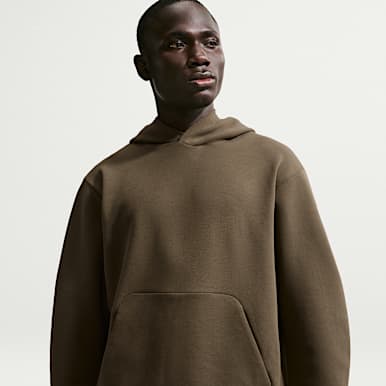
\
Nike 24.7 ImpossiblySoft
\
Men's Dri-FIT Pullover Hoodie
\
__109,99 €__](https://www.nike.com/sk/t/24-7-impossiblysoft-mens-dri-fit-pullover-hoodie-rHrjiWhG/IR8807-212)
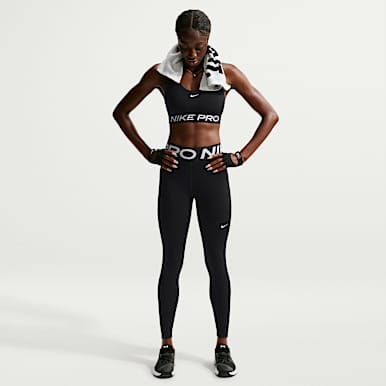
- [
\
Nike Pro Sculpt
\
Women's High-Waisted Full-Length Leggings
\
__64,99 €__](https://www.nike.com/sk/t/pro-sculpt-womens-high-waisted-full-length-leggings-2rBCvk/FV7382-010)
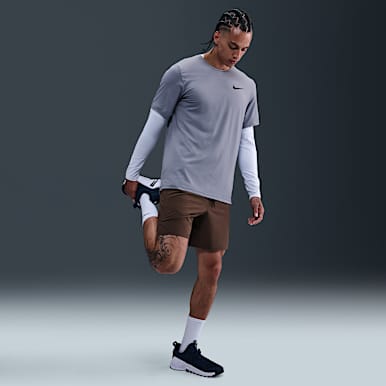
- [
\
Nike Unlimited
\
Men's Dri-FIT 18cm (approx.) Unlined Versatile Shorts
\
__59,99 €__](https://www.nike.com/sk/t/unlimited-mens-dri-fit-18cm-approx-unlined-versatile-shorts-8Thc5m/DV9340-237)
## Frequently Asked Questions
Is a 10-minute workout enough?
Any amount of movement is better than nothing. One 2022 study from [*Nature Medicine*](https://www.nature.com/articles/s41591-022-02100-x) found that, in older adults who don't have a structured exercise routine established, just a few 1–2 minute bursts of vigorous movement sprinkled into daily life for a total of about 3–4 minutes per day was linked with a noticeably lower risk of dying from cardiovascular disease, cancer and all causes.
For the average adult who only has 10 minutes for a workout, doing a speed walk, HIIT workout, core work or, as Poirier notes, targeting a single muscle group, can be beneficial.
Is it better to work out in short bursts every day or work out longer but less often?
There's no single "right" schedule—it depends on what fits your life and keeps you consistent.
Poirier emphasises that either approach can work. "My belief is consistency is best", he says. "What fits in your lifestyle and keeps you consistent will be the most effective". For some people, shorter daily sessions feel more doable. For others, stacking longer workouts a few times a week works better.
Medrano agrees that your routine should match your reality. If you're just starting to exercise, she recommends focusing on building the habit first; "Even five minutes a day counts", she says. "Consistency will always beat perfection".
[](https://niketrainingclub.sng.link/Ara19/3ocq/gnbq?pcn=OGC%20Articles%20HO21&_dl=niketrainingclub%3A%2F%2Fx-callback-url%2Fworkout%2Ffeatured)
### Move Daily with Nike Training Club
Get free guidance from trainers and experts to strengthen your body and mind.
[Explore NTC](https://niketrainingclub.sng.link/Ara19/3ocq/gnbq?pcn=OGC%20Articles%20HO21&_dl=niketrainingclub%3A%2F%2Fx-callback-url%2Fworkout%2Ffeatured)
Words by Cheyenne Buckingham
Originally published: 22 December 2025
## Related Stories
- 
[](https://www.nike.com/sk/a/running-vs-rowing-benefits)
# Sport & Activity
# Running vs Rowing: What's the Better Workout?
- 
[](https://www.nike.com/sk/a/jump-rope-vs-running)
# Sport & Activity
# Is Skipping Better than Running?
- 
[](https://www.nike.com/sk/a/how-to-sprint-properly)
# Sport & Activity
# How to Get Faster at Sprinting, According to Experts
- 
[](https://www.nike.com/sk/a/interval-training-running-benefits)
# Sport & Activity
# What Are the Benefits of Interval Running?
- 
[](https://www.nike.com/sk/a/cardio-before-after-weight-training)
# Sports & Activity
# Should You Do Cardio Before or After Weights? What Science Says About Fat Loss and Muscle Gain
Resources
[Find a Store](https://www.nike.com/sk/retail/)
[Nike Journal](https://www.nike.com/sk/stories)
[Become a Member](https://www.nike.com/sk/membership)
[Feedback](https://www.nike.com#site-feedback)
[Promo Codes](https://www.nike.com/sk/promo-code)
[Product Advice](https://www.nike.com/sk/product-advice)
[Running Shoe Finder](https://www.nike.com/sk/running/shoe-finder)
Help
[Get Help](https://www.nike.com/sk/help)
[Order Status](https://www.nike.com/sk/orders/details)
[Shipping and Delivery](https://www.nike.com/sk/help/a/shipping-delivery-gs)
[Returns](https://www.nike.com/sk/help/a/returns-policy-gs)
[Payment Options](https://www.nike.com/sk/help/a/payment-options-gs)
[Contact Us](https://www.nike.com/sk/help/#contact)
[Reviews](https://www.nike.com/sk/help/a/reviews)
[EU Harmonized Guarantee Notice](https://assets-commerce-nikecloud-com.s3.us-east-1.amazonaws.com/gethelp/legal+guarantee/Legal+guarantee_notice+SKN.pdf)
Company
[About Nike](https://about.nike.com/)
[News](https://news.nike.com/)
[Careers](https://jobs.nike.com/)
[Investors](https://investors.nike.com/)
[Sustainability](https://www.nike.com/sk/sustainability)
[Accessibility](https://www.nike.com/accessibility)
[Accessibility Statement](https://www.nike.com/sk/accessibility/statement)
[Purpose](https://www.nike.com/sk/purpose)
[Nike Coaching](https://www.nike.com/sk/coaching)
Community Discounts
[Student](https://urldefense.com/v3/__https://services.sheerid.com/verify/68d55e7b273c5b3a03a5b76d/?locale=en-GB__%3B%21%21KLCbKzk%21nTvDkRbY-BbSpoWsFhAQdmMrehEzU3loDux4_exRVjO9--Ik_EbQNJ3bX2gkEwR7F9cVVROFKqLxE4B8uW6bnx4IPOiRLg%24)
[Teacher](https://urldefense.com/v3/__https://services.sheerid.com/verify/68dcfa39c3f2fd1cd3069932/?locale=en-GB__%3B%21%21KLCbKzk%21nTvDkRbY-BbSpoWsFhAQdmMrehEzU3loDux4_exRVjO9--Ik_EbQNJ3bX2gkEwR7F9cVVROFKqLxE4B8uW6bnx5n4vwR-Q%24)
[Resources](https://www.nike.com/sk/help)
[Find a Store](https://www.nike.com/sk/retail/)
[Nike Journal](https://www.nike.com/sk/stories)
[Become a Member](https://www.nike.com/sk/membership)
[Feedback](https://www.nike.com#site-feedback)
[Promo Codes](https://www.nike.com/sk/promo-code)
[Product Advice](https://www.nike.com/sk/product-advice)
[Running Shoe Finder](https://www.nike.com/sk/running/shoe-finder)
[Help](https://www.nike.com/sk/help)
[Get Help](https://www.nike.com/sk/help)
[Order Status](https://www.nike.com/sk/orders/details)
[Shipping and Delivery](https://www.nike.com/sk/help/a/shipping-delivery-gs)
[Returns](https://www.nike.com/sk/help/a/returns-policy-gs)
[Payment Options](https://www.nike.com/sk/help/a/payment-options-gs)
[Contact Us](https://www.nike.com/sk/help/#contact)
[Reviews](https://www.nike.com/sk/help/a/reviews)
[EU Harmonized Guarantee Notice](https://assets-commerce-nikecloud-com.s3.us-east-1.amazonaws.com/gethelp/legal+guarantee/Legal+guarantee_notice+SKN.pdf)
[Company](https://about.nike.com/en)
[About Nike](https://about.nike.com/)
[News](https://news.nike.com/)
[Careers](https://jobs.nike.com/)
[Investors](https://investors.nike.com/)
[Sustainability](https://www.nike.com/sk/sustainability)
[Accessibility](https://www.nike.com/accessibility)
[Accessibility Statement](https://www.nike.com/sk/accessibility/statement)
[Purpose](https://www.nike.com/sk/purpose)
[Nike Coaching](https://www.nike.com/sk/coaching)
## Community Discounts
[Student](https://urldefense.com/v3/__https://services.sheerid.com/verify/68d55e7b273c5b3a03a5b76d/?locale=en-GB__%3B%21%21KLCbKzk%21nTvDkRbY-BbSpoWsFhAQdmMrehEzU3loDux4_exRVjO9--Ik_EbQNJ3bX2gkEwR7F9cVVROFKqLxE4B8uW6bnx4IPOiRLg%24)
[Teacher](https://urldefense.com/v3/__https://services.sheerid.com/verify/68dcfa39c3f2fd1cd3069932/?locale=en-GB__%3B%21%21KLCbKzk%21nTvDkRbY-BbSpoWsFhAQdmMrehEzU3loDux4_exRVjO9--Ik_EbQNJ3bX2gkEwR7F9cVVROFKqLxE4B8uW6bnx5n4vwR-Q%24)
Slovakia (Slovak Republic)
- © 2026 Nike, Inc. All rights reserved.
- Guides
- [Nike Air](https://www.nike.com/sk/air)
- [Nike Air Max](https://www.nike.com/sk/air-max)
- [Nike FlyEase](https://www.nike.com/sk/flyease)
- [Nike Pegasus](https://www.nike.com/sk/running/runningzoom-pegasus-37)
- [Nike React](https://www.nike.com/sk/react)
- [Nike Vaporfly](https://www.nike.com/sk/running/vaporfly)
- [Terms of Use](https://agreementservice.svs.nike.com/sk/en_gb/rest/agreement?agreementType=termsOfUse&uxId=com.nike.unite&country=SK&language=en&requestType=redirect)
- [Terms of Sale](https://www.eshopworld.com/shoppers/help/terms-and-conditions-of-sale-en/)
- [Company Details](https://www.nike.com/sk/help/a/company-details)
- [Privacy & Cookie Policy](https://agreementservice.svs.nike.com/sk/en_gb/rest/agreement?agreementType=privacyPolicy&uxId=com.nike.commerce.nikedotcom.web&country=sk&language=en&requestType=redirect)
- [Privacy & Cookie Settings](https://www.nike.com/sk/guest/settings/privacy)
## Africa
- [__Egypt__
\
English](https://www.nike.com/eg/)
- [__Morocco__
\
English](https://www.nike.com/ma/en/)
- [__Maroc__
\
Français](https://www.nike.com/ma/)
- [__South Africa__
\
English](https://www.nike.com/za/)
## Americas
- [__Argentina__
\
Español](https://www.nike.com.ar)
- [__Brasil__
\
Português](https://www.nike.com.br)
- [__Canada__
\
English](https://www.nike.com/ca/)
- [__Canada__
\
Français](https://www.nike.com/ca/fr/)
- [__Chile__
\
Español](https://www.nike.cl)
- [__Colombia__
\
Español](https://www.nike.com.co)
- [__México__
\
Español](https://www.nike.com/mx/)
- [__Peru__
\
Español](https://www.nike.com.pe)
- [__Puerto Rico__
\
Español](https://www.nike.com/pr/)
- [__United States__
\
English](https://www.nike.com)
- [__Estados Unidos__
\
Español](https://www.nike.com/us/es/)
- [__Uruguay__
\
Español](https://www.nike.com.uy)
- [__Latin America__
\
Español](https://www.nike.com/xl/)
## Asia Pacific
- [__Australia__
\
English](https://www.nike.com/au/)
- [__中国大陆__
\
简体中文](https://www.nike.com.cn/)
- [__Hong Kong__
\
English](https://www.nike.com.hk/)
- [__香港__
\
繁體中文](https://www.nike.com.hk/)
- [__India__
\
English](https://www.nike.in/)
- [__Indonesia__
\
English](https://www.nike.com/id/)
- [__Japan__
\
English](https://www.nike.com/jp/en/)
- [__日本__
\
日本語](https://www.nike.com/jp/)
- [__대한민국__
\
한국어](https://www.nike.com/kr/)
- [__Malaysia__
\
English](https://www.nike.com/my/)
- [__New Zealand__
\
English](https://www.nike.com/nz/)
- [__Philippines__
\
English](https://www.nike.com/ph/)
- [__Singapore__
\
English](https://www.nike.com/sg/)
- [__台灣__
\
繁體中文](https://www.nike.com/tw/)
- [__ไทย__
\
ภาษาไทย](https://www.nike.com/th/)
- [__Vietnam__
\
English](https://www.nike.com/vn/)
## Europe
- [__Österreich__
\
Deutsch](https://www.nike.com/at/)
- [__Austria__
\
English](https://www.nike.com/at/en/)
- [__Belgien__
\
Deutsch](https://www.nike.com/be/de/)
- [__Belgium__
\
English](https://www.nike.com/be/en/)
- [__Belgique__
\
Français](https://www.nike.com/be/fr/)
- [__België__
\
Nederlands](https://www.nike.com/be/)
- [__Bulgaria__
\
English](https://www.nike.com/bg/)
- [__Croatia__
\
English](https://www.nike.com/hr/)
- [__Česká republika__
\
Čeština](https://www.nike.com/cz/)
- [__Czech Republic__
\
English](https://www.nike.com/cz/en/)
- [__Danmark__
\
Dansk](https://www.nike.com/dk/)
- [__Denmark__
\
English](https://www.nike.com/dk/en/)
- [__Finland__
\
English](https://www.nike.com/fi/)
- [__France__
\
Français](https://www.nike.com/fr/)
- [__Deutschland__
\
Deutsch](https://www.nike.com/de/)
- [__Ελλάδα__
\
ελληνικά](https://www.nike.com/gr/)
- [__Hungary__
\
English](https://www.nike.com/hu/en/)
- [__Magyarország__
\
Magyar](https://www.nike.com/hu/)
- [__Ireland__
\
English](https://www.nike.com/ie/)
- [__Israel__
\
English](https://www.nike.com/il/)
- [__Italia__
\
Italiano](https://www.nike.com/it/)
- [__Luxemburg__
\
Deutsch](https://www.nike.com/lu/de/)
- [__Luxembourg__
\
English](https://www.nike.com/lu/en/)
- [__Luxembourg__
\
Français](https://www.nike.com/lu/)
- [__Netherlands__
\
English](https://www.nike.com/nl/en/)
- [__Nederland__
\
Nederlands](https://www.nike.com/nl/)
- [__Norway__
\
English](https://www.nike.com/no/en/)
- [__Norge__
\
Norsk](https://www.nike.com/no/)
- [__Polska__
\
Polski](https://www.nike.com/pl/)
- [__Portugal__
\
English](https://www.nike.com/pt/en/)
- [__Portugal__
\
Português](https://www.nike.com/pt/)
- [__Romania__
\
English](https://www.nike.com/ro/)
- [__Россия__
\
Русский](https://www.nike.com/ru/)
- [__Slovakia__
\
English](https://www.nike.com/sk/)
- [__Slovenia__
\
English](https://www.nike.com/si/)
- [__Espanya__
\
Català](https://www.nike.com/es/ca/)
- [__España__
\
Español](https://www.nike.com/es/)
- [__Sweden__
\
English](https://www.nike.com/se/en/)
- [__Sverige__
\
Svenska](https://www.nike.com/se/)
- [__Schweiz__
\
Deutsch](https://www.nike.com/ch/)
- [__Switzerland__
\
English](https://www.nike.com/ch/en/)
- [__Suisse__
\
Français](https://www.nike.com/ch/fr/)
- [__Svizzera__
\
Italiano](https://www.nike.com/ch/it/)
- [__Türkiye__
\
Türkçe](https://www.nike.com/tr/)
- [__United Kingdom__
\
English](https://www.nike.com/gb/)
## Middle East
- [__Saudi Arabia__
\
English](https://www.nike.sa/en/home)
- [__المملكة العربية السعودية__
\
العربية](https://www.nike.sa/ar/home)
- [__United Arab Emirates__
\
English](https://www.nike.ae/en/home)
- [__الإمارات العربية المتحدة__
\
العربية](https://www.nike.ae/ar/home)
- [__Qatar__
\
English](https://www.nike.qa/en/home)
- [__دولة قطر__
\
العربية](https://www.nike.qa/ar/home)
- [__Kuwait__
\
English](https://www.nike.com.kw/en/home)
- [__الكويت__
\
العربية](https://www.nike.com.kw/ar/home)