How to Choose Socks for Sweaty Feet
Buying Guide
The best socks for sweaty feet are made from moisture-wicking synthetics or wool, never cotton. Here's how to choose height, thickness and material.
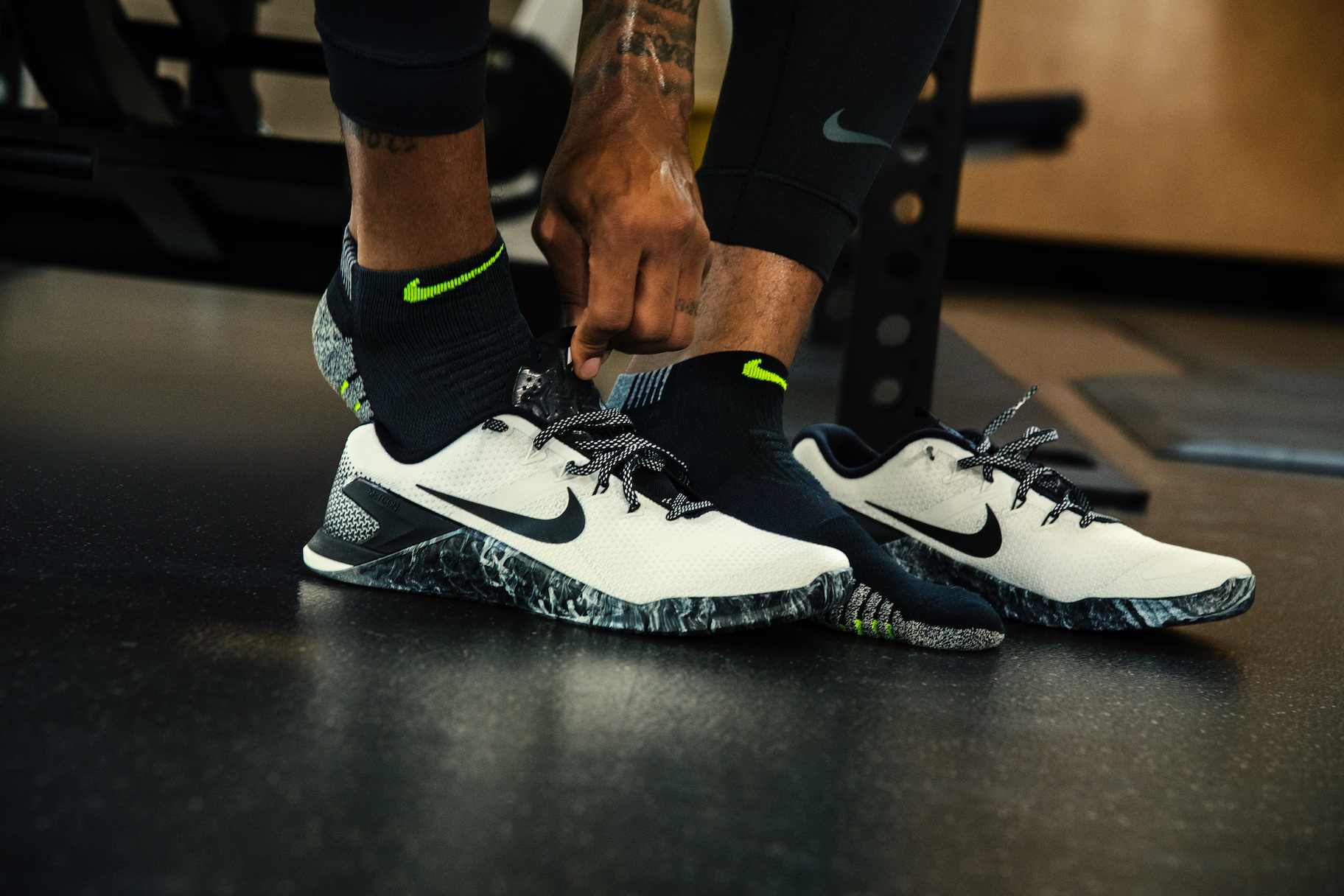
The best socks for sweaty feet are made from moisture-wicking synthetics like polyester and nylon, or from wool. All three pull sweat off your skin and move it to the outside of the sock where it can evaporate. Cotton does the opposite—it absorbs sweat and holds it against your foot, which can cause slipping inside your shoe, blisters and smelly socks.
That matters more than most people realise. Each foot contains 125,000 sweat glands, according to UCSD Health, and the soles of your feet have more glands per square centimetre than anywhere else on your body.
Below, you will find the materials that work and the one that does not, how sock height and thickness change how much your feet sweat, how to stop sweat from turning into blisters and odour, how often to change and how to wash your socks, and when heavy sweating is worth talking to a doctor about.
Quick Takeaways
- The best socks for sweaty feet are made from moisture-wicking synthetics such as polyester, nylon and elastane, or from wool.
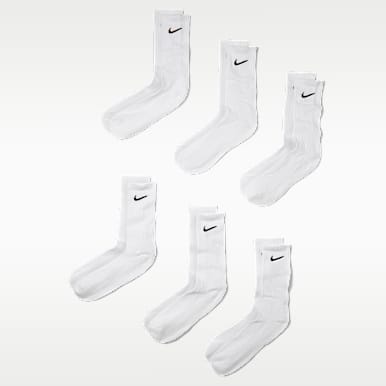
- Nike Dri-FIT socks use polyester microfibre that spreads sweat across the surface of the fabric, so it evaporates faster.
- Thin, low-profile socks run cooler; thicker cushioned socks absorb more sweat and protect against blisters at friction points.
- Change your socks after every workout and any time they feel damp, and never rewear a damp pair.
- Excessive foot sweating that soaks socks even at rest may be plantar hyperhidrosis, a treatable medical condition worth raising with a doctor.
Shop Nike socks
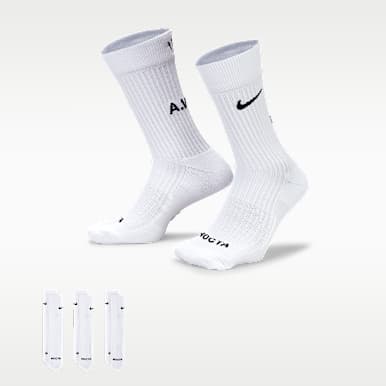
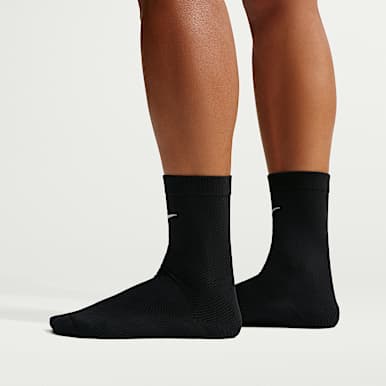
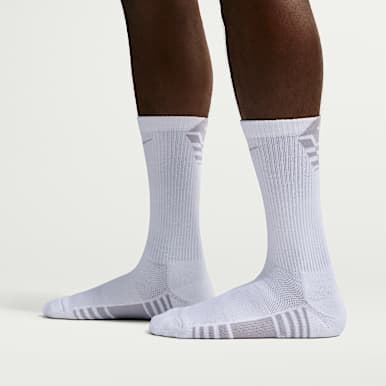
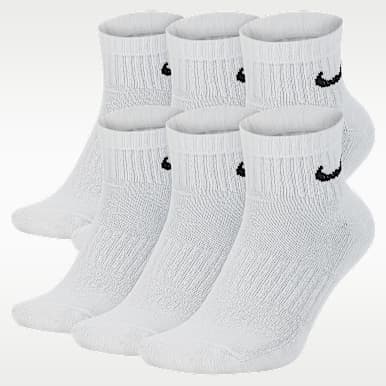
How To Choose the Best Socks for Sweaty Feet
Look for these two main features when choosing socks for sweaty feet: moisture-wicking material and breathability.
Moisture-Wicking Material
Moisture-wicking socks are made from fabrics like wool, nylon and polyester that are designed to transfer sweat away from the skin so it can evaporate.
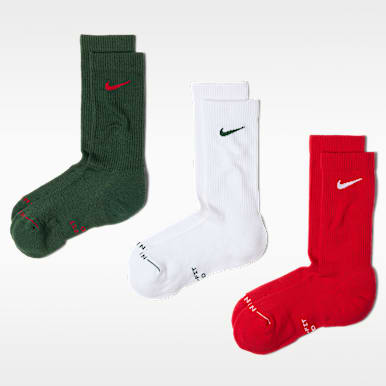
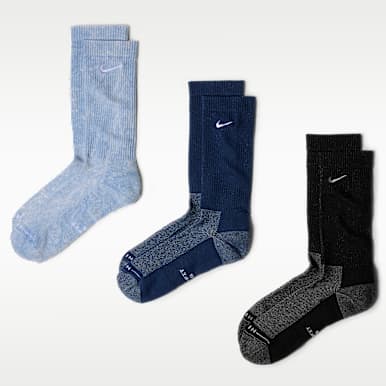
Nike Dri-FIT socks are made from a polyester fabric designed to help keep your feet dry so you can more comfortably work harder for longer. Dri-FIT's unique high-performance microfibre construction supports the body's natural cooling system by dispersing sweat across the fabric's surface, so it evaporates more quickly.
Breathability
When moisture and heat get trapped, sweat accumulates. Certain fabrics allow air to pass through, preventing sweat from building up and helping to regulate your body temperature. Breathable fabrics also repel water and let sweat evaporate quickly.
Cotton is the most breathable fabric, but it also retains heat, which can accelerate sweating. Wool is another popular sock material due to its breathability, cushioning and moisture-wicking properties. Since wool is a dynamic insulator, it adjusts to temperature changes, insulating heat in the cold and letting your skin breathe when it's hot. For this reason, wool is commonly used in work socks or hiking socks.
But it's less common for training socks. For running or any other kind of workout, look for materials like polyester, nylon and elastane. Synthetic fibres are the perfect alternative, as they're breathable but don't retain heat.
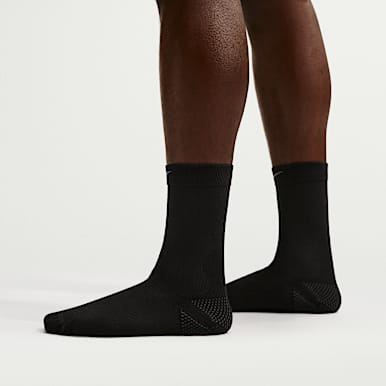
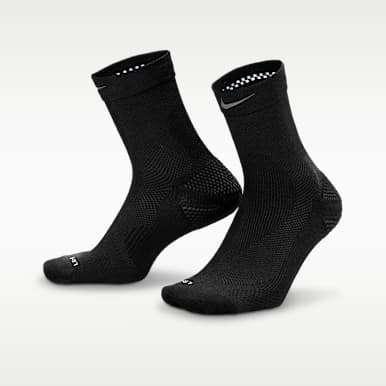
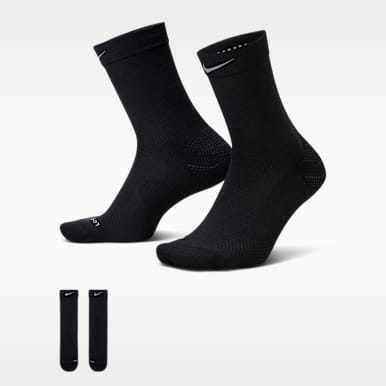
Socks with additional features like a mesh panel can also enhance breathability. Nike Run Lightweight Socks incorporate ventilated zones strategically placed where your feet need them most.
What Material Is Best for Sweaty Feet?
Socks made of synthetic materials such as polyester, nylon and elastane are ideal for workouts. These materials move sweat away from your skin and to the outer surface of the socks, where it evaporates instead of soaking in. Synthetics also hold their shape and compression even after repeated washings.
This is why synthetics feature prominently in Nike workout socks. For example, Nike Dri-FIT socks use a polyester microfibre that spreads sweat across a wider surface, so it evaporates even faster. Nike Run Lightweight Socks take the same idea to a thinner sock built for running.
For all-day wear with sweaty feet, choose wool-based socks. This natural fibre wicks moisture like a synthetic but regulates temperature in both directions; your feet stay cooler in heat and warmer in cold. Wool is also antimicrobial, meaning it resists odour naturally, so you can wear it longer before it starts to smell.
The trade-off is that once wool gets wet from sweat, it takes longer to dry than a synthetic. So it's a better choice for hiking and daily wear and less ideal for back-to-back workouts.
Avoid cotton. It's genuinely breathable, which is why it feels good in a casual sock, but it absorbs sweat and holds it against your skin instead of moving it out. A cotton sock that has soaked through stays soaked, and wet fabric plus friction is the perfect recipe for blisters. If your feet tend to sweat, keep cotton out of your gym bag.
TL;DR: choose synthetic socks for workouts, wool-based socks for all-day wear and cotton for lounging around.
Sock Height, Thickness and Cushioning
Sock height, thickness and cushioning don't matter as much for sweat-wicking as material, but these factors can impact how much sweat builds up, how quickly your feet dry and where blisters are likely to form.
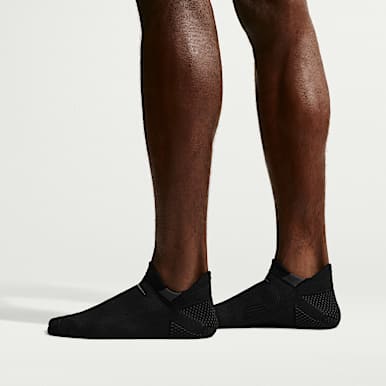
No-show socks sit below the collar of your shoe, making them the coolest sock-height option, and the right choice for warm-weather training. The drawback is that they have less fabric to absorb sweat, so they saturate sooner than taller socks. When shopping for a pair of no-shows, look for a heeltab or silicone grip. This helps prevent the socks from sliding down and bunching up under your arch—where sweaty-foot blisters often develop.
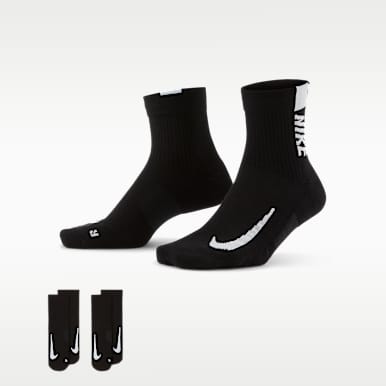
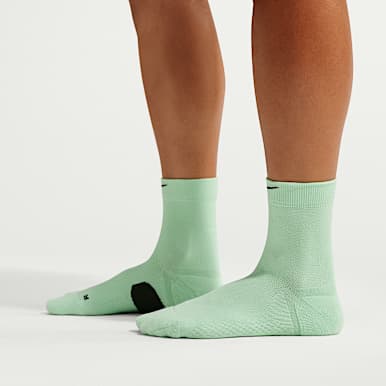
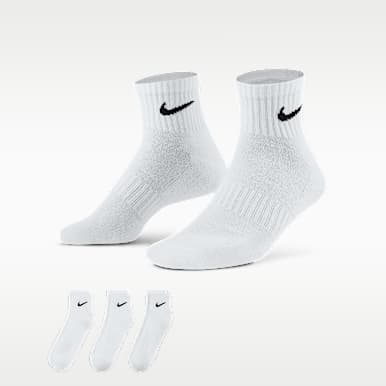
Ankle socks sit just above your shoe collar. They are the everyday default sock, providing enough coverage to prevent the shoe collar from rubbing your Achilles but still light enough to keep your feet cool.
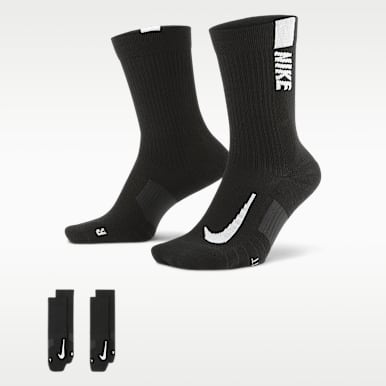
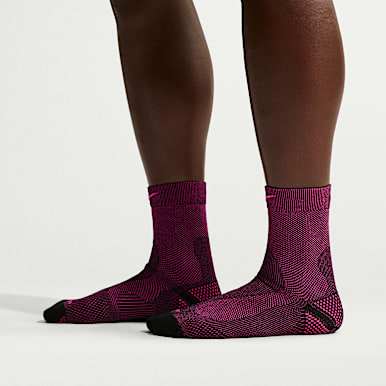
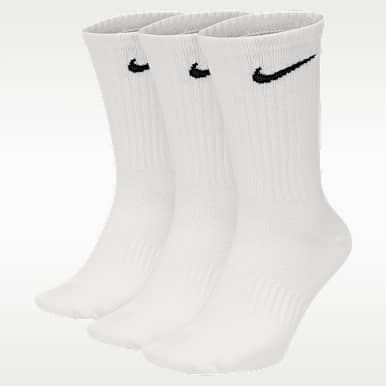
Crew socks come up the calf. They offer the most fabric, moisture absorption and protection from anything rubbing your lower leg, from boots to tall shoe collars. But crew socks run warmer, so pair them with sweat-wicking material if your feet sweat.
Cushioning makes the sock thicker in certain areas—typically the heel and forefoot. The added fabric protects these areas where friction is highest, which helps defend against blisters. Cushioning doesn't necessarily add warmth, but the wrong fabric can keep sweaty feet wet. So, if your feet sweat heavily and you want cushioning, choose a synthetic material rather than cotton. This way, the extra fabric moves sweat out rather than storing it.
Socks are only half the answer. The shoe around them matters just as much, because a sock can only move sweat out if the shoe lets it escape. See Nike's most breathable shoes for which uppers vent best.
How To Stop Sweaty Feet From Causing Blisters and Odour
Sweaty feet are more likely to develop blisters and odour. Blisters happen when friction meets moisture. Sweat provides moisture, which softens the skin and makes the fabric damp. Softened skin is more fragile, making it more susceptible to damage when the wet sock rubs against it.
Prevent blisters by always choosing sweat-wicking socks. These keep your skin dry, reducing the friction that causes skin breakdown.
It's also important that your shoes fit properly—a shoe that's too big allows your foot to slide, and a shoe that's too tight creates pressure points. Either scenario can result in blisters.
If you blister in the same spot every time, look for a cushioned sock with reinforced zones at the heel and forefoot. This adds fabric where you need it most.
Odour, meanwhile, is caused by bacteria, not sweat. Sweat itself is close to odourless—the smell comes from bacteria breaking it down. Unfortunately, that bacteria thrives in the warm, damp environment wet socks create.
Like blisters, the best way to prevent foot smell is to keep your feet (and shoes) dry with sweat-wicking socks. This gives bacteria less to work with. Choosing socks made of wool, which naturally resist odour, amps up their smell-busting properties.
Another great strategy is to rotate your shoes so each pair dries fully between wears, stopping the smell from setting in.
How often to change your socks and how to wash them
Changing your socks after every workout, and any time they feel damp, keeps your feet dry, fresh and blister-free. If your feet sweat heavily during the day, consider packing a second pair to change into when needed.
To extend the lifespan of your socks, wash them in cold water and skip the fabric conditioner. Fabric conditioner works by coating fibres with a thin waxy layer—and that layer blocks a synthetic sock from wicking moisture.
When washing socks, turn them inside out so the surface that touched your skin gets the most contact with water. Then, tumble dry on a low setting or air dry, as high heat degrades elastane, a material that helps socks retain their shape.
Finally, remember that a sock can only stay dry if the shoe it's in is also dry. So, loosen the laces, pull out the insoles and let both dry fully between wears.
When Sweaty Feet Are Worth Talking to a Doctor About
Everyone sweats during exercise and in heat, and the right socks can keep that sweat under control. But sometimes, sweaty feet can signal plantar hyperhidrosis—excessive sweating of the feet.
See a doctor if your feet sweat enough to soak through socks when you're sitting still, sweat uncontrollably year-round regardless of the temperature or the sweating is accompanied by peeling skin, persistent odour or recurring athlete's foot. Rest assured that this condition is common and treatable, with options ranging from prescription antiperspirants to in-clinic treatments. Bring it up with a doctor or podiatrist rather than working around it.
Frequently Asked Questions
Which sock material is best for sweaty feet?
Synthetic materials like polyester, nylon and spandex tend to work best for workouts. They move sweat away from your skin to the outer surface of the sock, where it evaporates. Wool is ideal for all-day wear, cold weather or long hikes. This natural fiber wicks moisture like a synthetic but regulates temperature in both directions. It’s also antimicrobial, meaning it naturally resists odor.
Are cotton socks bad for sweaty feet?
Yes. Cotton may be breathable, but it absorbs sweat and doesn’t pull it away from your skin. A damp cotton sock stays wet, increasing your risk for blisters.
Is wool or synthetic better for sweaty feet?
Both materials have unique perks. Synthetics are great for wicking sweat and also hold their shape and compression after repeated washing. This makes synthetics ideal for workouts. Wool is also sweat-wicking. This natural fibre has the added benefit of regulating temperature in both directions—it keeps feet cooler in heat and warmer in cold—and resists odour naturally. It's ideal for all-day wear, long hikes and cold weather.
How do you wash moisture-wicking socks so they keep working?
Turn your socks inside out and wash them in cold water. Skip the fabric conditioner. Tumble dry on low or air dry.
What sock height is best for sweaty feet?
Different sock heights offer different perks. Thin, low-profile socks are the coolest option. Thicker cushioned socks absorb more sweat and protect against blisters at friction points.
How often should you change your socks if your feet sweat?
Change your socks after every workout and any time they feel damp.
Can the right socks prevent blisters from sweaty feet?
Yes. Sweat-wicking socks keep your skin dry, reducing the friction that causes blisters. A cushioned sock with reinforced zones at the heel and forefoot offers added blister protection.
Are thicker or thinner socks better for sweaty feet?
Thicker socks add cushioning at friction points and absorb more moisture before you feel it, which helps on long days and in stiff shoes. Thinner socks run cooler and dry faster, which helps during hard workouts and in hot weather. Material matters more than thickness either way. For high-sweat activity, choose a thin-to-medium synthetic sock like Nike Dri-FIT that moves sweat out fast. Cotton-blend cushioned socks are comfortable for everyday wear, but cotton holds moisture, so they are not the best pick when your feet are going to sweat a lot.
How do you wear moisture-wicking socks?
Wear moisture-wicking socks like any other pair. For sweaty feet, you can wear them every day. If foot sweat is only an issue during workouts, you may only need to wear moisture-wicking socks during exercise. Wash them after each use.
When are sweaty feet a sign of a medical problem?
You may have excessive sweating of the feet (plantar hyperhidrosis) if your feet sweat enough to soak through socks when you're sitting still, sweat uncontrollably year-round regardless of the temperature, or the sweating is accompanied by peeling skin, persistent odour or recurring athlete's foot. Talk to a doctor or podiatrist about treatment options.