How to Choose the Best Trail-Running Shoes: Stability, Cushioning and Comfort
Buying Guide
Stability trail-running shoes control foot and ankle movement on uneven ground. Learn about the features that matter and the All Conditions Gear (ACG) shoes that deliver them.
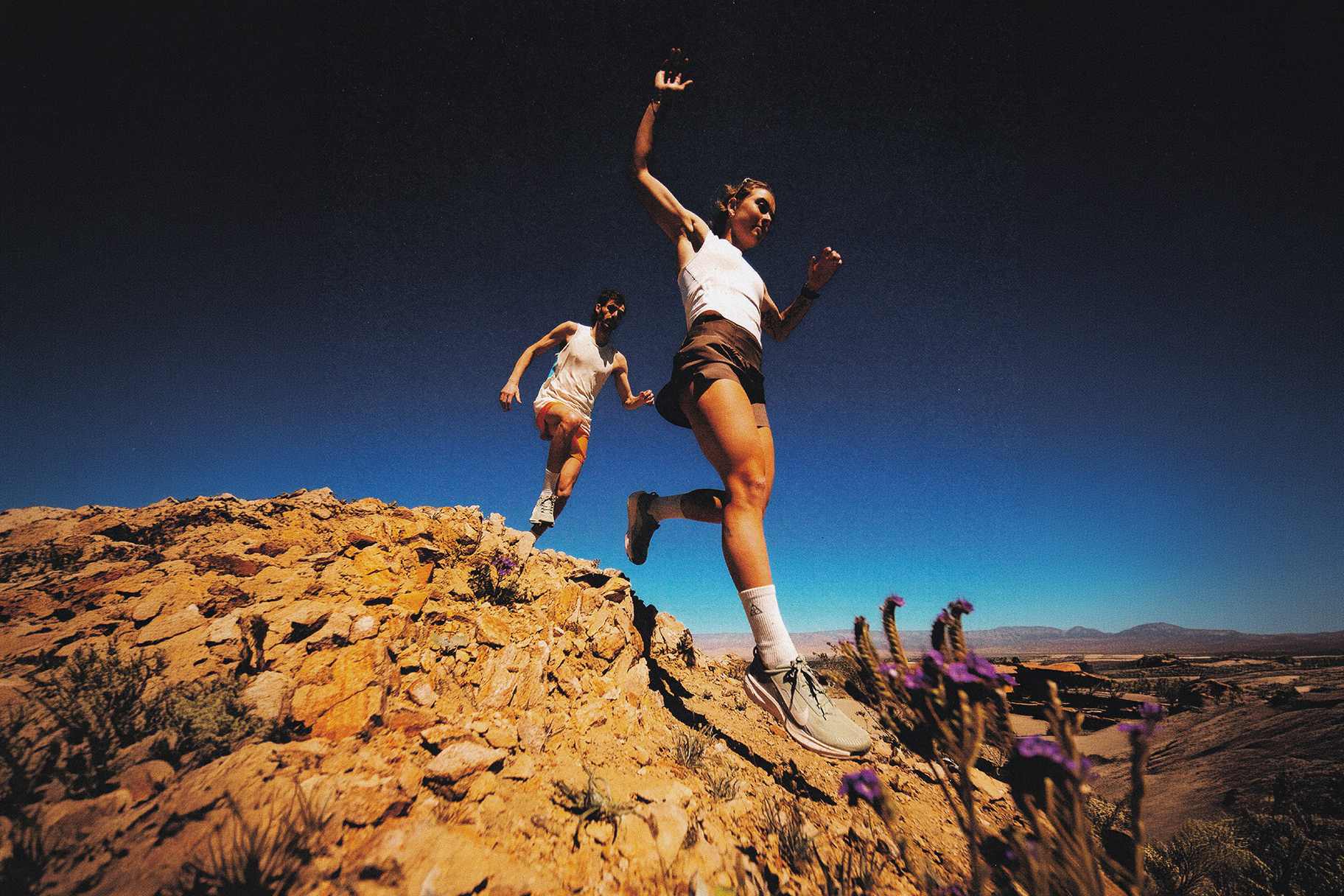
Stability trail-running shoes are designed to keep your feet and ankles steady on uneven ground—the single most important feature to get right when you take your runs off road. Trails challenge you physically and mentally, but uneven, wet and rocky surfaces also raise your risk of injury.
The right pair of trail-running shoes combines traction, protection and a secure fit to help you handle whatever the trail throws at you. Luckily, Nike has plenty of options in its All Conditions Gear (ACG) line. Here's what to look for and the ACG shoes that deliver it.
Quick takeaways:
- Stability trail-running shoes control foot and ankle movement on uneven terrain—unlike road stability shoes, which correct overpronation.
- Key features of stability trail-running shoes are traction lugs, a secure midfoot fit and protective cushioning.
- Stable trail shoes help reduce ankle roll and lower-limb injury risk.
- Nike's most stable trail-running shoes are in the ACG line: ACG Pegasus Trail, ACG Zegama Trail and ACG Ultrafly Trail.
- When comparing stability trail-running shoes, consider lug depth and midsole stiffness, matching those to the terrain you run on most.
What are stability trail-running shoes?
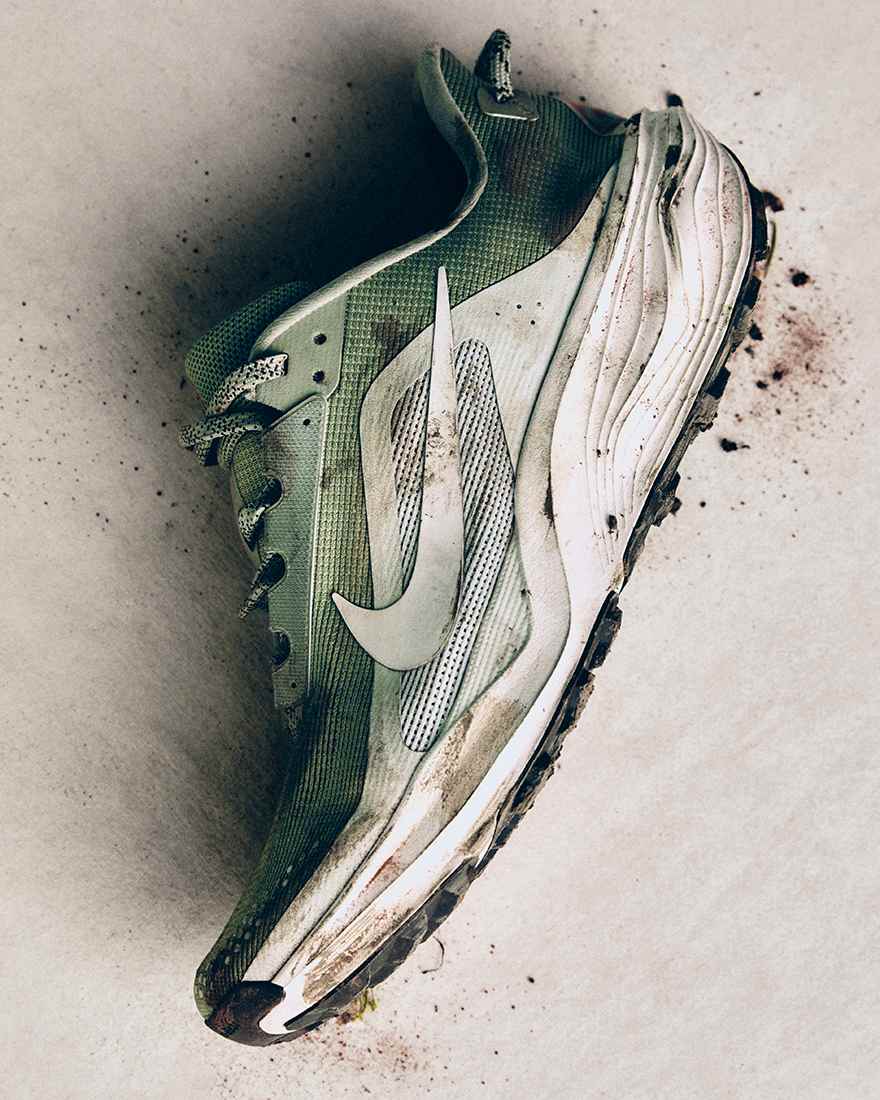
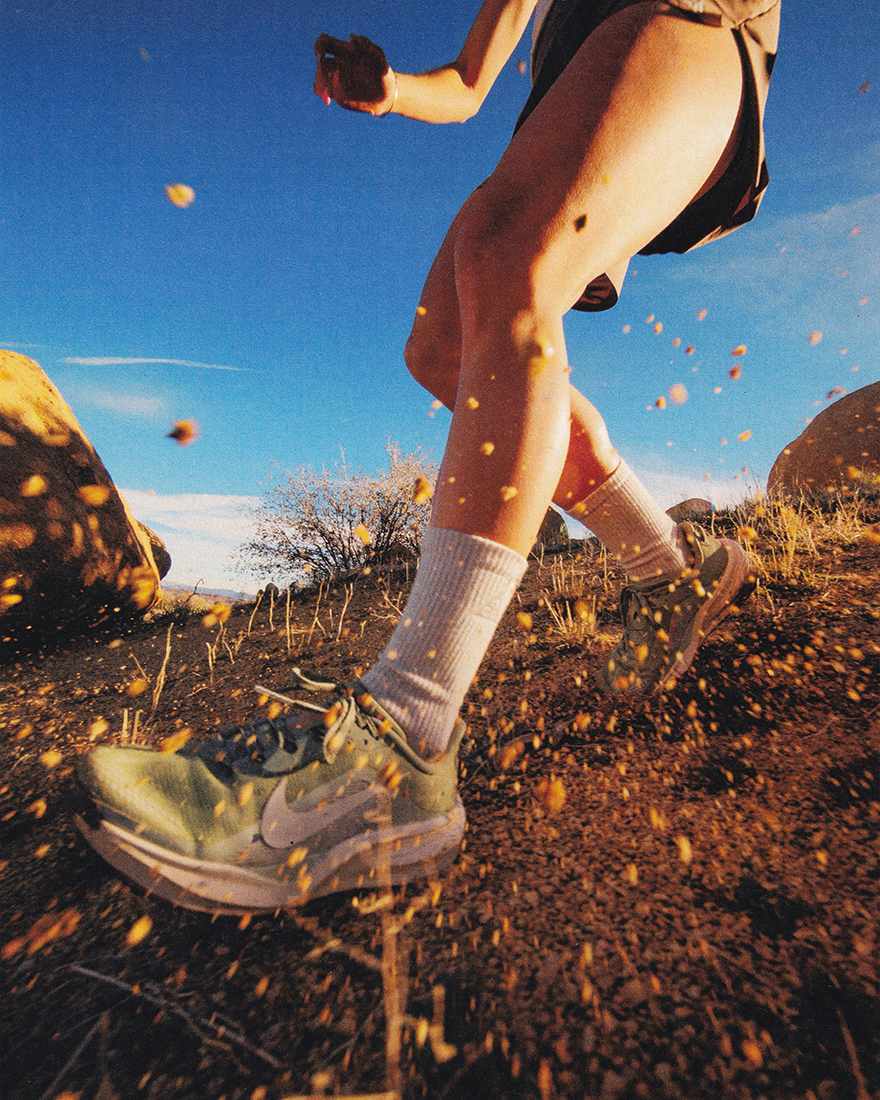
Stability trail-running shoes are designed to keep your foot and ankle steady on uneven ground. Instead of correcting overpronation like road stability shoes, they combine grippy traction lugs, protective rock plates, a secure midfoot fit and firm cushioning to help prevent ankle rolls on rocks, roots and loose terrain.
Even those who run in neutral shoes on the road will want to consider stability when selecting trail shoes. Stability trail-running shoes may not only help prevent you from rolling your ankle on uneven terrain, but they also provide other safety and technical features to help you tackle the trails.
How to choose trail-running shoes
Stability is a must for trail-running shoes, but what else should you look for in a pair? There are several features that a well-designed trail-running shoe can provide to promote safety and better lower-body mechanics:
- Rugged traction will help you master rocky surfaces, slick mud or any other terrain that you encounter.
- Durable protection from unexpected changes in weather, rough landscapes and debris.
- Stiff and cushioned shoes will keep your foot secure and your ankle in alignment.
Here's a closer look at some of the features to consider when shopping for trail-running shoes.
Traction control
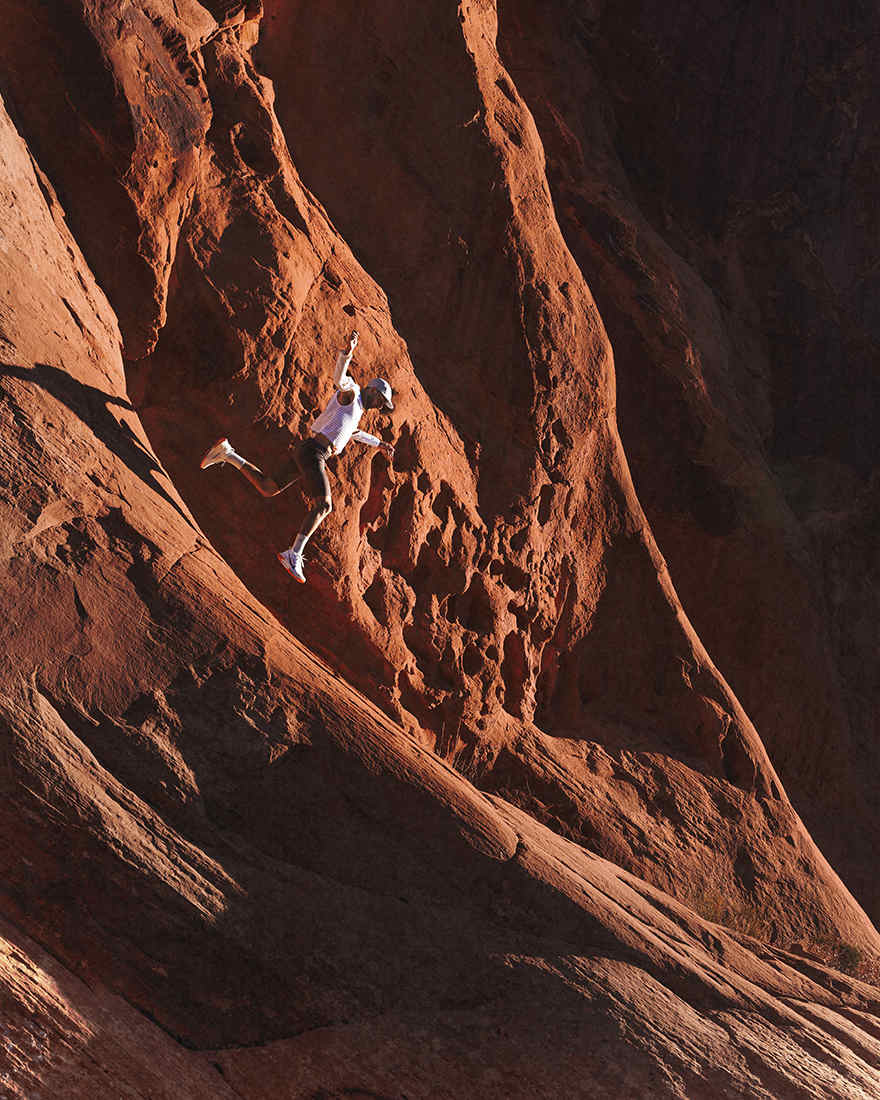
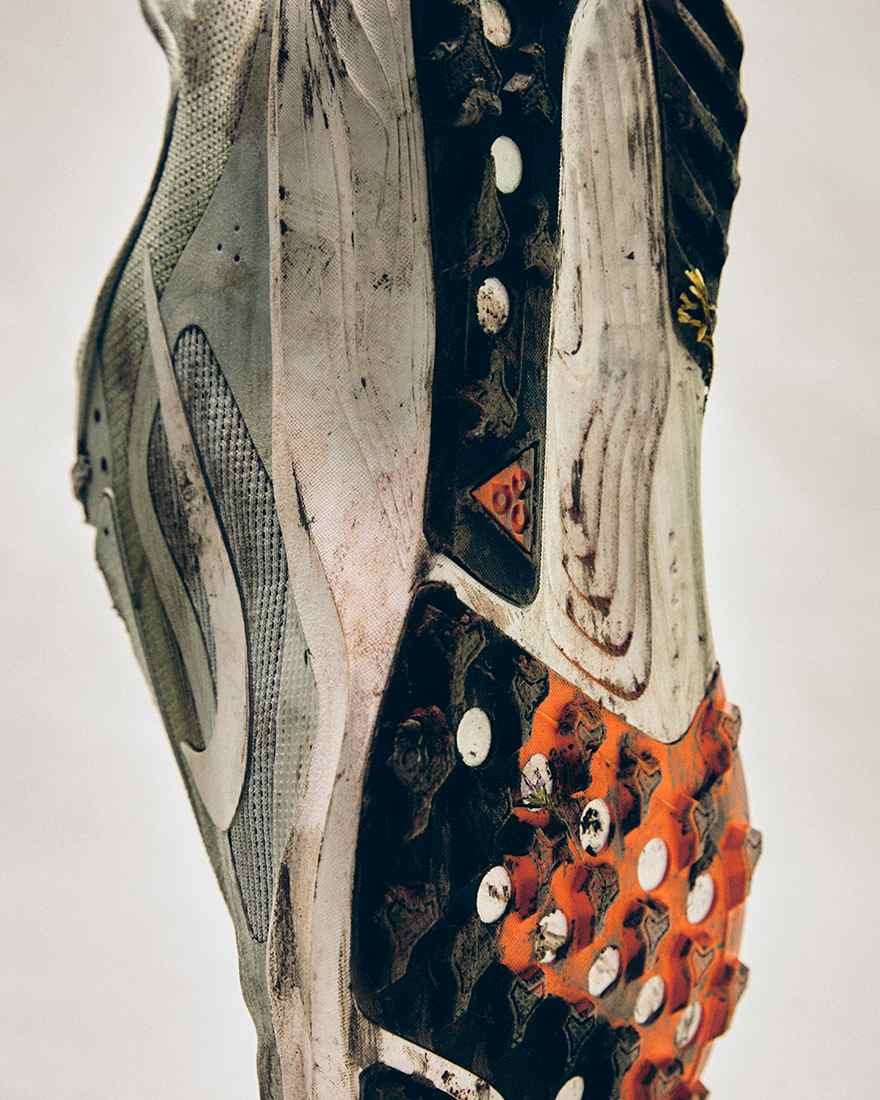
When shopping for a good trail-running shoe, you'll want to flip the shoe over and inspect the outsole. The tread patterns on the bottom of the shoe, also called traction lugs, are designed to keep you stable on any terrain you may encounter on the trails.
Multidirectional lugs improve braking on descents, while wider lug spacing helps shed mud on soft trails.
The soles should also be tough enough to protect your feet from jagged rocks or tree stumps. However, you don't want a shoe with a sole that is too heavy to be versatile. Instead, try to find a shoe that will provide a lightweight grip for a smooth ride between trails and the road.
Breathable protection
You want your shoe to protect your feet from low-lying branches, rocks and other debris. Look for features like an ankle gaiter or ankle collar to hug your foot and keep dirt and debris out. Extra material around the toe can also deliver foot protection by preventing stubbing or injury. And a segmented rock plate, which sits between the midsole and outsole, provides protection from rugged terrain while maintaining flexibility.
While good trail-running shoes provide protection, you don't want them to feel like a hiking boot. For breathability and ventilation, look for mesh on the upper.
Secure fit
A trail shoe often has more of a snug fit than a road shoe. You don't want the shoe so tight that the foot feels compressed, but with the extra multidirectional movement during a trail run, you want to minimise rubbing in the shoe to prevent slippage and blisters. There are a few technical features that can help.
- A heel cup or heel cushioning can keep the foot secure.
- A secure midfoot band system, like in the Nike ACG Pegasus Trail, can provide stability as you tackle uneven paths. The sock-like band wraps around your foot to help keep it stable.
Foam from heel to toe can provide responsive and stable cushioning for comfort and smooth transitions on rocky terrain.
Comparable offset
Your shoe's offset is the difference between the base height at the heel and the base height at the toe or forefoot. It is often related to the amount of cushioning in the shoe. Shoes with more cushioning usually have a greater offset, or heel-to-toe drop.
The offset of your trail-running shoe should be similar to the offset of your road-running shoe. Why does this matter? Some trail running enthusiasts prefer a low or very low drop to feel closer to the earth. These minimalist shoes usually have an offset of less than 4 millimetres, and they encourage you to strike the ground at the midfoot or forefoot.
On the other hand, many road shoes have a moderate or maximal drop and encourage you to strike the pavement at the heel. One type of shoe is not necessarily better than the other, but quickly switching from one to the other can cause abrupt biomechanical changes that can lead to pain or injury.
Consider the socks
The socks you wear also make a difference in how the shoes fit. Many trail runners wear thicker socks than they would wear for a run on the road, so you'll want to try shoes on with the socks you're planning on using.
What makes a good trail-running sock? Often made from wool-blend fabric, the socks should be woven to provide grip within the shoe to keep your foot in place, but they should also be breathable and moisture-wicking. To avoid scrapes and abrasions, the sock should cover your ankles and at least part of your calf.
It's also a good idea to choose socks with compression for long-lasting comfort during endurance runs.
All Conditions Gear: trail-running shoes built for stability
- The ACG line of trail-running shoes was designed with stability as a major factor, and each has unique benefits.
- Nike ACG Pegasus Trail: versatile stability for mild terrain and road-to-trail runs
- Nike ACG Zegama Trail: maximum cushioning with a rugged, multidirectional lug pattern for technical terrain like steep ridges
- Nike ACG Ultrafly Trail: race-day speed with trail-ready traction and support
How Terrain Type Affects Trail Shoe Stability
Muddy trails, rocky paths and steep descents each demand different stability features, from aggressive lugs to stiffer midsoles.
Outsoles with deep lugs are beneficial for muddy or wet terrain, while shorter lugs can suffice for dry, packed surfaces. If you're tackling hills, multidimensional lugs will help on descents.
For rocky terrain, you might want a shoe with a stiffer midsole to help protect your foot. The Nike ACG Zegama Trail has a rock shield in the forefoot which provides additional protection between your foot and debris.
Choosing the right trail-running shoes for your runs
While trail running can be unpredictable, the right trail-running shoe balances stability, traction and comfort for the terrain you run on most often.
For mild terrain, from road to trail, the ACG Pegasus Trail should suffice. But for more technical trails that involve steep hills, mud or rocks, you'll want to consider a shoe with more traction like the ACG Zegama Trail. This shoe offers maximum cushioning along with a diverse, rugged lug pattern for increased grip.
FAQ
What are stability trail-running shoes?
Stability trail-running shoes are built to keep your foot and ankle steady on uneven ground and over various types of terrain. They combine grippy traction lugs, protective rock plates, a secure midfoot fit and firm cushioning to help prevent ankle rolls on rocks, roots and loose terrain.
Do all trail runners need stability shoes?
To help protect the foot, trail runners should consider investing in trail-running shoes, which are designed for maintaining stability on rugged terrain. Stability trail-running shoes, however, are different from stability road-running shoes, which are designed to correct overpronation.
What makes trail-running shoes more stable than road shoes?
Trail-running shoes offer increased protection to keep your feet stable on uneven terrain. This includes features like traction lugs on the outsole, rock plates and supportive cushioning throughout the midsole. Road-running shoes, even those designed for stability, aren't built to stabilise you on uneven trails but to help those who overpronate when they run.
What is a rock plate in a stability trail-running shoe?
In a stability trail-running shoe, a rock plate sits between the midsole and outsole, as an additional protective layer within the shoe. This helps maintain flexibility while also minimising the effect of rugged terrain.
Related Stories
Product News
Middle-Distance Champion Runner Keely Hodgkinson Releases Her First Nike Signature Collection
Product News
Melitta Baumeister's Special Edition Nike Vomero and Pegasus Premium: For Those Who Embrace...

Buying Guide
The Most Comfortable Running Shoes From Nike (By Cushioning Type and Use)

Activity
Running in Cold Weather: Here's How To Dress, Do a Warm-up Routine and Stay Comfortable

Sports & Activity
What Is a Good Running Cadence? How to Find Your Optimal Step Rate